
"A fundamental and integral part of being human: disability." Alice Treasure, in the article Moving Beyond Inclusion (in The Beautiful Truth magazine).
I want to live in a society where people care about other people. A society that doesn't exclude people. I especially don't want to work for organisations that treat inclusivity as a tick box exercise and who don't appreciate we're all different and disability isn't always permanent. Change pervades our lives, it's what makes us human and interesting.
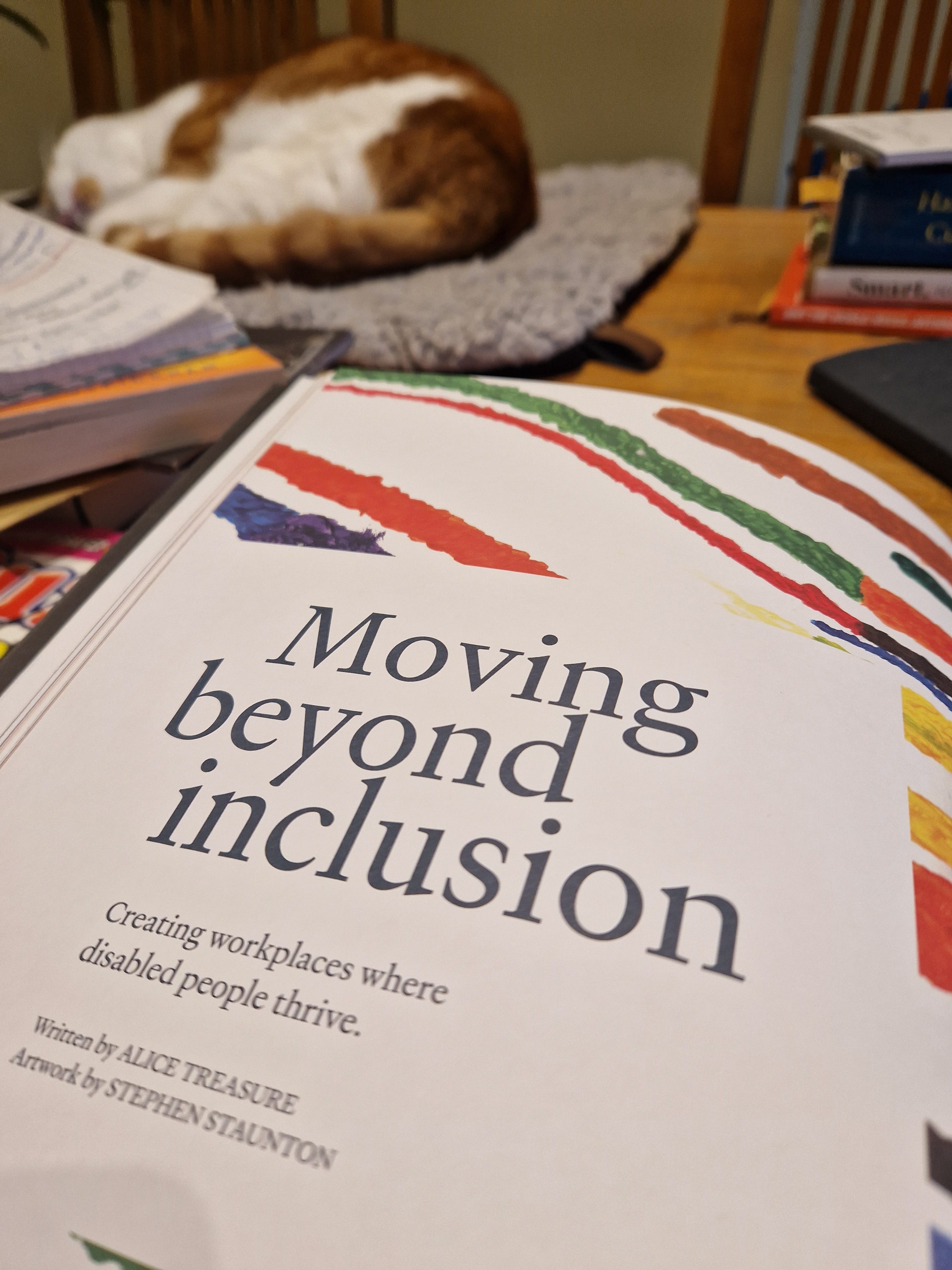
(Photo is of the first page of an article in a magazine with black writing on a white background. It’s entitled ‘Moving Beyond Inclusion’, with the subtitle, ‘Creating workplaces where disabled people thrive.’ There is a ginger and white cat asleep on the table in the background).
I've found it easier having a knee replacement than I did having endometriosis for 30 years. It's temporary, it's mechanical, people can see that I've got a problem (crutches notwithstanding I am very unsteady on my feet). When I had endometriosis I had no idea if there would be an end to it, I generally looked fine (and made every effort to do so), so people often didn't know there was anything wrong.
Common to both is the challenge of having a shower (I strongly believe this should be a key indicator of whether you can contribute successfully to the outside world and be 'better'. Having a shower is HARD work!).
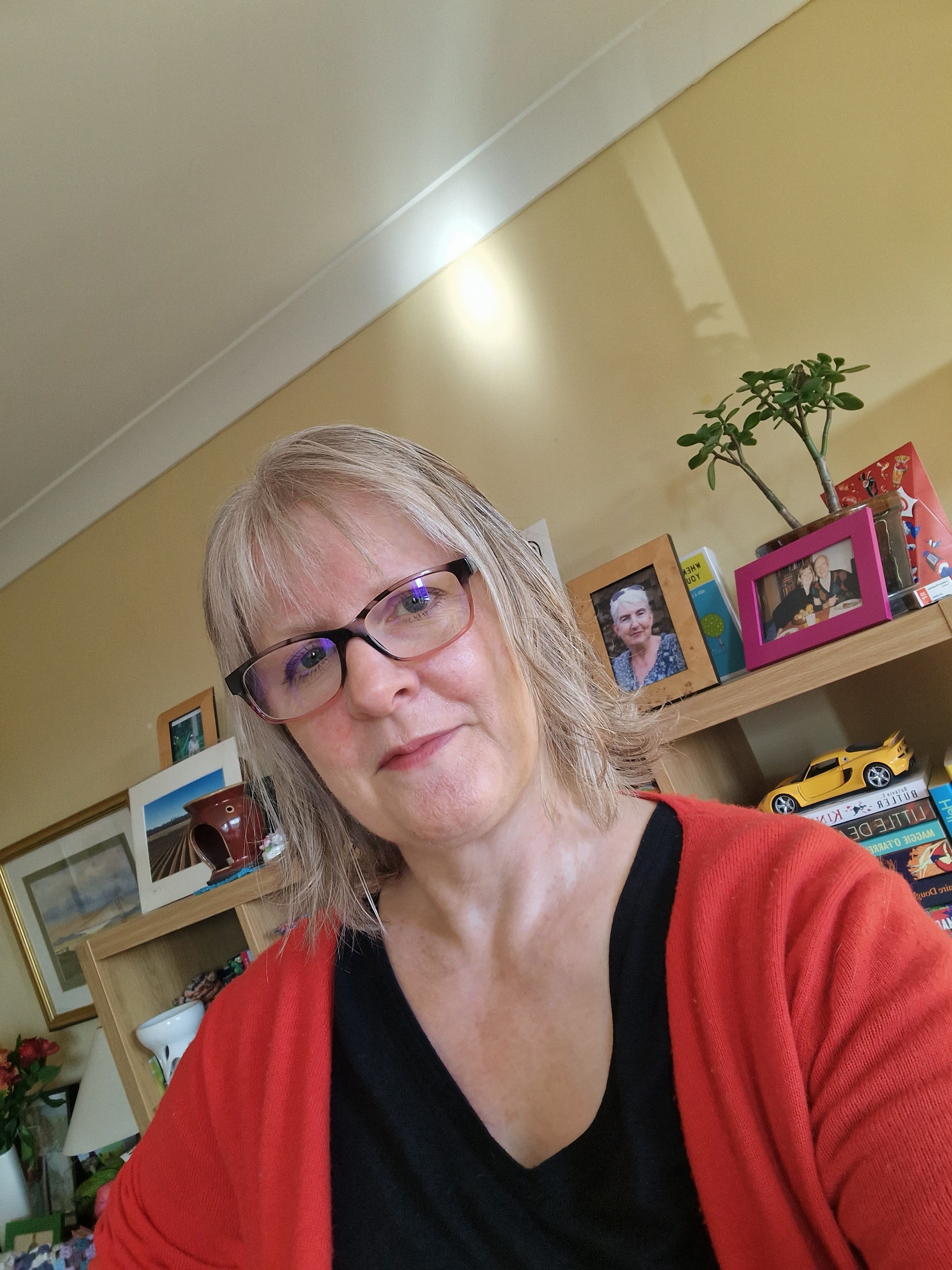
(Photo is of a woman with shoulder length wet blonde hair in a red cardigan. She's standing in front of shelves covered in photos, books and nick nacks. The woman is smiling slightly at the camera, but that smile took effort after having a shower).
Having a knee replacement has given me a new found respect for anyone living with a physical disability. Navigating our pavements, shops, parks and built environment is a challenge for sure. People are often kind though (or at least give me a wide berth). Parking has been a big challenge. I'm lucky to have an automatic car (it's my left knee that's new) and I've been able to get out and about. But I can only get back into the car if I can open the driver's door wide, so I have to make sure I park where no one can park to my right. It's taken some mental agility and clever reversing to get that right. I keep wondering how hard it really would have been to have had a disabled parking permit issued just for a couple of months.
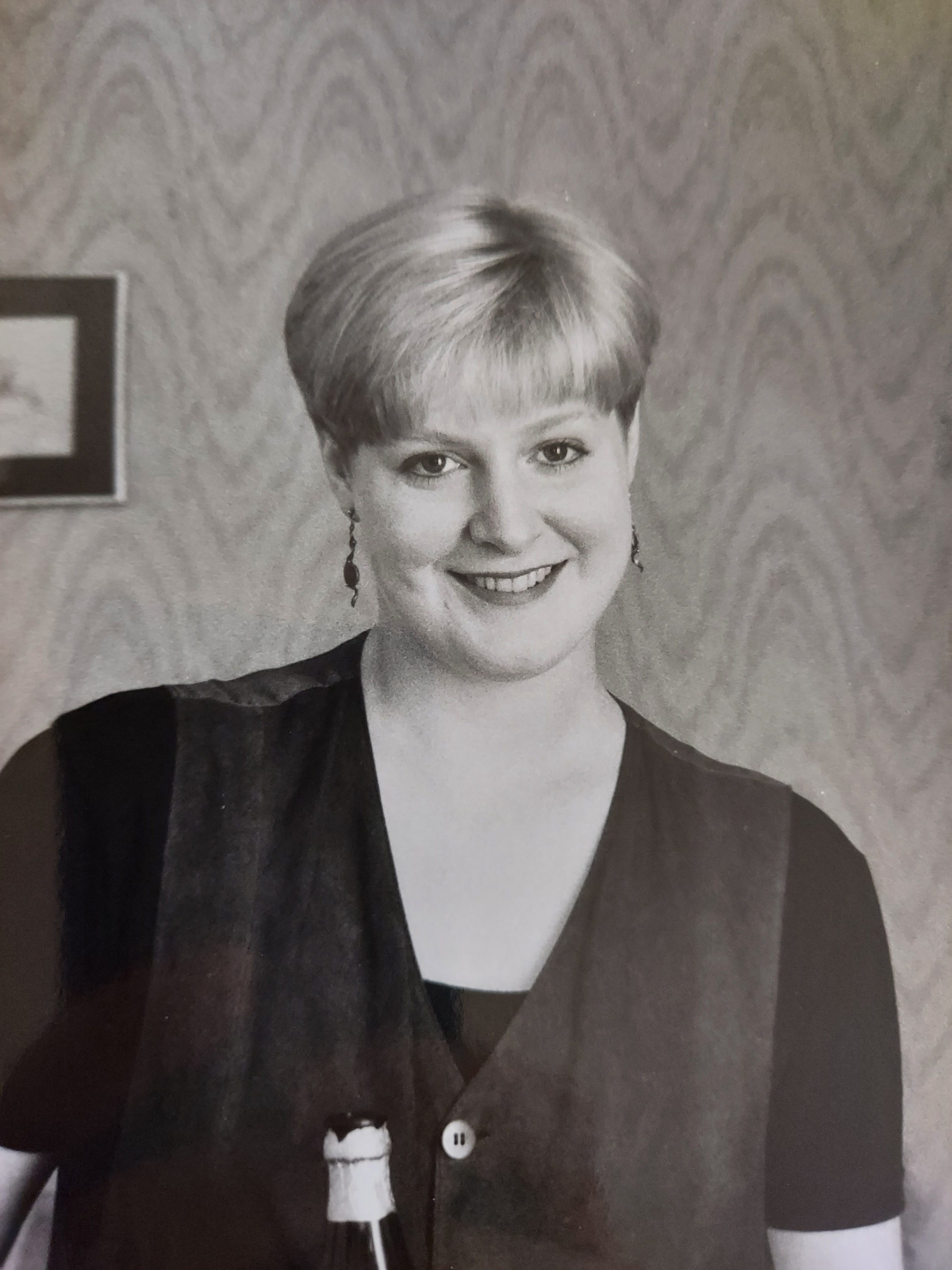
(Photo is black and white and of a woman in her 20s with short blonde hair wearing a suede waistcoat and holding a beer bottle. Shes smiling into the camera but little does she know she's about to be diagnosed with endometriosis.)
I felt much more shame when I had endometriosis. I didn't tell people about if I could help it. It's hard to explain what it is, sounds really dreadful if you get into the detail, and I used to think that if people googled it they'd wish they hadn't. I didnt want to be underestimated or pitied, that just made me feel worse. The pain I was in was subjective, it was invisible. I always thought I was being a wuss. I had a very understanding husband, but we're no longer together and I have no doubt that my health issues took their toll on our relationship.
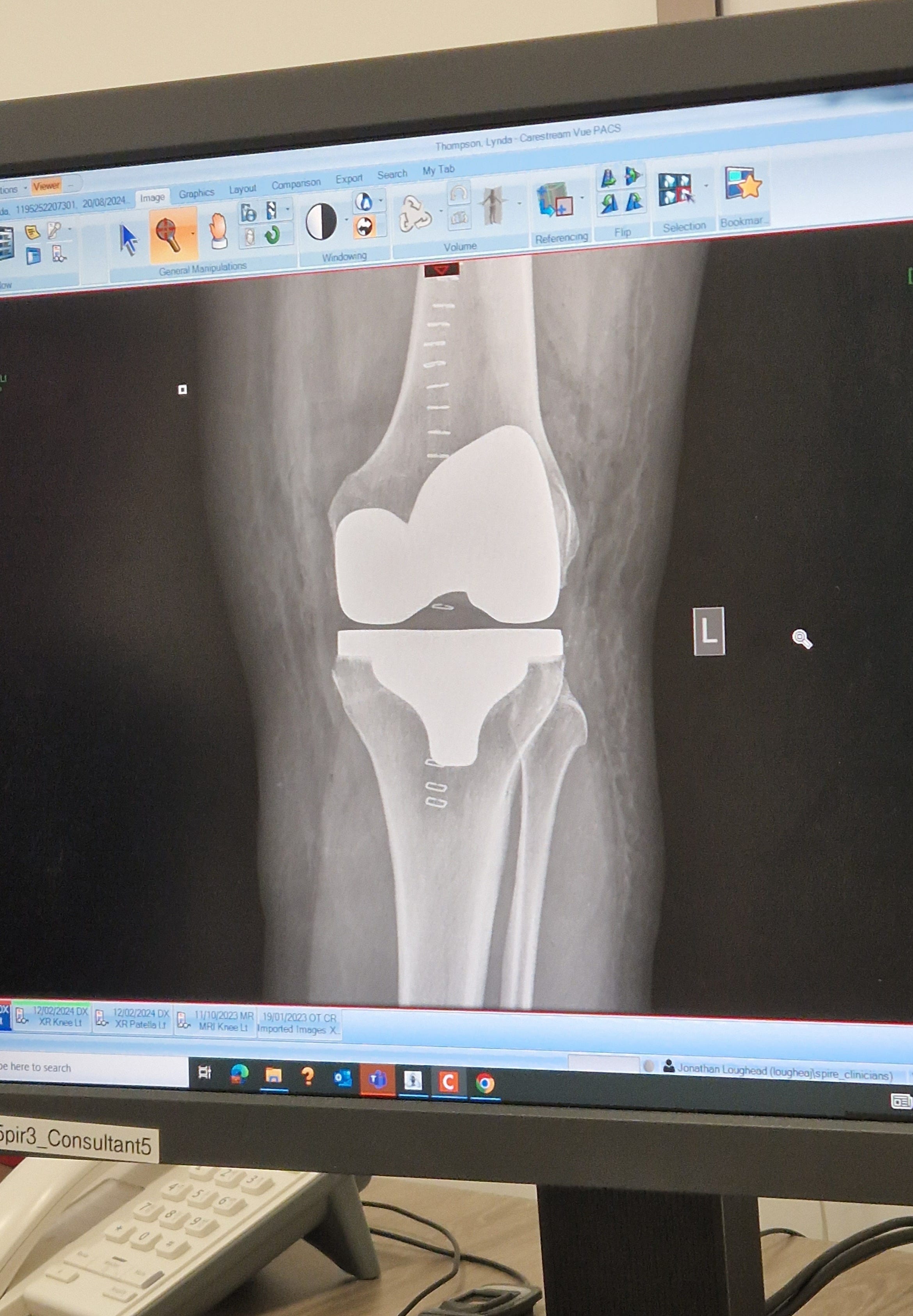
(Photo is of a black and white xray of the author's new knee on a monitor on a desk).
The pain with a joint replacement is accepted and dealt with; painkillers and sick notes are issued, no messing about. When I think of all those times I had to convince the doctor I needed a sick note when I was in agony with endometriosis I want to cry.
The definition of disability under the Equality Act 2010 is that you’re disabled if you have a physical or mental impairment that has a ‘substantial’ and ‘long-term’ negative effect on your ability to do normal daily activities. So yes, I probably did. But I didn't know how to get help and no-one in the medical profession (who were woefully unhelpful across the board) ever suggested I 'apply' for assistance.
It feels selfish to talk about disability in relation to my own issues, but that's what I know most about. But I know that everyone's different and experiences the world in their own way. Endometriosis is in particular a very individual disease and people experience it in different ways. I think my experience of having endometriosis is partly why I like flexibility in how and where I work. I had a long spell working fixed hours and needing to be in an office and it was exhausting. Even though I no longer have the debilitating chronic pain that endometriosis brought I can work in harmony with my energy flow and be productive when it suits me and rest when I need to.
As Alice points out in her excellent article, "the Valuable 500* is noticing an increasing awareness of how integral [disability inclusion] should be to business." As Katy Talikowska says, "why would you want to exclude 20% of the world's population from buying and benefiting from your products and services?"
But..."what does it take to be truly inclusive?" An inclusive culture is key, because as Tiffany Yu of Diversability points out, people 'helping' and pitying people with disabilities is problematic [viewing disability as a medical diagnosis, a tragedy or charity case] prevent us from being seen as peers and equals and mean there are a lot of assumptions and biases held by the decision-makers that control our economic self-sufficiency."
For me a starting point to make an effort to understand and communicate around disability and inclusivity, and go beyond my own personal experience, has been to attend Ettie Bailey-King's incredible 12 week course, The Bold Type. We're only 4 weeks in but I'm already better informed and excited for the weeks to come. Ettie is an excellent teacher and I don't think I've ever attended such an accessible and inclusive online course. Her attention to small details is wonderful and I feel included, safe and appreciated as a delegate.
I wasn't knowingly excluded when I was an employee, but I definitely didn't feel included sometimes. I felt embarrassed and uncomfortable about my condition (let's face it, a 'woman's illness' which comes with its own baggage). I'm sure my employer supported me as best they could (and my individual managers were incredible), but was the business proud to have me? Did they celebrate having someone who had difficulties as an employee? I don't think so.
Once again The Beautiful Truth magazine delivers another thought provoking article. https://thebeautifultruth.org
* Valuable 500 is 500 CEOs and their companies who have put disability inclusion on the leadership agenda and made a commitment to action.
No posts
Comments
Nothing yet. Say the first thing.
Sign in to join the conversation.