
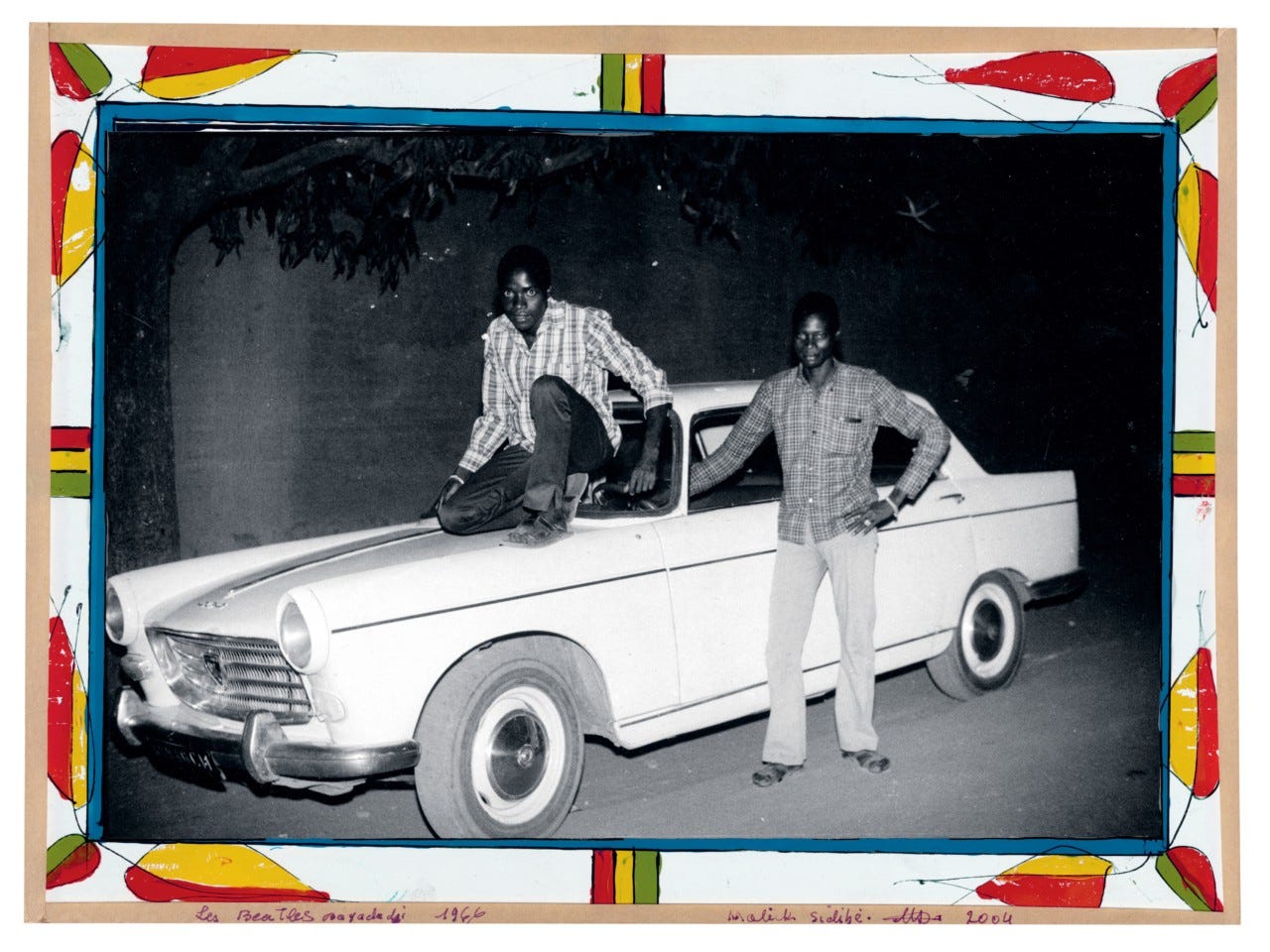
editor’s note:
I’m gonna keep it brief cause this ain’t about me -
Did I launch a whole magazine just so I could talk about New Wave Black Naturalism ™?
Yes, I did.
Did I find from my desire to discuss NWBN™ with all of you that there are SO MANY other aspects of art, creativity, and cinema that aren’t being championed or talked about enough or at all and that I cannot wait to highlight and curate them for you in the future?
Also, yes.
I first heard about New Wave Black Naturalism ™ in a conversation Ellis J. Sutton and I had with filmmaker Cole Swanson for The Label last summer. (also for those of ya’ll curious - The Label isn’t over, just in a current reiteration phase like a caterpillar in a cocoon and it will be emerging in its next gorgeous form when the time is right. But for now go check out what Ellis is doing at Coffeehouse Cinema and you can read the interviews we did with Cole here and here - the conversation was so expansive we had to break it down in two parts.)
But in our interview with him, Cole mentioned how he and his producing partners, Dane Clarke II and Joel Poku, were making films in a genre they coined New Wave Black Naturalism ™ and honestly once he said that my entire mind became little surges of fireworks exploding to the point where it was hard for me to physically sit still.
How was this not front page news??
How was his first feature, Bloom, which would kick-off this new wave of cinema, not fully funded already and in production?
And why aren’t more artists coming up with their own terms to articulate the kind of art they want to make as we so desperately need new language to fit the times?
But of course, you, dear reader, already know the answers to these questions.
Why someone so clearly talented, gifted, and full of vision wouldn’t already have every door opening for them and their future...
Ya’ll the media ecosystem and overarching dominant narrative of our world is rigged - and frankly boring and overplayed.
So let’s make a new sound shall we?
I’ve asked some of my favorite Substackers to help me expand upon the concept of New Wave Black Naturalism ™ while also celebrating Black Cinema as a whole.
Enjoy.
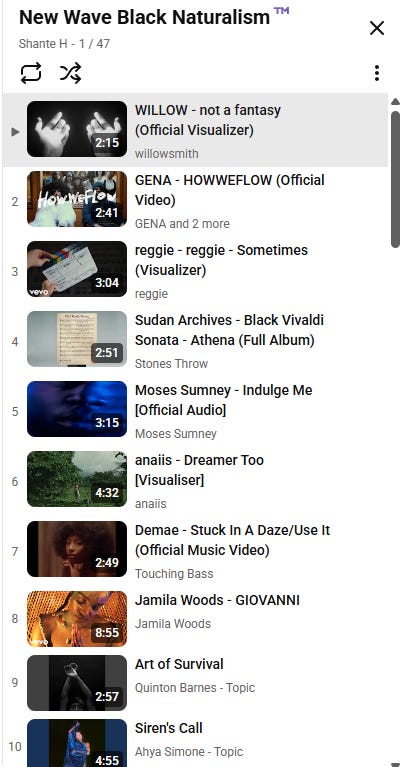
Music is the best way I know how to enter a world - any world - and so Shanté was the first person I reached out to for this edition of Luz Films Mag and to say that they delivered is an absolute understatement.
This is it.
You don’t need another playlist this summer. (aside of course from the one Nick Pierre’s doing for the next issue.)
This playlist is breathtaking. Just like Black Cinema. Just like Black Artistry. Just like anything where you can see all the times struggle gives way to joy and back again in a finite loop we call ‘life.’
So before we begin, click on one of the links below based on the platform of your choice and enjoy the ride…
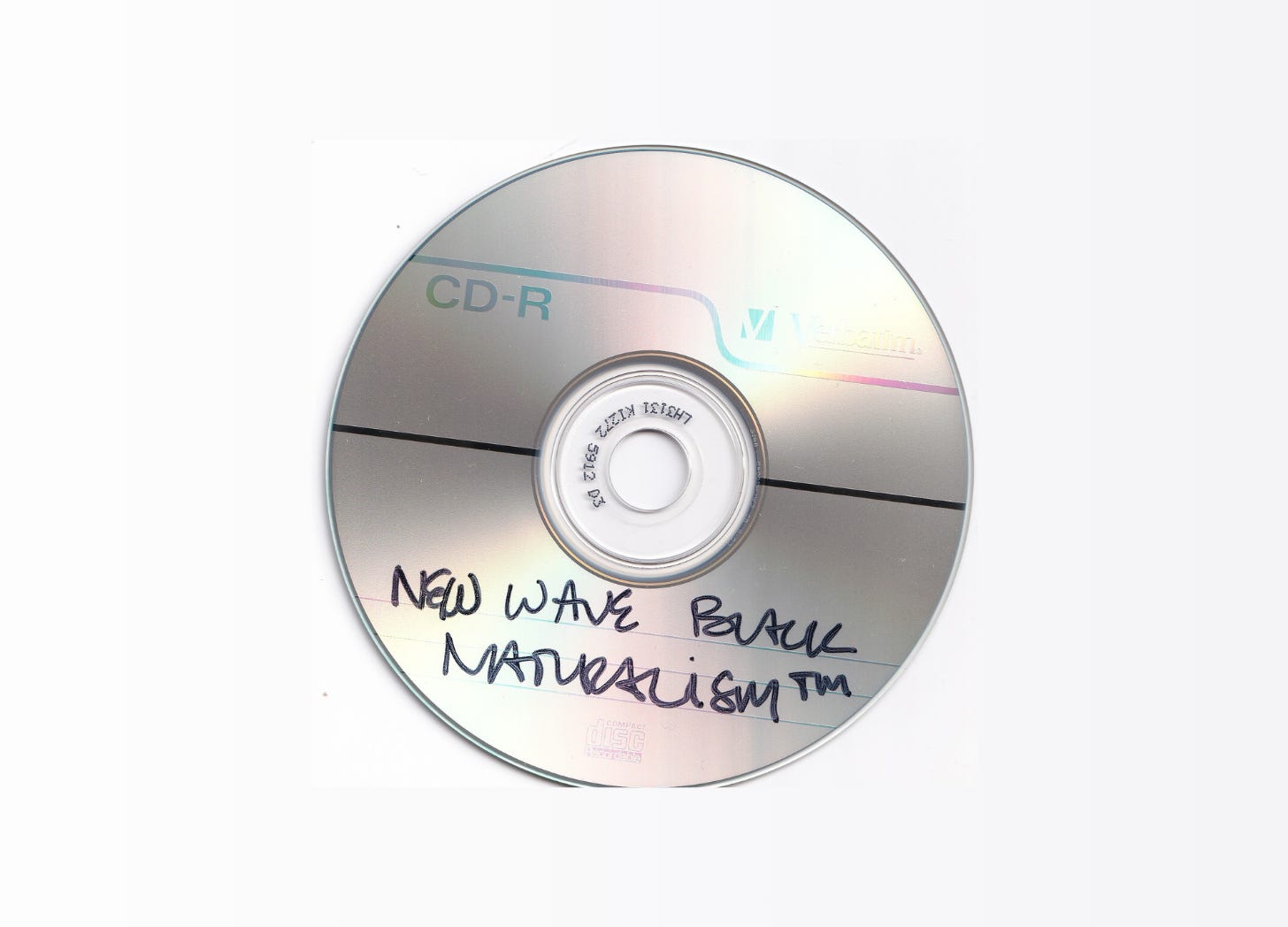
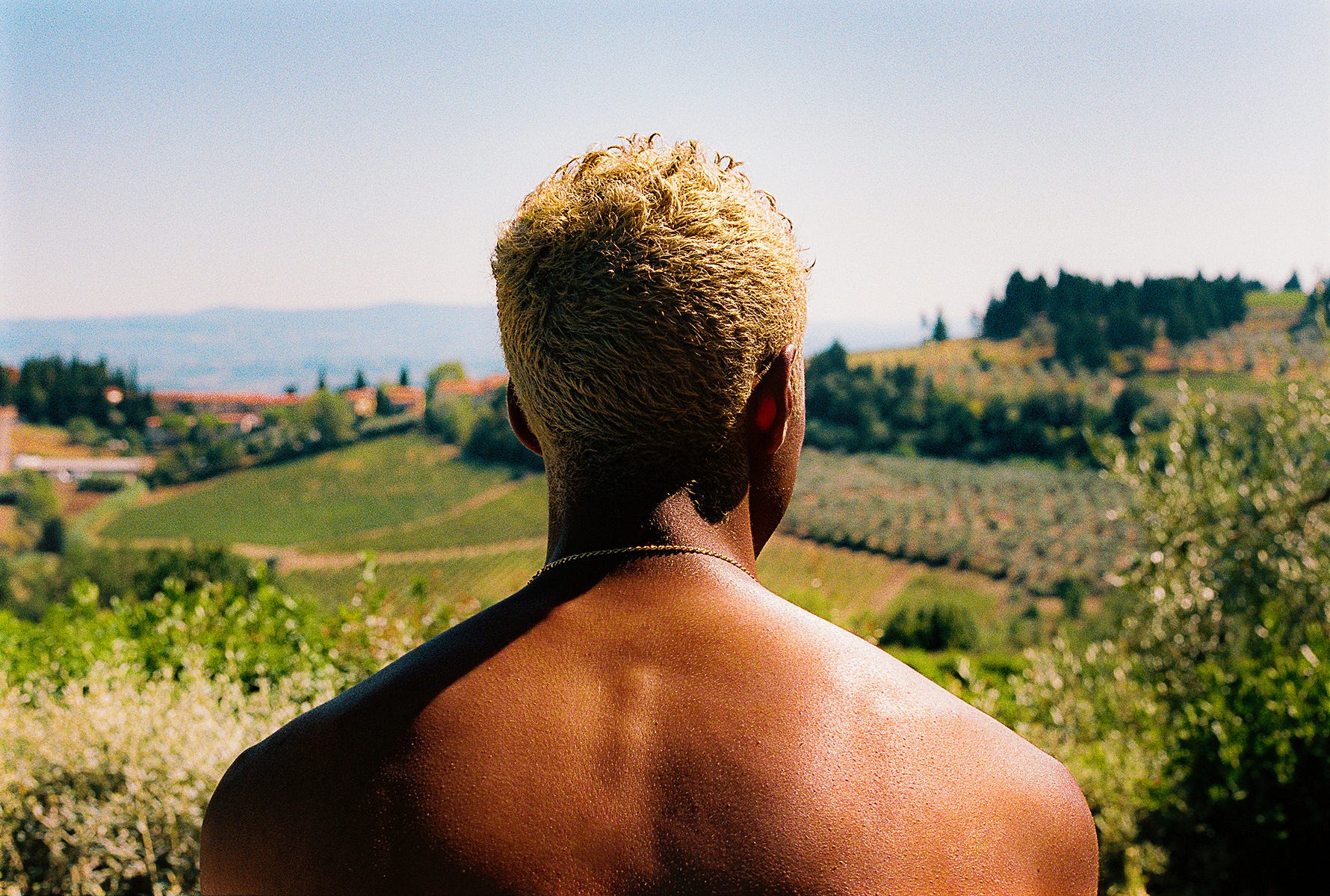

The Prelude to New Wave Black Naturalism ™ by John Noire
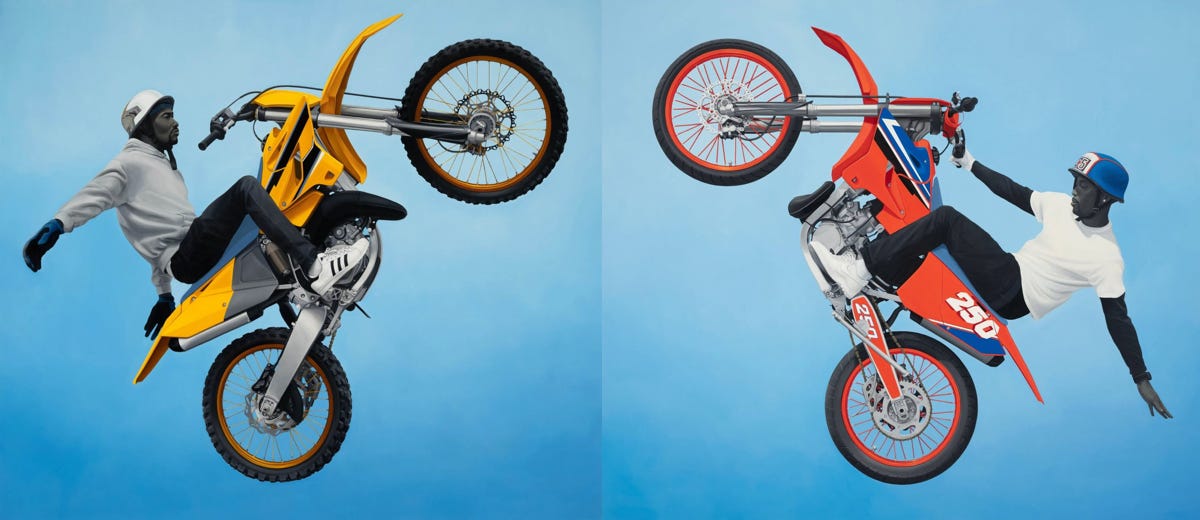
One of my favorite paintings is Amy Sherald’s “Deliverance”: a dreamlike depiction of two dirt bikers temporarily suspended in the air, their daring dance with danger captured against a baby blue background.
It reminds me of a pivotal scene in Ryan Coogler’s Creed, where the titular character (Adonis Creed) is running the streets of Philadelphia with nothing but a cavalcade of motorcycles and an orchestral rendition of Meek Mill’s “Lord Knows” behind him.
If there is one gift that Ryan Coogler has as a director, it’s his ability to capture the beauty of small moments. The moments that might not seem like much on the page but leave an indelible imprint on your mind once pictured on-screen. Like the scene where Adonis helps loosen the braids of his girlfriend (Bianca Taylor): a tender act of physical intimacy that paves the way for a conversation layered with emotional vulnerability.
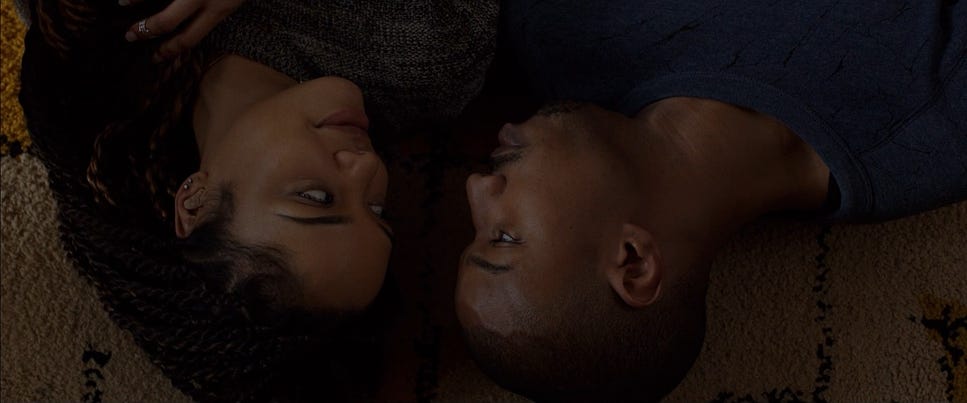
This is the texture of Black life that I’m drawn to in film.
It’s in the red-lit reggae club as Nina Mosley and Darius Lovehall get to know each other better on the dancefloor. It’s in the relaxed way Whitney, Loretta, Lela and Angela drunkenly regale their complicated love lives over candlelight and Toni Braxton’s “Let It Flow”. It’s in the cast-wide electric slide that closes out a movie filled with more laughter and hijinks than a Terry McMillan novel.
I think about all these cinematic slices of life and remember Kwame Braithwaite’s seminal “Black Is Beautiful” photography series, a powerfully subversive portrait of instances where Black people are allowed to just be: be bold, be buoyant, be brilliant, be breathtaking but, most importantly, be free.
New Wave Black NaturalismTM builds on this legacy.
In the words of the legendary polymath Gordon Parks, “the camera is not meant to just show misery”. It’s meant to depict life as it is and life as it could be. Life, briefly uninterrupted by grief and tragedy. Life, punctuated by the poetic promise of humanity. Life, immortalized on film, radiating with vigor and vitality.
Further Reading (From John)
[1] Madusa Sidibay, Pineloft Entertainment’s Dane Clarke II, Joel Poku, And Cole Swanson On Breaking Ground As Black Filmmakers, 1202 Magazine
Further Watching
[1]Amy Sherald: Singular Moments, Art21
Black Cinema by Jordan Levenque
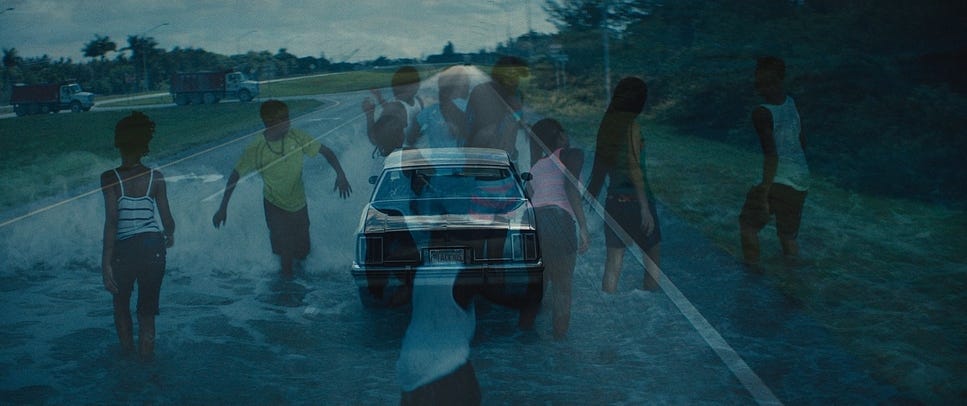
It gets in your chest before it gets in your head. It’s the temperature of a room before anybody speaks. The way a hallway still holds yesterday’s argument. The sound of a laugh that knows too much to be innocent.
People talk about “representation” like it’s a roll call. Like the work is finished once we can count who made it onto the screen. But real Black cinema has never been that small. It is not just the image of us. It is the atmosphere around us. The rhythm of how we survive ourselves. The private language of rooms that never needed subtitles.
At its best, Black film doesn’t beg to be understood. It moves like something made from inside the house. A look from your auntie. Music leaking through the wall. Somebody joking two seconds after saying the most devastating thing you’ve ever heard.
The everyday is never just everyday for us.
It carries memory, ritual, grief, protection, and proof that we were here.
That’s why I think of Black cinema as spiritual technology. Not because it has to be mystical, but because it knows how to preserve what history keeps trying to flatten. It doesn’t just tell stories. It keeps the spirit intact.
That’s Killer of Sheep energy. Working-class life shown with patience, not pity. Survival as a rhythm, not a plot twist. The film moves like a week moving: vignettes, errands, laughter, fatigue, kids making magic out of whatever’s nearby. That’s the point. It understands the sacredness of the day-to-day, how Black folks carry whole histories in small gestures.
And then there are films that don’t just show memory they treat memory like an element you can breathe.
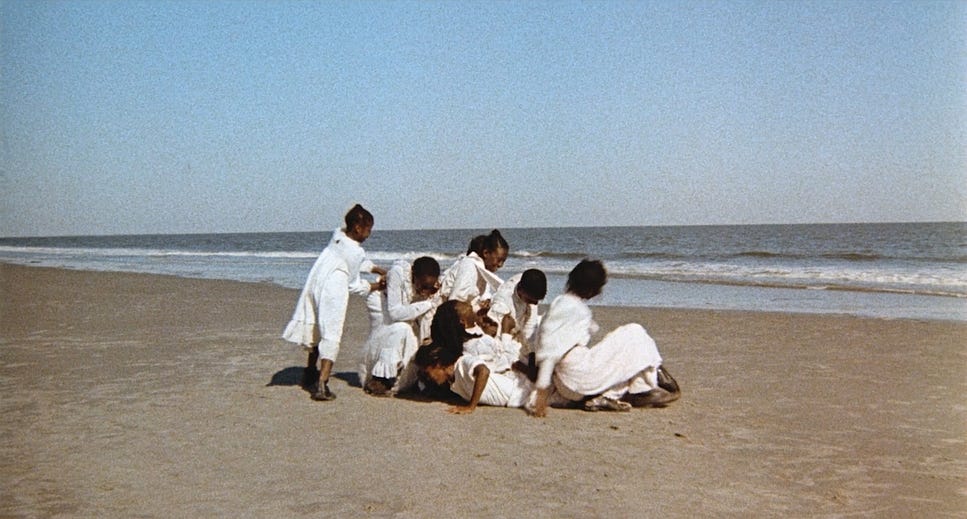
Daughters of the Dust doesn’t “explain” ancestry; it lets you feel it moving through the air like weather. Time in that film isn’t a straight line, it’s a circle where you keep stepping into the past and future talking over each other, the living and the dead sharing space without needing permission.
It’s also a landmark in the plain, undeniable sense: Julie Dash’s film is widely noted as the first feature directed by an African American woman to receive a general theatrical release in the United States.
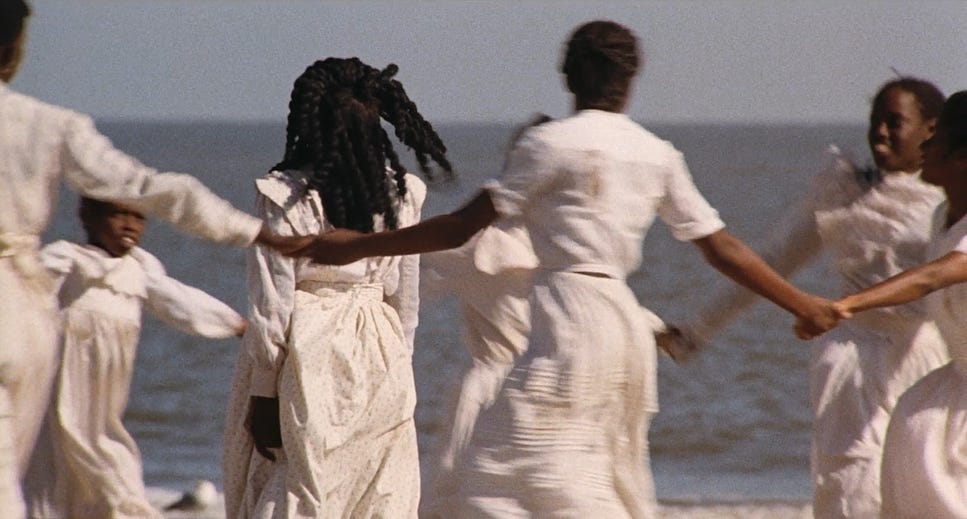
But the deeper landmark is spiritual: it treats Black people as a people with cosmology, language, ritual, migration, remembering as if our interior world is worthy of cinema’s full attention.
That’s what I mean by spiritual technology.
Technology does a job. It’s built to function. Black cinema has always functioned in ways people don’t name: it holds the record when official history lies; it teaches you how to read what isn’t said; it gives you permission to be complicated when the world keeps trying to shrink you down into a headline.
And a lot of the strongest examples aren’t loud. They don’t need to shout “THIS IS IMPORTANT.” They just refuse to rush past Black interiority.
Losing Ground is exactly that refusal. A Black woman philosopher thinking about ecstasy while her marriage strains, while desire and intellect and everyday life collide, no trauma spectacle required, no begging for legitimacy. Just a Black mind on screen, uninterrupted. The film’s story centers on a philosophy professor and her artist husband; it’s semi-autobiographical, and it’s been recognized as a significant work in Black film history.
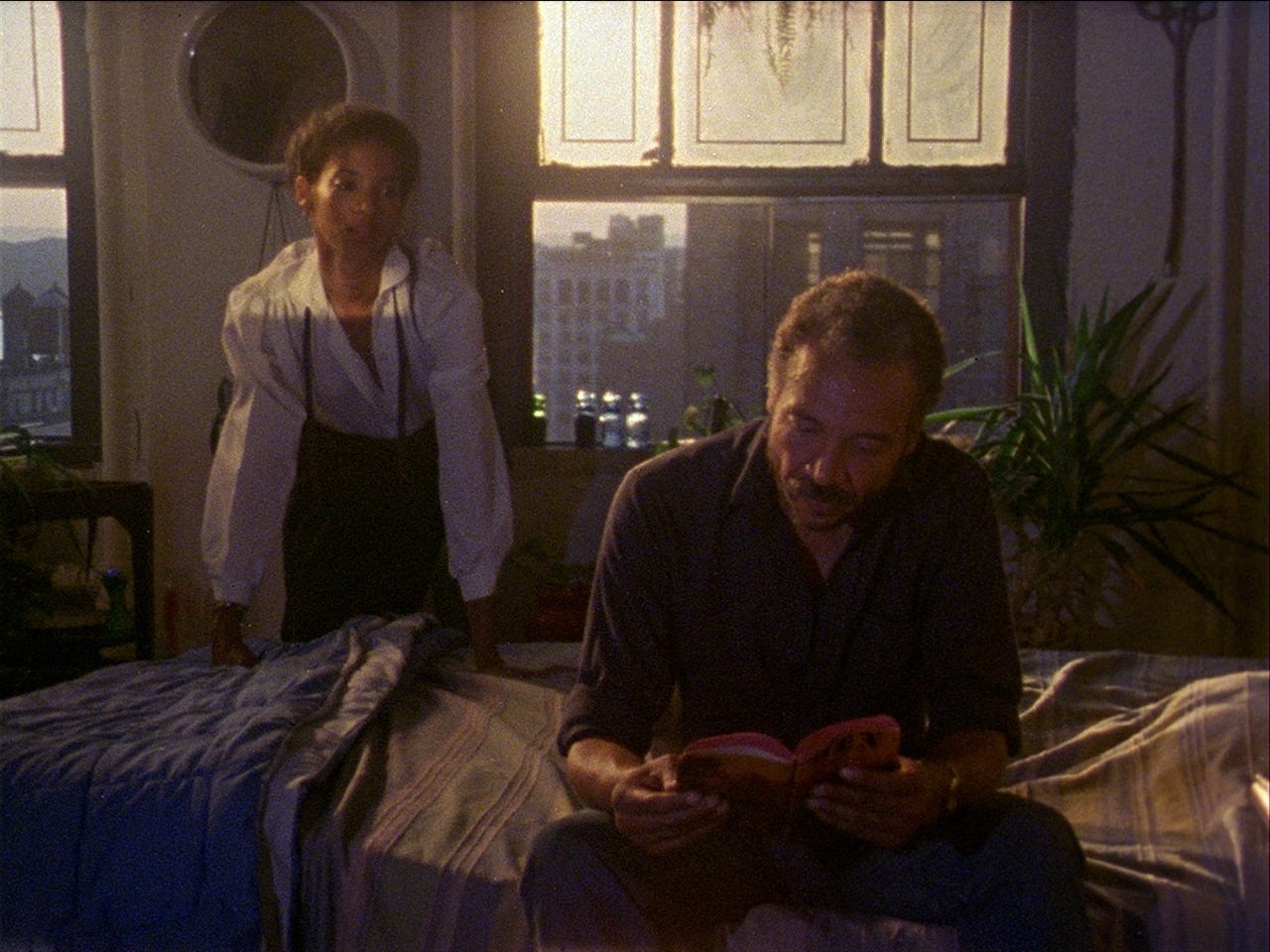
That kind of movie is a spiritual instrument: it tunes you back to yourself.
And then you’ve got films where the supernatural isn’t “special effects,” it’s just… how Black families survive what they can’t say out loud.
Eve’s Bayou understands that secrets don’t stay in the mind; they leak into the walls, into the yard, into the air over the water. It’s Southern Gothic, yes, but more than that: it’s a film about second sight as a family language, about how children become historians of adult pain.
Magic isn’t decoration. It’s an emotional technology.
Truth told sideways when truth head-on would blow the room apart.
And when technology is identity, when the atmosphere is the pressure of becoming,
Black cinema still knows how to make the ordinary feel cosmic.
Pariah is coming-of-age, but it’s also coming-into-self, which is always spiritual.
A Brooklyn teenager navigating family, desire, self-definition, and the small daily negotiations that decide whether you get to exist freely. It’s the kind of film that says: the miracle isn’t an escape.
The miracle is learning how to live in your own skin without apology.
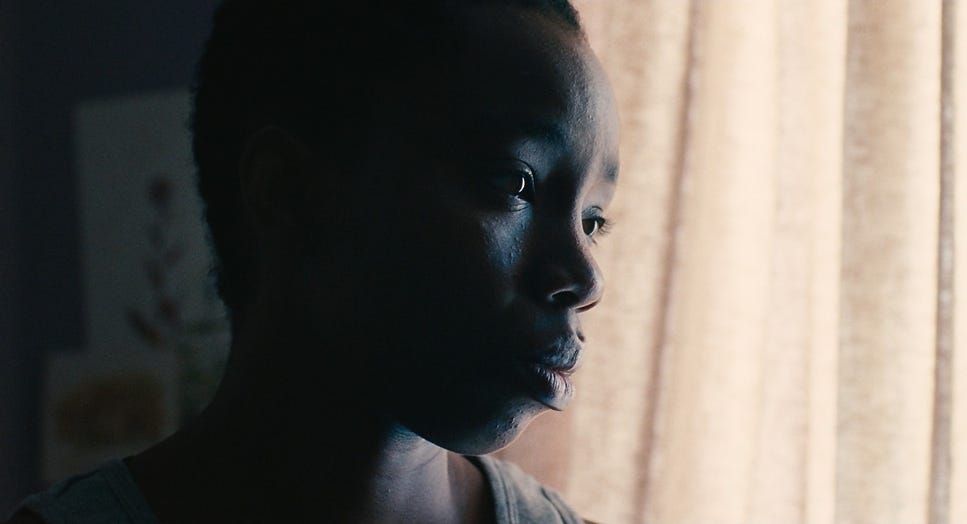
So yeah Black cinema has an atmosphere.
Because the atmosphere is what people who aren’t paying attention call “vibes.”
But vibes are just information with the labels ripped off. Atmosphere is the code. It’s the frequency Black life moves in: humor right next to grief, ritual tucked inside routine, imagination hiding in the plainest places. The camera catches what we already know: a pause can be a paragraph, a look can be a warning, silence can be a whole family meeting.
That’s why even the quietest Black film can feel like thunder if you grew up knowing what silence means.
Because Black cinema isn’t always trying to teach you something. Sometimes it’s just trying to keep something alive.
The porch. The kitchen. The jokes nobody outside the house would understand. The grief we don’t always name. The joy that still finds a way to be loud anyway.
A film can be a spell. Something you replay until your spirit remembers it was never lost, just tired.
Filmmaking as Spiritual Excavation: Notes on New Wave Black Naturalism ™ by Danielle A. Scruggs
I first saw Eve’s Bayou when I was about 11 or 12 (I am coming to realize that many Elder Millennials spent our childhoods consuming media that was too grown for us, but I digress).
While I didn’t understand the significance of the movie’s themes of the frailty of memory and how secrets can pull a family under until I was much older, I always carried so many indelible images from the film in my head:
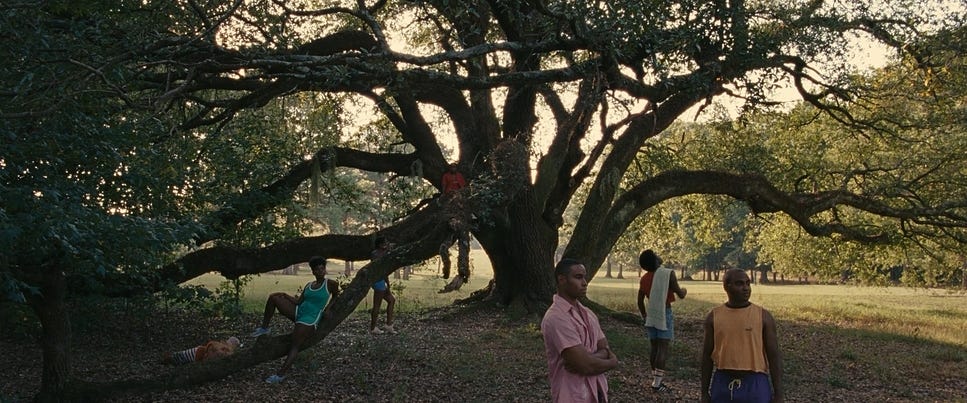
Young Eve (played by Jurnee Smollett) sitting in a massive tree, an image that recalls a similar scene of the Peazant women sitting in trees in Julie Dash’s Daughters of the Dust.
Lynn Whitfield in close-up, her beautiful, heart-shaped face clouded by concern and suspicion.
Sam Jackson, a slow, wry smile spreading over his lips as he lights a cigarette.
Diahann Carroll’s delicate features covered in white powder, a shock of grey hair spilling down her shoulders.
Debi Morgan in vermillion red lipstick, recalling past lost lovers while staring at her reflection in a mirror.
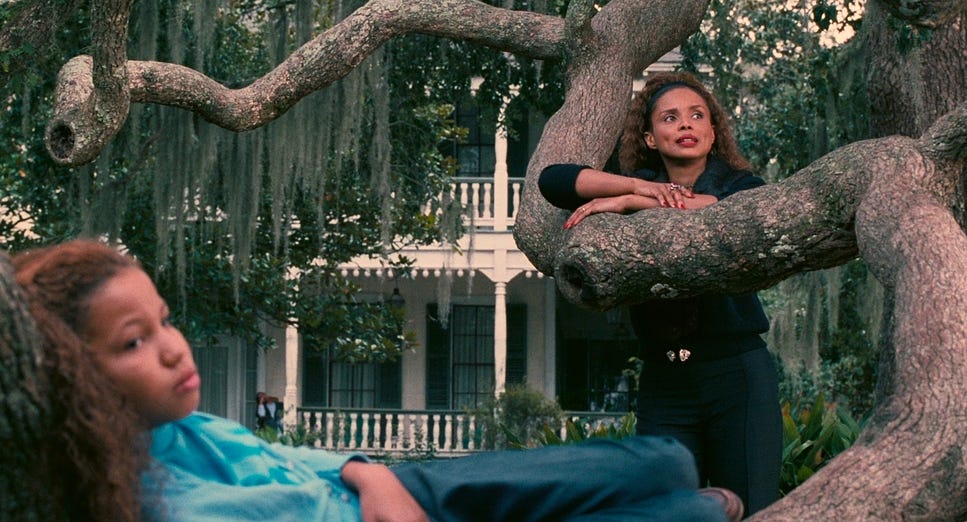
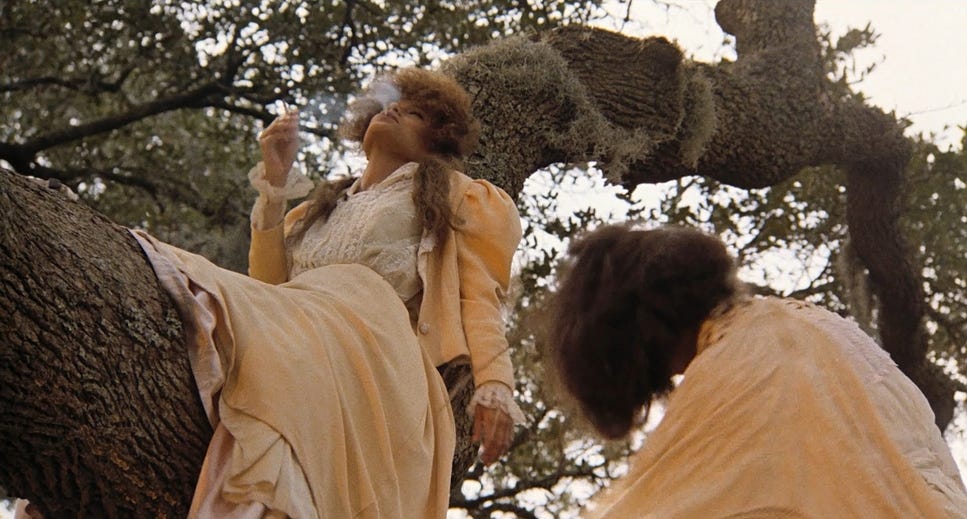
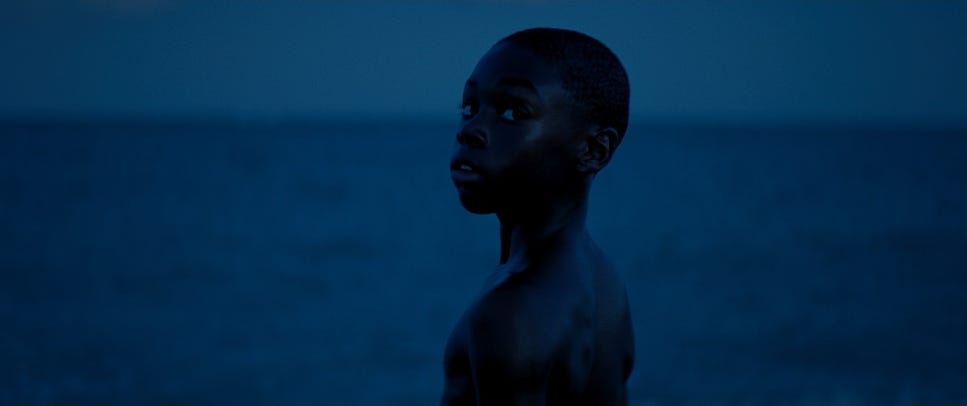
Eve’s Bayou is just one of several films that come to mind when I think of spiritual predecessors to New Wave Black Naturalism ™ , a phrase coined by filmmakers Dane Clarke II, Joel Poku, and Cole Swanson to describe storytelling rooted in Black joy that focuses on life unfolding rather than following a predictable 90-minute plot that centers on trauma.
“The key thing is to see Black life unapologetically being fruitful, lively, and vibrant,” says Swanson—the son of critically acclaimed filmmaker Christine Swanson—in an interview with 1202 Magazine.
“Whether we see these Black characters in Italy, Japan, South Africa, or somewhere in the States, the common denominator throughout all of these stories is that there are Black characters who are just enjoying life. These stories also do not fall into the pitfalls of trauma and rather use Black Joy as the catalyst for the storytelling.”
There’s a real concern that I think these filmmakers are responding to. Oftentimes, Black stories are not handled with care, especially when they are told unconventionally — nonlinear, fantastical, or a refusal to traffic in harmful, flattened stereotypes or neatly limned support roles.
However, I would argue that many films depicting Black life as Cole describes also take an unflinching look at the underbelly of life. The unsavory moments. What unhealed wounds can do to a family or a community writ large.
Looking at Black life holistically is not necessarily something we need to turn away from. Instead of shutting ourselves off from it entirely, we can ask ourselves,
“What is this pain trying to tell us?”
“What can we learn from it?”
“What can blossom from this wound?”
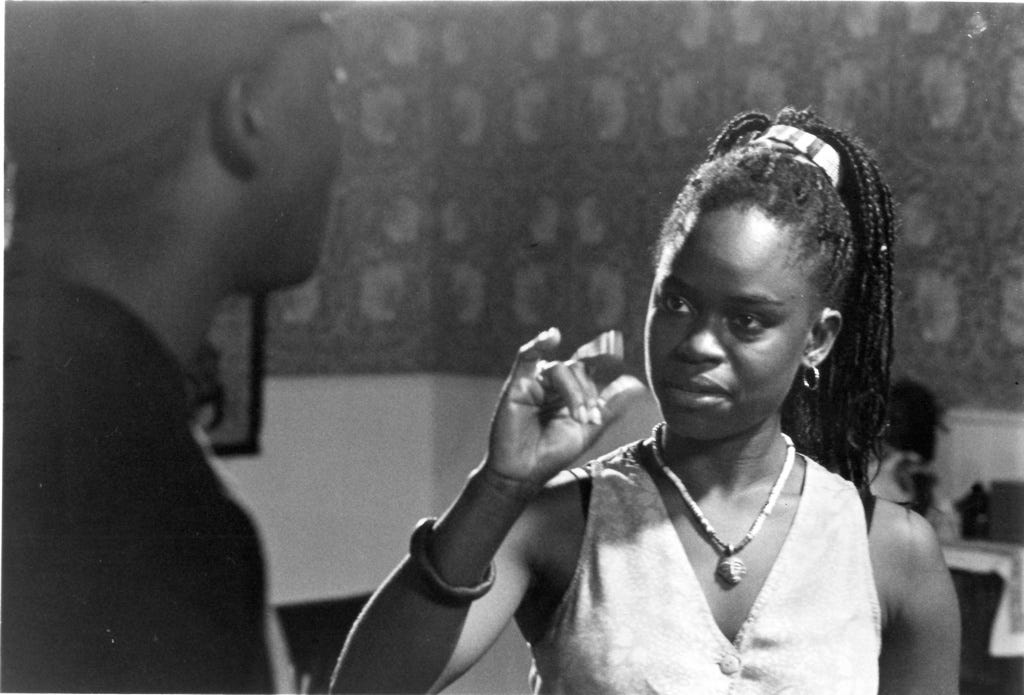
These are some of the questions that came to mind for me while watching Compensation, a tender romance film that defies easy categorization. Directed by Zeinabu irene Davis, a key figure of the LA Rebellion, Compensation follows two sets of lovers in Chicago in two separate time periods — at the turn of the 20th century, and the present day, which was 1999, the year of the film’s release.
Each couple, made up of a deaf woman and a hearing man, navigates love, loss, and chronic illness while also trying to find their respective ways in a world that often loves what we produce but not us. However, the film, photographed in black and white while incorporating archival photos and footage of Chicago, also relishes in sensuality and pleasure, telling a full story of these characters’ lives as well as the city.
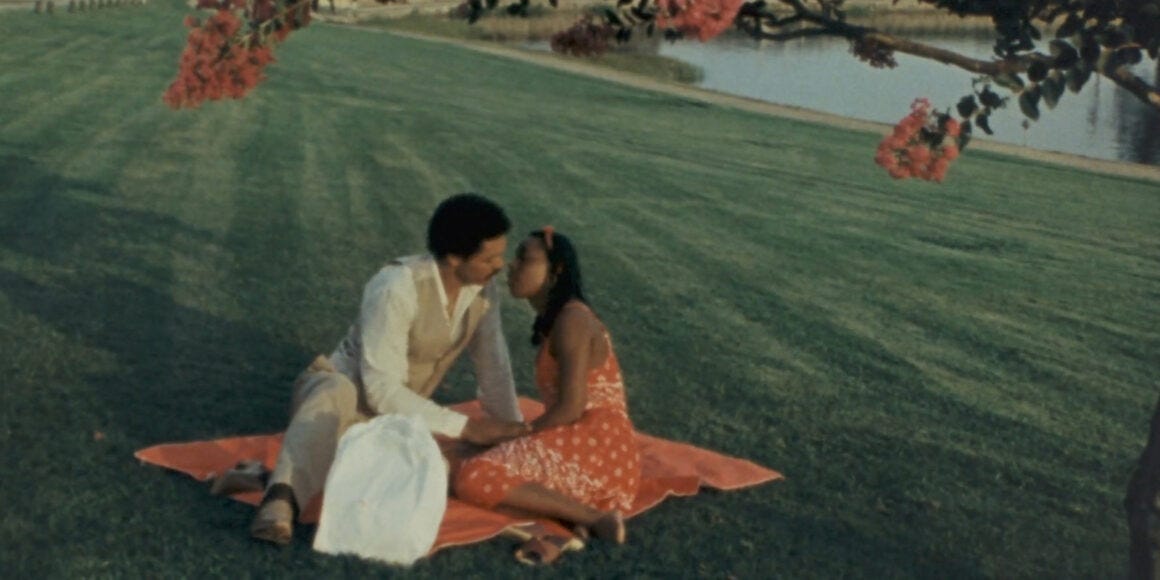
I felt the same way when watching Cane River, a gorgeous, almost-lost-to-history romance film set in Louisiana in 1982. Directed by Horace B. Jenkins — who died of a sudden heart attack before his film could be distributed — Cane River follows Peter, a writer from a wealthy family, and Maria, a fiercely independent, working-class college-bound student, as they fall in love. In the middle of this love story is also an incisive critique of intraracial tensions within the community between wealthy Creoles and working-class descendants of enslaved people. The film also focuses on the lush, verdant expanse of Louisiana, making the parish as much of a character as the star-crossed lovers.
Another film I think of in the same vein is Charles Burnett’s film Killer of Sheep. Filmed in Watts between 1973 and 1977 by Burnett when he was a graduate film student at UCLA, the film is a series of vignettes from the life of a slaughterhouse worker played by Henry G. Sanders, his wife (Kaycee Moore) and his precocious daughter (Angela Burnett, Charles’ daughter), interspliced with views of greater life in Watts that are captivating in their simultaneous otherworldiness and mundanity.
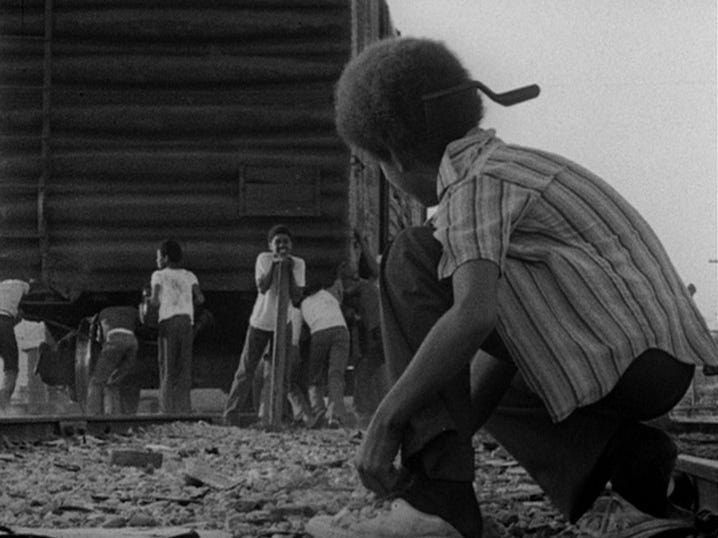
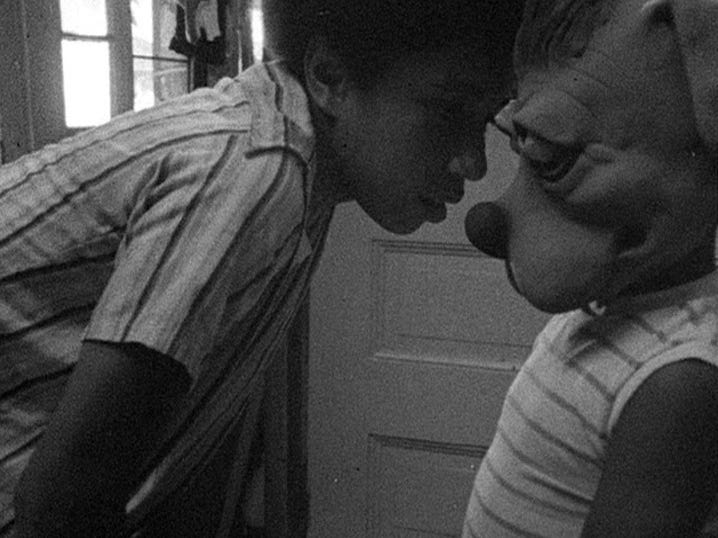
What resonated with me the most was that the film simply showed us these characters’ lives. There isn’t a pat, simplistic moral that wraps everything in a neat bow.
It’s a deceptively simple story about people loving and embracing each other, and finding joy in less-than-ideal circumstances.
To do the kind of spiritual excavation Baldwin refers to requires a willingness to look at life in all its complexities, to explore the thrills and terrors of being alive with equal measure and fervor, without distilling that down to a simple binary of “joy” and “trauma.”
Life is more complicated than that.
Art can and should be more complicated than that.
The complication is where the good stuff is, where the truth lies.
I’m reminded of a quote I read back in 2009 from photographer Roy DeCarava:
“It doesn’t have to be pretty to be true, but if it’s true it’s beautiful. Truth is beautiful. And so my whole work is about what amounts to a reverence for life itself.”
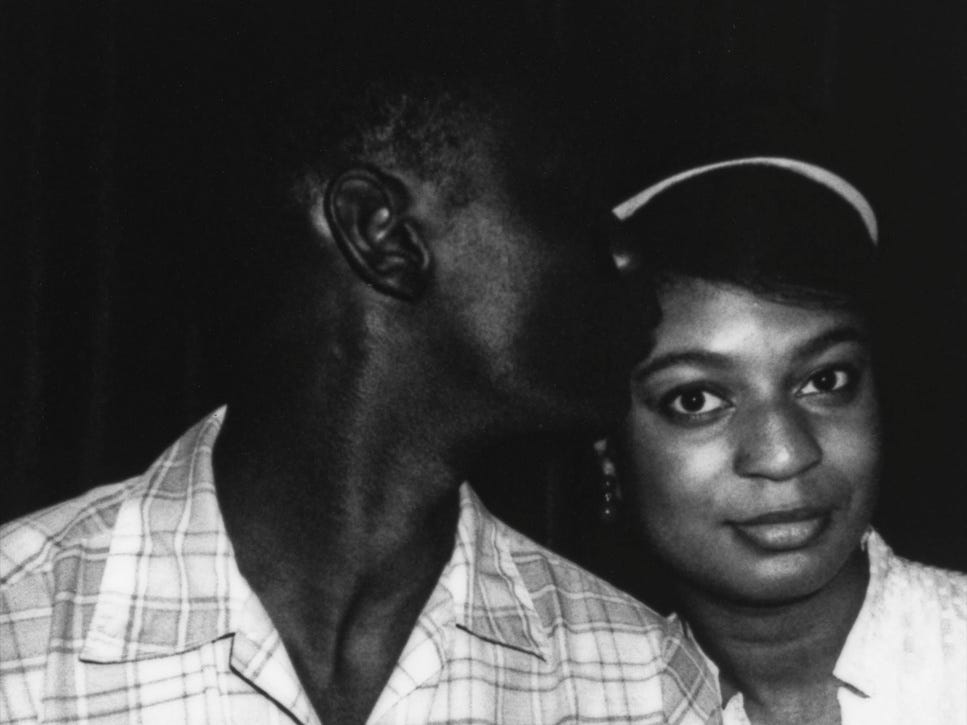
On Losing Ground and Gaining Courage By LUZ FILMS MAG FILMMAKER TO WATCH
Sam Bailey
I.
What I really want to present to you is….How do we divest ourselves from the need to make ourselves extraordinary? The danger is that we must now be too good. You see, if you’ve been too evil, if you’ve been the notion of sin incarnate, and you’re now trying to correct that balance, What do you do? You make Black people into saints. You go from being a sinner to being a saint.
In one lecture given at Howard University in 1984, Kathleen Collins gave language to what I now consider my north star when it comes to writing and filmmaking. I would be lying if I didn’t admit that sometimes I wrestle with that first impulse to mythologize my characters. To prove their humanity, to prove that they deserve a complex portrayal, because I know that those types of films are rarely given the space and support needed to bring them to the screen.
But that doesn’t mean we shouldn’t attempt to anyway. It’s a nagging feeling I eventually push past, but I know that it can pop again-screaming in my psyche that if I don’t make this character worthy of saint-hood, then the industry and in turn, the audience, will not want to spend time with them. It’s a mindset that limits our storytelling. These extreme boundaries-saints or sinners - cannot possibly hold all of who we are and it’s a box I so deeply want to release myself from.
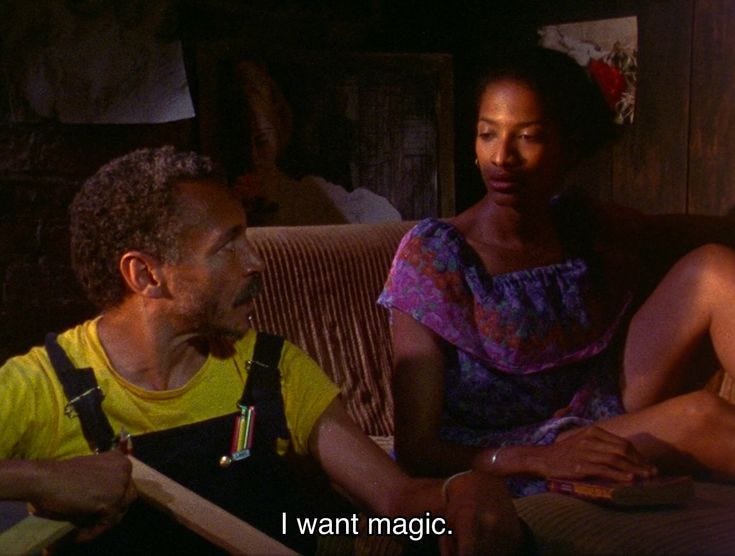
Kathleen was persistent in her belief that we do ourselves a disservice when we don’t interrogate the fact that Black people can only be seen in one prescriptive extreme.
When I think about the idea of New Wave Black Naturalism ™, I can’t help but look backwards because I know anything new we’re searching for has already been laid out by the creatives across the diaspora that have come before us.
If, perhaps, one of the goals of Black Naturalism is to showcase the humanity of Black people - not prove, but explore, then I don’t know of any other film more worth diving into than Kathleen’s powerful feature: Losing Ground (1982).
The feature, while only playing the festival circuit at the time of its release, was restored and distributed in 2015. I came across it shortly after reading her book of short stories. The film was a revelation and a life raft for me.
A meditation on ecstasy, purpose, and art told through the eyes of a middle-class Black couple summering in upstate New York, Losing Ground is funny, sensual and intimate.
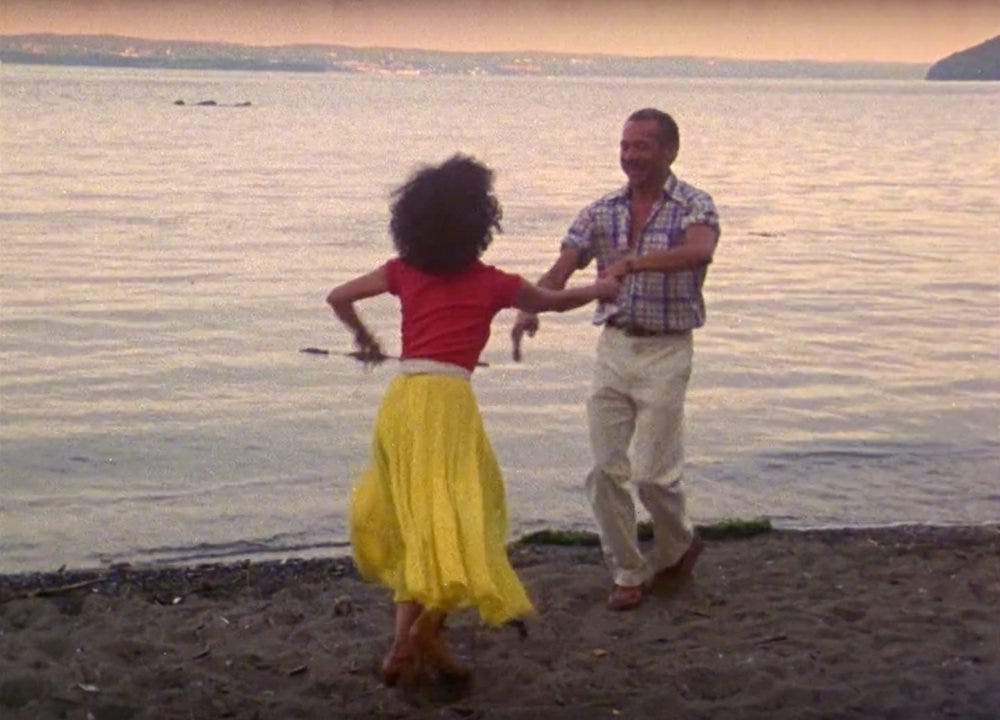
The first time I saw it solidified for me that stories like this can be told.
Starring Seret Scott as Sara, a timid but brilliant professor of philosophy, wife and woman trying to intellectualize her way into experiencing a more tangible sense of ecstasy while navigating the whims of her incredibly charismatic husband Victor, played by Bill Gunn, a relatively successful painter who is always looking for his next muse.
As the fractured couple seem to keep missing each other, both emotionally and physically, the audience gets an intimate look into a relationship we rarely get to see in cinema today.
Black people existing not as parable but as human, in all of their desires, neediness, sensuality, obsessions and shortcomings.
Collins was not afraid to shed a light on these people and consider them worthy of exploring. It’s not surprising to me then, to learn that when she tried to find distribution for the film stateside she was told by financiers that they “didn’t know Black people like that”. Her portrayals of these characters felt so alien to them, apparently. It is a common response I hear from filmmakers now who want to tell stories that center Black characters who have very normal, human experiences. But the industry today, and then, rarely sees us as people who have human experiences. And I do believe that is by choice. But it is up to us not to internalize those beliefs.
II.
Neither one is true.
Neither one has anything to do with reality.
Both are traps to dehumanize you.
Kathleen Collins was a formidable director. Especially when you realize that Losing Ground was only her second feature, the first being the much shorter film The Cruz Brothers and Miss Malloy. It’s hard to come to terms with what we lost with her passing, at the young age of 46. But what we did get from her sets the groundwork for any filmmaker or artist interested in bringing the interiority of characters to the screen in a way that feels urgent and visceral.
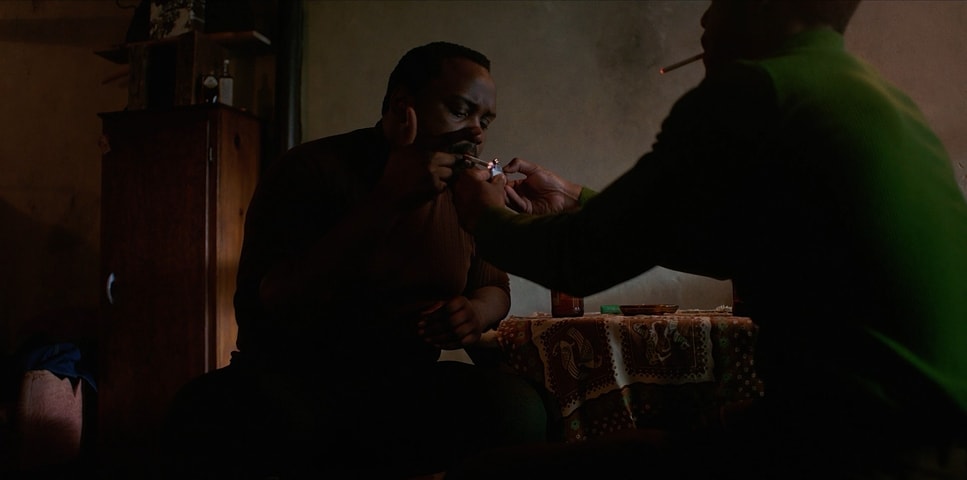
One of my favorite scenes takes place at their vacation home, once Sara meets the flirty and headstrong Celia (played by Maritza Rivera), the young woman who has captured her husband’s attention. Kathleen trains her camera on Victor telling one of his many stories and slowly zooms out so the audience can finally see that Sara is also there, trying to follow but also, possibly, wondering what it is she ever saw in this man to begin with. The camera pulls out further and we see that Celia is also there, being made audience to Victor’s performance of self. It’s these moments that paint these characters with humanistic brush strokes, while you may not have any experience vacationing in Upstate New York, the feeling that you’re just now discovering someone you thought you truly knew, or discovering a part of them that used to be enticing but is now repulsive is familiar. When you watch the film, pay attention to all the emotions that are playing across Sara’s face as her husband waxes on and on about some experience he’s had. Never has there been a better depiction of someone catching the ‘ick’. Kathleen set the stage.
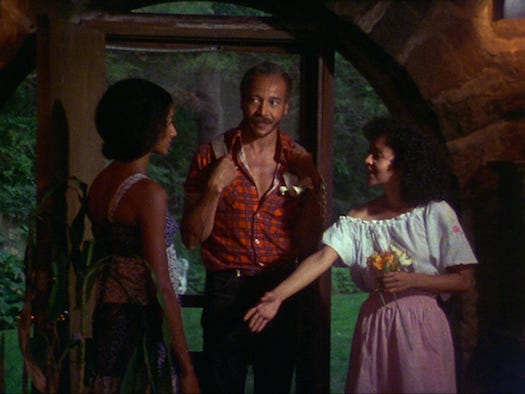
When I think of the scene between Sara and Victor at the dining room table after she’s met his new beautiful muse, the tension in the air is captured by the camera gliding between the two of them, back and forth, no cuts just thick conflict between two people who we believe love each other but seem to be questioning if they even like each other anymore. The moment brings to mind a similarly staged scene in Barry Jenkins’ If Beale Street Could Talk. As Daniel (Brian Tyree Henry) recounts his experience in prison, the camera slowly pans back and forth between him and Fonny (Stephan James) capturing the haunting narrative, a warning, a witnessing and a haunting all wrapped up in one scene. Both filmmakers are confident in their decisions not to cut between their two characters, which is normally how a two person scene carrying that much tension would end up. Instead they allow the audience to sit in the moments of uncomfortability without the safety of a reprieve. Two very different scenes from different times but both constructed by filmmakers who take the humanity of the characters incredibly seriously.
III.
Both refuse to accept the fact that you live, breathe and die out of an internal psyche which is extremely private, extremely idiosyncratic and is neither saint nor sinner. Therefore, when you begin to think about narrative, the problem for us is the process of demythologizing ourselves. Otherwise there can be no truth apprehended.”
-Kathleen Collins (Masterclass at Howard University, 1984)
Kathleen Collins’ lecture on screenwriting ignited in me a passionate love for her voice and mind. It also gave me a framework for my own artistic practice. I felt a strong pull to her when I finally saw Losing Ground and diving deeper into her backstory has made that feeling burn intensely. I’ve known her granddaughter Ruby, herself a filmmaker, for years now and I’ve been lucky enough to be able to read some of Kathleen’s letters and unfinished work, documenting her time as an artist with so many possibilities in almost impossible times. It is hard for me to think about Kathleen Collins without feeling a bubbling of rage. Rage that we didn’t get more from her, that she wasn’t able to bring to life all the different stories she wanted to tell. Rage that it is still so much of a fight to tell certain stories about us and keep our integrity intact.
I think about her absolute commitment to exploring the why of a human, the way she centered Black women not in a way that made it seem like we were all the same but in a way that affirmed our individual spirits.
She didn’t ignore the systems that we find ourselves in, didn’t try to write “color-less” characters but she did see that in spite of all of those components, perhaps in part because of all of it, there was something interesting and worthwhile in exploring what made these characters tick. She saw our humanity and didn’t try to make it smaller.
The Black women in Losing Ground (both Sara and her mother, the aging actress Leila, played by theatre artist Billie Allen) are embodied. They have dreams and faults and opinions and are courageous in their attempts to honor all parts of themselves-even if it costs something. Creating characters like this always costs something.
Usually, it means the path to bringing them to screen is difficult. But Kathleen’s commitment to crafting these characters and making her films anyway quells my rage, for a bit. Because I know if it is in any way hard for me to tell stories now that center Black women in an honest way-and it is, then I know that the hurdles Kathleen went through had to feel herculean. The lack of financial and institutional support, the refusal to see her characters as worthy of time spent in a dark theater, allowing the lush, delicate and deliberate filmmaking to pull them into another life that may not reflect their own. The fact that if we think there are too few Black women filmmakers getting a chance today to tell stories that center complicated women, can you imagine what it was like forty-five years ago? And she still did it. She still left us with a blueprint. Or, maybe not a blueprint-I don’t think she’d like that wording. Maybe just a sign of life. A marker that the work is valuable and necessary. Needed, even.
So the least I can do is try.
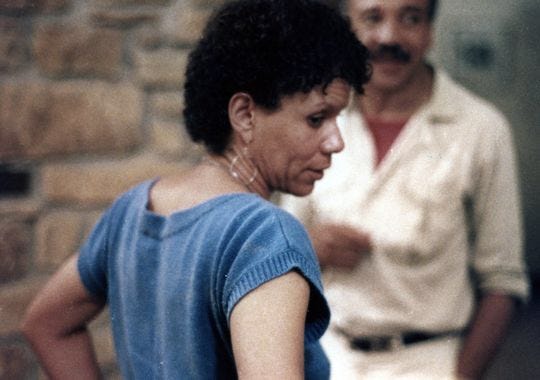
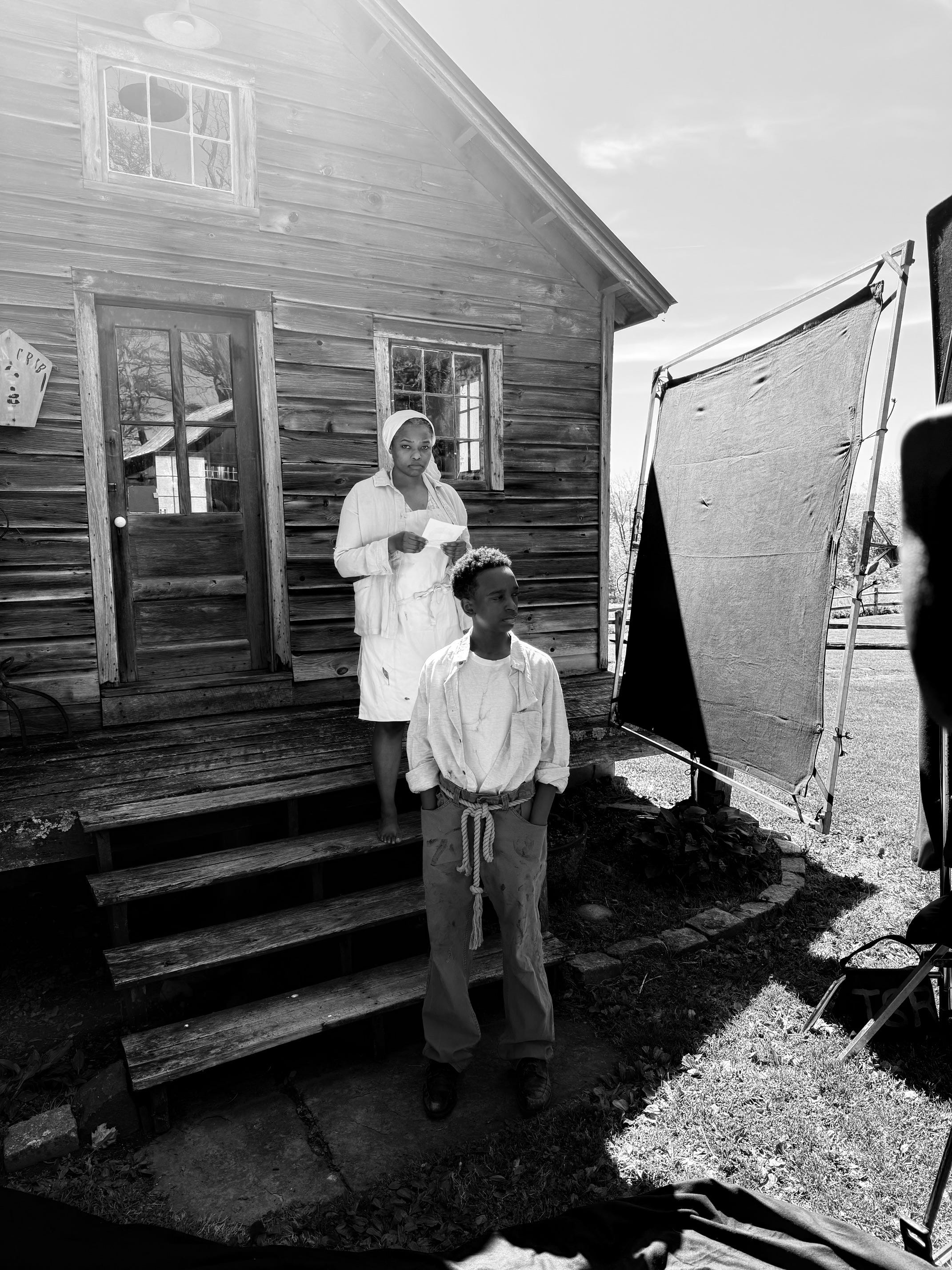
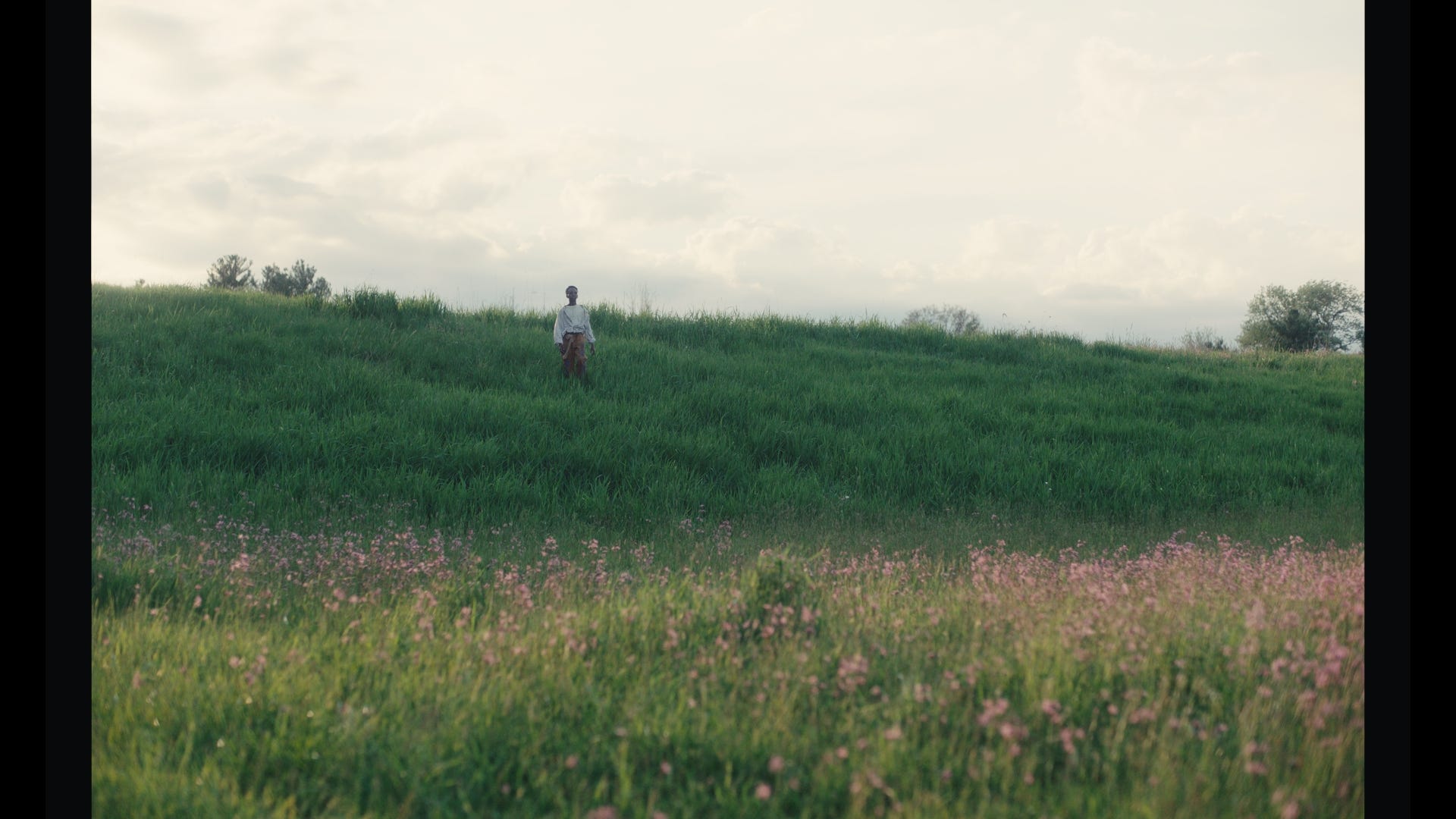
Luz Films Mag Filmmaker To Watch: Victoria Michele Miller
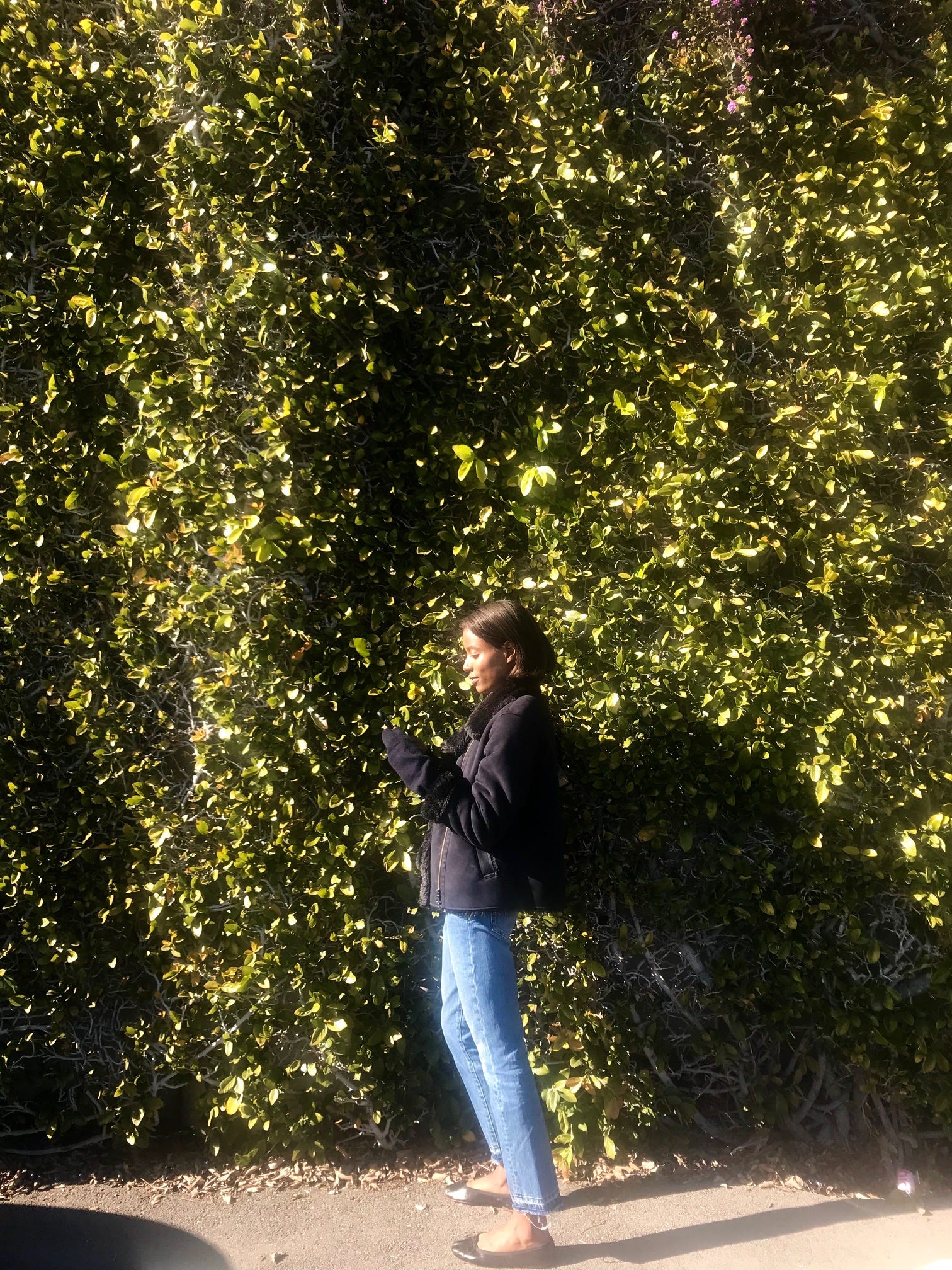
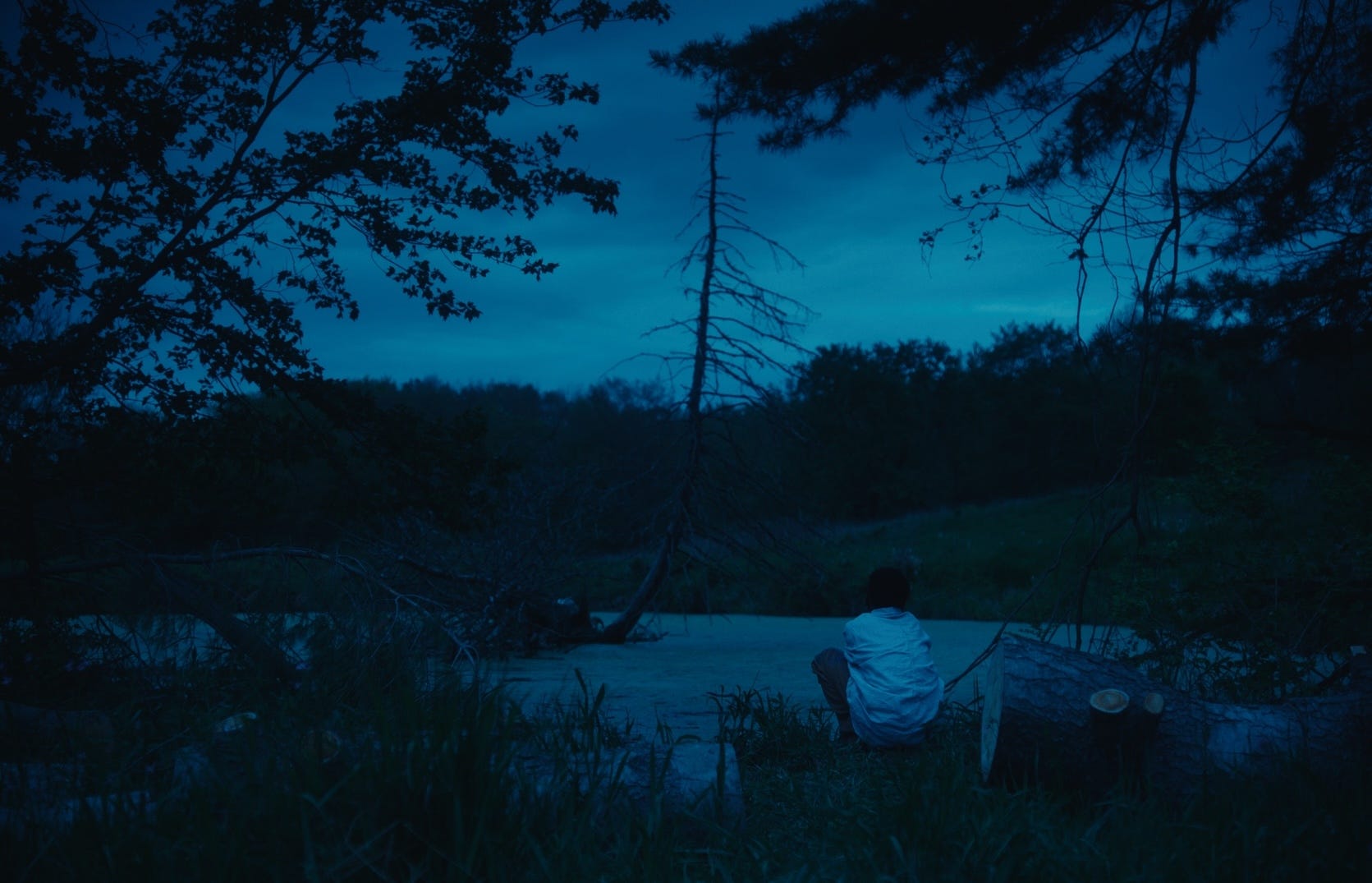

Notes on Black Cinema by Ricky Denham
Blackness of course is not a monolith. It has never been, and it never will be.
And Black cinema is a language with ranges of a kaleidoscope, dynamic and multilayered just like our hair, strumming through our blues, challenging us, affirming us, and seeing us through compassion and understanding rather than subjects of statistics, as we transport, swim, fly, walk, and sit through screens that are windows.
Windows installed rebelling against occupational walls and breaking rules within strict systems. Windows, whether sprayed and clean with windex or cracked and shattered - that open and whisper for you to stroll and sleep if need be, or boot you out the spot if your assumptions overstep its capacity, and slam shut before all the cool air gets out.
Black cinema is a conversation between the snapshot silhouettes and the memories of our repeated patterns that bathe our shadows.
A recollection of reflections that may tap you on the shoulder or smack you upside the head.
The artform will shake its head. The narratives will give you props. They will say “I gotchu.” The language one-two steps and floats. It will whisper. Maybe hum a tune here and there. It will scream. It will keke and suck its teeth. It will weep. The language is there. The narratives will call you out and call you in. They will look at you and ask what’s wrong. They will tell you, yes you, to hush. Shut the fuck up. But it will put its finger to your chest and will dare you to speak up. Go ahead.
It will say you’re beautiful, and you don’t need to do backflips to prove it.
You’re here, and that’s more than enough. More priceless and more than plenty.
Black cinema listens first, and preaches second.
The language of filmmaking has the remarkable ability to feed and relish us, and protect us, just as much as we have a call to action and diligence to reciprocate this loving practice.
Keep the AK-47 buried underneath the garden of violets, tulips, and sunflowers.
Ain’t no cage of limitations that pop from our gazes.
The lenses projected by the collective imagination, sizzle in the oven. Not the microwave. We serve and exchange with the viewer that chooses to also serve and exchange silver and gold platters of ideas, homages, and support. No platters stolen for display, and certainly no superficial gemstones constructed by salesmen who prioritize plastic for profit, but tells you “hey look, it’s the real thing!” No. We can tell it’s not. We can see through the mimicry. Right through it. Duh.
Black cinema represents a weapon for our warning, and a warning for our weapon(s).
Poetical paintings in motion. It researches with care and intention. It will tell you what is not seen, and will speak what is not spoken. But you will see and hear it. Trust.
Films for us and by us perhaps might be the closest medium that we got to accessing time machines.
Time machines that clock back and forth like a head nod. For the filmmaker, the writer, the cast, the crew, the curator, the critic and the seeker, we don’t simply watch. We travel. We travel through worlds we may or may not have been to before. We travel through feelings of familiarity whether that feeling is comfortable or unsettling.
We may encounter emotions that we lost and thought that we would never find again like a missing loved one.
The moving scenes on screens may confirm conclusions that keep you up at night.
Those minutes and seconds carefully crafted by lenses and stories ready to be passed on like recipes.
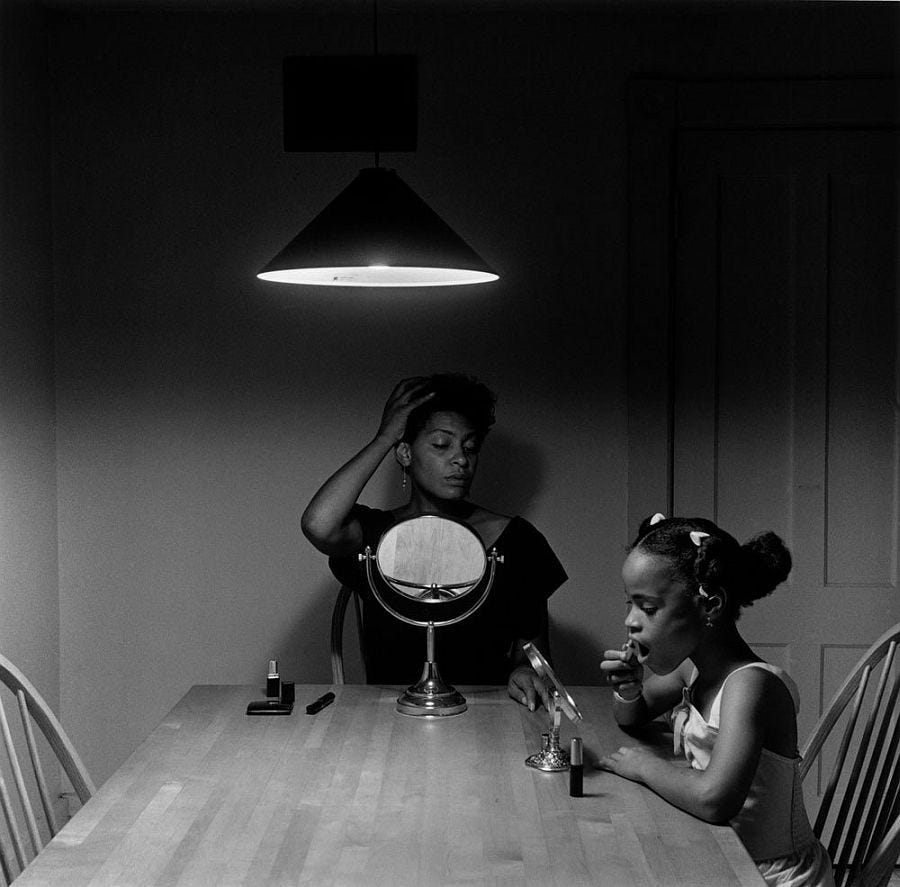
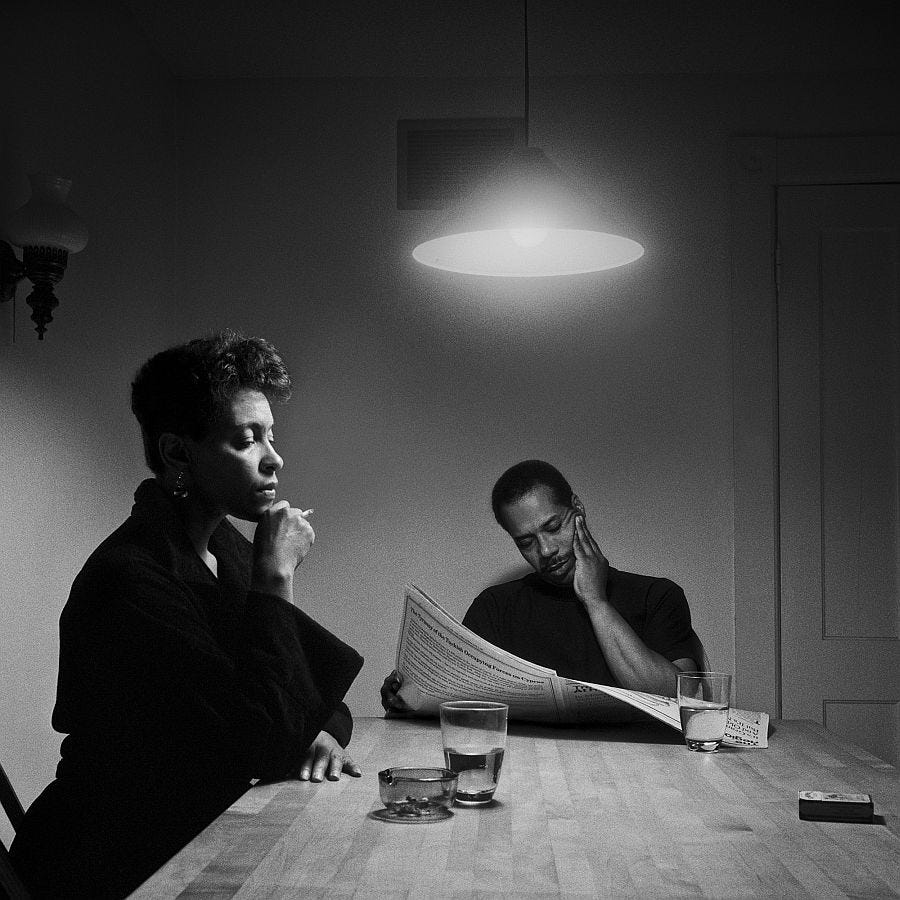
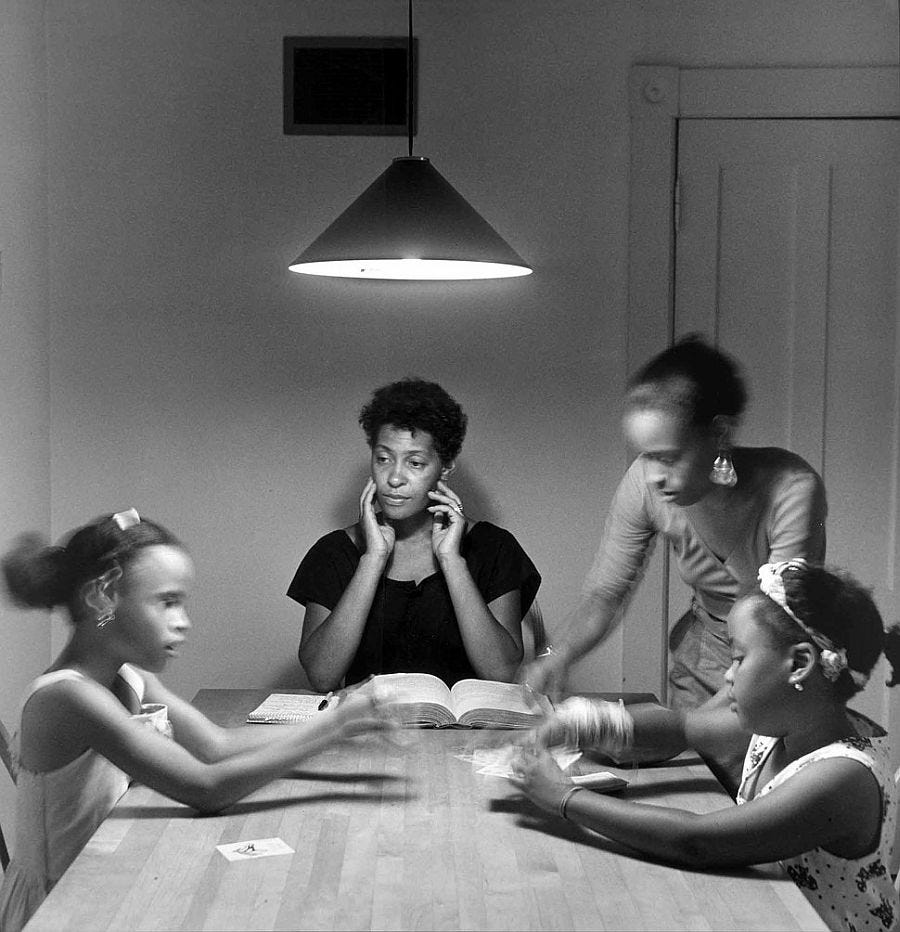
Carrie Mae Weems: Kitchen Table Series
New Wave Black Naturalism ™ Moodboard by Taylor Lewis
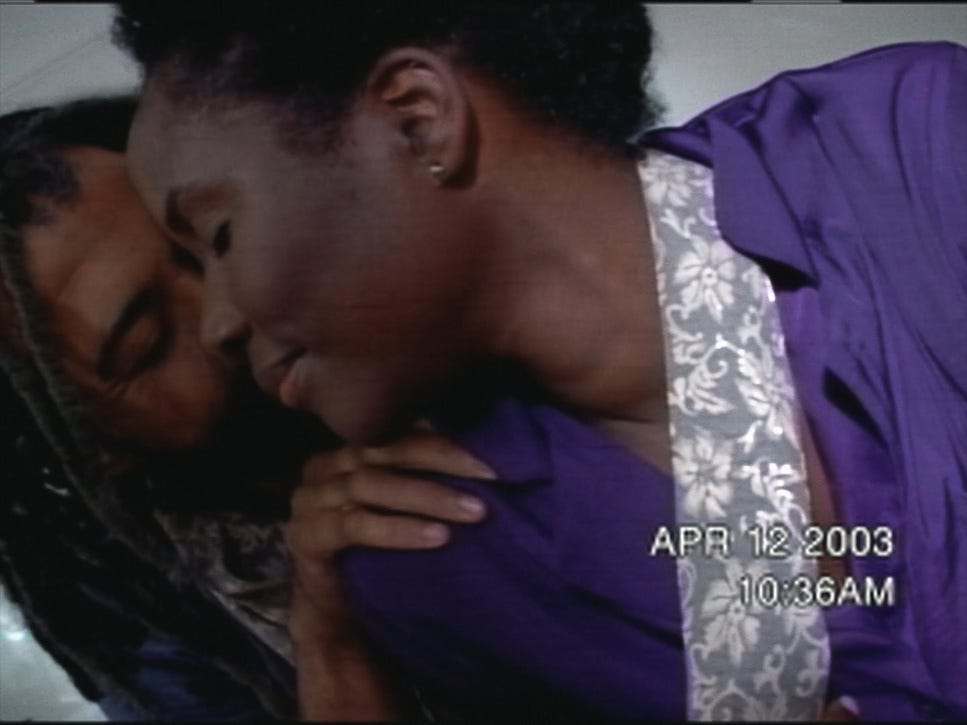
There's a French filmmaker. His name was Éric Rohmer. I remember being introduced to him because I had a very early, rough, really bad draft of the script in college at NYU, and I was in a screenwriting class. I'm working on the script, actually, a lot of my classmates in that class saw the very early versions of it and we're giving feedback and notes. I remember my professor once I had a one-on-one with him, and he was like, "Do you know about this filmmaker, Éric Rohmer? You remind me of him so much. Your stories remind me [of him."] At the time, I didn't know who he was, but now it couldn't have been a greater compliment. - Cole Swanson, The Importance of Carving Out a Space That Only You See
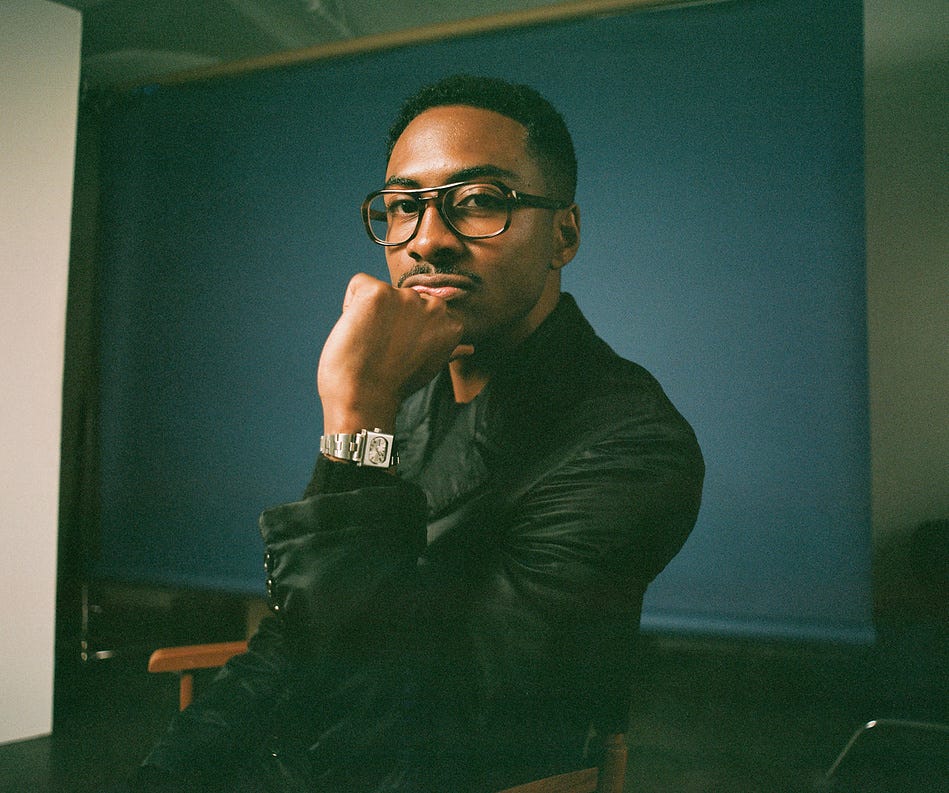
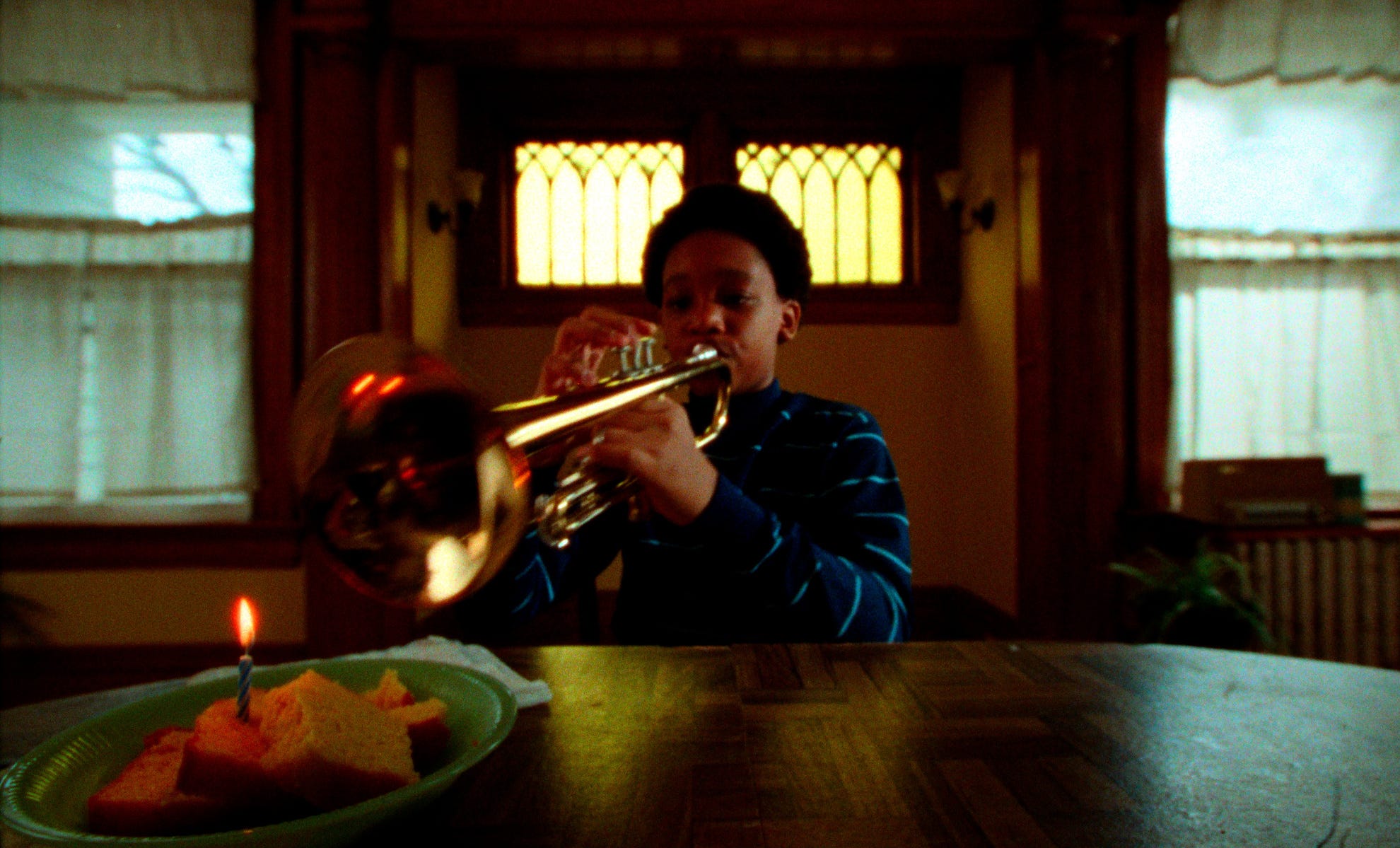
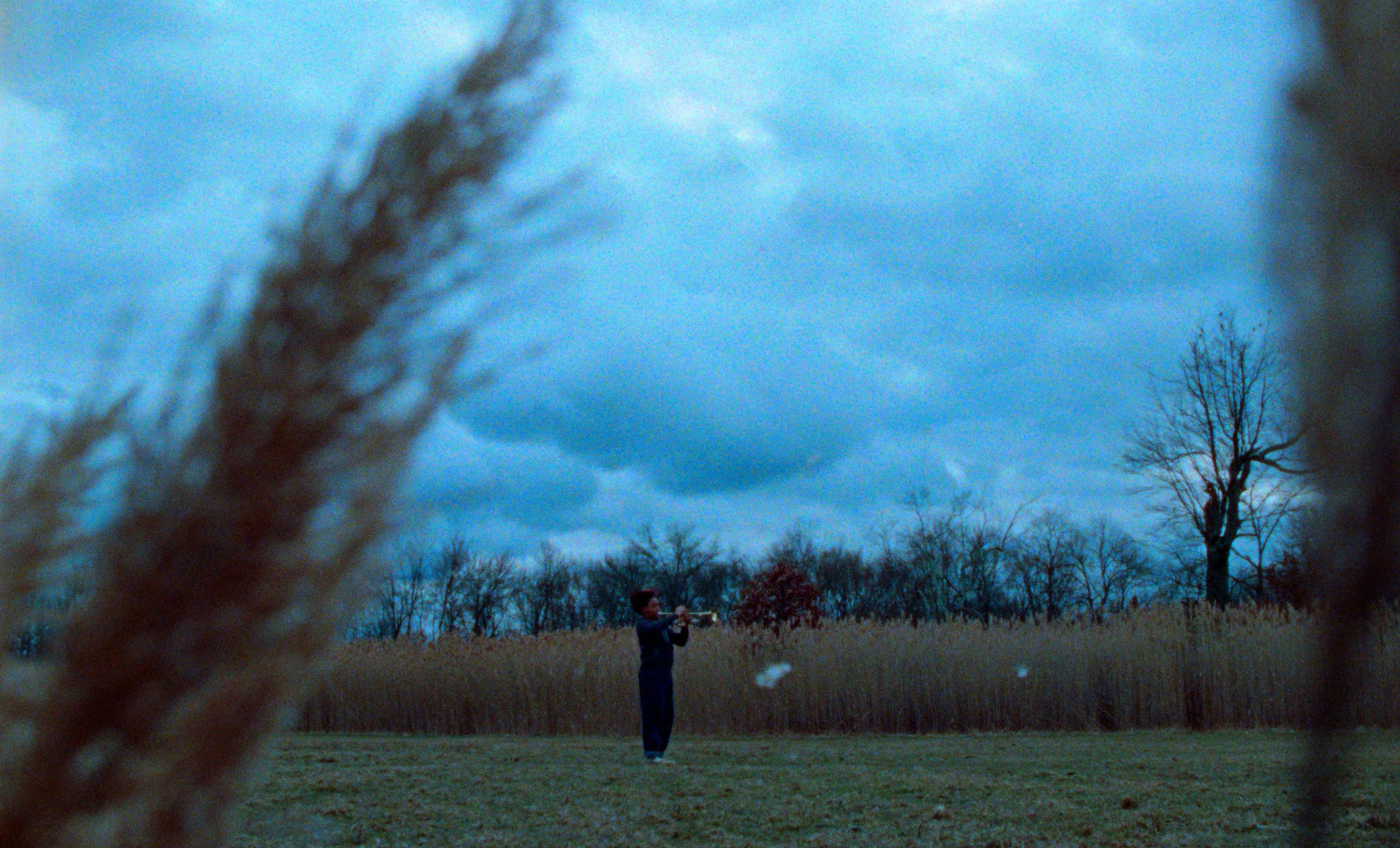
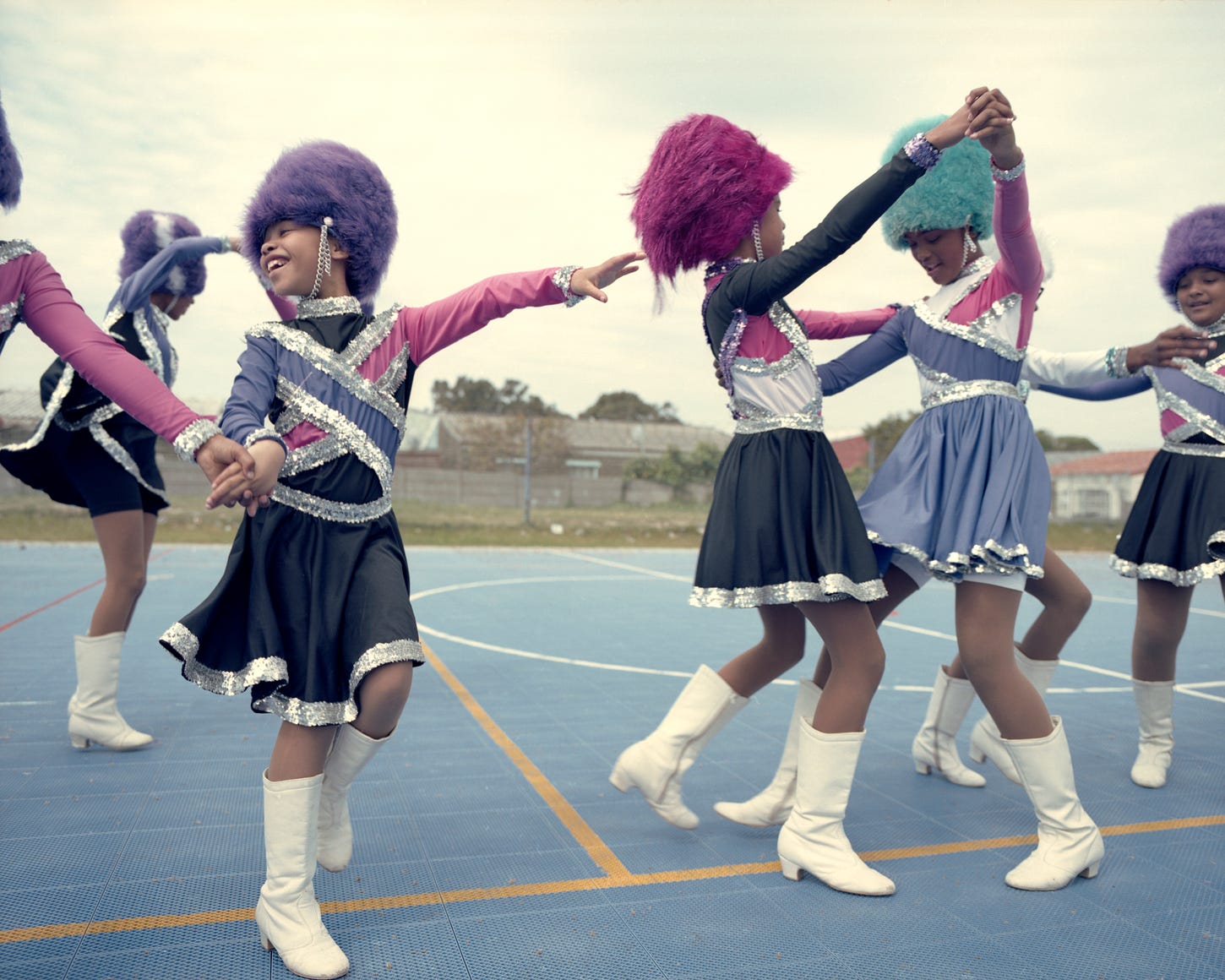
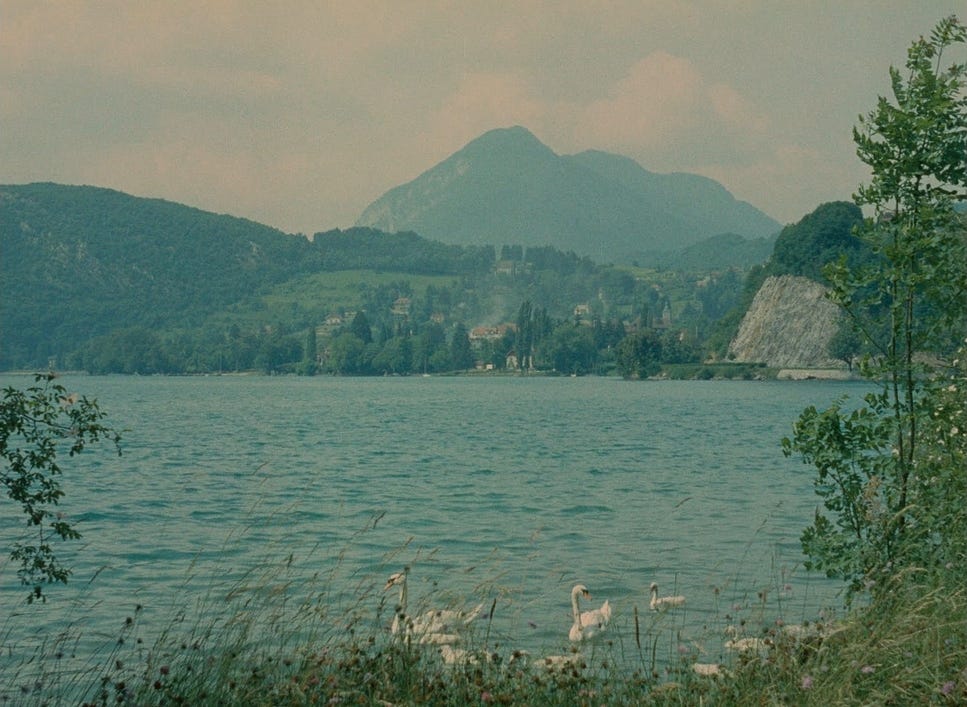
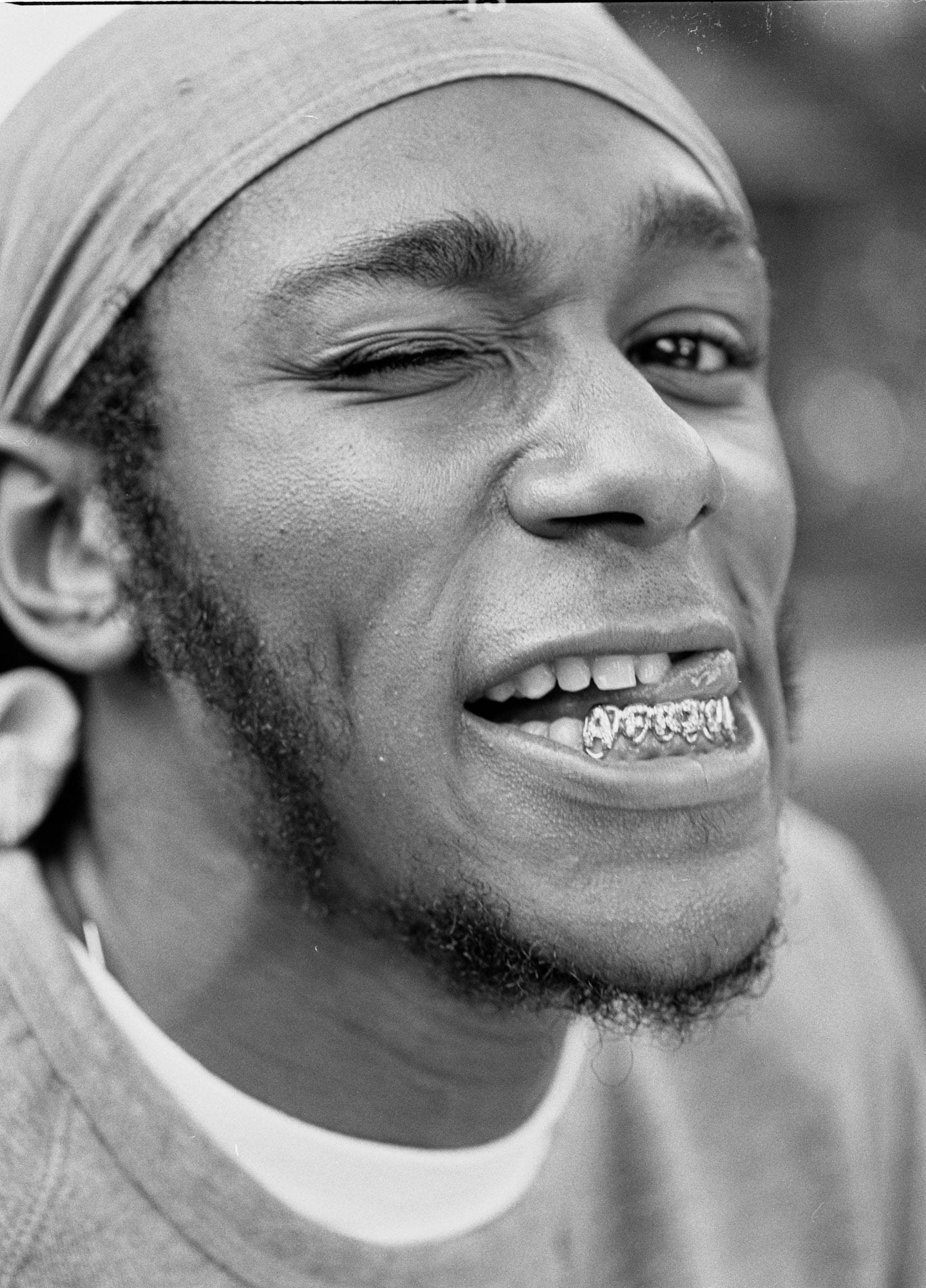
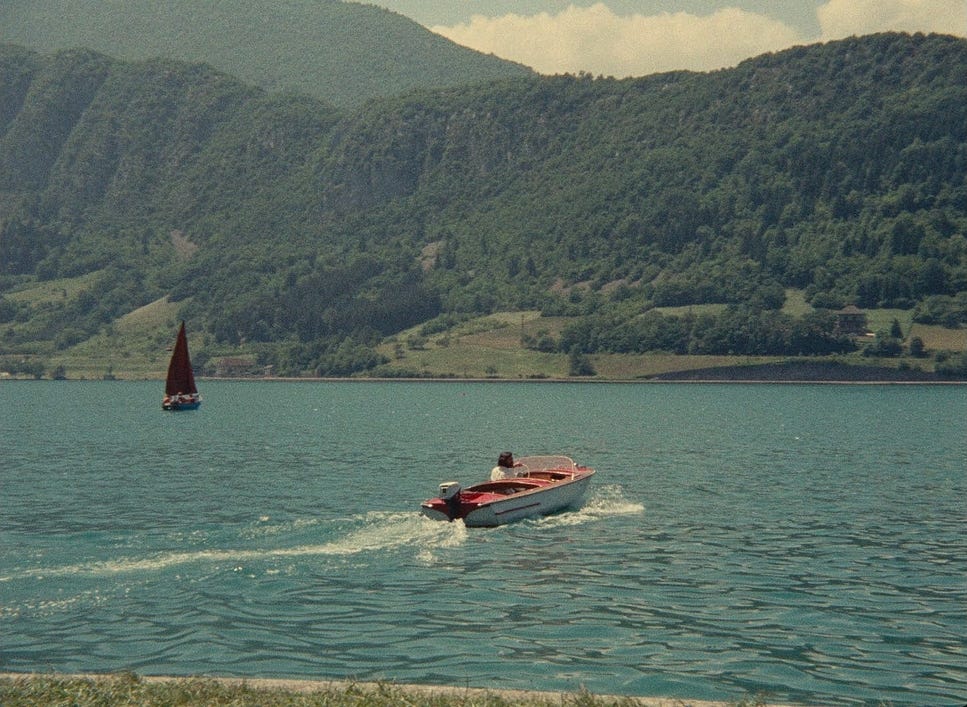
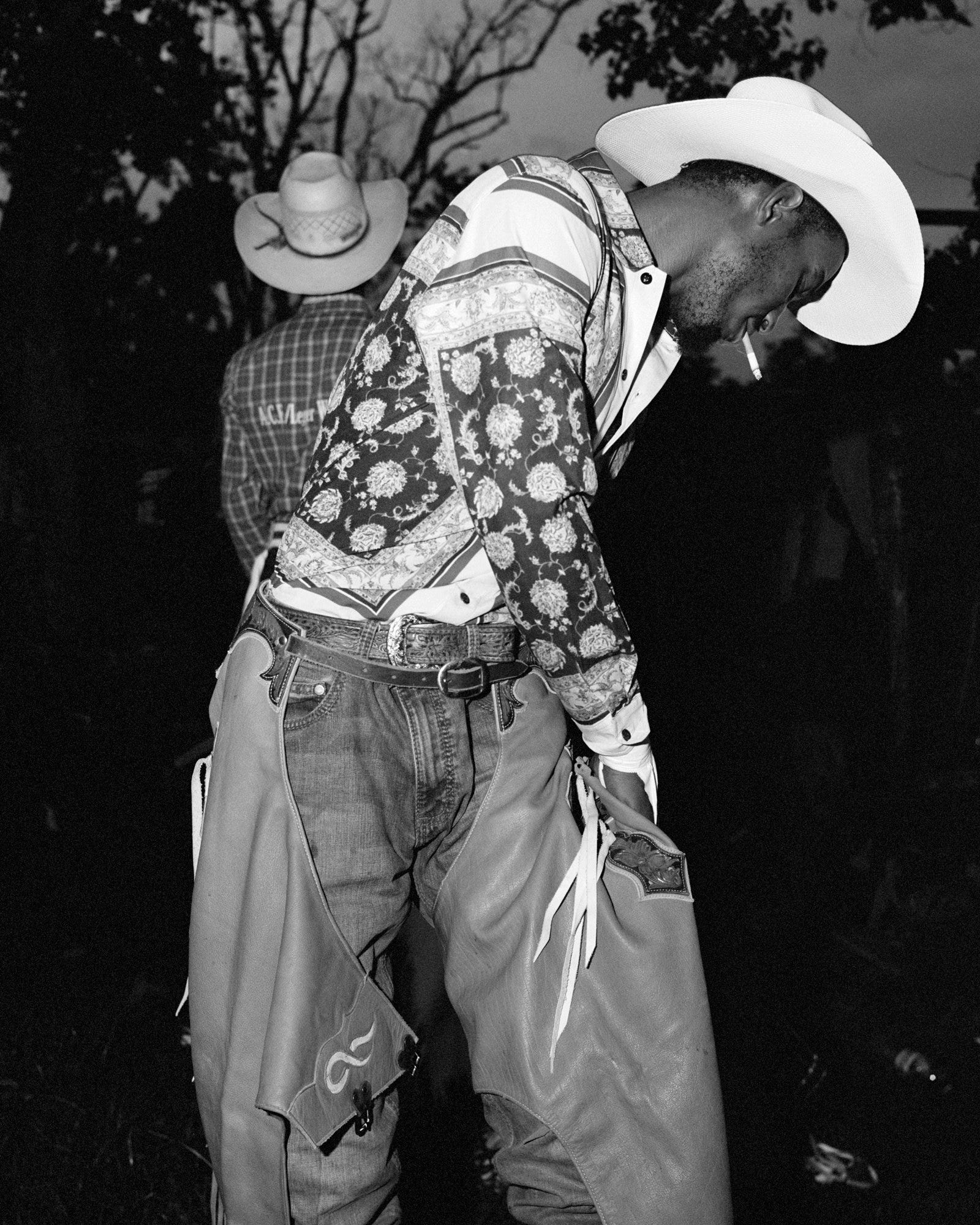
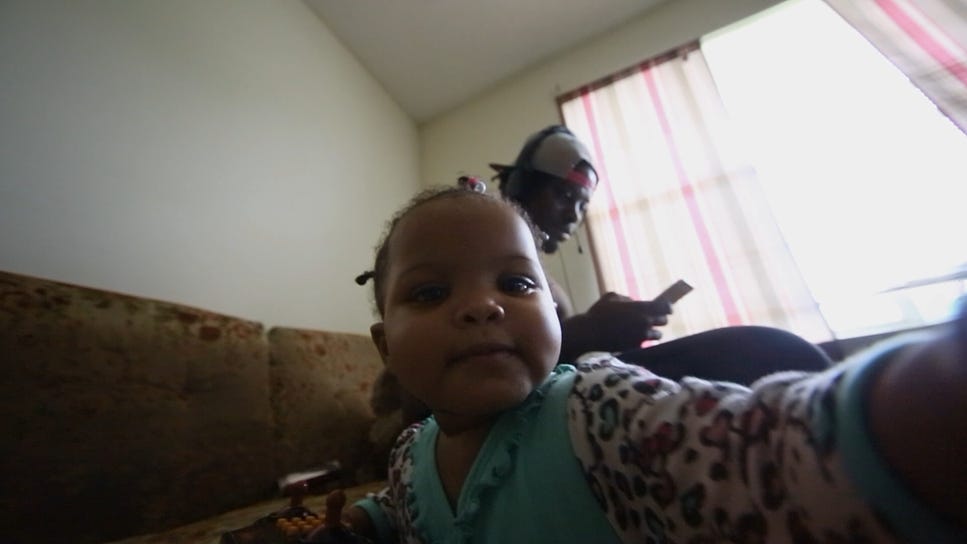
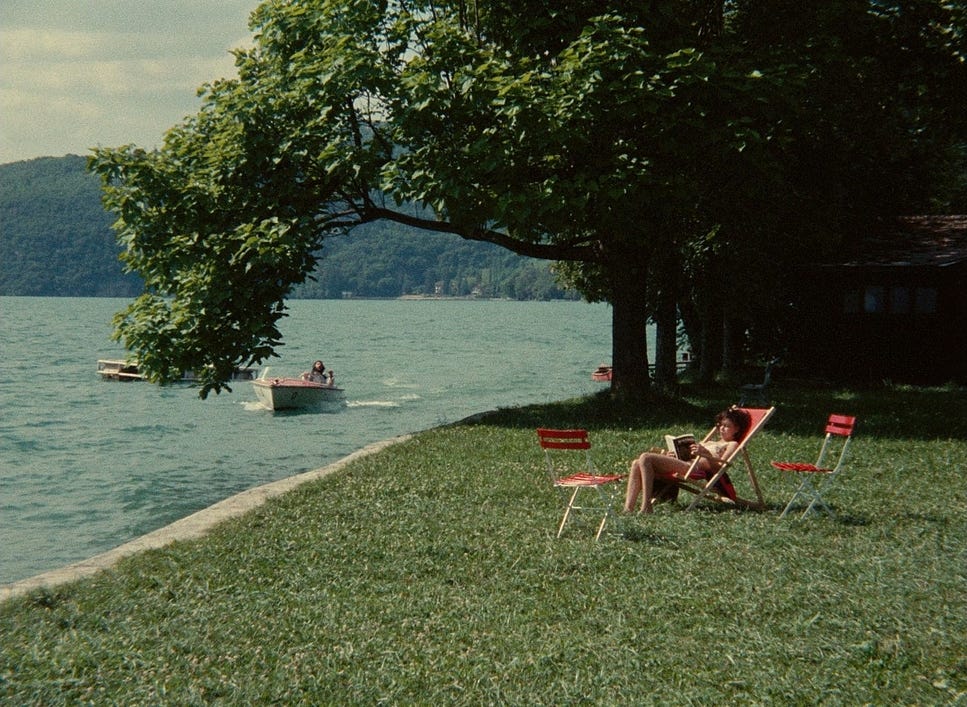
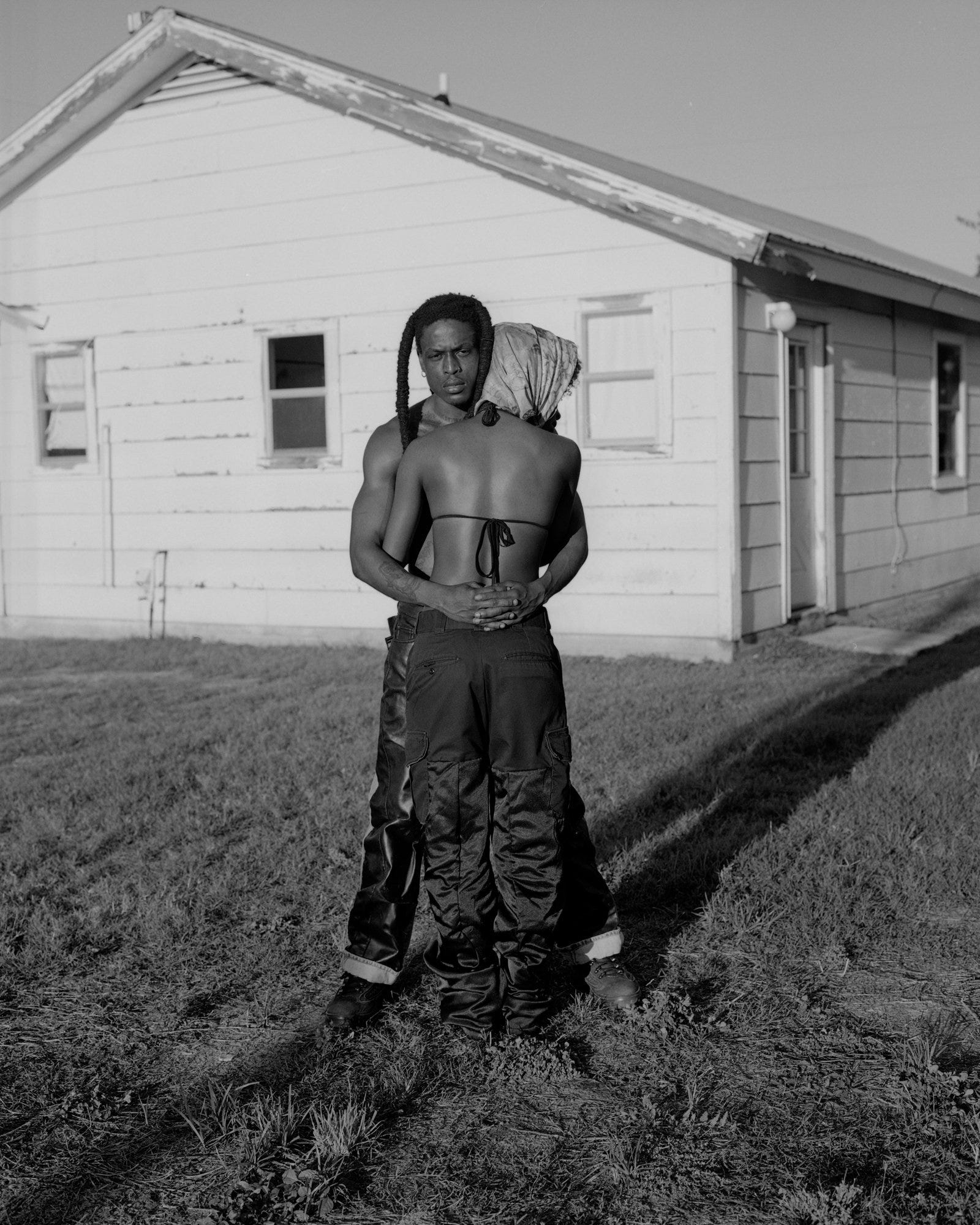
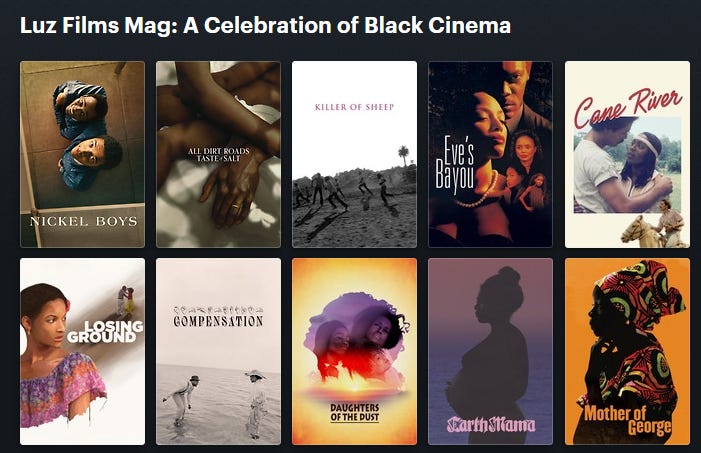
LUZ FILMS MAG: A Celebration of Black Cinema
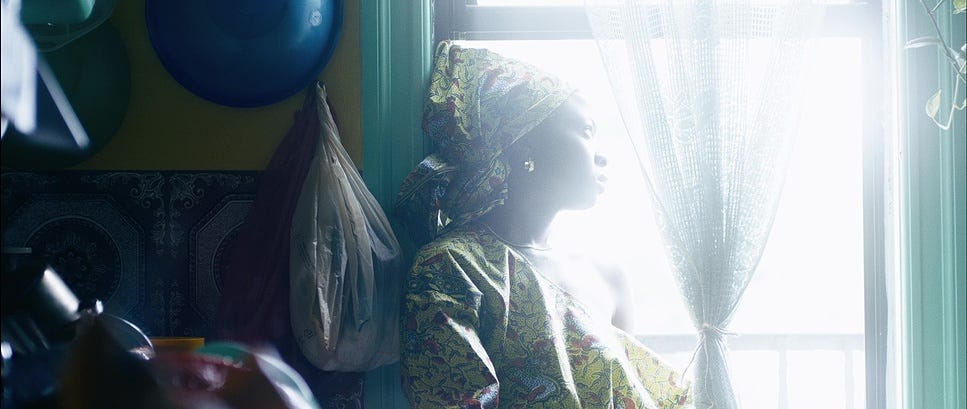
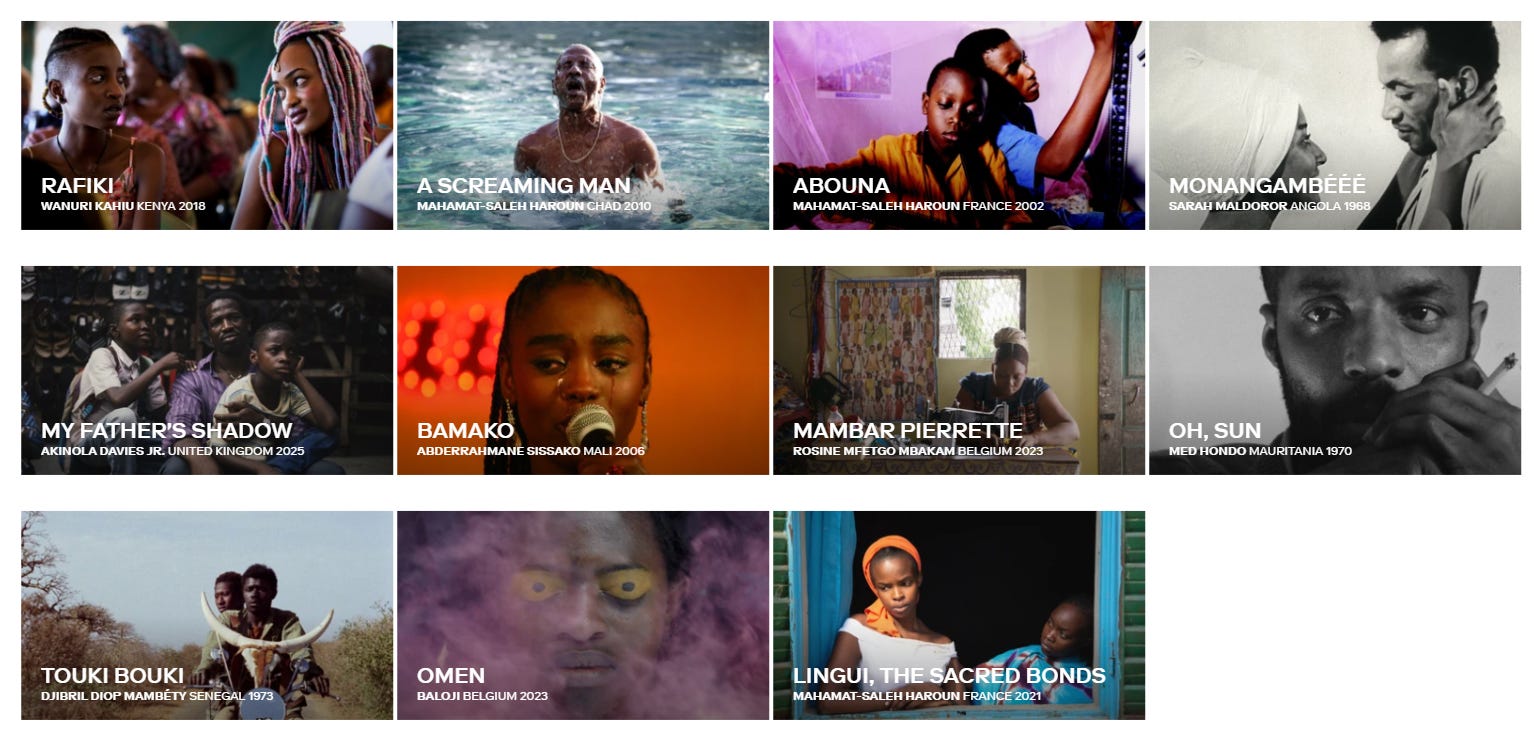
FROM MUBI: AFRICAN CINEMA AT CANNES: A PANORAMA
The presence of African cinema at Cannes has long been marked by paradox. Historically speaking, singular triumphs have been counterweighted by ongoing underrepresentation. For African filmmakers, the journey to the Croisette is often paved with myriad obstacles. Persistent structural barriers—which range from government censorship and lack of funding support to the gatekeeping of festival hierarchies—continue to affect all aspects of production, distribution, and exhibition. Rising above these perpetual constraints, African directors have forged their own cinematic languages, crafting vital stories embedded in local politics and history. Negotiating the freight of postcolonial identity, many works grapple with questions of memory and justice, highlighting economic and sociopolitical legacies of imperialism. As well as drawing from folkloric and oral storytelling traditions, others derive their visual syntax from the everyday, foregrounding lived experience with a striking immediacy. Featuring milestones in African film history—including Youssef Chahine’s The Blazing Sun (1954), Sarah Maldoror’s Monangambééé (1968), and Djibril Diop Mambéty’s Touki Bouki (1973)—alongside recent marvels, such as Akinola Davies Jr.’s My Father’s Shadow (2025), this expansive collection offers a decades-spanning panorama of an essential, ever-evolving cinema.
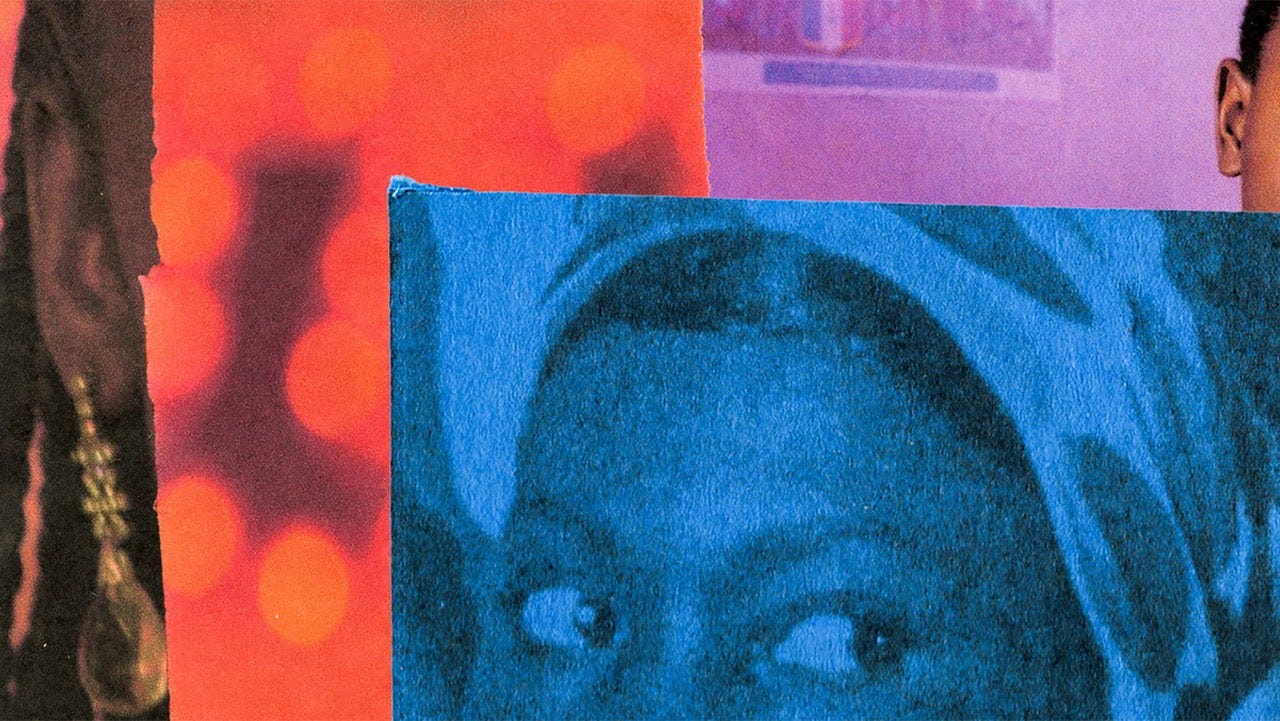
editor’s note:
the submissions and work that went into this edition of Luz Films Mag made one thing abundantly clear to me -
if you give people the space to be allowed to express themselves the way they see fit - not contort into a predetermined box or narrative but allowed to breathe their own breath into the work and tell them that you just want them to be them and to highlight their gifts and strengths in a way that can shout it from mountaintops -
this is where true poetry lives.
this is what is missing from the way we have structured this world of ours.
thank you John Noire Jordan Levenque Danielle A. Scruggs Sam Bailey Ricky Denham Victoria Michele Miller, Shanté, Ellis J. Sutton, Nick Pierre, Alex Lewis, Cole Swanson, and to anyone else reading this for staying soft and full of dreams when the world did everything it could to try and take those things from you.
and for this new era of cinema and art,
may yours join in a chorus of voices that produce the most gorgeous fruit in this next season.
further reading:
No posts
Comments
Nothing yet. Say the first thing.
Sign in to join the conversation.