
When people renovate a home, they usually start by thinking about flooring, cabinetry, or furniture. I almost always start by looking up.
Not because the ceiling needs to become the focal point, but because it quietly influences the decisions that follow. Ceiling height affects proportion, lighting, millwork, windows, and even how a room feels to spend time in.
Before I think about furniture or finishes, I want to understand the architecture.
Is the room low and intimate, or tall and expansive?
Does it feel balanced, or does something seem off?
Ceiling height tells you almost immediately what the room needs. A generous ceiling can support larger light fixtures, taller cabinetry, and more substantial furnishings. Lower ceilings often benefit from simpler forms and careful restraint.
When the proportions between the room and its contents are right, everything feels more comfortable—even if you can’t immediately explain why.
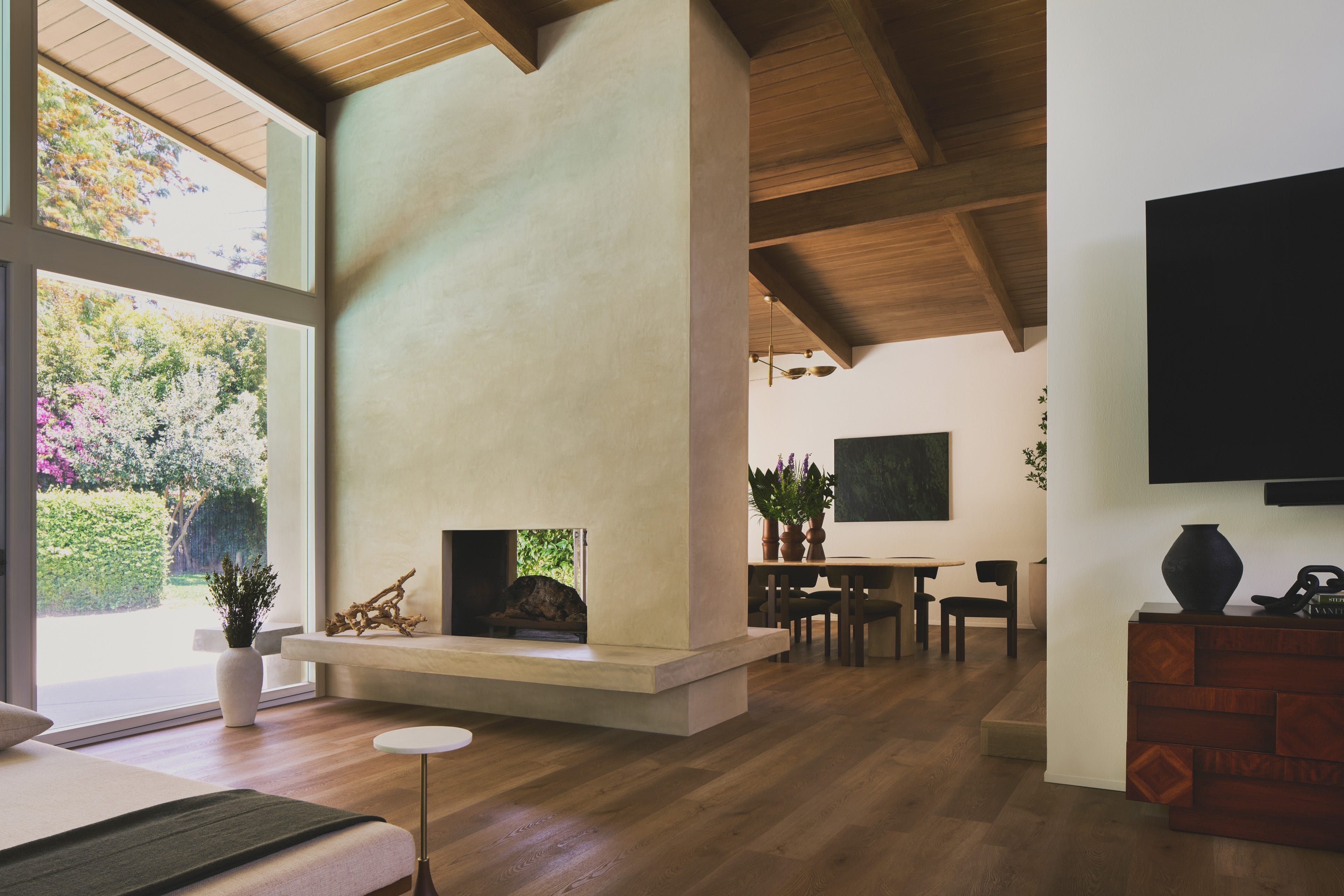
One of my favorite projects involved a home where the original timber ceiling had been hidden for years.
Once we uncovered it, we realized the structure itself was worth celebrating.
Rather than replacing it or painting it white, we restored it and adjusted the finish until it felt like it belonged to the house. The room immediately felt warmer, more grounded, and far more connected to its architecture.
Nothing about the floor plan changed.
But the experience of the room changed completely.
Moments like that are why I always look beyond the obvious finishes. Sometimes the best design decision is uncovering what’s already there.
Most people spend a lot of time choosing flooring, yet rarely think about what happens above eye level.
The ceiling offers an opportunity to add warmth and depth without filling a room with more furniture.
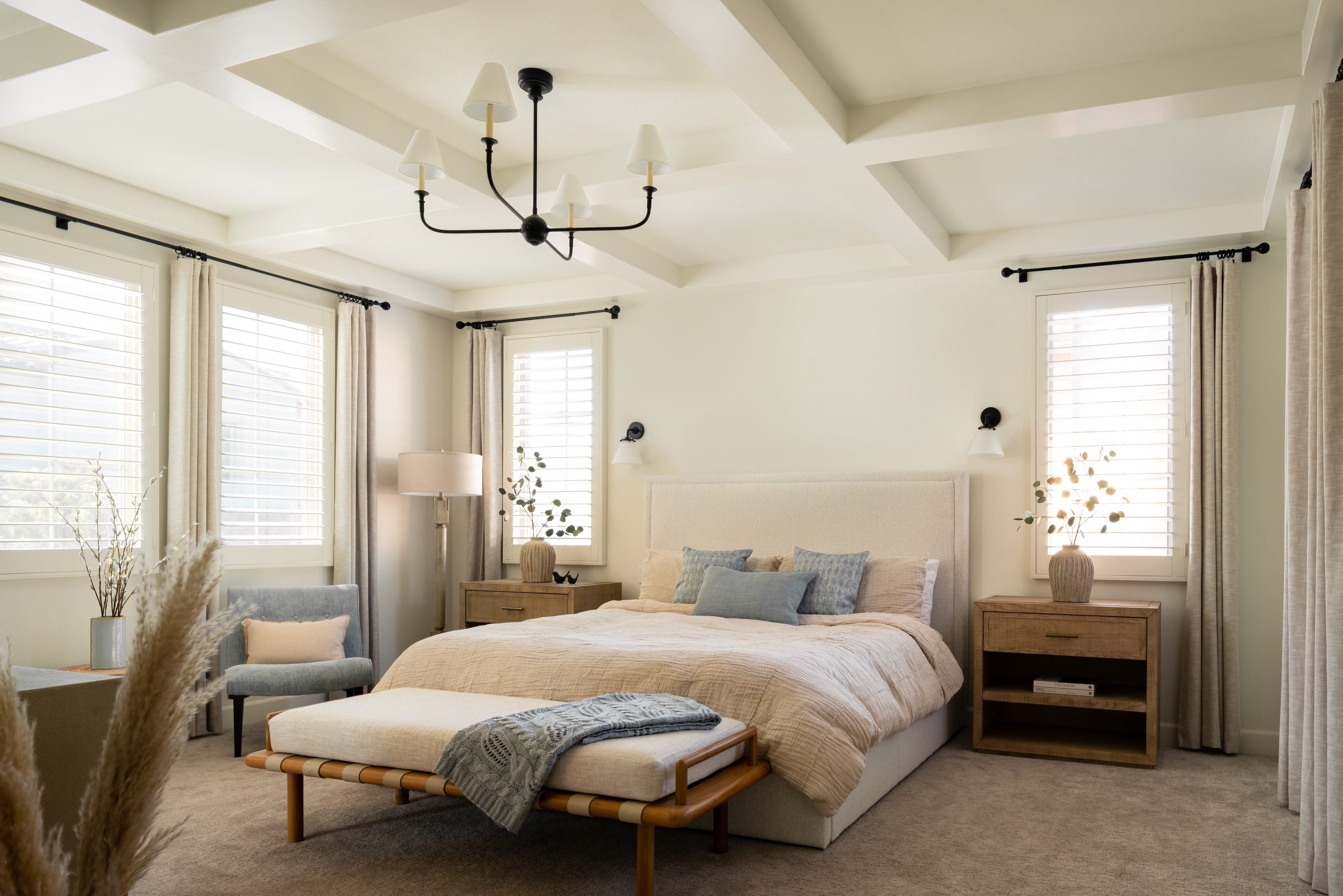
Wood introduces texture and warmth.
Plaster reflects light softly and gives a room subtle movement.
Tongue-and-groove paneling, beams, or carefully detailed millwork can add rhythm and scale without feeling decorative for the sake of it.
Even paint can influence how a room is perceived. A warm white can soften harsh light, while a darker tone can make a tall room feel more intimate.
The ceiling is one of the largest reflective surfaces in any room.
Its color, texture, and finish influence how daylight is distributed throughout the space.
A smooth painted ceiling reflects light differently than limewash.
Wood absorbs light and creates warmth.
Plaster adds softness by catching light unevenly throughout the day.
These are subtle differences, but they’re part of what gives a room depth.
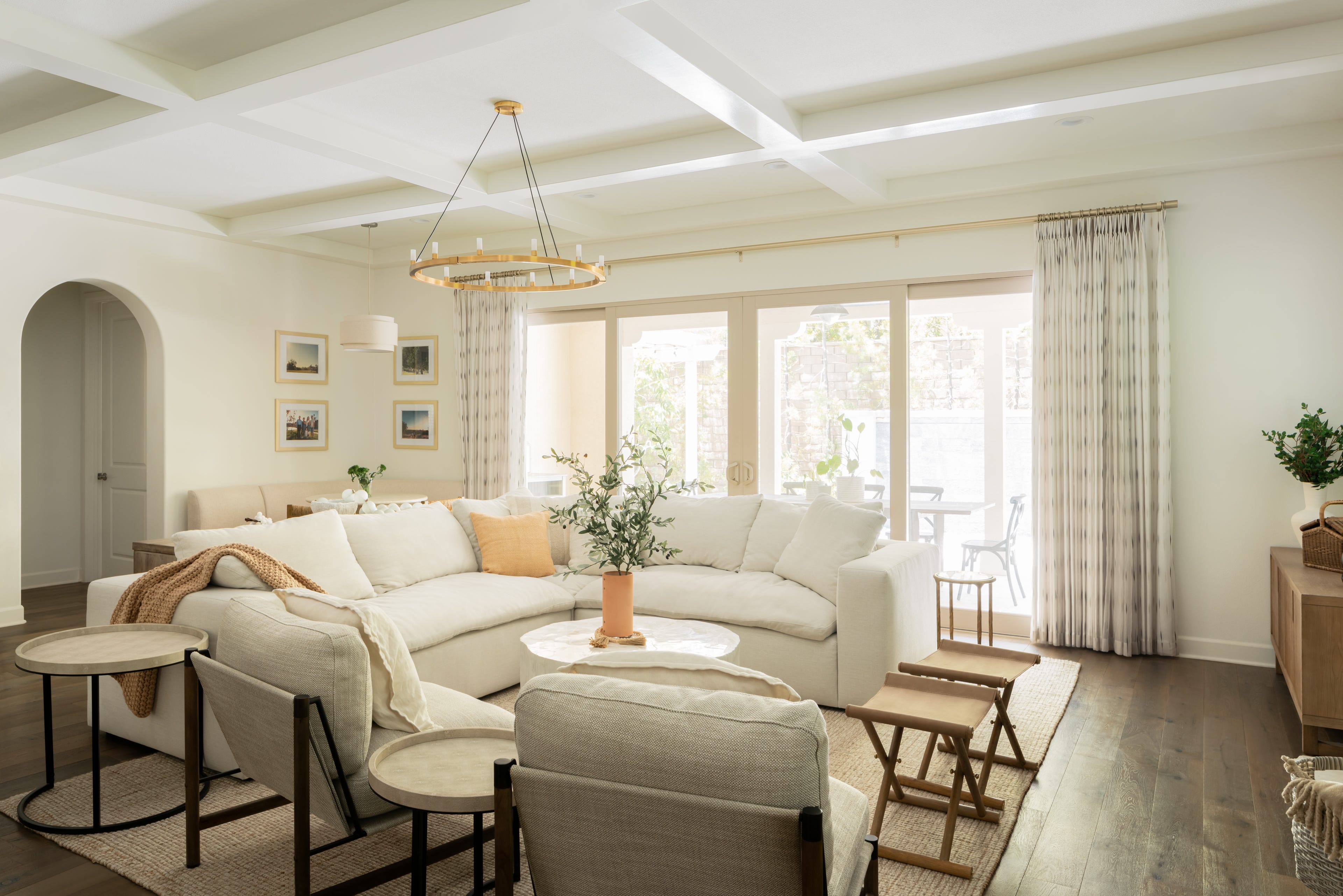
I don’t believe every ceiling needs beams or elaborate detailing.
In fact, many of the best ceilings are the quietest ones.
The goal isn’t to decorate the ceiling.
It’s to make sure it belongs to the architecture of the home.
Sometimes that’s restoring original wood.
Sometimes it’s introducing plaster.
Sometimes it’s leaving the ceiling completely untouched because simplicity is the strongest choice.
The decision should always come from the house itself—not from whatever happens to be trending.
The ceiling isn’t the “fifth wall.”
It’s part of the architecture that shapes everything beneath it.
When it’s considered early, the rest of the design tends to fall into place more naturally.
When it’s ignored, the room often spends the rest of the project trying to compensate for it.
No posts
Comments
Nothing yet. Say the first thing.
Sign in to join the conversation.