
Finishes that are rare. Materials that are expensive. A layering of elements that signal investment. But in practice, these are not the things that determine whether a home feels elevated.
A house can be beautifully furnished and still feel incomplete. Another can be far more restrained and feel calm, intentional, and fully considered.
The difference is rarely one element. It is how the elements relate.
Proportion plays a central role, particularly in larger homes. Furniture that is underscaled can make a room feel transient. Pieces that are too large can interrupt the flow. The goal is not to fill the space, but to meet it appropriately.
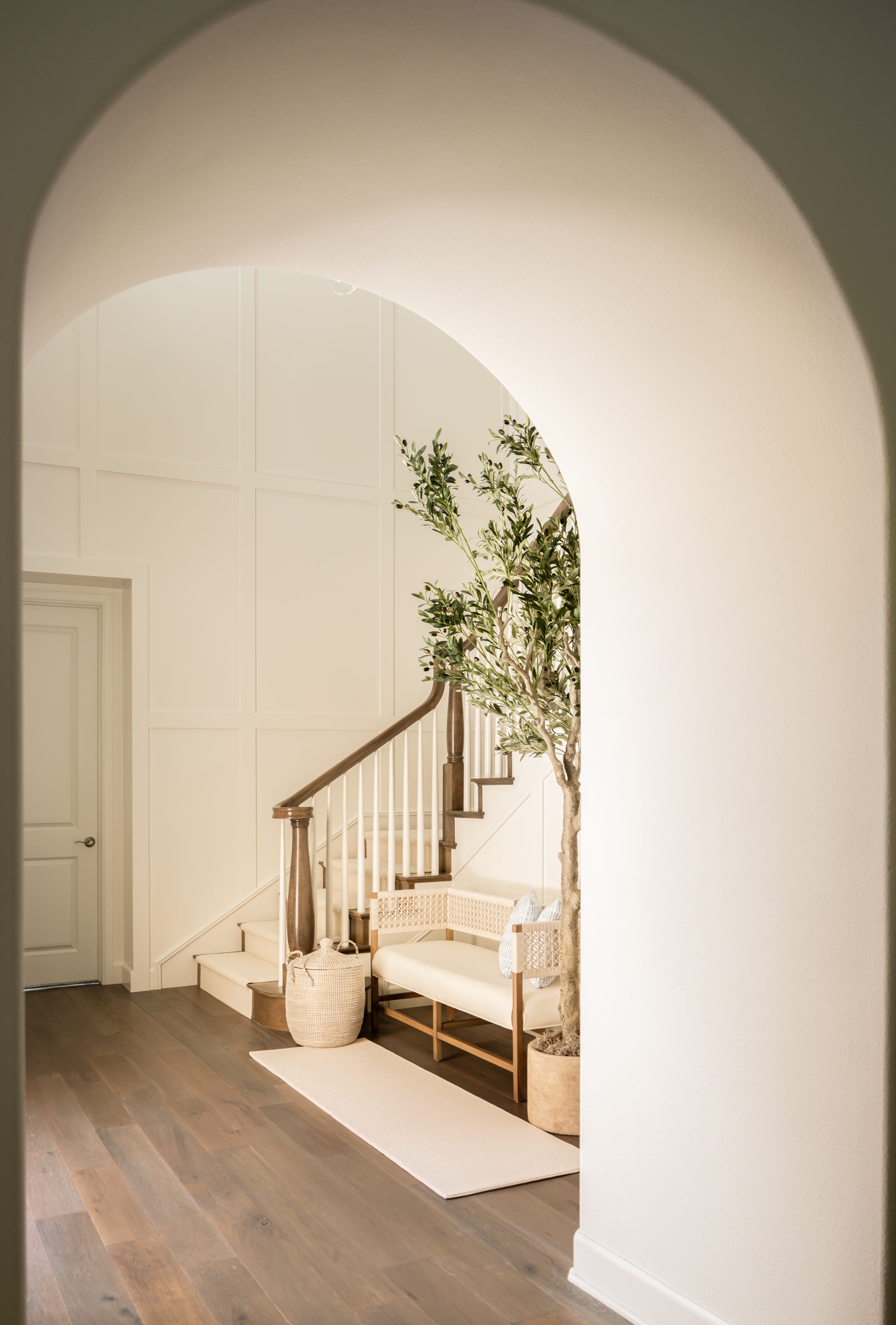
There is also a consideration of pacing.
Not every room needs to resolve at the same intensity. Allowing certain areas to remain quieter gives the home a rhythm. It creates contrast, and with it, a sense of movement.
Material, again, becomes important, but not for its cost alone. It is how it is used. A single surface, thoughtfully placed, will often carry more weight than several competing ones.
Stone, wood, plaster, metal, tile, and fabric all need space to be understood. When too many surfaces are competing for attention, the room can start to feel busy, even when every individual selection is exquisite.
The strongest homes often rely on fewer materials used with greater intention.
One beautiful stone moment can be more powerful than several competing slabs. A quiet plaster wall can give art and lighting more importance. A well-detailed cabinet can bring more depth to a room than a collection of decorative finishes.
Restraint is not the absence of design. It is the part of design that decides what deserves attention.
Knowing where to invest and where to simplify. Knowing when a room needs more weight and when it needs less. Knowing which materials will age beautifully and which choices will only feel exciting for a moment. Knowing when something expensive is worth it, and when it is simply expensive.
This is where design becomes more than selection.
It becomes proportion, editing, restraint, and point of view.
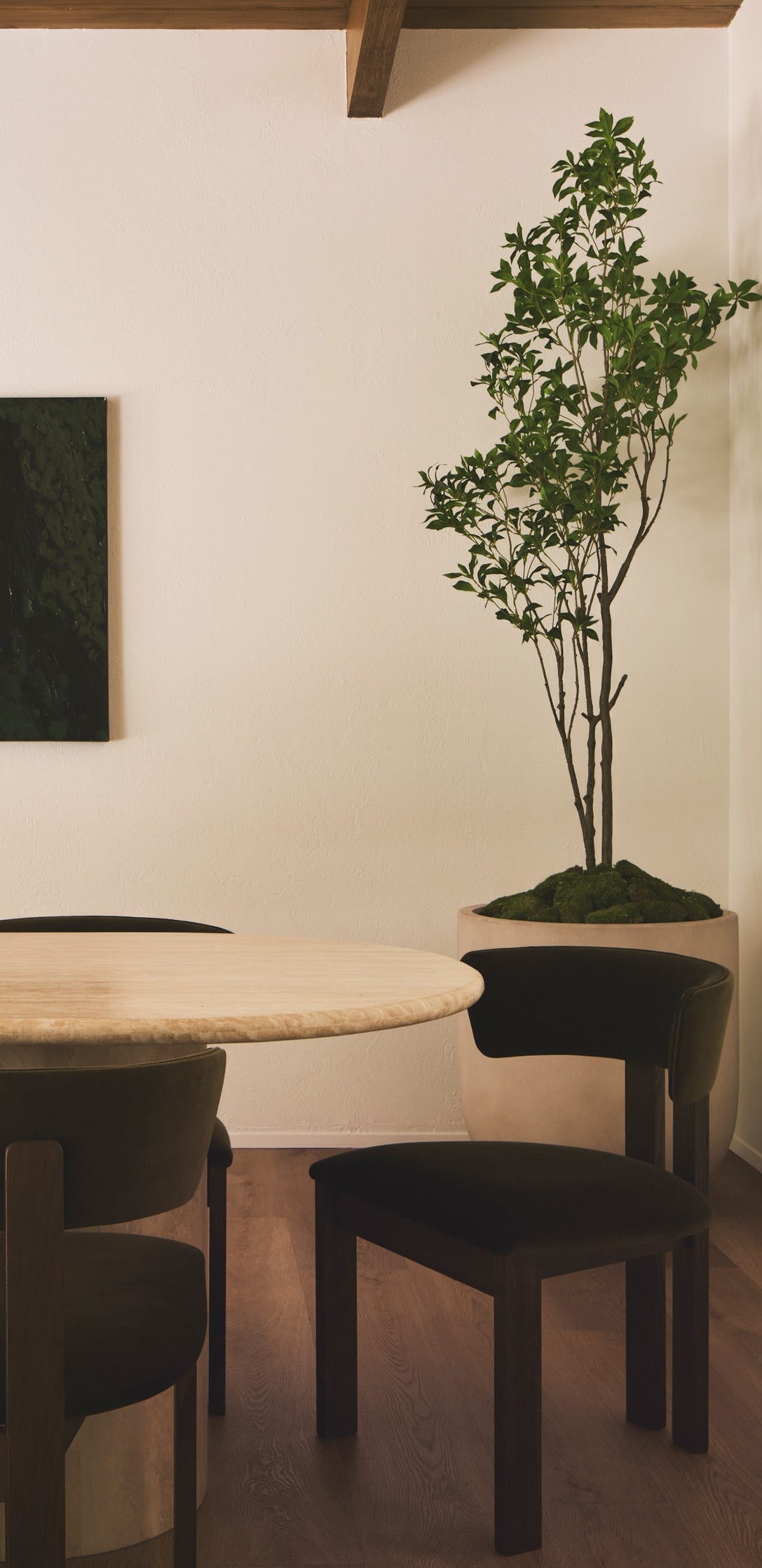
A home feels elevated when every decision supports the larger vision. The furniture belongs to the architecture. The materials have room to breathe. The lighting is properly scaled. The quieter rooms are allowed to be quiet. The important moments are given enough presence to matter.
An elevated home does not rely on constant reinforcement.
It holds its position without needing to declare it.
No posts
Comments
Nothing yet. Say the first thing.
Sign in to join the conversation.