
Previously we established that modern conflicts increasingly freeze instead of resolving. The obvious question is why.
The easy answers are nuclear deterrence and media fatigue. Major powers cannot risk wars that spiral into catastrophe, and the news cycle moves on within weeks, taking public pressure with it. But those two explanations only tell us why conflicts don’t escalate. They don’t explain why nobody seriously tries to resolve them.
There’s a third reason. One that’s more uncomfortable. The people in charge often don’t want them to end.
Who benefits from a frozen conflict? Not the civilians living inside it. Not the economies hollowed out by prolonged instability. The winners are the leaders — those who have learned to balance a provocative status quo in their favor rather than risk the political cost of fixing it. A frozen conflict gives a leader something a peace treaty never can — a cause, a distraction, an escape. An external threat can unite a fractured nation, or justify an iron fist staying at the helm. Resolution would mean giving all of that up.
The examples are not hard to find.
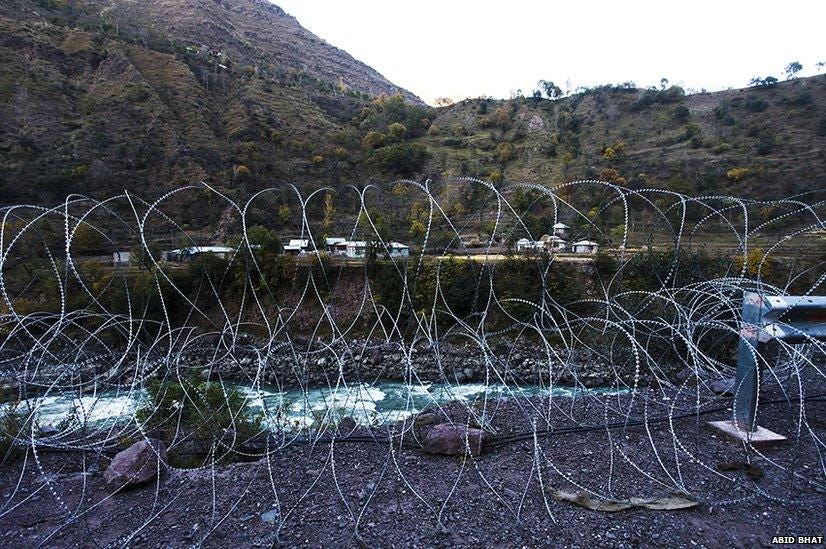
India and Pakistan don’t need Kashmir resolved. They need Kashmir contested. For nearly eighty years it has been a reliable source of nationalist energy on the subcontinent. Modi revoked Kashmir’s special autonomous status in 2019 — not as a peace move, but as a political one. Across the border, Pakistan’s military has built its institutional power around the conflict. Both governments have more to gain from keeping the wound open than from closing it.
Putin has built an entire political narrative around Ukrainian territory. At home, the war has justified everything — crackdowns on dissent, economic sacrifice, the rewriting of Russian national identity around a single story of historic struggle. Resolving it would mean accounting for the cost. A frozen conflict lets him avoid that conversation indefinitely.
Netanyahu’s situation illustrates the dynamic starkly. His far-right coalition partners have made their position clear — any move toward resolution, any ceasefire, any framework for a Palestinian state, and they walk. He also faces corruption trials that the war has conveniently kept off the front pages. The conflict isn’t just something Netanyahu is managing. It’s something he needs.
This is what makes micro cold wars so durable. It’s not just that they’re hard to solve. It’s that the people with the power to solve them have built their political survival around not solving them. Peace requires compromise, and compromise is politically dangerous. A frozen conflict, by contrast, allows leaders to appear strong without ever having to make concessions.
The people paying the price for these frozen conflicts are rarely the ones making the decisions. Civilians live inside the stalemate while leaders build political capital from it.
As more conflicts stall, drag on, or quietly disappear from the headlines — don’t ask who lost. Ask who’s still winning. It doesn’t change what’s happening, but you’ll stop being surprised by it.
If this helped you make sense of current geopolitics, share with a friend who needs to see the pattern
No posts
Comments
Nothing yet. Say the first thing.
Sign in to join the conversation.