
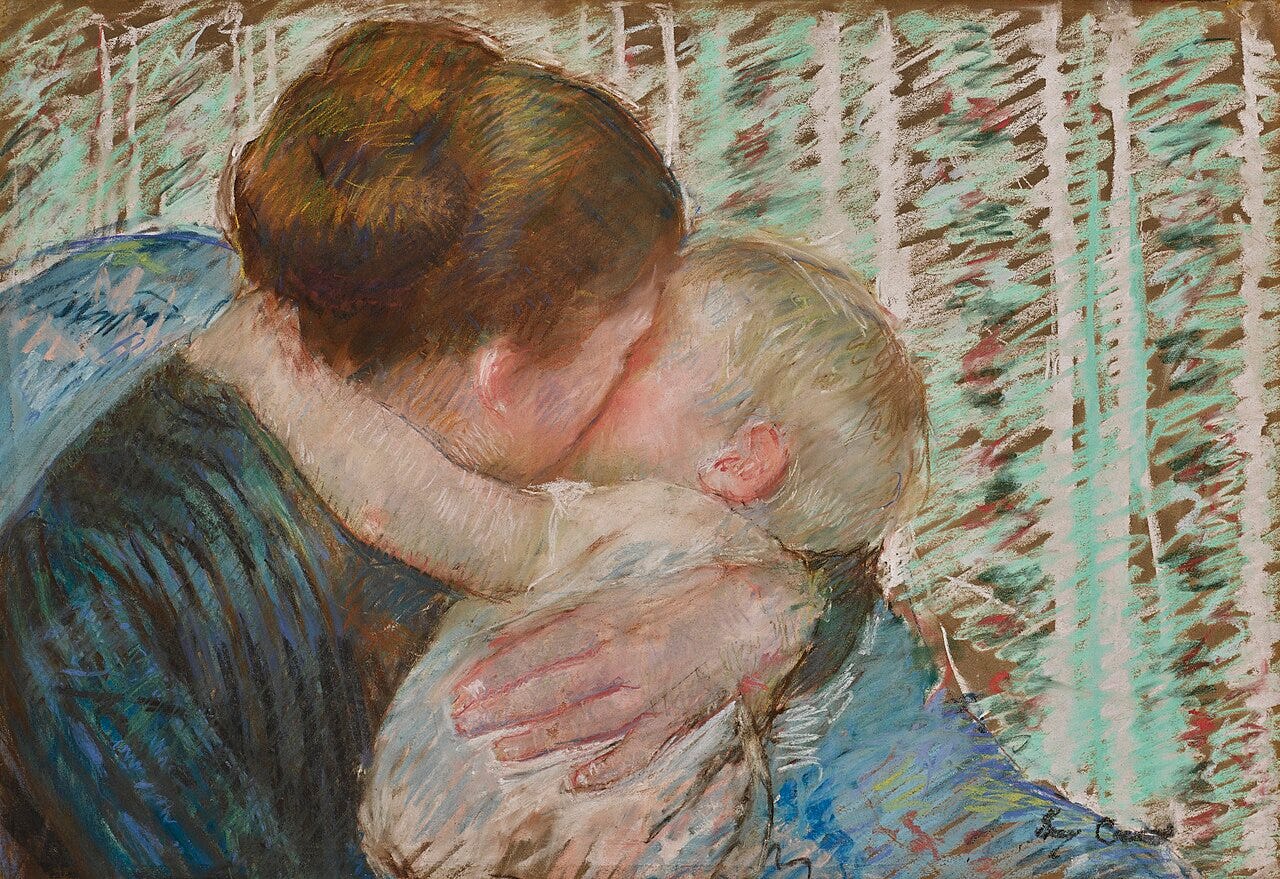
Readers, have you come across Barbara Kingsolver’s beautiful essay “Where It Begins: Knitting as creation story”? You can read it at Orion Magazine, but a version also appears in her later poetry collection How to Fly (In Ten Thousand Easy Lessons).
I often think of this, but in particular, the tender image of swaddling her children in wool:
“It begins on the morning you see your children’s bare feet swinging under the table while they eat their cereal cold and you shudder from stem to stern like a dog hauling up from the lake, but you can’t throw off the clammy pall of those little pink-palmy feet. You will swaddle your children in wool, in spite of themselves.”
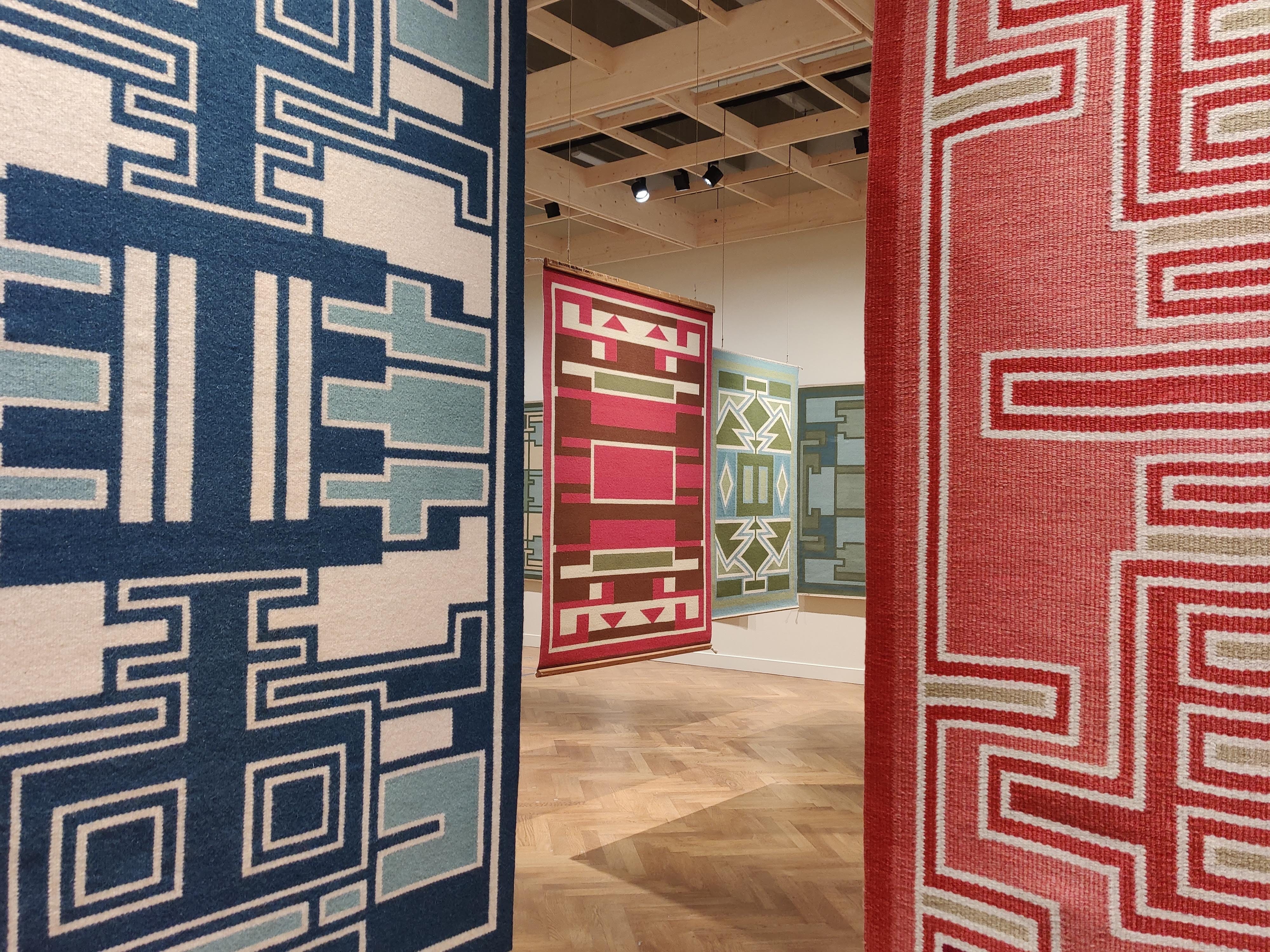
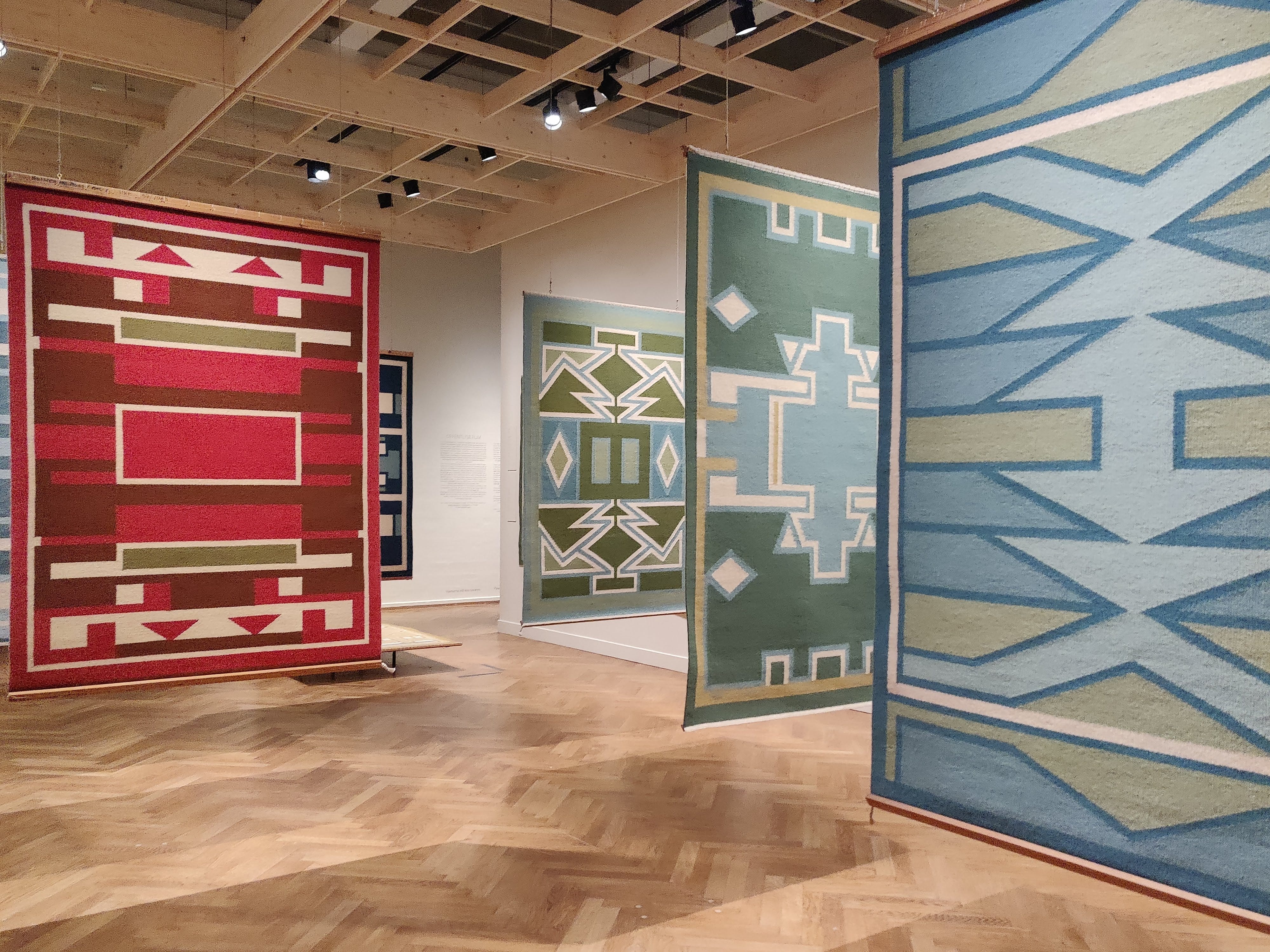
As someone who does not knit, but loves the idea of knitting and weaving (one of the joys of a creative life must be being inspired by craftspeople in completely different areas to you), I’ve long been eyeing up the Anna Thommesen – Weavings exhibition at Copenhagen’s Statens Museum for Kunst.
With the gift of time alone via grandparents visiting for babysitting, and remembering that the exhibition closes on August 16th, it felt like a perfect time to go and see it.
And oh, what a treat it was – huge textiles and a gorgeous reminder of the beauty of slow human craft, guided through the loom with a magic that only human hands could impart.
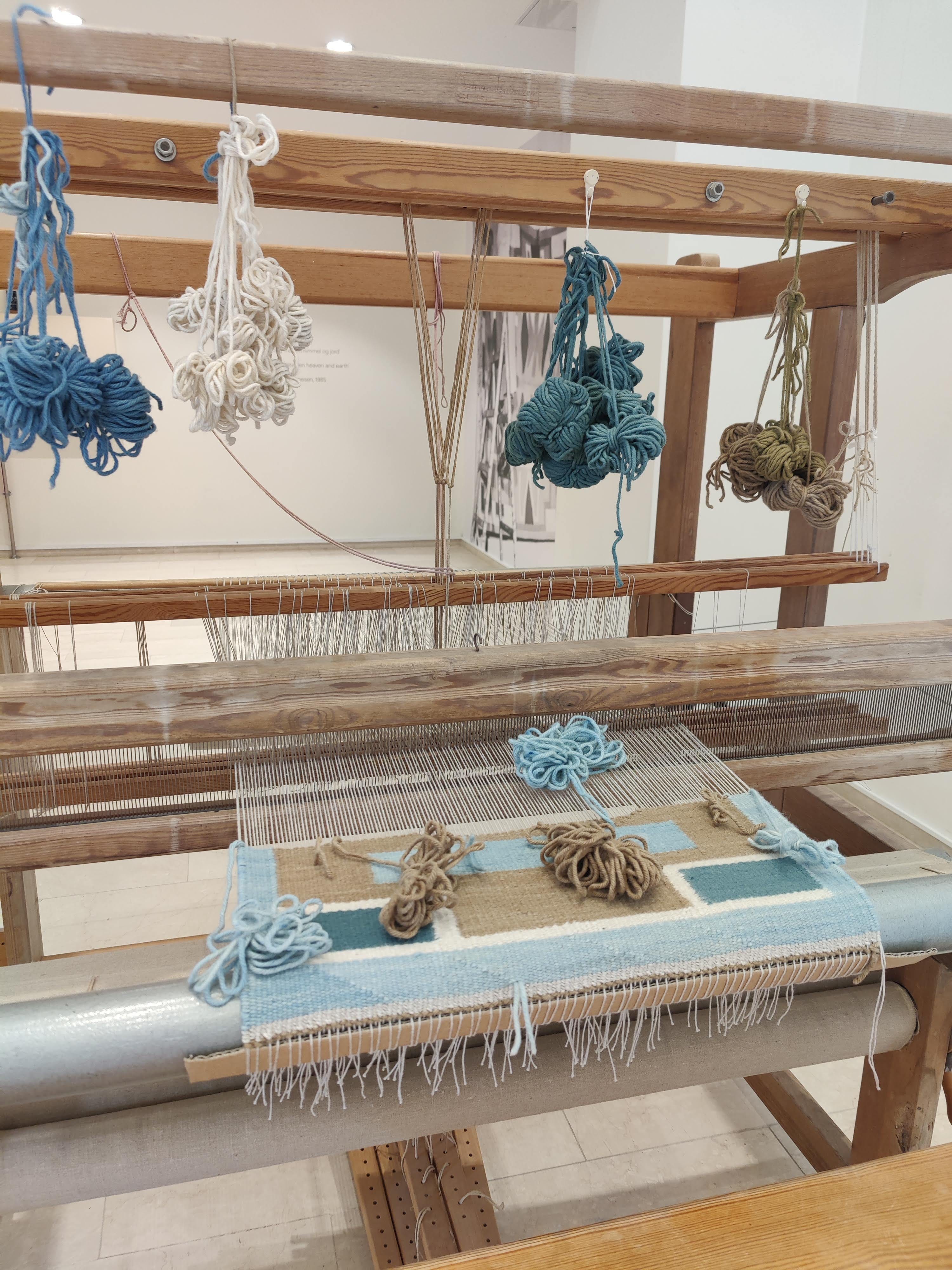
One of Anna Thommesen’s (1908-2004) looms was on show, putting the long hours of labour into perspective. Also wonderful: the sample weaving on the loom by Merete Erbou Laurent, her student at the Jutland Art Academy from 1966 to 1970, using hand-dyed yarn that belonged to Thommesen.
Seeing the descriptions of natural dyes was one of my favourite parts of the exhibition – madder, indigo, tansy, woad, hedge bedstraw – and learning how Anna let the colours of nature determine her palette. “We need to start thinking backwards,” she wrote, recognising how strongly humanity has focused on itself and material growth at nature’s expense.
When I told Iain about my plans to see the exhibition, he told me that he’d also been thinking about weaving, which, he added, had likely never happened before. The reason for this is Douglas Stuart’s new and Booker-nominated novel John of John, which he recently loved.
Based on the Isle of Harris in Scotland’s Outer Hebrides, the story begins as John-Calum Macleod, out of money and little to show for his art school education, takes the ferry home to Harris and his father John, a sheep farmer, tweed weaver, and lay preacher in the local Presbyterian church.
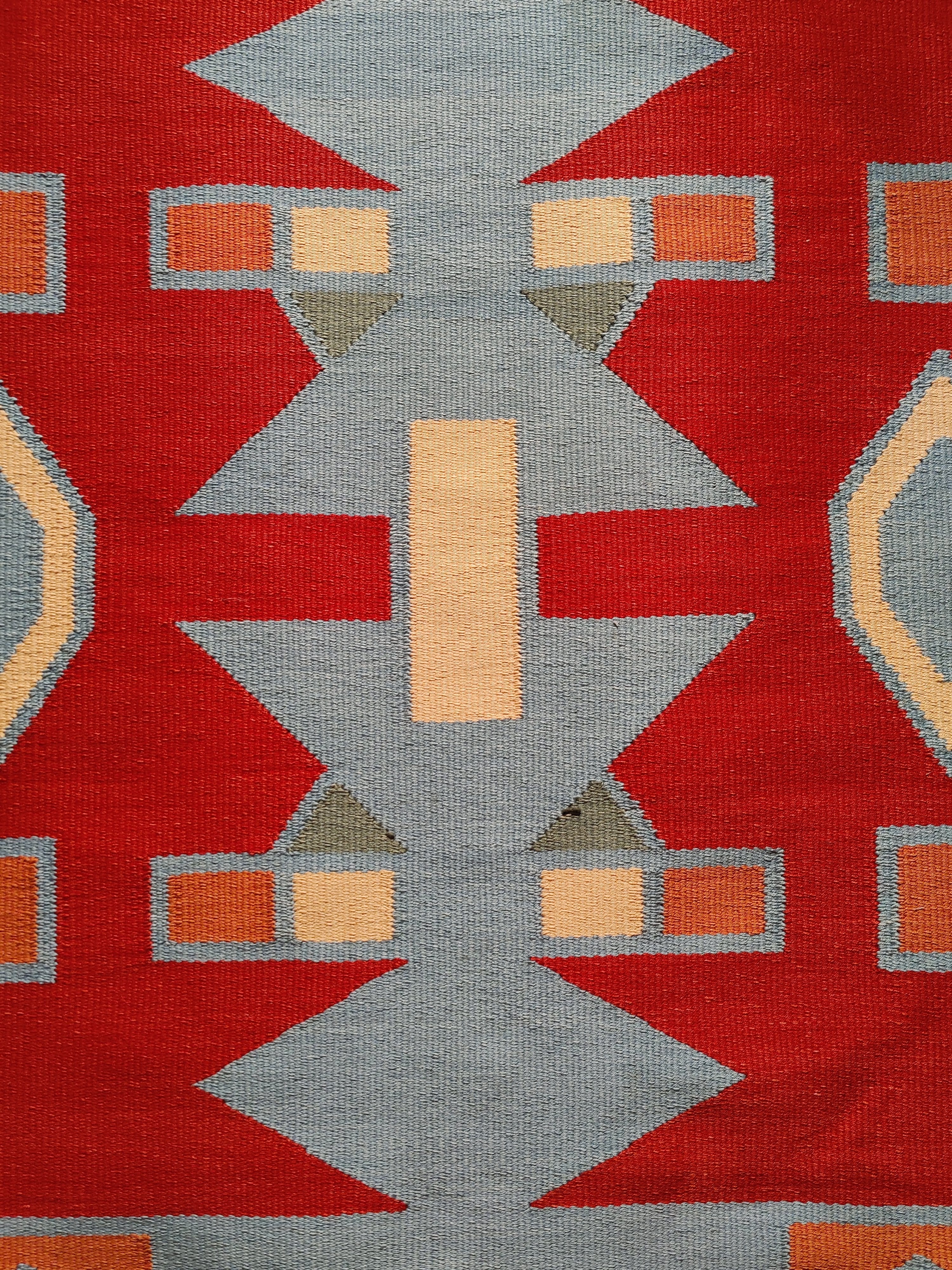
As I wandered through Thommesen’s weavings, I listened to the first few chapters of the John of John audiobook, after hearing from one of Iain’s colleagues that they particularly liked the narration for the Gaelic language parts by Lorne MacFadyen (originally from the Isle of Skye).
Iain and I cycled the length of the Hebrides over a week back in 2022, and it brought back memories of the gloomy weather, enchanting light, and treeless landscapes:
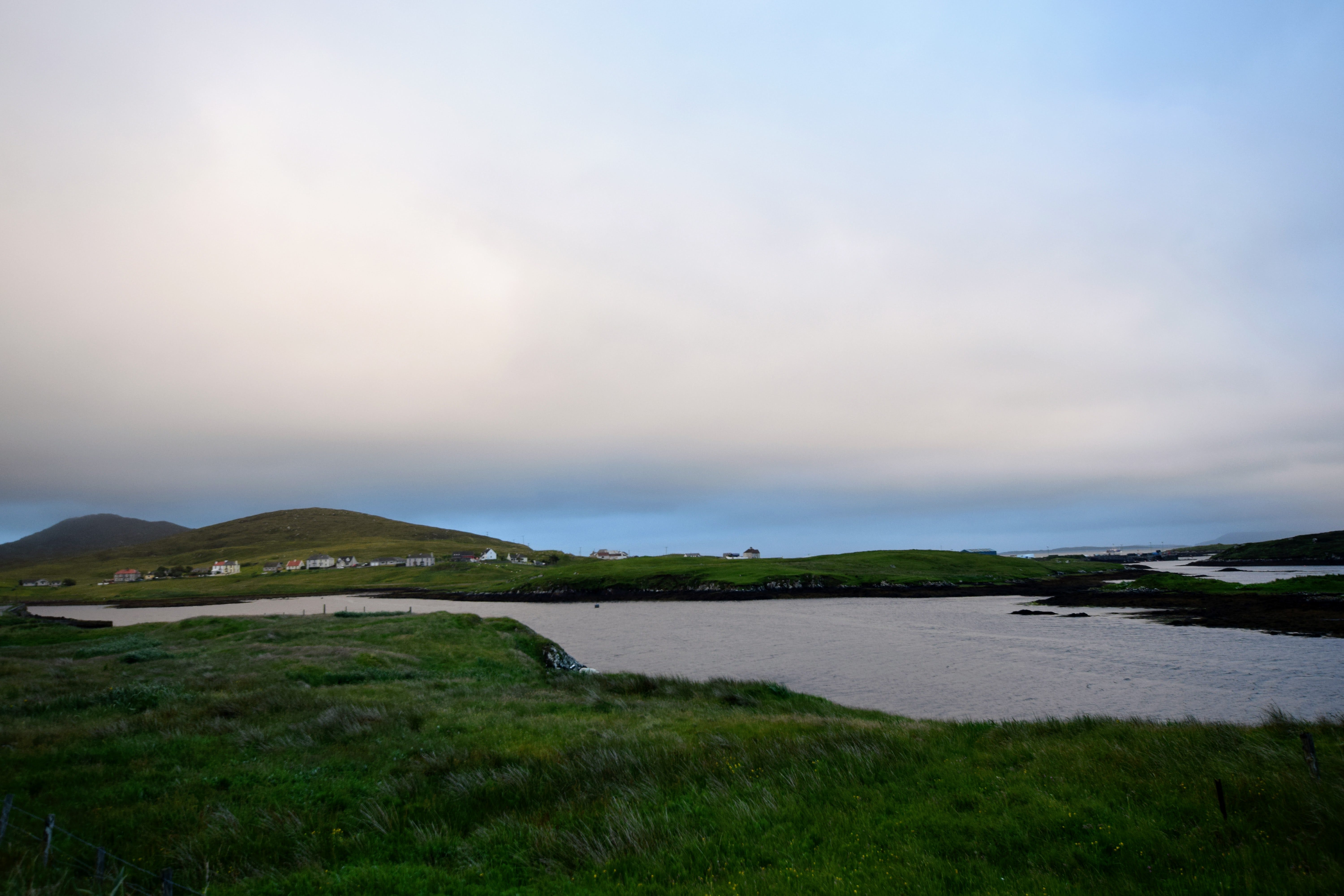
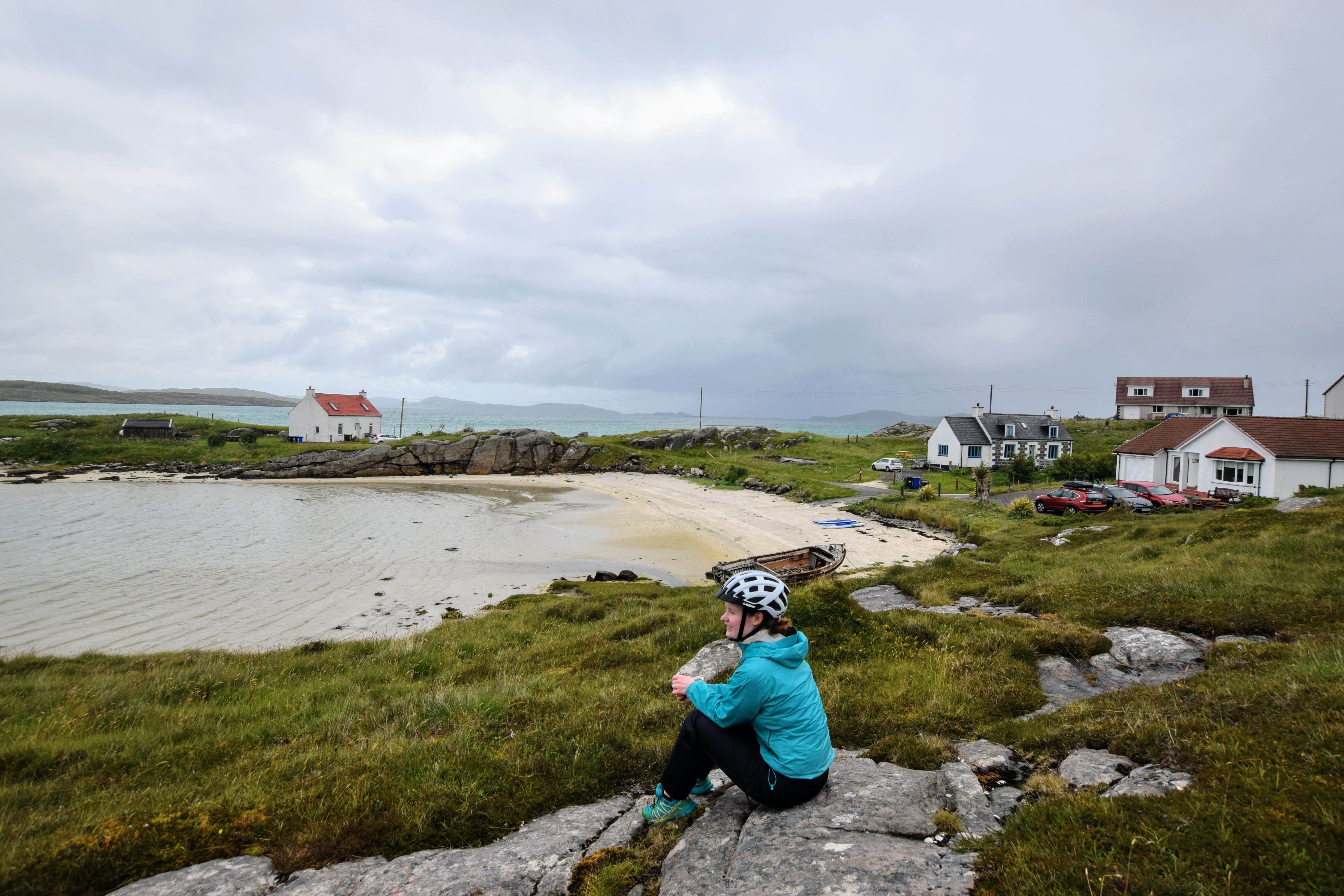
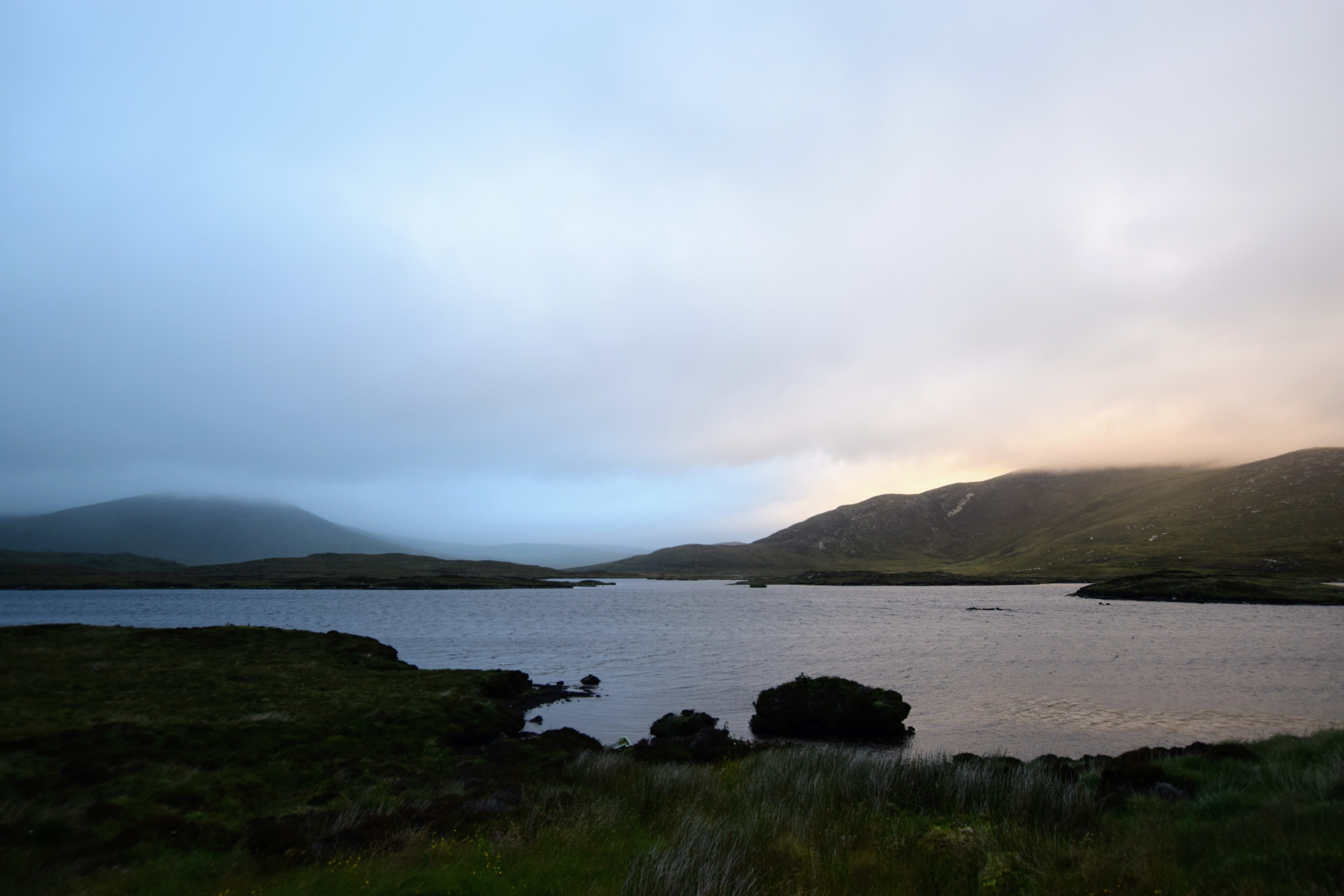
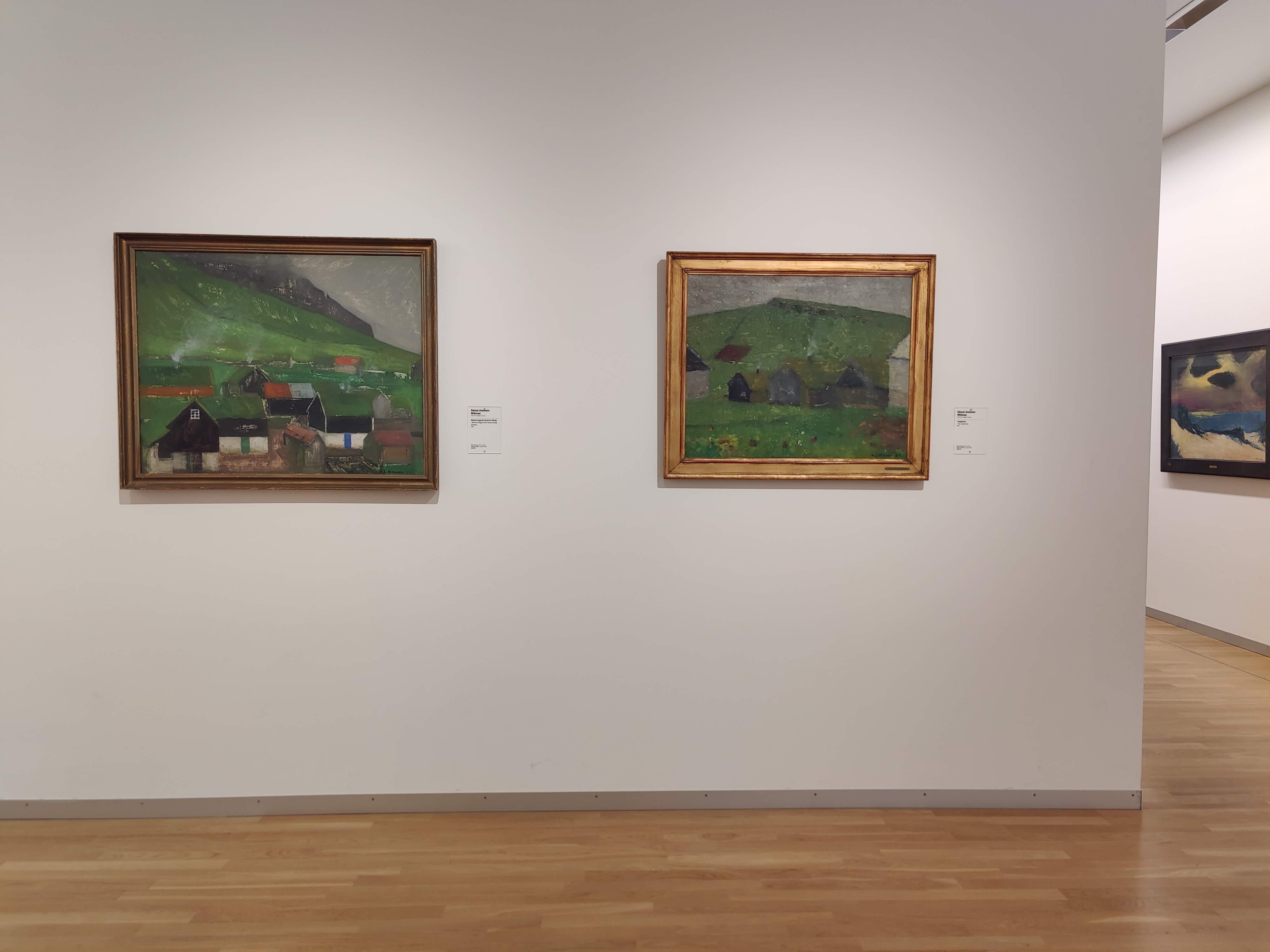
Imagining John of John and its Hebridean setting, I rejoiced in gazing at these portraits of life in the comparably dreich Faroe Islands by Sámal Joensen-Mikines (1906-1979) elsewhere in the museum:
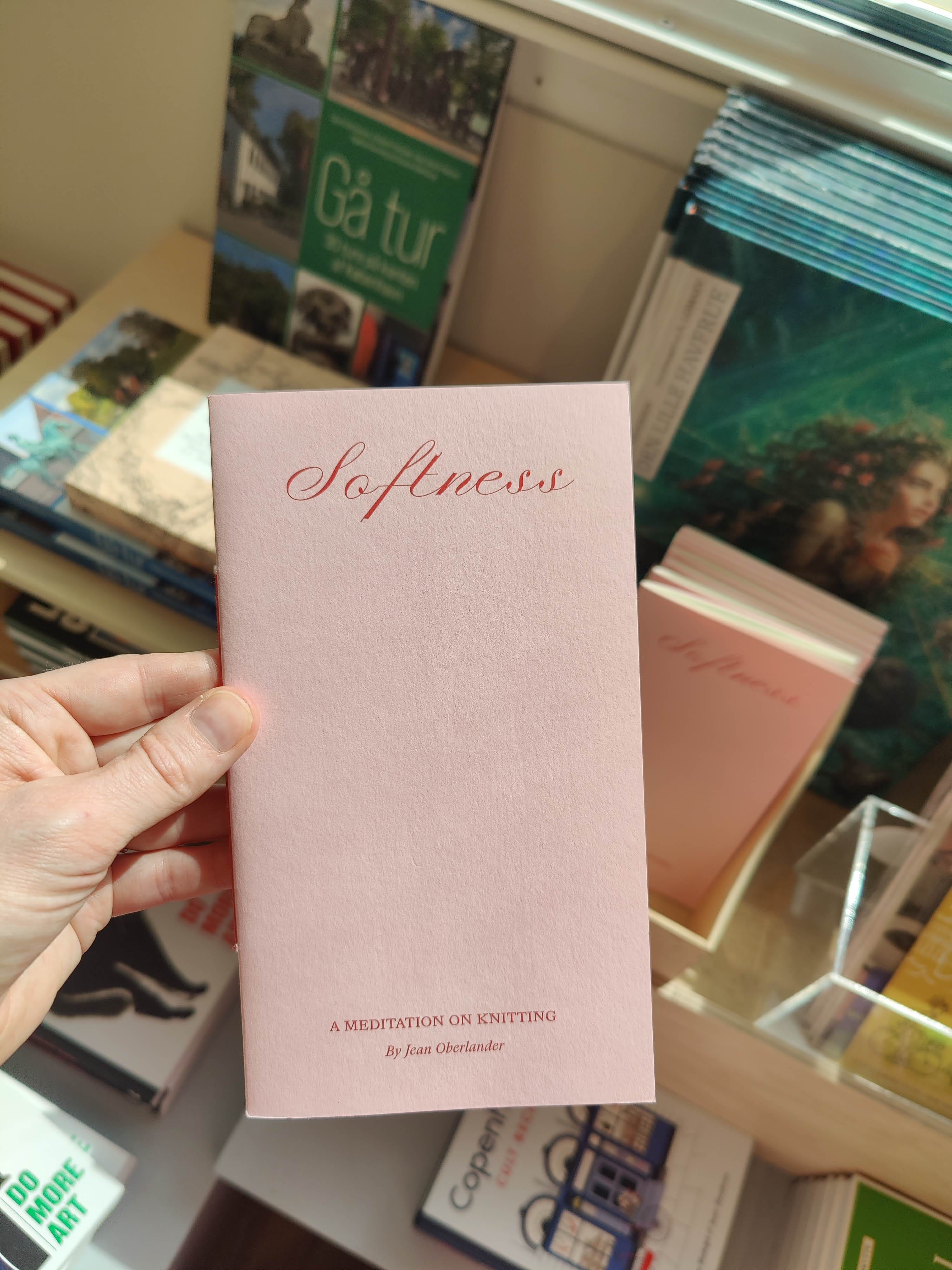
And in the SMK Shop (always impossible to resist, especially the postcards section), I stumbled upon this gorgeous zine by Jean Oberlander (published by Common Threads Press) “on hand knitting, and how women use it to communicate memories, love, death and self”:
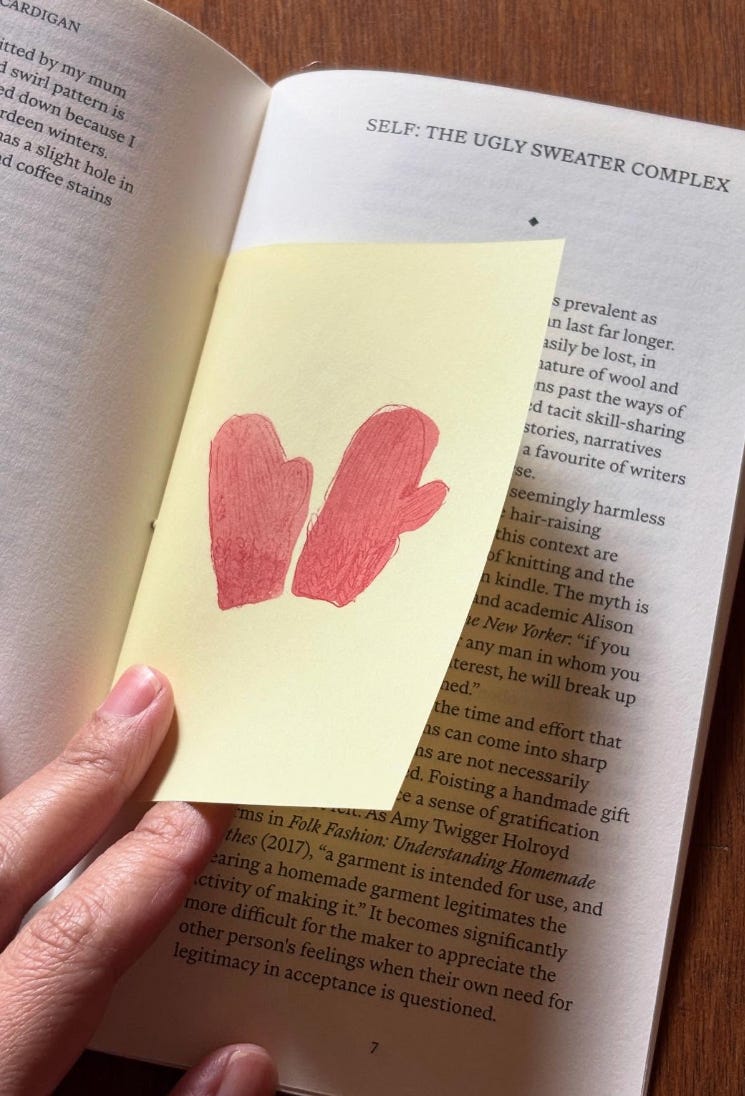
I should, of course, have picked this up (and should go back to do so!), but found this photo of its gorgeous illustrations by Vacilando Bookshop in Bangkok:
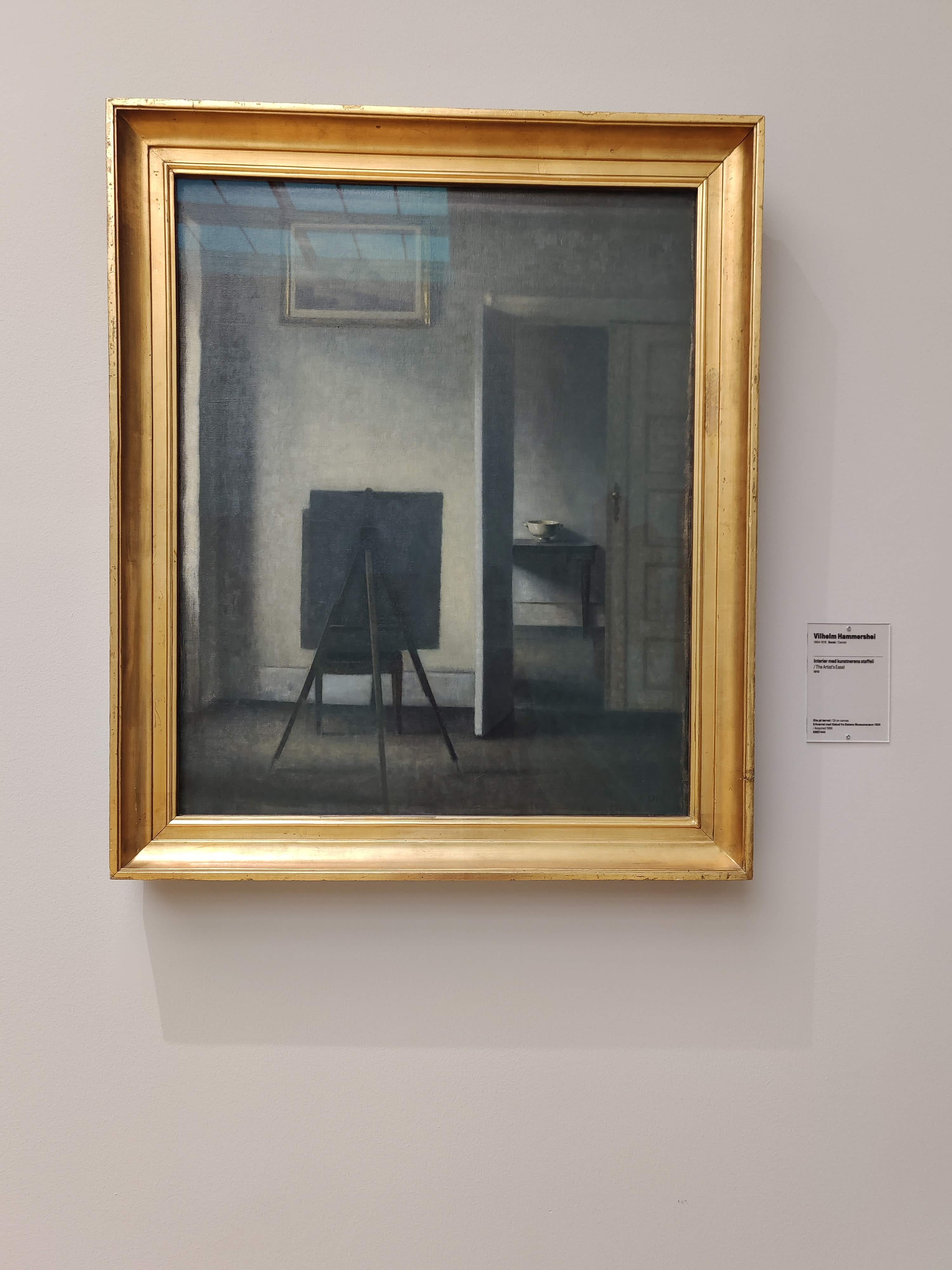
No trip to a Danish gallery feels complete without some Vilhelm Hammershøi. This week’s favourite:
Free subscribers, if you’d like to read more – and enjoy my Lookaftering letter each fortnight – why not upgrade to a paid subscription? If you can’t justify it right now, you can also reach out to me via private message for a gifted paid subscription 💙 Paid subscribers – thank you for supporting my writing!


Reading: Too many books, including Beth Brower’s The Unselected Journals of Emma M. Lion Vol. 1 at long last. A favourite sentence: “March 11th. Rain, dismal enough to be cosy.”
Comments
Nothing yet. Say the first thing.
Sign in to join the conversation.