
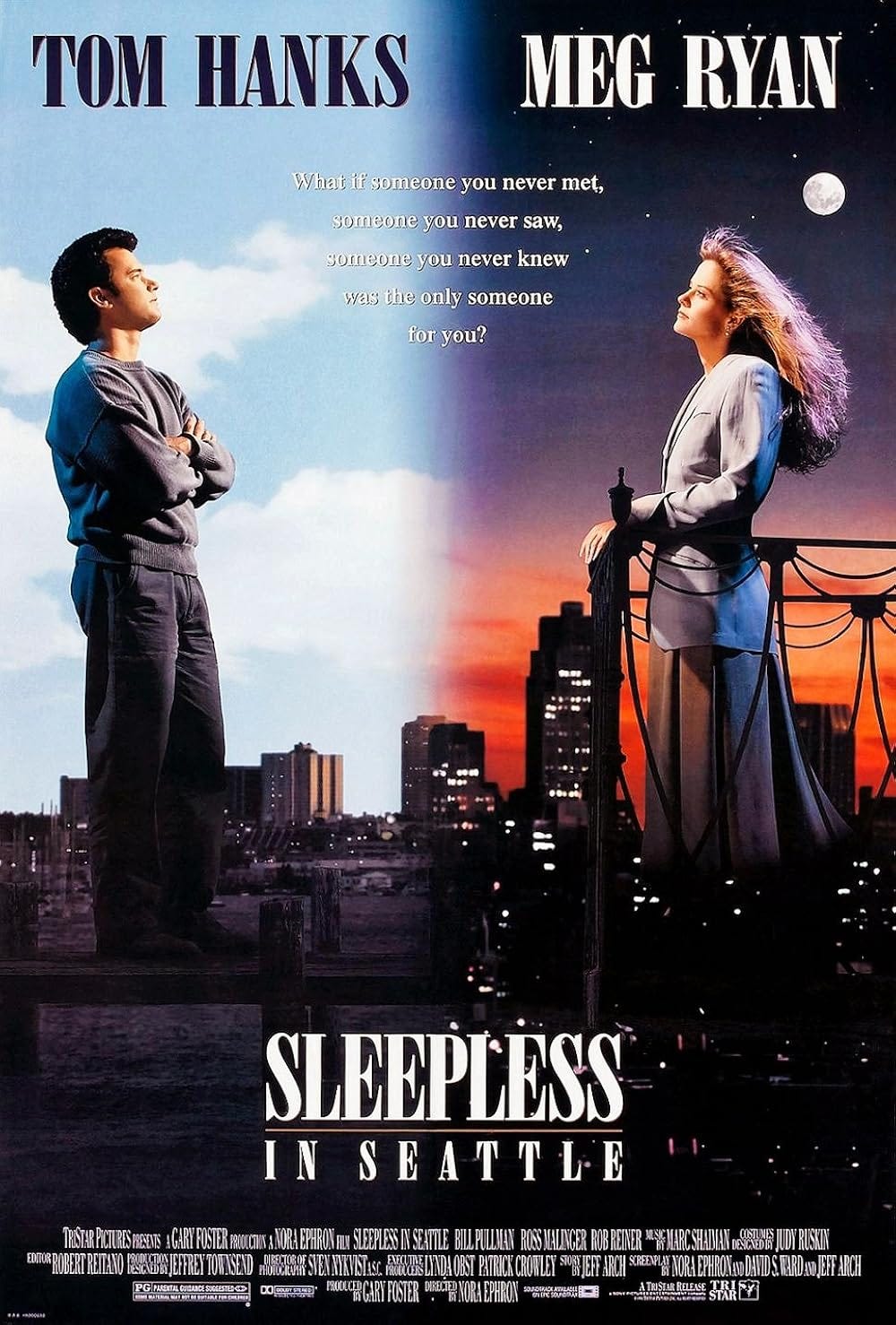
How does singlehood differ for men and women? When are romantic beliefs healthy rather than unhealthy? Is it typical for young children to play matchmaker for their parents? Paul, Eli, and special guest Dr. Yuthika Girme are in on the joke that is Sleepless in Seattle, the film that—for better or worse—has become Nora Ephron’s enduring meta-statement on romantic movies.
Subscribe at Apple, Spotify, or Episodes.fm
Hosted, produced, and edited by Paul Eastwick and Eli Finkel
Intro
1:20: (Eli) Who are the characters and couples?
2:50: (Paul) 1-minute plot recap
4:10: What is our relationship to this movie?
What the movie gets right
7:00: (Eli) Low expectations are a double-edged sword, but feeling like we’re settling is a bad sign
We like people who are selective but nonetheless choose us study by Paul
Expectations for future relationship satisfaction study by Dr. Baker
Love is not blind, but prescient study by Dr. Murray
9:40: (Paul) Ideals and relationship well-being
High expectations cause people to see their partners positively study by Dr. da Silva Frost
11:30: (Paul) When we experience potential kismet moments, we see what we want to see
Motivation to be accurate vs. motivation to reach a preferred conclusion review by Dr. Kunda
Motivated cognition in relationships review by Dr. Lemay
13:20: (Eli) Relationships thrive when close friends and relatives support it
Social network support and relationship success by Dr. Sprecher
Family and friends support study by Dr. Lehmiller
16:30: (Paul) People who are happier in one relationship are a little bit happier in the next relationship
How relationship satisfaction changes within and across romantic relationships study by Dr. Bühler
Misconceptions in the movie
19:00: (Paul and Eli) Two harmful ideas are in the movie’s tagline: (1) one-and-only beliefs and (2) love-at-first-sight beliefs
The tagline: “What if someone you never met, someone you never saw, someone you never knew was the only someone for you?”
Soulmate beliefs are linked to breakup study by Dr. Knee
Soulmate beliefs are linked to declining relationship satisfaction study by Dr. Gander
25:15: (Paul) Children of widowed parents often have reservations about the parent starting to date again
Adults’ mixed feelings about their bereaved parents’ new relationships study by Dr. Nice
Re-partnering—for any reason—is often hard on kids review by Dr. Anderson
27:00: (Paul) The breakup of a serious relationship tends to be protracted and distressing
Relationship dissolution is among life’s most distressing experiences chapter by Dr. Lee
Staying in the relationship for the sake of the romantic partner study by Dr. Joel
Expert Corner: Yuthika Girme
30:10: The time-course of grief recovery tends to be nonlinear
32:55: It’s normal for a widow to remain in love with their deceased partner while also feeling love for someone new
36:00: Being single carries a stigma, but the nature of that stigma varies by gender
40:20: Single women tend to be happier than single men about their single status
42:00: The experiences of lifelong singlehood vs. widowhood are likely to be quite different
“Are we ok with this?”
44:40: (Eli) The film normalizes pretty severe stalking behavior
45:00: (Paul) Why are we mocking people for liking a movie?
45:45: (Eli) Interesting questions about artists’ social responsibility emerge from the fact that Nora Ephron sought (through this movie) to mess up people’s beliefs about love
Relationship Quotes!
48:20: (Paul) Yum, tiramisu
49:00: (Eli) One person’s nightmare is another’s fantasy
What do we wish we knew?
49:40: (Paul) How does infidelity transpire as a series of small, incremental steps?
50:40: (Eli) When are we able to convince ourselves of something are trying to make ourselves believe?
Stars (1–5): The hosts rate the quality of the movie
Rusbults (1–5): The hosts rate the accuracy of the movie’s ideas about relationships
Music by Andrew Fraker and Sons
Artwork by Katie Keil
Comments
Nothing yet. Say the first thing.
Sign in to join the conversation.