
Welcome to regular readers and new subscribers! Thank you for joining me for today’s song, “My Country, Too” by Dan Bern. Below, you’ll find my interpretation of the lyrics which are written in italics and a YouTube video of the song below the article. For Japanese students, vocabulary words in bold are provided in Japanese below. TOEIC (PBT) 450+, Eiken 2, CEFR B1.
(883 words)
For this article, I have asked singer/songwriter Dan Bern to join us. He wrote the song for today, My Country, Too.
Louise: Hi, Dan. Thank you for agreeing to talk with us today. First, could you tell us a little about yourself?
Dan: Well, I’m from a small town in Iowa with about 3,000 people. Some of my very first songs were what we could call protest songs. I was inspired by other protest singers like Woody Guthrie, Bob Dylan, Phil Ochs, Billy Bragg and people like that.
Louise: Classic singers and activists, all of them! So, you followed in their footsteps, and you wrote this song, My Country, Too. Why did you write this song, Dan?
Dan: Hmm, I think I wrote the song out of frustration with people that I disagreed with politically trying to act like their opinions were the only ones that mattered.
Louise: So, you wanted to say that there are folks with different viewpoints whose voices need to be heard?
Dan: Yeah, that’s right. I think the main message for me is that there are a lot of ways for people to be in a country, and still belong. And feel like they belong.
Louise: I see. Sometimes we don’t agree with others, but that’s not a reason to feel excluded from a group or from society.
Dan, we have a lot of readers who are learning English. Do you have any advice for them?
Dan: If you are learning a new language, it can be nice to learn a few songs in that language. Or even make up some of your own. That can be fun and help you learn the language.
Louise: A good suggestion! Thanks, Dan.
So, let’s take a look at the lyrics to My Country, Too.The song starts by pointing out that the singer has different values from people who might be in a high income bracket.
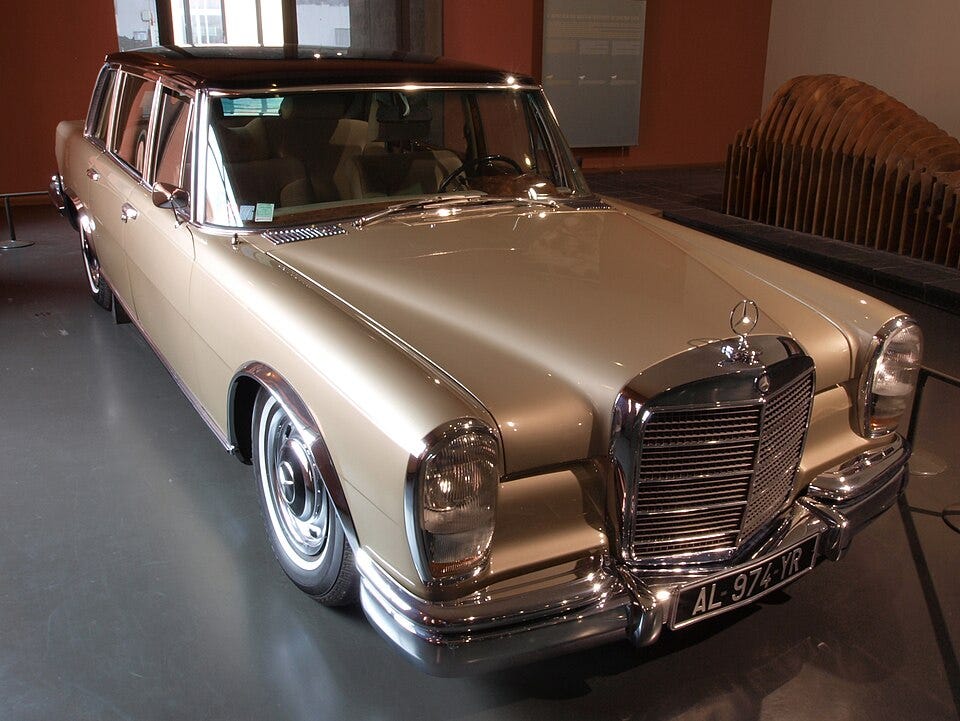
I don’t drive a Mercedes Benz and
I have no desire to own one
Also, for him, it’s more important to watch nature than watch a famous Hollywood film.
I’d sooner watch a flower grow
Than the latest from Sylvester Stallone
I don’t have me a country club membership (which is usually very expensive)
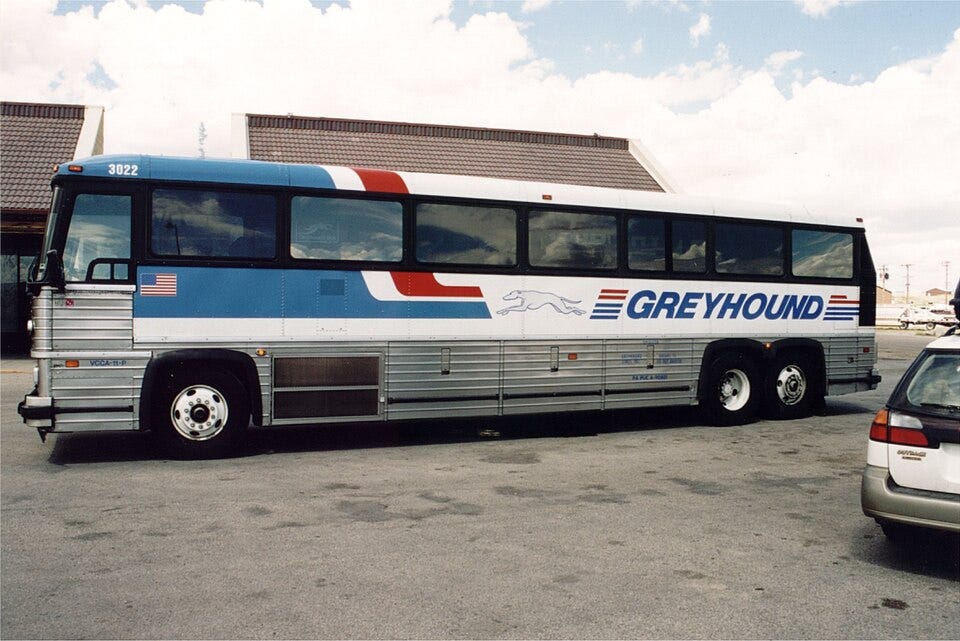
I ride the Greyhound bus But it’s my country, too
The Greyhound bus is an efficient and comfortable way to travel around the U.S. Although it takes more time than a plane, it is far cheaper, and you can see so much more of the country.
I don’t have a cabin two hours north of here
People with a lot of money might have a second home or a cabin in the mountains where they can go skiing or go on vacation. The singer doesn’t own one.
I don’t celebrate Christmas
Here, the songwriter is showing that there are many kinds of beliefs, not just the Christian religion, and that’s okay.
Sometimes I gotta
It’s my country, too
(I) Pay my taxes
Vote on election day
I stop at stop signs just like youThe singer says that he follows the rules and the laws just like any other citizen.
I’ve never burned an American flag
If I did, it was an accident
(This is ironic humor. Normally, people don’t burn flags. Here, the singer is aware he’s caught in a lie, that maybe he did burn the flag once, but he hadn’t intended to. The listener understands this as humor.)
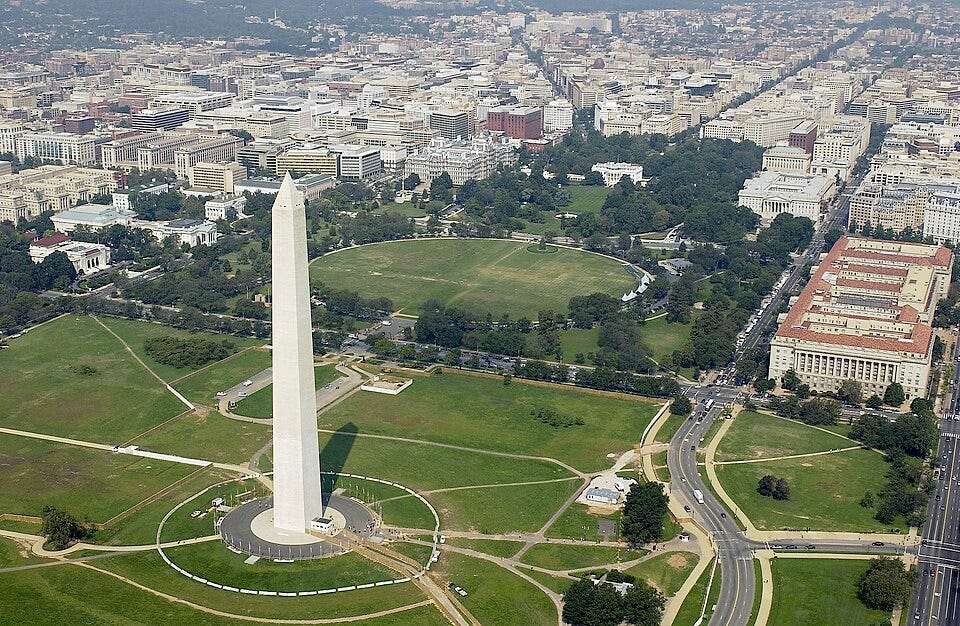
Governments bomb people in other countries. The singer has never done that. He also hasn’t done things like write graffiti on a national monument.
I’ve never dropped a bomb or defaced the
Washington monument
But you won’t find a flag on my doorstep
On the Fourth of July
Too many criminals try to wrap themselves inside of it
It stands for too many lies
It is quite usual for many Americans to display the U.S. flag on July 4th because that is the celebration of Independence Day, the day that the United States declared independence from Great Britain in 1776. However, the singer doesn’t choose to display the flag. He says that there are “criminals” who use it. Here, he’s suggesting that politicians or people in power will say that they are patriotic or wear a pin of the American flag, but they take actions that are not helpful to the country. Their actions might even put citizens at risk, for example during a war or by creating policies that hurt the people such as providing no health care system, no money for public education, discriminatory laws, and so on.
My country ‘tis of thee
Sweet land of liberty
My country ‘tis of thee is a well-known American patriotic song. As children, Americans often learn the song in school. The song uses the same melody as the British royal anthem “God Save the Queen.” It was written 1831, and it praises freedom.
If I say it enough times
Maybe I’ll remember what it means
Don’t try to tell me
For once just listen to me
The singer is asking the listener not to judge or to argue but simply to listen to what he has to say.
It’s my country, too
Thank you, Dan, for sharing your thoughts and your song with us today.
Leaving a comment is a good way to practice your writing skills.
Vocabulary
frustration 不満
feel excluded 疎外感
values 価値観
income bracket 所得階層
religion 宗教
monument 記念碑
deface 汚損する
display 展示する
declare 宣言する
patriotic 愛国的な
discriminatory 差別的な
royal anthem 王室の国歌
praise 称賛する
All of the articles about the songs will remain free for students to use. (We are all students, are we not?) However, if you find these articles useful and are in a position to make a small (or large) donation, I would be deeply grateful.

#英検2級 #TOEIC450 #CEFRB1
Copyright Disclaimer under section 107 of the Copyright Act of 1976, allowance is made for “fair use” for purposes such as criticism, comment, news reporting, teaching, scholarship, education and research. Fair use is a use permitted by copyright statute that might otherwise be infringing.
Comments
Nothing yet. Say the first thing.
Sign in to join the conversation.