

I have kept some version of a diary since I was in first or second grade. At first, it was mostly lists of my best friends, crushes, favorite movies, and songs. Eventually, it became the way I processed my life. At the beginning of every year and around my birthday, I still find myself writing about where I have been and where I think I am going.
The LOTA anniversary post has become a more public version of that ritual. It is where I take stock of what I have learned, what has changed, and what might be next.
At the beginning of this year, the word I kept coming back to was transition. Not all of the transitions I imagined have happened, at least not yet. But the year has still taken on that shape.
I was recently talking to someone standing at the edge of a transition of her own. She is preparing to leave a comfortable tech job to pursue something more personal and do the whole solo-entrepreneur thing. I told her the truth. It has been one of the most fulfilling things I’ve ever done. It has also been much harder than I expected.
I have always thought of myself as ambitious. But this work has required a kind of ambition that is not always recognized as ambition. When I started LOTA, my two kids were still tiny. Some weeks, it felt like I was solving for time with them, a hobby for myself, and something else that did not have a name yet. Now they are both in elementary school, and that something else has become a real business, a body of work, and an increasingly large part of who I am.
I’ve learned to have more grace with myself. I’ve returned to me in more ways than I can list, and I feel more tapped in, more connected to myself through the work, through the ways I get to express myself, and even through the ways I’m seen.
My ambition hasn’t turned off. It has just shifted.
Being called a creative is still something I am learning to accept.
Growing up, one of my favorite pretend games with my sister was not House-House. It was Office-Office. My vision of making it involved a skirt suit, a briefcase, and high heels in the big city. I wanted to be a serious person, and somewhere along the way, I came to believe that seriousness and creativity belonged to different kinds of people.
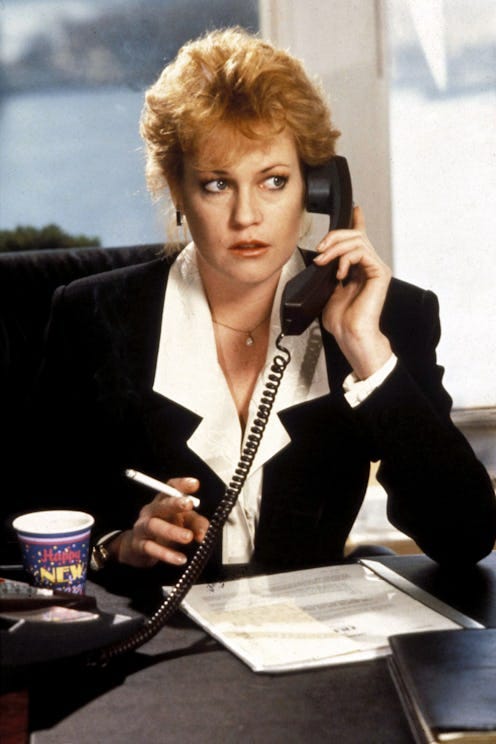
Later, working in design-adjacent roles across advertising and product, I learned to revere design and defer to it. I would give feedback and begin with, “I’m not a designer, but…” Or I would say, “This palette feels…” and trail off, as though I needed permission to trust my own eye.
It has been fun, surprising, and honestly life-affirming to begin seeing myself as an actual creative.
I also think the entire framing is a fallacy. Everyone is creative. Whether we get to inhabit that identity often has more to do with what we were told about ourselves than what we are capable of making, especially when you layer societal and cultural expectations on top of it. But I digress.
My work at LOTA itself feels like it is finding its stride.
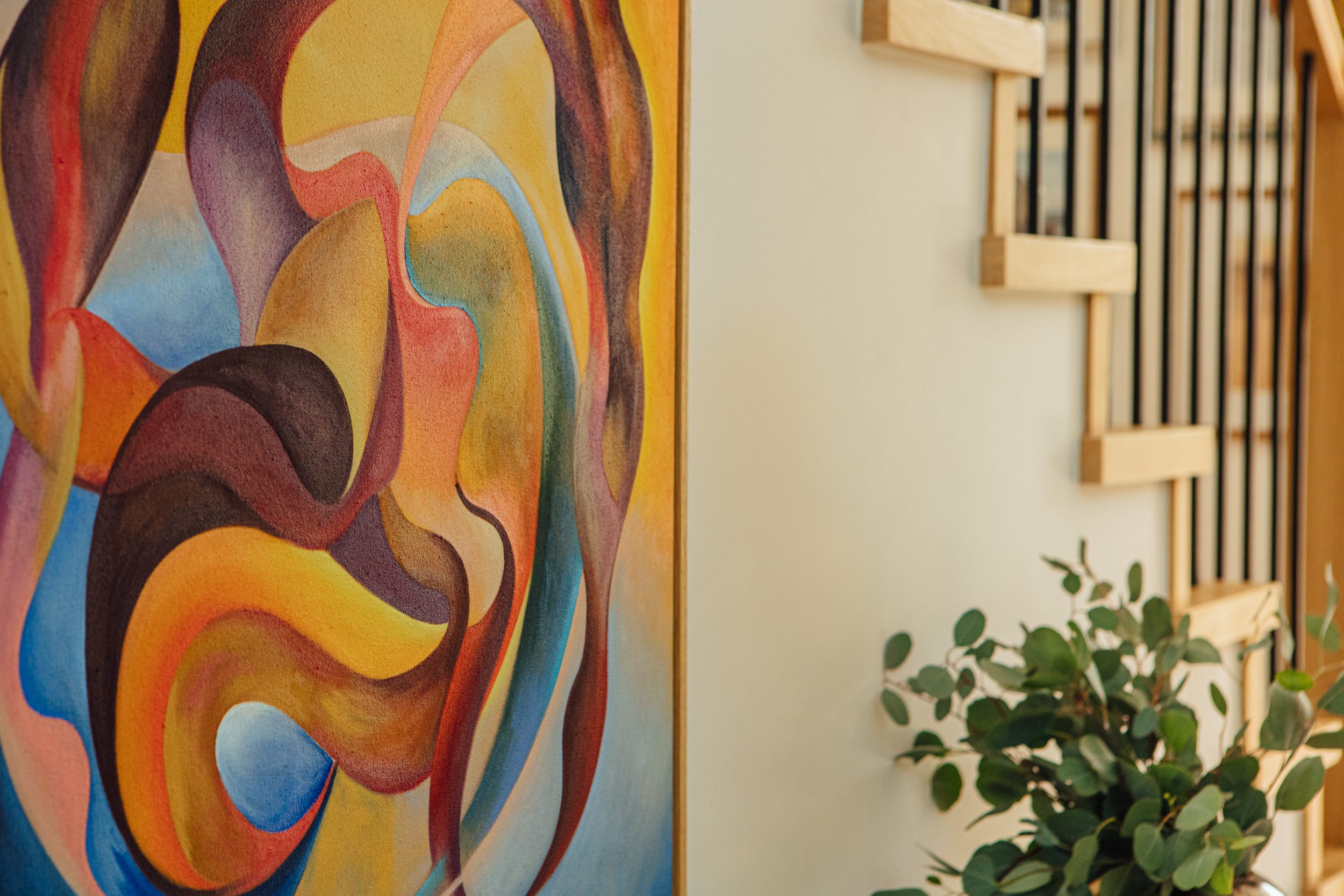
One of the most satisfying moments of the year was seeing an Alex Maceda painting installed in a client’s home. My client had seen Alex’s work early in our process, but it did not immediately feel right for her. As we looked at more art together and talked about the role it could play in her home and her family’s story, her eye started to shift toward bolder color and more abstract forms. In the end, she came back to Alex. She needed to look at enough art to understand why Alex was right for her.
Seeing the work installed felt like the full arc of LOTA coming together: discovering artists, telling their stories, helping someone develop confidence in her own taste, and ultimately seeing the work become part of a life and a home.
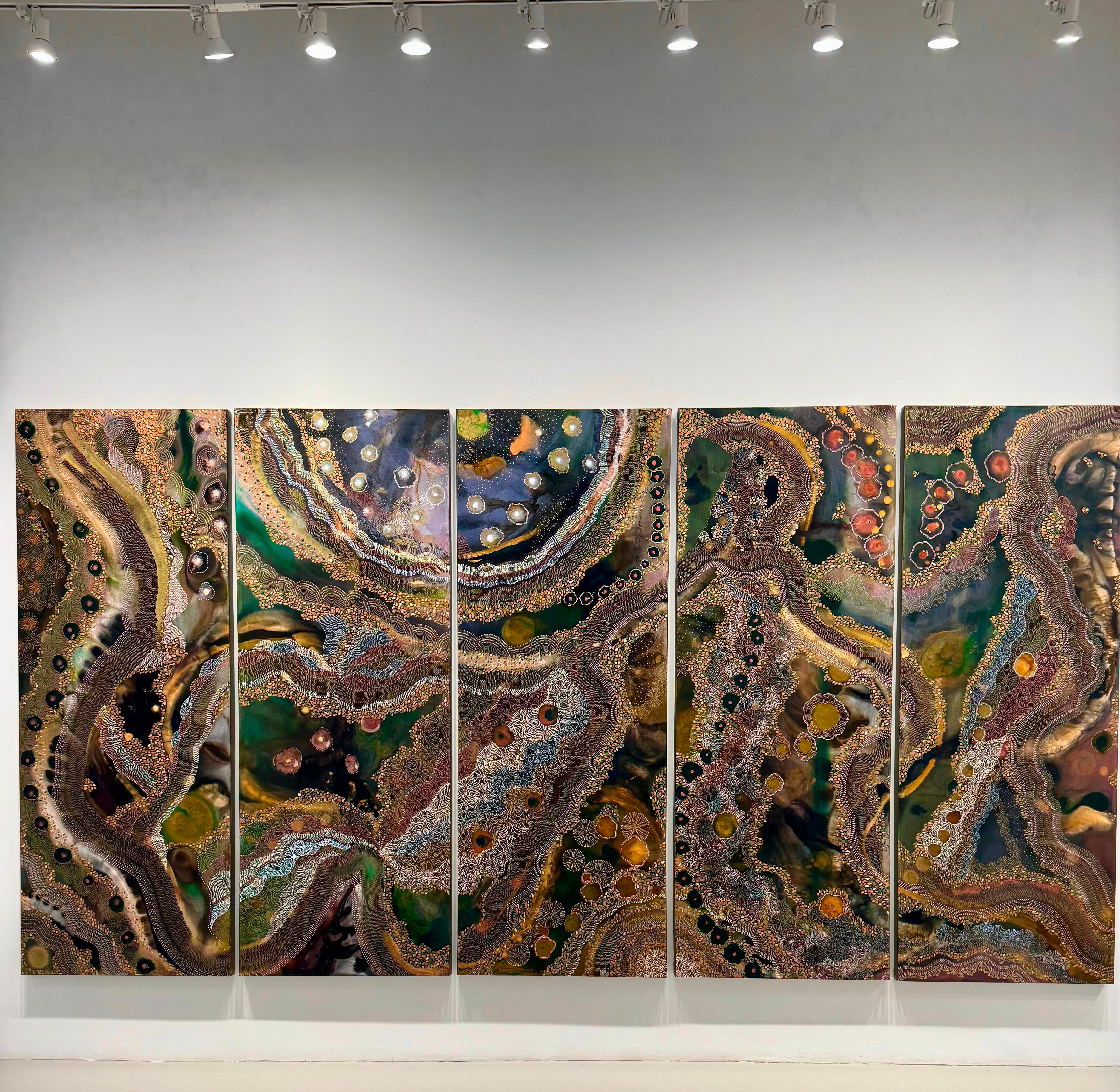
LOTA is also beginning to expand beyond individual clients and into collaborations with interior designers and hospitality projects. That has pushed me to think beyond what belongs on one wall and toward how the whole space comes together. What do you notice first? How does the art relate to the light, architecture, and furniture around it? How does one room lead you into the next? And most importantly, what role can art play in shaping the experience of being there?
I have a few case studies coming in the next few months that I can't wait to share. More than the milestones themselves, I can feel my own eye sharpening. I am looking at the art, but also at everything happening around it.
A few weeks ago, my family and I were in Alaska. I got truly lost in the wildness of it.
The mountains are the tallest I’ve ever seen, and unlike most places where one or two mountains define the space, in Alaska, mountains are the spine of the state. We spent ten days driving between fjords, glaciers, and wildlife and, honestly, watching or listening to whatever World Cup match we could find.
It felt like being on another planet. Everything slowed.
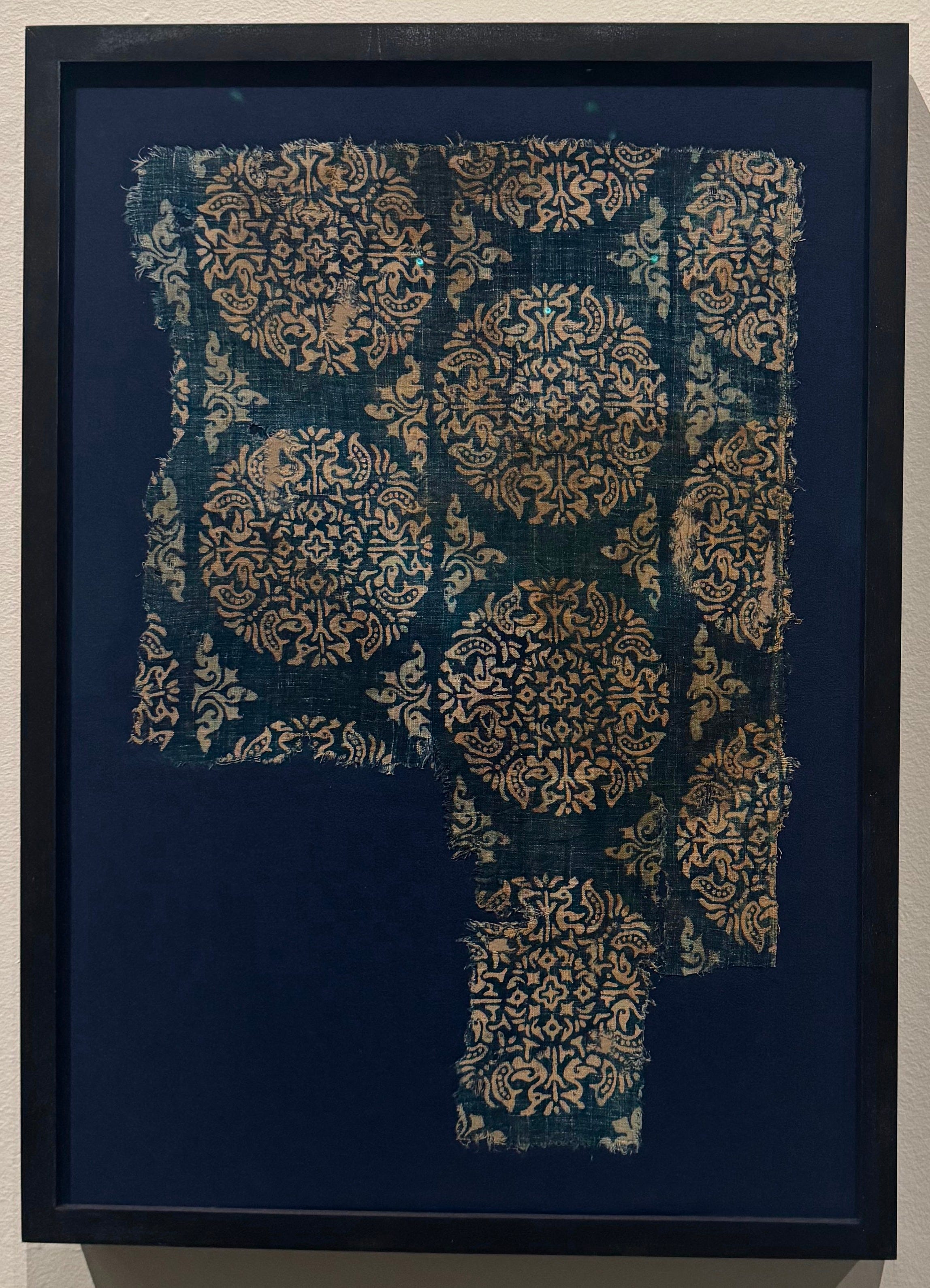
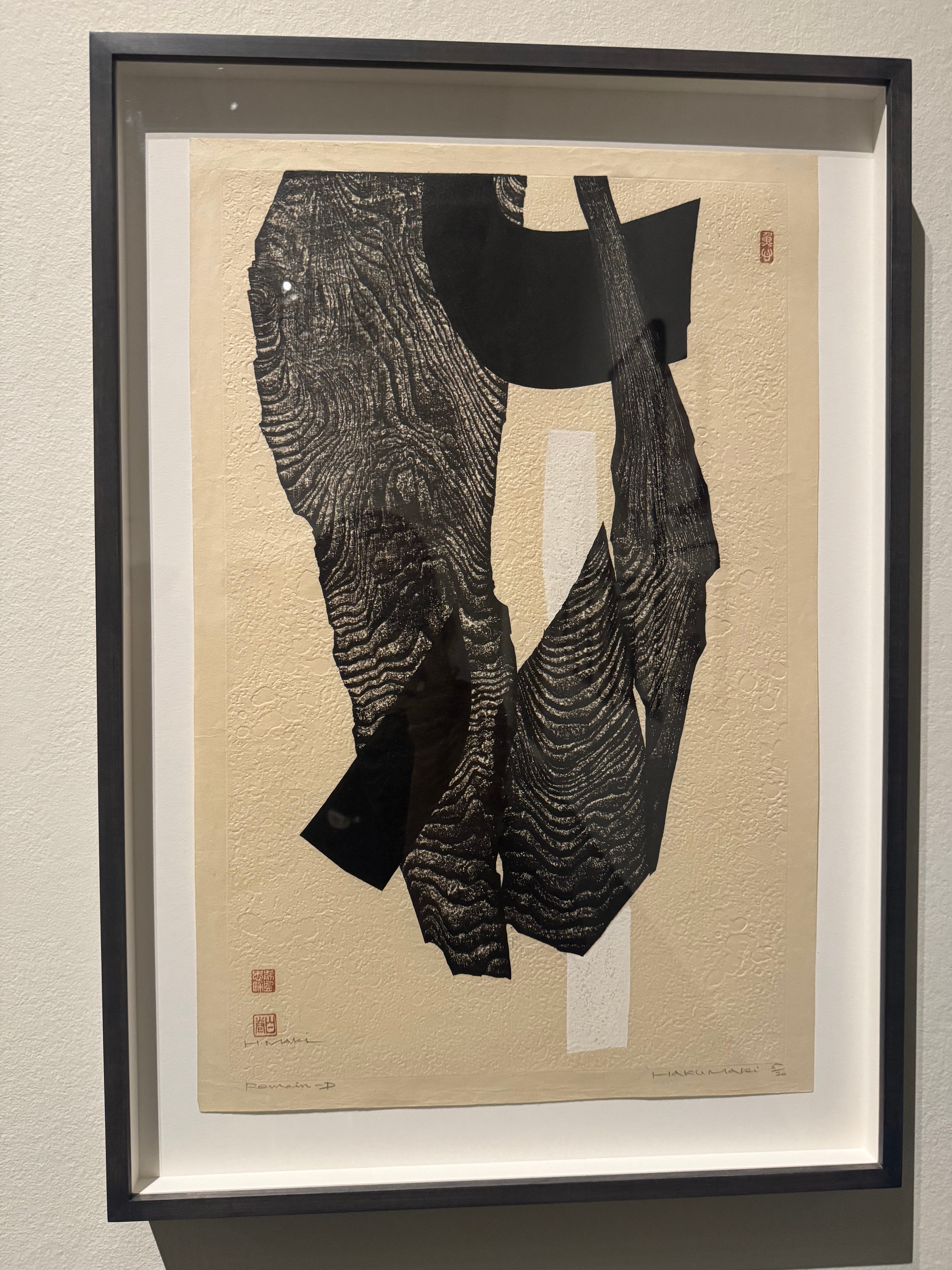
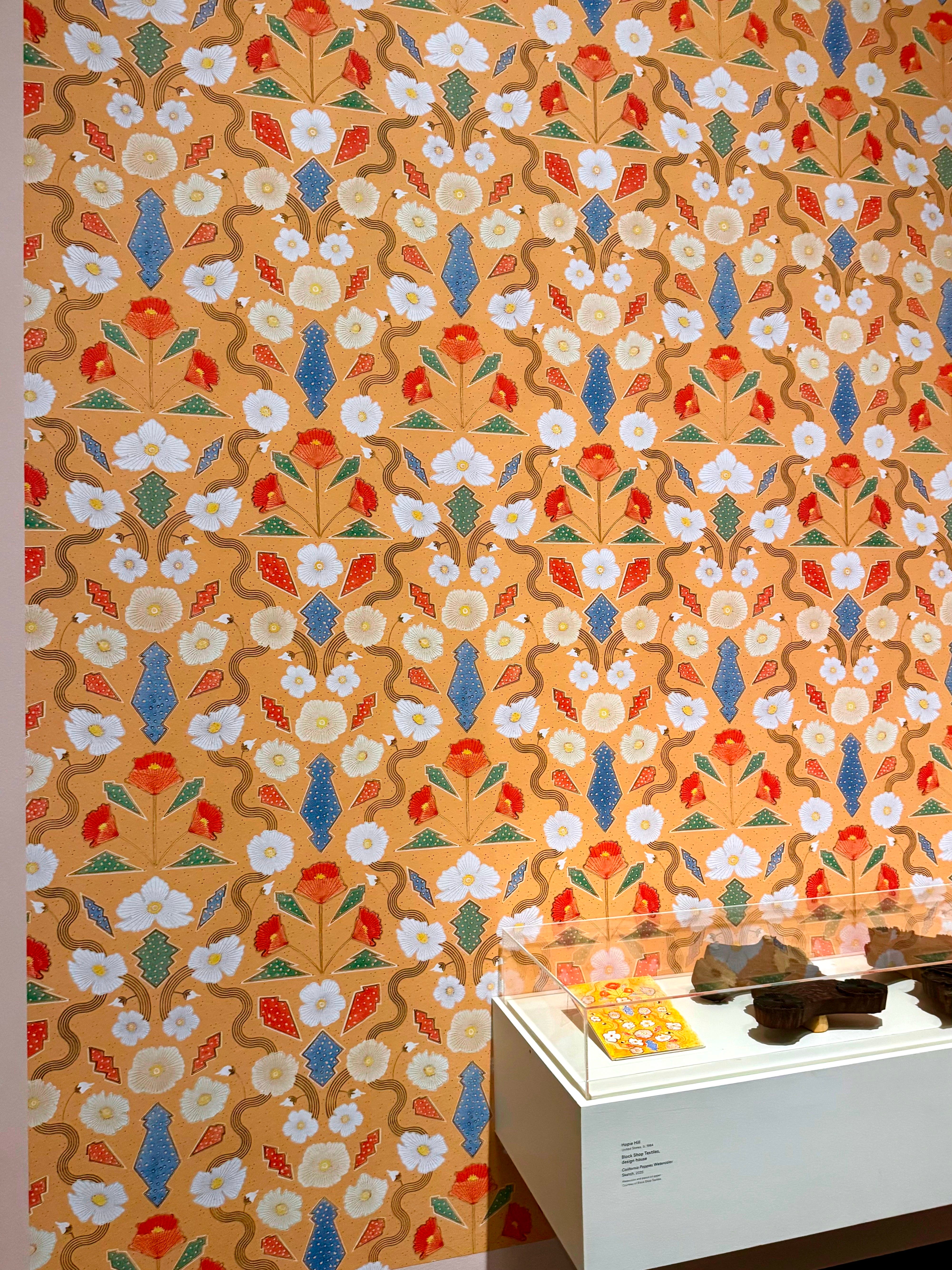
Back in Los Angeles, I went to LACMA to see the block-printing exhibition, which traced the form from its origins in India and Japan through German Expressionism to contemporary art. The world slowed again, but differently. Alaska made me feel small. LACMA made me look closely.
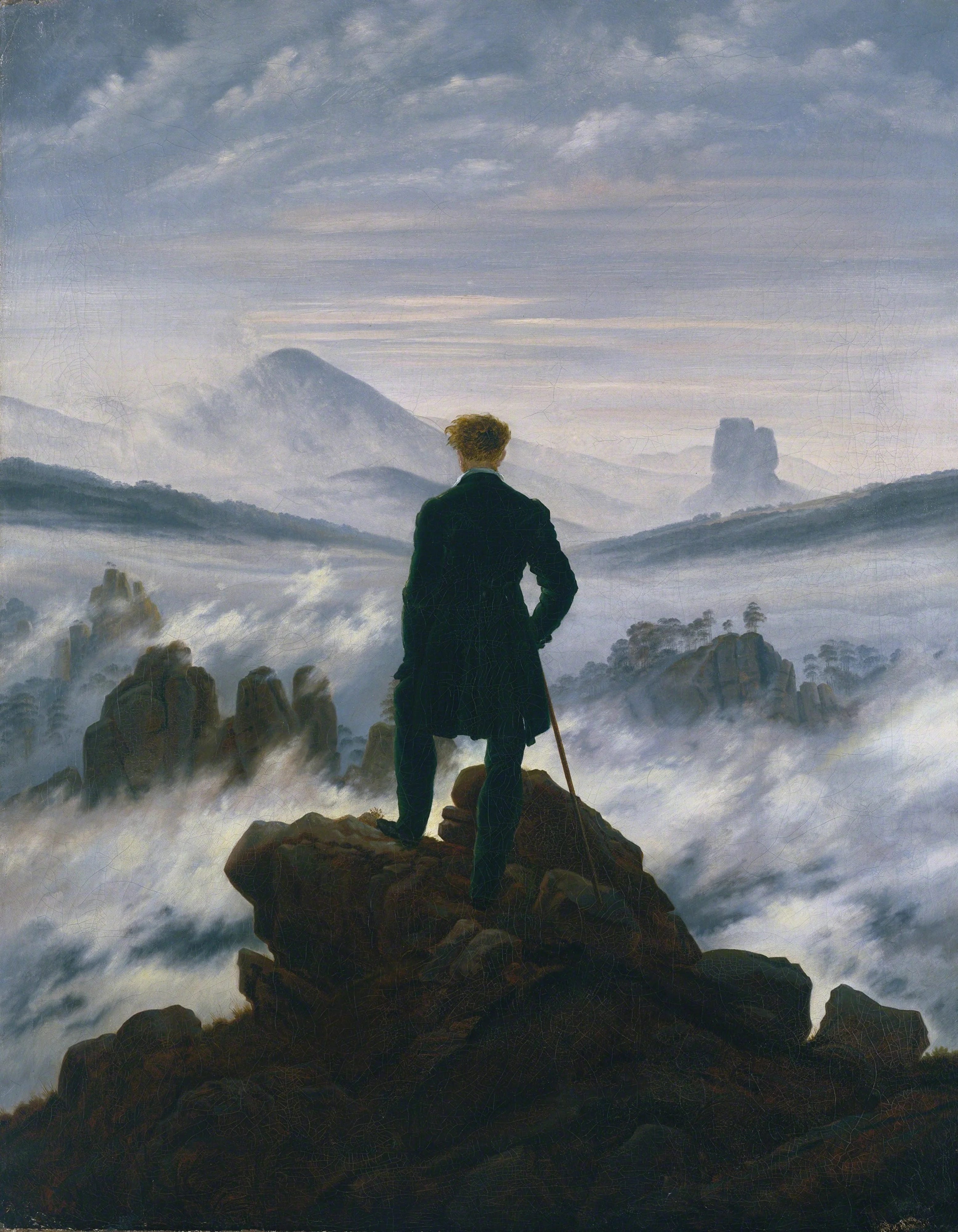
I’ve been thinking about this all week because The Wall Street Journal ran a piece by a psychiatrist about exactly what I was feeling (shout out to my dad for the send). She wrote about a friend in her 90s who, after a hard day, walked into a Caspar David Friedrich exhibition at the Met and experienced “a major mood change which seemed beyond happiness.” Friedrich once said of his own painting, “It reminds me how small I am, but also how miraculous this life is.”
Which is what Alaska did for me. And what the block prints did for me. And the thing art and beauty have always done for me, especially as I’ve taken the time to slow down and notice it more.
There’s now research suggesting what a lot of us have felt for a long time. A study out of UCL earlier this year found that people who engaged with the arts at least weekly appeared to age 4% more slowly on one measure of biological aging.
An earlier study from the same group followed 6,700 adults over fourteen years and found that frequent arts engagement was associated with a 31% lower risk of dying. The researchers have compared the effects of cultural engagement to exercise. And in Montreal, doctors have been able to prescribe free museum visits to patients and their families since 2018.
Not to turn art into one more thing we are supposed to optimize (please, please don’t do that), but engaging with art does have real, measurable benefits, and there are so many ways to tap into them. It does not have to mean going to museums, attending the theater, or participating in any formal version of ART. It can be taking ten minutes to doodle, knit, write, or do whatever engages a different part of your brain.
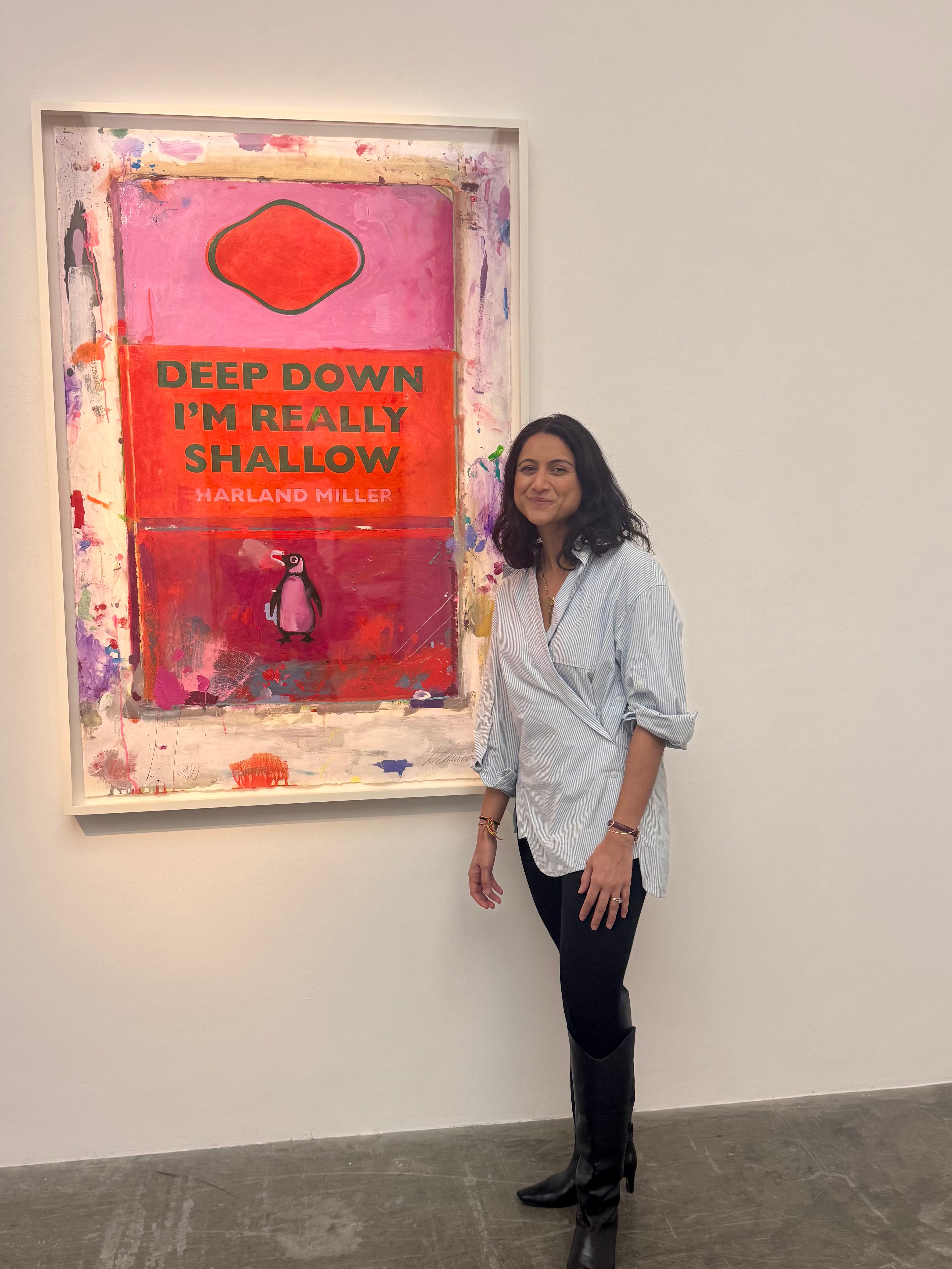
If I zoom out on the four years, LOTA started as a way to celebrate artists I loved. It became an advisory. It became a way to help people name and develop their taste. It became something many of you return to each week here on Substack. And increasingly, it has become a way of thinking about how art can shape not only a wall or a space, but the energy and mood of everyday life.
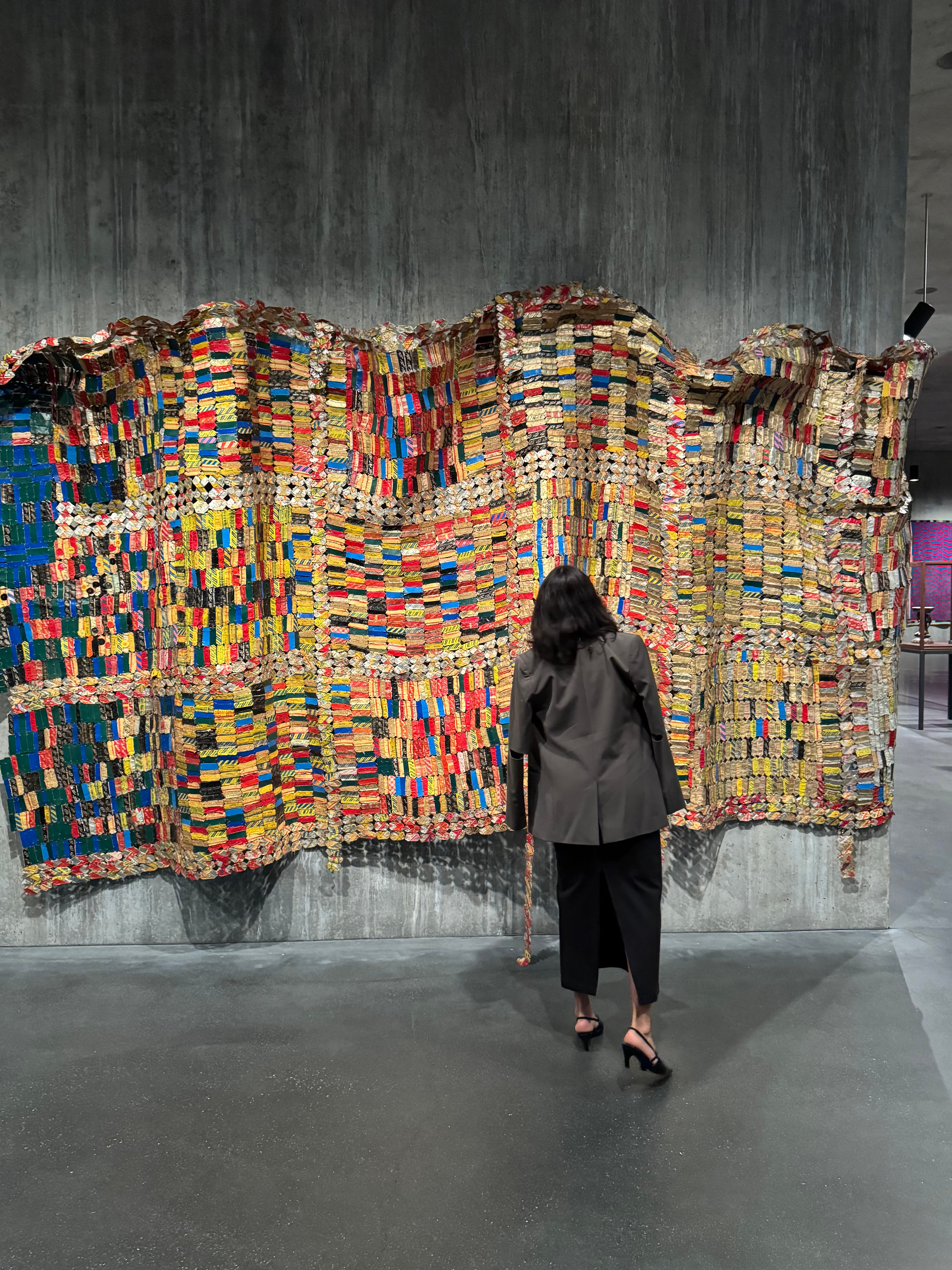
Last year, I wrote that in a world chaotic on every vector, art gives us hope and offers a way forward. It helps us connect and collectively hold space for the nuance and beauty around us.
This year, I’m starting to think it might also be a way to simply be alive.
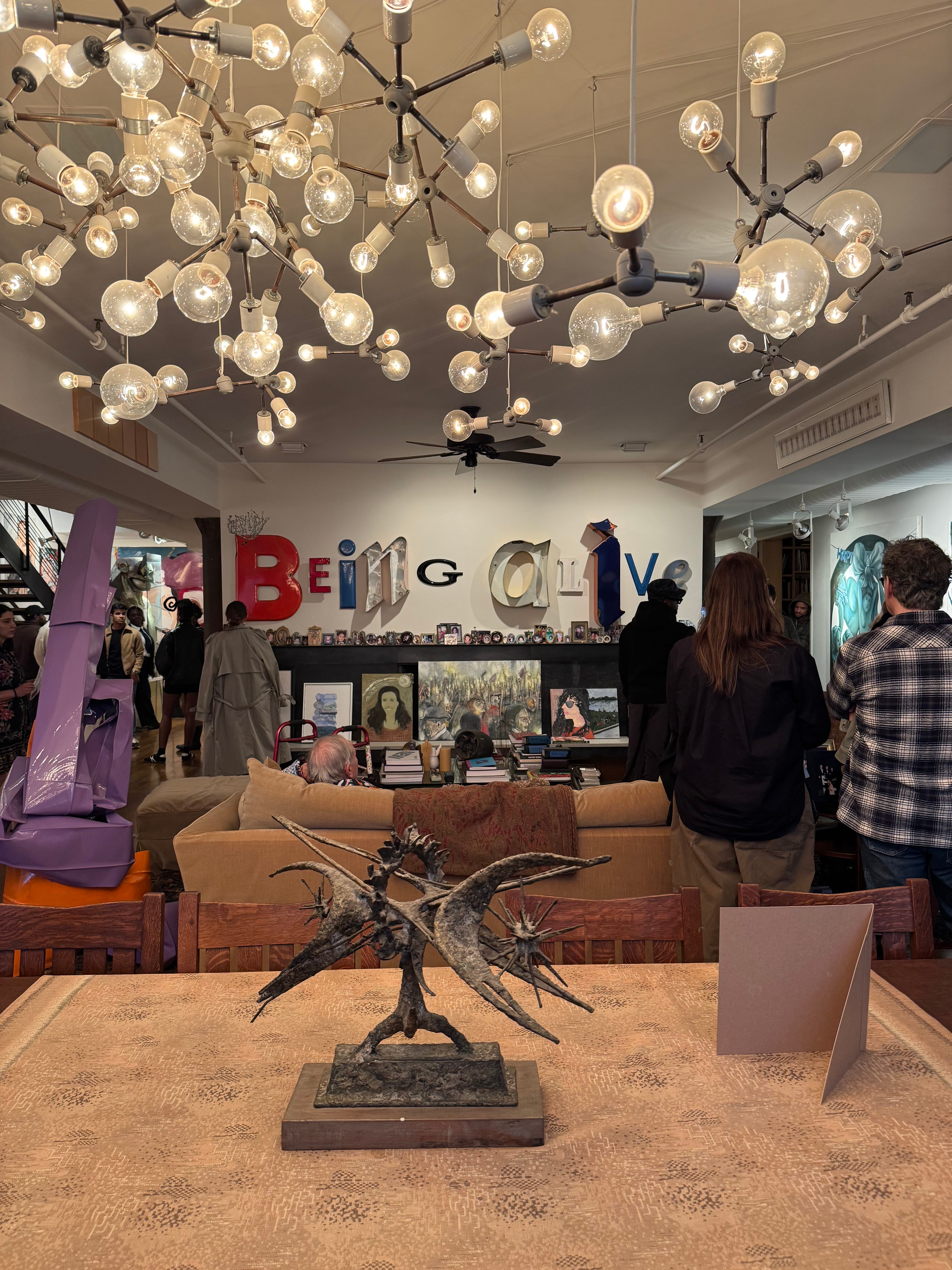
What does this mean for what’s next? I think more of the same. Continuing to go deeper with artist stories, studio visits, and building community around art.
I cannot say I know exactly what is coming, but I have a clearer idea of where this transition is leading me.
Thank you for being here for four years.
On to the next.
P.S. If you’re new here and trying to figure out where to begin with art, the LOTA Art Match Tool is a good place to start. It’s free, takes five minutes, and gives you three words to help name your taste, plus a set of artists to explore.
Comments
Nothing yet. Say the first thing.
Sign in to join the conversation.