
Every reader I know has two shelves. One faces the camera: the Steinbeck, the Ferrante, the intimidating Russian novel with the cracked spine. The other is invisible—the types of books you bury in one sitting and then bury altogether. No Goodreads review, no Instagram story, no mention at book club. These books are never read on a subway, never face-up on a café table. Like contraband, they travel in Kindles and unmarked totes. I know because I'm a smuggler myself. And as far as the internet knows, I spent last month rereading Didion.
We hide these books from the public because we are told, constantly, that the stuff is slop. In a piece I read recently, one author complained that the industry had been wholly taken over by this junk—that serious work didn’t stand a chance while the public gorged itself on trash. Another critic lamented that the whole enterprise makes it harder for women writers who actually have talent to be taken seriously.
Wait a second. On second look, neither critic is from this century. Or the last one. The first was Nathaniel Hawthorne, grousing in an 1855 letter that America belonged to a “damned mob of scribbling women” whose trash was outselling him. The second was George Eliot’s 1856 essay, “Silly Novels by Lady Novelists.” Whoops, my bad. Turns out the panic predates the algorithm by about 170 years.
Long before women were hiding romantasy novels beneath their Didion, readers were being taught to feel suspicious of the books women wrote, read, and loved. Before the canon quietly changed its mind and pretended it had loved her all along, Jane Austen was dismissed on allegations that she wrote gossip instead of literature. Ralph Waldo Emerson found her novels “vulgar in tone” and grumbled that the only question troubling her characters' minds was marriageableness. Mark Twain declared that the surest way to improve a library was to leave Austen out of it. Even Charlotte Brontë (another woman!!!) allowed that Austen was sensible enough, but her work lacked poetry and was therefore incapable of greatness. In other words, female-centered work is routinely misread as confessional slop rather than crafted social commentary.
Upon doing further research on my idea, I discovered that Virginia Woolf had (obviously) beaten me to the punch by about a century. In A Room of One’s Own, Woolf argues that literature praises masculine values and diminishes feminine ones; the hierarchy was never about craft, it was about subject matter. A book is deemed important when it deals with war and insignificant when it deals with the feelings of women in a drawing room. Ironically, then, Emerson's complaint was more astute than he knew; marriage was the only question troubling those characters' minds, because marriage was a battlefield—a life-or-death affair for women—and Austen was on the frontlines.
It is now commonly accepted that our ideas of “good” and “bad” writing have been shaped, at least in part, by patriarchal standards that dismiss certain genres, subjects, and readerships. In 2022, when the Nobel went to Annie Ernaux for exactly the kind of “confessional whining” literature once diminished, this point was vindicated not just in literary circles but in the culture at large. So perhaps we are now facing a non-issue. Or are we?
Woolf didn’t quite close the question, because the battle she fought was waged entirely on subject matter. Austen was rescued not on the grounds that she was enjoyable (she always was, and for a while, that seemed precisely the problem), but on the grounds that her subject matter was serious after all. What nobody fought for was the right to write about the drawing rooms badly.
Today’s drawing room is romantasy—the dragons-and-desire subgenre that has become publishing’s most lucrative “embarrassment.” And the case against romantasy isn’t (or isn’t only) that it centers women’s frivolous experiences of falling in love and falling into bed—it’s that the writing itself is bad. Nobody’s mad about the sexcapades (officially). They’re mad about the prose.
And so while I'm interested in whether “bad writing” is just the respectable cover for discomfort with women-centered sex, the more interesting question that plagues me is this: What if bad writing can be good?
My first instinct had been to define literary mastery as primarily good prose—to praise the Didions of the world, with their meticulously curated sentences so decadent you can practically see the four rounds of revision behind every arrangement of words.
And yet, and yet. I have been guilty of leaving a Didion book on page 354 for months on end on my nightstand. I have also been guilty of rating a mediocrely written “faerie smut” five stars on Goodreads and pulling an all-nighter because I couldn’t put it down.
Do I simply have bad taste? I’m not inclined to answer; the whole hierarchy of taste assumes there’s a neutral scale somewhere, agreed upon by neutral judges, when in fact the judges have historically been a fairly specific demographic (men) with fairly specific ideas about whose pleasure counts as taste (men) and whose counts as, well, guilty (not men).
And just like guilty pleasures, “smut” itself also turns out to be a gendered designation. In 1978, when Charles Bukowski published Women, nearly three hundred pages of his alter ego fucking his way through Los Angeles (his words, not mine), it was absorbed into the canon as “dirty realism” instead of “alcoholic smut.” And it doesn’t stop there: Roth’s Portnoy’s Complaint and Miller’s Tropic of Cancer—books that would make even BookTok reviewers blush—are widely considered American classics. In other words, explicit sex written by men about male desire is literature; explicit sex written by women for female desire isn’t.
The unspoken theory for women’s literature is that taste is a zero-sum game: indulge in faerie smut and you forfeit your claim to the finer stuff. But nobody applies this theory to men. No one assumes a man who reads Stephen King can no longer read Cormac McCarthy. Hell, no one is on TikTok bemoaning Stephen King for being frivolous horror slop in the first place.
And setting aside the tiringly gendered question of what counts as good taste, I wonder: is pleasure itself a literary achievement, or must writing answer to some higher standard?
Romantasy’s astounding success suggests that readers are finding something genuinely compelling in these books, whatever critics make of their literary merit. To dismiss that popularity as the diminished taste of our generation, our gender, or whatever scapegoat is handy comes uncomfortably close to Mark Twain’s quip that a good library is one with no Jane Austen in it.
I think we’ve been so complicit in marrying good writing and good writing together that we can no longer see the obvious: a book can fail every metric of craftsmanship we were taught to worship and still succeed completely at keeping a grown woman up until 4 a.m. turning pages. That has to matter—in some ways, and sometimes, more than impeccable prose.
It seems so controversial yet so simple to admit that there is undeniably a time and place for different kinds of writing. What counts as “good” can depend as much on the reader’s mood and appetite as on the quality of the prose itself. No one would deny that a Michelin-starred meal can be excellent, but sometimes what you truly want at three in the morning is a McDonald’s cheeseburger (and to read Yarros’s Fourth Wing in one sitting). Pretending that one kind of pleasure invalidates the other would flatten the full range of what reading—and eating—can offer.
Austen was superfluous gossip, then canon. A confessional memoir was girlish narcissism until it won the Nobel. Romantasy is the current embarrassment, which—if the pattern holds—means it’s early. And even if it isn’t (I’m sorry—I couldn’t actually stand all ten toes down on this conclusion), maybe the new battleground isn’t defending women’s good writing. That war is mostly won. The new battleground is women’s right to write “badly” and read pleasurably (in other words, to be mediocre the way men have always been allowed to be) without it being evidence against the literary tastes and merits of our entire sex.
And while I know I will always be occasionally questioned on why I rated Fourth Wing five stars on Goodreads, my answer is simple: I rate on enjoyment, and I know that my ratings are personal to me. I decline to choose what’s “better” between Didion and dragon smut; Didion is probably better written, and my fictional Romantasy crushes are most definitely better endowed. I’ll always rate any book I enjoy five stars, no shame, cover facing up.
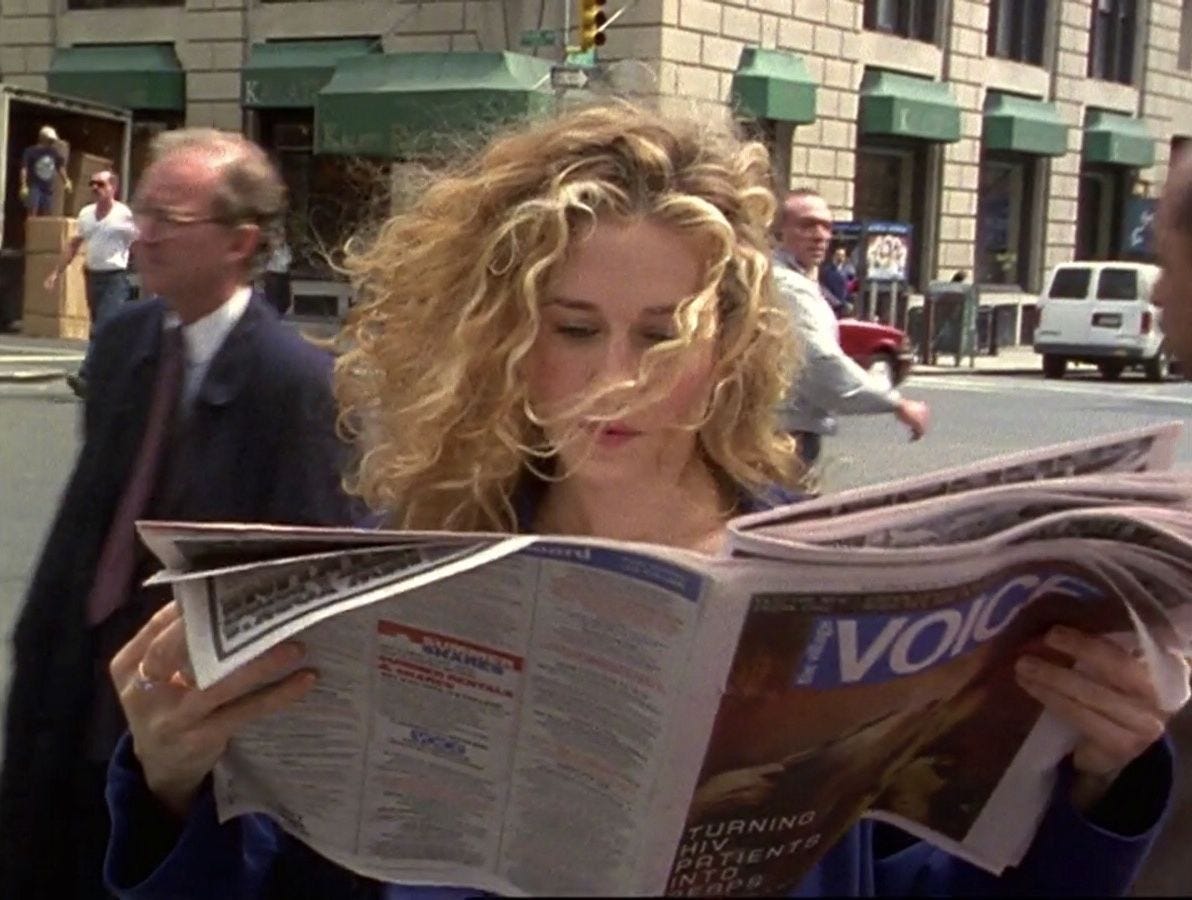
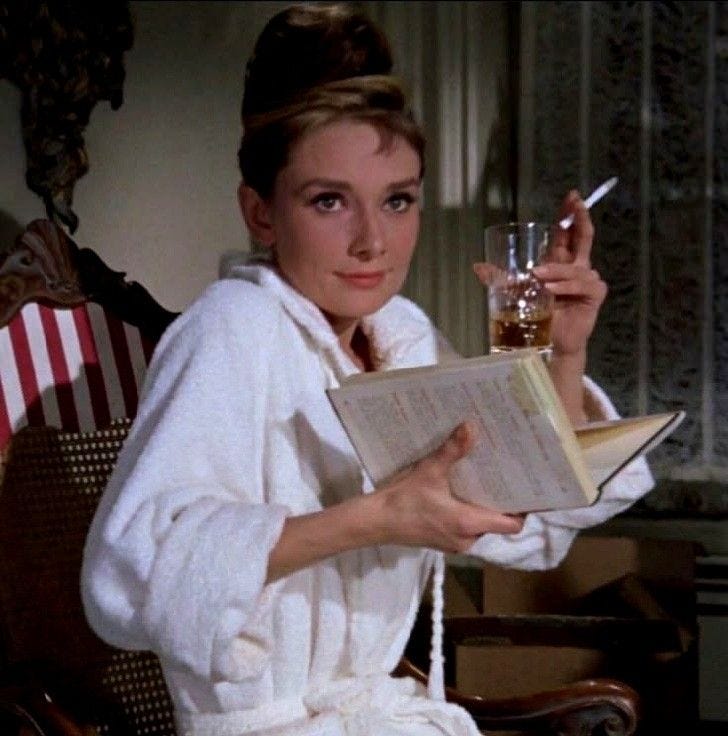
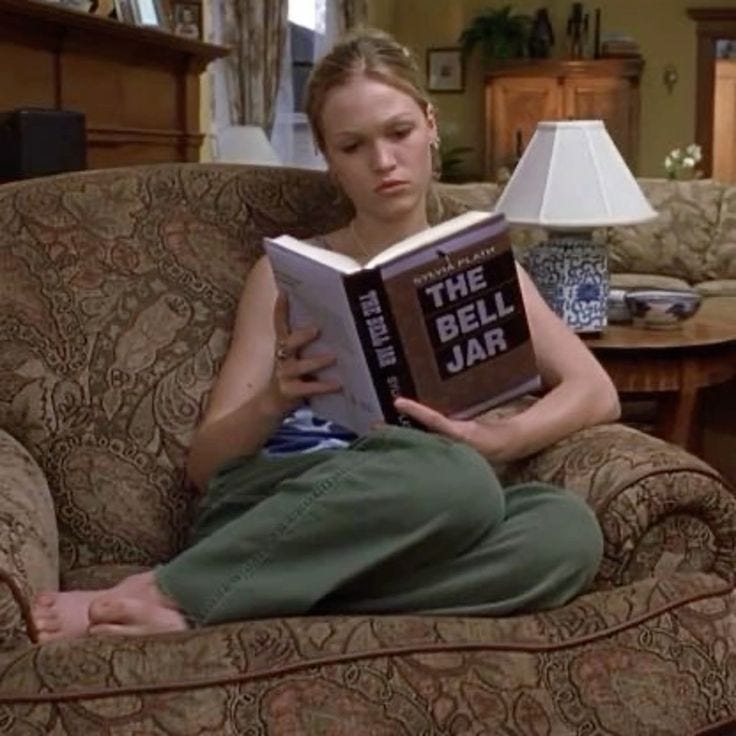
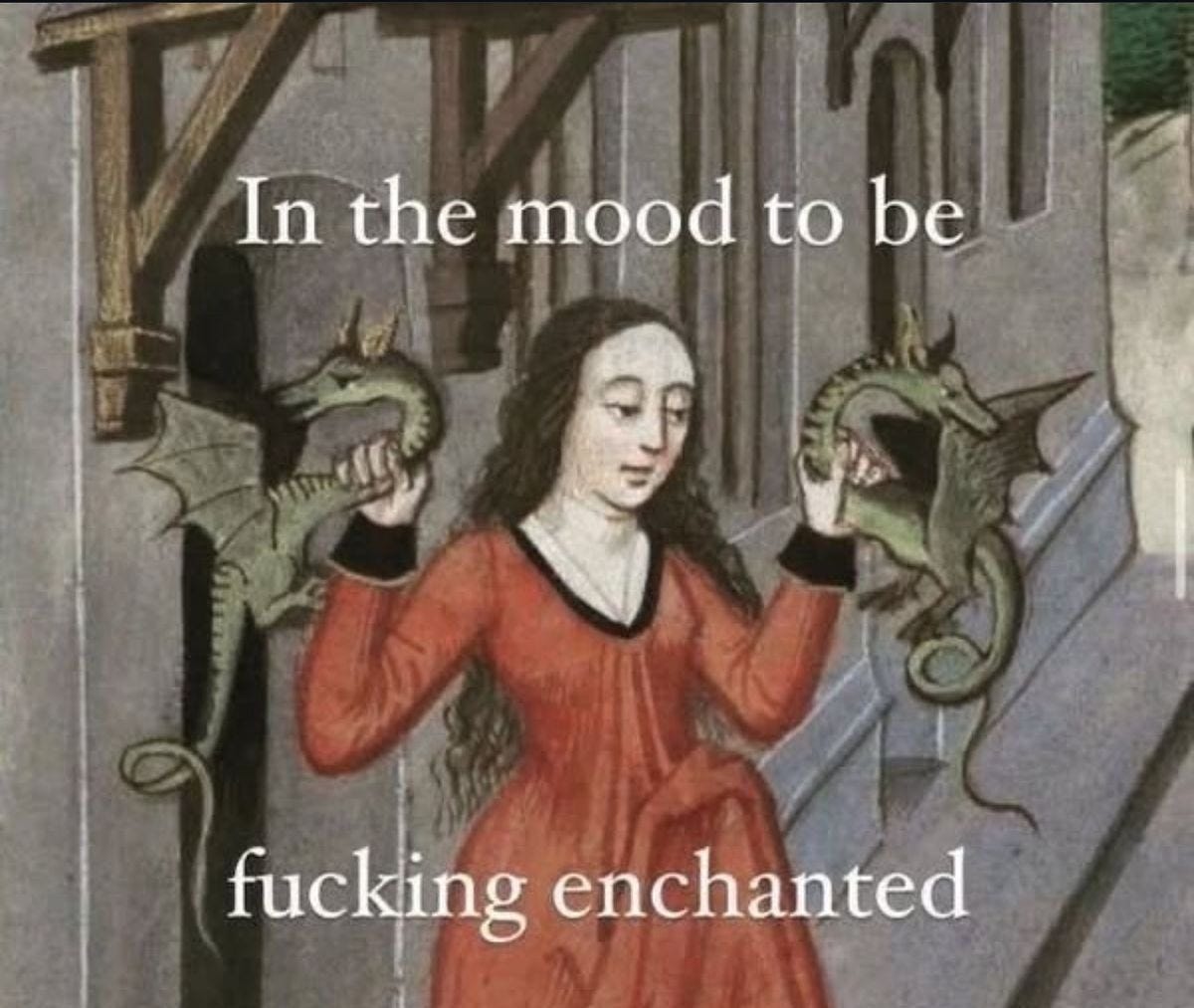
Huge shoutout to emily north for giving me the idea to do a fun paragraph-in-italics-after-the-main piece to write whatever I want and give my general thoughts/visual vibe on anything & everything :D On the topic of good fantasy/romantasy, I have recommendations (and hot takes) in no particular order:
If you’re starting out with Sarah J. Maas, I think ACOTAR is overhyped and her best series is actually Throne of Glass. Start there.
Cassandra Clare got famous for The Mortal Instruments, but her new series, The Chronicles of Castellane, is high fantasy, and I’m absolutely loving it.
Very popular #BookTok reads that I will reaffirm: Rebbeca Yarros’ Fourth Wing and Holly Black’s The Folk of the Air.
Don’t always heed #BookTok, though: Divine Rivals was so bad I wanted to cry my eyes out.
I'm back in Asia for the rest of the summer & have plenty of time on my hands, so please send me your recommendations in the comments!! (Highbrow or "lowbrow"—I'm an equal-opportunity reader.)
Love you all, and thank you for 18K! xx
If you’ve been reading along and want to support what I’m building here without committing to a subscription, buying me a coffee is a wonderful way to do it ☕️
I can be found on Instagram or on my second Substack publication, Not Actually Your Therapist.
Comments
Nothing yet. Say the first thing.
Sign in to join the conversation.