
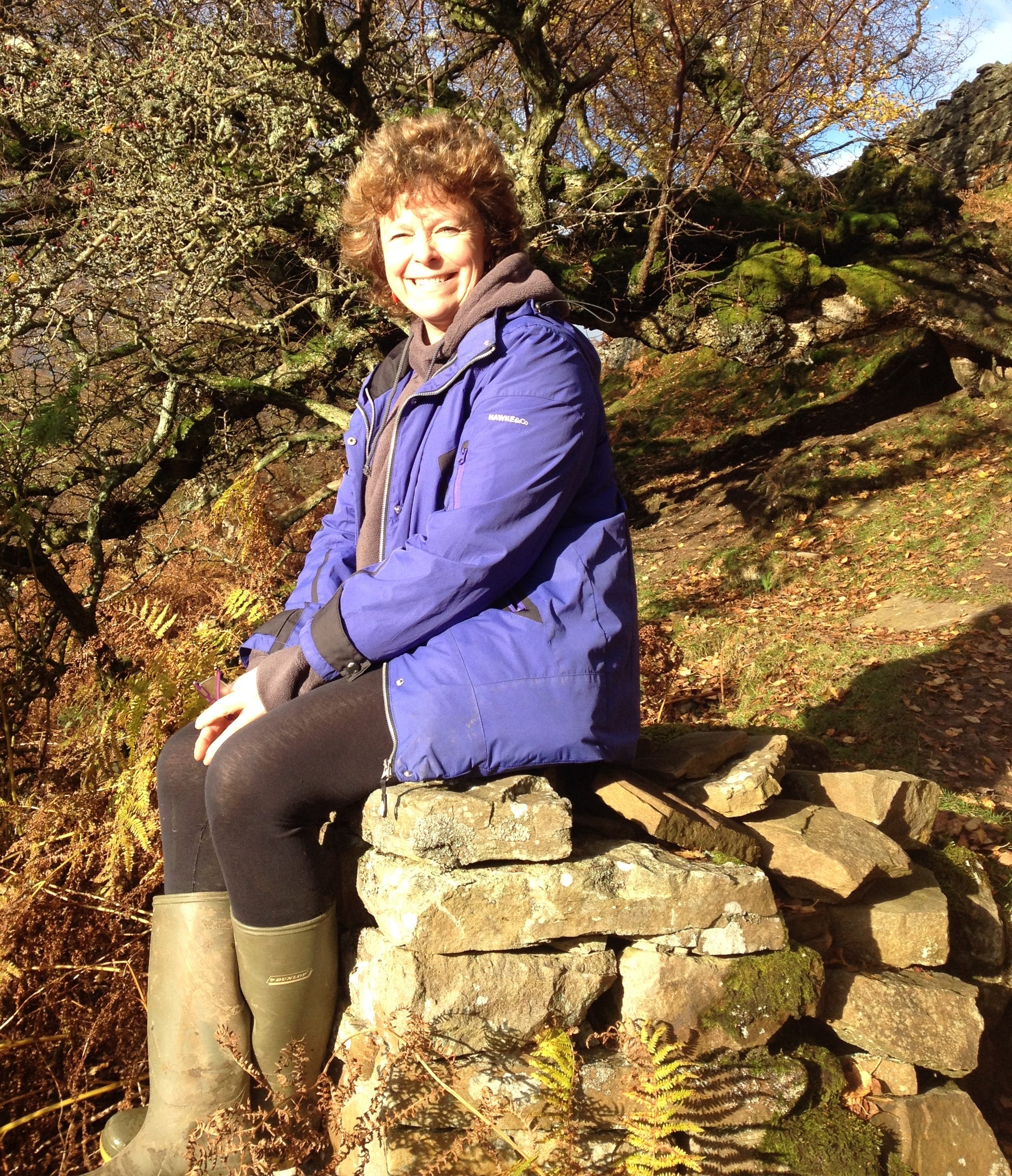
Carefree me, smiling for the camera, taken on a trip to the Yorkshire Dales in 2016
Last week I bought myself a dumb-bell (and yes, I really should have taken note because the clue’s in the name.) Encouraged by my daughter’s fiancee, I’d decided it was time to try to get this old body into better shape. You see, I’ve been successfully shedding excess pounds since January but even with the weight off, I recognise there is still room for improvement in the ‘bulge’ areas.
But my first work-out was punishing. Not at the time, in fact after following the ten minute beginners’ session, including three sets of Goblet Squats (why are they given such a revolting name?) I felt so pleased with myself I started to wonder whether I should have followed my future son-in-law’s advice and bought an 8kg bell, instead of the 4kg one I settled on.
No, it was the following day that the pain kicked in. The muscles in my legs ached badly, leaving me hobbling around, even on the flat, and the only way I could tackle the stairs was by pulling myself up on the handrail. This uncharacteristically delicate version of me lasted for the next three days and wasn’t at all the outcome I’d hoped for when I began using weights.
What’s this got to do with complicated grief, you ask? Well, quite a lot really. I think my planned daily exercise regime versus the reality of what it was actually going to take out of me very much replicates how I approached my early Substack writing.
Because I was incredibly optimistic, in the circumstances, when I first started posting on here, setting myself a challenge of writing twice a week, whilst processing (in some cases for the first time) some very psychologically and emotionally challenging memories. Like that dumb-bell regime, I had no idea what it was going to take out of me. And reading again the two pieces I’m reposting this week, I can see how very fragile reliving the past was making me feel, back then.
The first post today I simply titled Forgiveness. But in it I explored the far from simple task of forgiving myself, after my son’s suicide. In the process, I began to acknowledge how much my guilt and regret were complicating this loss and metaphorically throwing down immovable boulders on the road to any true healing.
Forgiveness...
·
March 9, 2025

This is my sixth post, and I’d like to begin by thanking everyone who’s stayed with me this far. Although I am particularly motivated to create content that helps parents feel less alone in their grief (including me) I really appreciate that additional readers are opening themselves up to learning how the experience of losing our child to suicide impact…
Here’s the other repost for today, in which I described how, after our child dies, looking at old photos can be incredibly hard…
Every Photo Tells A Story
·
April 12, 2025
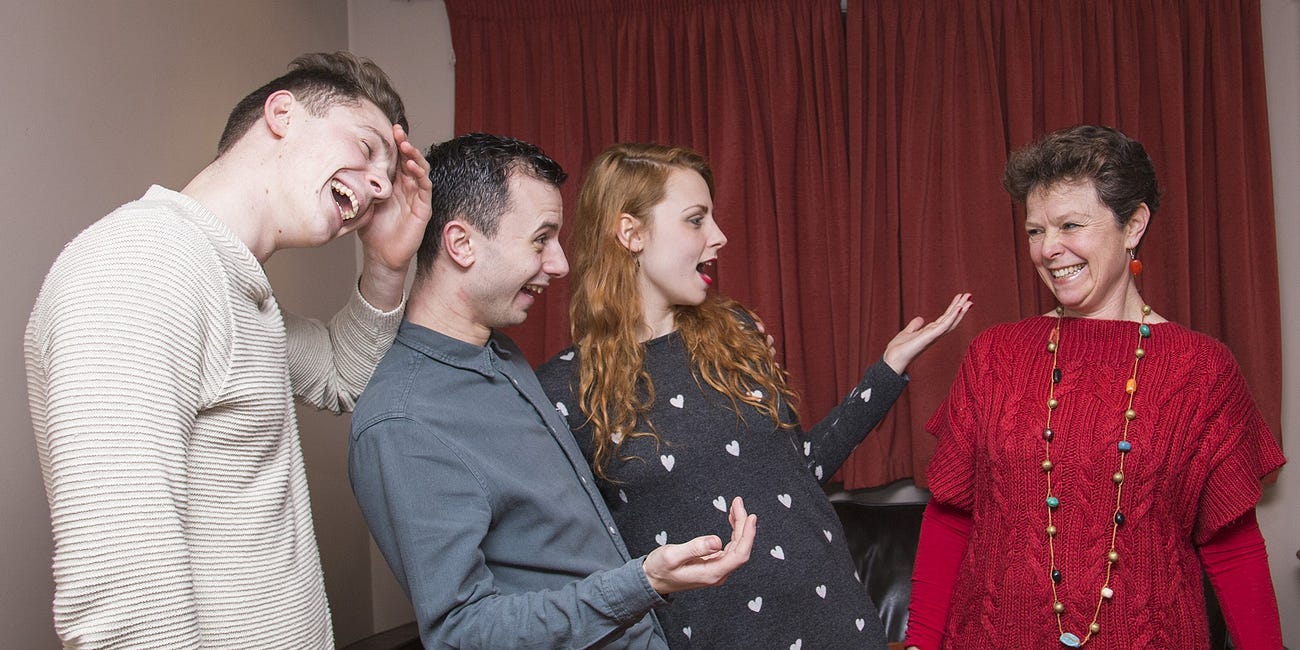
I’ve been putting off writing this post. You see it’s going to be all about photographs, and I know how triggering looking at these has sometimes been for me.
When I returned to this piece, certain lines stood out, especially the one referencing the mind-set I adopted in forcing myself to look at photos so soon after Dom had died: If this is to be done, I think I was saying to myself, let’s begin now. It was exactly the same attitude I had to writing so many of my difficult early posts. Namely, just get on and do it.
David Kessler talks about this way of approaching hard things, and likens it to how buffalos respond to storms. Apparently, when one is coming and the other animals are trying to run away, the buffalos choose to just head straight towards it, which might feel counter-intuitive but it does mean that they spend the least amount of time inside the storm, by virtue of getting to the other side sooner. That’s me, I thought, when I first heard him describe this phenomena.
Luckily time gives perspective and whilst I’m not knocking the efficacy of this approach, I’ve also learnt the importance of pacing myself, now. Excuse the pun, but just as I can see it was pretty ‘dumb’ of me to not start my exercise routine more gently, the same is true of complex grief: sometimes the wiser choice is to take our time, not rush our process, and definitely let ourselves rest if we’ve (unintentionally) overdone it. Because we can’t actually sprint our way through painful memories; it’s better to work through them with the same kind of steady mindset we’d need if we were running a marathon.
Thankfully, despite continuing to navigate a hugely complicated loss, I neither feel the need to run towards, or away from, the storm nowadays because, as returning to these two posts has helped me to recognise, I’m no longer carrying the additional weight of punishing guilt and regret I did back then. So, although losing my child has irrevocably changed my life, I’m feeling much lighter now, and closer to seeing myself as the upbeat woman I was in the picture at the top of this post. And I know for sure that my son would be happy about this too.
Because the person who took that photo was Dom.
My aim in all my writing is to share my journey in ways which help other parents navigating child loss feel less alone. Posts are free…but if you wish to show support, I always appreciate new subscribers and any sharing of my work. The buttons are below, thank you.
Stories from other bereaved parents can be found in Tears, Tools and Treasure. And if you would like to share your own story here, you are warmly welcomed to DM me.
Unless otherwise stated, every word in this post is my own. No form of AI was used to produce it as I believe in the importance of lived experience and authentic expression.
Comments
Nothing yet. Say the first thing.
Sign in to join the conversation.