
I just got back from a week in Alaska with my siblings.
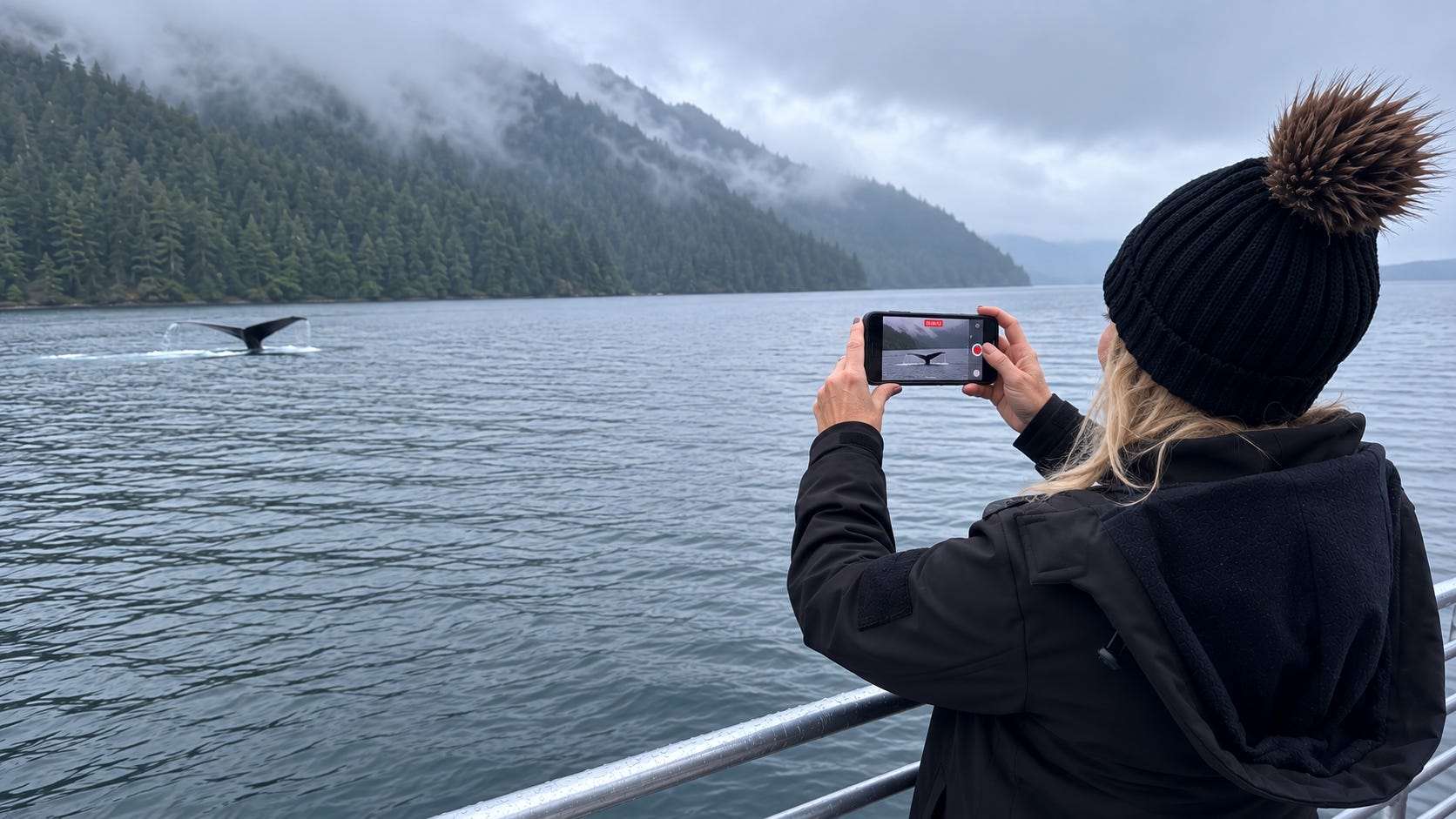
We saw whales, glaciers, mountains, and chunks of ice floating through the water. I wasn’t sitting on the ship checking dashboards all day. I wasn’t answering coaching questions, filming videos, writing newsletters, or trying to keep every part of my business moving.
I was truly on vacation.
When I got home, I opened my laptop expecting to spend the next few days catching up.
Instead, I found that the business had kept moving without me.
I had gained around 1,000 new YouTube subscribers. About 300 new people had joined my Substack. New coaching clients had signed up. Ebooks had sold. Affiliate commissions had continued coming in.
Nothing fell apart because I stepped away.
That was the part that stayed with me.
The most impressive thing about my business wasn’t how much it made while I was working.
It was how much of it kept working while I wasn’t.
For a long time, I thought growing a business meant making it bigger.
More people. More products. More platforms. More offers. More responsibility.
That is what successful business owners did, right?
They hired employees. They built teams. They managed departments. They created a business that looked important from the outside.
I’ve done versions of that before. I’ve had employees, contractors, bookkeepers, assistants, and more moving parts than I could keep track of without meetings, systems, and constant management.
There is nothing wrong with building that kind of company. Some people love it.
I don’t.
At this stage of my life, I don’t want to spend my days managing people. I don’t want a calendar full of meetings.
I don’t want to wake up every morning with ten people waiting for me to answer questions before they can do their jobs.
I want to make videos. I want to write. I want to teach. I want to study what is working, test new ideas, and share what I learn.
I want to go for a walk in the morning, work out, sit by the pool, take a trip, and spend time with the people I love.
I still love working. I just don’t want work to own all of me.
For most of my career, the question was always some version of:
How can I make more money?
Today, the question is different:
What can I remove without slowing the business down?
That question has changed the way I make almost every decision.
I’m constantly looking at what I can simplify.
Which software no longer earns its monthly fee?
Which projects take more energy than they return?
Which platforms am I maintaining because they are actually working, and which ones am I maintaining simply because I started them?
What can be automated? What can be repurposed?
What can disappear completely without affecting the business?
I’m not interested in eliminating every income stream and betting my entire future on one platform. Diversification has protected me too many times for that.
But there is a difference between diversification and chaos.
I want enough income streams that the business remains stable when one of them slows down. I do not want so many disconnected projects that I become the exhausted employee of my own company.
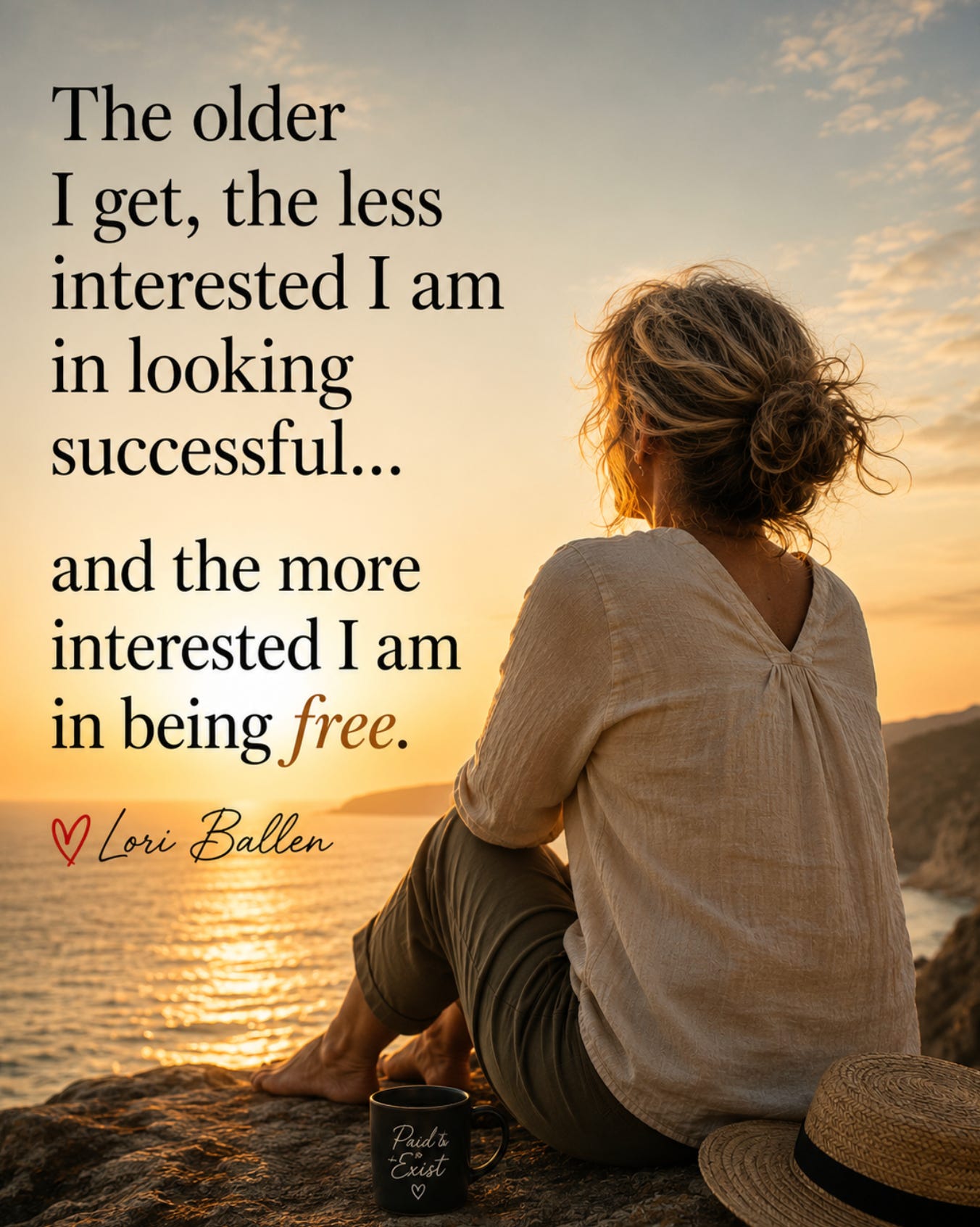
When I was younger, bigger felt exciting.
More revenue meant progress. More projects meant momentum. A full calendar meant I was needed.
At almost 55, I see it differently.
I already know I can work hard. I have nothing left to prove there.
I started over after my divorce at 45. I rebuilt my income, my business, and my life. Ten years later, I have created something more profitable than what I had before, but I have done it with fewer people, less overhead, and far more control over my time.
That matters to me more now than appearing busy or building something that looks impressive from the outside.
I don’t want the biggest business I can possibly build.
I want the most profitable business I can run without giving my whole life to it.
I recently sat down with my profit and loss statement and shared the actual numbers from the first six months of the year.
I’m on track to make around $450,000 this year as a solopreneur.
That number gets attention, and I understand why. Whenever someone talks about making money online, I want to know whether there is real data behind the claim too.
One thing about me: I bring the receipts.
But the more I looked at that P&L, the more I realized the total wasn’t the most interesting part.
The structure of the business was.
There are no employee salaries on the statement other than my own payroll. There are no large advertising expenses. I don’t have an office full of people. My biggest ongoing operational expense is software, and I hold every one of those tools accountable.
The money comes from several places, but most of it starts with the same basic work.
I write.
I make videos.
I teach what I know.
That work turns into multiple income streams, often without requiring me to create an entirely new business every time.
That is the part I want to break down because it explains how the business continued growing while I was in Alaska—and why I believe simplicity has become one of my greatest competitive advantages.
Comments
Nothing yet. Say the first thing.
Sign in to join the conversation.