
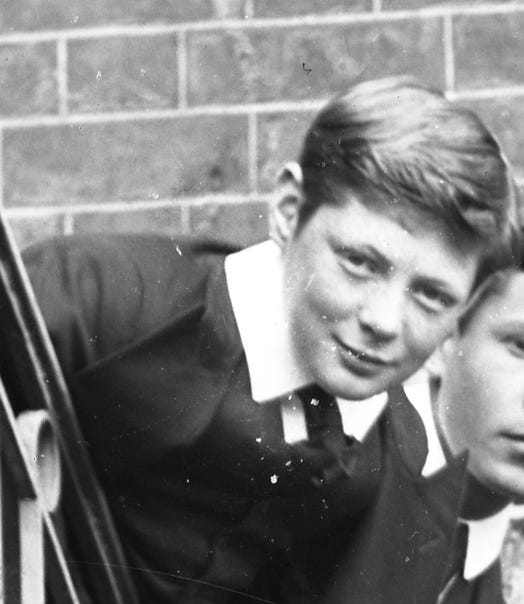
Left: Winston Churchill, age 17, a student at the Harrow School, 1892.
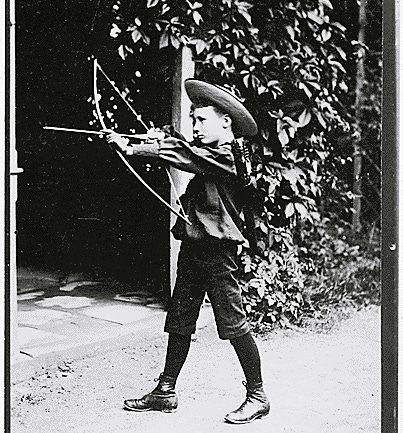
Right: Franklin Roosevelt, age 10, in Germany with his family, 1892.
On this date in 1941, Churchill and Roosevelt signed the Atlantic Charter, setting out postwar goals [national self-determination, free trade, freedom of the seas, disarmament] which served as the basis of the United Nations.
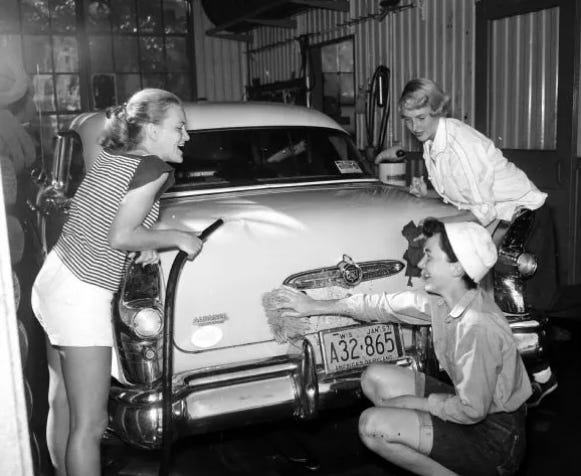
All-girl car wash, Madison, Wisconsin, 1956.
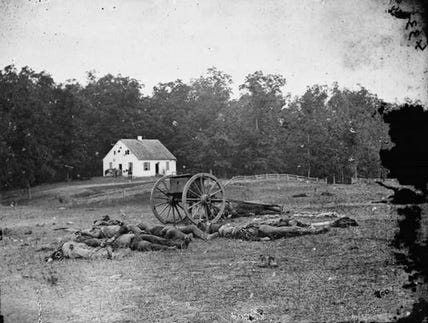
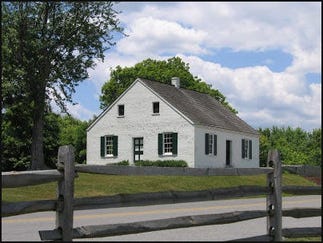
Left: Confederate soldiers killed on September 17, 1862, during the Civil War Battle of Antietam, lie on an open field in front of Dunker Church and the West Woods.
Right: The Dunker Church today. The original structure fell into ruin but has been rebuilt on the original foundation using salvaged materials.
The Church is located within the Antietam National Battlefield in Sharpsburg, Maryland, and is administered by the National Park Service.
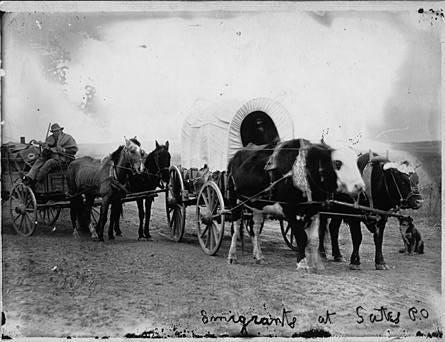
Settlers look for a new home in the plains of central Nebraska, 1886.
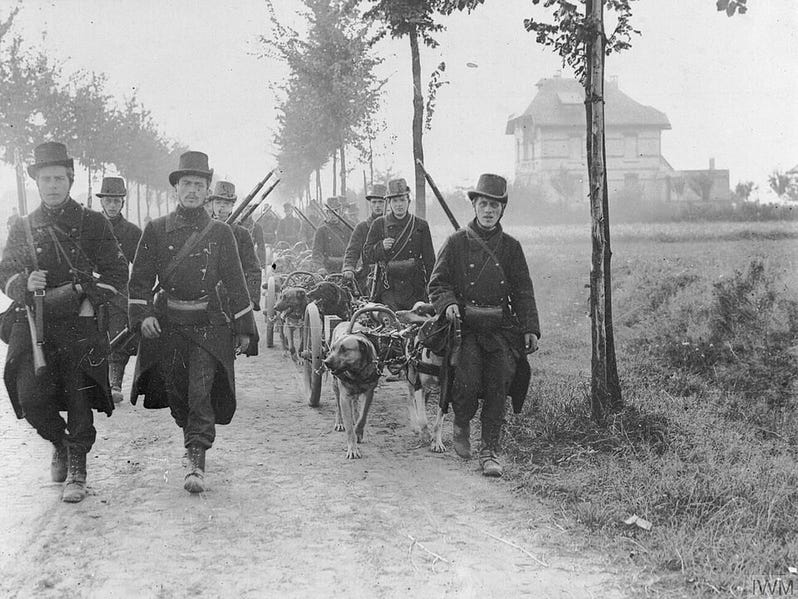
On this date in 1914, the first land battle of World War I was drawing to a close as 30,000 Belgian defenders struggled in vain to save Liège from conquest by German invaders.
While the city would fall on August 16, the unexpected, fierce resistance of the Belgian army at Liège delayed the German advance into France by several days, giving French and British forces valuable time to mobilize.
Text within this block will maintain its original spacing when published
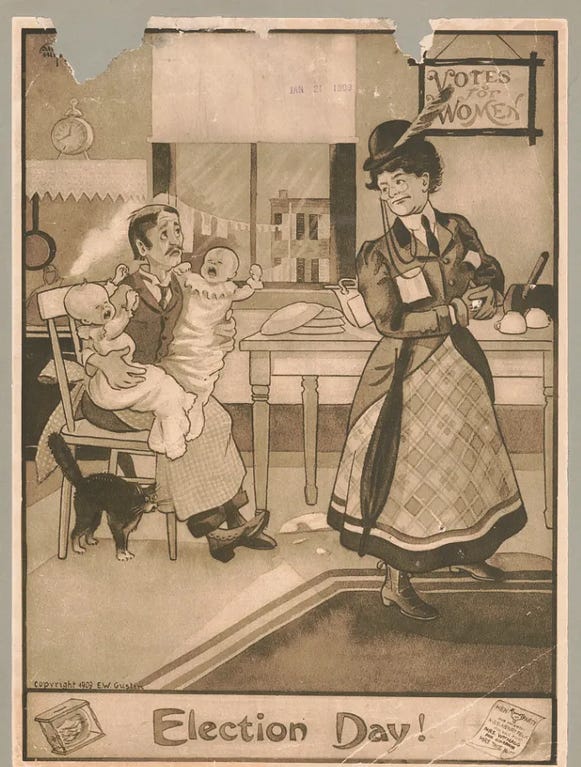
We can’t give women the vote!
It would shatter domestic tranquility, just like the broken plate that lays at this poor chap’s feet. He looks ridiculous in that apron and he’s obviously not equipped to take care of wailing babies.
Look! Even the cat is upset. What if it vomits?
Who is going to bring in that laundry? Is a man supposed to know how to fold and put away clean clothes?  Tedious, tedious.
And is she really going to vote for candidates of the “Hen Party,” as the ballot in the lower right-hand corner suggests?  Mrs. Henry Peck for President?  Mrs. Wm. Nagg for Vice President?  Mrs. Thos Katt for Governor?
Did we mention dinner preparations?
The answer to women’s suffrage is obvious: NO.
“Let women stay at home and hold their peace.” — Aeschylus, 467 B.C.
Now, please take these children and let this man dash off to work.
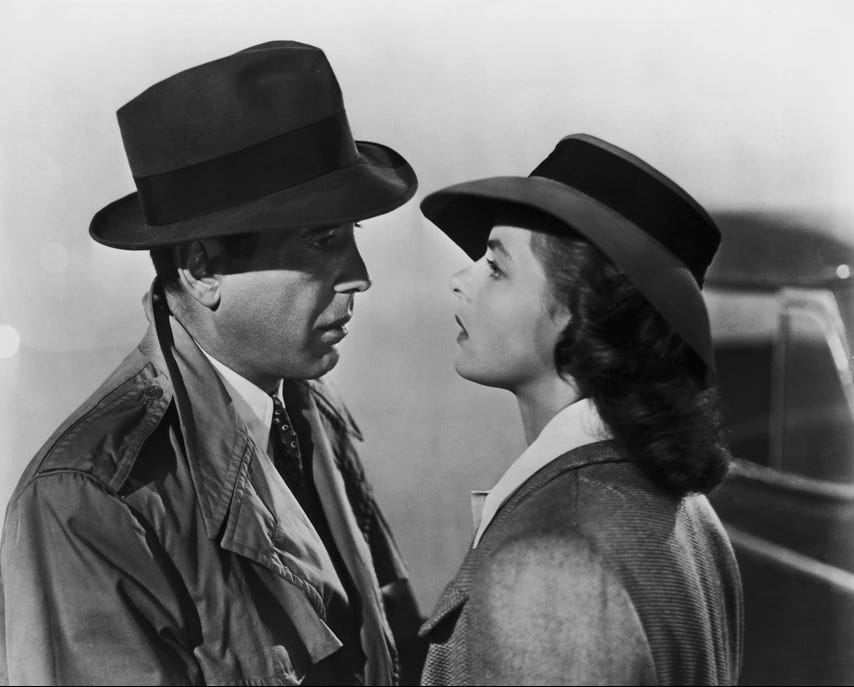
Humphrey Bogart and Ingrid Bergman in Casablanca (1942).
Text within this block will maintain its original spacing when published
I'm no good at being noble, but it doesn't take much to see that the problems of three little people don't amount to a hill of beans in this crazy world.
Someday you'll understand that.
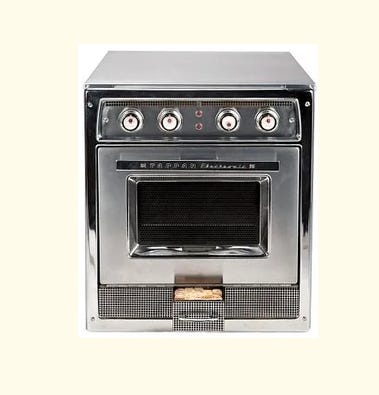
In 1942, Ratheon engineer Percy Spencer’s candy bar melted in his pocket as he stood next to a radar device emitting microwave signals, and he realized the microwaves were heating up the candy.
So, he experimented with popcorn kernals, and eggs: the popcorn popped and the eggs exploded.
Spencer had discovered a new way to cook!
Raytheon applied for a microwave oven patent three years later.
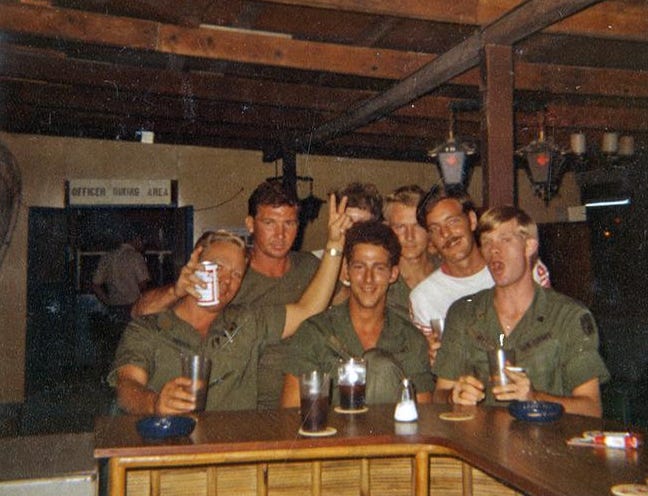
Our guys in South Vietnam, c. 1971.
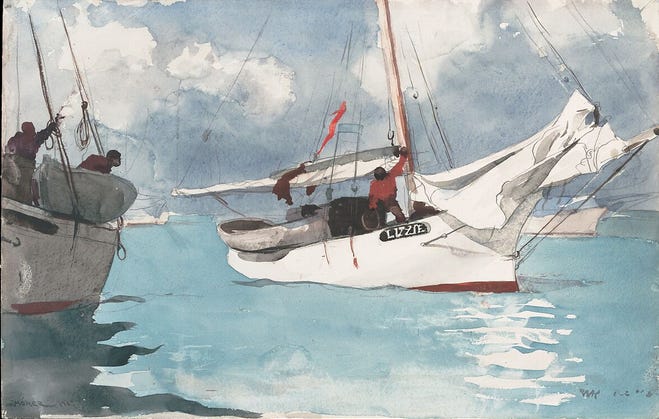
Winslow Homer, Fishing Boats, Key West, 1903.
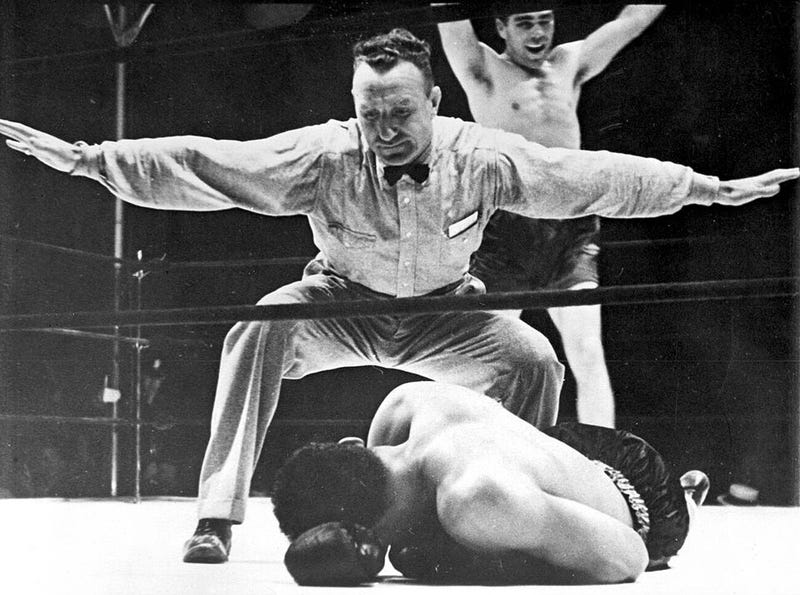
August 14, 1940: Yesterday, more than 500 German aircraft took part in another full day of attacks against British shipping and military installations in Southeast England.
While London and Berlin gave conflicting accounts of the damage, London admitted to suffering civilian casualties.
German heavy-weight boxer Max Schmeling, who fought American boxer Joe Louis in 1936 and 1938, has entered the German army and is training to become a paratrooper.
In Washington, the extended Senate debate on the military draft bill has delayed the Army’s troop training schedule.
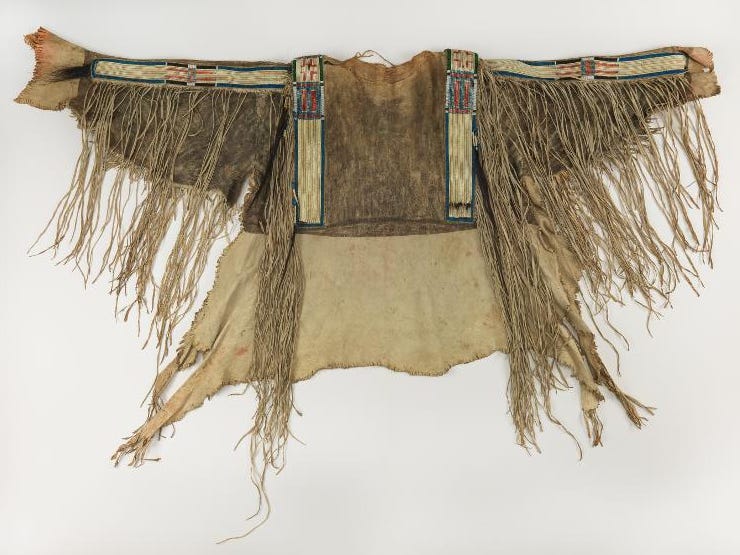
This is an early 19th century buckskin war shirt from the Mandan tribe of North Dakota, with sleeves decorated with scalp locks.
This shirt would have been worn by a respected leader.
Among Plains nations, human hair was considered to hold a person’s life force or spirit and a garment decorated with it would have been powerful.
The hair may have come from defeated enemies, but sometimes, tribe members would contribute their own hair to a leader’s garment to symbolize community support.
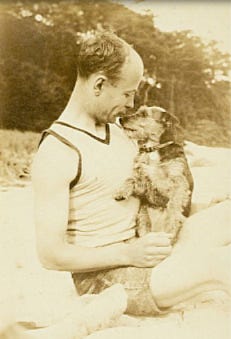
Text within this block will maintain its original spacing when published
There is sorrow enough in the natural way
From men and women to fill our day;
But when we are certain of sorrow in store
Why do we always arrange for more?
Brothers and sisters I bid you beware
Of giving your heart to a dog to tear.
     -- Rudyard Kipling, "The Power of the Dog," 1909.
I’ll see you on Monday.
— Brenda
Comments
Nothing yet. Say the first thing.
Sign in to join the conversation.