
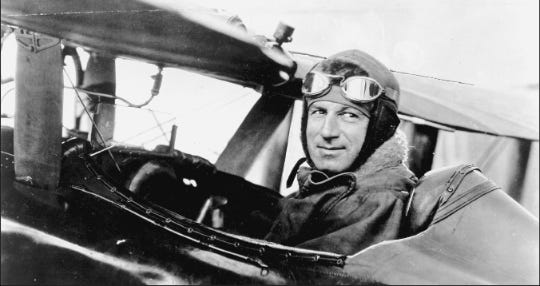
Billy Mitchell commanded all American air combat units in France during World War I.
Mitchell advocated for an independent Air Force military branch separate from the Army, and warned of an attack on Pearl Harbor a decade before it occurred.
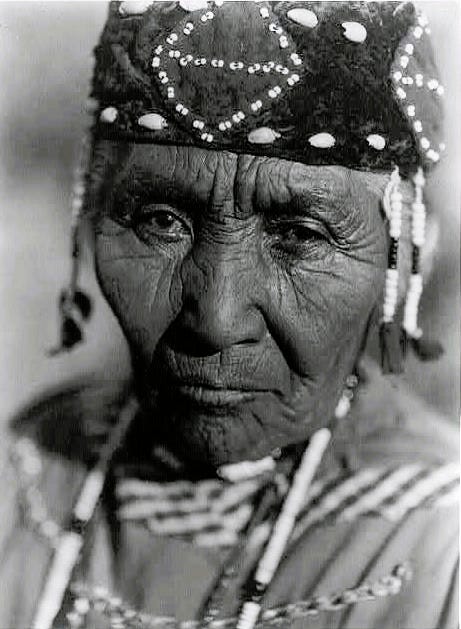
A woman of the Klamath tribe, 1923.
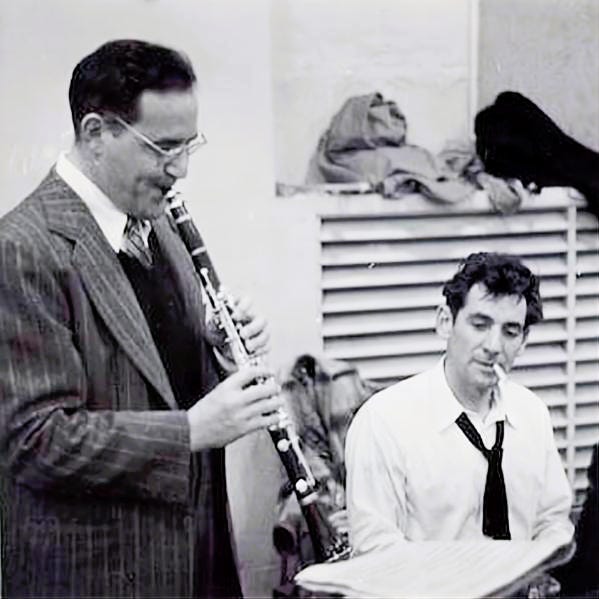
Benny Goodman and Leonard Bernstein rehearse before a joint concert performance, 1963.
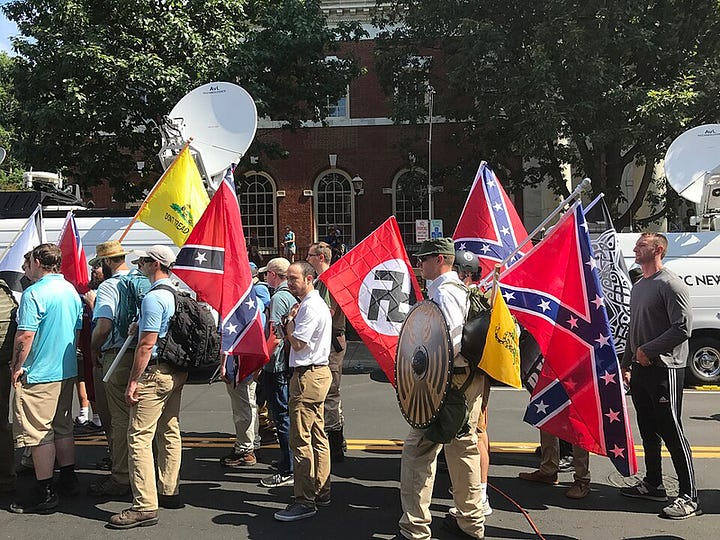
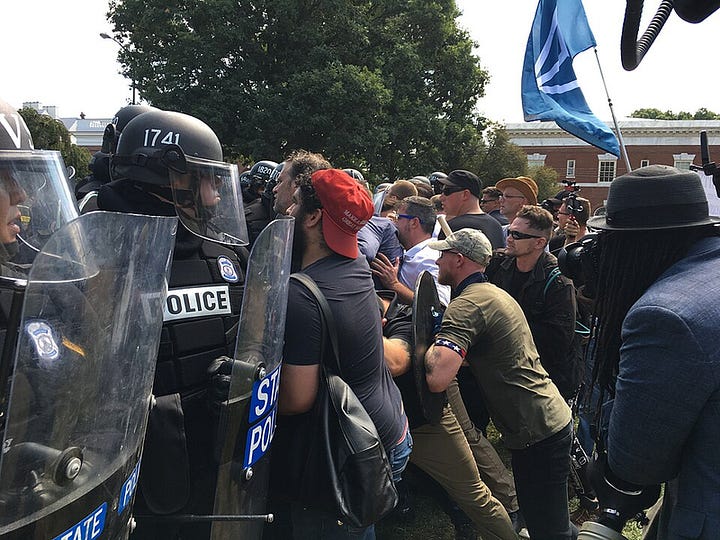
On this date in 2017, white supremacists marched in a ‘Unite the Right’ rally in Charlottesville, Virginia, which culminated in violent clashes with counter-protesters.
One white supremacist deliberately rammed his car into a crowd of counter-protesters, killing Heather Heyer and injuring 35 others.
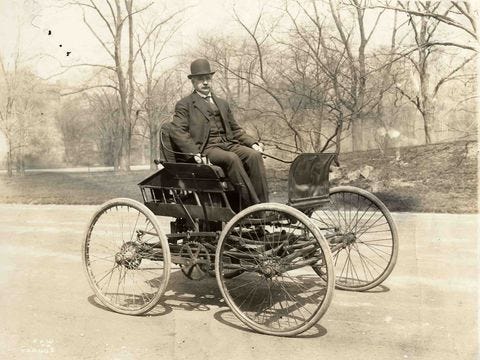
… commercially successful American car was designed and built by Elwood Haynes, of Kokomo, Indiana.
Its first test-drive was on July 4, 1894, two years before Henry Ford test-drove his Quadricycle.
The Haynes “Pioneer” used a gasoline-powered, one-horsepower, one-cylinder engine designed for a small motor boat and could reach a speed of 6 or 7 mph.
Haynes’s Pioneer is on display in the Smithsonian, which claims it is the oldest American-made automobile in existence.
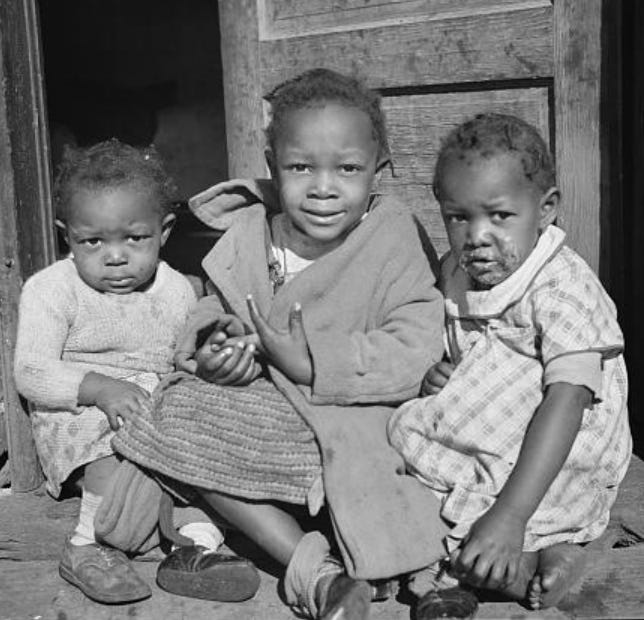
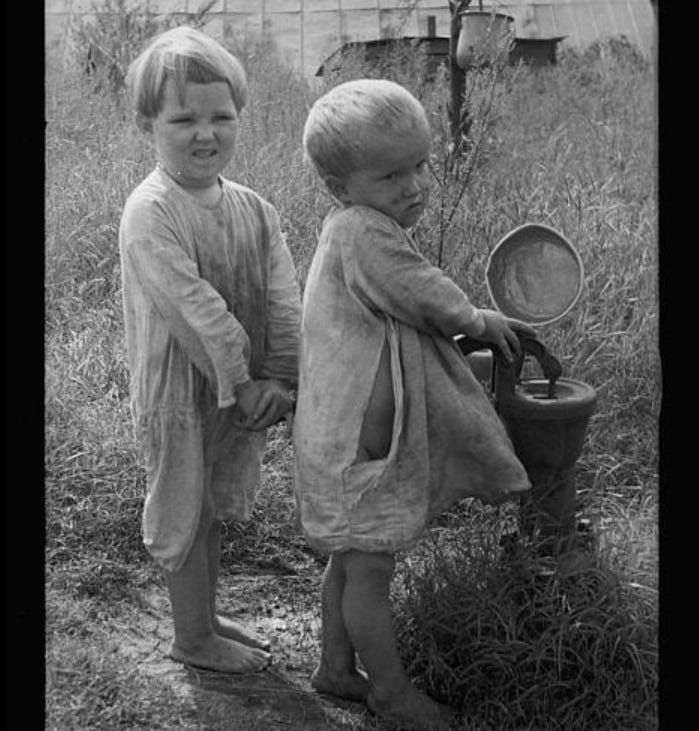
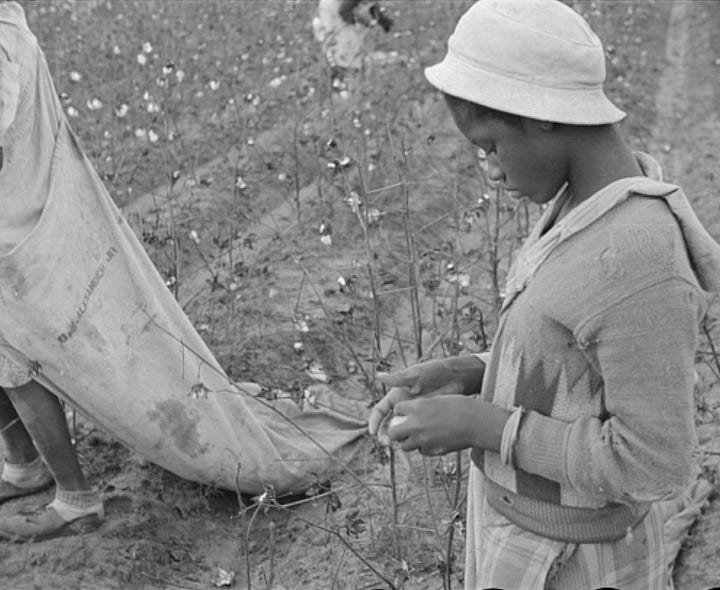
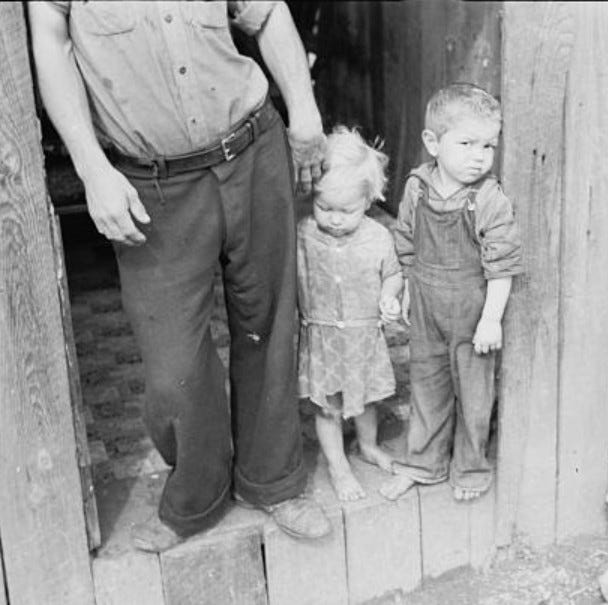
Top left: Washington, D.C. Carl Mydans photo.
Right: North Carolina. Arthur Rothstein photo.
Bottom left: Arkansas. Ben Shahn photo.
Right: Maryland. Theodor Jung photo.
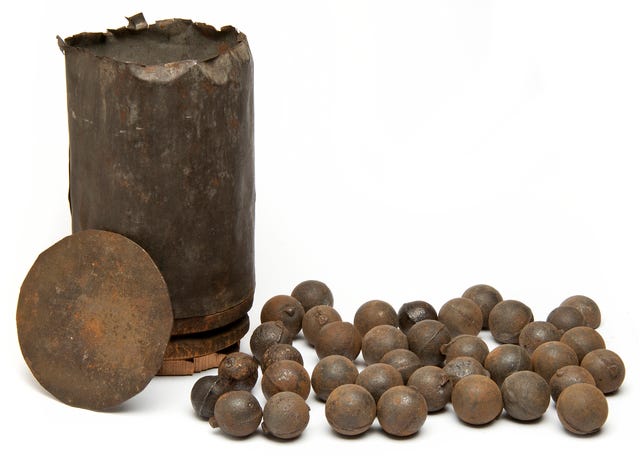
Canister shot is a type of artillery shell, developed in the 1500s, consisting of a closed metal cylinder packed with golf ball-sized lead or iron balls.
When fired from a cannon, the canister breaks apart and the metal balls spray out in a conical shape, shredding everything in their path.
Civil War artillery crews used canister shot against massed infantry assaults.
Its use played a major role in the Union defeat of Pickett’s Charge during the July 1863 Battle of Gettysburg.
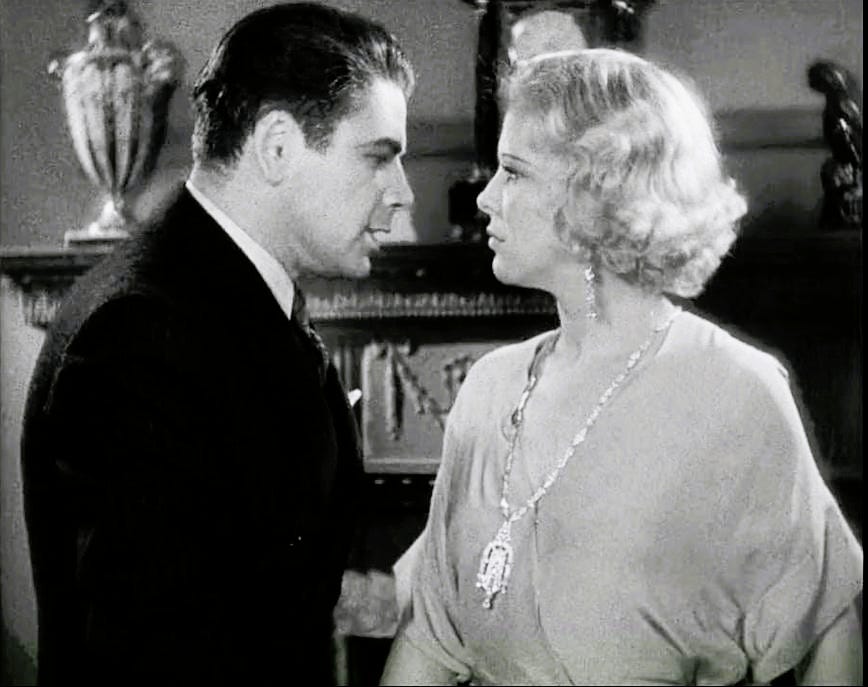
Paul Muni and Glenda Farrell in I Am a Fugitive From a Chain Gang (1932).
Text within this block will maintain its original spacing when published
Helen: How do you live?
James: I steal.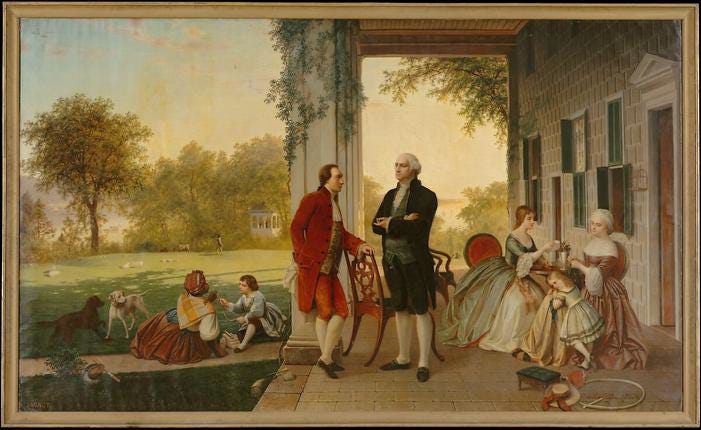
Thomas Pritchard Rossiter and Louis Remy Mignot, Washington and Lafayette at Mount Vernon, 1784 (The Home of Washington after the War), 1859.
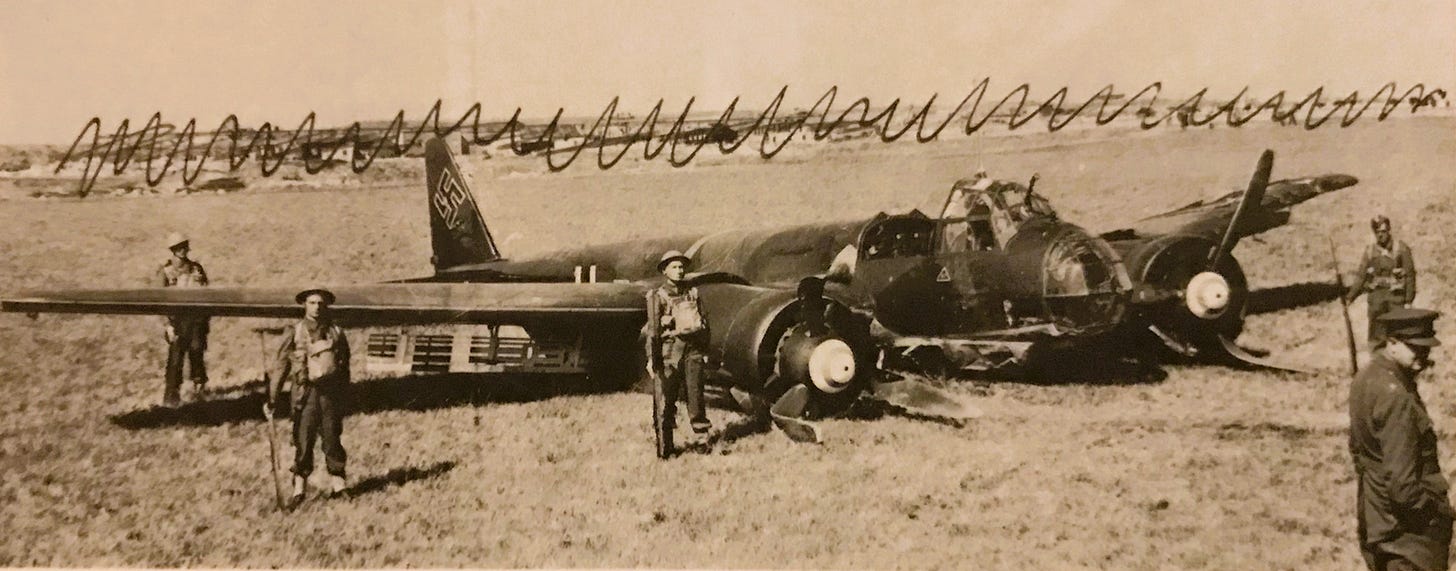
August 12, 1940: Four hundred German dive bombers and fighter aircraft raided the southeast English coast yesterday, targeting a British naval base, Dover harbor, and a convoy of 70 merchant ships.
Amid differing accounts of the losses, observers speculate the day-long attack could be the opening salvo in the long-expected German invasion of England.
A British air force official said, ‘We are doing alright. We shoot down four of theirs for every British loss. The people winning the war are those kids out there, the RAF pilots.’
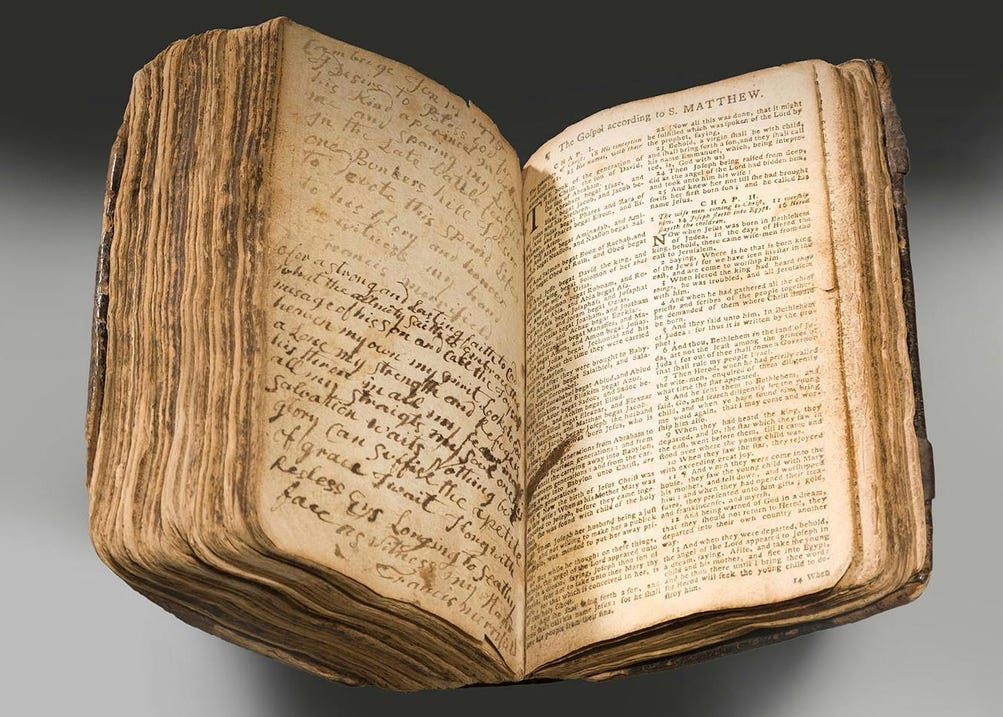
Francis Merrifield (1735-1814), a member of the Ipswich militia, was among the last men to leave the Bunker Hill battlefield in Charleston, Massachusetts, on June 17, 1775.
More than 100 Americans had been killed there and another 300 had been wounded.
Merrifield had carried this small King James Bible into battle, and he wrote in it later that day:
“Cambridge June 17, 1775.
I desire to bless God for his Kind aperince [appearance] in delivering me and sparing my life in the late battle fought on Bunker’s Hill.
I desire to devote this spared life to His glory and honour.
In witness my hand, Francis Merrifield.”
Text within this block will maintain its original spacing when published
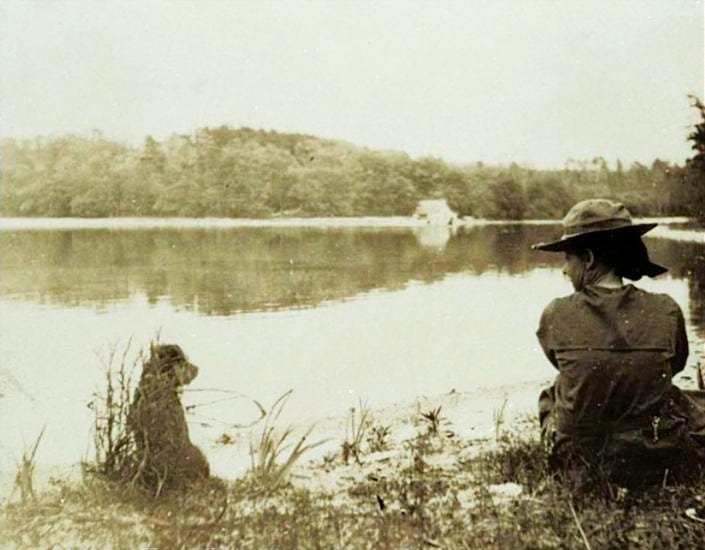
Who's this—alone with stone and sky?
It's only my old dog and I—
It's only him; it's only me;
Alone with stone and grass and tree.
What share we most—we two together?
Smells, and awareness of the weather.
What is it makes us more than dust?
My trust in him; in me his trust.
   -- Siegfried Sassoon, "Man and Dog," 1932
I’ll see you tomorrow.
— Brenda
Comments
Nothing yet. Say the first thing.
Sign in to join the conversation.