
So I was glad that I had taken my mentor’s advice and purchased disability insurance in residency. I thought that was enough to protect me from the rainy day. But when the time came, it was really hard to prove it was raining. I had to fight to receive the payments I was owed.
You might be in the same boat. Paying for a disability policy doesn’t mean you’ll get your payout easily, and it’s an especially tricky process when you have a condition like long COVID. Because our symptoms fluctuate, and because we don’t have reliable easy-to-measure biomarkers, disability claims for people with long COVID are often challenged or denied.
But you can get the payments you deserve. The first step is understanding the system and process you’re engaging with.
In this episode of Long Covid, MD, we’re covering the nuts and bolts of Social Security Disability Insurance (SSDI). I spoke with disability attorney Barbara Comerford of Tri-State Disability Law, who has spent more than 30 years representing people with complex chronic illnesses, including ME/CFS and now long COVID.
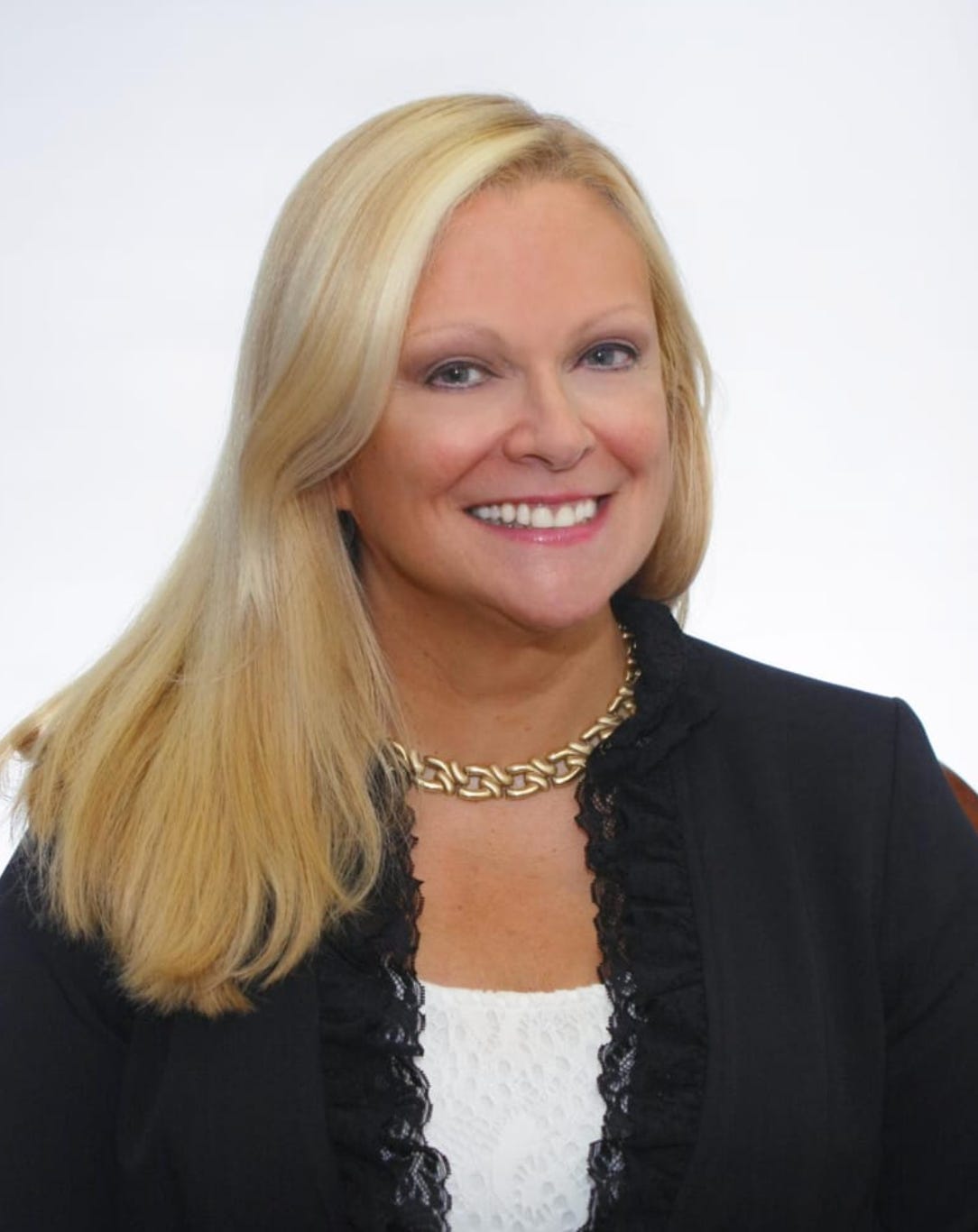
Barbara explains:
how SSDI works
why so many claims are denied initially
and how patients can better document a complex disability like long COVID
Today, I’m sharing the most important information I learned. You can watch our full conversation on YouTube—just scroll down for the link.
You’re going to learn a lot in this post, so let’s get started.
Yes.
Long COVID is considered a cause of disability by the Department of Health and Human Services.
“This guidance explains that long COVID can be a disability under Titles II of the Americans with Disabilities Act (ADA), Section 504 of the Rehabilitation Act of 1973, [and] Section 1557 of the Patient Protection and Affordable Care Act. Each of these federal laws protects people with disabilities from discrimination.”—Guidance on Long COVID as a Disability Under the ADA
The bottom line is: Long COVID can cause disability, and if you’ve paid Social Security taxes while you were working, you may be eligible for Social Security Disability Insurance payments.
No.
SSDI is not a benefit nor an entitlement. It is an insurance policy YOU PAID FOR.
The insurance premiums are pulled from most W-2 paychecks. To qualify for SSDI, you’ll have had to pay enough of of those premiums. SSA checks how much you’ve contributed, for how long, and how recently. These variables are mixed together and represented as “credits.”
If you have enough SSDI credits, you can apply for SSDI payments.
Check your credits by downloading your Social Security Statement here.
Once you confirm you have enough credits, you can start the 5-step process to qualify for payments.
If you feel awkward applying for financial assistance, my ever-encouraging Substack buddy Kira Stoops might help.. We spoke last year about ways to take the shame out of the process.
Disability lawyer Barbara Comerford describes SSDI as both a medical and legal process. It follows a specific 5-step sequence:
The Social Security Administration (SSA) considers an adult disabled if they are unable to perform substantial gainful activity (SGA) because of medical, physical, or mental impairments that last—or are expected to last—for at least 12 months.
“Substantial gainful activity” is a technical term meaning work done for pay or profit above a monthly income threshold. SGA is defined as monthly income—currently about $1690—and/or hours.
Social Security evaluates whether your condition limits activities like sitting, standing, concentrating, lifting, walking, or sustaining cognitive effort throughout a workday.
Barbara points out that most physicians don’t document these limitations unless patients actively describe them. She strongly recommends symptom journaling—tracking fatigue, PEM, dysautonomia, and cognitive crashes—and bringing those to appointments so they become part of your medical chart.
At this stage, Social Security compares your illness to official “listed impairments,” which are standardized disability categories used by the government.
Long COVID and ME/CFS don’t always fit neatly into these boxes, which is one reason our claims are difficult.
Social Security then looks at the actual demands of the work you used to do. This includes physical stamina, cognitive load, reliability, and the ability to sustain attention and attendance consistently.
Barbara describes how many people with long COVID can sometimes perform isolated tasks, but cannot reliably function at the level required for full-time employment.
Finally, Social Security asks whether there is any type of work you could reasonably sustain. Barbara explains that this is where objective evidence becomes especially important.
More on that in a bit.
Initial SSDI applications are reviewed by state disability agencies. Many are denied. After a few appeals, cases proceed to a hearing before a federal judge. This is where applicants finally have the opportunity to present their case more fully.
Additional appeals can continue beyond that level, if necessary.
The math just isn’t in our favor the first go-round.
Roughly 32% of initial SSDI applications are approved—many of those are for what Social Security calls “compassionate allowance” cases: illnesses with extremely high morbidity and mortality. Think ALS, glioblastoma, end-stage cancer, or kidney failure.
Long COVID and ME/CFS generally do not fall into these automatic approval categories.
That means denials are extremely common for complex chronic illnesses and should not be interpreted as personal insult. A denial does not mean Social Security believes you are lying, exaggerating, or mentally unstable. In most cases, appeals are simply expected.
A major challenge in Long COVID and ME/CFS disability claims is the lack of straightforward laboratory evidence. Again, from the Social Security Administration’s definition:
“The medical impairment(s) must be shown to exist by means of medically acceptable clinical and laboratory findings.
Under the law, symptoms alone cannot be the basis for a finding of disability, although the effects of symptoms may be an important factor in deciding whether an individual is disabled.” — Long COVID, a Guide For Health Professionals
Barbara knows what you know: a person disabled by long COVID can appear “normal” on routine testing. Because of this, she often relies on more specialized tests:
Neuropsychological testing for cognitive dysfunction and brain fog
Cardiopulmonary exercise testing (CPET) to document impaired exertional capacity and post-exertional malaise. Check out PEM expert Todd Davenport’s primer here on Substack.
Dysautonomia evaluations, including tilt-table testing
The NASA Lean Test as a lower-cost way to objectively demonstrate autonomic dysfunction
Detailed physician documentation and patient symptom journals tracking crashes, stamina, and functional limitations over time
These are not easy tests. For many of us with long COVID, it means days or weeks of flared symptoms. But for now, these are some of the most accepted testing in the SSDI process.
Barbara stressed that these cases often require attorneys who understand post-viral illness and know how to present this evidence strategically. That can sound expensive.
Luckily, the fees SSDI lawyers can charge are regulated and capped. You won’t be charged until and unless your case is settled in your favor. The payment cap is quite reasonable.
⚠️ To be clear, these payment rules only apply to SSDI cases. Lawyers may charge higher fees for non-SSDI disability cases.
The following three law firms have been generous and helpful to me personally, as I’ve navigated my own disability insurance options. I am not paid, sponsored, or even asked to share their information. I just want you to know where to start.
All of these firms are familiar with long COVID and ME/CFS. Some specialize in SSDI, others in private/ERISA policies:
Barbara Comerford at Tri-State Disability Law. She even shared her phone number and encouraged you to call her with any questions: 866-444-6939
Dabdoub Law Firm I reached out after they sponsored a long COVID educational event with the University of Florida
Kantor & Kantor A father and son firm who specialize in long term disability policies, based in California
Nancy Cavey is another lawyer experienced with long COVID and ME/CFS. I haven’t worked with her for my own insurance needs, but we had a great conversation on her podcast recently. I shared my experience with disability and what I’ve learned as both a physician and a patient. Listen here.
Thanks again to Barbara Comerford for joining me. Take her up on her offer to talk by calling her at 866-444-6939.
Watch our entire conversation below. What’s been your experience with disability, career change, and never-ending paperwork? Have another law firm recommendation? Share in the comments.
Until next time,
Dr Zeest Khan
No posts
Comments
Nothing yet. Say the first thing.
Sign in to join the conversation.