
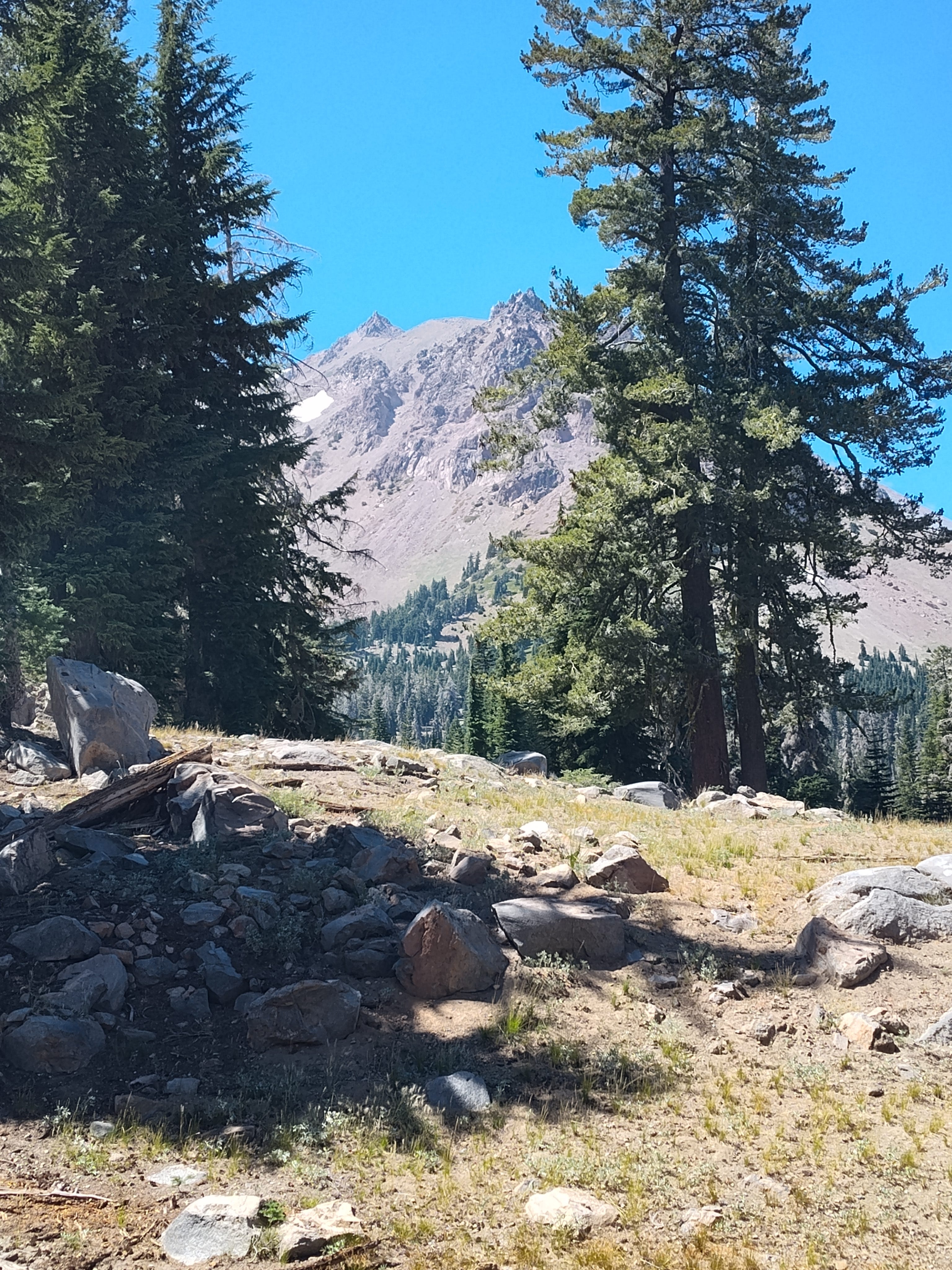
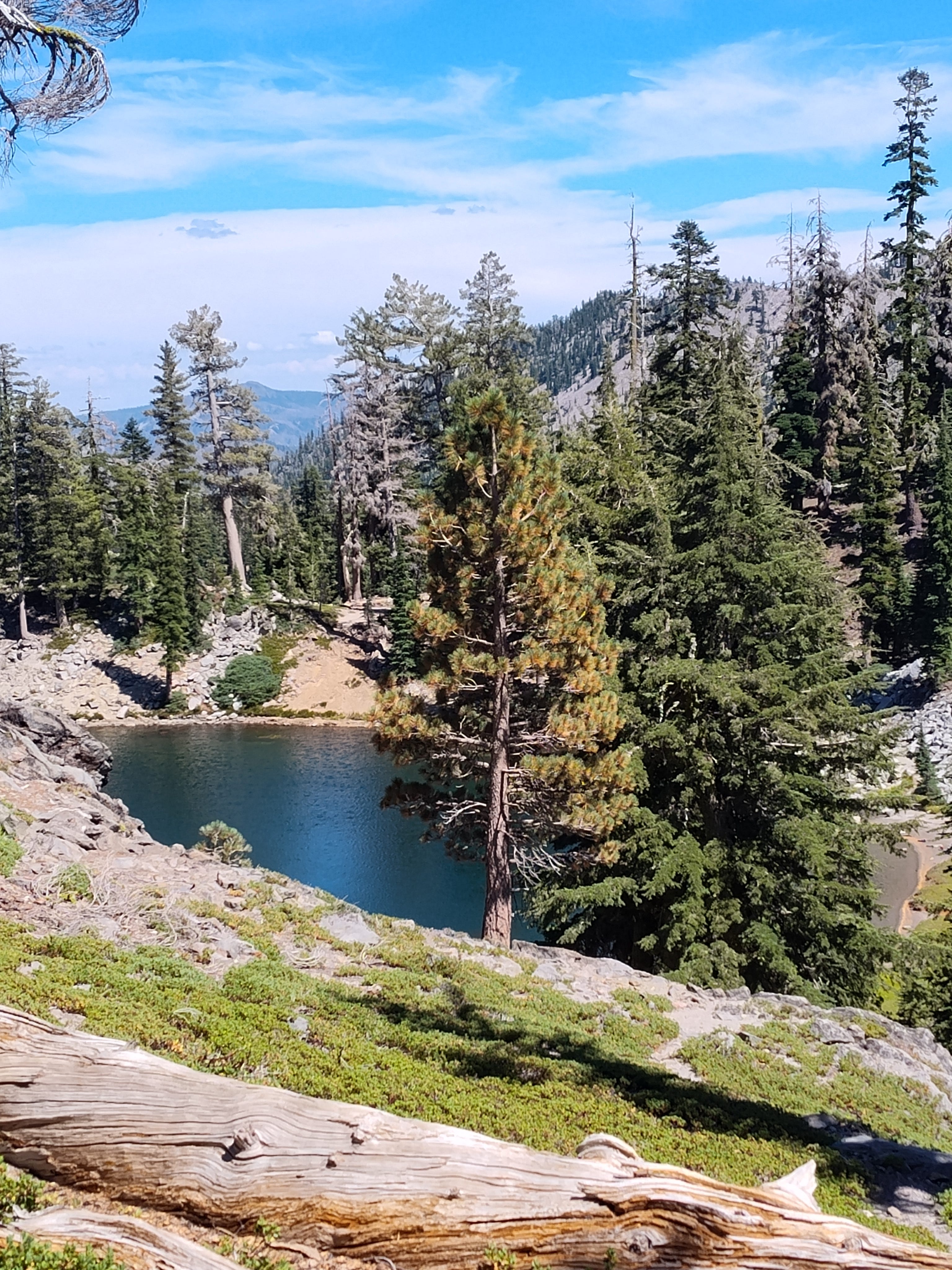
Mr. Standish and I hiked Hat Creek to Terrace Lake in Lassen Park Thursday. We didn’t have a ton of time because I had to leave for my work gig at the Cotati Accordion Festival Friday morning, so a trip over to the Butte Lake side of the park or a long hard hike like Brokeoff Mountain was out of the question. Another fun day in the Park!
Last week we started to discuss the marathon Flood Control Board and Water Conservation District meeting of August 5. We’ll finish up with that, but mark your calendar because there’s another one scheduled for this Monday, August 17 at 10am. I will be getting home from Cotati late Sunday night, so won’t be there in person, but I will be watching online with an annoying 30-90 second delay while listening over the phone in real time. Because this is what our county offers. Welcome to 2003.
There were several bombshells at the 8/5 meeting. First, Deputy Director of the Sustainable Groundwater Management Act program for the whole state, Paul Gosselin, assured the board of directors of the FCWCD, aka the county supervisors, that the Department of Water Resources would not be stepping in to take control of our groundwater if the fee structure on the table wasn’t approved. We have been threatened with this non-stop, so it was nice to hear the truth from someone other than me.
Gosselin also implied that our annual reports don’t need to be as detailed and intensive as we have thought. We need to report on conditions. Are they improving or not? What steps are we taking to improve them?
Our answers are not good. Our conditions are not improving and we have not taken any substantive actions towards improving them. That is what will draw the attention of the state - not our funding structure. Our Demand Management Plan details some nebulous voluntary actions, but let’s be real. We will not stop overdraft through voluntary actions. The unlimited, unrestricted, unregulated water orgy is going to have to stop at some point. Reasonable prophylactic measures will need to be taken.
We are going to have some hard conversations about Sustainable Yields, allocations, and prohibiting certain crops in vulnerable areas, but for now funding is the red herring distracting us from taking real steps towards sustainability.
And maybe we don’t need as much funding as we are being told. Our extremely well paid consulting firm, Luhdorff and Scalmanini Civil Engineers, made a bunch of errors leading up to the 8/5 meeting. They provided lists of property APNs and what each one would be charged under the fee structure that was on the table. Many properties were missing from those lists and entire parcel books were absent. Other properties showed calculation errors. Fustercluck.
Then, literally in the middle of the night between 8/4 and 8/5, LSCE sent out new lists which they claim corrected the errors of the lists attached to the agenda. The directors (supes) were given copies. The public was not. Director Matt Hansen had a lot to say about this and he was right on all counts.
Everything was tabled and two ad hoc committees were formed, which was the right thing to do, IMO. The ad hocs will report back often and take public comment on the proceedings. They should be broadcast as webinars like the Demand Management Working Group meetings were. I hope someone is making that happen. No more secrets, please.
Another huge bombshell was that the Dry Well Mitigation Fund, which had $1 million in it, had been raided to pay bills. The fund was formed when the county received $12 million in American Rescue Act Funds. That is in addition to the $6 million we got in CARES Act money. Yes, Virginia, there WAS a Covid Santa Claus.
One million dollars was earmarked to help people whose wells had gone dry due to overdraft. In 2023, the board voted to float a loan from that fund to the Groundwater Sustainability Agency. It has not been paid back and fund 603 account is over $600,000 in debt. Only one member of the current board was in 2023 - Matt Hansen. The rest of the men now serving appeared surprised and I wonder if Hansen even remembered because he looked shocked, too.
If you look at the GSA’s bills, the lion’s share always goes to our consultants, LSCE. Many millions of dollars have been spent for them to create our Groundwater Sustainability Plans and Annual Reports since 2021. Those plans show a huge increase in domestic use without a corresponding rise in population.
They also report declining Ag use, although the TC Farm Report shows vastly expanded acreage in those thirsty little nut orchards. It doesn’t add up and DWR’s numbers tell a different story.
This is probably why there is such a rush to get fees implemented. The Dry Well Mitigation Plan was approved months ago but apparently there is no money to actually help the people with dry wells.
We need to take a hacksaw to the GSA budget, starting with LSCE, and pivot to using our local DWR folks and the Groundwater Commission, which has served as a rubber stamp instead of an involved and integral advisory body. The 5 year overview is due in January. I assume LSCE has been working on it, but who knows?
Next, implement reasonable fees to the Ag Community. Fees that won’t put half of them out of business. Cutting the budget, (which was never accurate anyway,) will get those fees into the doable range and the Ag Community seems ready to pay their fair share. Domestic users and the cities should be exempted, because all together they use a negligible amount of groundwater - maybe 1%-4%.
Tuesday’s Board of Supervisors meeting has an interesting item where it will become County Policy to ignore people who, in someone’s opinion, ask too many questions. Shall we just call it the Jenny Alexander Clause? Also more on the Public Guardian/Public Administrator position. The House of Cards is blowing down, folks.
Comments
Nothing yet. Say the first thing.
Sign in to join the conversation.