
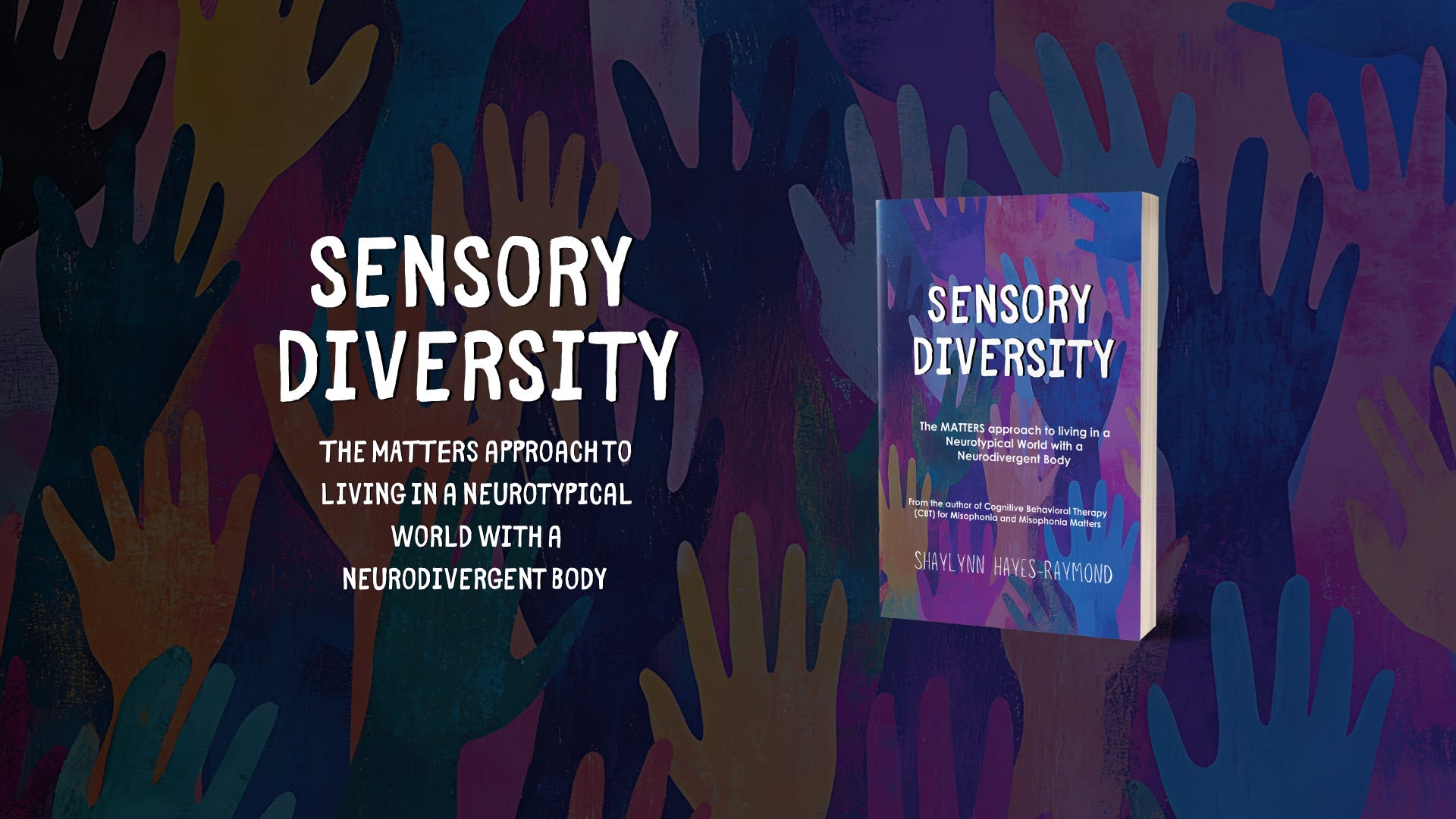
Sensory diversity represents the unique ways in which individuals perceive the world through their senses, whereas sensory dysregulation refers to the states of distress that occur when one’s sensory system is in upheaval. While a regulated nervous system operates in states of regulation or motivation, a dysregulated nervous system can move into meltdown, shutdown, fight-flight-freeze, or burnout.
Pioneers of sensory processing disorder and sensory integration dysfunction primarily focused on either sensory profiles or deficits, my preference is to simplify the language and move from a diagnostic framework to a more bottom-up inspired concept of our sensory worlds and how we perceive them. Emotional and sensory regulation are common concepts when we are discussing young children, especially those who must still co-regulate with a parental figure. Co-regulation refers to the state in which the nervous system of two individuals becomes synced together as a part of human development. This process is important for emotional, cognitive, and behavioral development. However, as children grow into teenagers, young adults, and adults, regulation moves from co-regulation to the area of self-regulation. Dr. Stuart Shanker of the MERHIT Centre provides a thorough overview of self-regulation in his book Self-Reg.
If co-regulation and self-regulation are the act of becoming in-sync with our biological, emotional, and cognitive needs, then dysregulation is an appropriate term for an inability to regulate. With this in mind, I consider misophonia, misokinesia, and other sensory overwhelm to be within the realm of sensory dysregulation. Our brains and bodies are unable to sync together to process sensory experiences in a way that is seamless—and thus, distress and a fight-flight-freeze response ensues. I think it is less about which senses are overstimulated—sound, sight, tactile, smell, and more about the act of being out-of-sync. While I am cognizant of different sensory profiles such as sensory seekers, sensory avoiders, and more, there is enough discomfort and distress to single out sensory dysregulation. I admit that this term is imperfect, but it is my attempt to thread the needle between multidisciplinary approaches to development, cognition, and a bottom-up approach to the mind and body. For that purpose, sensory dysregulation refers to any sensory system that is functioning in an atypical manner or simply overloaded by stimuli. I am purposefully avoiding terms like Sensory Over-Responsivity due to its connection to Sensory Processing Disorder, as I am more concerned with sensory experiences in general than I am a diagnostic explanation for how our sensory systems interact with the world around us.
Sensory Processing Disorder as it is proposed offers 3 sub-types which then each have more sub-types including Sensory Modulation Disorder (which includes sensory over responsivity, sensory under responsivity, and sensory craving), Sensory Based Motor Disorder (dyspraxia, postural disorder) and Sensory Discrimination Disorder (discrimination disorders and interoception), while these proposed terms show a variation in dysregulated sensory systems, the segmentation can be confusing for persons with sensory dysregulation as well as their parents and clinicians. As terms relating to sensory processing, there is great value in literature that can name specific parts of sensory dysregulation, however, I find it much easier to refer to the broader term sensory dysregulation as individuals with neurodivergence often have their own blends of categories that do not fit neatly into a category or sub-category.
Sensory profiles, on the other hand, are an arrangement of how persons with sensory dysregulation handle or seek sensory input. This conceptualization has four categories: sensory registration, sensory seeking, sensory sensivity, and sensory avoiding, on a scale of high-low tolerance and passive and active response. While these terms are useful, many persons with sensory dysregulation cross thresholds and change needs contextually.
For the purpose of this book, I am using sensory dysregulation without dysfunction or disorder as I believe that there is much more to learn about how neurodivergent persons navigate the sensory world. In my view, whether we call it a disorder or dysfunction is less important than considering the lived experiences of persons with atypical sensory needs, and practical and evidence-based ways to help these individuals thrive within their own personal sensory landscape.
While this isn’t a prescriptive description of sensory based experiences, it can be useful to consider different ways in which we process the world. While Sensory Integration Dysfunction and Sensory Processing Disorder aimed to have rigid definitions of sensory states. I do not prefer this language as real-world sensory experiences are more fluid and can be experienced by the same individual in a flux state.
As part of my conceptualization of sensory dysregulation in this book revolves around the sensory compass that I created as part of my clinical practice working with sensory dysregulation and my own sensory processing. In this view there are six core states of sensory regulation and dysregulation that can be moved through at different times. These include regulated, motivated, meltdown, fight-flight, burnout, and shutdown.
Join the list to get notified when the print/ebook release: https://sensorydiversity.com/sensory-diversity-book-updates/
No posts
Comments
Nothing yet. Say the first thing.
Sign in to join the conversation.