
LIVE A LITTLE is a style and lifestyle journal for the adventurous man—written from the pen of a full-time menswear copywriter.
For the price of one coffee a month ($5/month, $50/year), paid subscribers to LIVE A LITTLE gain exclusive access to additional men’s lifestyle content.
Paid subscribers gain access to posts like: the 35 Cool Gadgets to Know, the The Best Independent Watch Brands to Know in 2026, the 57 Gifts for the Man Leveling Up His Life, the 15 Rising Golf Brands You Should Know, and more.
Today’s post is free, but I encourage you to try a free 7-day trial to LIVE A LITTLE paid so you can gain access to my entire library of content.
THERE ARE A lot of lists out there that ask you to read the latest and thickest books from start to finish. Oftentimes, many of the “best of” round-ups from major publications are more about affiliate revenue and staying cozy with book publishers than honest recommendations.
That’s why in every Live a Little reading list I curate, I make sure to have either read the entire book or at least a handful of chapters. And if I feature a book I haven’t read, I’ll say it.
Which brings me to today’s post: the Live a Little Summer 2026 Reading List. Inside you’ll find titles about dream-chasing, yuppies, the great flame-throwing Nolan Ryan, and more. But first, I’ve got a quick breakdown of my reading habits that could potentially help you navigate these titles.
The greatest tip I’ve ever learned on reading is you don’t have to finish a book all in one go. I’m pretty sure I heard that tip from Naval Ravikant. Since then, I’ve been what I like to call a “book surfer.”
Some readers have a disdain for book surfers, but if reading is a way of following your curiosity, why not put a title down when you start losing interest? My days of AP Literature class are over. I don’t want to feel like I’m stuck on a reading assignment.
Read more: 16 Hard-Earned Truths From a Decade of Writing
So if you feel like you want to dive into another title, do it. Catch these waves with me. Keep reading low stakes and enjoyable. Life’s too short.
As for advice on when I read, my best time is before bed. I set my phone out in the kitchen and turn the alarm up loud so I hear it in the morning. Then, I get into bed and open a book or my Kindle. About 30 minutes into reading, my eyes get heavy, and I start falling into slumber. It’s my best reading—and sleep—hack.
Read more: 12 Coffee Shops Every Writer Should Visit
In the mornings when I make my coffee, I read. At the airport and on the plane is a solid opportunity to open a book. Walking the treadmill at the gym is a great way to consume pages during the cold (or extremely hot Texas summer) months. Then, there’s coffee shops and the public library. Most of the time I’m visiting those spots on the weekends.
Like I mentioned all the way back in my first reading list, the Best Books of 2024, Live a Little requires embracing curiosity as a way of life, and few things feed that hunger better than a good book.
My reading list ahead is primed for the slow months of summer, but really it’s evergreen. So I encourage you guys to bookmark this post and keep coming back to it for inspiration.
Let’s get to it.
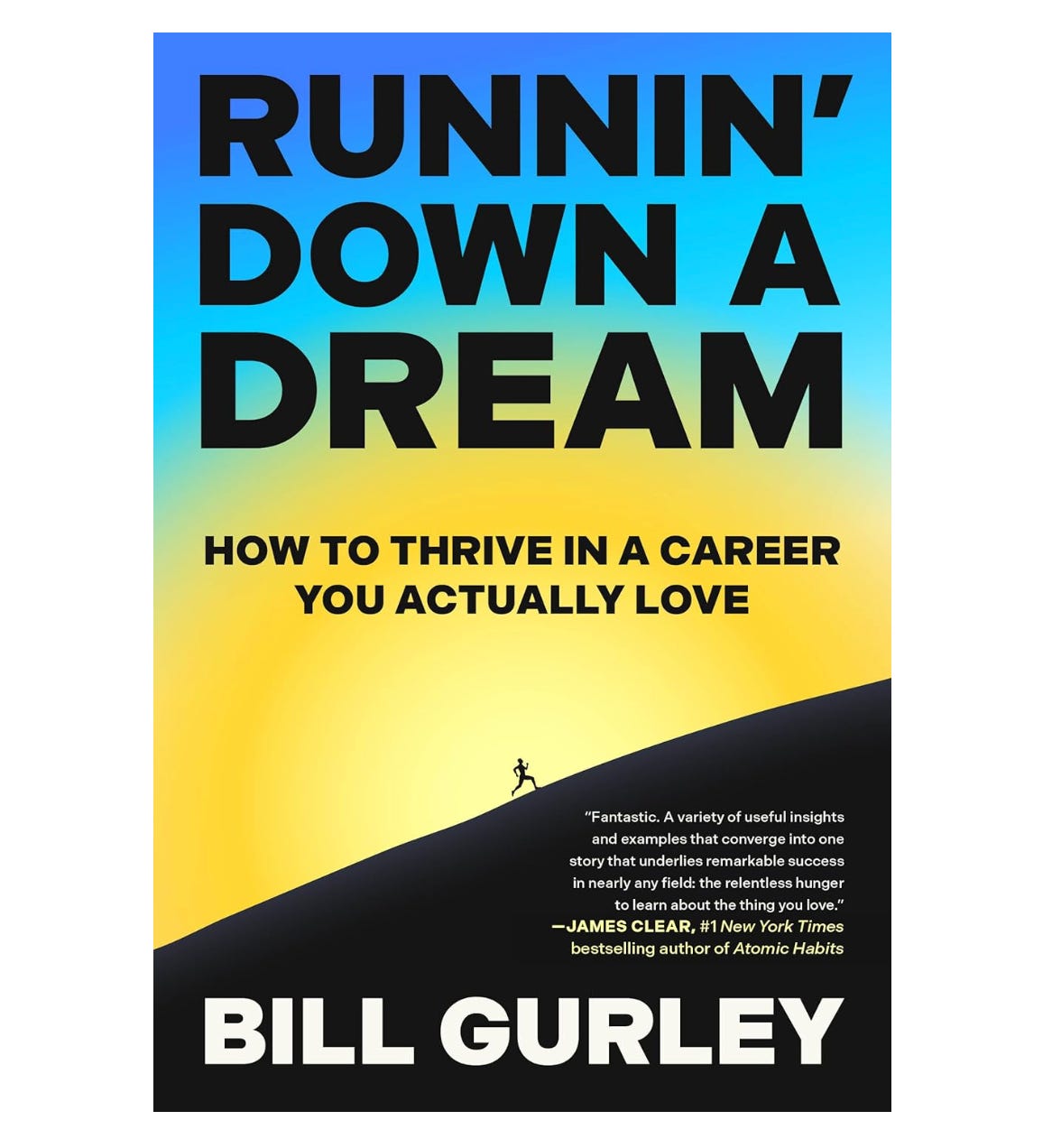
Bill Gurley is a legend in the VC world. He started as a computer engineer and then pivoted to Wall Street to work in business. He was born in Texas and got his MBA at UT. His book, Runnin’ Down a Dream, was actually inspired by a talk he gave in 2018 at UT about finding a career you’re passionate about.
I loved every bit of this book. It’s part business, part self-help, sharing a different story every chapter of an individual who sought out to pursue their calling in life.
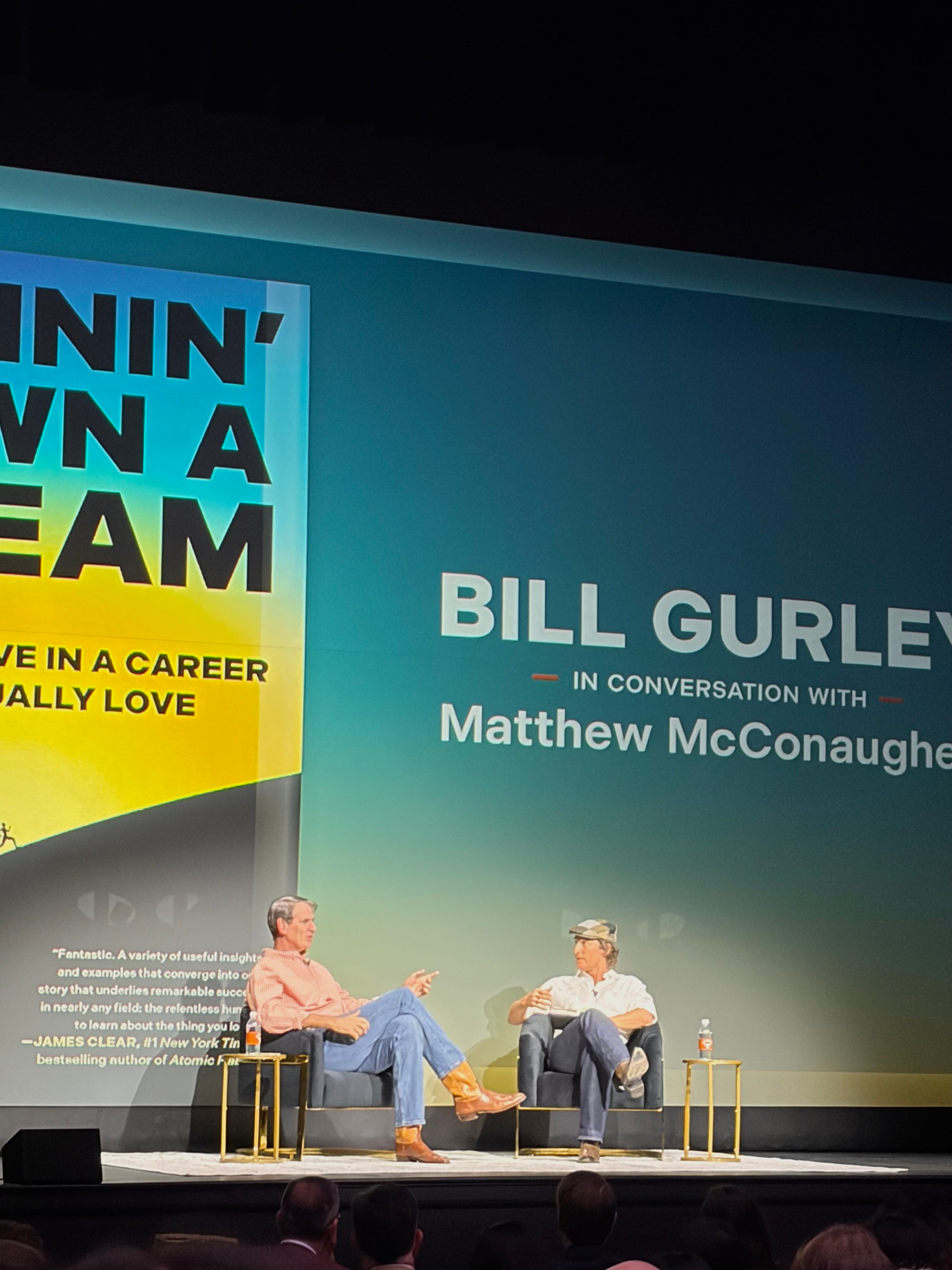
The universe has his way of working things out. Like Bill Gurley says in the book, all you need to do is be curious. Be willing to pick up and try new things, even when society might frown upon it. If you feel like you’re stuck, write down what you’re good at and cross-connect with what you’d love to do. Find the connectors between the two.
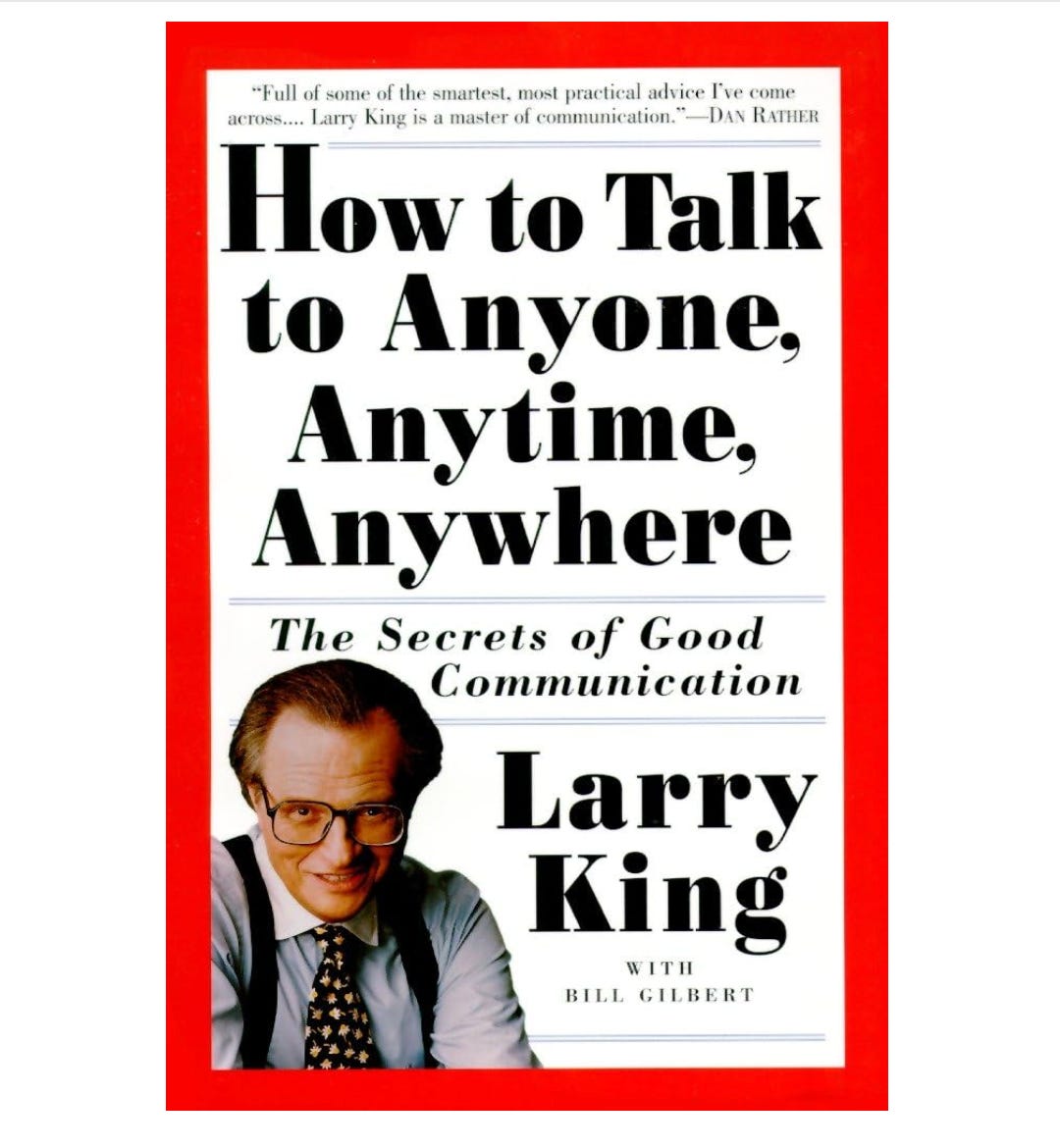
Larry King is one of the great interviewers of all-time, with a career spanning 60 years and an estimated 50,000 interviews conducted. You’d imagine he’d know a thing or two about talking to people…right?
I saw this 1994 self-help book by King on the shelf in passing at Book People in Austin. It was small, and nooked away in the business section, but the bright red pop of the binding caught my eye.
Read more: 34 Small Ways to Maximize Your Life
I know what you’re thinking. This is one of those old-school books where famous people find it as a way to collect a check. You’re right. It can be a little tacky in that way, but so what? It’s still a fun read, and there’s useful tips on how to talk to bosses, strangers, friends, and more. Come get some sage wisdom from Larry King.
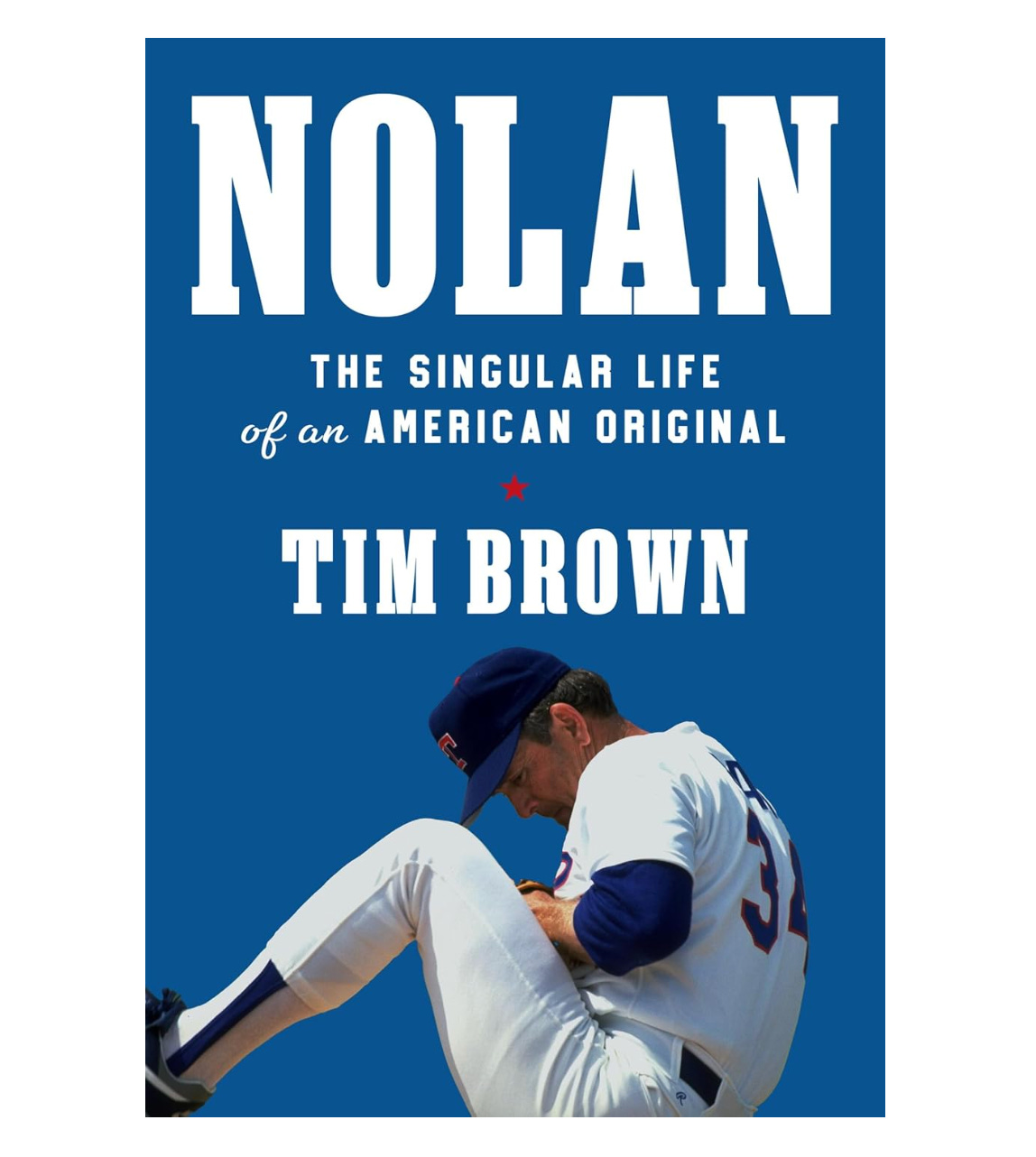
I’m a biography junkie. This summer, I’ve been diving into this new book about the life of Nolan Ryan, written by longtime baseball writer Tim Brown, who has done NYT bestsellers on Rick Ankiel and Jim Abbott.
There’s a million stats to pull on Nolan Ryan, but the ones I’m always most in awe of are about his longevity. Consider this paragraph Brown writes on Nolan’s career:
When he came into the league, Nolan Ryan was teammates with a guy named Roy McMillan, who was born in 1929. McMillan once hit off a pitcher named Dutch Leonard, who faced Lou Gehrig over 20 times.
Nolan Ryan was also teammates with Ivan Rodriguez, who was born in 1971 and batted against Johnny Cueto, who was still pitching as late as 2024. From the beginning of Gehrig to the end of Cueto was a century of baseball.
Nolan Ryan was stuck right in the middle of it, having touched it all and brushed back half of it.
If Nolan Ryan hasn’t already become myth, Brown sure helps establish him as one.
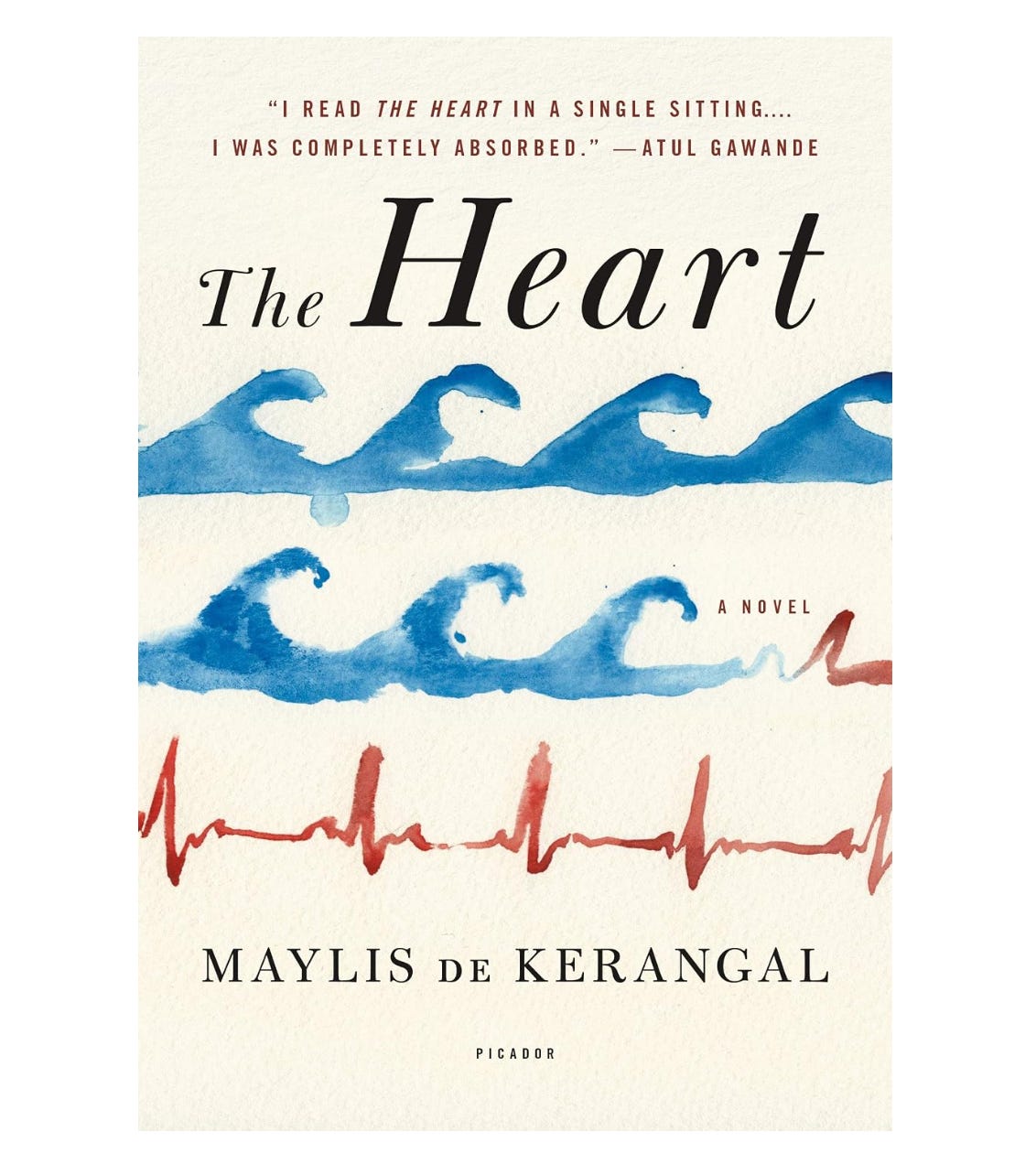
One fun reason to keep a library is you oftentimes find weird and strange ways of coming back to books you don’t look at or pick up for years. I recently went on a deep dive of health and wellness writing, and specifically on the places in the United States where one can study health journalism. It’s true the best individuals to write about health and wellness are doctors and trained professionals themselves, but there’s also many great writers out there who are untrained in medicine, but still have an excellent grasp at interviewing sources and conveying information.
This deep dive led me to a master’s program Harvard University runs called a Master of Science in Media, Medicine, and Health. I found it interesting because it pairs evidence-based studies and facts with storytelling, with an emphasis on an “arts-driven curriculum focusing on health interventions.” It’s a program that helps storytellers blend accurate health information into narratives, whether that be fiction or non-fiction.
So, this all led me to a great book I read about a decade ago called The Heart. It’s been praised for its emotional and scientific accuracy of how a heart transplant typically goes. The plot follows a group of young men who go out to surf and get into a car accident. One of them loses their life, but doctors must act if they want to save his still-beating heart. A middle-aged woman named Claire who is on an organ-donor waitlist gets a phone call. There’s a heart available for her, and she must prepare for a transplant soon. I’m sure you see where this is going…
The story unravels in the span of a day or two. There are multiple perspectives and scenarios brought up that most people thankfully don’t have to think about very often. There’s the chapter of the parents of the son having to make a decision to allow his heart to be donated, and how Claire is given the information about her donor and his story. This book was so powerful that after I read it, I decided to elect on my driver's license to be an organ donor. Now, I’m flipping through The Heart again, all thanks to a long and winding road I went down that led me to my library shelf.
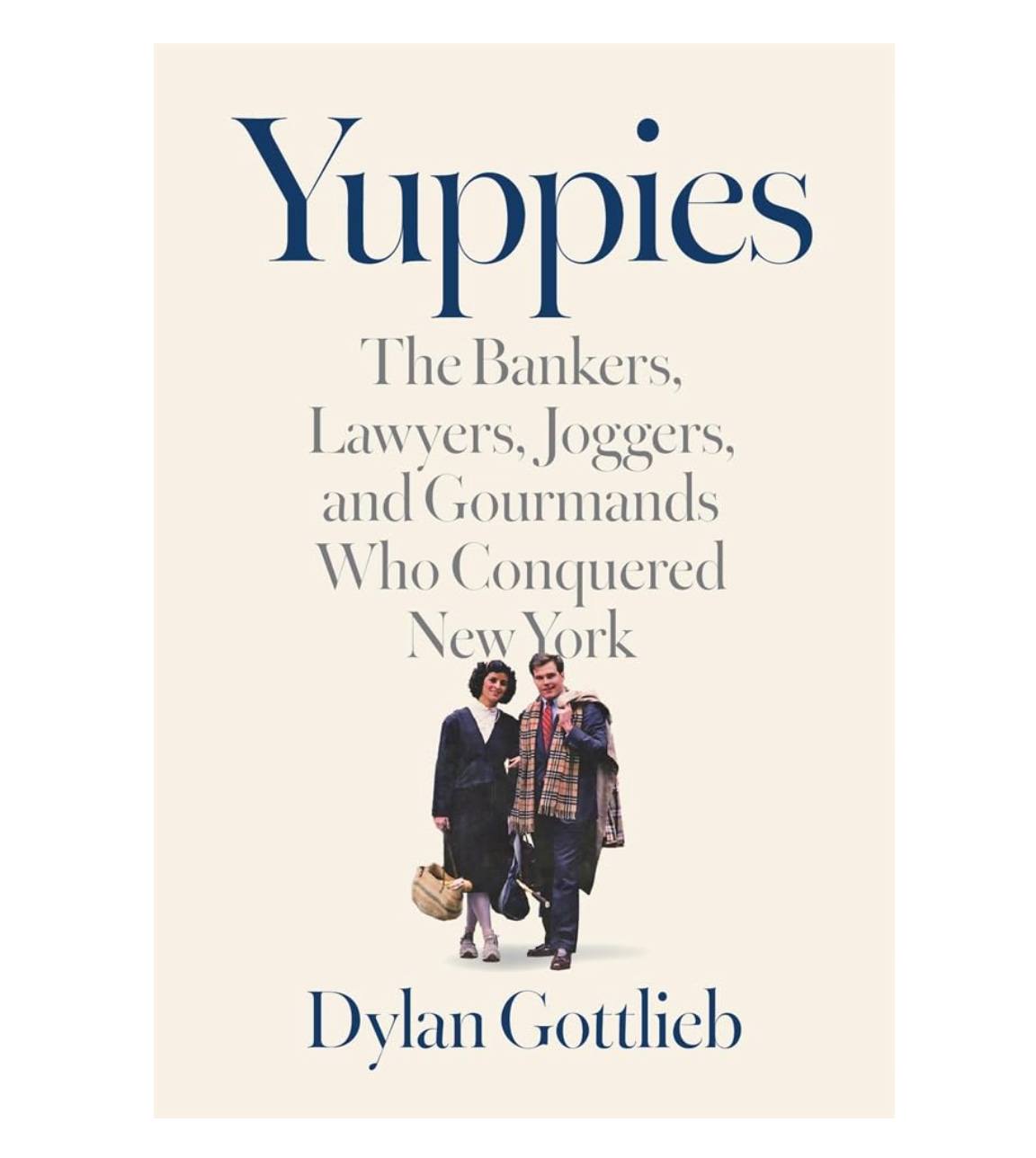
Dylan Gottlieb is a writer and teacher. He’s currently an assistant professor in the History Department at Bentley University, where he talks about the history of American cities and capitalism.
Gottlieb’s book, Yuppies, is a deep-dive on the classic 1980s stereotype. It’s the kind of word I’d hear my dad use growing up, used to describe white-collar individuals who are all prepped up with shiny houses and cars, walking with their noses turned up in the air. We all know the aura a yuppie gives off when they walk into a room.
What Gottlieb does is successfully trace the origin of the yuppie. It was a very real demographic back in the day: “a wave of hundreds of thousands of highly educated young professionals that washed over New York during the 1980s.”
Yuppies breaks down all the ways these individuals infiltrated and transformed New York City—their fitness clubs, their fine-dining escapades at Zagat-vetted restaurants, and their uppity vacations to the Hamptons and beyond. Gottlieb argues that yuppie culture still has a massive effect on how city life runs today, especially in NYC.
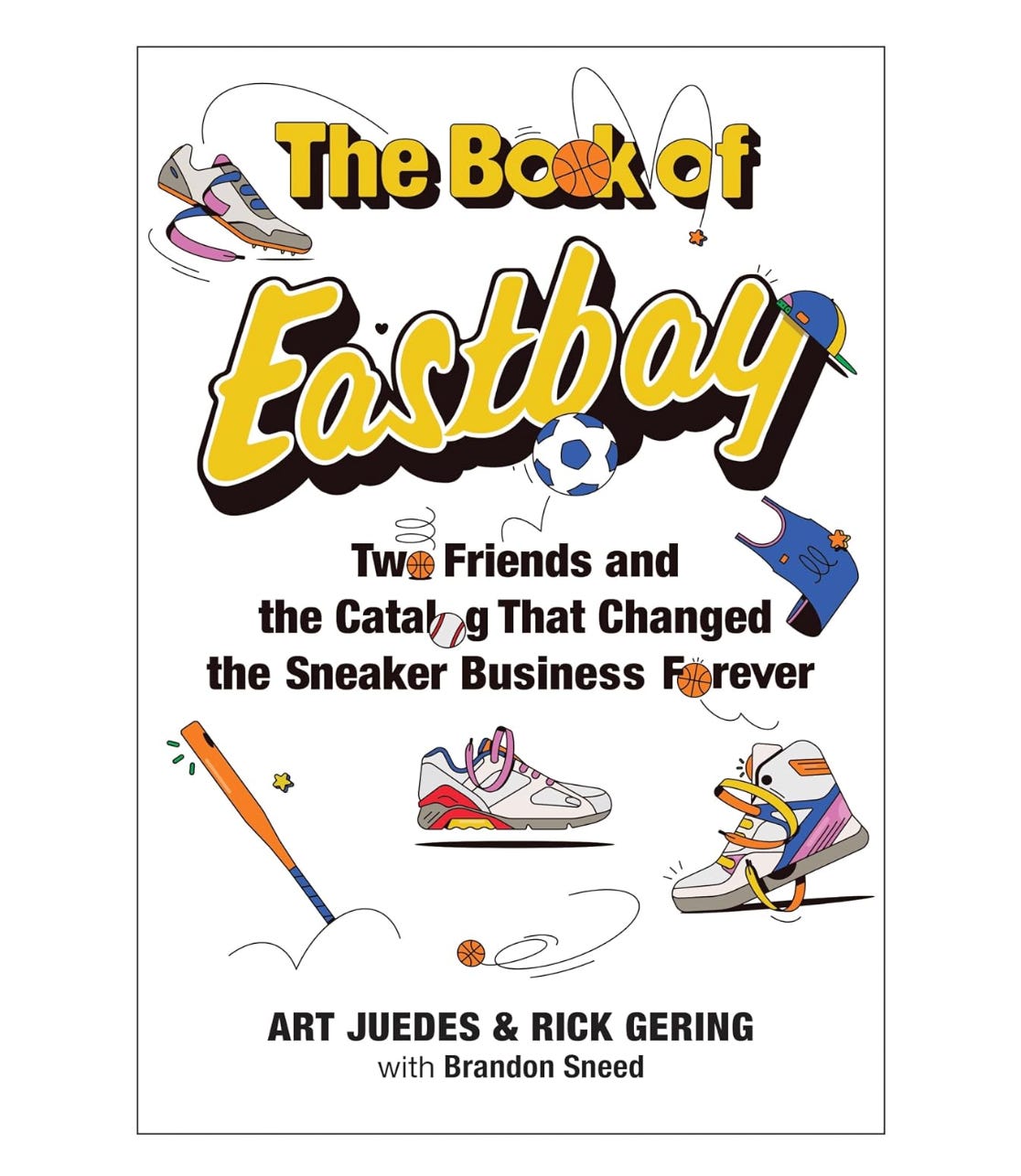
If you played team sports growing up between the 1980s and early 2010s, then you know Eastbay. The famous catalogue was a window to an outside world for millions across the country, bringing the latest in shoes, sporting gear, and more directly to your home.
In the age of social media, it’s hard to convey the gravity Eastbay had back in the day. One thing I admired about the brand was their commitment to editorial. They often had a cover athlete on each catalogue with a feature interview, as well as tons of other fun writing blurbs and stories to read throughout the pages.
The best thing about The Book of Eastbay is that it's written by the co-founders: Art Juedes and Rick Gering.
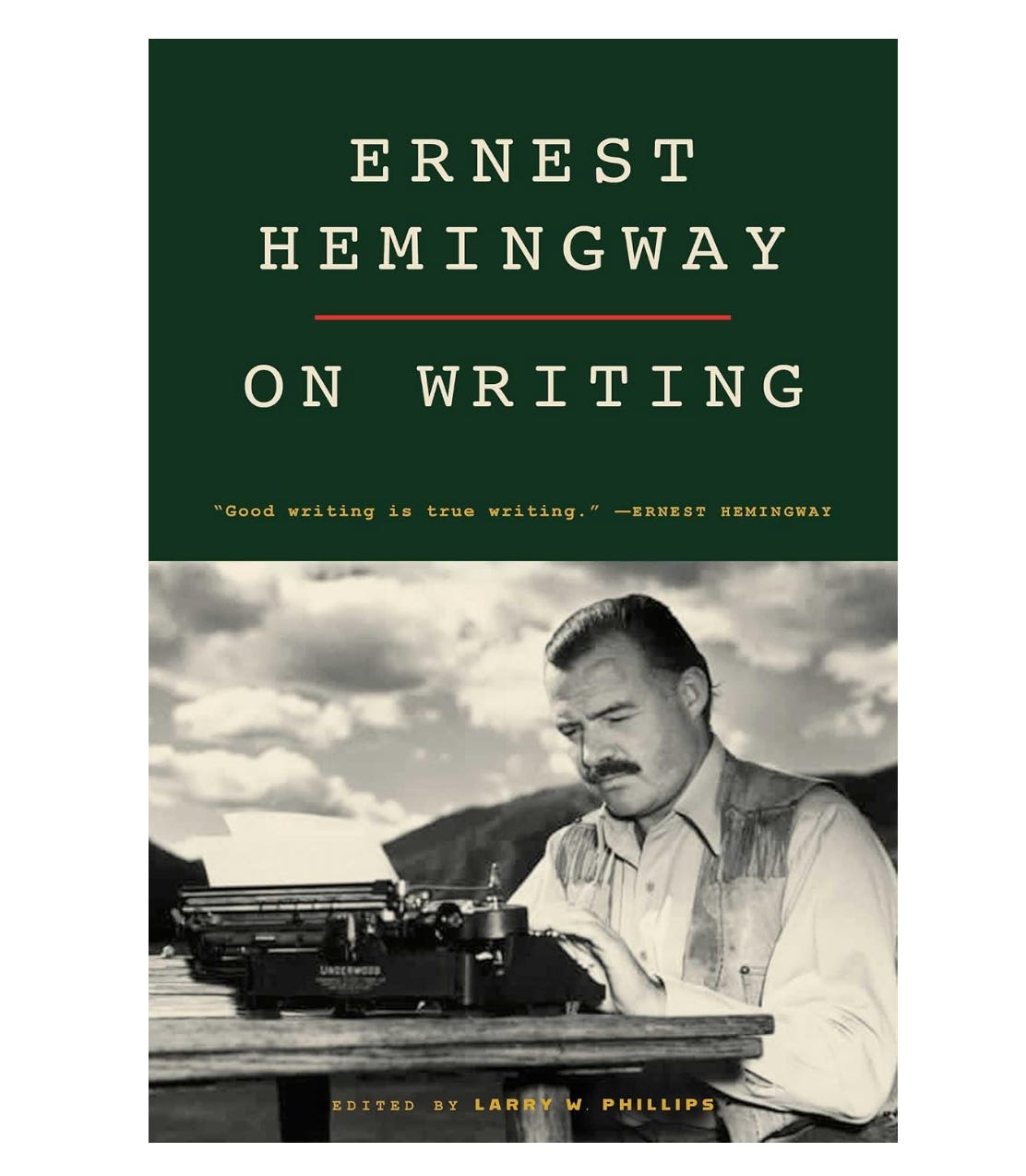
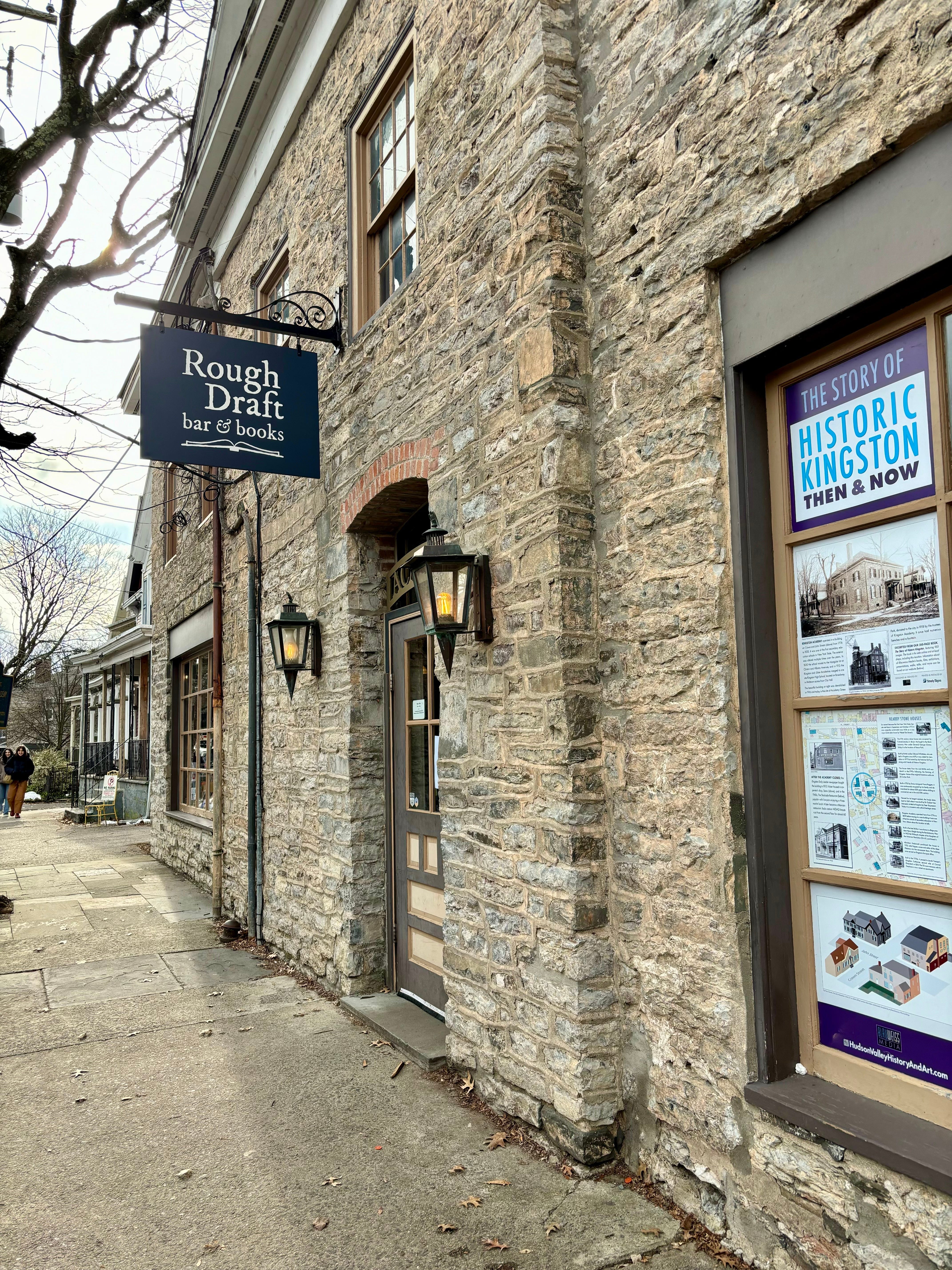
During my June trip to NYC, I paid a visit to McNally Jackson in the Seaport District, one of my favorite bookstores.
I found this small Hemingway reader in the writing section. It’s a collection of all the writing advice Hemingway ever wrote down. The editor of the book, Larry W. Phillips, parsed through Hemingway’s books, private letters, and interviews to pull advice. Then, he broke it all down into chapters with central topics.
Read more: The Style Code of Cormac McCarthy
This book offered me much joy and inspiration as I flipped through it on the train to upstate New York, and then on the flight back to Austin.
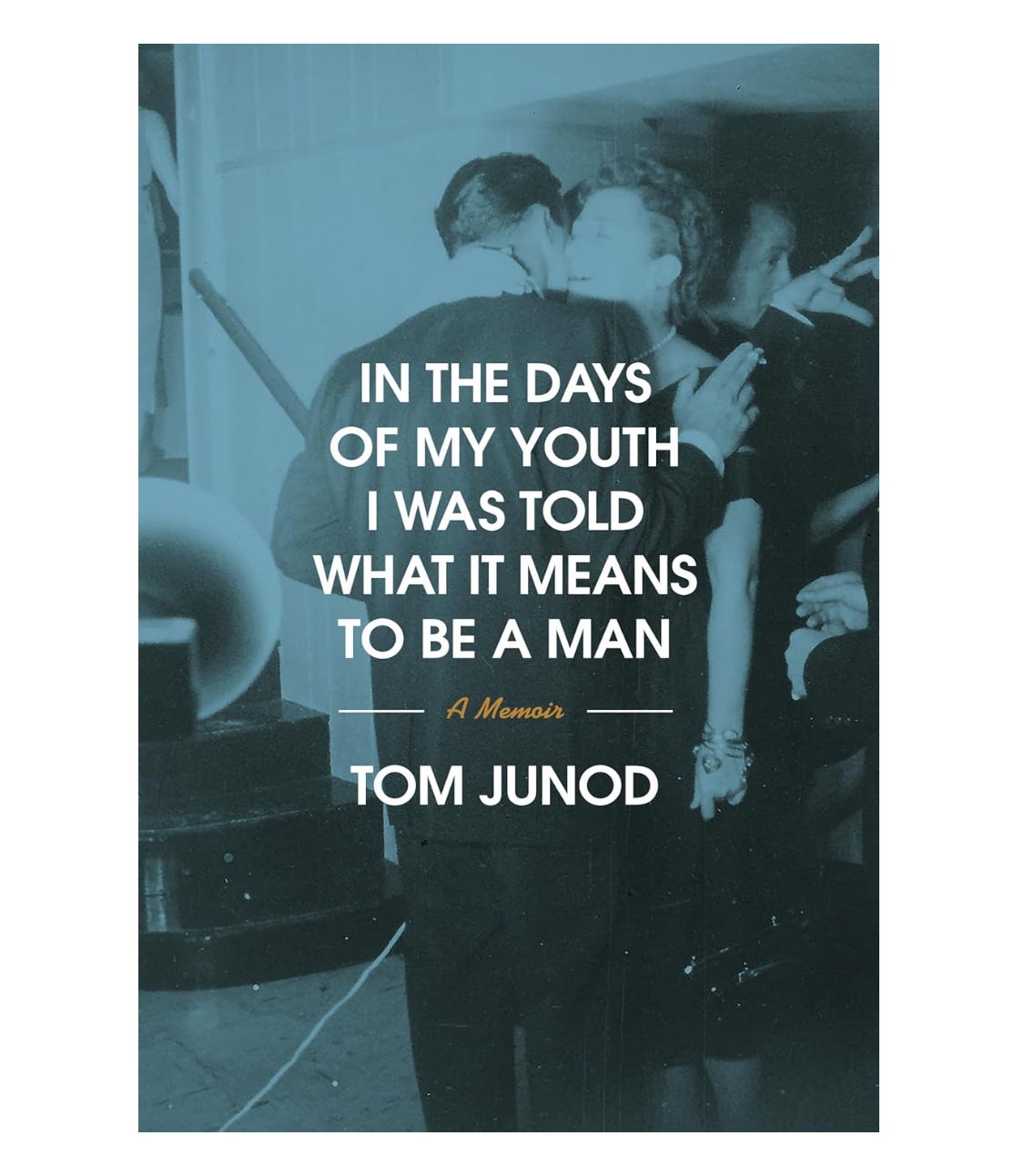
Tom Junod is one of my all-time favorite magazine writers. He spent years at Esquire, writing stories like Falling Man and his profile of Mr. Rogers. This year, he released his first book, a memoir, with a long title that borrows from the introduction of “Good Times Bad Times” by Led Zeppelin.
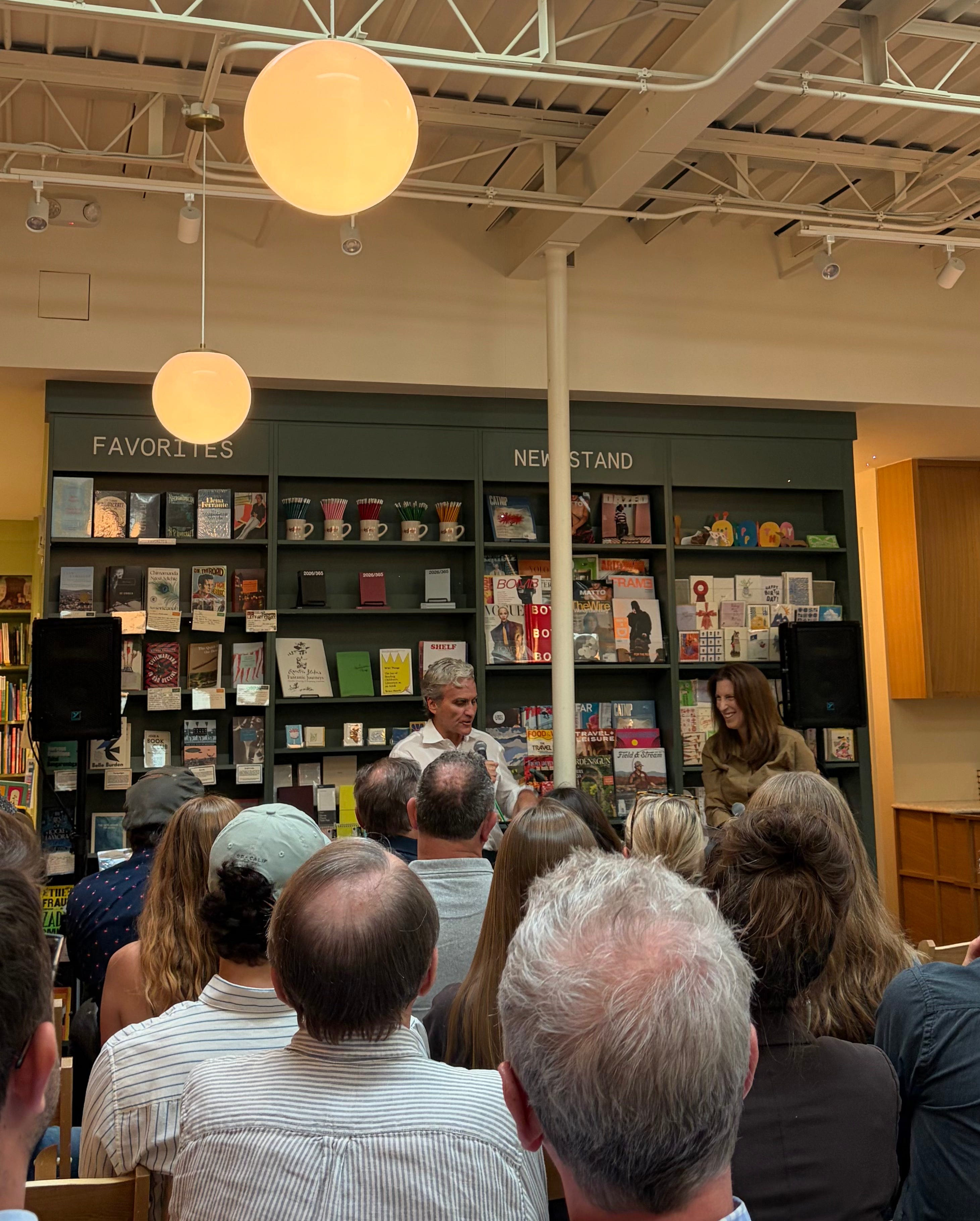
I got a copy of it a couple months ago at the Huckberry x First Light event, where Pamela Colloff interviewed Tom about the book. This memoir is highly personal, yet I get the sense that every person who reads it comes away with something they can relate to in their own upbringing.
There’s also the conversation the book creates around masculinity. I find it helps deal with how we place ourselves in the world as men. What we choose to carry on from our fathers, and what we choose to let go.
I have not yet opened these books, but they’re in the queue for this season.
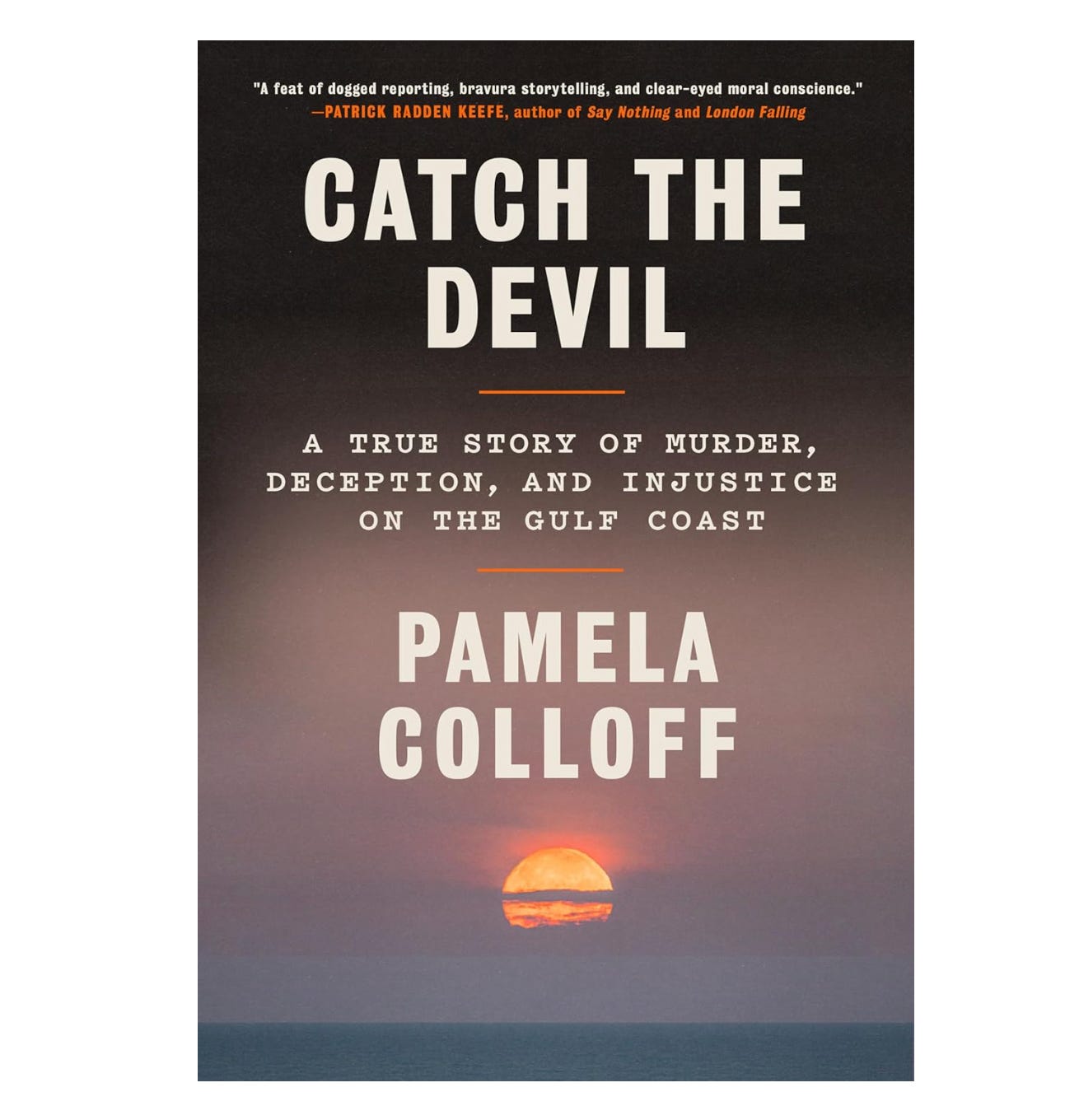
Pamela Colloff is a reporter at ProPublica and a staff writer at The New York Times Magazine. Like mentioned earlier, I saw her moderate the Tom Junod conversation in Austin.
Colloff’s new book is about the true story of Paul Skalnik, a traveling con man who roamed the Gulf Coast lying about his identity, and wound up helping send another man to death row for a murder he did not commit. It’s the kind of story that’s prime for reading by the pool or on the beach.
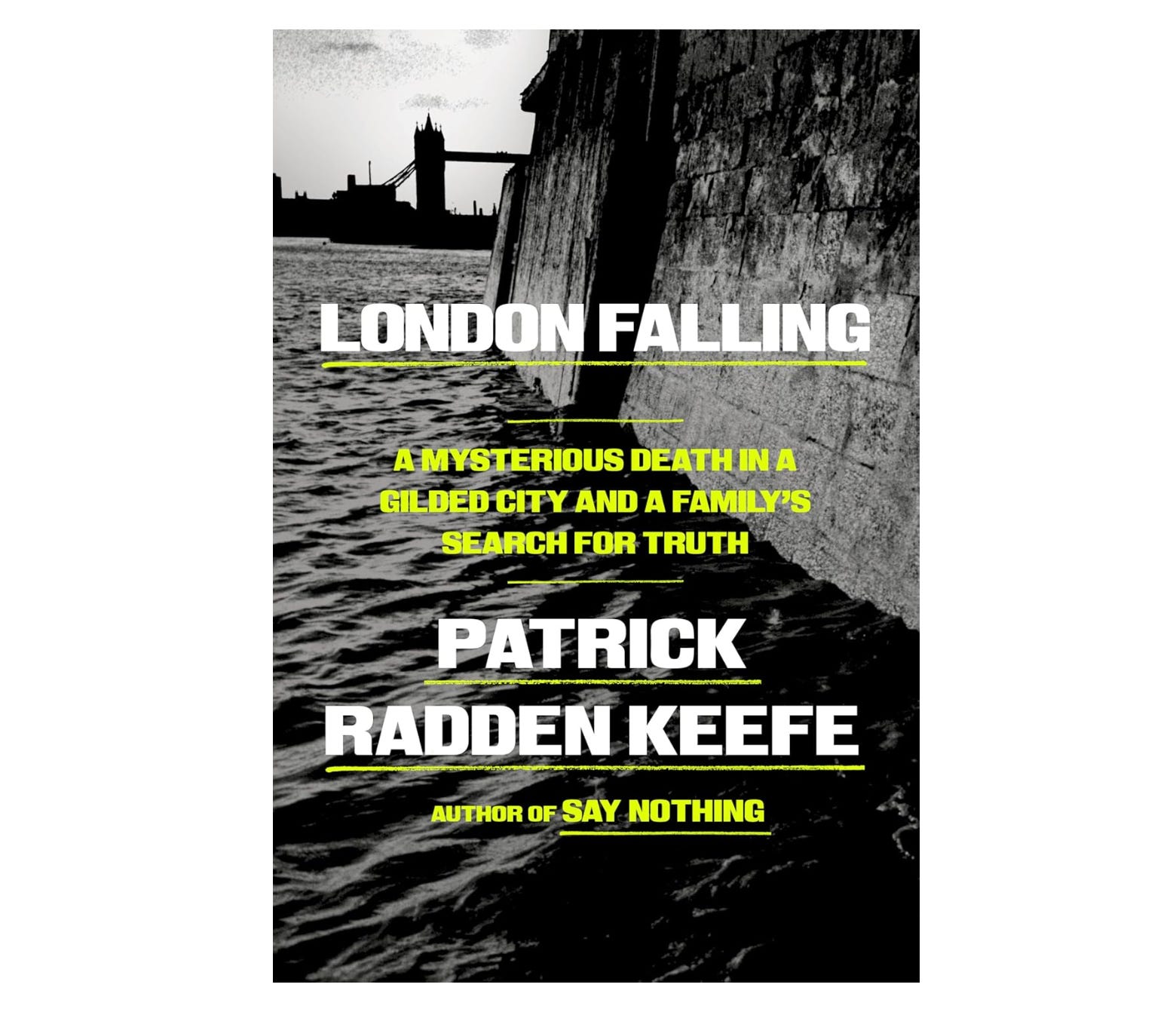
Patrick Radden Keefe is one of my favorite authors. My favorite book of his (so far) is Empire of Pain, which talks about the Sackler family and the rise of prescription painkillers in the United States.
His new book, London Falling, is a true crime story about the mysterious death of a young man who jumped into the river Thames on November 29th, 2019. It’s a story about a family not only trying to solve how their son died, but also discovering who he truly was in life.

Are you caught up on all my latest posts? Here’s what you might’ve missed.
My top post of all-time (so far) is the 21 Ways to Live a Little More Each Day. I share what I’ve done to make life sweeter, easier, and healthier.
If you ever want to brush up on your men’s style history, these are the 6 menswear books I recommend every guy have in their library.
I recently saw Willie Nelson play in concert. I wrote about my experience in Willie Nelson and the Art of Living on Your Own Terms.
Leave a comment, or send me a DM, if you wanna talk style and gear.
And if you made it this far and are enjoying the paid content, remember you get a discount for upgrading from a monthly subscription ($5 monthly) to yearly ($50 all-in).
No posts
Comments
Nothing yet. Say the first thing.
Sign in to join the conversation.