
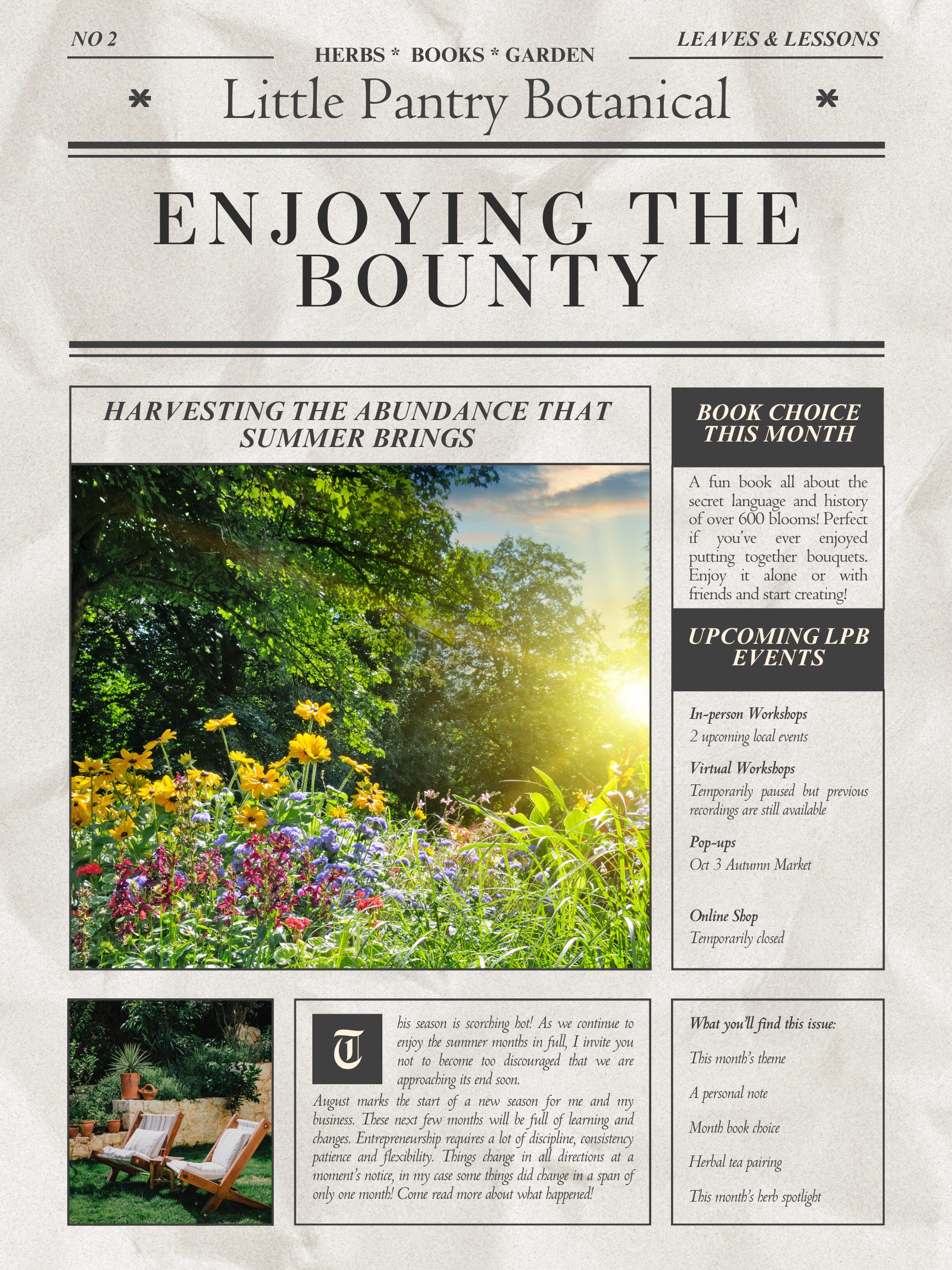
This season is scorching hot! As we continue to enjoy the summer months in full, I invite you not to become too discouraged that we are approaching its end soon.
August marks the start of a new season for me and my business. These next few months will be full of learning and changes. Entrepreneurship requires a lot of discipline, consistency patience and flexibility. Things change in all directions at a moment’s notice, in my case some things did change in a span of only one month! Come read more about what happened!
Those who follow an Aug/Sept to May academic school year know the time is fast approaching, back to school! It’s exciting, daunting and nerve-wracking! This month my focus is on prioritizing our needs as a family and business for a seamless transition into the upcoming busy season. Settling in after a transition of months and seasons can either go really smoothly or be disastrously overwhelming. Don’t be sad and dwell on the fact we are approaching summer’s last leg.
If you are holding onto summer for dear life and would rather continue avoiding the piling to-dos for this month feel free to.. However I invite you to take a moment to reflect on what a seamless transition would look like. Is there an end of summer activity you feel would help you (or your family) comfortably say see you later summer? Is there something you can do for yourself to help mark the change of seasons? Perhaps a nice get together with friends, journaling about summer, or writing what you wish to accomplish the last few months of the year?
I often think that we sometimes struggle moving along the year because we rush into the next season abruptly before we are ready to say ‘see ya later’. We are so used to never taking a moment to stop, look back, and express gratitude for the prior season. If the summer held sad or difficult moments, reflecting on those moments and saying ‘see ya later’ might help with settling into the new season. Summer isn’t over yet but this is the perfect time to begin planning for the big transition to the usual new end of yearish normal.
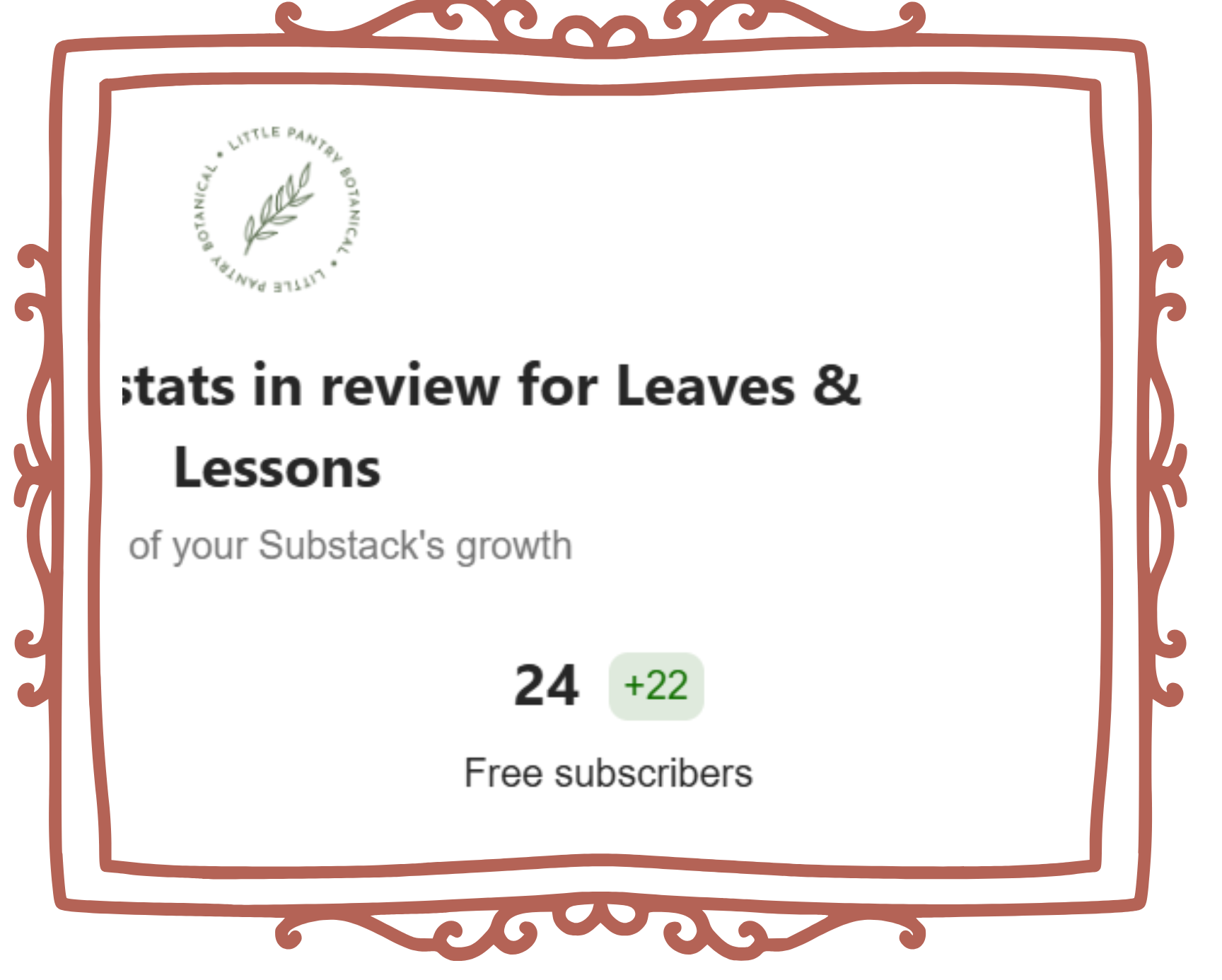
I may have digitally framed my first month’s stats! Judgment totally okay because I am so happy about it! My first month I had a goal of convincing 20 people to subscribe and give my little publication a chance, and looksie!!!! Thank you so much for those of you who signed up last month I am excited you’re here!
**
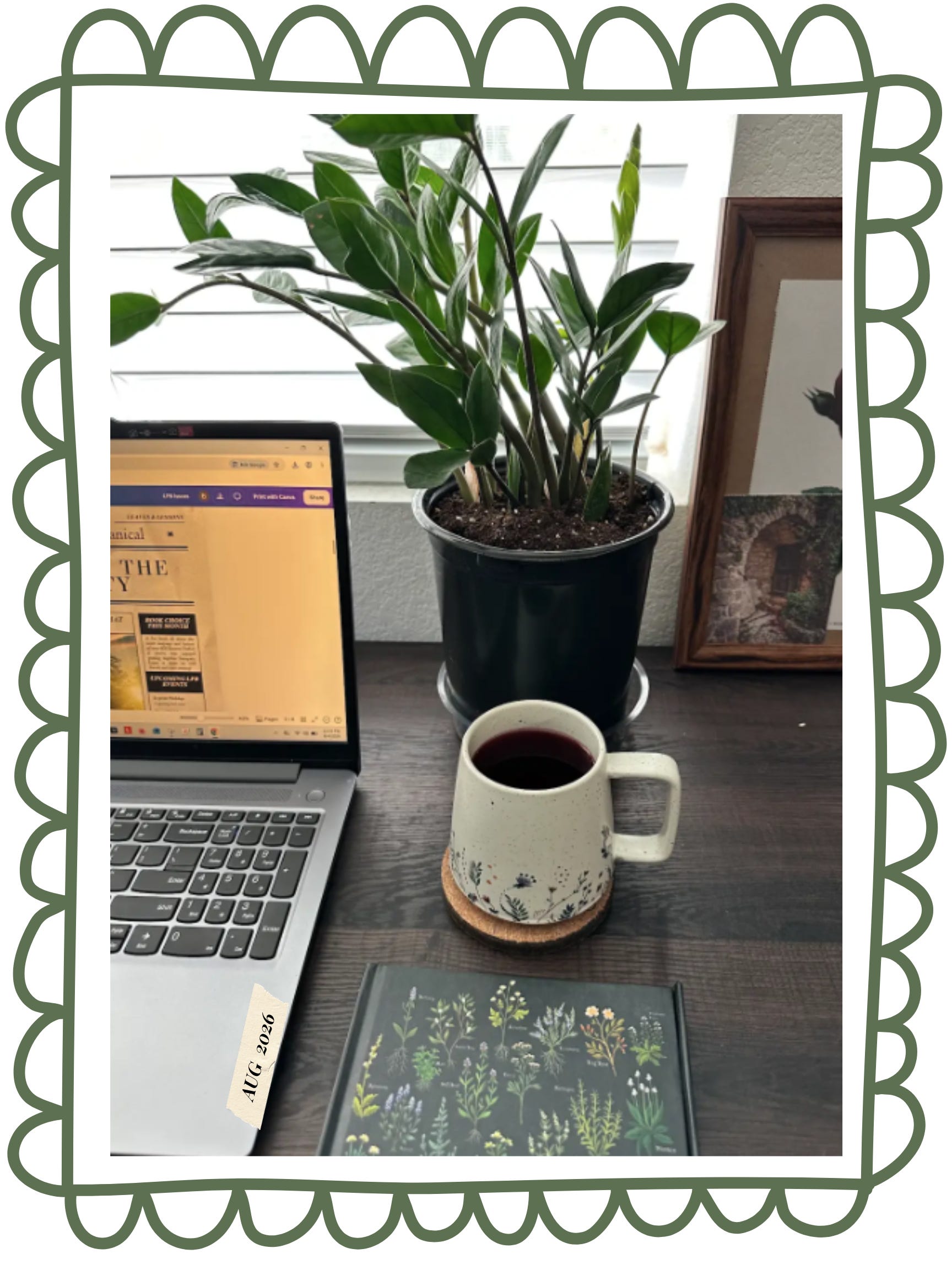
If you read last month’s issue and then read the Upcoming LPB Events column notice, you likely thought.. Wait, didn’t she pause ALL business activities while in school?
Surprise.. surprise!
Turns out business wise it isn’t such a good idea to temporarily pause everything. It makes sense in an ideal world, however realistically it doesn’t work financially or logistically. After a few insightful conversations with a good friend who has a strong entrepreneurial spirit and further brainstorming, it was clear closing up shop entirely until graduation wouldn’t work.
Instead of temporarily pausing everything, I’ve decided to step back and limit the number of activities I’ll be doing. I have already scheduled everything and preplanned all activities while I am still able to fully focus on it. So far, I have three local in-person workshops (two botanical crafting gatherings and one educational), three markets where I’ll be a vendor, and one community event where I’ll be running a community activity.
Entrepreneurship requires a lot of discipline, consistency, patience, and flexibility. I don’t want it to get to the point where I stretch myself too thin and then not enjoy my business. I’m trying to only focus on business activities I enjoy the most and once school starts, I plan to fully focus on what I’m learning to complement those activities. Thanks for being here and I hope you follow my adventure as an herbalism student!
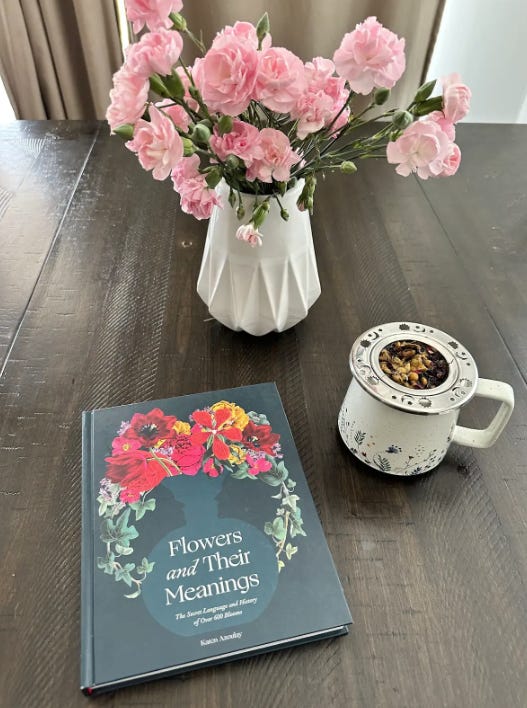
Flowers and Their Meanings by Karen Azoulay
From Goodreads: Uncover the secret meanings behind your bouquets and floral arrangements with this stunningly illustrated exploration of the Victorian language of flowers, including the multicultural history, rituals, and mythology behind over 600 flowers, herbs, and trees.
In the Victorian language of flowers, hundreds of blooms were ascribed specific meanings based on folklore, science, and ancient history. Page through this botanical encyclopedia to learn each flower's Victorian meaning (ranunculus, for example, boldly states, "I am dazzled by your charms," while marigold represents despair), common names, and cultural history. There is also an index of the flowers grouped by theme, should you want to challenge your local florist to create a coded message for a loved one.
The study of floriography can be used by readers to decode hidden messages in beloved novels like The Age of Innocence or speculate as to why two canary-yellow roses—which signify jealousy and infidelity—were featured in Diana Spencer's wedding bouquet. You might share some honeysuckle (meaning "bonds of love") with a friend or partner as a gesture of commitment. Or perhaps you'll choose a celebratory bouquet of angelica ("inspiration") and purple columbine ("resolved to win") for a friend who has triumphed over something difficult.
Karen Azoulay pairs nineteenth century botanical drawings with electric photography, creating a one-of-a-kind flower dictionary with a contemporary, artful feel. With a foreword by Kate Bolick and a helpful sentiment-based index, Flowers and Their Meanings is both a beautiful volume and a practical guide to incorporating the language of flowers into your own life.
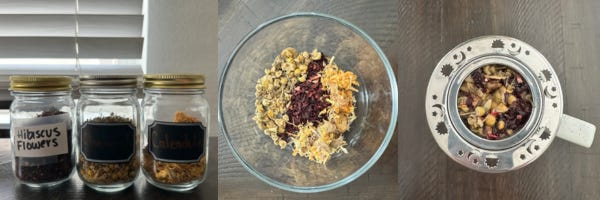
While revisiting this month’s book pick, I thought back to all the flowers I had around my house and what I had in my apothecary cabinet. I was in the mood for something rosy red and decided why not a Hibiscus flower tea blend!
For an 8 oz cup of tea I mixed:
1 tsp of dried hibiscus flower
1 tsp of dried chamomile
1 tsp of dried calendula
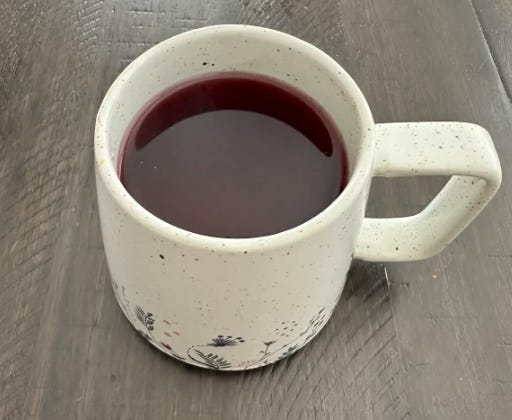
I was shocked to see that Hibiscus wasn’t included in my super handy dandy pocket book, Dr. Earl Mindell’s Herb Bible! I swear most of the herbs I’m ever looking up are found in his book, it’s an amazing one to use for reference. No problemo! I found plenty of information online that I wanted to share, including a very interesting article found in Pharmaceuticals Journal. Let’s get started!
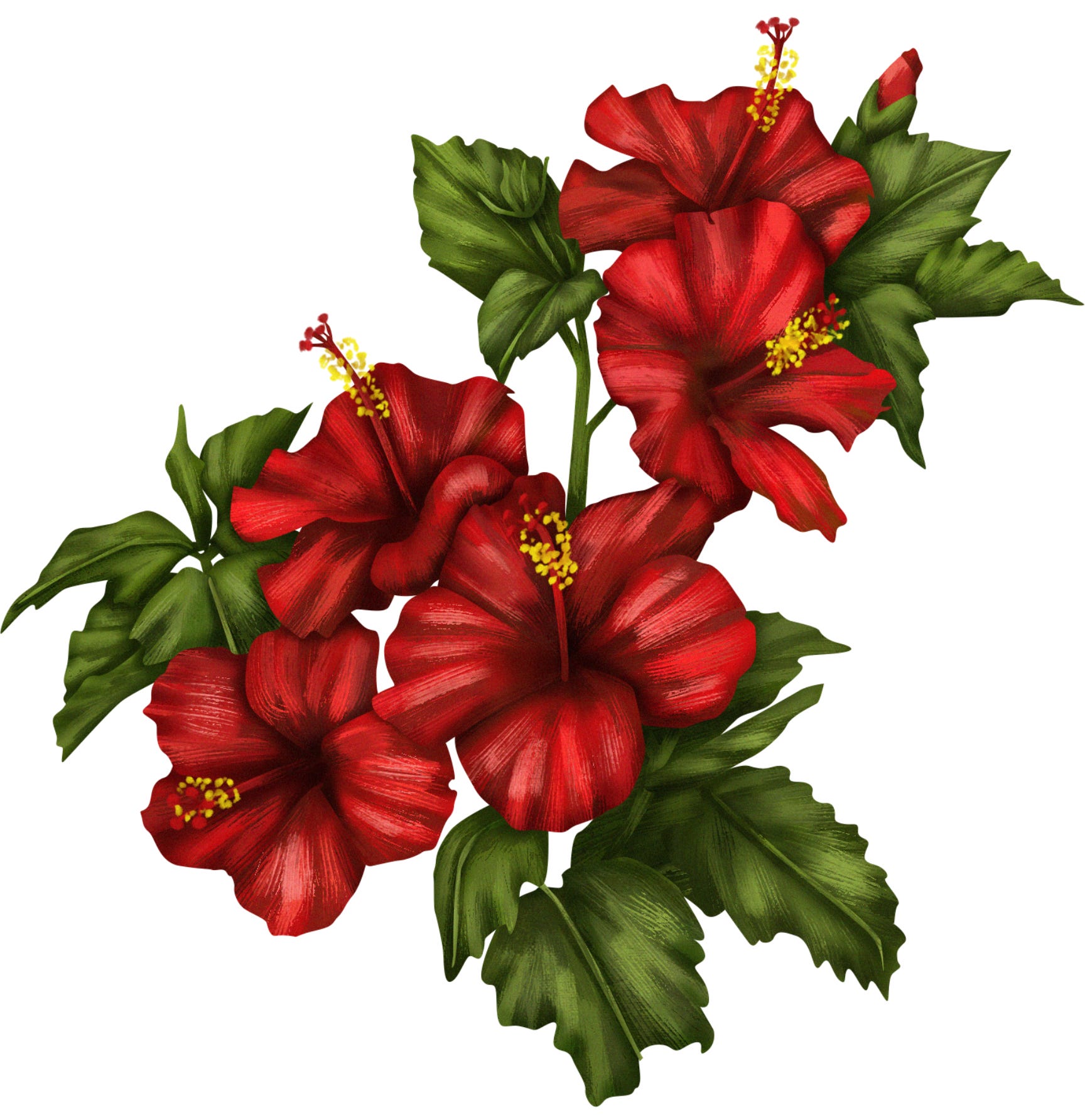
Hibiscus is a “large group of flowering plants in the mallow family” (Chicago Botanic Garden, n.d). That’s right, it’s not just one flower it’s a group of various flowers! There are two types of hibiscus you might come across, perennial and tropical hibiscus. The flowers vary and come in all sorts of beautiful colors.
The parts that are typically used for herbal tea are called “calyx, commonly described and sold as flowers or petals” (Blankespoor, 2024 para. 5). Hibiscus in herbal tea can have various herbal actions, “a specific effect a plant has on the human body” (Herbal Academy, 2020, para 19). A few herbal actions for hibiscus include antioxidant, anti-inflammatory, and astringent.
I enjoy reading the occasional research publication, especially when it comes to herbs. I was pleasantly surprised to find an article from a journal that listed various studies evaluating the uses of consuming hibiscus.
Pharmaceuticals is a peer-reviewed, open access journal of medicinal chemistry and related drug sciences, published monthly online by MDPI.
There were at least two randomized, double-blind, placebo-controlled studies (these are the type of studies you always want to look for by the way) that showed a difference in people who consumed hibiscus vs those who did not.
Sources:
Blankespoor, J. (2012). The Medicinal Benefits of Hibiscus. In Chestnut School of Herbal Medicine. https://chestnutherbs.com/medicinal-benefits-of-hibiscus/
Herbal Academy. (2020, March 13). Herbal terminology: Actions, categories, energetics, flavors, and properties—Oh, my! Herbal Academy. https://theherbalacademy.com/blog/herbal-terminology/?srsltid=AfmBOoogzDp1RZ48NTbdbhIU4Y2S0TE7N6gYYL3KbFCgQk_5MAvo6045
Hibiscus. (2024). In Chicago Botanic Garden. https://www.chicagobotanic.org/plant-information/plant-profiles/hibiscus
Montalvo-González, E., Villagrán, Z., González-Torres, S., Iñiguez-Muñoz, L. E., Isiordia-Espinoza, M. A., Ruvalcaba-Gómez, J. M., Arteaga-Garibay, R. I., Acosta, J. L., González-Silva, N., & Anaya-Esparza, L. M. (2022). Physiological effects and human health benefits of hibiscus sabdariffa: A review of clinical trials. Pharmaceuticals, 15(4), 464. https://doi.org/10.3390/ph15040464
Botanical student journal - School starts this month! I will likely provide updates towards the end of the month, mainly because that is when I’ll have stuff to share. I might add in an extra entry before then; stay tuned!
Seasonal notebook - Lots of prep work this month mainly for my upcoming business activities! Although I have done the bulk of planning I’ll need to get ready for some of the upcoming markets and events. I also have some fun activities I did over the past weeks that would be fun for you to try at home! Indoor mini tea garden updates coming too!!
Thank you once again for being here, and please subscribe to see next month’s issue!
No posts
Comments
Nothing yet. Say the first thing.
Sign in to join the conversation.