
Welcome to Little Flames Contributor Series—a space for stories of resilience, reinvention, and creativity.
This month I spoke with Peter Ekstein, who suffered a catastrophic injury in 2015 after being struck by a vehicle while out for a run. Since then, he has rebuilt his relationship to movement through hiking, travel, and intense physiotherapy, while also dedicating part of his life to volunteering and creating a documentary about his recovery journey.
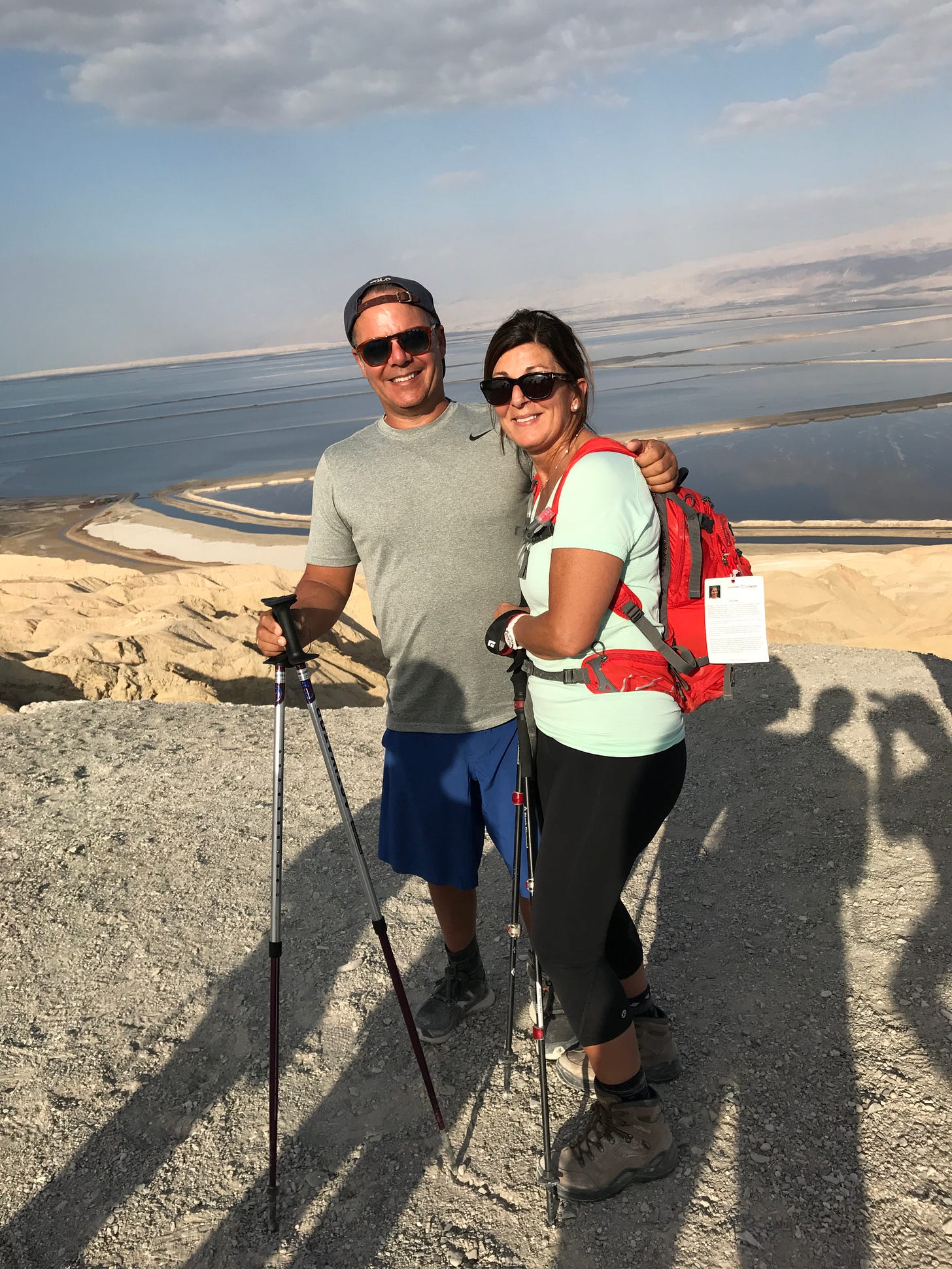
I remember my last three runs…
They were a week or two before I became ill. In one, I am running with my friend Lisa through a dense forest near her cottage north of Kingston. In another, I am running with my Uncle Bob along a stretch of quiet highway, at a family reunion outside Ottawa. In the final, Cole and I are sprinting—racing each other—from the beach to our old home.
These runs remain unusually vivid in my memory—the kind of moments that stand apart from all the runs that came before them. Those earlier runs have blurred with time, but not these.
Peter’s experience is different. He has no recollection of his last run—the one that ended in his accident. The trauma of that day has erased it.
So we left that moment where it was, and turned instead to what has come after—how movement has re-entered Peter’s life in different forms.
THE INTERVIEW
Melissa: When you think about running—I know hiking and biking have replaced running in some way—are you able to get that same cardio sense you used to get? That you’re doing cardio, and sweating and working your heart? That’s something I miss about no longer being able to run.
Peter: The only opportunity for me to get that cardio workout is my boxing. I had one session this morning—and fortunately it’s been about two hours, because I’m soaking wet. Biking—it’s hard for me to get to that level of exertion. And hiking, there’s no cardio to speak of.
And I was never one of those who got in a groove and kept going. I ran because when I was up at my cottage, it was about the only thing I could do that was physical exercise. I ran on and off for years, but I never really loved it. I used to get a great cardio workout biking, but it’s tough for me to get that same level. I could bike forever—but running was just something I did when I didn’t have other options.
Melissa: Okay, so you don’t miss it as much as me. That’s sort of how I feel about golf. I do not miss golfing.
Peter: I miss the the activity of being outside, walking, being with my buddies. You know, go for a nice walk through a park, hit a few balls, have a beer and have some fun. I miss that part. I’m in Florida for the winters, and 99% of the people are playing golf. They live in golf communities, and they play golf, and they make friends by playing golf. I have to be a little bit more of a loner, because I go biking every day, but that’s kind of by myself.
Melissa: You miss the social aspect of it, which really is the strongest part of golfing, the social aspect?
Peter: That and skiing. There was nothing better. I’d go with my son once or twice a year, and I always said it was my best holiday, because my son is a crazy snowboarder. So all I could do from top to bottom, was just think about staying alive. I couldn’t think about business or other problems. But I never got to that level of proficiency on a sit ski. I was worried about concussions on the way down.
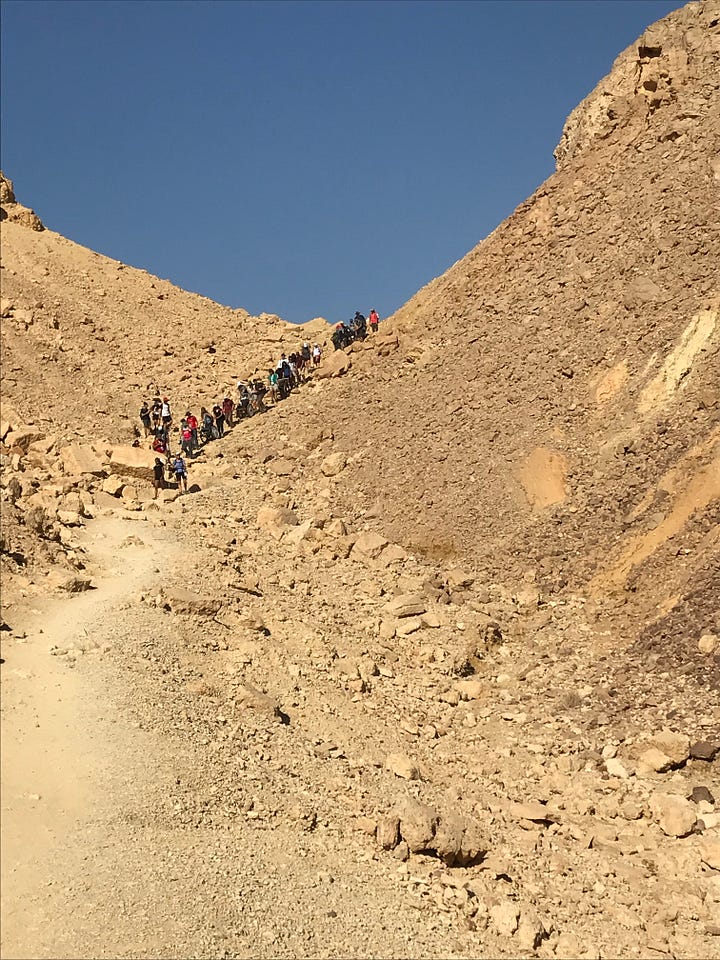
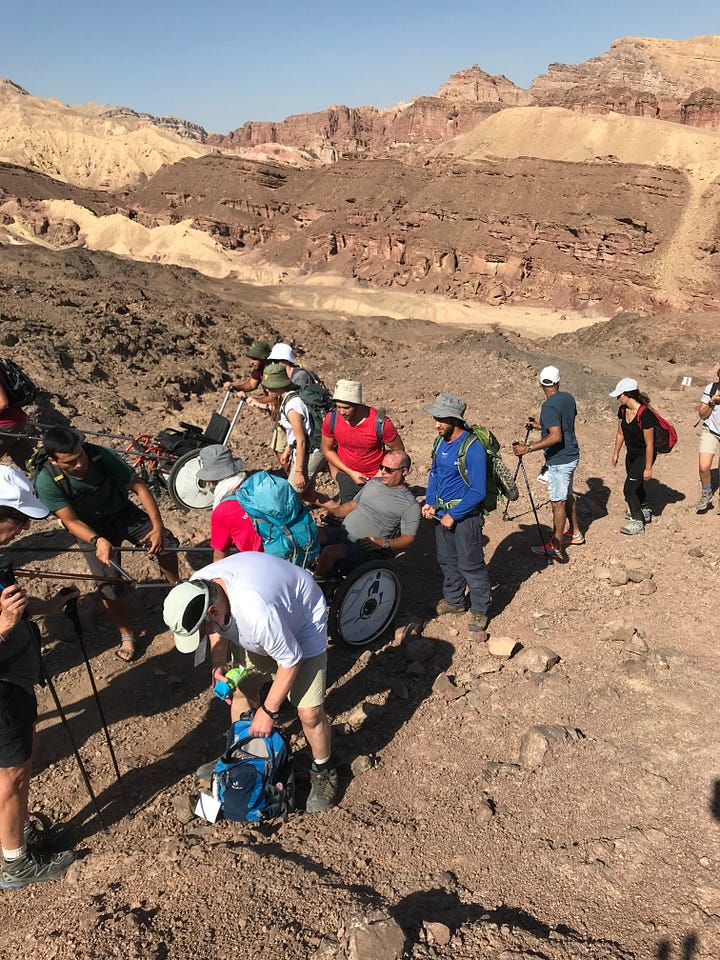
Melissa: We don't need concussions on top of everything! Tell me about when you started hiking again. There’s an article in The Jerusalem Post about your first post-injury hike. What was it like hiking in Israel—especially alongside victims disabled through terrorist attacks?
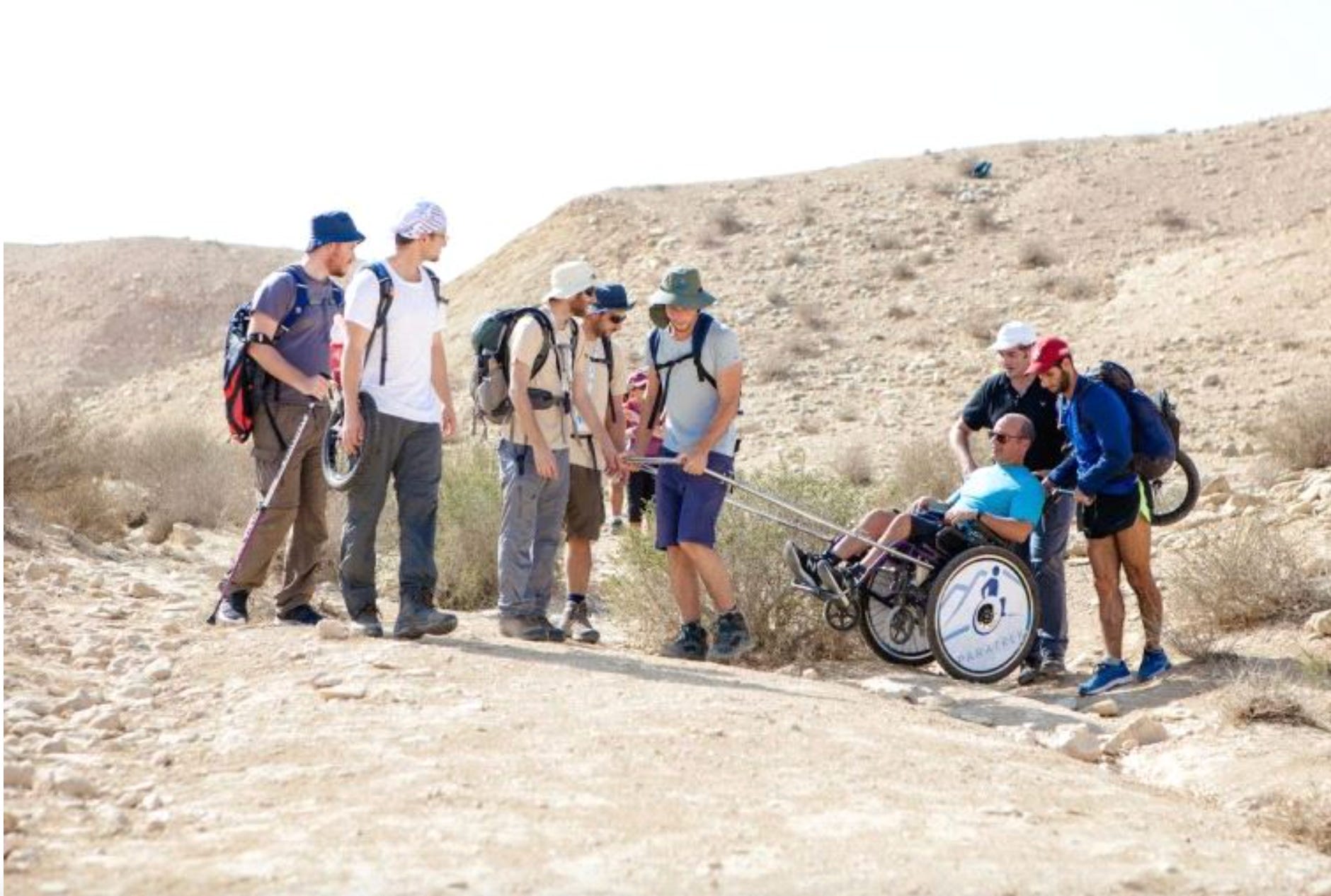
Peter: They had the company Paratrek, able to take people like myself, and when I met some of these [injured victims], I hooked them up with the guide, who’s a friend.
That first year was incredibly challenging. We went on hikes that even people in good shape had a hard time with. But being able to do it—it was incredibly rewarding. I literally came out of that thinking, if I can do that, I can do anything.
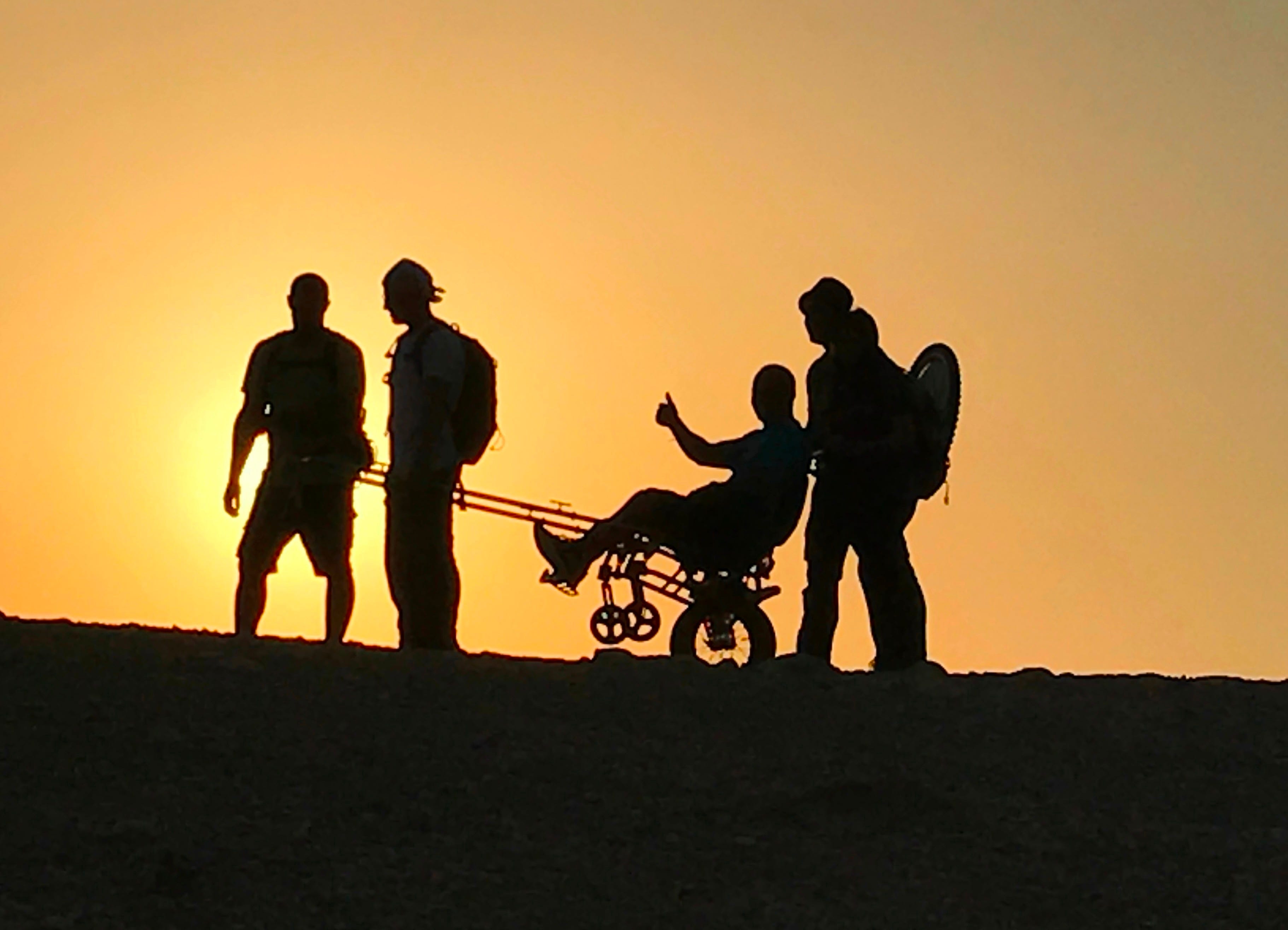
Being with other people in a similar situation—people who thought they’d never hike again—that was powerful. They inspired me, I probably inspired them, and maybe together we inspired some of the regular hikers too.
I made good friends on that trip—people I’m still close with today, other people who are, you know, also, I hate to use the word. Disabled. I haven’t found the right word yet. I don’t love the word ‘disabled.’ We just do things differently.
Melissa: I’m not a fan of the word disabled either. Let’s go with ‘differently-abled.’
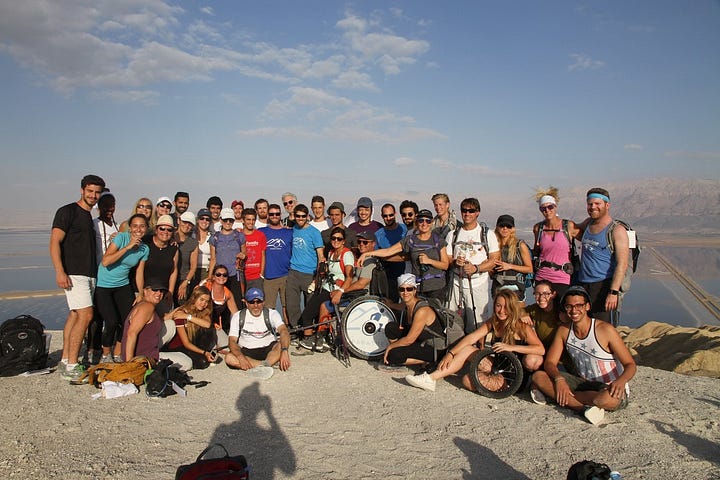
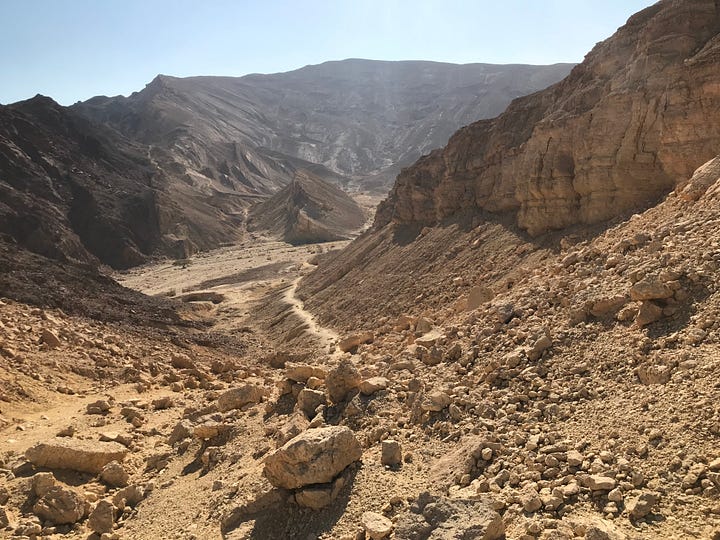
Peter: And every year it’s in a different place. And that first year it was in the desert, in a spectacular spot to go hiking, and they kind of take turns between North and South. North is green and hilly mountains. And South is desert mountains. I love the desert, and it’s just majestic, and you feel so kind of little there. But also part of the greater world. And when the sky’s so big, there’s a reason that all the prophets came out of the desert. And there are points where you stand and you can see Egypt, Jordan, Saudi Arabia, over the Dead Sea.
Melissa: When we last spoke, we talked about the documentary you’re working on, about your physical recovery journey. Where are you in the documentary process?
Peter: I think [the filmmaker] has everything he needs. There’s a little bit more editing he needs to do, and there’s some finalizing. I’m hoping within the next couple months it’s done.
I'm going to decide, is this something that is nice for my family and friends, or is this something that we want to do a little bit more with? But I’ve been very clear—I don’t want it to be “look how amazing Pete is.”
I want it to show that I’m just a regular guy. If you work hard, stay positive—you can improve your situation.
The magic isn’t anything special. It’s here. It’s the work.
Melissa: When we spoke last time you described your life as divided into thirds: one part work—you have to pay the bills—one part training, rehab and working out, and the other part volunteering. I thought this was so fascinating. Is this a structure you’ve found has helped with your healing process, both mentally and physically?
Peter: The physical part—I see that as part of my job now. I’m not expecting to get significantly better, but I don’t want to go backwards. I’m going to be 65 this year, and I want another 15 good years of being able to do what I can do now. That takes work.
The business part—part joy, and part that I still need an income.
And the volunteering—that’s for your soul. It’s what lets you end the day and say, I think I helped someone today.
I always tell people—get involved in something. You always get more out of it than you put in.
Melissa: I love that. For the soul. Soul-work.
Notes from Mel
Peter and I covered a lot of topics on our video call. Our conversation extended beyond what I encompassed above.
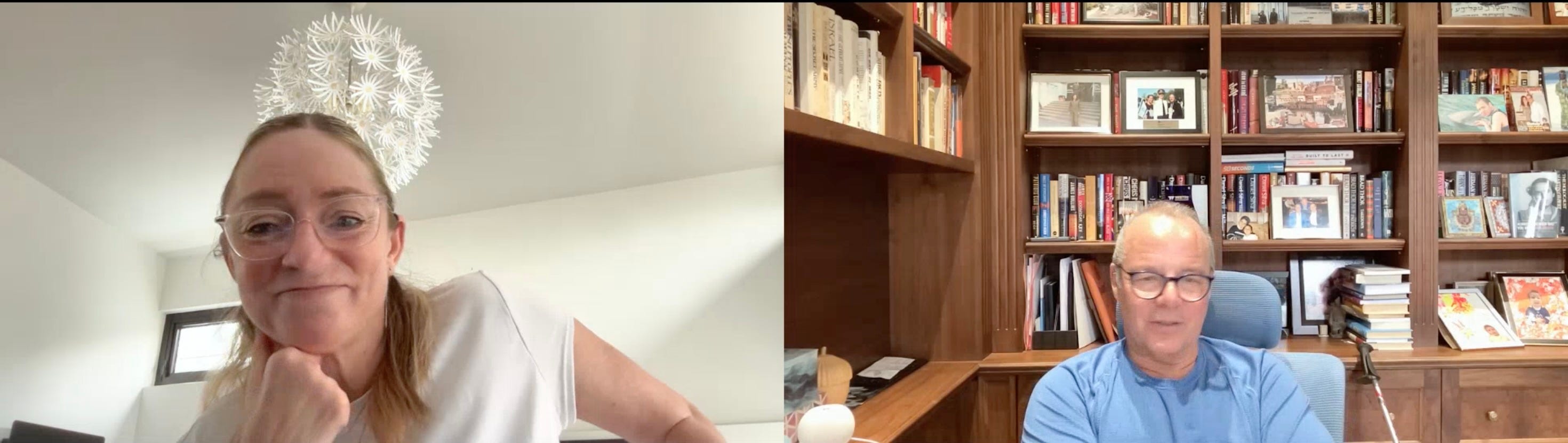
Ten years post-injury, Peter continues to devote hours each day to his physical recovery and maintaining what he’s regained. He cycles with an adapted bike, meets with a personal trainer 4x/week, and attends Physio-logic 2x/week (we share the same, amazing neuro physiotherapist).
Most impressive perhaps is his charity work, volunteerism and fundraising which is extensive in both time and range, and began many years before his injury. To read more about two of the organizations that provide him with “soul-work,” click below.
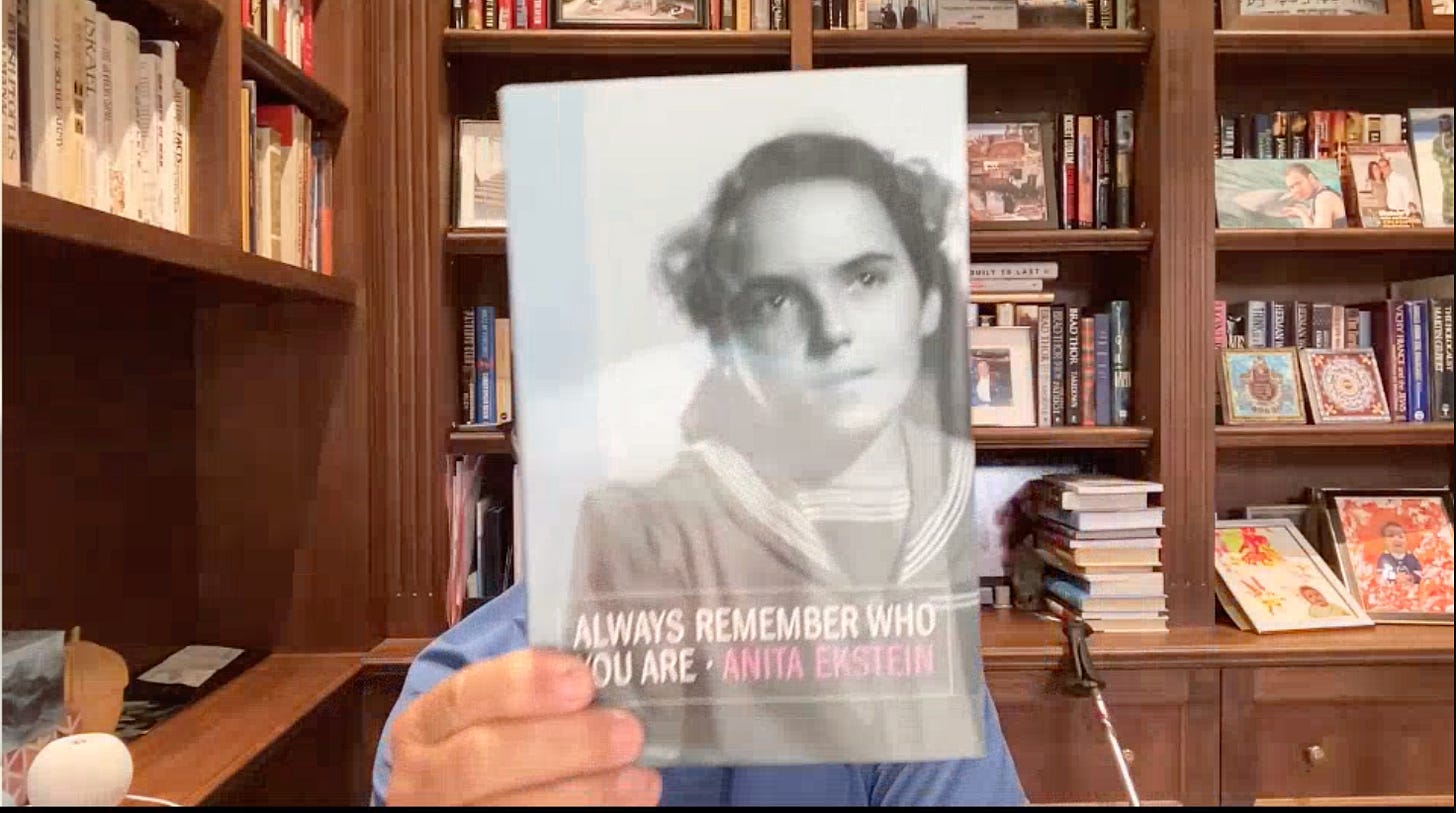
I was delighted to learn that Peter’s mom Anita is also a memoirist. I found her book on Toronto Library’s e-reader app, Libby, via her publisher and on Amazon. Perhaps one day, mine will find its way onto a nearby shelf.
If you’d like to be part of the 🔥 LITTLE FLAMES Contributor Series — or you know someone whose work or life has been shaped by trauma, illness, or disability — I would love to hear from you. You can reach out by leaving a comment, sending a chat message, or contacting me at: melissawilliams204@gmail.com.
Read more about my collaborative interview process here and here.
No posts
Comments
Nothing yet. Say the first thing.
Sign in to join the conversation.