
Several years ago I started Joseph and his Brothers by Thomas Mann. Right from the opening paragraphs, I was stunned by how gripping it was. I thought to myself: “Here we go. I’m in. This is going to be a great ride,” then suddenly—just three pages in—I froze, and it was over.
I put Joseph back on the shelf and walked away. The book had done nothing wrong, but I simply couldn’t go on.
In the book, Mann takes up the Old Testament story of Joseph, who was sold into slavery by his envious brothers. In bondage in Egypt, he quickly impresses his masters with his wisdom and gift of prophecy, and eventually ascends through society to become a viceroy, or second in command to the Pharaoh.
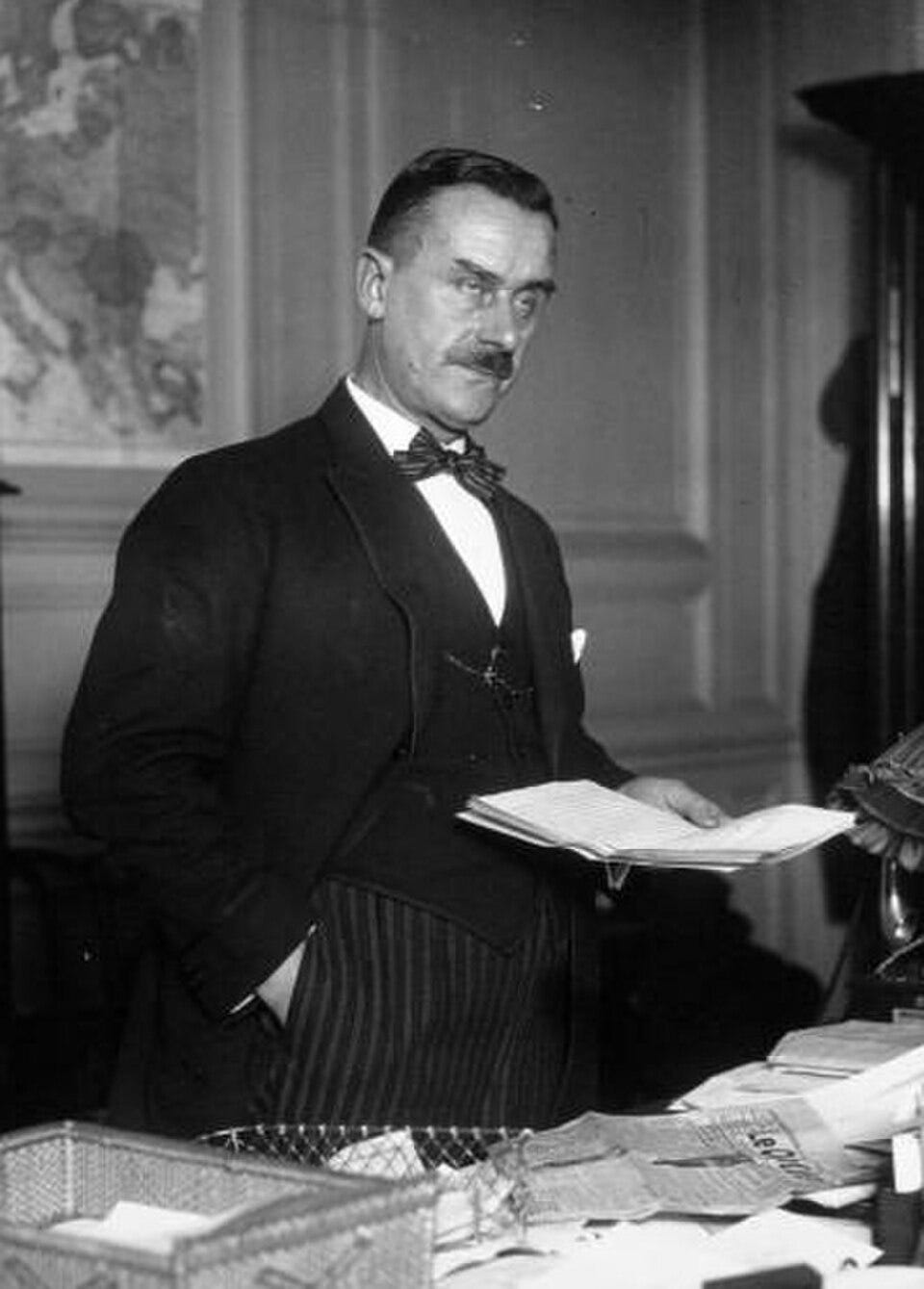
Mann takes this rich material and applies his own genius for character, psychological insight, and epic storytelling, but with an intention to avoid the “archaeological brocade”, as he called it, that is common to historical fiction.
I posted about my conundrum on X and immediately received an avalanche of understanding and encouragement. One person replied, “[Joseph] is like climbing four Magic Mountains.”
Despite the support, I wasn’t happy about quitting Joseph, because the precise reason for doing so was unclear.
I should declare that—in principle—abandoning books doesn’t bother me. I do it all time. As soon as I realize a book is either bad, or not for me, I’m out.
Yet Joseph was not in either category. Not even close.

Delving Deeper.
I can admit there was some resistance to the biblical subject matter; not because of animus toward religion, but because Old Testament stories spring from a literary and theological universe that requires you to “gird your loins” before going in. Trudging through Leviticus isn’t like cracking open a John le Carré novel at the airport.
There was also the imposing figure of Mann himself. I long ago clubbed him with the other intimidating German-language writers: Thomas Bernhard, Uwe Johnson, Goethe, Günter Grass, and Robert Musil, all of whom had given me trouble at one time or another.
But somehow I thought I’d cracked the code on Mann by finally finishing, and thoroughly enjoying The Magic Mountain after several failed attempts. But books are like children, and any attempt to attribute one set of characteristics to another is bound to blow up in your face.
Unfinished, Par Excellence.
One of my greatest reading experiences, ironically enough, was also a book I didn’t finish. One year I tackled Robert Musil’s magnum opus The Man Without Qualities. I read all 725 pages of his . . . wait for it. . . first volume.
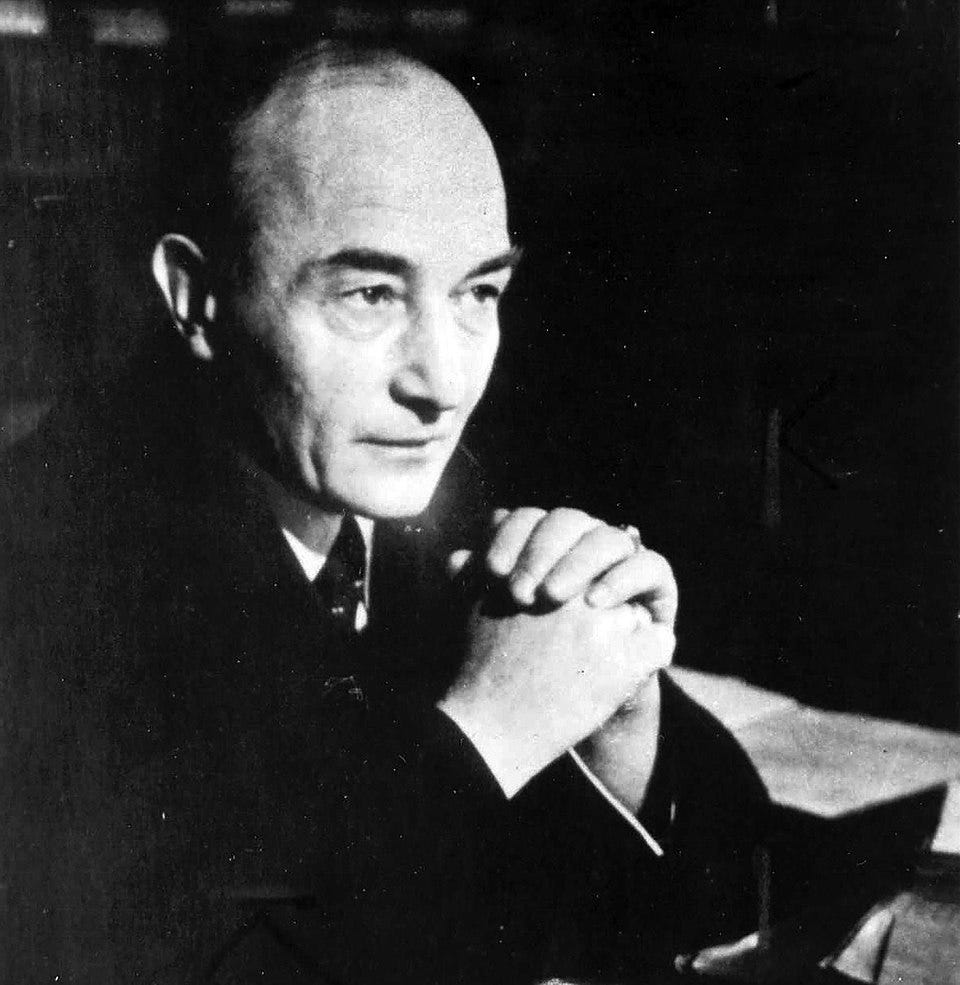
I shouldn’t feel bad, however, for Musil died before he could finish The Man Without Qualities making it, rather appropriately in this case, an unfinished masterpiece.
Musil did manage to pen 1,700 more pages before the worst happened, conveniently collected after his death in a second volume, which remains lonely and untouched on my shelf next to its well-thumbed companion.
If you’re inclined to think badly of me as someone who dawdles with Mann and abandons Musil, I can’t blame you. I often wonder myself: “Am I a good reader? Do I read enough, and as widely as I should?”
In the end, when it comes to reading, there are no finalities, just pauses. Books remain waiting, ready to reveal everything, impartial to our false starts, and stoic in the face of our feigned excuses.
If you’d like to support this work, consider becoming a paid subscriber.
Robert Fay is a U.S.-based writer who has written for The Atlantic, The Los Angeles Review of Books, First Things, The Chicago Quarterly Review, and other publications. He is also the creator and host of the Literature & Geopolitics podcast.
No posts
Comments
Nothing yet. Say the first thing.
Sign in to join the conversation.