
June 15-July 1, 2026
Hello, hello, and welcome back!
It’s hard to believe it’s been 109 weeks since we sold our house in Austin, Texas to travel full time in an AEONrv we’ve named Henry — but there you have it.
We spent these weeks at Cascade-Siskiyou National Monument (CSNM) in Southern Oregon as I continued my artist residency and it’s been busy busy! (Catch up on Part 1 of my residency here.)
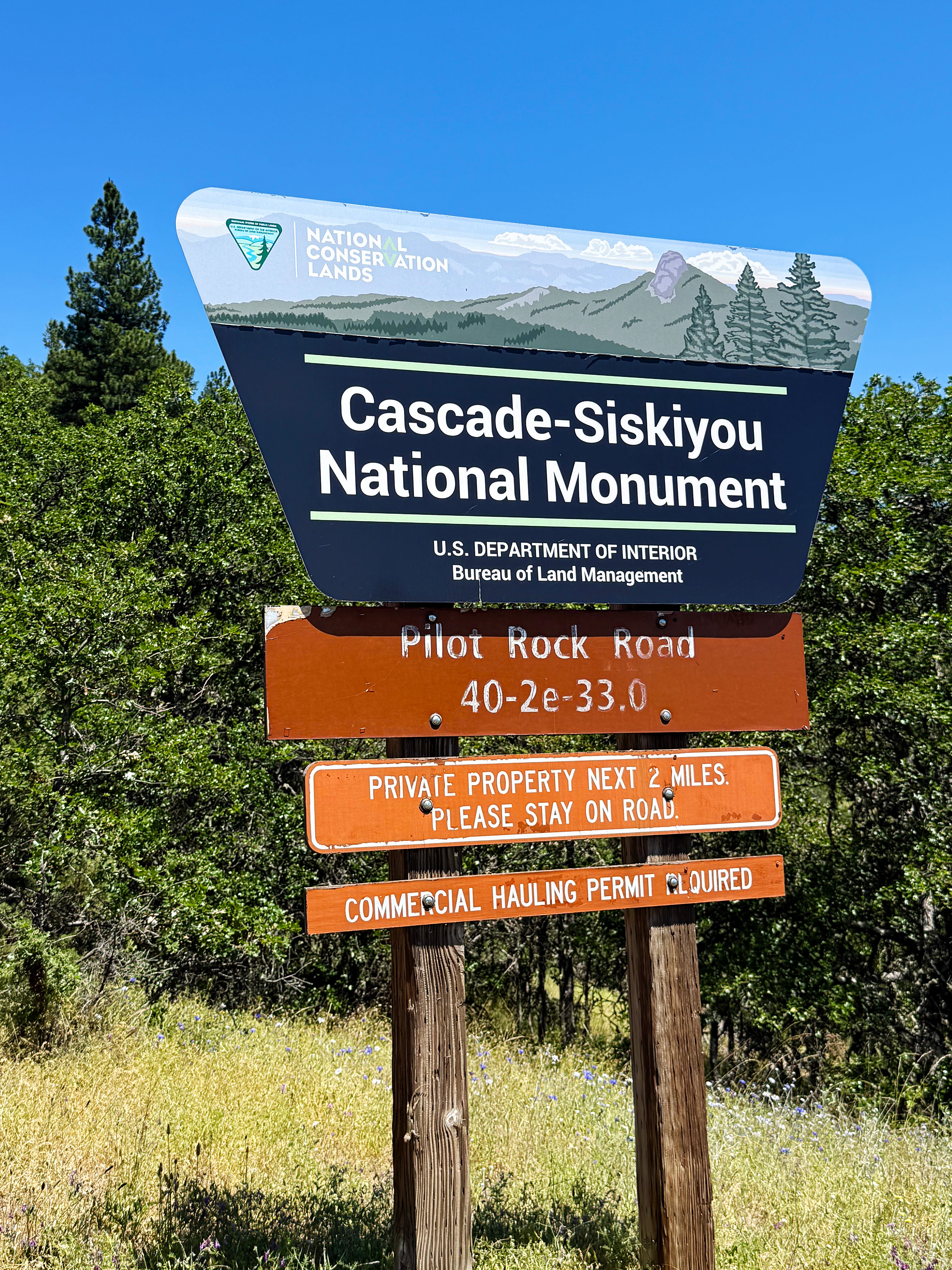
This is a camping residency and we’ve really been enjoying our time at Hyatt Lake Campground in the Monument. We have use of a travel trailer that I turned into an art studio. It’s so nice having space to spread my art supplies out and not have to put them all back where they belong every night — one of the constants of vanlife is that you have to put everything back in its place as soon as you’re done using it.
We’ve been taking a quick 5 minute walk down to the dock to watch the sunset almost every evening — here are a few favorites:
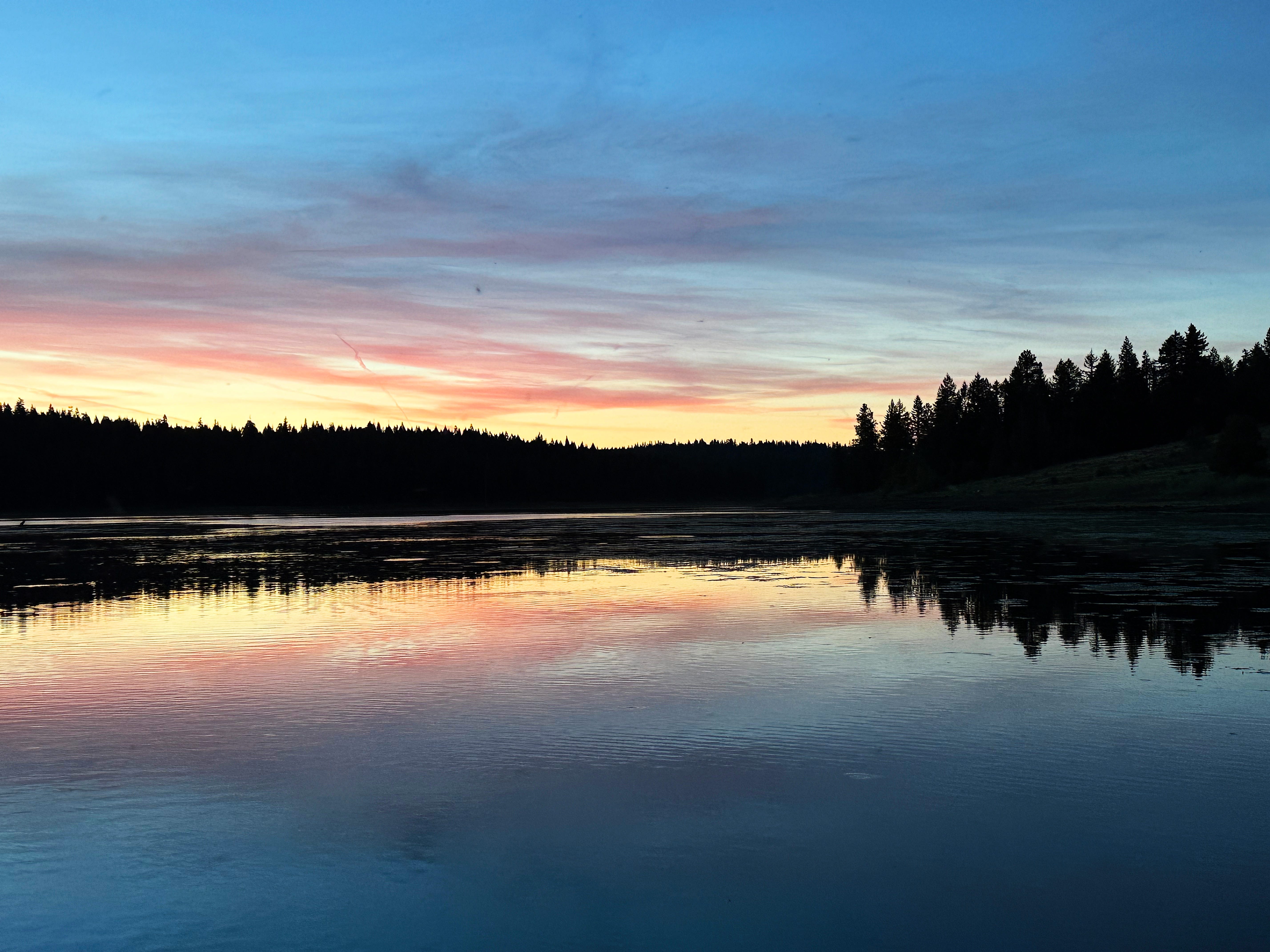
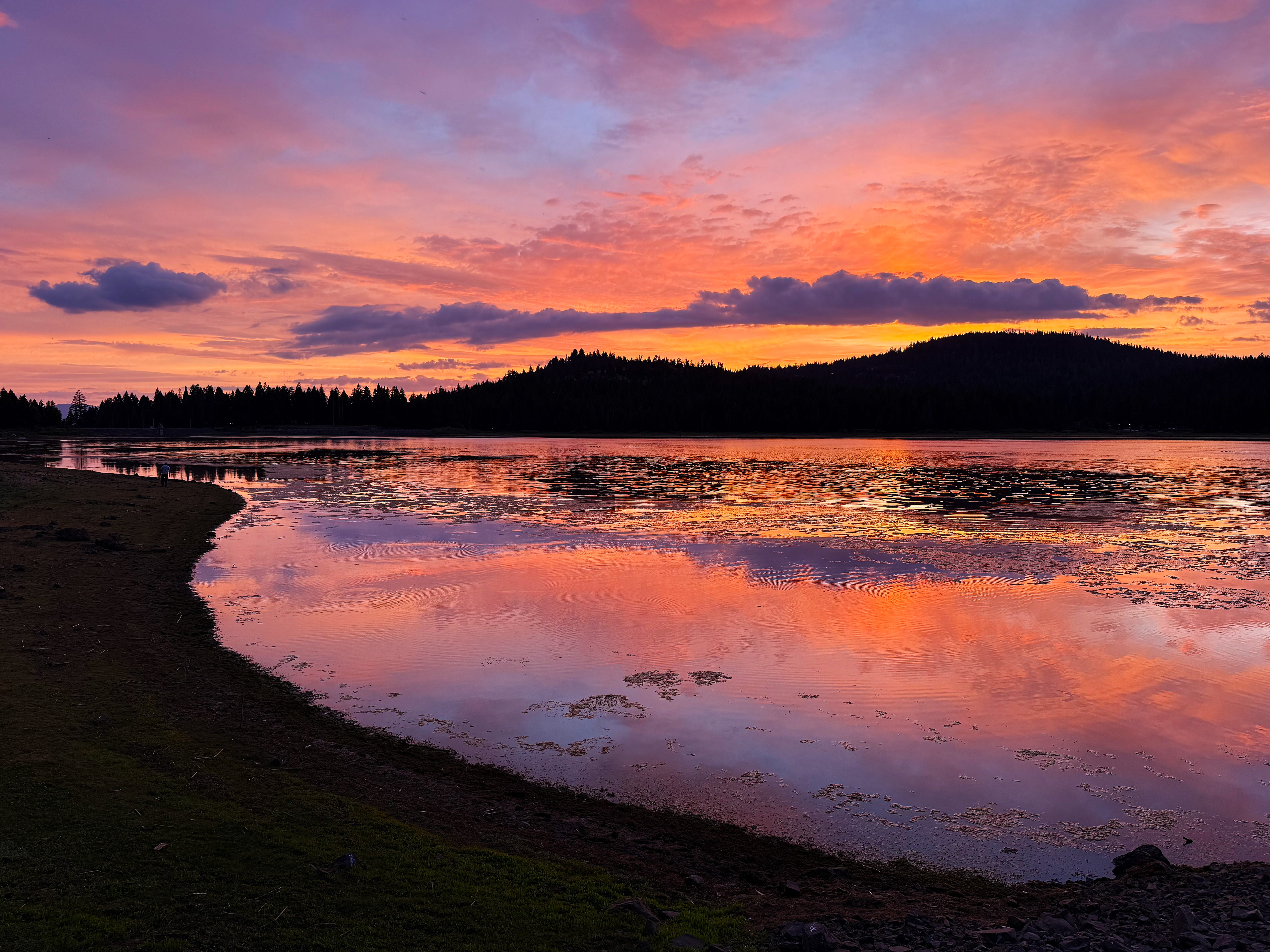
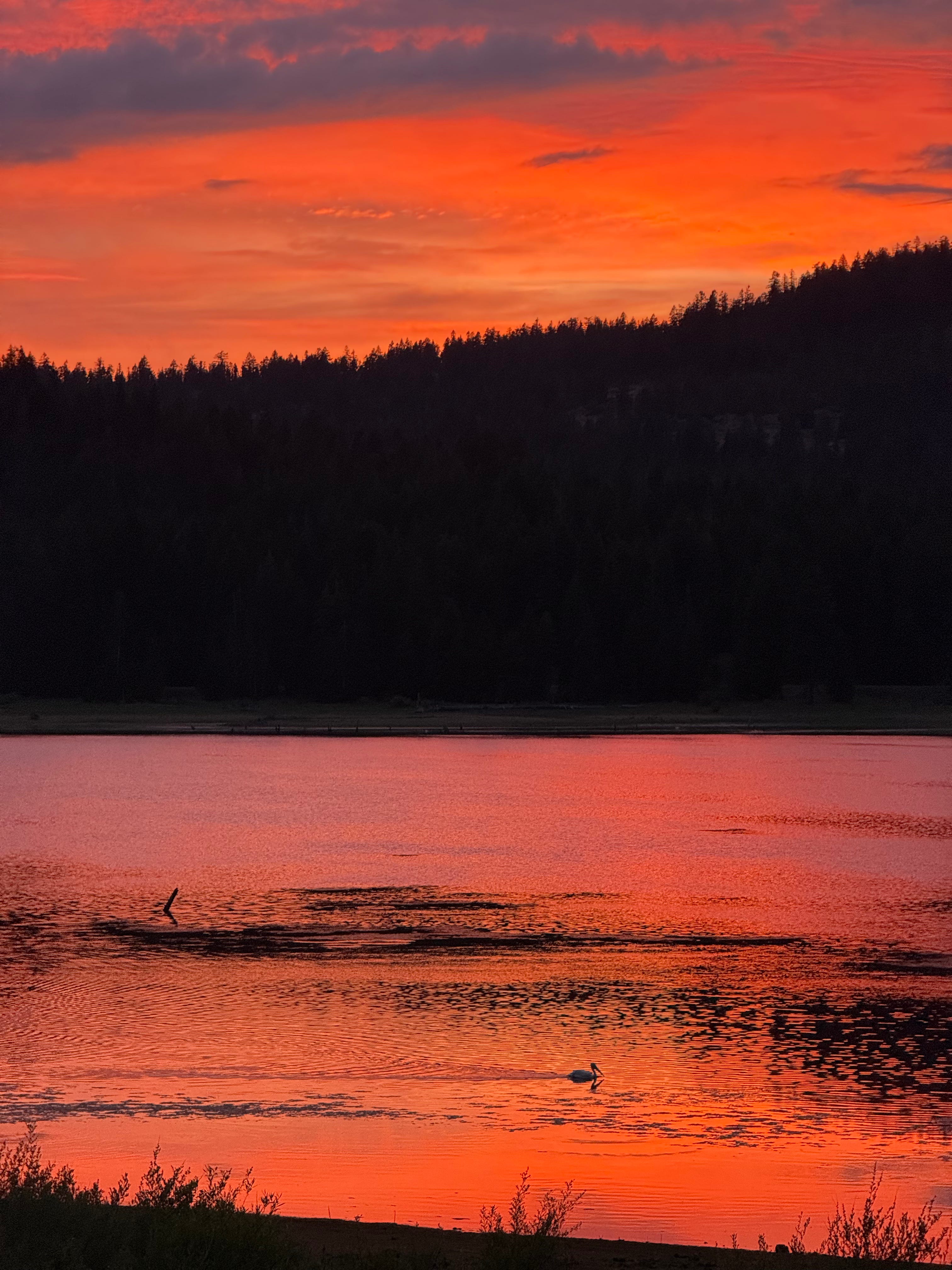
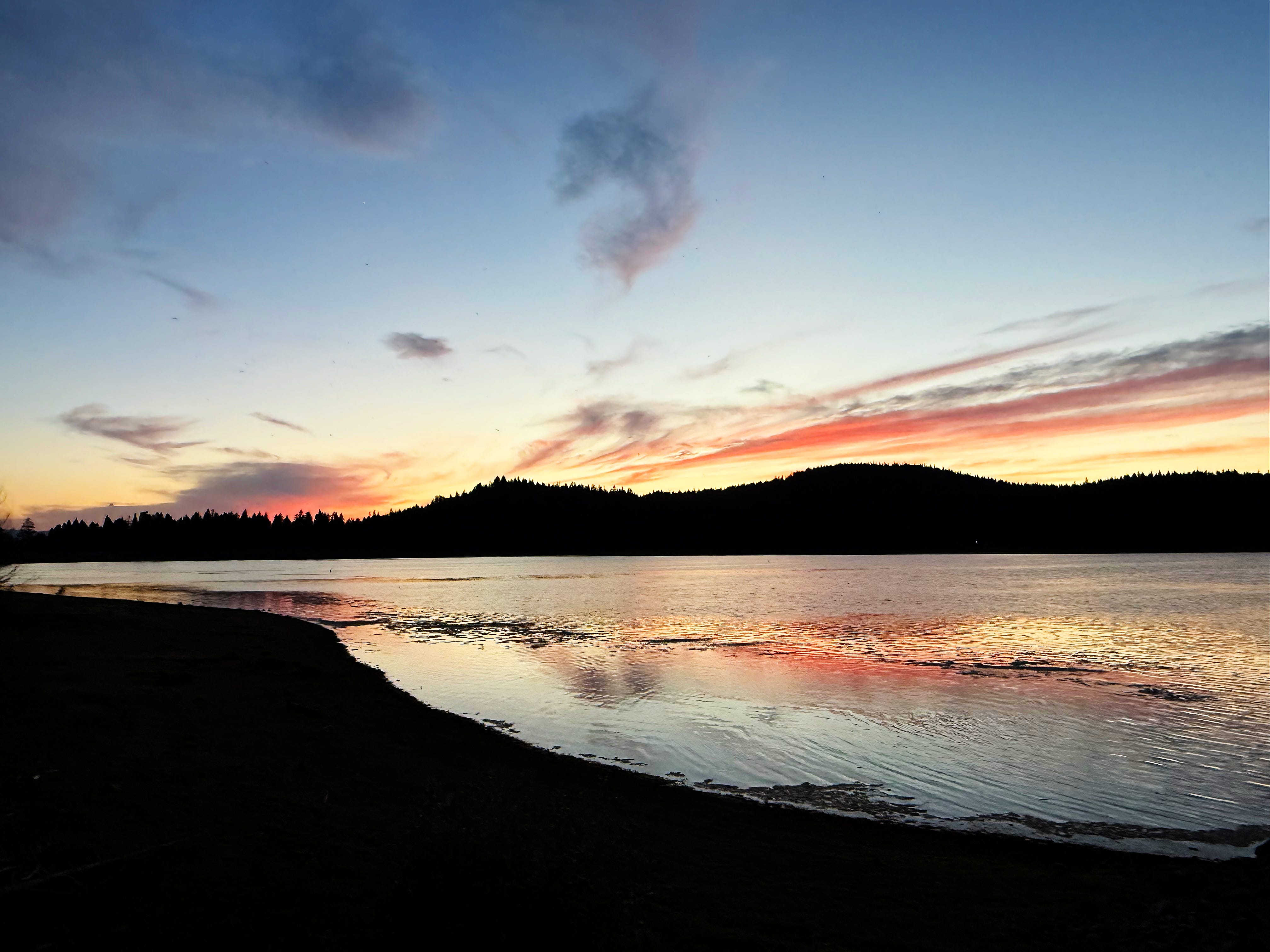
It’s been interesting how some sunsets are spectacular and others are kind of a dud. It’s also been cool watching the sun set later and later before the solstice, and now it’s swinging back the other way.
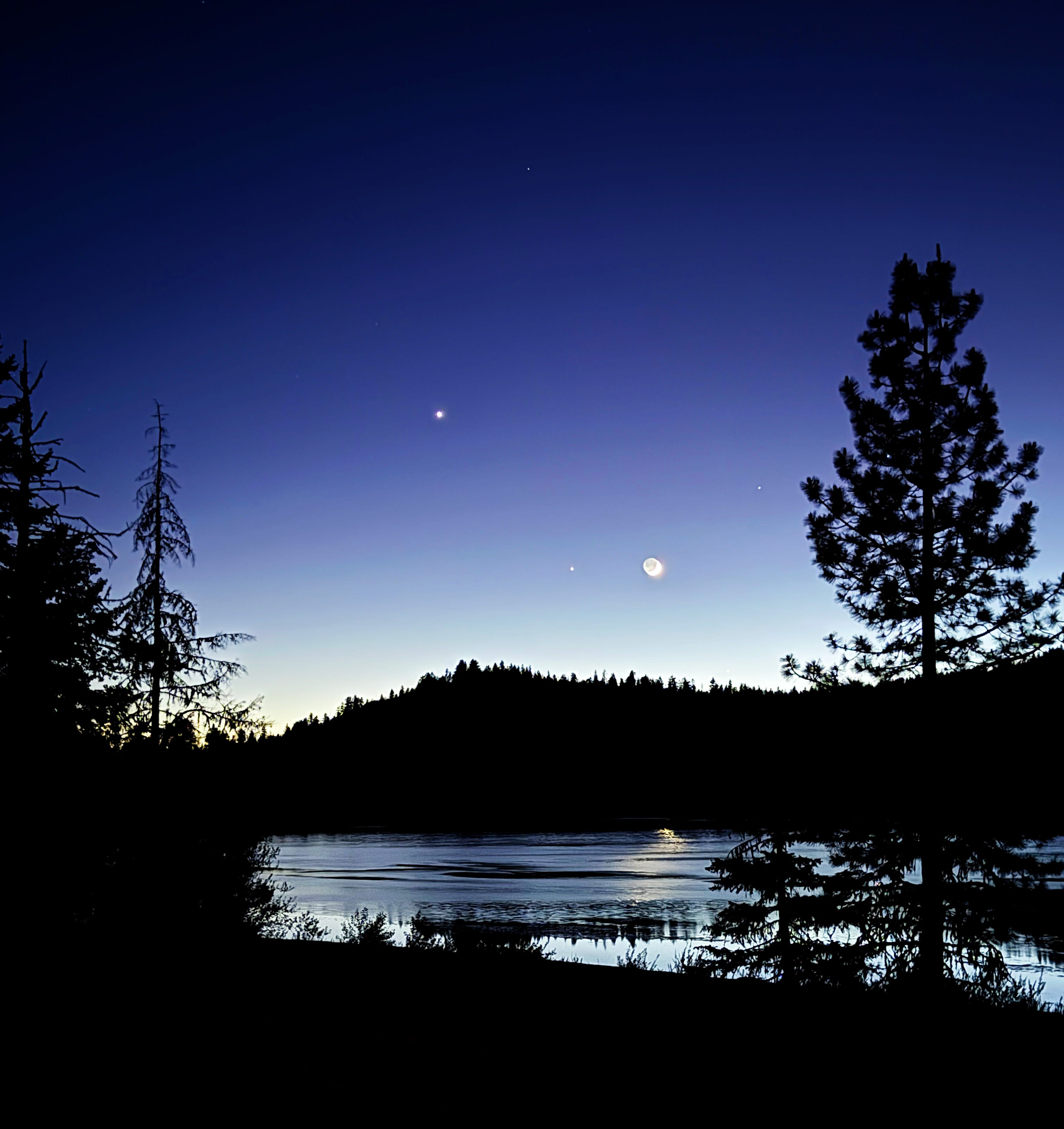
We also got to watch Venus and Jupiter dance across the sky as they reached conjunction. Here’s a photo right from our campsite, shining like jewels:
We ran into Aaron Teets, the Ecologist for Cascade-Siskiyou National Monument, in the campground and he told us that there were Phantom Orchids blooming! So we HAD to go try to find them.
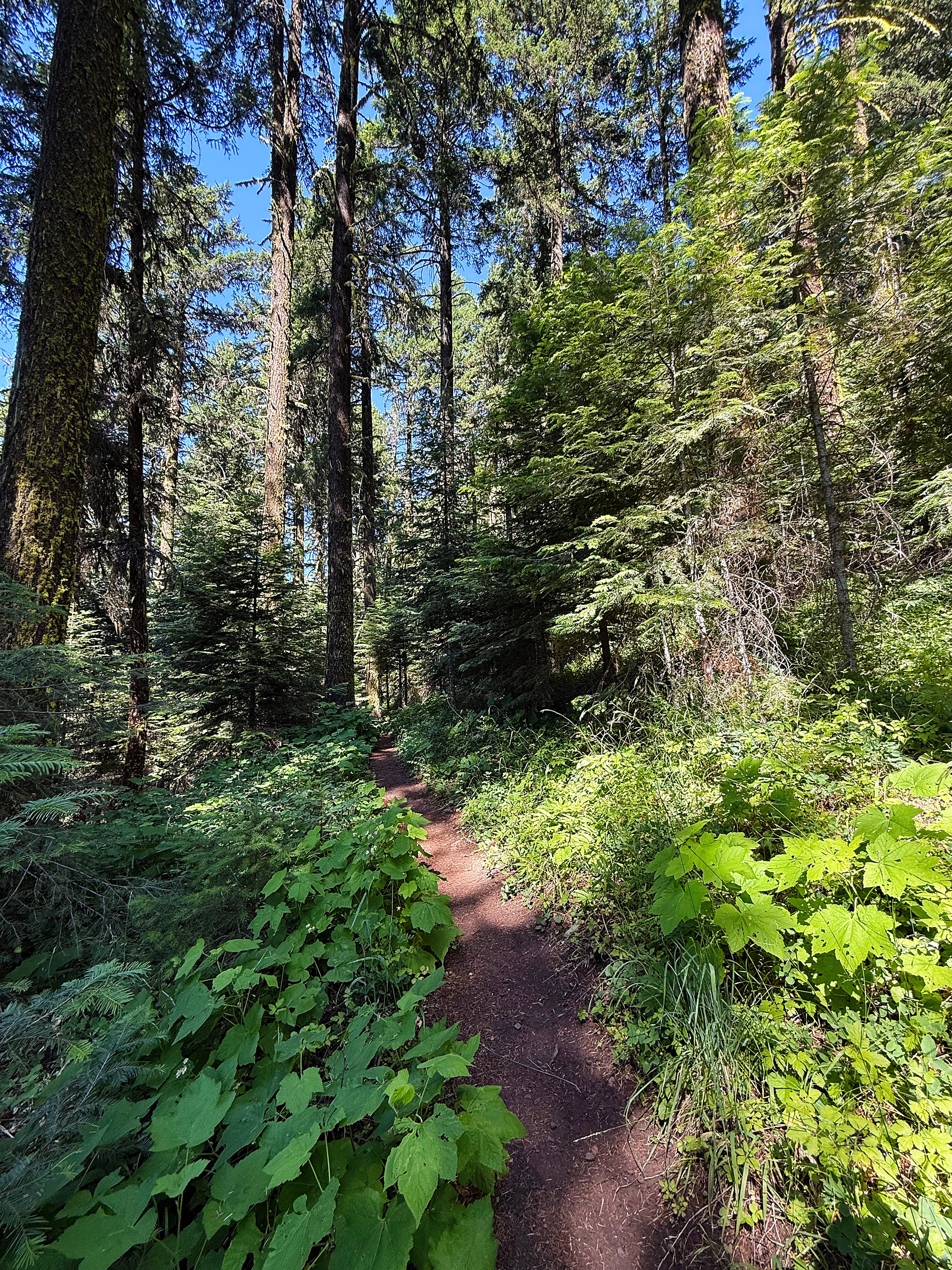
We got to see, not one, not two, but THREE new-to-us orchids on the Green Springs Mountain Loop Trail! Part of the loop follows the Pacific Crest Trail (PCT) so we were excited to hike a little more of it at the same time.
I used a black gatorboard so that I could take photos of them for later painting — an idea I got from Marshall Enquist’s book Wildflowers of the Texas Hill Country (one of my favorite books when we lived in Austin). It’s also the thing to do when you’re photographing rare plants or in protected place like a park or monument.
Our first orchid sighting was a Spotted Coralroot, Corallorhiza maculata:
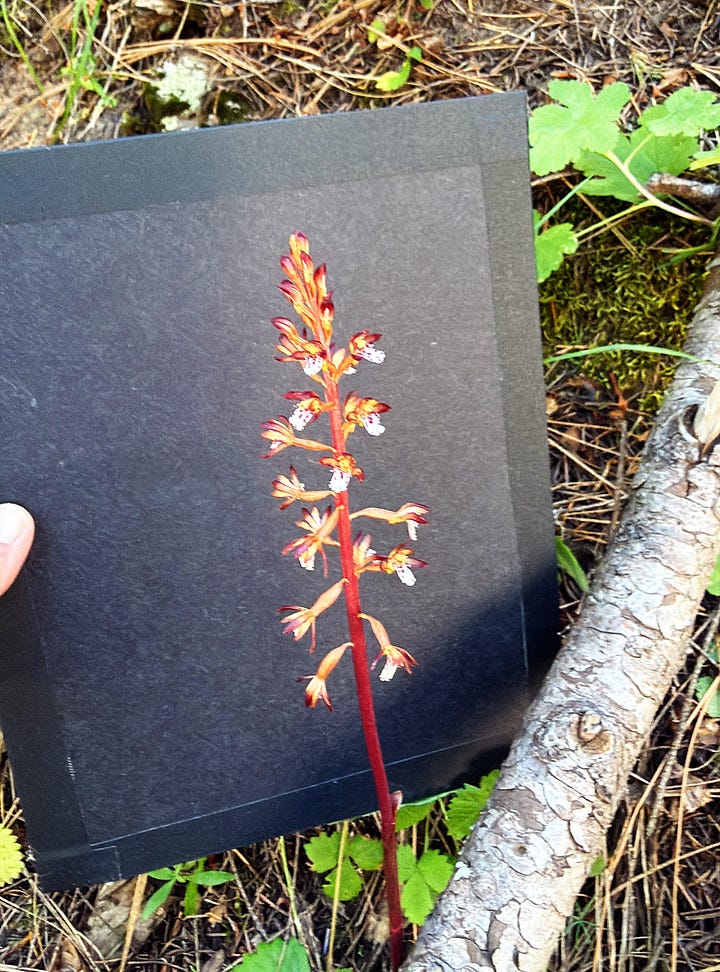
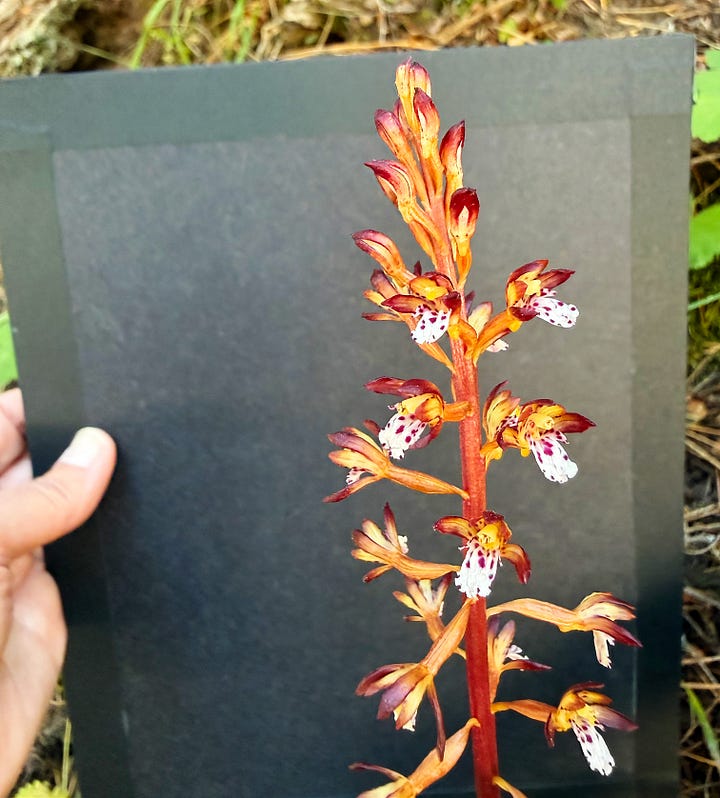
Corallorhiza maculata is a myco-heterotroph; it lacks chlorophyll and obtains energy by parasitizing the mycelium of fungi in the family Russulaceae.[7] The rhizome and lower stem are often knotted into branched coral shapes. The stem is usually red or brown in color, but occasionally comes in a light yellow or cream color. There are no leaves and no photosynthetic green tissues. The stems bear dark red scales and intricate orchid flowers.
The flowers are so intricate! Just amazing.
Next up was Alaskan Rein orchid, Platanthera unalascensis. These orchids lit up the forest with an eye-popping neon green, and are the only one of the trio to have leaves and chlorophyll:
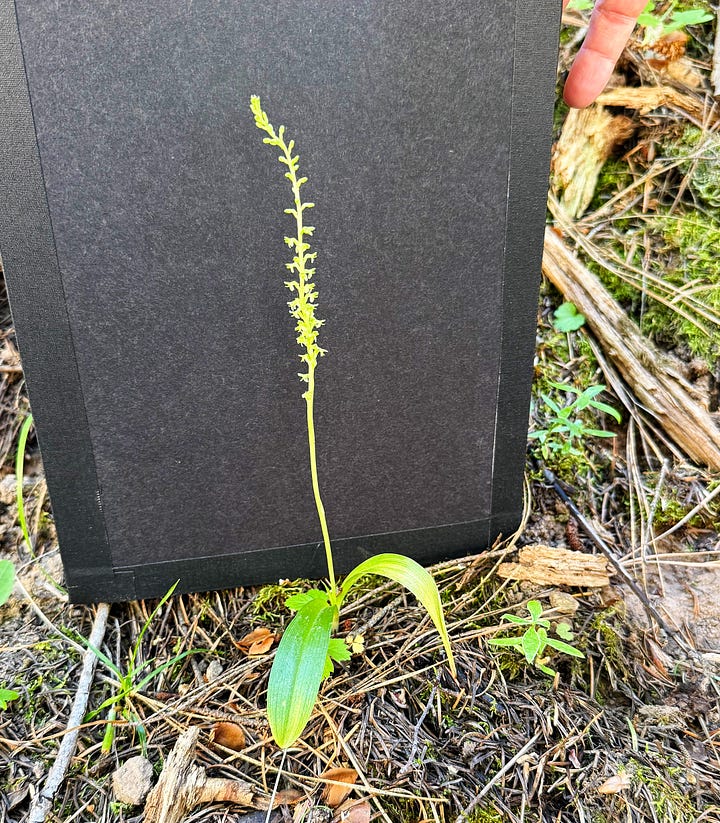
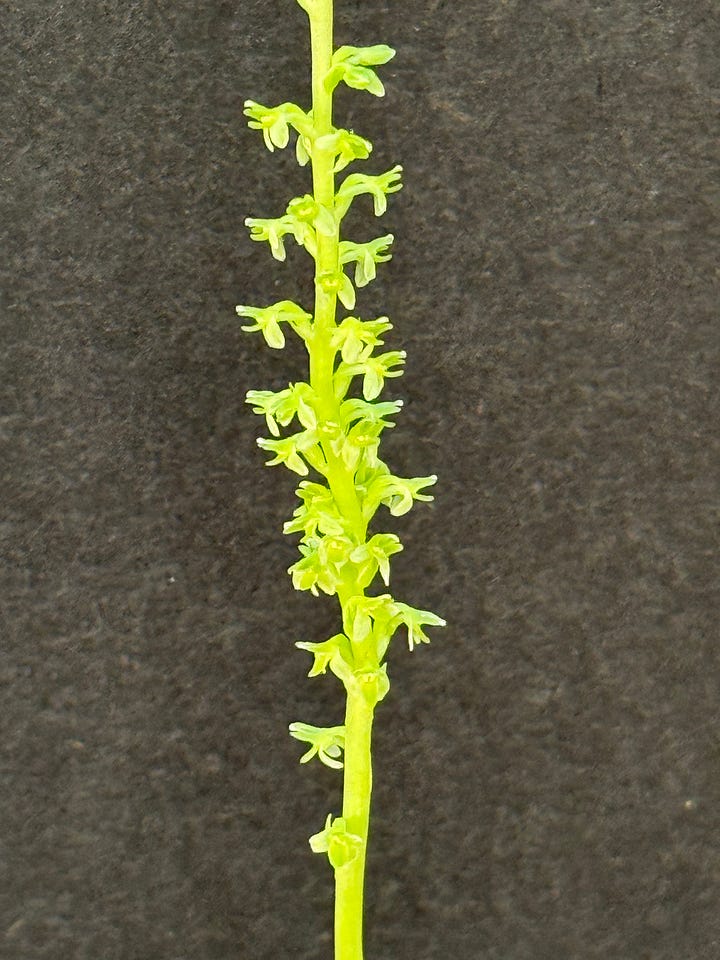
Those big leaves reminded me of a moth orchid (Phalaenopsis) that I used to have as a houseplant.
Last but not least was the object of our quest: the Phantom Orchid, Cephalanthera austiniae. This is another mycoheterotrophic orchid that derives both its energy and nutrients from ectomycorrhizal fungi representing a variety of taxa within the Thelephoraceae. (Source: Wikipedia)
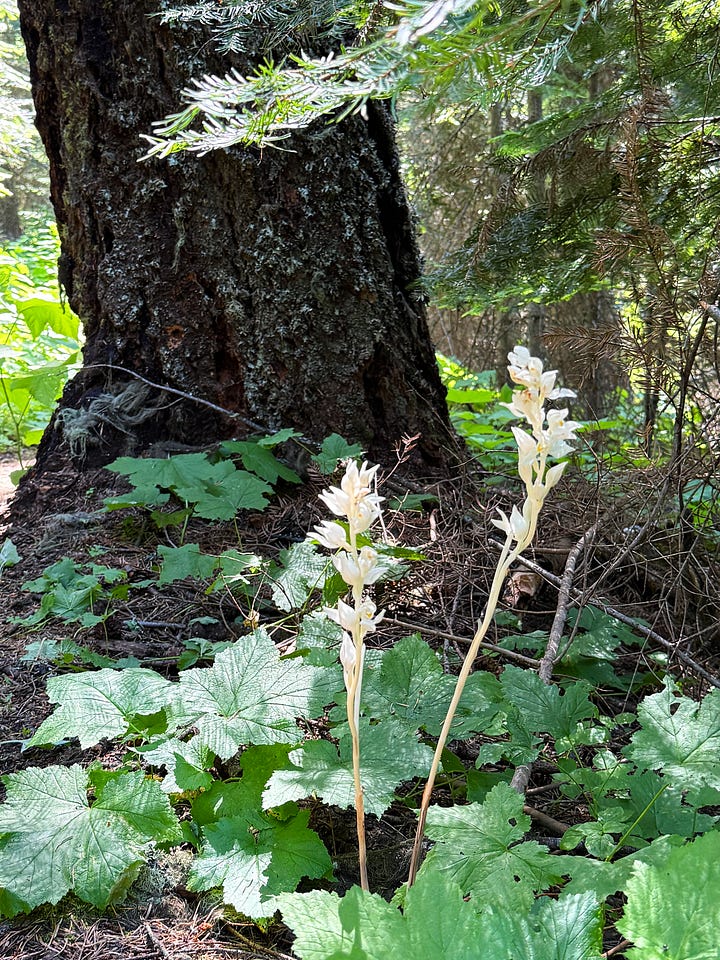
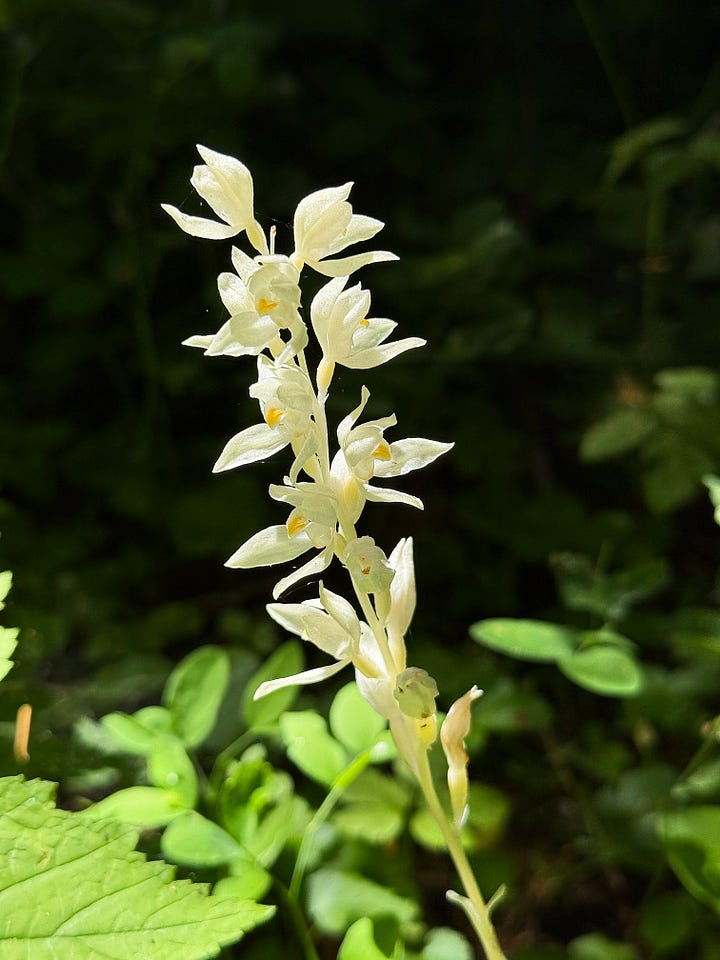
These orchids seemed to light up the forest! Just so amazing. On a sad note, according to Wikipedia, “the plant is becoming more scarce as its habitat—dense, isolated forest—becomes more rare. Climate change models forecast decline and possible extinction of this species by the year 2100.”
We felt really lucky that we got to see all three species of orchids — and I can’t wait to try and paint them.
As we finished the loop we had awesome views of Pilot Rock — which was cool since that’s where we were headed next:
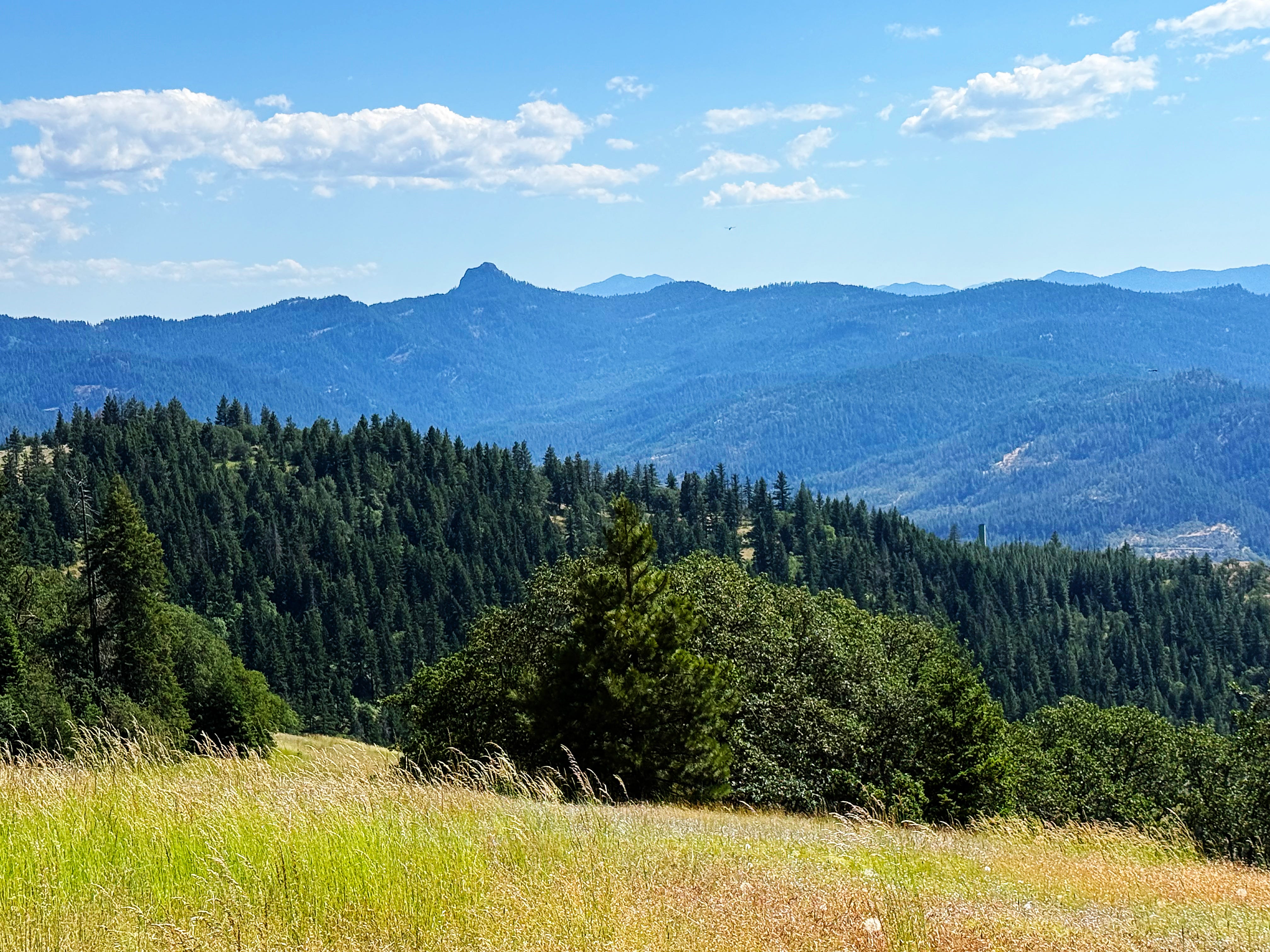
You may remember that we almost made it to the top of Pilot Rock — catch up on that adventure here. Hopefully someday we can go with experienced climbers. Until then, I’ll just look at it wistfully from ground level, ha!
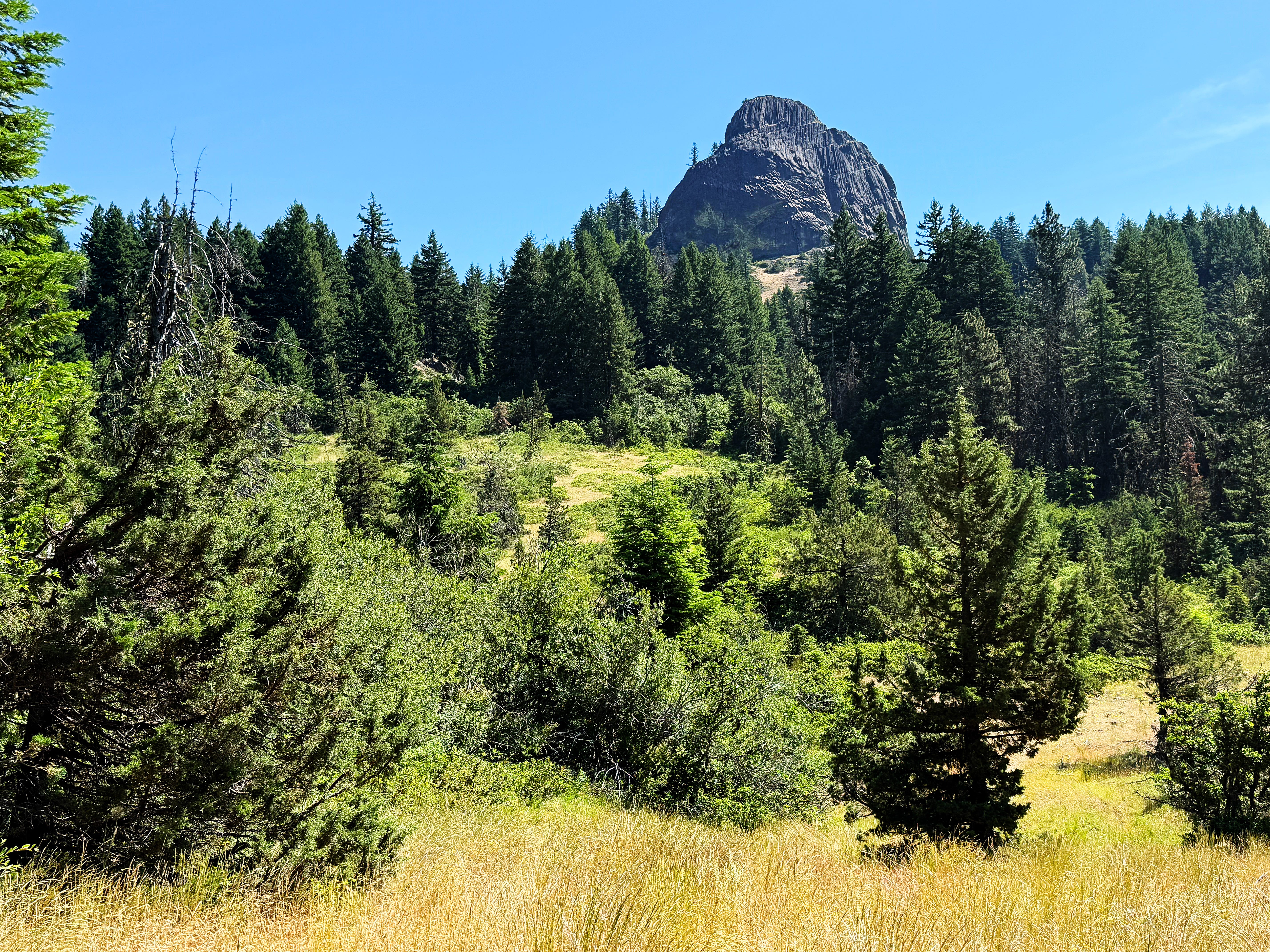
So why head back there again? To check on the Greene’s Mariposa lilies!
During the public outreach program for my artist residency and the kickoff of Project MARIPOSA (Monument Assessment of Rare and Invasive Plant Occupancy in Sensitive Areas), we got to see Greene’s Mariposa Lilies (Calochortus greenei) — but they weren’t blooming yet.
According to Nature Serve, Greene’s Mariposa lily is listed as G3, which means it is at a moderate risk of extinction or elimination
Endemic to the Siskiyou Mountains of southwestern Oregon and northern California. Known from approximately 80 sites and approximately over 31,000 plants. The main threats include grazing, non-native invasives and perhaps collecting and ORV's. There are some protected sites in Oregon.
We just HAD to go back and see if they were blooming so that I could paint them.
The colony that the BLM rangers showed us still weren’t blooming, but we spotted a lone rebel blooming not too far away! I was so excited! Since we camped nearby we were able to hike out and check on it every day for four days.
I took a zillion photos and did some field sketching.
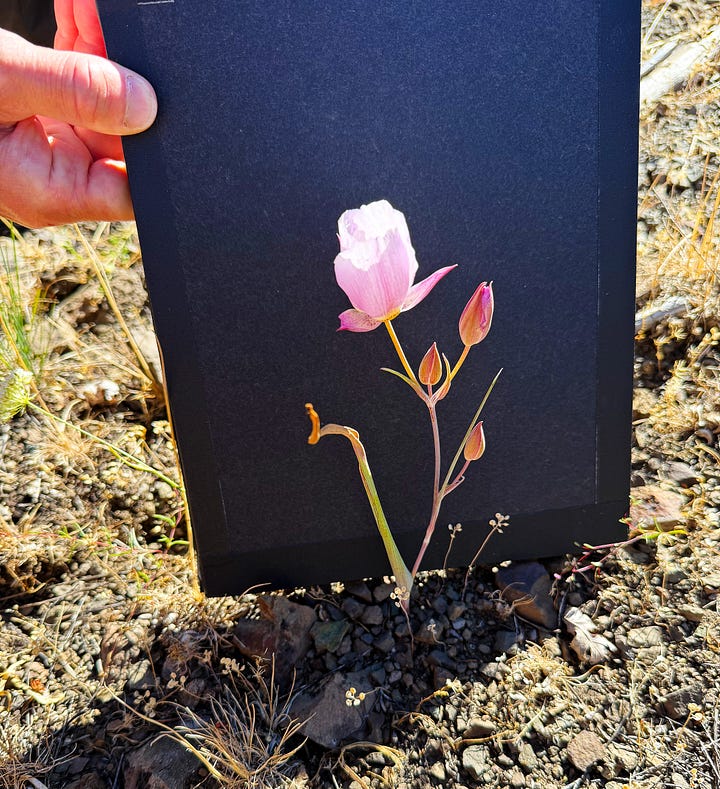
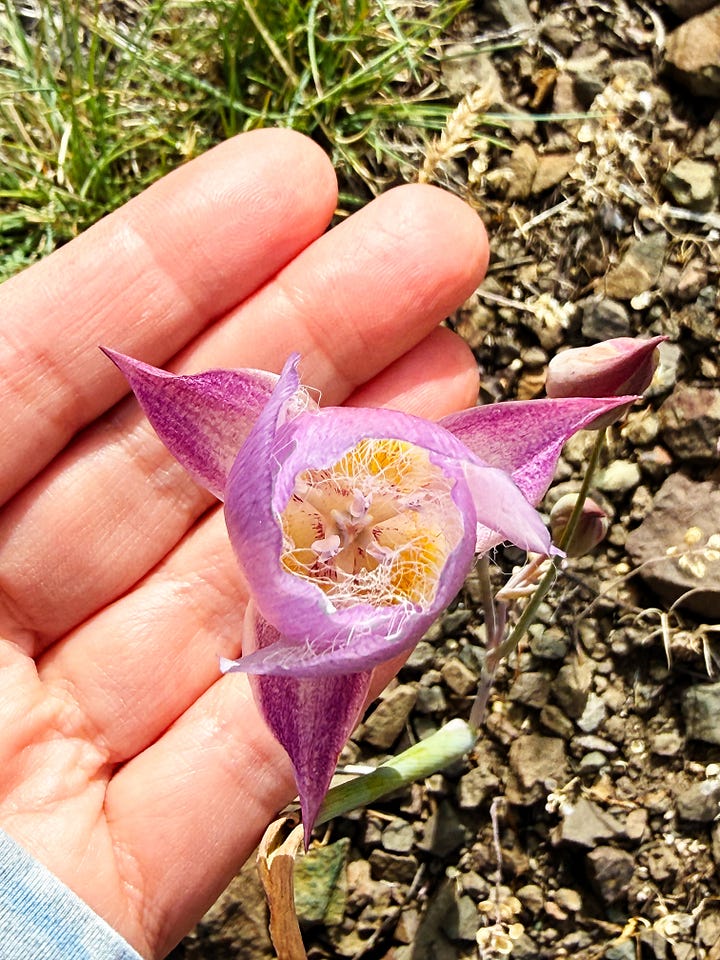
These are going to be super hard to watercolor since they have lots of tiny hairs inside — I might have to break out the white gouache. Stay tuned!
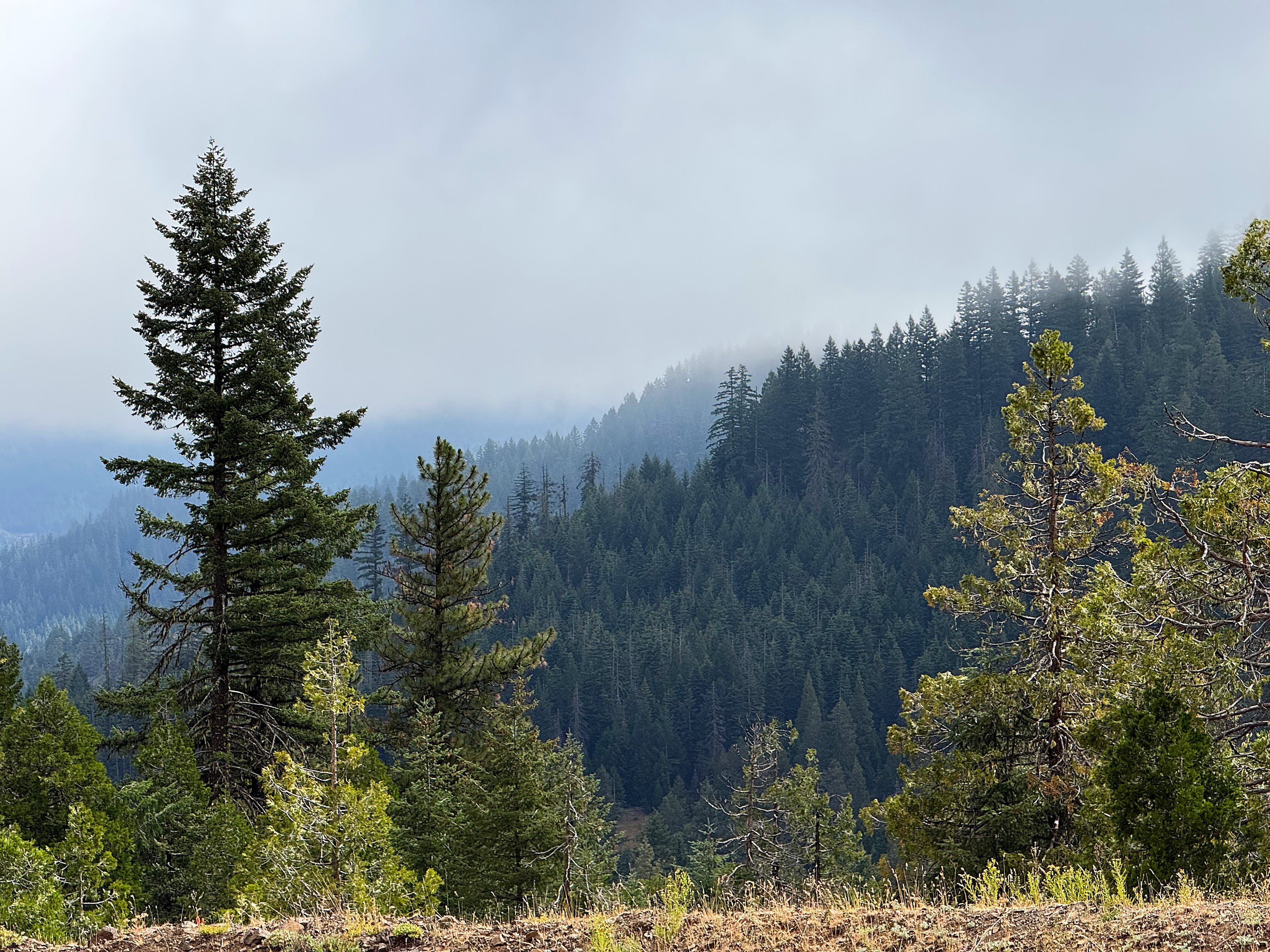
When we went to check on the mariposa lilies each day we just had to hike a little further to see Mount Shasta. It’s not that far away as the raven flies in California.
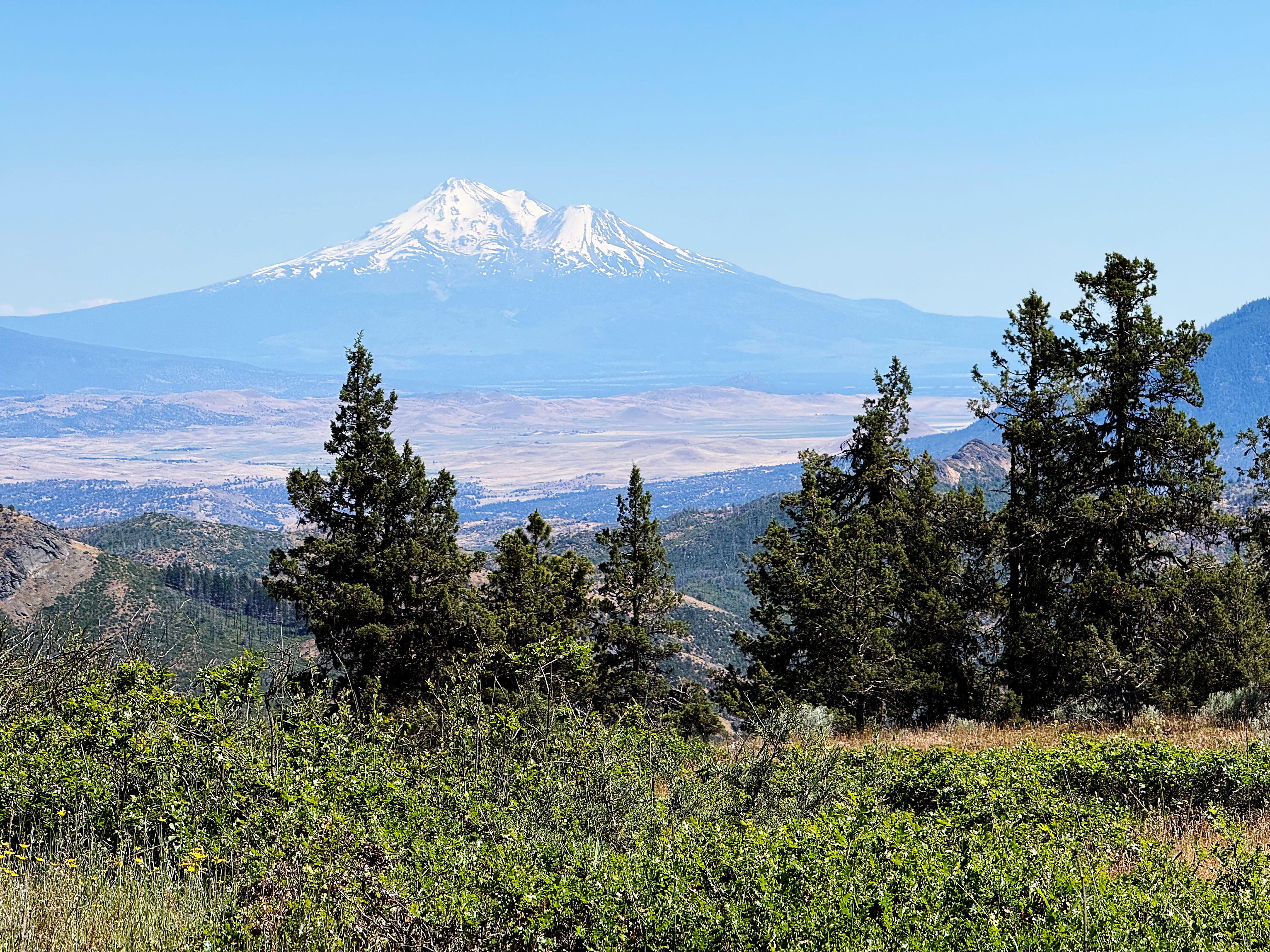
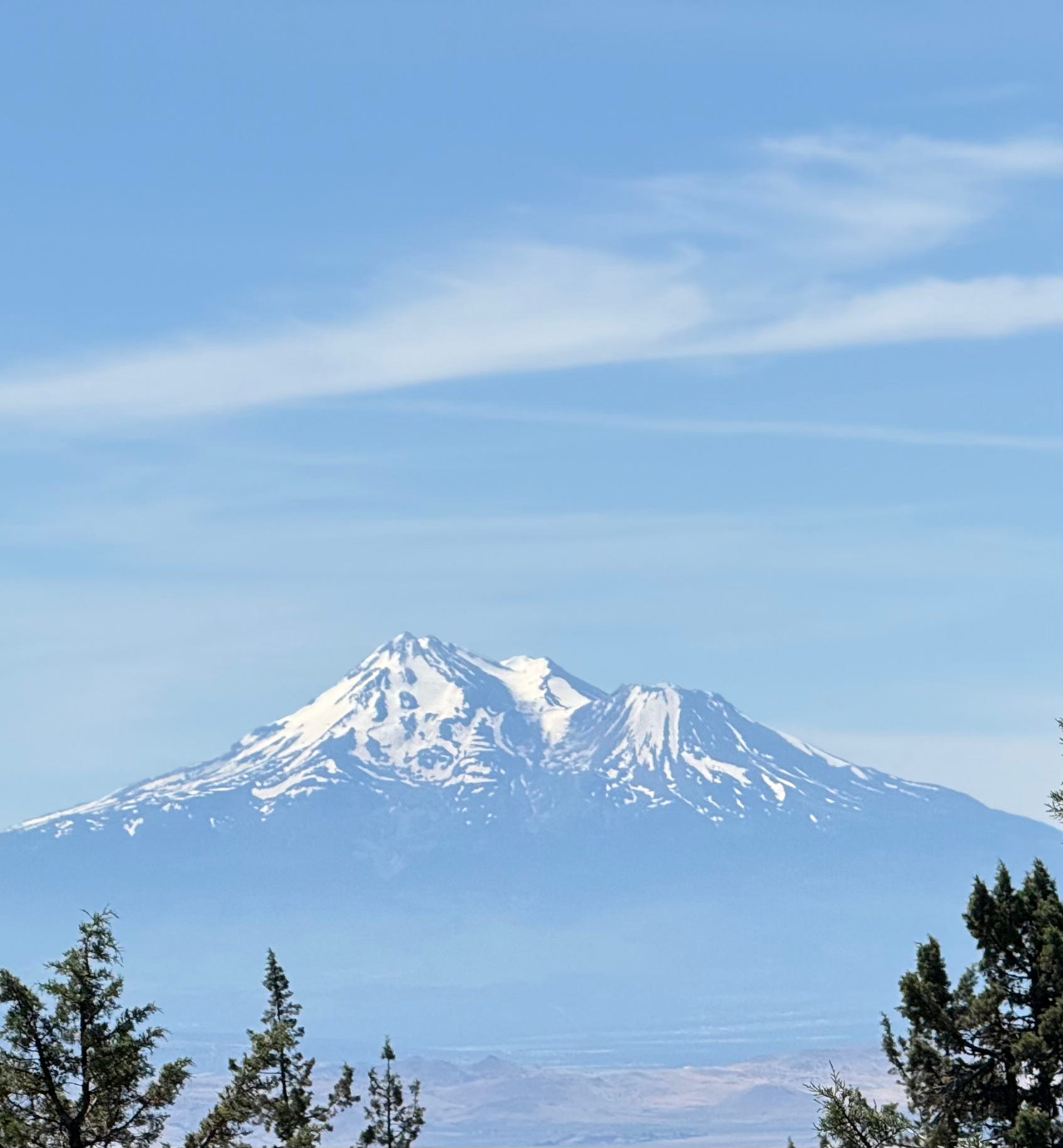
I told Jason that if Cascade-Siskiyou were a National Park this view would be swarming with people — I felt so lucky to have it all to ourselves.
One morning we woke up to temperatures in the low 40s and fog — it really felt like we were in the Pacific Northwest! Everything smelled so good.
I went for a walk and took a zillion photos before breakfast — here are just a few favorites:
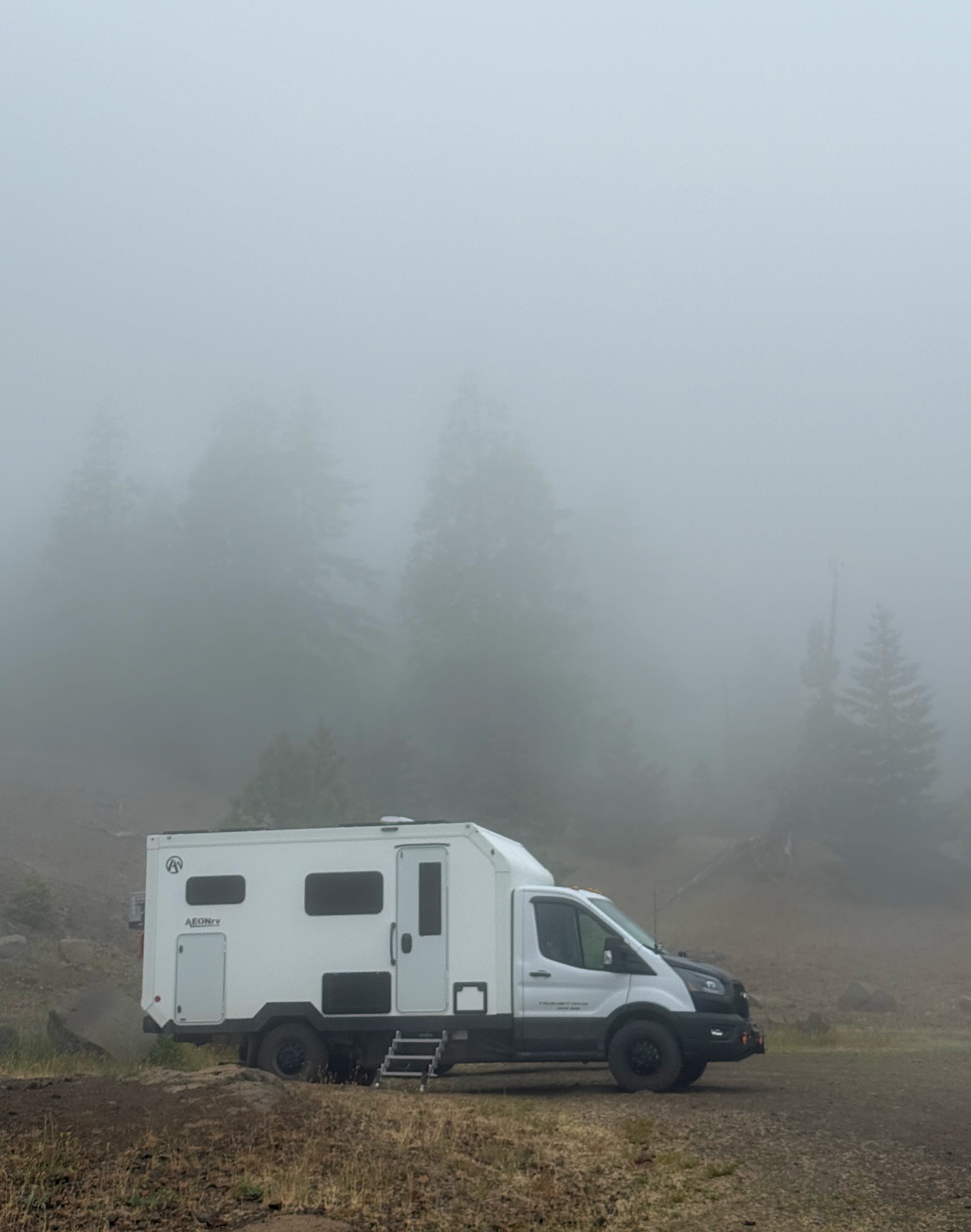
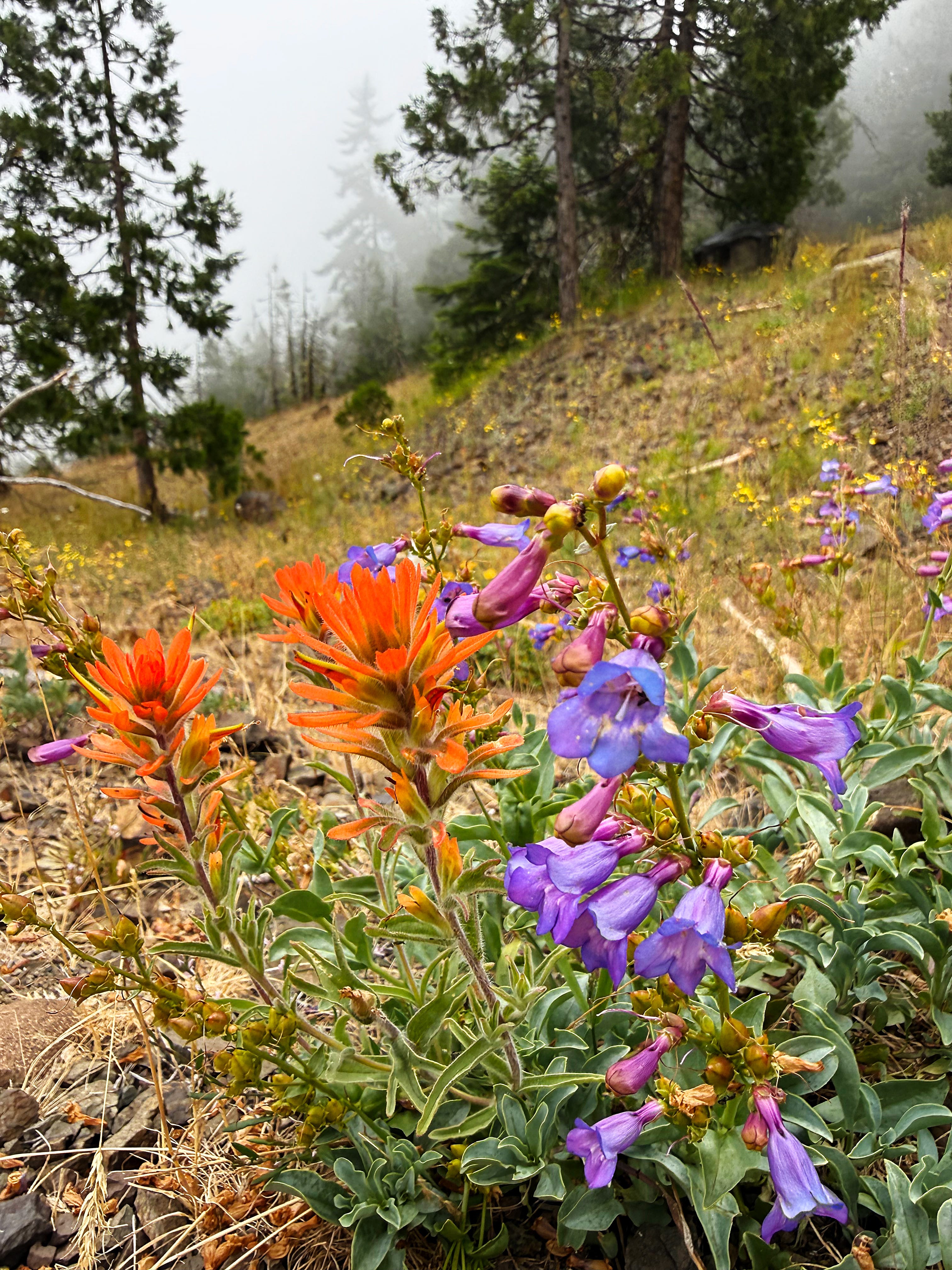
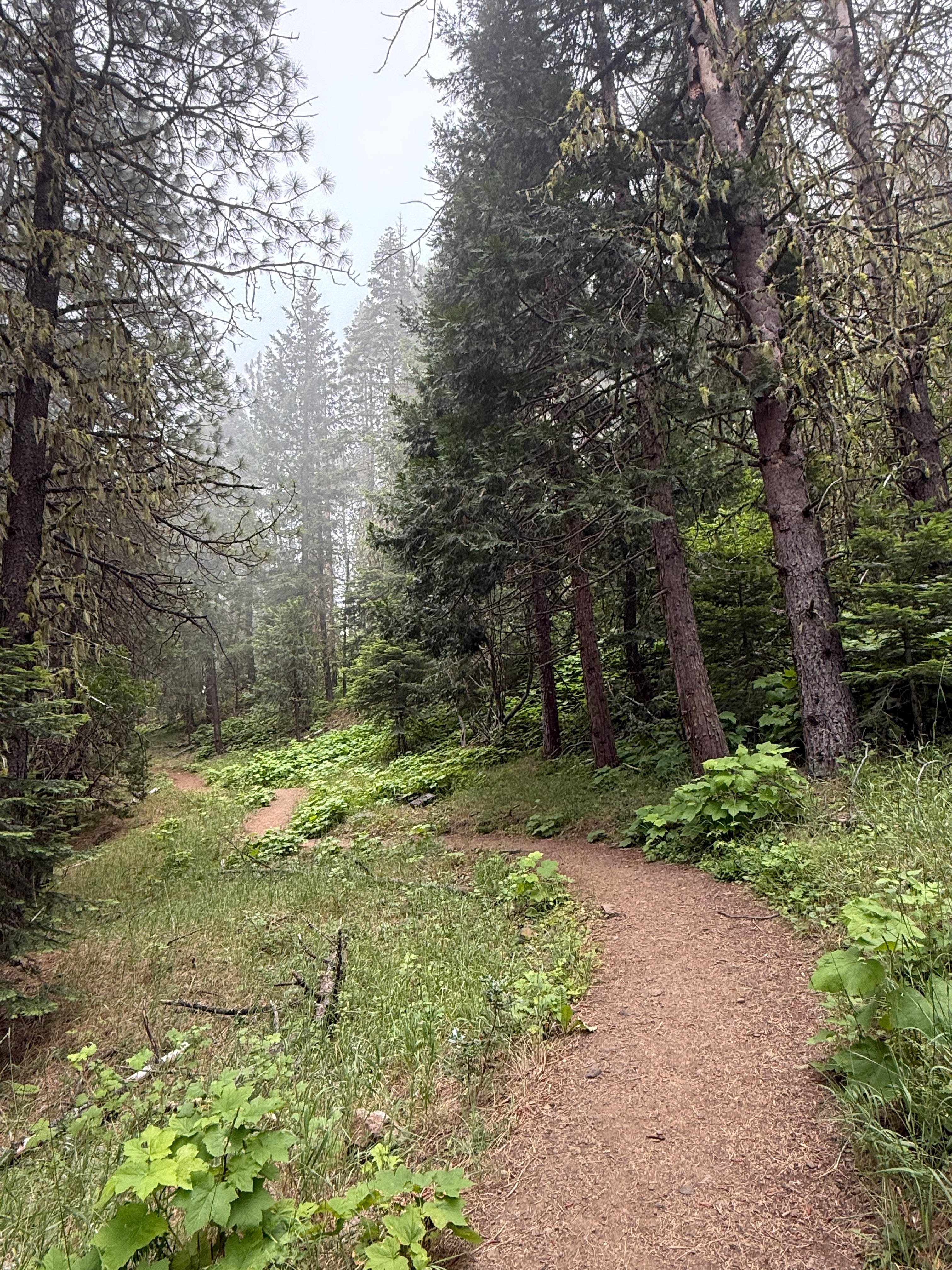
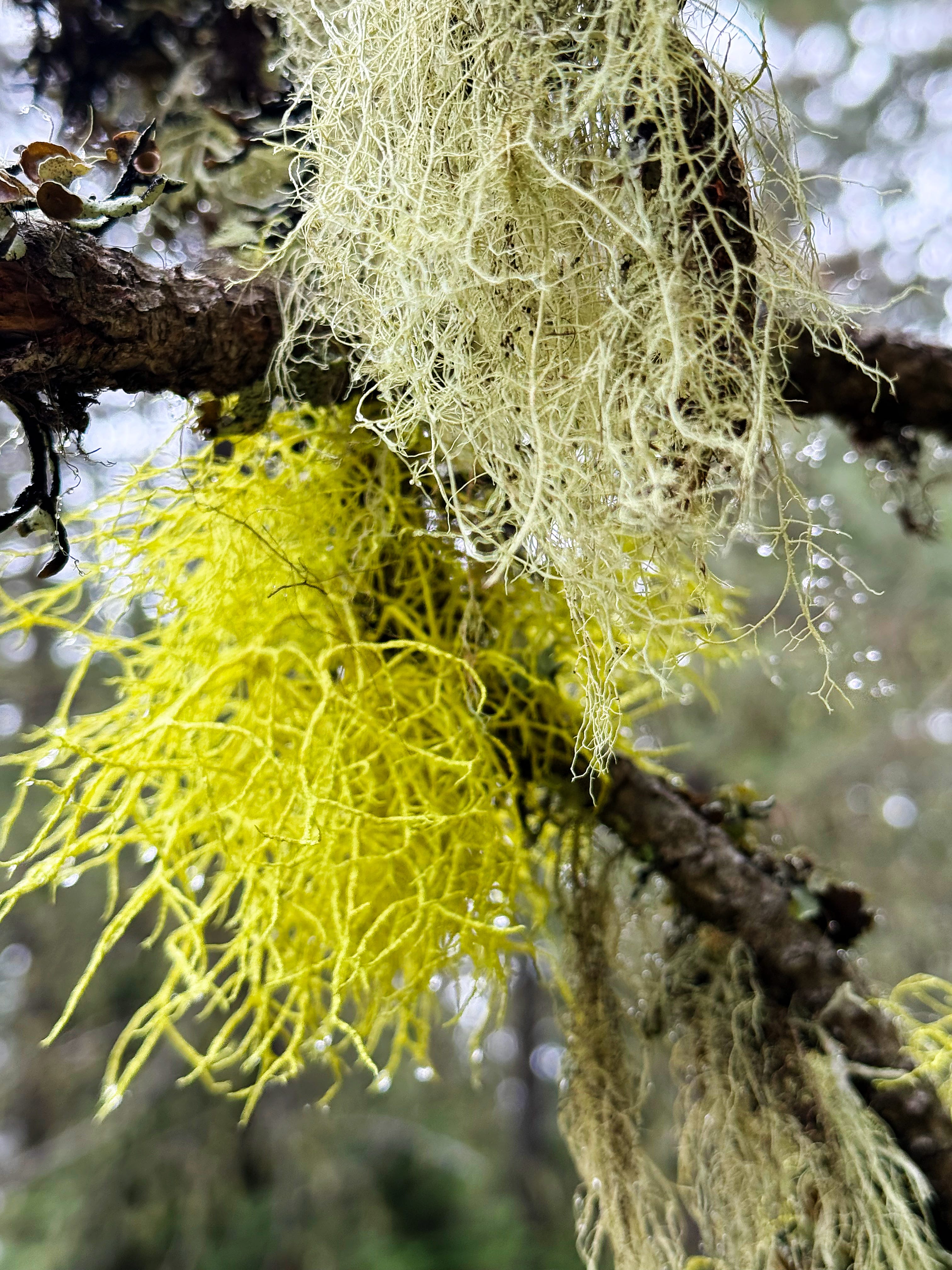
The fog dissipated all too soon, but it will live on in my memory forever.
Here are just a few sketches that I shared over on Instagram:
And that’s a wrap for this update! As always, thank you for being part of our grand adVANture — it really means so much to have you along for the ride! — Lisa, Jason, and Henry-the-Van
Comments
Nothing yet. Say the first thing.
Sign in to join the conversation.