
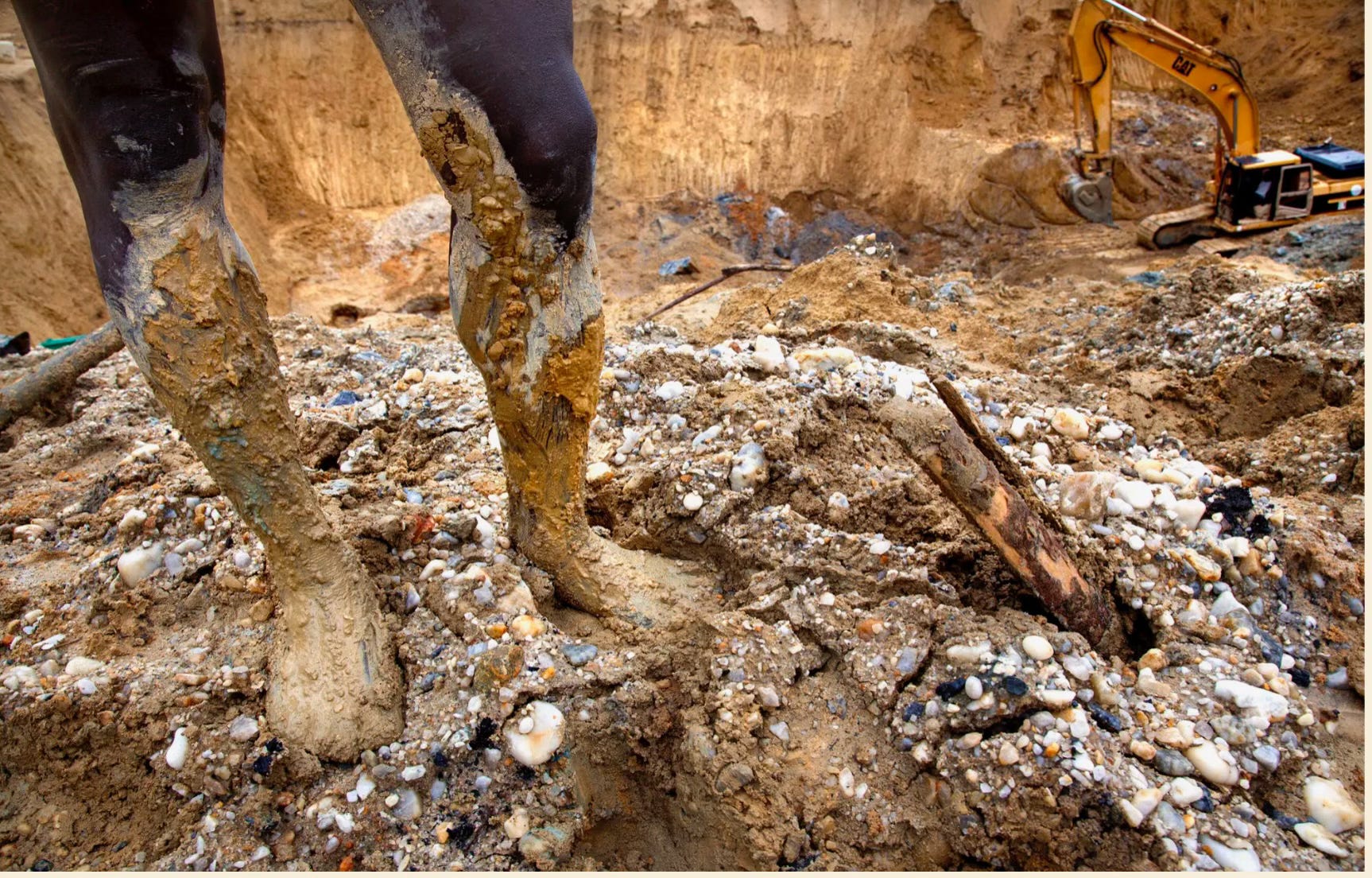
When we think of clean-energy products like electric vehicles and solar panels, we think about fresher air and a brighter and more sustainable future. But often overlooked is the fact that some of these products, like so many goods, are made by people subjected to forced labor.
Last week, the US added 43 Chinese companies to the Uyghur Forced Labor Prevention Act (UFLPA) Entity List, which restricts imports from companies over alleged human rights abuses involving Uyghurs and other minority groups. Unless importers can prove otherwise, the presumption is that goods produced by these companies were either wholly or partially made using forced labor.
This is the first time the Trump administration has added companies to the list and the single largest expansion since the Act was signed into law in 2021. It brings the number of listed entities to 187, up from 144.
This story is about more than protecting human rights. It is about geopolitics, economic security and reducing dependence on Chinese supply chains. But what stood out for me is the high number of newly listed companies in industries shaping our future, such as manufacturers of materials used in electric vehicles, batteries and solar panels.
Several companies added to the list produce lithium carbonate and other battery materials used throughout the electric vehicle and energy-storage supply chain. Another newly listed company makes aluminium electrolytic capacitors, which are small but essential components found in products ranging from household electronics and industrial equipment to renewable-energy systems and vehicles.
Earlier this year, Reuters reported that solar products accounted for the vast majority of the value of shipments stopped at the US border under the 2021 law banning goods made with Chinese forced labor—underlining how the clean-energy transition is increasingly tied to questions about labor rights and supply-chain transparency.
Three other issues worth highlighting:
Many of the affected industries in China are key to meeting climate goals—like electric vehicle batteries, grid-scale energy storage and solar panels—i.e., sustainable technologies. But can technologies truly be called sustainable if the people mining the minerals, processing the materials and manufacturing the components in its supply chain are subjected to forced labor?
While people may disagree over foreign trade policies under the Trump administration, it’s a good thing the US is shifting the burden from governments proving human rights abuses to companies proving their products aren’t connected to them.
The move underscores an important message, particularly for those of us involved in combatting modern slavery: If you want access to the US market, you must demonstrate that your supply chain is free of forced labor.
Ultimately, for me, this story is about much more than China, foreign relations and international trade. It’s about the evolution of global commerce in which human rights due diligence becomes a fundamental requirement of international trade—particularly when it comes to strategically important industries.
A truly sustainable future is one that respects human dignity, and ensures that technologies that protect and sustain our planet aren’t built on the exploitation of the very people who make them possible.
Thanks for reading Shine a Light! This post is public so feel free to share it.
No posts
Comments
Nothing yet. Say the first thing.
Sign in to join the conversation.