
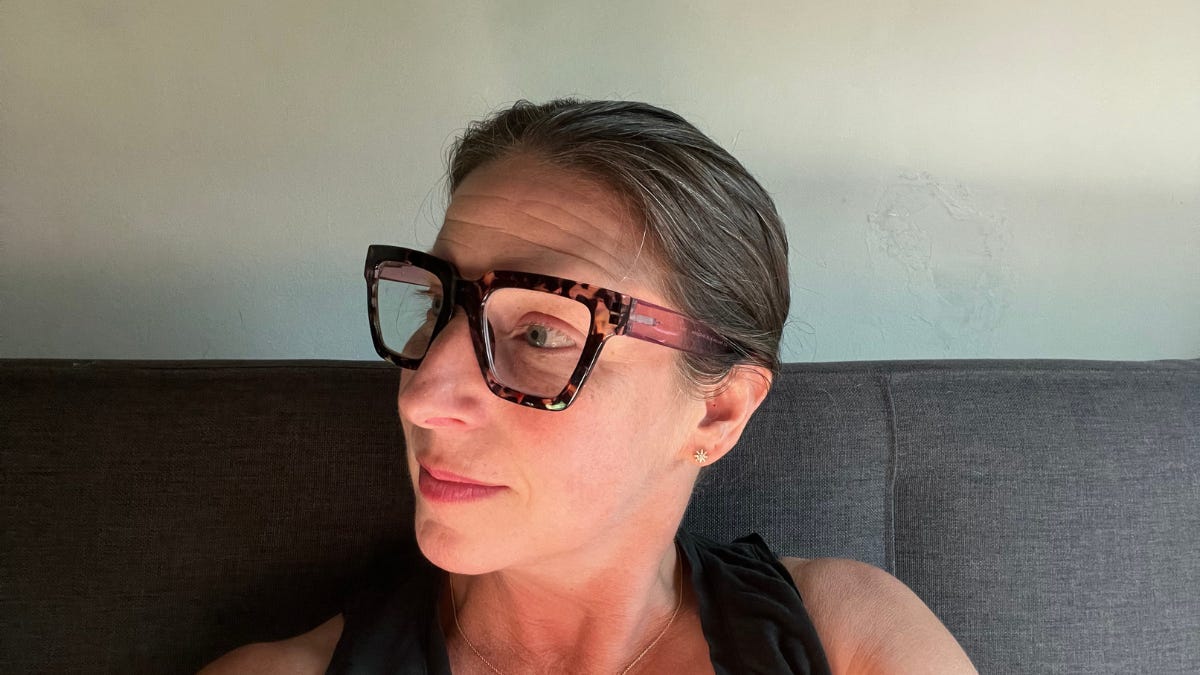
I was invited to be part of a community panel about zero waste this week. The evening was the Monday following a very busy family vacation and I went into it feeling happy to be there but also pretty tired. I’m not compensated for evenings like this one, nor do I expect to be. But I’m feeling, and notice that others who are committed to work like mine may also be feeling, some real fatigue. I don’t want to call it burn-out but real and true exhaustion.
The danger of passion work is that your purpose gets weaponized against your capacity. When you do something because it aligns with your values—not because you’re getting paid—it becomes almost impossible to say ‘no’ without feeling a pang of personal guilt. We tell ourselves that because the cause is noble, our exhaustion is just the tax we have to pay. But passion isn’t an infinite energy source, and treating it like one is the fastest route to quiet resentment.
I absolutely love the work I do related to sustainability and fashion. It has been a journey for me to adopt different metrics to evaluate success other than title, compensation, bonus, and political standing. Those are important. Money is important. I have, however, allowed myself to drift intentionally into a way of thinking which prioritizes a zero waste initiative and strategies to shift human behavior around consumption because I feel it is super important, and because I’m unconvinced that large companies will drive the kind of change which is needed to reduce the impact of global fashion production on the environment. This isn’t the only problem in need of a solution but it is the one I’ve chosen. It is an honor to be able to spend my time on pursuits which deeply interest me and about which I care deeply.
During my imposter syndrome moments I ask myself: am I just an irrelevant woman of a certain age using my privilege to pursue a pet project which doesn’t matter at all because the impact is so small and because climate change is happening and waste is increasing and people are so busy and distracted by politics and their phones and, and, and? Because my work is driven by deep personal values rather than a corporate mandate, burnout manifests differently—it feels less like “job dissatisfaction” and more like an existential identity crisis.
I’ll answer my own question. While hyper-local actions might feel tiny in global metrics, their real power lies in shifting local culture and community norms. The thing which people seem to value most about me and the work I do is that I am ‘doing something’. Humans’ actions matter, and they can set an entirely new standard of behavior. Yes, it requires time, resources, courage, patience, and a lot of energy to close the loop on an idea or a project, especially one which skews more toward zero waste or reduced consumption than another metric. But when I ponder why I’m here and how I want to spend my time and be remembered, it is for this work.
To people who are committed to living a purpose driven life and who are spending lots of time driving change - participating in food rescue, learning about building deconstruction, hosting clothing exchanges, sitting on sustainability panels, educating people about science, whatever, I want to say that I see you and celebrate that you are making a difference in the world. Readers - please make sure that you see these people. They are likely running on fumes and deep conviction. The next time you see them, thank them. Better yet, help them pack up the tables. Second - if you feel you are up to it, then take initiative and distract yourself from the chaos of the world by doing something good which is in your control. Then go tell people about it. Tell me about it! Use FOMO to your advantage. Do what you can.
Thank you. That is all for today.
Comments
Nothing yet. Say the first thing.
Sign in to join the conversation.