
Many people think of sleep as simply their body’s “time to recharge.” But in reality, sleep is one of the most active and essential processes your brain and body perform each day. Sleep is not just rest; it is neurological maintenance, a catalyst for emotional regulation, necessary for immune repair, required for memory consolidation, and essential for nervous system recalibration.
When sleep becomes disrupted, whether through insomnia, nightmares, fragmented sleep, or poor sleep quality, your mental health and physical health are affected in profound ways. For psychotherapy clients in particular, sleep is often a missing link in understanding anxiety, depression, trauma symptoms, mood instability, cognitive fog, and even chronic pain.
This article will help you understand why sleep matters, how sleep problems affect both mind and body, and what steps can support healing.
During sleep, your brain cycles through different stages, each serving a specific purpose. Healthy sleep is not just about the number of hours you spend in bed, but also about how well your brain moves through these stages.
Most adults cycle through sleep about every 90–120 minutes, repeating these cycles 3–5 times per night. These stages include:
Light sleep (this is your body’s transition into rest)
Deep sleep (this provides necessary physical restoration and immune repair)
REM sleep (essential for emotional processing, memory integration, dream activity)
When sleep is repeatedly interrupted by stress, anxiety, breathing issues, pain, or environmental factors, your brain may not complete these cycles effectively. Over time, this impacts mood, resilience, and cognitive functioning.
Research support: Sleep architecture disruption is strongly linked with emotional dysregulation and psychiatric vulnerability. https://www.ncbi.nlm.nih.gov/pmc/articles/PMC5449130/
One of the most important connections between sleep and mental health is the autonomic nervous system. The autonomic system regulates your arousal, heart rate, breathing, and stress responses.
This system has two main branches:
Sympathetic nervous system (“fight or flight”)
Parasympathetic nervous system (“rest and digest”)
When you feel safe, your parasympathetic system helps the body settle into sleep.
But when your brain is stuck in hypervigilance, common in anxiety and PTSD, your body may remain on alert even at night.
This can lead to:
Difficulty falling asleep
Waking frequently
Nightmares
Shallow or non-restorative sleep
Trauma survivors often experience sleep as one of the first places distress shows up.
Research support: PTSD is strongly associated with insomnia and autonomic hyperarousal. https://pubmed.ncbi.nlm.nih.gov/21325406/
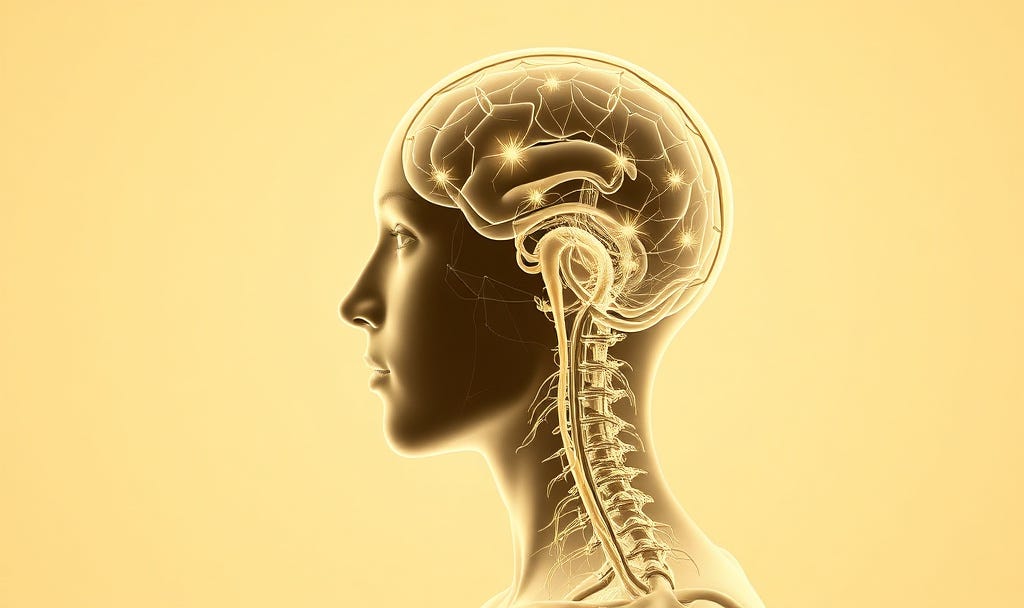
Sleep problems are not only a symptom of depression, but they can also contribute to the onset and worsening of depression.
When sleep is disrupted:
The brain struggles to regulate serotonin and dopamine
Motivation decreases
Negative thinking intensifies
Emotional resilience drops
Insomnia is now considered one of the strongest predictors of future depressive episodes.
Research support: Insomnia significantly increases risk for depression.
https://jamanetwork.com/journals/jamapsychiatry/fullarticle/482486
Sleep deprivation amplifies anxiety in a very direct way.
When you don’t sleep well:
The amygdala (your fear center) becomes more reactive
The prefrontal cortex (the location for logic and regulation) becomes less effective
Stress hormones remain elevated
This means the brain becomes more likely to interpret neutral situations as threatening.
Many clients notice:
More intrusive thoughts
Increased irritability
Panic sensations
Reduced tolerance for stress
Research support: Sleep loss increases amygdala reactivity and emotional instability.
https://www.nature.com/articles/nature05664
Sleep is essential for memory consolidation, learning, and concentration. Without quality sleep, the brain cannot effectively “file away” information or reset attention networks.
Chronic poor sleep contributes to:
Difficulty focusing
Forgetfulness
Slower thinking
Word-finding problems
Reduced executive functioning
This is especially relevant for clients with ADHD, trauma histories, or high stress loads.
Research support: Sleep deficiency impairs attention and executive functioning.
https://www.cdc.gov/sleep/about_sleep/chronic_disease.html
Sleep disruption affects nearly every major system in the body. Over time, poor sleep contributes to:
Increased inflammation
Weakened immune response
Higher blood pressure
Metabolic dysfunction
Increased risk of cardiovascular disease
Sleep is also deeply tied to pain perception. Poor sleep lowers pain thresholds, meaning chronic pain often worsens when sleep is insufficient.
Research support: Sleep deficiency is linked to cardiometabolic disease.
https://www.ahajournals.org/doi/10.1161/CIR.0000000000000986

Many people assume their sleep issues are “just stress,” but underlying sleep disorders are common and treatable.
Difficulty falling asleep, staying asleep, or waking too early.
Best-supported treatment: CBT-I (Cognitive Behavioral Therapy for Insomnia)
Breathing interruptions during sleep, linked with depression, fatigue, and cardiovascular risk.
Uncomfortable urges to move the legs, often worsening at night.
https://www.ninds.nih.gov/health-information/disorders/restless-legs-syndrome
Often connected to trauma, medications, or neurological changes.
Sleep studies (polysomnography) can be essential for diagnosing conditions like sleep apnea, but sleep is complex and varies night to night.
Sleep difficulties often require a broader evaluation, including:
Mental health patterns
Trauma history
Lifestyle rhythms
Medication effects
Environmental stressors
Circadian timing
In many cases, treatment involves both medical and psychological support.
American Academy of Sleep Medicine standards: https://aasm.org/
If you liked this post, please share it with people you believe would also find it beneficial
Improving sleep is not about perfection; it’s about safety, consistency, and nervous system support.
Some evidence-based strategies include:
Consistent wake time (even more important than bedtime)
Reducing light exposure at night
Creating a cooler, quieter sleep environment
Gentle body-based calming practices (breathing, grounding)
CBT-I techniques for insomnia
Addressing trauma-related hyperarousal in therapy
Medical screening when symptoms suggest apnea or RLS
If sleep has been difficult for a long time, the goal is not forcing sleep but helping the body feel safe enough to rest.
Sleep is not separate from mental health; it is one of its foundations.
When sleep improves, clients often notice:
Reduced anxiety
Improved mood
Better emotional regulation
Clearer thinking
Greater resilience in trauma recovery
In psychotherapy, sleep is often a powerful doorway into nervous system healing, stabilization, and long-term well-being.
If sleep is a struggle for you, it is not a personal failure—it is a biological signal. With the right support, sleep can become part of your recovery.
Disclaimer: This blog is intended for educational and informational purposes only. It is not a substitute for professional mental health care, therapy, diagnosis, or medical advice. Always consult with a qualified healthcare provider regarding any questions or concerns you may have.
Walker, M. (2017). Why We Sleep. (Foundational neuroscience work)
https://www.sleepfoundation.org/how-sleep-worksInsomnia and depression bidirectional relationship
https://jamanetwork.com/journals/jamapsychiatry/fullarticle/482486PTSD and autonomic hyperarousal
https://pubmed.ncbi.nlm.nih.gov/21325406/Sleep deprivation and amygdala reactivity
https://www.nature.com/articles/nature05664CDC: Sleep and chronic disease
https://www.cdc.gov/sleep/about_sleep/chronic_disease.htmlAHA Scientific Statement on sleep and cardiometabolic health
https://www.ahajournals.org/doi/10.1161/CIR.0000000000000986CBT-I as first-line insomnia treatment
https://www.sleepfoundation.org/insomnia/treatment/cbt-iNational Heart, Lung, and Blood Institute: Sleep apnea
https://www.nhlbi.nih.gov/health/sleep-apneaAmerican Academy of Sleep Medicine resources
https://aasm.org/

Lisa Bollow, MA, LPC-R | NCC® - EMDR PT-I® - CMCC - NPT-C®, is a trauma-informed counselor and the founder of The Integrated Life Project™, where she blends neuroscience-informed psychotherapy with somatic healing, EMDR-informed care, and whole-person mental health support. Her work integrates evidence-based approaches with a deep respect for the nervous system, helping adults, teens, couples, veterans, and high-functioning professionals move from survival patterns into lasting regulation, resilience, and intentional living. Lisa is passionate about bridging clinical research with practical tools for emotional healing, brain health, and nervous system restoration. She writes and teaches on trauma recovery, anxiety, grief, somatic regulation, and the path toward an integrated life.
Let’s connect: LinkedIn ✴︎ Facebook ✴︎ Instagram ✴︎ Psychology Today
Comments
Nothing yet. Say the first thing.
Sign in to join the conversation.