
Dear friends,
I’m writing to share with you a story I’ve been working on for a long time, and that is close to my heart. It’s online today in The New York Times, in the Well section, which covers health.
It’s about a lifestyle program marketed to people with Alzheimer’s disease and their loved ones. The program leans on concepts from alternative medicine, like the keto diet, intermittent fasting, dozens of supplements, and various other treatments. It touts some testimonials from people who said following its strict guidelines helped them reverse their Alzheimer’s symptoms, and is based on a few small studies (without control groups) that showed promise.
But the consensus in mainstream neurology is that there is no proven way to reverse Alzheimer’s disease. And so for more than a year, I dug into this program, its founder, the business around it, and similar offerings from competitors. And I followed many patients and their caretakers, who spoke to me as they followed its strict, complex — and unconventional — rules.
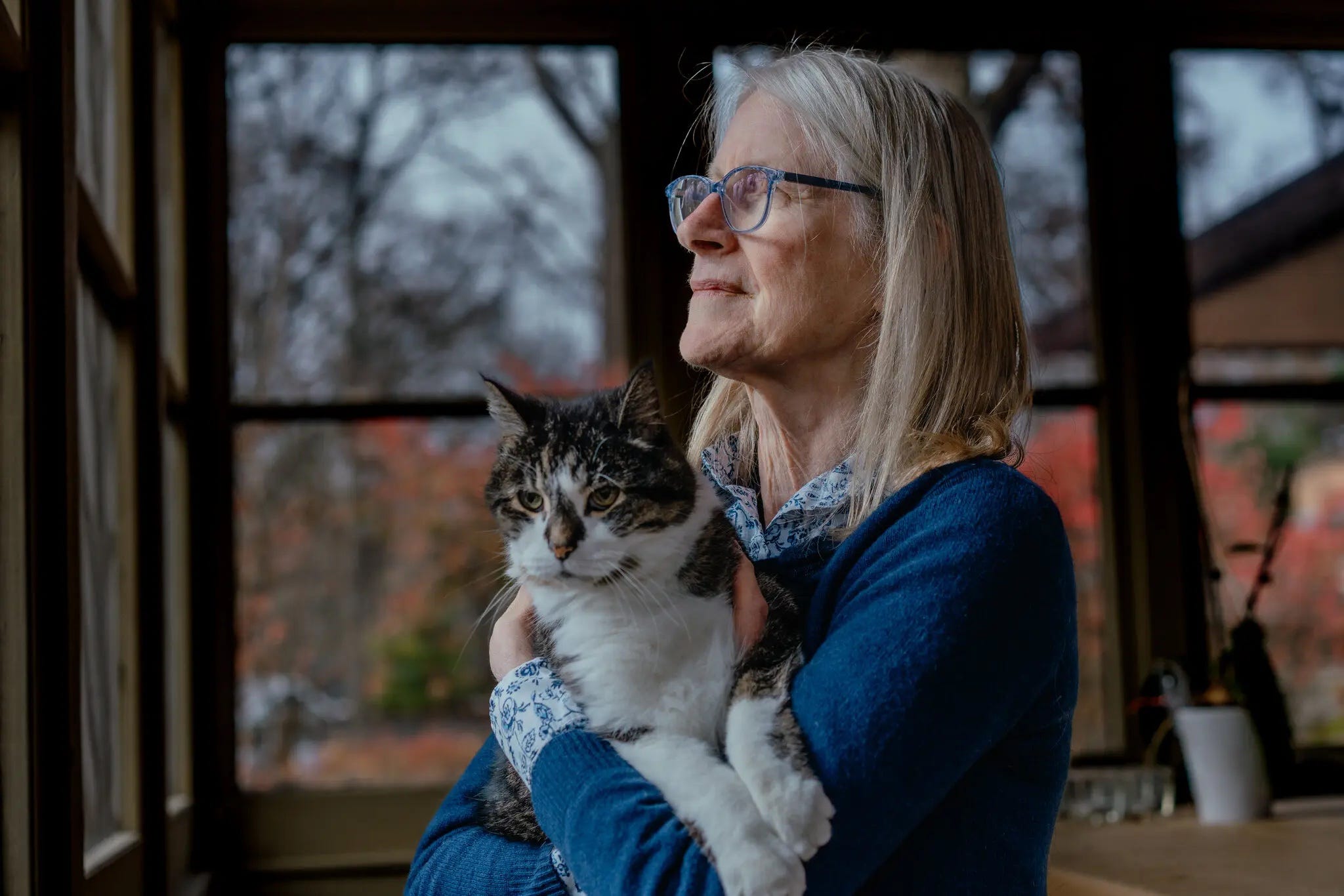
Jamie Kelter Davis for NYT
Here’s the thing about this protocol: not only is 1. it aimed at a vulnerable population and 2. based on questionable science — it’s 3. really expensive. This trifecta is an ethical minefield, and is often what compels me to do a story.
The family in my story paid $25,000 over eight months in the hope of reversing the patient’s Alzheimer’s. Their desire to try anything that might help is wholly understandable.


All the more reason to look carefully at this business, its network of 2,000 practitioners, and what they advertise to people in a desperate position.
I’m grateful to the Johns Hopkins University Good Science Project Fellowship, the sources who devoted their time and energy to sharing their experiences with me, and my Times editors — especially Maxwell Strachan, who was a persistent champion of the story.
xo,
Lindsay
No posts
Comments
Nothing yet. Say the first thing.
Sign in to join the conversation.