
Hello Futurists,
There is a new cancer drug that does not exist until you get sick. It sits on no shelf and in no warehouse because it’s manufactured only for a single human body. One day it could be yours.
This morning Moderna and Merck announced that Intismeran, a personalized mRNA cancer vaccine, passed its first large-scale clinical trial.
The Phase 3 Study enrolled more than 1,100 post-op melanoma patients. The group who received the vaccine alongside Merck’s Keytruda, the world’s best-selling cancer immunotherapy, had significantly longer stretches without their cancer returning and significantly lower rates of cancer spreading.
Moderna, unprofitable since the end of the COVID vaccine boom, saw its stock more than double within hours.
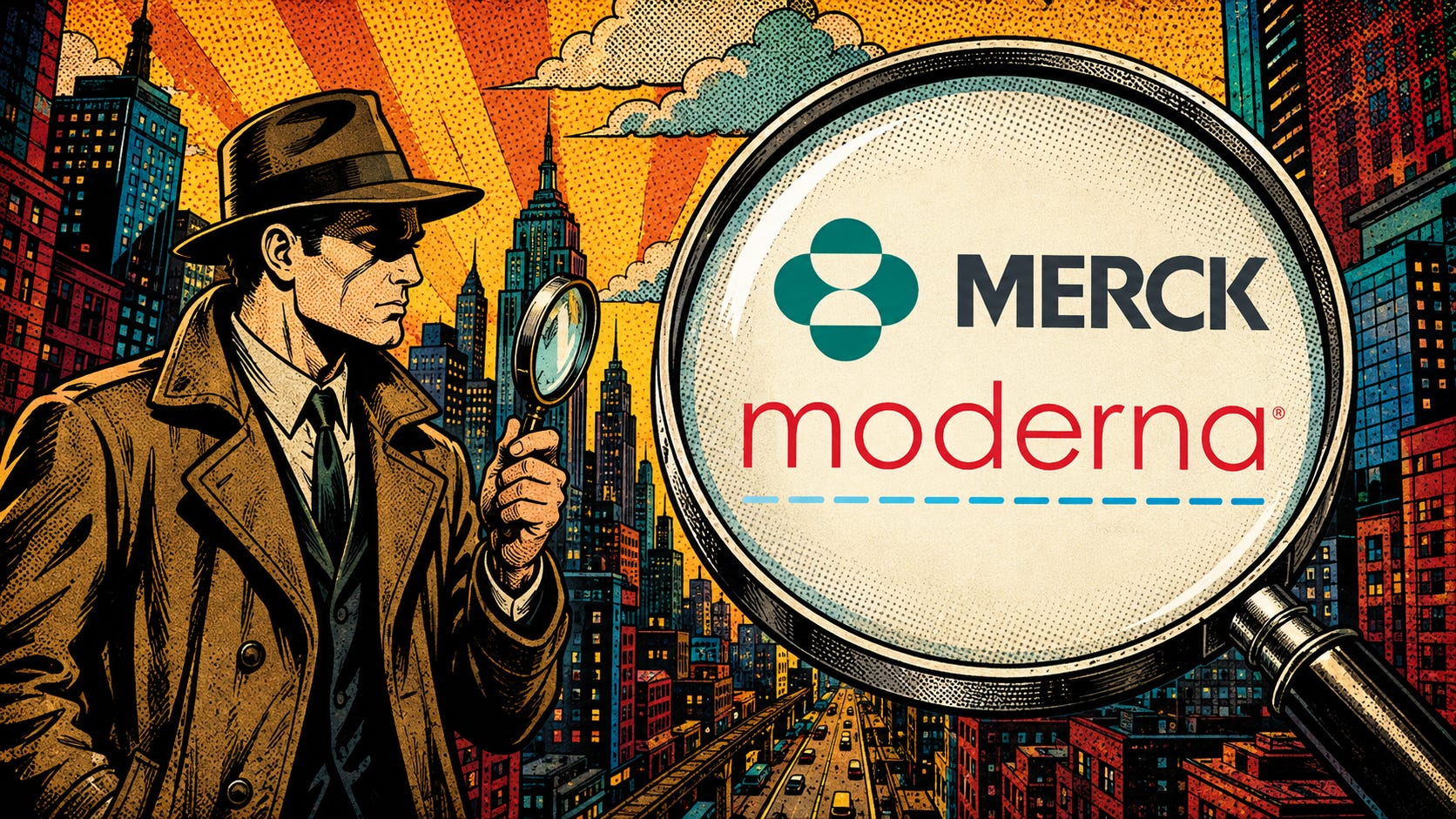
The market was very excited about this drug that works like a private investigator. And you should be too.
-Josh
🔑 Thanks to Ledger Agent Stack 🔒
👉 Agents propose. Humans approve. Your Ledger signer enforces.
After a tumor is surgically removed, sequencing machines read both the tumor’s DNA and the patient’s healthy DNA. Algorithms compare the two, hunting for mutations that produce proteins found nowhere else in the body. These mutations are like fingerprints at a crime scene. The algorithm selects up to 34 of the most distinctive ones per patient and Moderna builds a custom mRNA molecule specific to those targets.
The finished vaccine is like a wanted poster, training the patient’s T cells to recognize and kill any remaining cancer cells carrying those exact marks. Each patient receives up to nine doses over roughly a year. Every dose is unique to one person.
Melanoma carries more mutations than almost any other cancer, which makes it among the best testbeds for this approach. The companies disclosed only top-line results, with full data expected at a medical conference and a regulatory filing to follow.
In the earlier Phase 2 trial, after five years of follow-up, the vaccine cut the risk of recurrence roughly in half and the risk of the cancer spreading to distant organs by nearly 60 percent. Those numbers come from the smaller study, and the detailed Phase 3 data have not been released yet.
But a fifty year old dream, training a patient’s immune system against that patient’s specific tumor, just passed the large trial regulators require before they approve a drug.
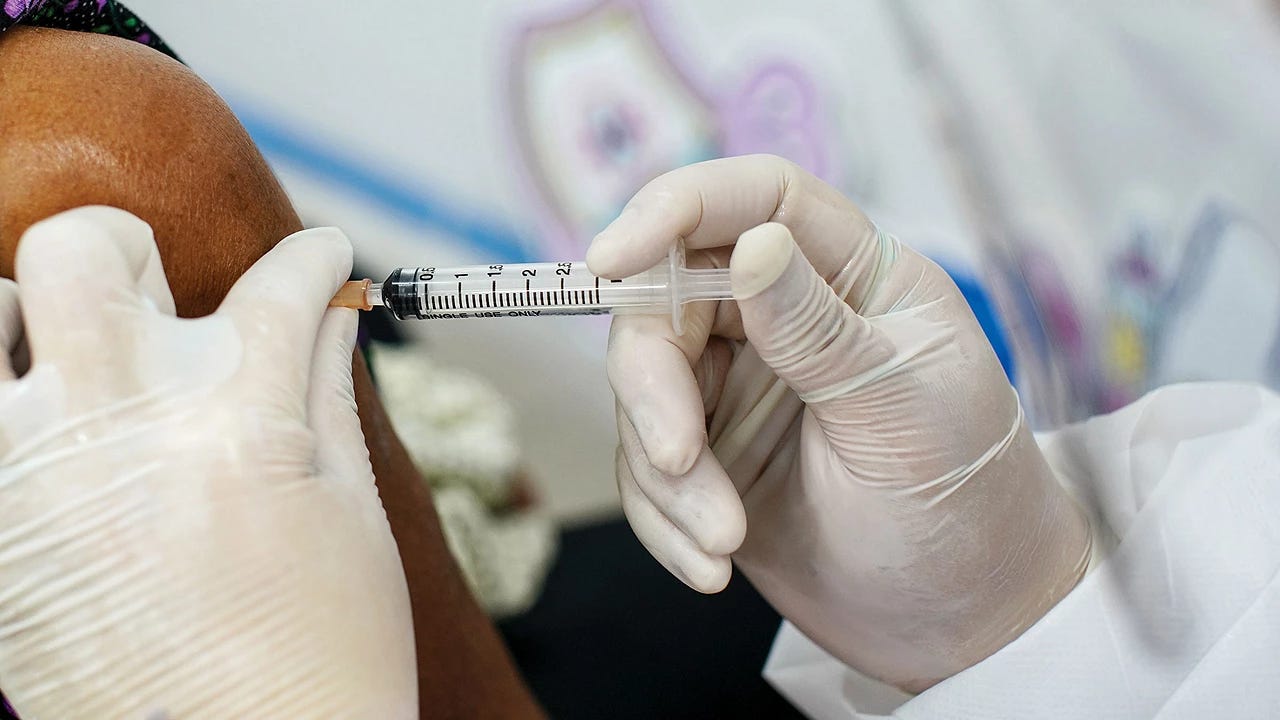
What Moderna built is somewhat closer to a foundry than a pharmacy. The mRNA platform keeps the delivery vehicle constant and changes only the genetic code, which means drug design becomes somewhat of a software problem. AI predicts which of a tumor’s mutations will provoke the strongest immune response, choosing the targets each vaccine is built around.
The first human genome took thirteen years and billions of dollars to sequence. Today it takes about a day and costs a few hundred dollars. That breakthrough makes patient specific medicine economically possible for the first time.
Moderna and Merck are already testing the same approach in lung cancer. Similar trials are running in pancreatic cancer, in other tumor types, and in labs around the world. Now that we have the tech, the problem very clearly shifts to building a unique drug for every patient who needs one, fast enough and cheaply enough to make a meaningful impact.
Every patient treated teaches the AI which targets work, making the next patient’s vaccine smarter. That feedback loop is new to cancer medicine, and it means the progress from here should compound.
👉 Visit developers.ledger.com to find out more about Ledger’s Device management kit for AI Agents.
Thanks for joining us for our latest issue. Now go listen to our podcast :)
No posts
Comments
Nothing yet. Say the first thing.
Sign in to join the conversation.