
(*) This definition is subject to change (most likely will) 27.10.23
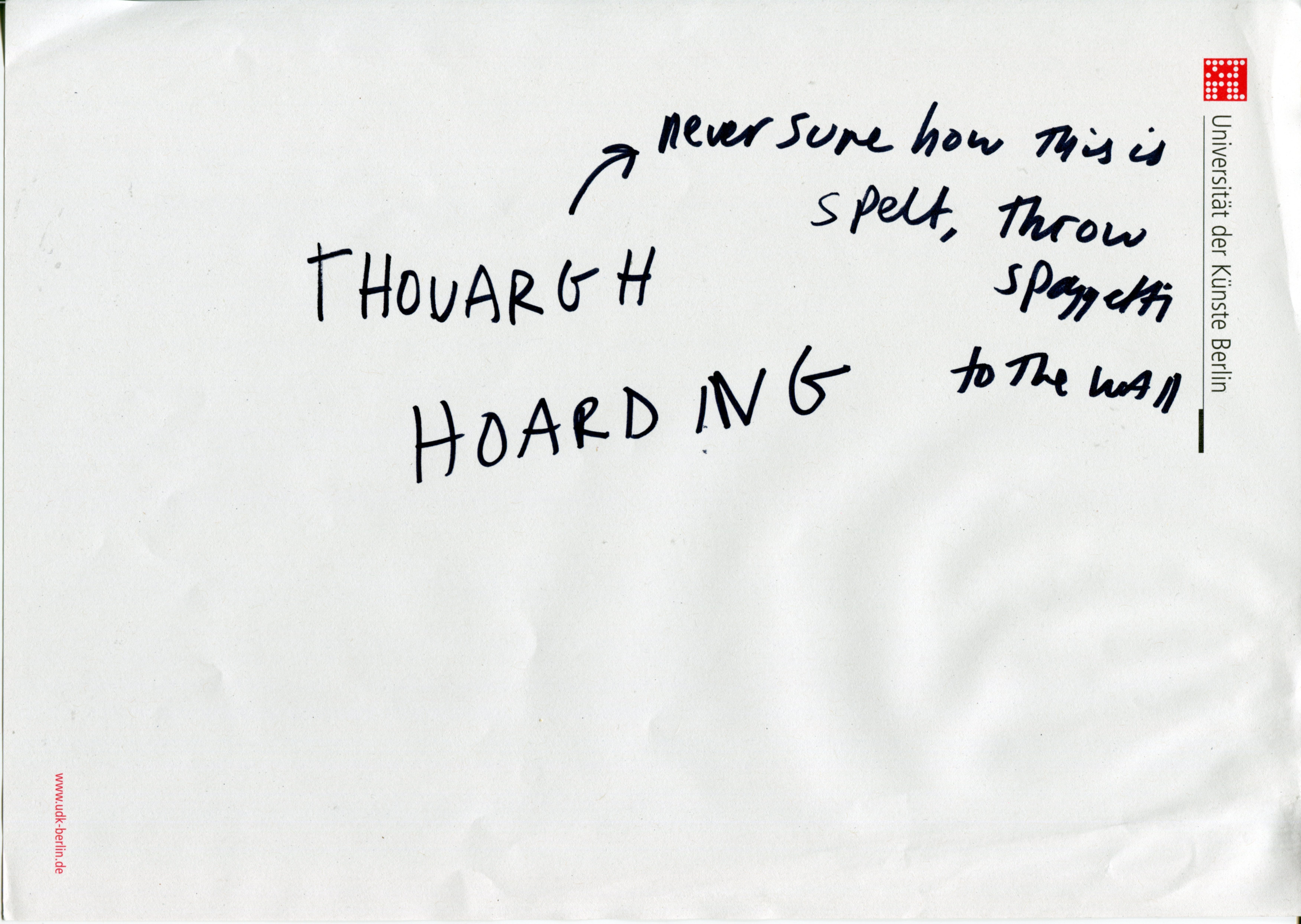
This week I would like to discuss the notion of thought hoarding.
1.
Working on my website is a task iv been putting off for maybe 3 years. Every 6 months or so I dip into wordpress become frustrated and confused almost immediately and tentatively give up for another 6 months. Its been on countless to do lists, a low level thrumming nag website, website, website. I have pretty much done everything around building a website except doing it, podcasts, youtube videos, even collected images and works I want to show on there and looked at friends websites for inspiration, but somehow the mood never took me to actually sit down and do it.
It sounds maybe stupid, but sometimes an idea of doing something becomes so abstracted that it begins to not feel like an idea at all, but just words on a list. Its like the Ideas are ships and sometimes they sail right past and then it takes a huge amount of energy to chase up to it (not worth it a lot of the time) better to wait for the idea or inspiration to come back around again, however long that might take.
This is of course, an extremely frustrating way to work as when ideas pass by untransformed it feels itchy and stuck, also a lot of guilt builds up surrounding the task/ Idea you've failed to realize, the idea itself becomes infected (guilt).
There’s something to be said for switching the brain off when it comes to following through ideas, or allowing a more subconscious side to take over and follow, I come back to the realisation Zaphod Beeblerox has (Hitchhikers Guide to the Galaxy) that someone had surgically disconnected sections of his brain, his fear being that someone else was using that part of his brain to have good ideas with, that one a part of his brain is feeding ideas unknowingly to the other, for him to follow out. It turns out after multiple scans and tests, that it was he himself that detached the part of his brain that hesitates, that questions, that holds off, that knows what it is he's looking for that holds a bigger picture of where his ideas should lead him.
Text within this block will maintain its original spacing when published
'I don’t know what I'm looking for.'
Text within this block will maintain its original spacing when published
'why not?'
Text within this block will maintain its original spacing when published
'because... because... I think it might be because if I knew I wouldn't be able to look for them.'
Hitchhikers Guide to the Galaxy (1979)
If we link this back to the process of thinking, of having ideas and then doing things with them, there could be a case built for the idea that we should not necessarily think to much about what knowledge we seek to find, as this over thinking inhibits the action of finding it.
I have countless pages of writings in my notebooks about how ‘Im so stressed and have so much to do’ complaining about the exterior conditions of the creativity and its inability to make its way out, MEANWHILE the actual interesting thoughts are locked away.
This leads me to think about the ideal conditions that would allow those ideas to make their way out of your mind, your body and transform into the 'world', the path of osmosis. But why even assume that the world needs to hear it? to hear of your idea? whenever I get down this path, I try to circle back around to the direction of: who am I to know whether this would be useful or not to the world without asking? Why is my judgment to withhold stronger and easier than letting go and allowing the thought into the realm of the public? why does information or art or writing need to be useful at all? The reader/ viewer is capable and allowed to decide for themselves what they want to do with the information, how much they value it, or how far they want to engage with it (is this maybe an overly individualist view to have? Must return to this thought later...)
2.
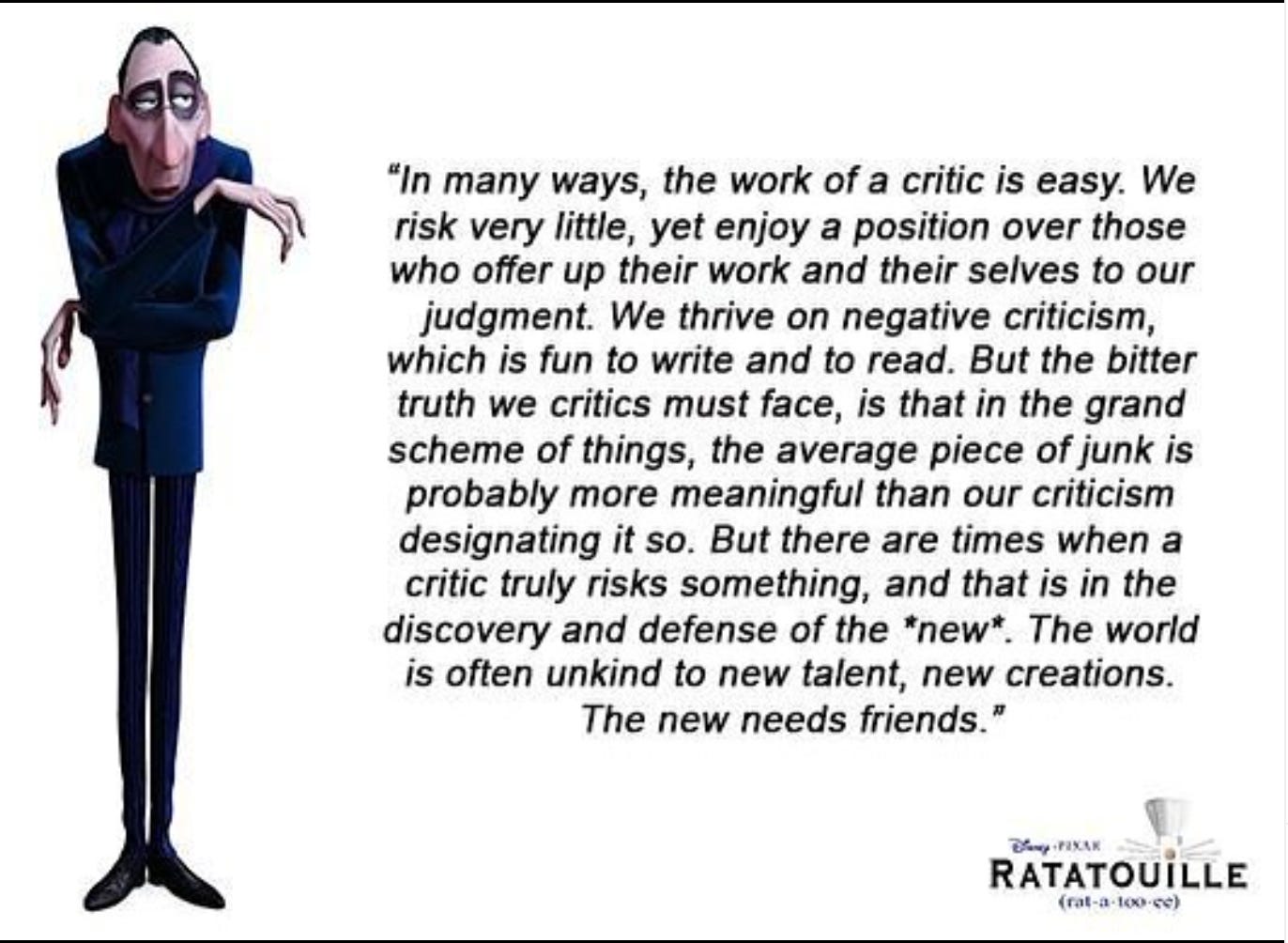
so thought hoarding
This is interesting because there are many different interpretations and meanings to the term
A 'hoarding' as a large board in public space, used to display advertisements, the total opposite of the definition 'to hoard' to store away or hide, accumulate, to keep in ones mind for future use. To hoard is always forward thinking, it is always in relation to some point that is at a distance from now. To hoard thoughts, to hoard ideas is to hold them for a later date, to carry them with you until you might need them, or to hold on to them until the so called ship from before passes again, the opportune moment for such an idea to make its way out.

There is of course an irony in hoarding also meaning a form of display, of exposure, because hoarding of ideas is something more internal, untransformed, as well as a physical hoarding of things is something that often has in it a lot of wrapped up shame and embarrassment, a condition hidden from view or contained. The opposite can also be true, there are thousands of youtube videos dedicated to showing off stockpiles of food, clothing hauls, consumption to an excess. these videos can feel cathartic to watch as they explore excess without having to live with it physically, something you can dip in and out off. In consumerist culture, excess is celebrated but only when you have space to purposefully contain it. It is excess with intention, walk-in wardrobe, the double door fridge, matching buckets, baskets, containers, spice racks, theres always an appropriate storage solution that goes alongside, beautiful enough to become a spectacle in its self.
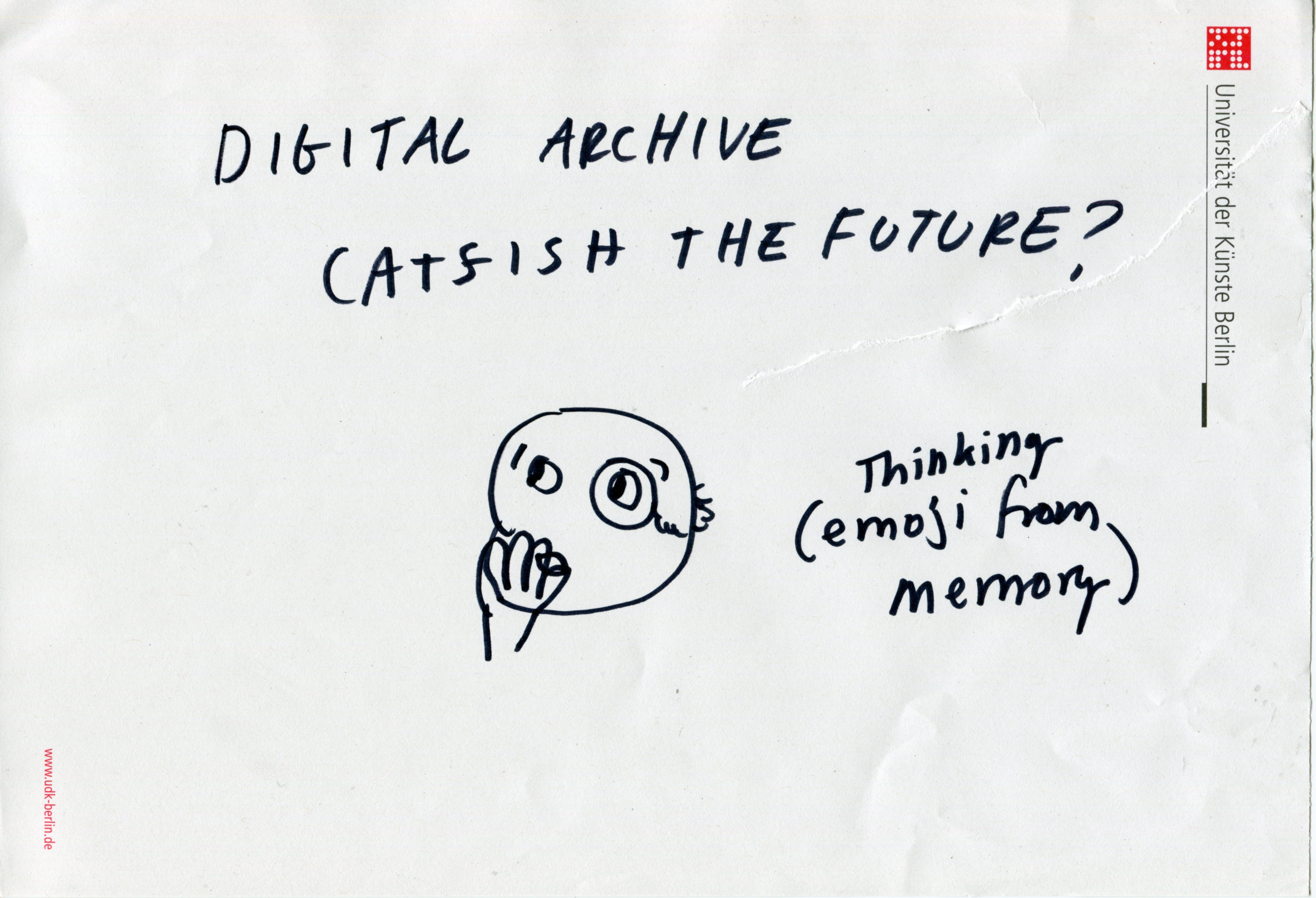
So the term thought hoarding kind of Alludes to these two different sides internal, external that exist wonderfully together. The building up, the accumulation of ideas and references over time, the withholding, that when the ship passes at the right moment, should all spill out and then be transformed (there are of course always opportunities to further transform, always levels of transformation, from writing something down, to acting upon that note, it doesn't not just end at the first step of initial transformation from synaps to paper, there should also always be space for thoughts/ ideas to be rejected, left behind, denounced etc)
3.
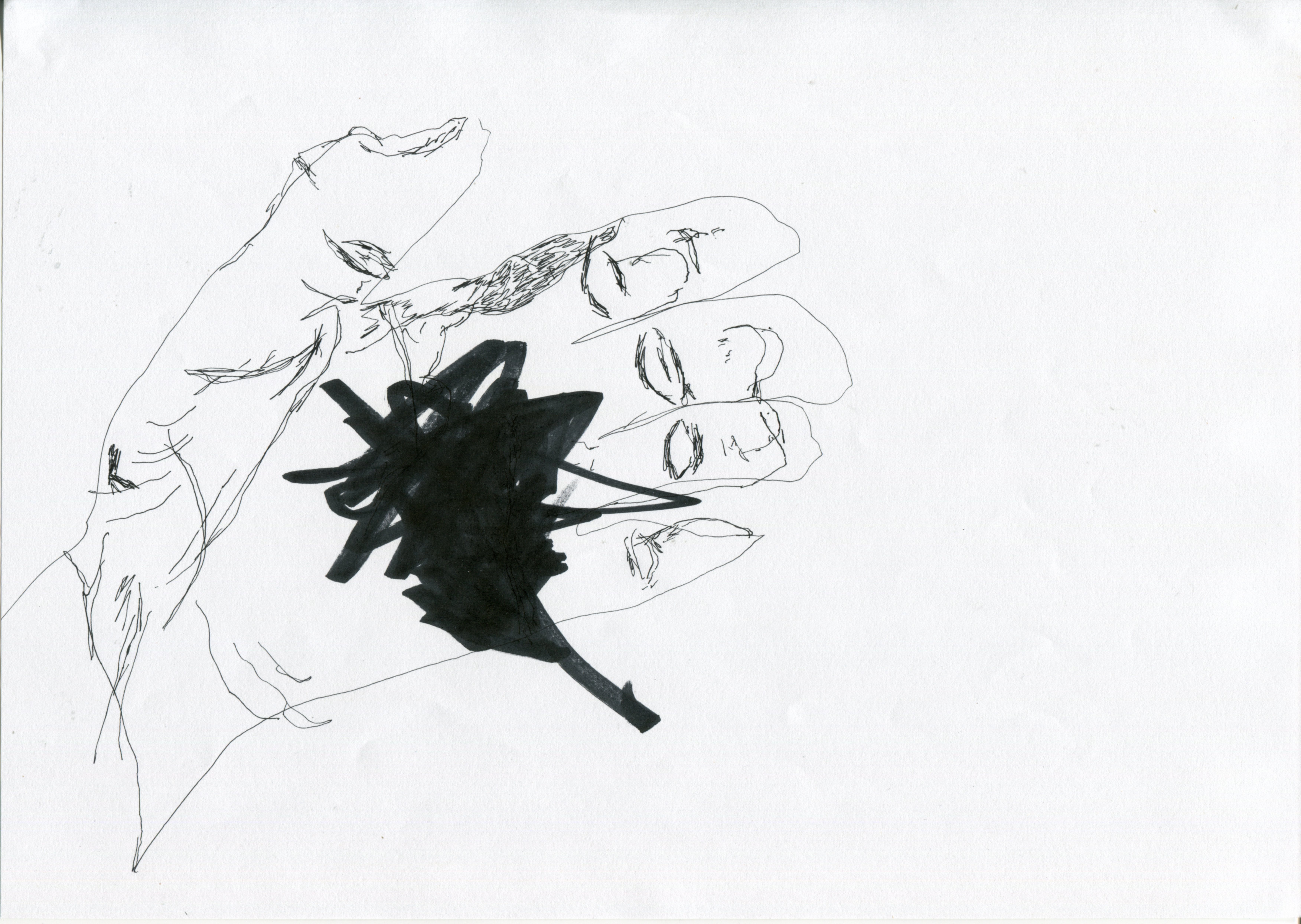
Ideally there would be an un/regulated consistent siphoning off of the thought hoard, the tension that builds up, the tightening of the fist, a blockage in the flow of ideas, to then a release of them, for me this mainly takes the form of writing in a notebook or word document. However what I have realised is that the initial release is not, should not be the final stage. Scribbling down a thought/ idea, stream of consciousness on a word document, a voice note from the corner of the room, this release can give a sense of satisfaction that means no further action is felt to be required. But further action is always required. ALWAYS. Even if that is a rereading and rejection, it must be sifted.
It is true some ideas need time to cook, and sometimes the best ones you don't even realize your having until you start speaking about them (verbal processors know this well)
This is in a way exciting, as its impossible to tell where an idea might lead at the front end of it, once it begins its stream out of the brain it flows through into all kinds of directions, but while the initial moment or realization feels great to have, its also important to kind of sort it in a mind palacey type way, to decide what should now be done with it eg:
to be filed away
to be dropped
to be revisited at varying intervals
to be released, handed onwards
to be actioned upon and transformed
to be collected, categorised, and bundled with like minded thoughts
to be connected with seemingly unrelated thoughts
to be shared
to be held on to, stroked, soothed, patted, guarded
thoughts that we write down in the middle of the night feel so important in the moment to get onto paper to avoid the most terrible feeling of having forgotten the idea, but remembering having had it. And yet when I look back at those night notes the next morning, they are always pretty laughable in their earnestness, they feel unimportant, and yet there is a satisfaction in having jogged the idea again.
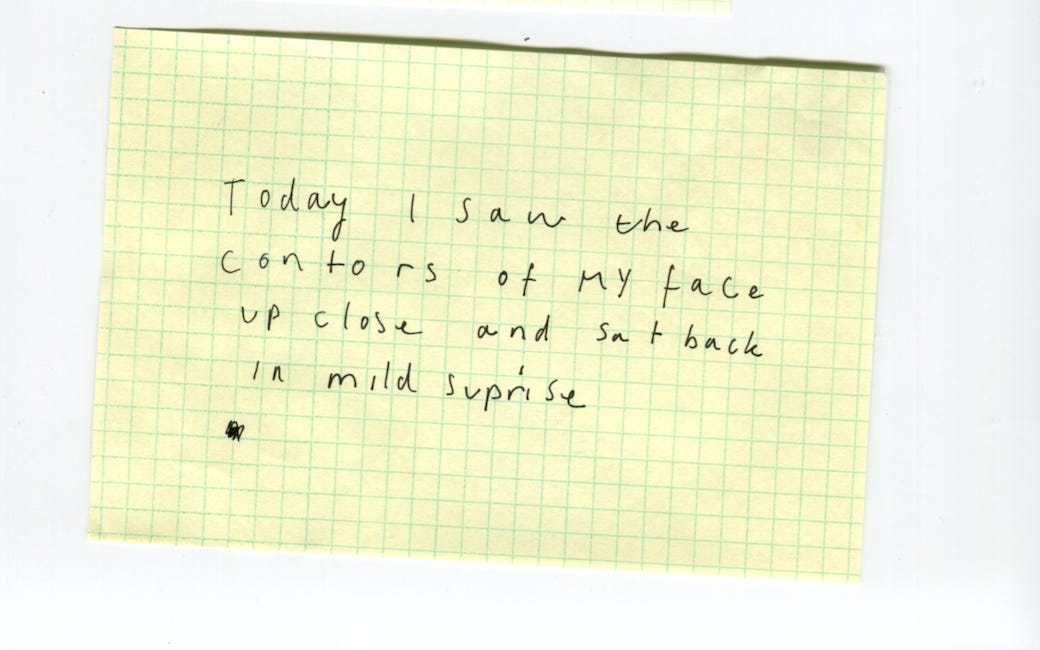
thought = unfiltered idea
idea = an actionable thought
good/bad ideas = in relation to the perceived consequences of the idea
My current conclusion is that hoarding ideas is necessary to an extent, but you must loosen your grip on them and allow them to transform, not only onto paper, but a stage further, to be decided upon, to be transformed, left behind or tucked away to bake a little longer, but most importantly this muscle of decision must be used with a light strength (I think if swimming technique here, swimmers barely moving there legs but moving through water like hot butter with total ease), not clenched jawed and lactic acid build up. There must be a trust that the thoughts that do not matter will be forgotten, but the ones that do matter or could matter must be released to make space for new ones.
Comments
Nothing yet. Say the first thing.
Sign in to join the conversation.