
Please submit a public comment (click here) in opposition to the rescinding of the Roadless Rule.
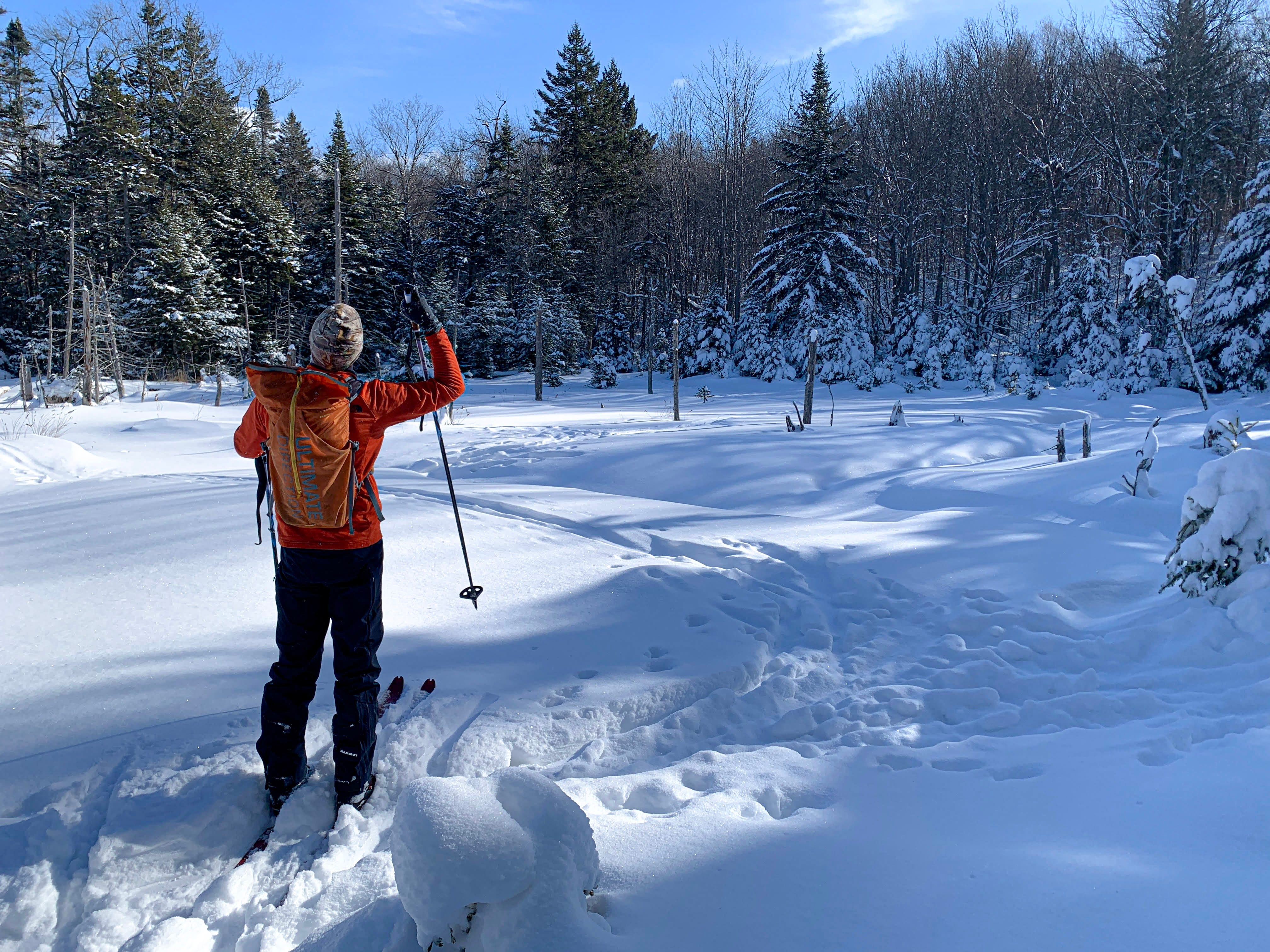
On August 27, 2025, Secretary Brooke Rollins announced that the United States Department of Agriculture [1] would be taking the next step in rescinding the 2001 Roadless Rule [2, 3]. This action involves the opening of a public comment period.
A history of Inventoried Roadless Areas (IRA) and the Roadless Rule:
The Wilderness Act of 1964 directed the Secretary of Agriculture to assess primitive areas within the National Forest System (NFS) for potential Wilderness designation. During the 1970’s the Forest Service inventoried roadless lands that met certain criteria. These efforts were known as the Roadless Area Review and Evaluation (RARE I and RARE II) [4]. The Forest Service ran some numbers and litigated with environmental groups [5]. In the process they also overlooked many areas that should have been included [6, 7]. When the dust settled, 62 million acres were identified [8]. The Forest Service proposed that about 25 million of these acres should be considered for Wilderness designation. The remaining 37 million acres were recommended to be “released”, or opened for multiple-use (logging, mining, grazing).
Just because a piece of roadless land has been officially inventoried, does not mean that it is protected. It takes an act of Congress to designate federal land as Wilderness. Between 1984 and 1993, dozens of state-specific bills were passed to designate new Wilderness areas from the lands inventoried in RARE II. These bills also included “release language”, identifying areas that were now open for business-as-usual. The remaining inventoried roadless lands, that were neither designated nor released, were left in limbo [9].
Fast forward to 2001…Under the Clinton Administration, the Forest Service enacted an administrative rule that prohibited logging, road building, and road reconstruction on the remaining 58.5 million acres of inventoried roadless lands. This “Roadless Rule” was hugely popular. Over 1.6 million public comments were received on the Environmental Impact Statement, of which 95% were in favor of protecting roadless lands [10]. Though imperfect (there are some loopholes), the Roadless Rule has helped safeguard critical wildlands for over two decades. The new proposal to rescind the Roadless Rule would affect approximately 44.7 million acres of the existing inventoried wildlands [3].
Why you should care:
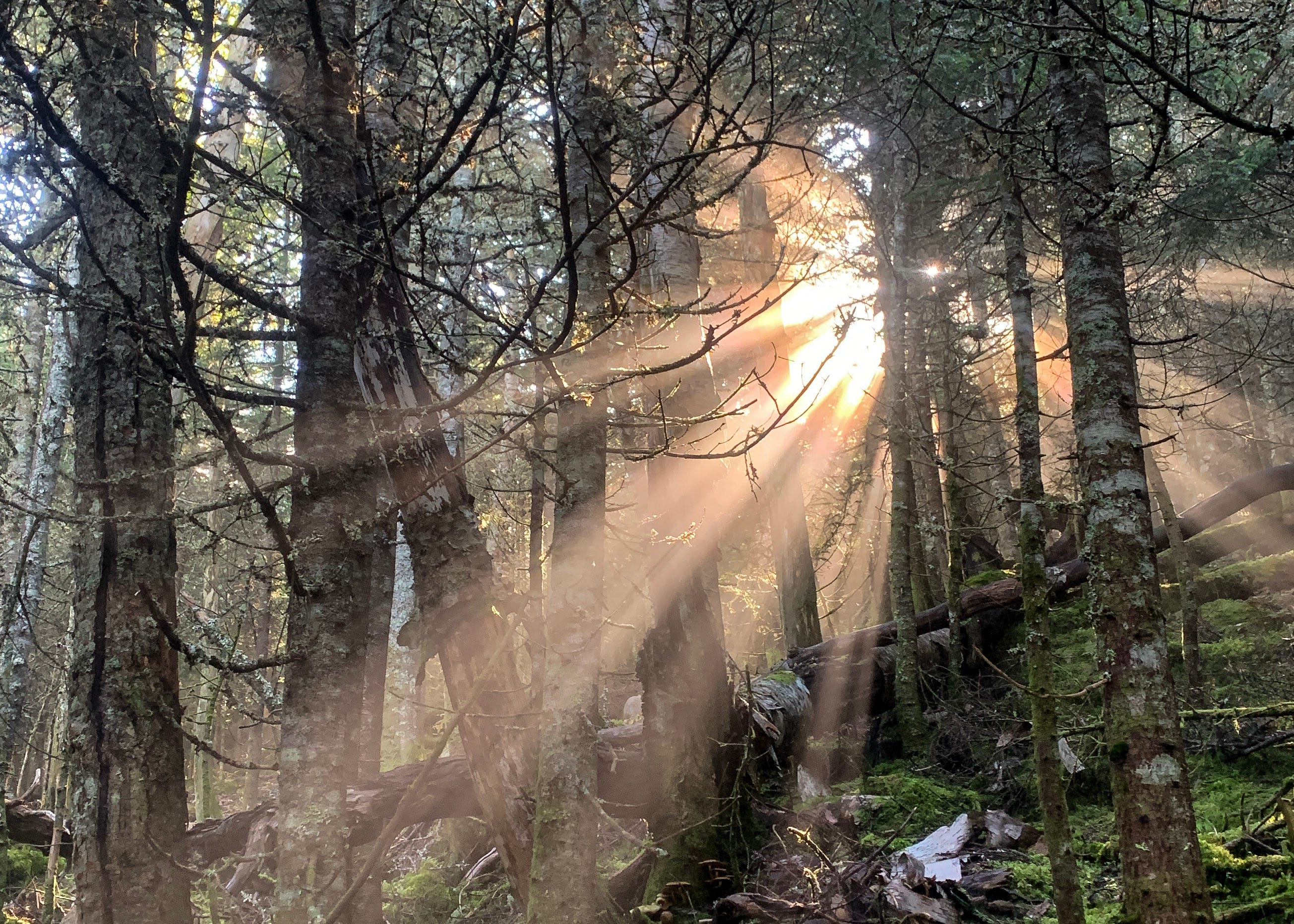
Roadless wildlands are a bastion of biodiversity, providing critical habitat for innumerable wildlife species. A recent study found that 308 of 537 species of conservation concern in the United States have habitat contained within our Inventoried Roadless Areas. Wide-ranging species, like the federally threatened Canada lynx, require large core habitat areas connected by corridors throughout the landscape. Many of the existing large forest blocks required by these species are comprised of IRA’s [11].
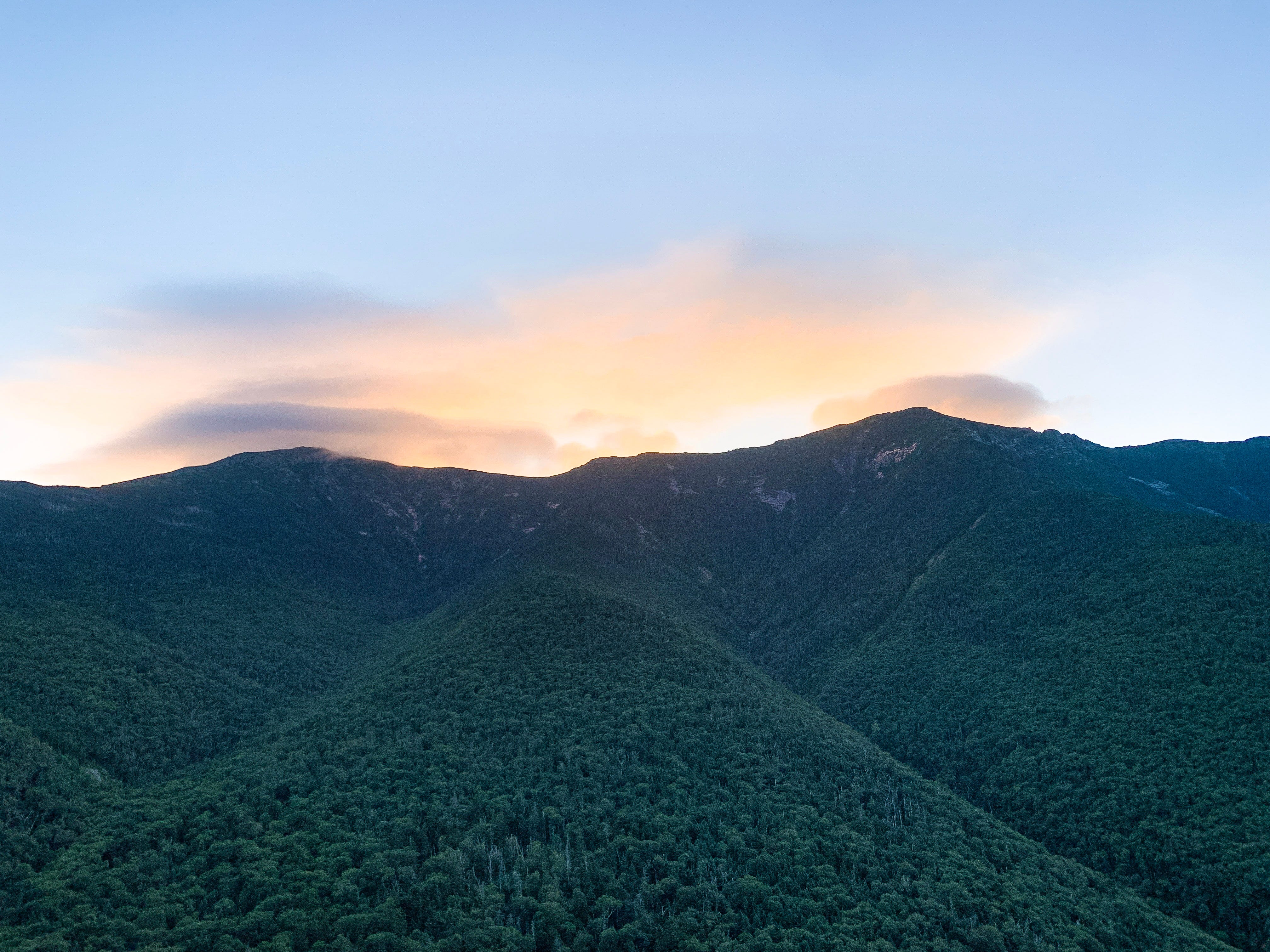
Inventoried Roadless Areas provide countless opportunities for passive wildland recreation. In my own “backyard”, the Forest Service recognizes 25,000 acres of IRA’s in the Green Mountain National Forest (Vermont) and 241,000 acres in the White Mountain National Forest (New Hampshire and Maine) that fall under the protection of the Roadless Rule. This is over 20% of the national forest in New England [12]. Many of these areas contain some of the region’s most popular hiking trails and access to iconic mountains and ridgelines; not to mention Wilderness.
Part of the justification of the Roadless Rule was the fiscal burden that road building and reconstruction had on the Forest Service. At the time of the Rule’s creation, the Forest Service had an $8.4 billion backlog in road maintenance. From 1992 to 1997, returns on timber sales were 82 cents on the dollar due to the cost of road construction and maintenance. Public lands logging accounts for a massive subsidy for private industry. We are trading away public forests at a loss [4, 10].
Wildfire prevention is the latest reason anti-wildland advocates provide for releasing millions of acres to logging and development. Despite what the USDA (and many other agencies and organizations) will tell you, logging our wildlands will not reduce the risk of wildfire. In fact, there are many recent studies that show it might increase that risk. What we should be focused on is home hardening and defensible space, as well as providing funding for communities in fire-prone ecosystems to implement these practical measures [13].
The list of benefits that wildlands provide goes on…carbon sequestration, clean water, flood mitigation, etc.
What you can do:
Please submit a public comment (click here) in opposition to the rescinding of the Roadless Rule. All you need to do is let them know why wild public lands (roadless areas in particular) are important to you. In doing so, your comment will be considered for the drafting of an Environmental Impact Statement. The deadline for comments is September 19, 2025.
Back in 2001, over 1.5 million supportive comments contributed to the institution of the Roadless Rule. As then, we should resoundingly support the protection of our public wildlands and oppose the rescinding of the Rule.
A final thought…
Upholding the 2001 Roadless Rule should only be seen as a band-aid. What we truly need is the permanent protection of all roadless wildlands across the United States. We can take steps to advocate for this by calling on our elected representatives to propose legislation to these ends. This includes passing landscape-level legislation like the Northern Rockies Ecosystem Protection Act. We must take action to preserve these last remaining pieces of our natural heritage.
[1] The Forest Service falls under the USDA. Why? You might ask…good question! This only makes sense in the context of a society like ours, in which trees are viewed as a crop to be harvested for profit, rather than as an integral part of an ecologically complex forest system.
[2] Under the guise of “wildfire suppression” the USDA announced it would be rescinding the Roadless Rule. This is nothing more than a ploy to open protected land for extractive industries - essentially a handout to the logging industry. Corporate welfare through and through.
[3] The Notice of Intent for the preparation of the EIS.
[4] Congressional Research Service Report R46504 provides a history and summary of Inventoried Roadless Areas.
[5] Howie Wolke’s Wilderness on the Rocks (1991) gives a thorough account of the RARE I and RARE II struggles. Craig W. Allin also provides some context in his The Politics of Wilderness Preservation (1982).
[6] To this day, there are large amounts of national forest adjacent to both IRA’s and Wilderness that should be included in our federal wildlands system. Some groups call these “Uninventoried Roadless Areas” and are actively trying to inventory them using modern Geographic Information System (GIS) software.
[7] Since 1982, Dave Foreman and Howie Wolke have been inventorying North American wildlands. Their work can be found in The Big Outside (1992). In their book, they state that 18 million acres that should have been inventoried were left out for various reasons. Therefore, at the completion of RARE II, there were at least 80 million acres of roadless wildlands within the NFS outside of Wilderness.
[8] Dave Foreman’s Rewilding North America (2004) is another great book that touches on the roadless issue.
[9] Between RARE II and the Roadless Rule, IRA’s could also be released (or recommended for Wilderness) via the forest plan amendment process, which is supposed to happen every 10-15 years per the National Forest Management Act (NFMA).
[10] Michael C. Blumm and Andrew B. Erickson’s article Federal Wild Lands Policy in the Twenty-First Century: What a Long, Strange Trip it’s Been (2014) discusses post-RARE Wilderness designations and implementation of the Roadless Rule.
[11] Foundational conservation biology texts strongly support the role roadless wildlands play. See E.O. Wilson and Robert H. MacArthur’s The Theory of Island Biogeography (1967); and Reed F. Noss and Allen Y. Cooperrider’s Saving Nature’s Legacy (1994).
[12] It is important to note that there are tens of thousands of acres identified as roadless within the most recent Forest Plans. These lands, however, are not held to the same degree of protection as those included in RARE II.
[13] Chad Hanson’s Smokescreen (2021) does an excellent job of debunking wildfire myths with the citations to back it up. His organization, the John Muir Project, is also a great resource for staying up to date on forest-related issues.
No posts
Comments
Nothing yet. Say the first thing.
Sign in to join the conversation.