
When we think of a school library, fiction often takes centre stage. Stories ignite imagination, build empathy, and nurture a love for reading. However, an equally important section of any library is its non-fiction collection. It plays a vital role in developing research skills, curiosity, critical thinking, and knowledge building.
From an early age, students should understand the difference between fiction and non-fiction, not only in terms of content but also in the purpose each serves. While fiction invites readers into imagined worlds, non-fiction helps them make sense of the real world. Teaching children how to navigate different types of non-fiction is just as important as helping them discover their favourite storybooks.
In 5 Kinds of Nonfiction, Melissa Stewart and Marlene Correia challenge the traditional notion that all informational books are the same. They introduce five distinct categories of non-fiction, each with its own purpose, structure, and reading experience.
I have learned about these categories and now we are teaching students the same through these picture books so students learn the differences of non-fiction books.
Traditional non-fiction provides a broad overview of a topic and is commonly found in large educational series. These books use clear, descriptive language and age-appropriate explanations to introduce concepts. They are especially valuable for building foundational knowledge and are often the first stop for students beginning research.
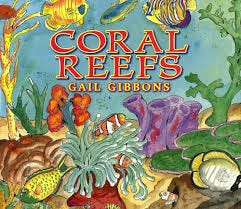
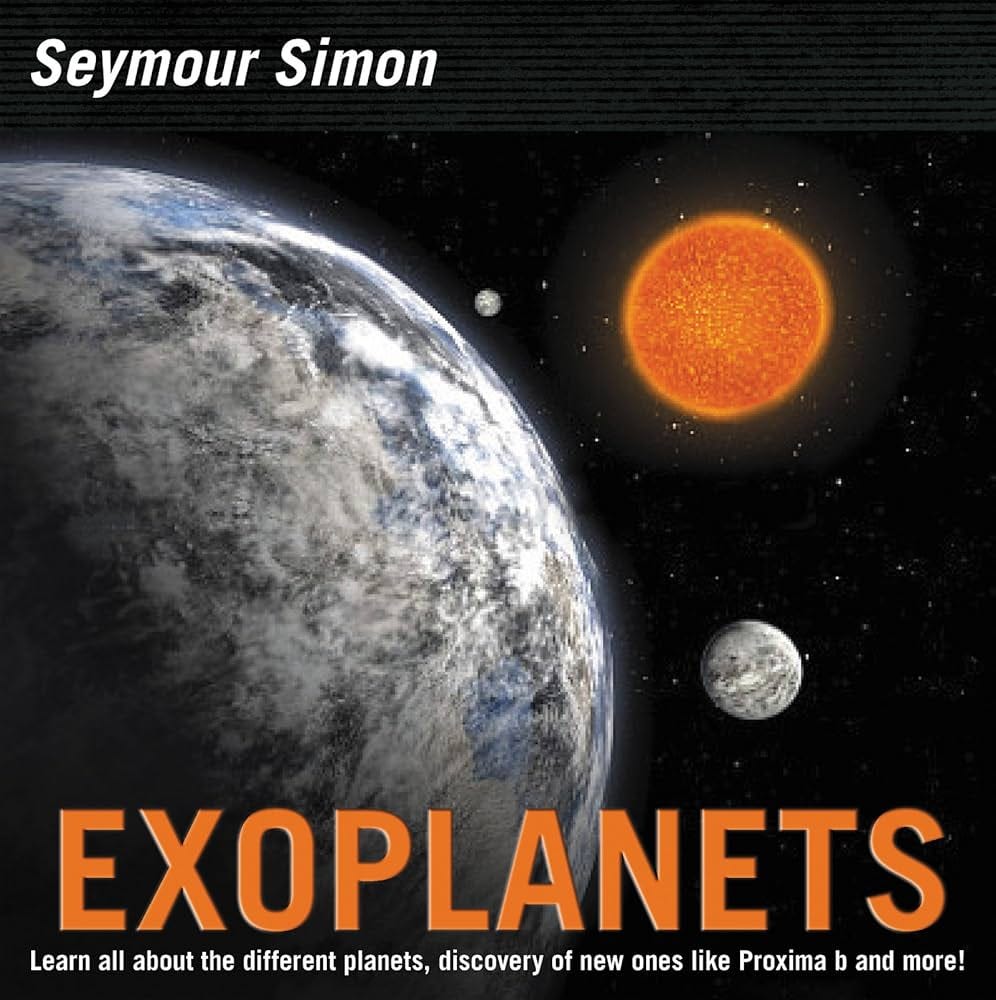
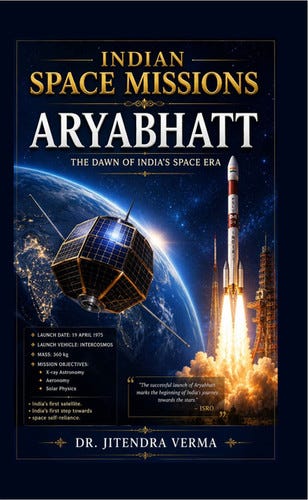
Browsable non-fiction is designed to encourage exploration. Rich illustrations, engaging layouts, infographics, photographs, sidebars, and fascinating facts allow readers to dip into sections that interest them rather than reading from cover to cover. These books are ideal for sparking curiosity and supporting focused research on specific topics.
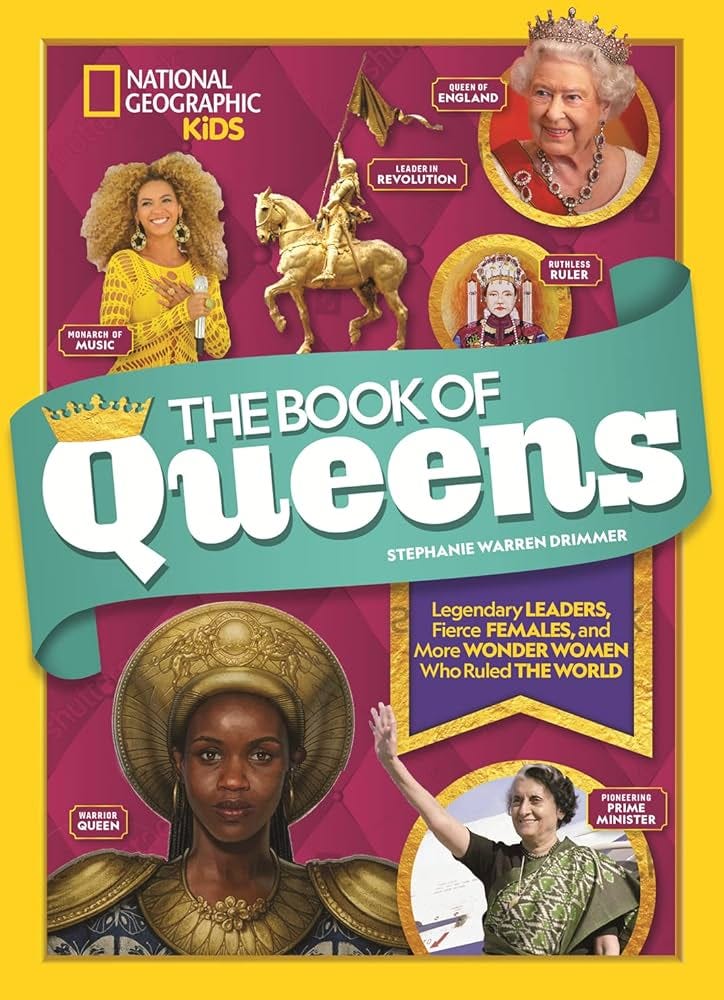
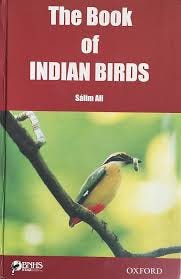
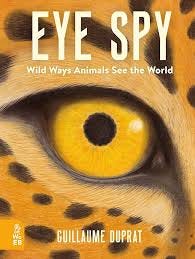
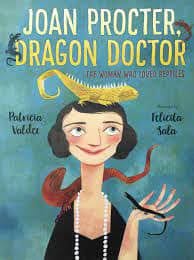
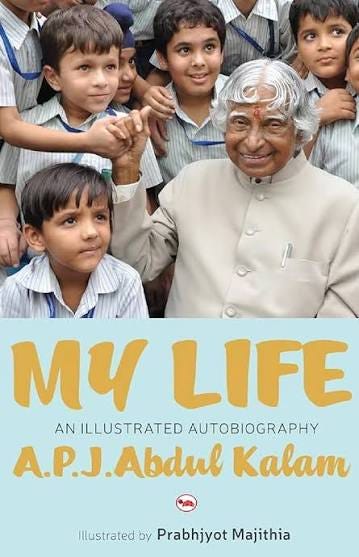
Emerging in popularity during the 1990s, narrative non-fiction tells true stories using literary techniques commonly found in fiction. Frequently used for biographies, historical events, and scientific discoveries, these books feature real characters, a strong narrative voice, and chronological storytelling. While they offer memorable reading experiences, their story-based structure makes them less suitable as primary research resources.
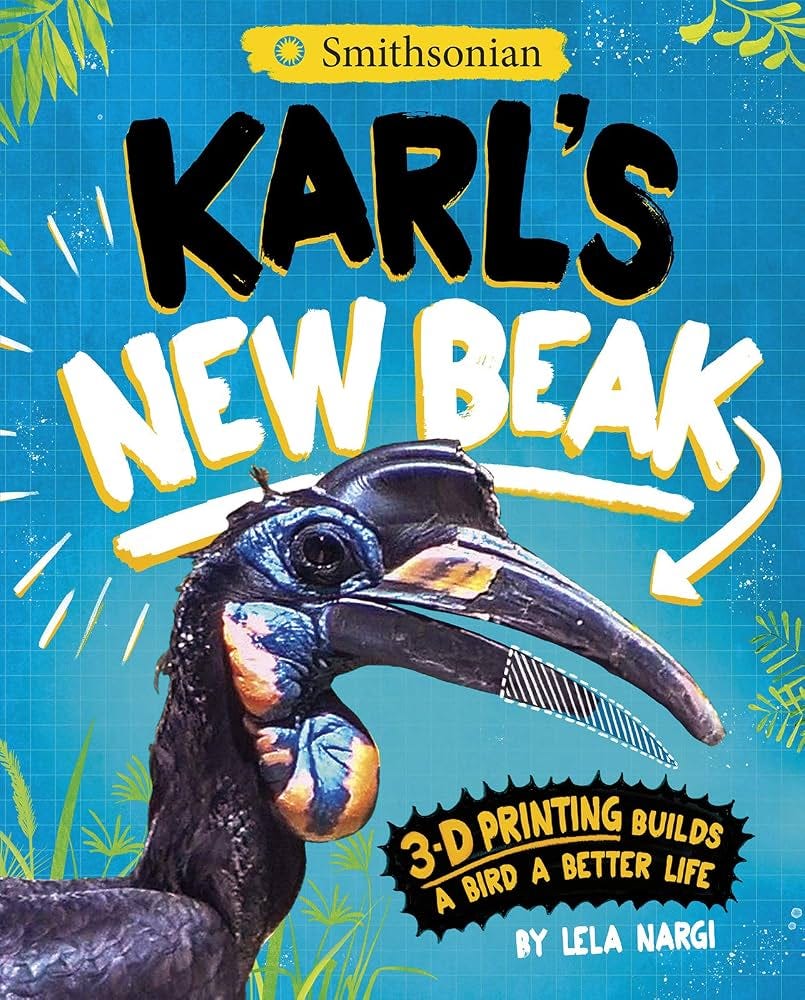
Expository non-fiction explains, describes, and informs while keeping readers engaged through innovative design and rich language. Rather than providing broad overviews, these books focus deeply on a specific topic, particularly in STEM and other specialised subjects. Their creative formats and engaging presentation make complex ideas more accessible and enjoyable.
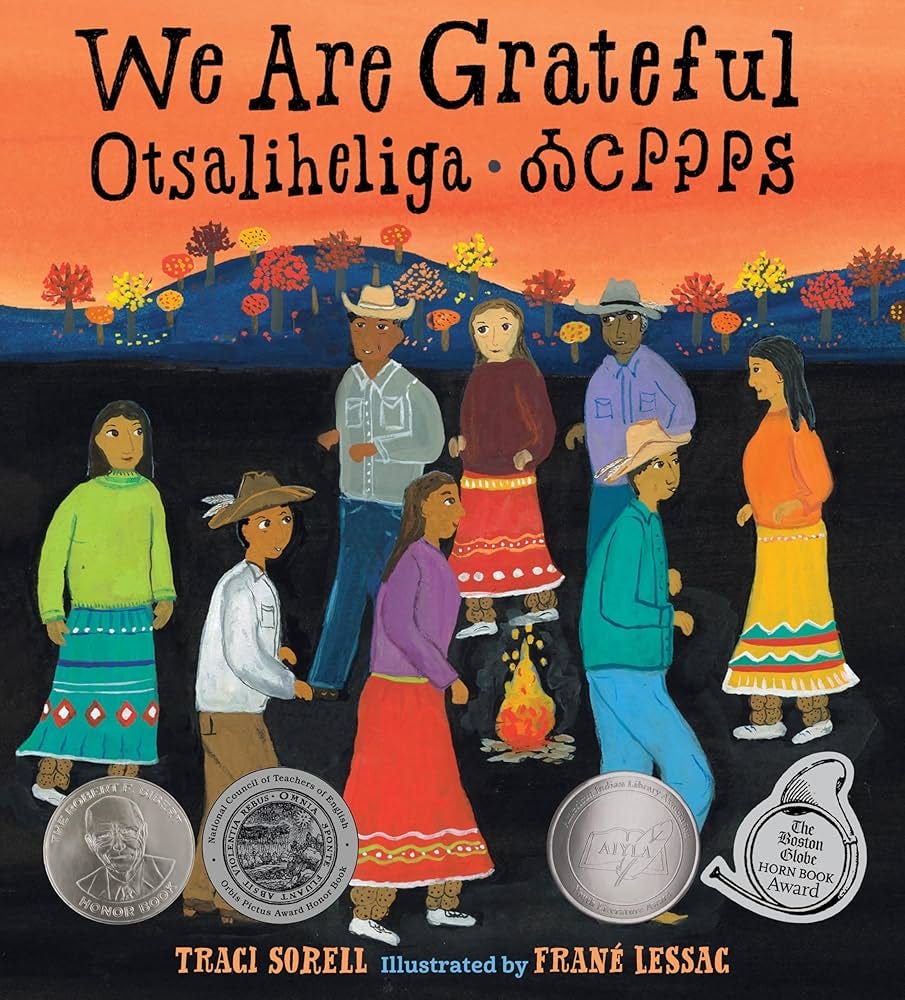
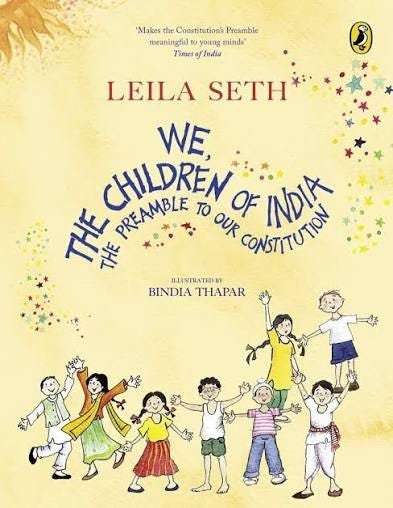
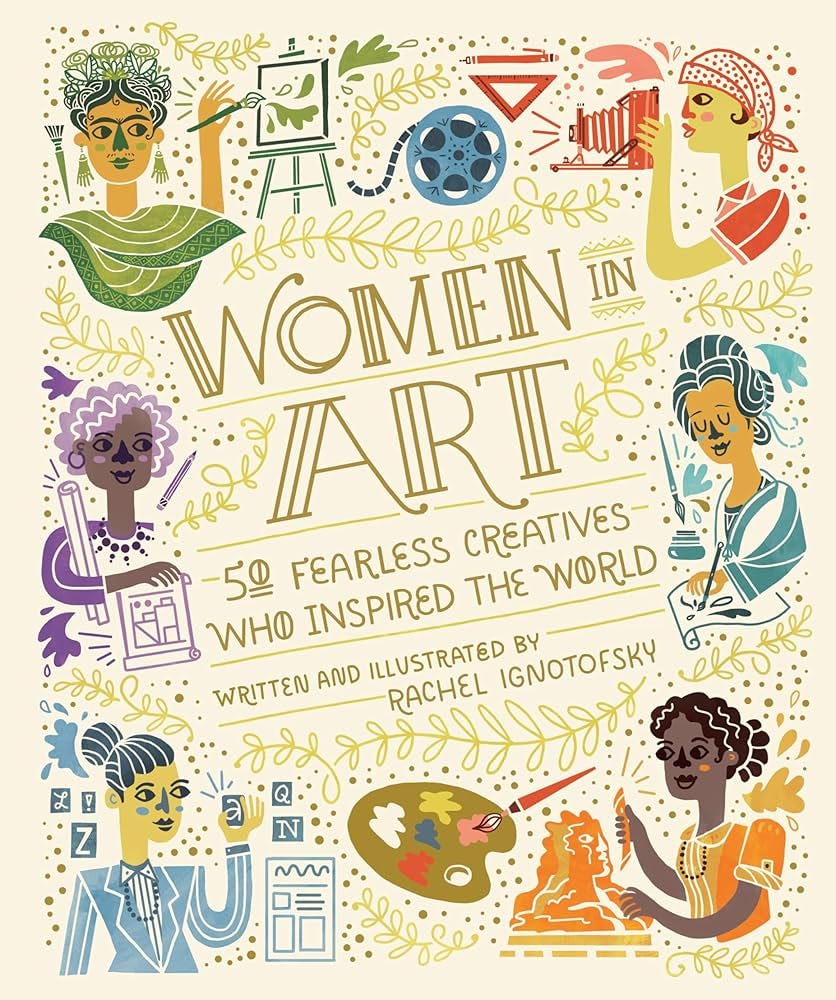
Active non-fiction encourages readers to learn by doing. From experiments and craft books to coding guides and cooking manuals, these highly interactive books teach practical skills through step-by-step instructions. They make information meaningful by allowing students to apply what they have learned.
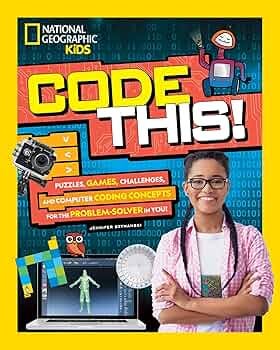
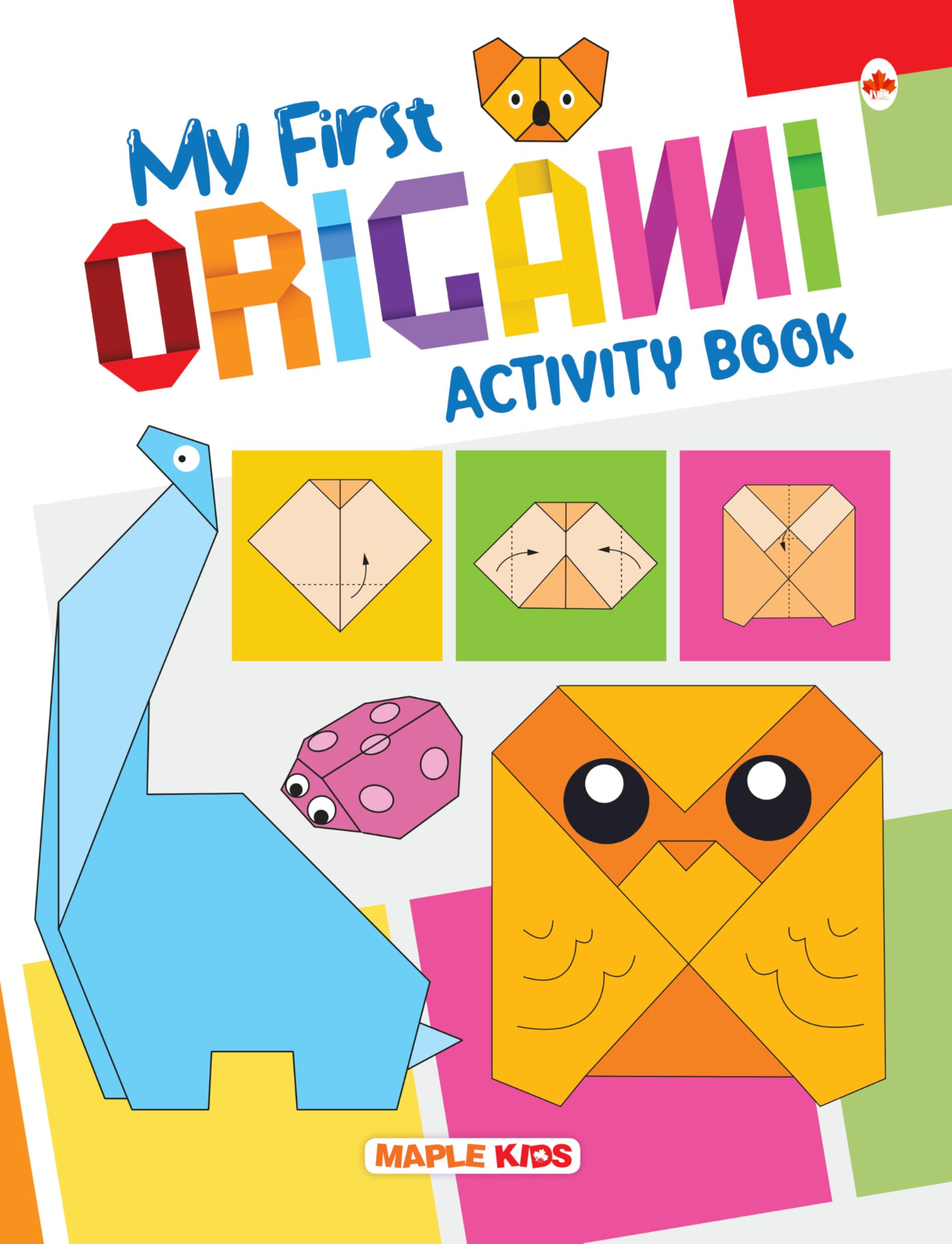
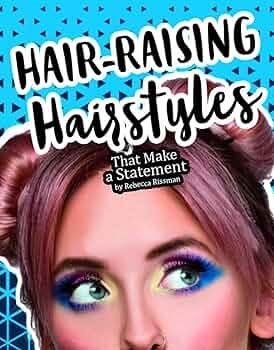
One of the most valuable contributions of Stewart and Correia’s work is their clear distinction between narrative and expository non-fiction. Narrative non-fiction presents facts through storytelling, while expository non-fiction organises information to explain concepts directly. Understanding this distinction helps educators and librarians recommend books that best match a student’s purpose—whether reading for enjoyment, conducting research, or building background knowledge.
The authors also explore the evolution of informational texts, explaining how the term has developed over time and why understanding text structures is essential for effective reading and learning.
Stewart also reminds us that students approach reading in different ways. Drawing on Louise Rosenblatt’s Reader Response Theory, she describes two reading stances:
Aesthetic Reading: Readers immerse themselves in the experience of reading, focusing on enjoyment, emotions, and the story itself.
Efferent Reading: Readers focus on gathering, understanding, and retaining information. They read primarily to learn.
Just as we celebrate students who love fiction, we should also value readers who naturally gravitate towards factual, information-rich books. Recognising these preferences enables educators and librarians to build more inclusive collections that reflect diverse reading interests and learning styles.
A balanced library is not simply one with an extensive fiction collection—it is one that offers a thoughtfully curated range of high-quality non-fiction. By introducing students to different kinds of informational texts, we help them become stronger researchers, more informed readers, and lifelong learners. Understanding the purpose and structure of non-fiction empowers students to select the right resource for the right task, an essential skill both inside and beyond the classroom.
Stewart, Melissa, & Correia, Marlene. (2022). 5 Kinds of Nonfiction: Enriching Reading and Writing Instruction with Children’s Books. Stenhouse Publishers.
No posts
Comments
Nothing yet. Say the first thing.
Sign in to join the conversation.