
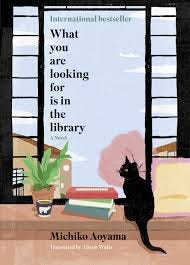
Can librarians change the lives of their patrons? The book, What You Are Looking for is in the Library by Michiko Aoyama made me believe that it can. Of course, the protagonist of the book, Sayuri Komachi, was endowed with an almost mystical ability to read people’s souls. But I am convinced mere mortals like us can also make a difference.
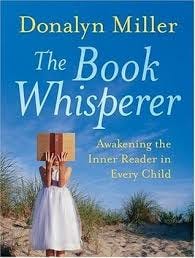
Reading has been credited with developing a whole gamut of skills — the more obvious ones being language skills. Reading also helps our brains in myriad ways: it helps fuel our imagination and boosts creativity. It broadens our minds and we step into different worlds and learn about people who are like us and also those who inhabit different worlds. Reading opens gateways to so much knowledge. Donalyn Miller expresses this so beautifully in her book, The Book Whisperer: “Reading changes your life. Reading unlocks worlds unknown or forgotten, taking travelers around the world and through time. Reading helps you escape the confines of school and pursue your own education. Through characters - the saints and the sinners, real or imagined - reading shows you how to be a better human being.”
It is this last benefit that I want to talk more about — the power of reading to help the children who come to our libraries become kinder, more compassionate humans who seek to understand themselves and those they interact with.
A couple of years ago, as part of a project, I started writing a manual on how to read aloud. I sent it to my dear friend, Heeru Bhojwani, to read it and share her thoughts with me. She very kindly did so and we went on to write three more manuals together — one focusing on visual literacy, one on developing better writing skills, and the last on using picture books to build social-emotional skills in children (all these are available for anyone to download for free at www.librariansofindia.in/resources).
Picture books are uniquely positioned to support children’s emotional development. Unlike chapter books or novels, picture books offer something special: the interplay between text and illustration creates multiple entry points for understanding complex feelings and situations. A child who struggles to articulate their emotions might see themselves reflected in a character’s facial expression or body language. Another might connect with the words that give shape to feelings they couldn’t quite name.
The beauty of picture books lies in their accessibility and their depth. A well-crafted picture book can be read in one sitting, yet revisited again and again, revealing new layers with each reading. They create safe spaces for children to explore difficult emotions such as grief, anger, fear, jealousy, and so on through the comfortable distance of a story.
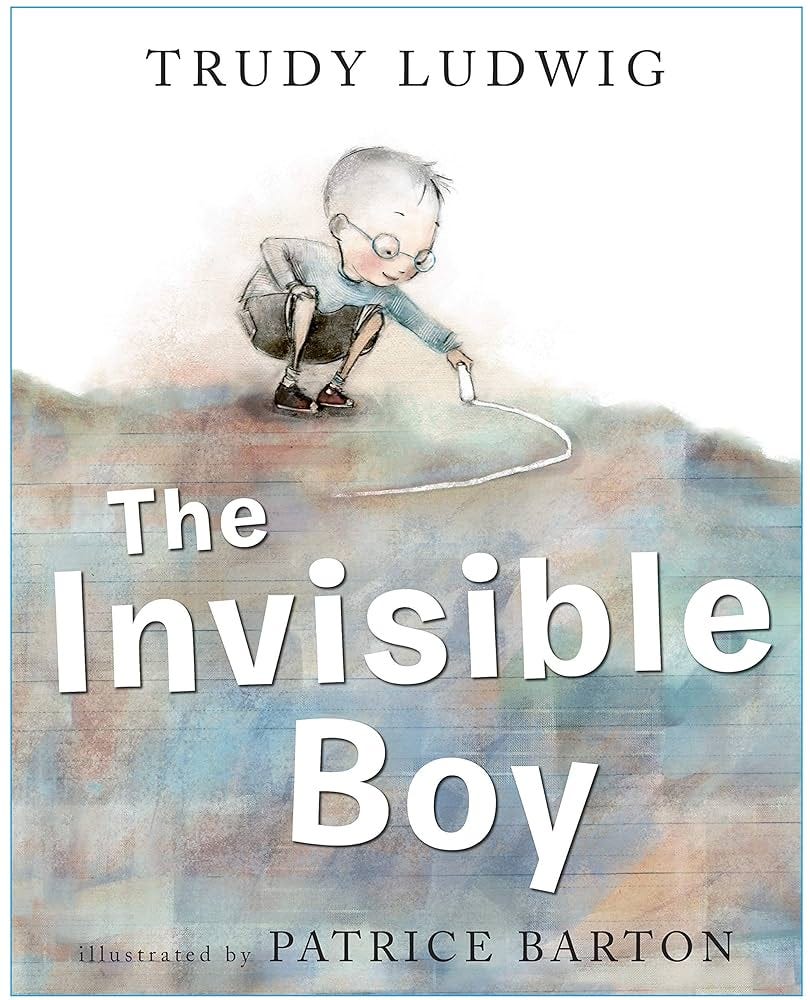
When we read The Invisible Boy by Trudy Ludwig, we’re not just reading a story—we’re opening conversations about loneliness, empathy, and inclusion. When we share Boo! When My Sister Died by Richa Jha and Gautam Benegal, we’re creating space to talk about grief and loss in ways that feel safe and manageable for young minds.
The questions we ask while reading with children can transform a story from entertainment into a tool for building empathy and emotional intelligence. Here are some conversation starters we’ve found particularly effective:
Before Reading:
What do you notice about the character’s body language or face on the cover?
What do you think this story will be about?
What do you think the character needs right now?
During Reading:
How is the character feeling right now? How do you know that?
What would you be feeling if you were in their place?
What problem is the character facing? What choices does the character have?
Why might the character be acting this way? What might be happening that we can’t see?
After Reading:
When have you felt like the character?
Does this character remind you of someone in your life?
How did this story make you feel?
These questions do more than check comprehension—they build the muscles of empathy and self-reflection.
For me, one powerful unlearning has been the idea that children need to be protected from difficult emotions in books. We often gravitate toward books with tidy resolutions and clear moral lessons. But children are living through complex realities—divorce, death, displacement, discrimination, mental health challenges. When we only offer them stories where everything works out perfectly, we’re not preparing them for life. We’re failing them.
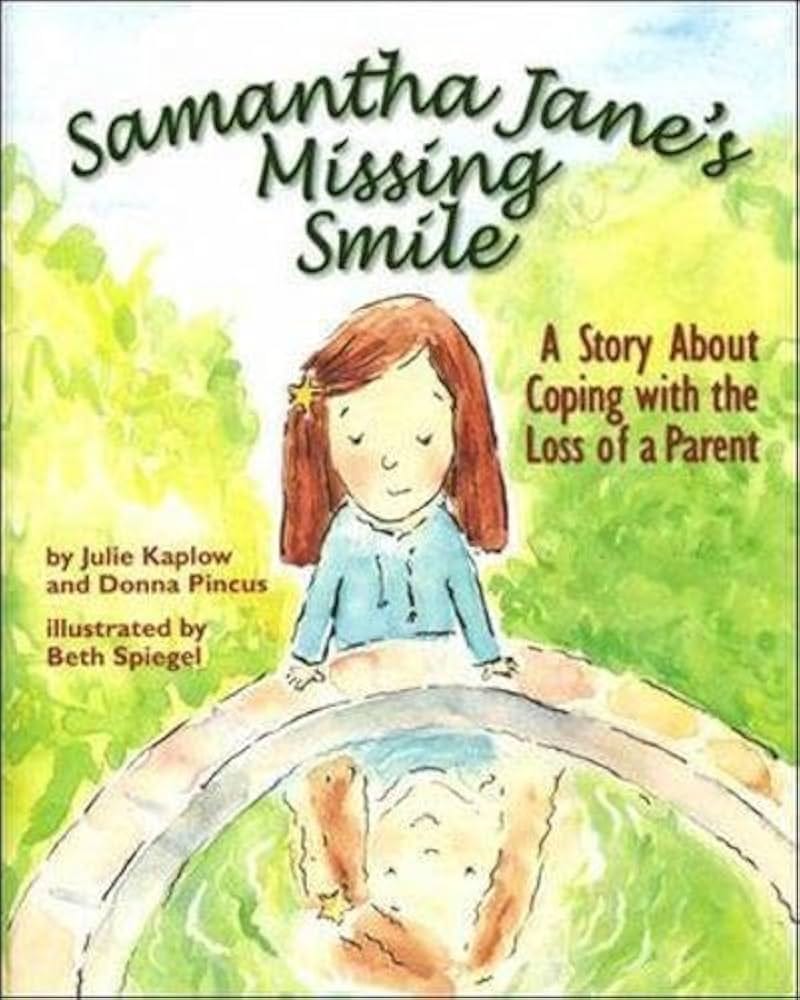
The most powerful picture books don’t offer easy answers. They sit with difficult feelings. They show characters struggling, making mistakes, finding their way through. Books like Samantha Jane’s Missing Smile or Paati’s Rasam don’t minimize loss. They honor it while showing paths through grief.
As we use picture books to explore emotions with children, it’s essential to create an environment where they feel safe to share and reflect. Some ground rules can help: Listen with ears and hearts. All feelings are okay to have. Respect different experiences. Use “I” statements. When difficult moments arise during discussions, validate feelings first, redirect to the story when needed, and be prepared to follow up privately if necessary. Have support resources ready for children who might need additional help.
The conversation doesn’t have to end when you close the book. Some meaningful extension activities include: emotion journals where children connect their own experiences to characters they’ve read about; “What would you do?” scenario discussions that build decision-making skills; kindness challenges inspired by the stories; class interview projects where children talk to each other about feelings; and art responses to emotional scenes that allow for non-verbal processing. These activities help children integrate the social-emotional lessons from stories into their own lives, building the empathy and self-awareness that will serve them long after the book is returned to the shelf.
No posts
Comments
Nothing yet. Say the first thing.
Sign in to join the conversation.