
The word “evaluation” makes us all stop and think. In a PYP library for 7- to 12-year-olds, kids bring endless energy, curiosity, and questions. These questions start real inquiry—better than any ready answer. As librarians, our job is to support this fire. We do it with smart spaces, the right books, close work with teachers, and fresh ideas. We turn over every stone to make it work.
When evaluation news hit our IB PYP school, we dug deep. We read articles, blogs, and interviews about what IB wants. I checked my own work many times. Was I ready? Here is what I learned from going through our PYP evaluation.
Just before the visit, our whole team finished IB certification. I took Category 3 for the librarian role. The training taught us to mix multilingualism and multiliteracies into daily work.
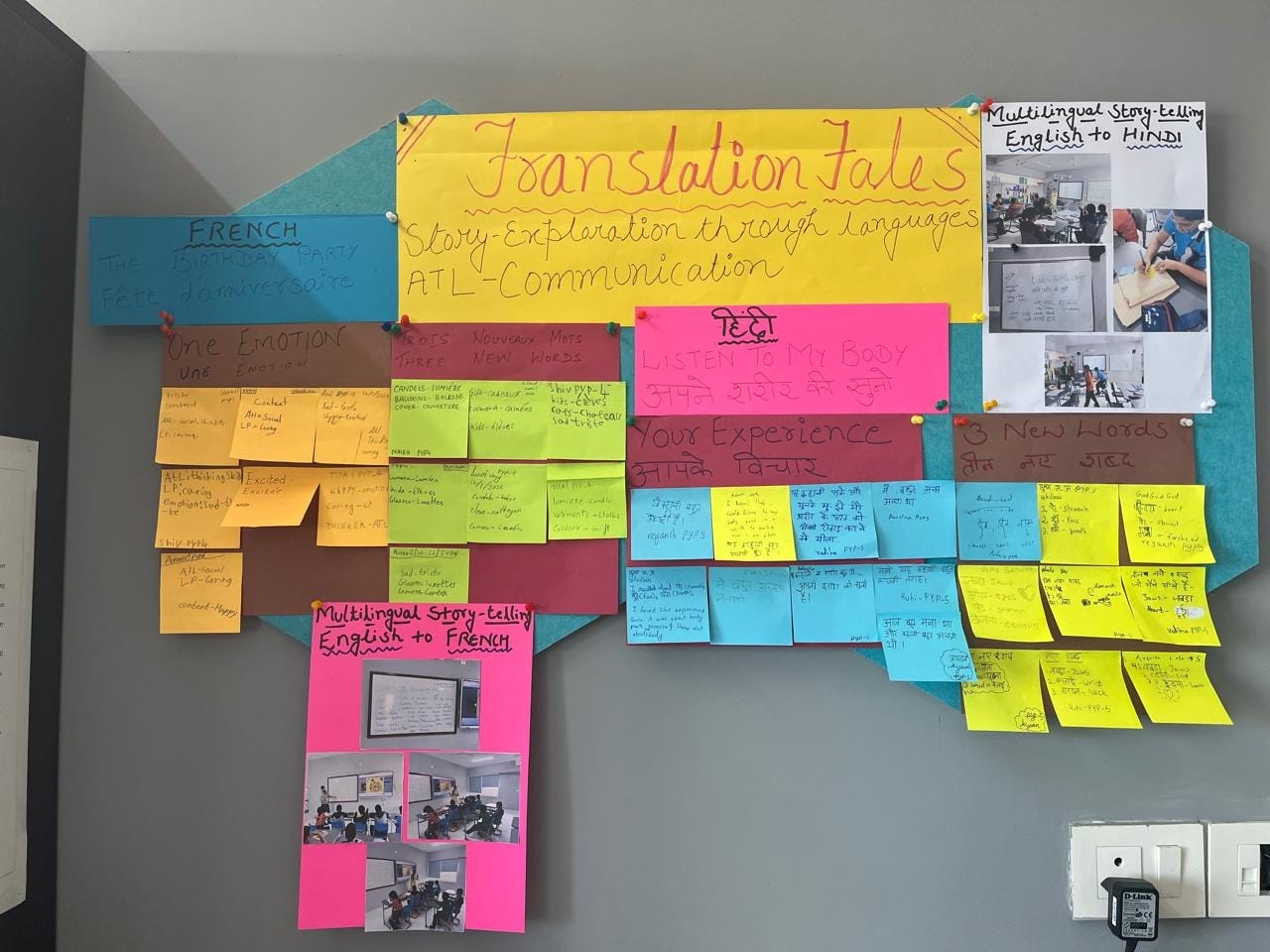
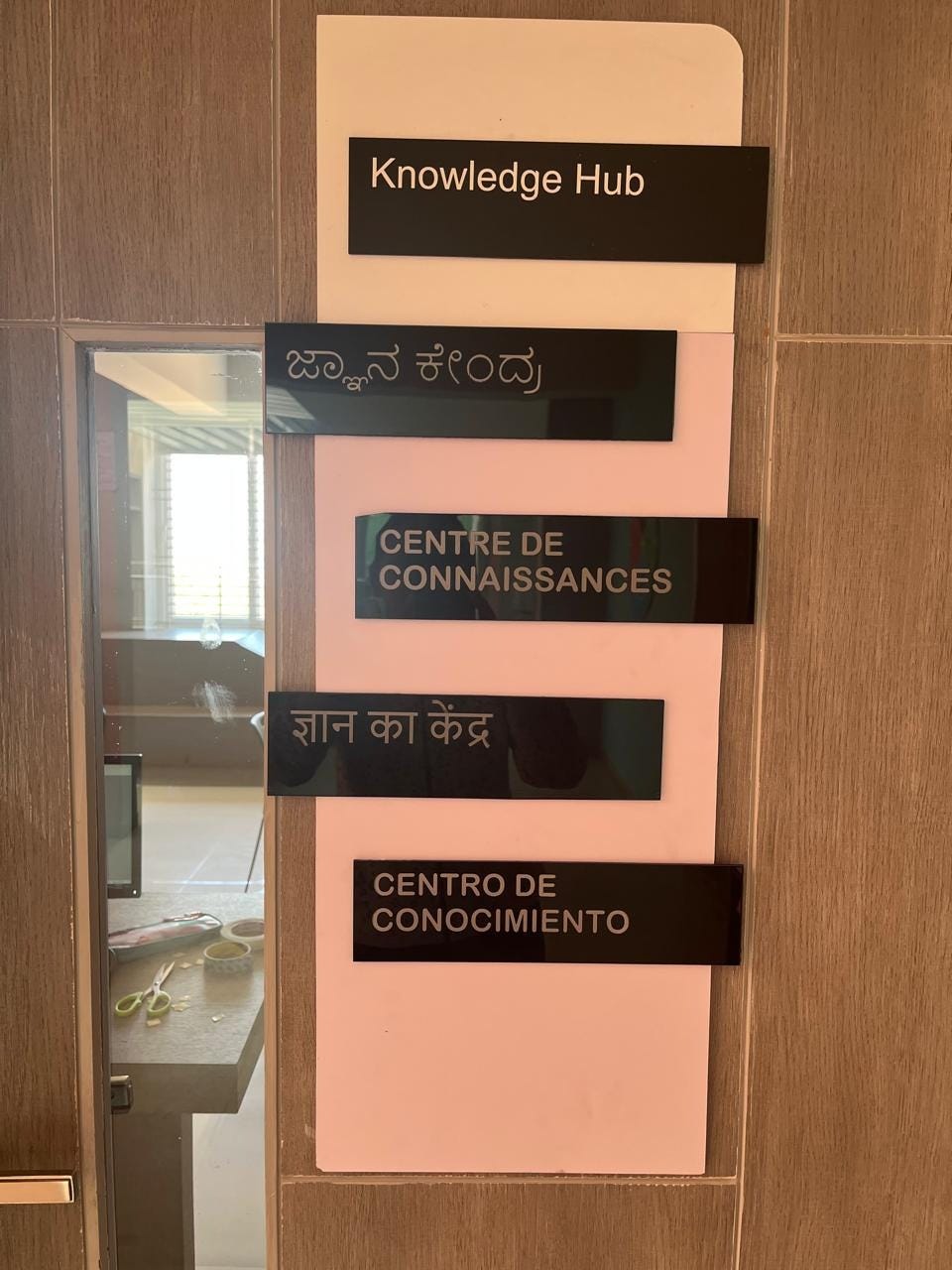
I started with the library display. Our space is called “Knowledge Hub.” I added signs in Hindi, Kannada, French, and Spanish. These match our school’s offered languages. The bright signs shout multilingualism to everyone who walks in.
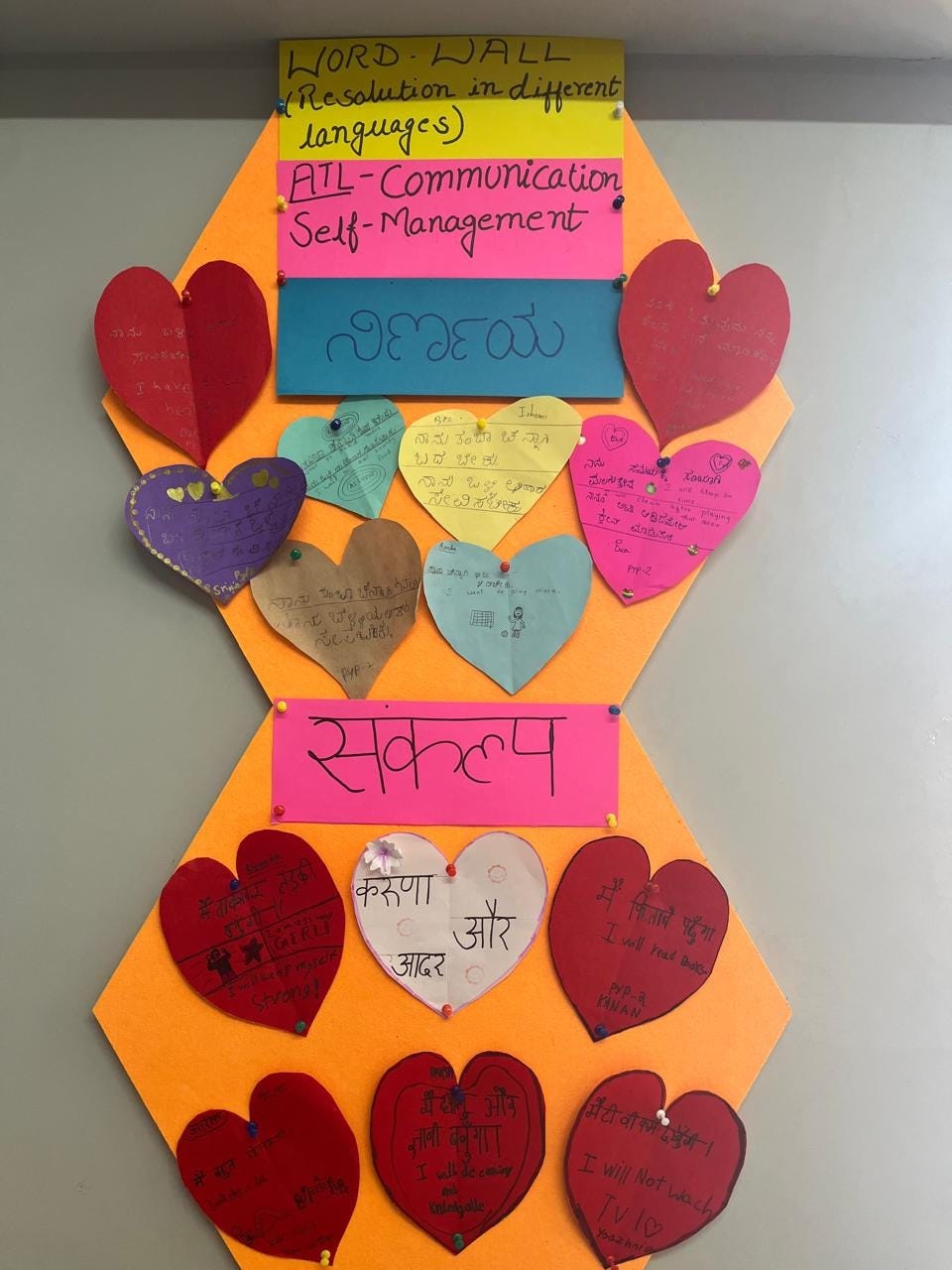
We held storytelling sessions in all four languages. The children loved hearing tales in their home tongues. For the New Year, we asked learners to write resolutions in any language they chose. We made a huge word wall with them. It looked colorful and made every child feel part of it.
To build multiliteracies, we added two digital tools. GetEpic is a fun app for pleasure reading and quick research. Kids search and find books in seconds. Common Sense Media teaches digital literacy and well-being lessons. It shows how to stay safe and kind online. Since I teach AI ethics, these tools help students read, think, and create responsibly across all platforms.
Collection Development
The entire soul of the library is the collection—yes, the balanced and diverse resources that we develop consciously over a period of time. In IB, student agency matters the most; therefore, to empower students’ voice and choice, we share a Google Form with the students so that they can also provide their reading choices. The same Google Form is shared with the teachers as well. This form is not just for books but also for skill development workshops - Note-making, citations, primary and secondary resources etc. that students and teachers suggest or recommend. This actually helps us plan our calendar well.
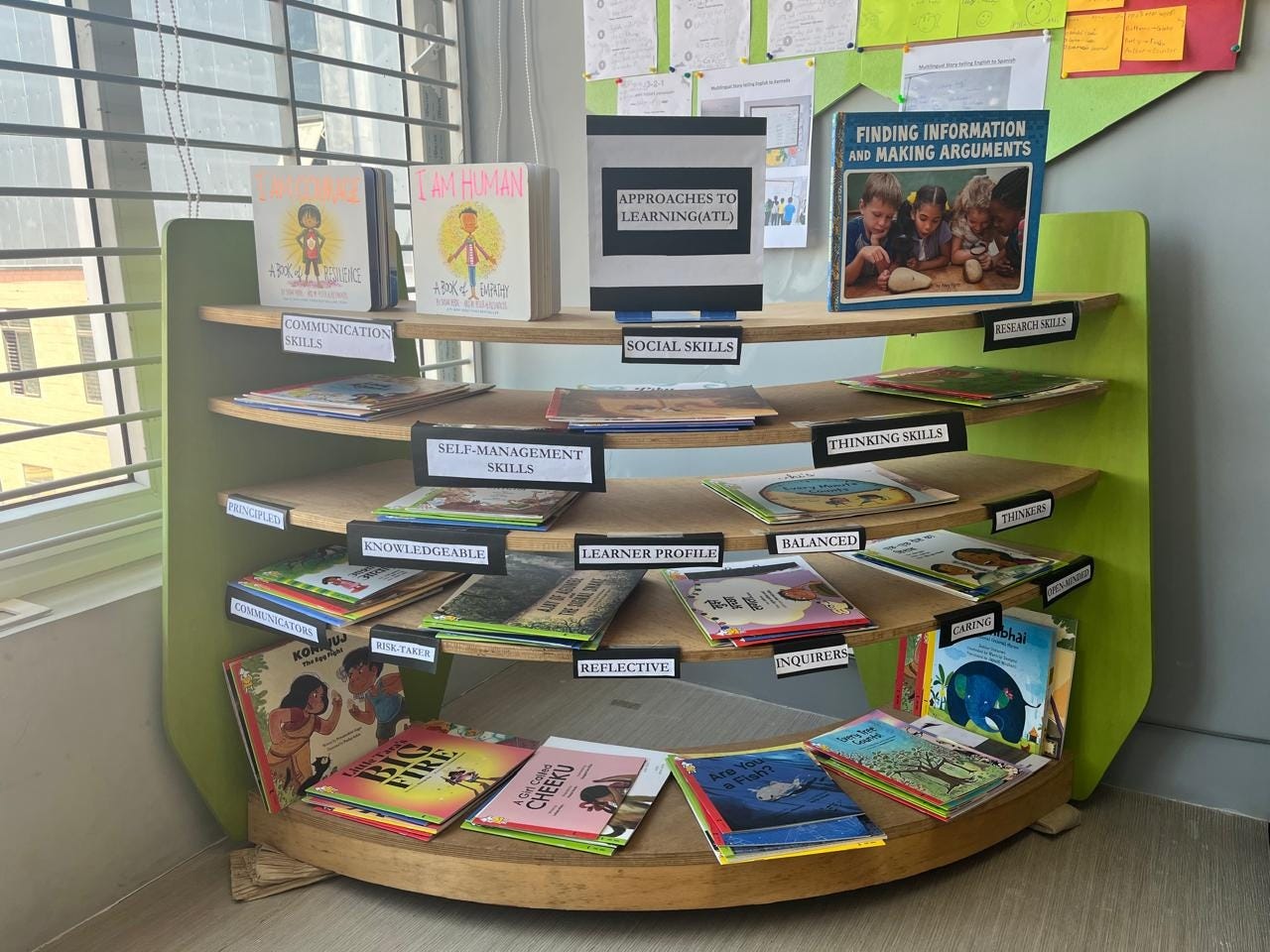
Apart from the regular reading collection, we develop ATL and Learner Profile resources. The library budget must be well spent; therefore, when it comes to procurement, we have to be very mindful in spending. For ATL resources, I refer to the Follett Destiny suggested list; for Learner Profile, I refer to Susan Powers’ PYP Teaching Tools suggested list. For Indian language development, Pratham Books are the best place because they provide books on level-based reading, so you can procure books as per your readers’ proficiency level. Storyweaver by Pratham is an online resource centre where you can find books in many foreign languages. For a few titles that we want to choose for the multilingualism collection, we download and print the books and keep them in the library since they are not available in print. Though Storyweaver comes under Creative Commons license, we still obtain the publisher’s permission for all printed copies. We did this to showcase our learners being principled and following academic integrity with due credit to the source. These are the few methods I use for my collection development for the evaluation visit.
Self-Study Document: They read every page. Know the IB programme standards and practices by heart. Be clear on your school’s status—developing, authorised, or excellent.
Library Sessions: They watched lessons in the library. My class on spotting misinformation got good feedback. But they said to keep core sessions here, even if we go to classrooms sometimes, like in Category 3 training.
A Typical Library Day: Show how your library pushes the PYP curriculum. Talk about planning with teachers, teamwork, and how you design sessions.
Sparking Inquiry: Do you join collaboration meetings? Can you name the current unit, its lines of inquiry, and key concepts? With our focus on ATL skills through PDP, they asked how we build thinking, research, and more.
Transdisciplinary Integration: Give fresh examples. Link library work to classroom units. Real stories from classes prove it best.
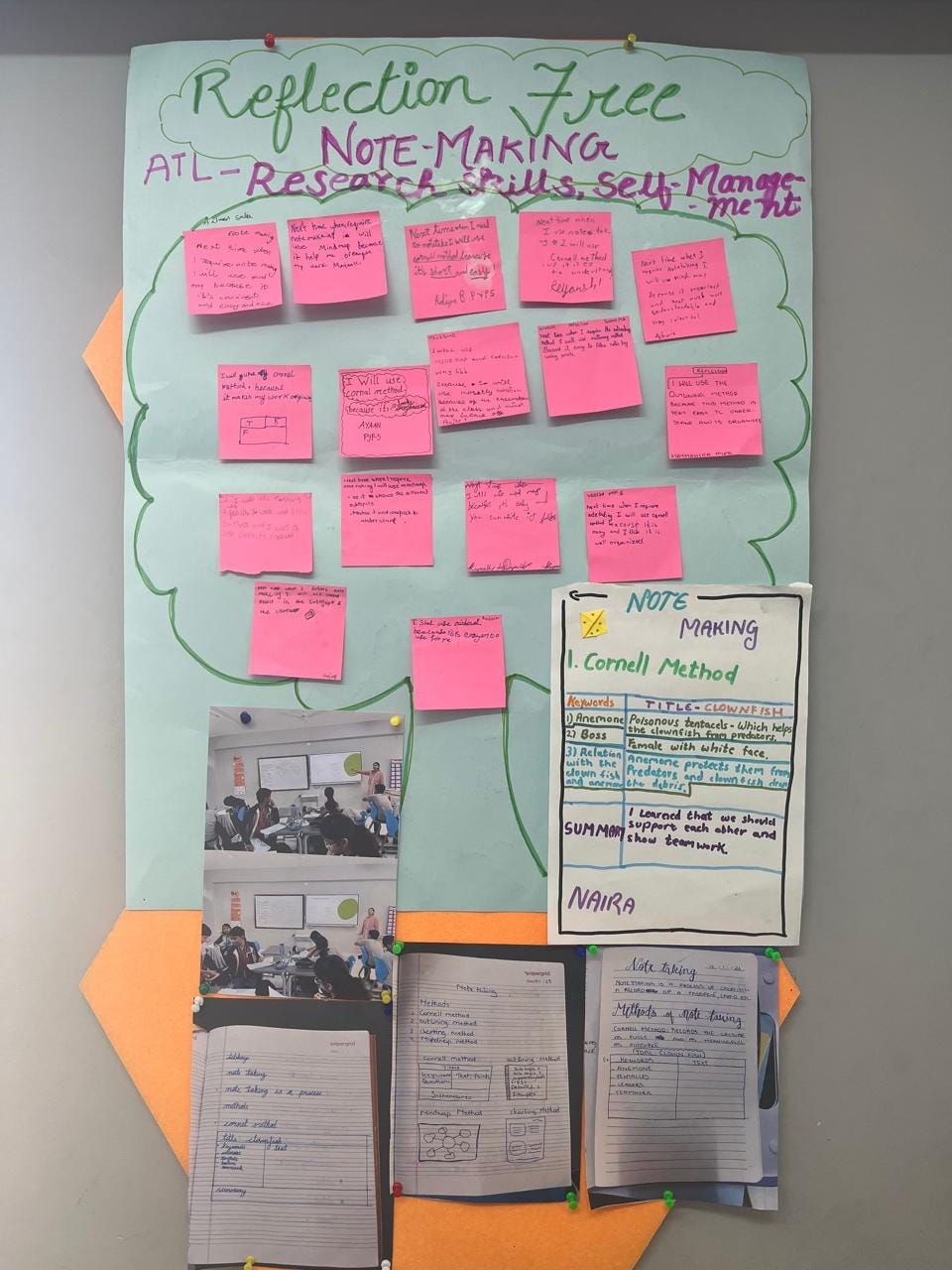
Aha Moments: Share student reflections. Show note-making samples, citations from research, or skill growth.
Challenges: There is no official library scope and sequence like for maths or science. This is tough but good. It lets us build plans at the learner’s pace.
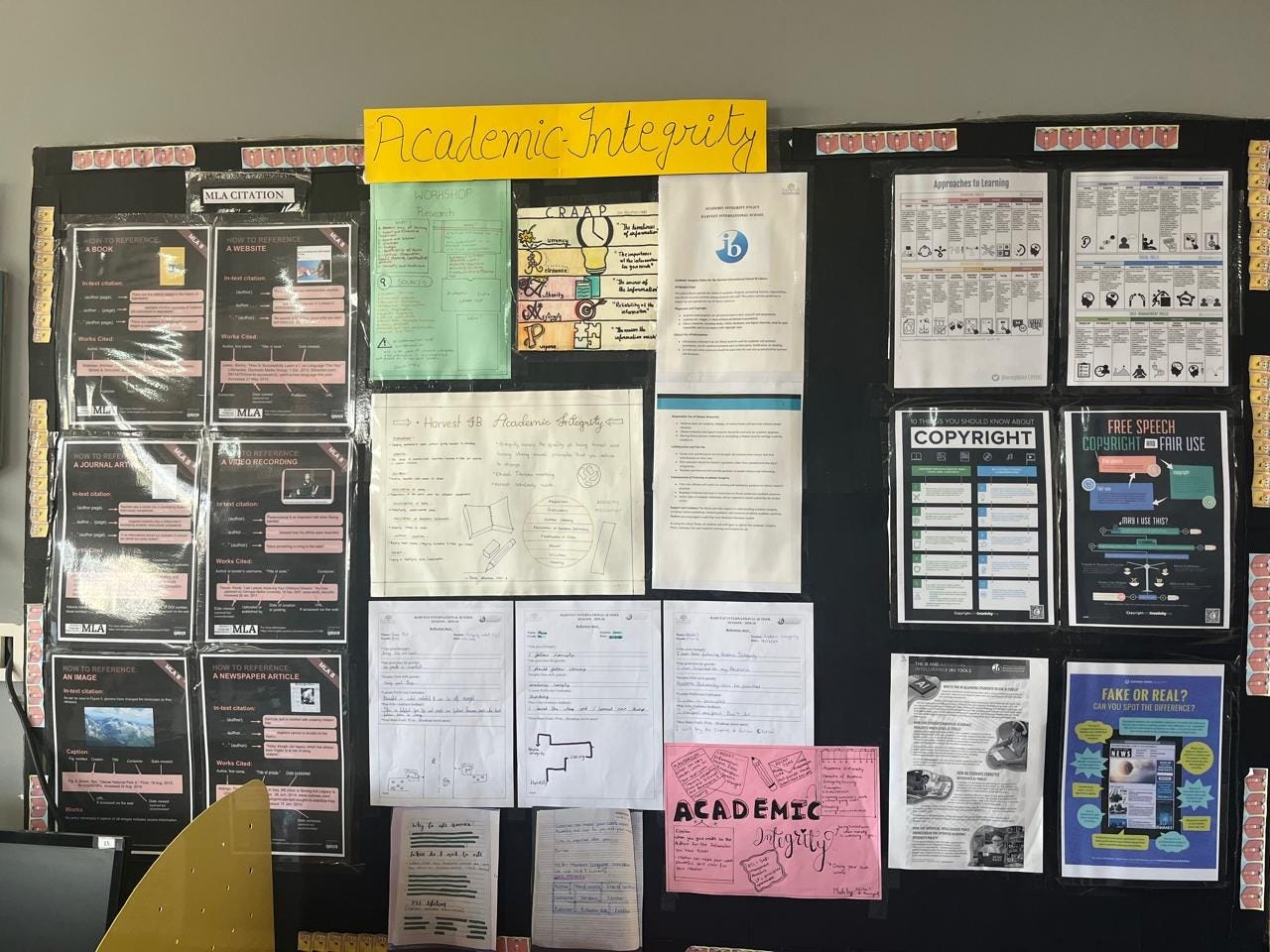
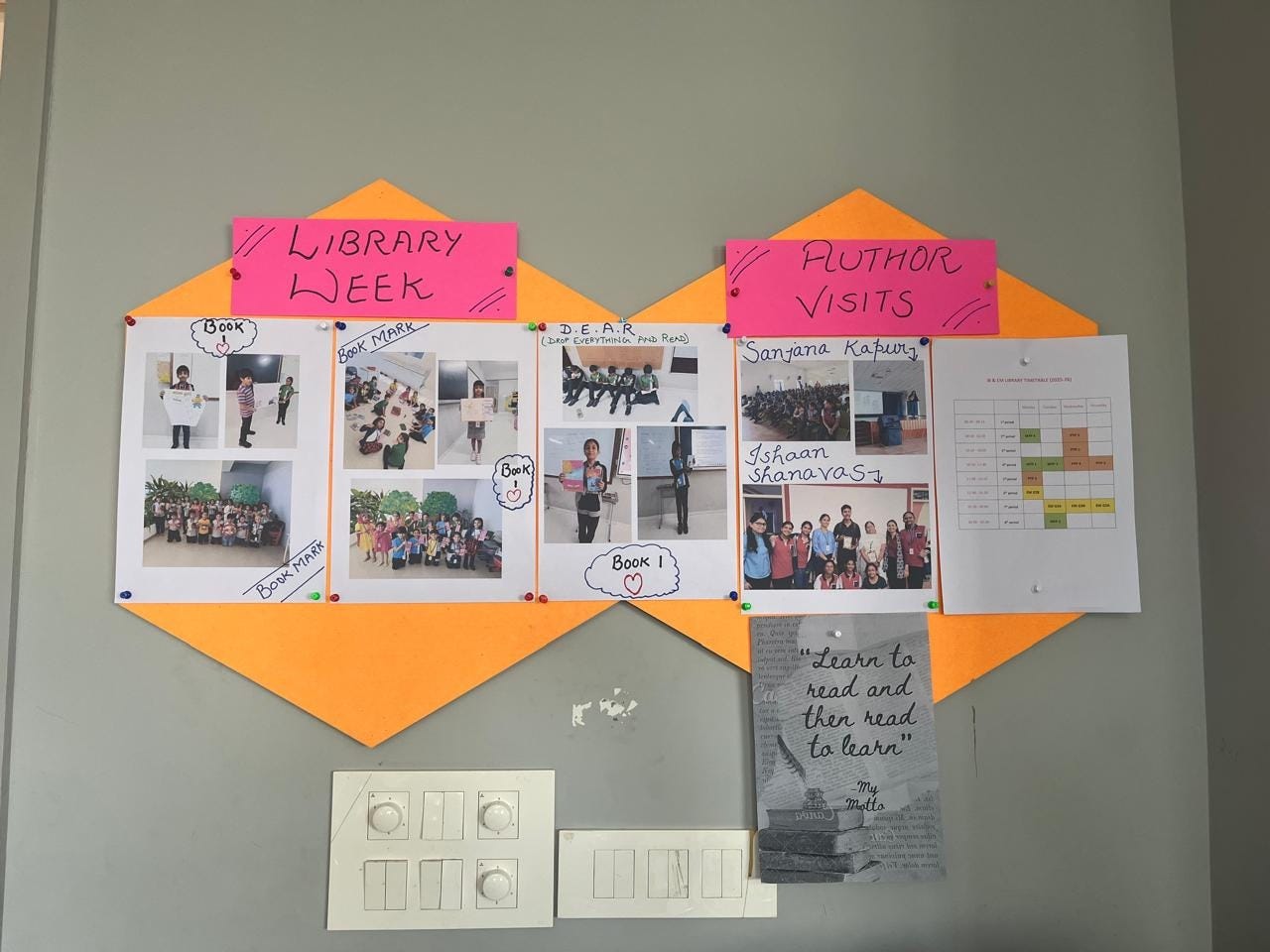
The evaluators toured the library first. They loved it: neat fiction and non-fiction sections, books tied to current units, learner profile posters, ATL skill boards, and walls full of student work. Think reflections on skills, note-taking examples, academic integrity posters, multilingual stories from Library Week, and more.
Pro Tip: Your displays do the talking. They show impact without a single word.
These lessons prepared me well. I hope they help you face IB scrutiny with confidence.
Acknowledgment:-
Rephrased my thoughts using Perplexity.
No posts
Comments
Nothing yet. Say the first thing.
Sign in to join the conversation.