
In a world shaped by technology and AI—where screens often demand more attention than stories—there’s something deeply refreshing about the culture I witness every day in my school: a genuine love for reading.
Ours is a residential school where students follow tightly packed schedules, leaving them with very little idle time. Yet, there is one space where time seems to slow down—the library. Coming from a metro city and stepping into a residential school environment for the first time, I was pleasantly surprised to see students waiting eagerly outside the library doors or constantly looking for the librarian. That quiet enthusiasm spoke volumes.
World through Books
Very soon, I began noticing something truly special—students carried books everywhere. In the dining hall, many were more absorbed in their books than their meals. That image, of a student lost in a story amidst the everyday routine, stays with me. It’s this quiet passion that inspires me every day—to do more, to offer more, and to keep the library alive with possibilities.
Readers’ Choice
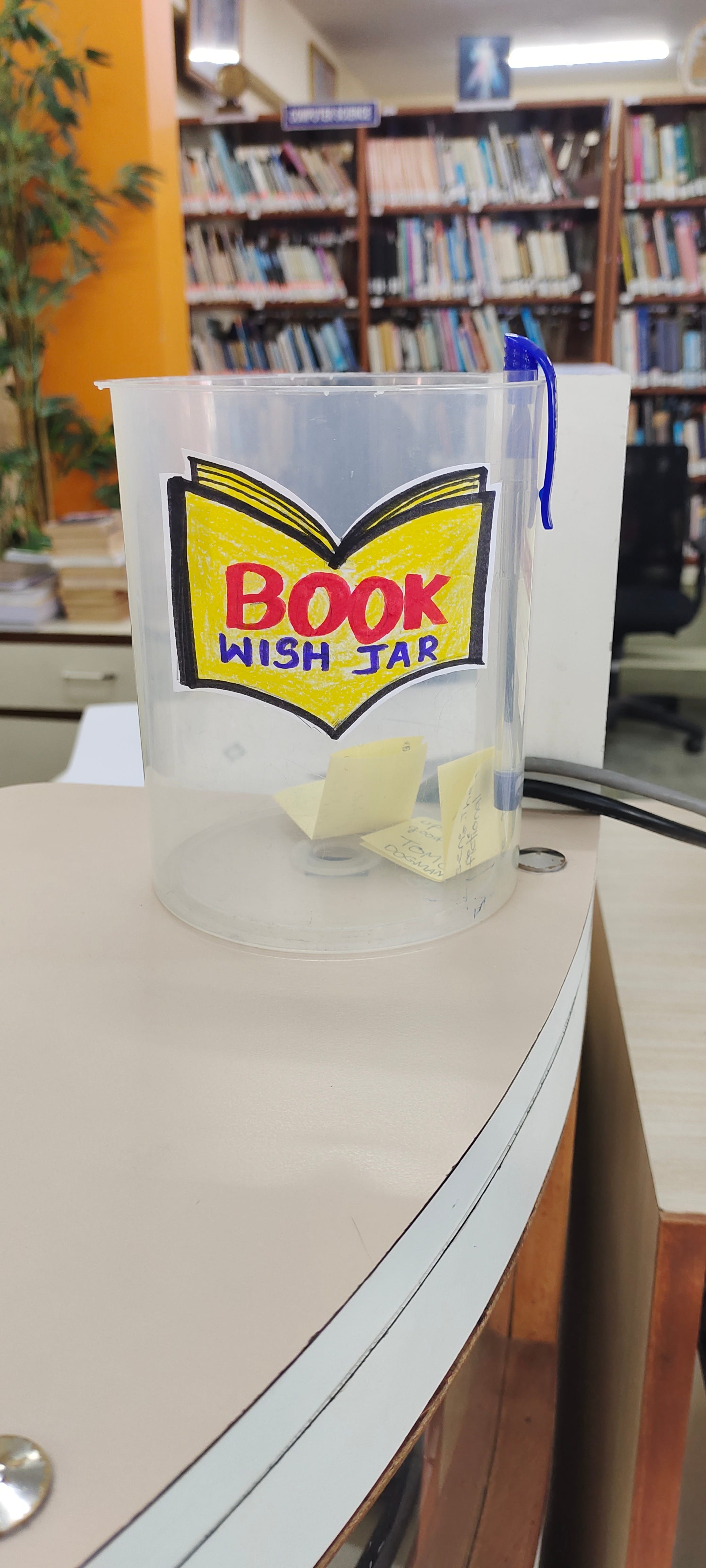
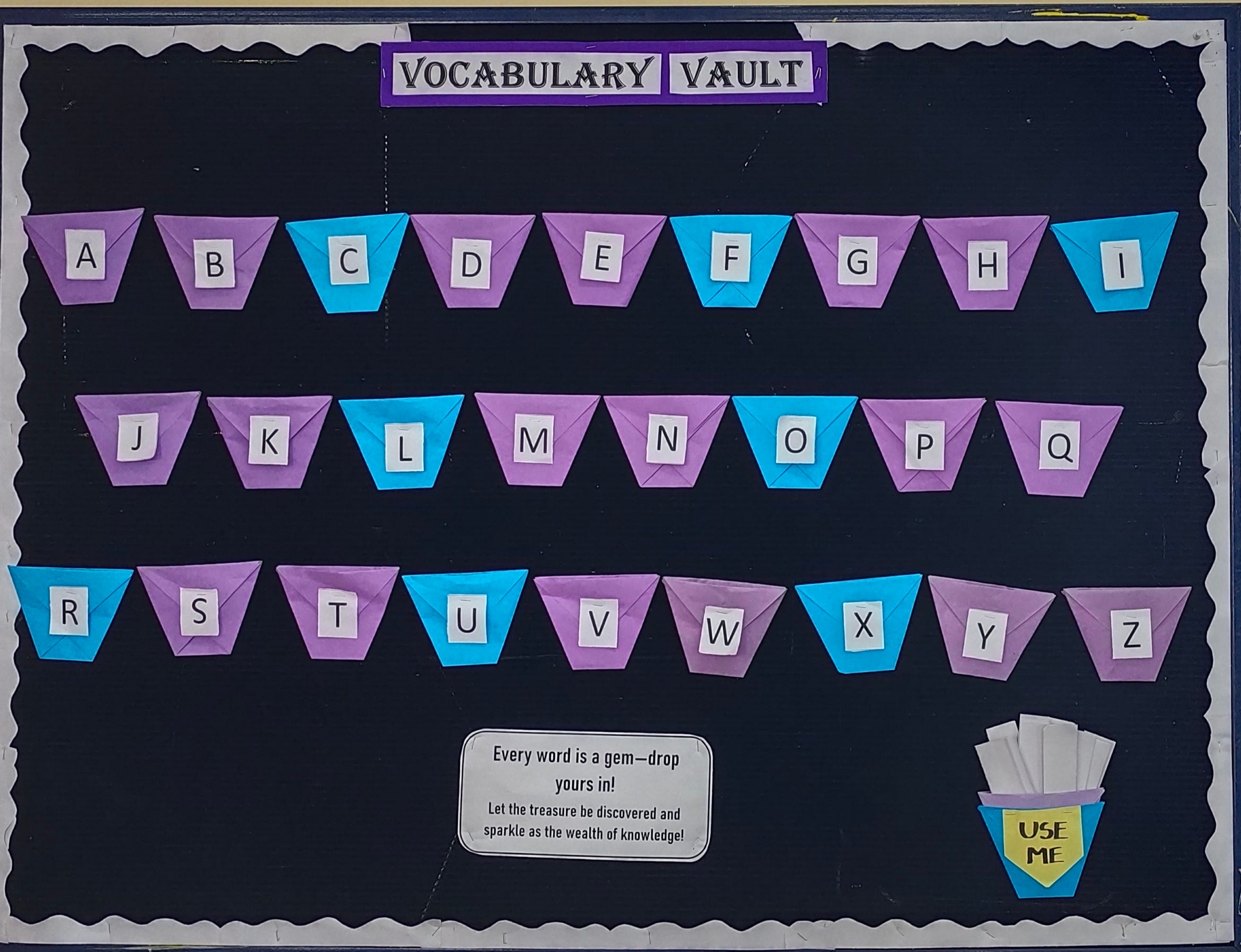
To make the library more student-driven, I introduced a simple idea—a Book Wish Jar. Students could drop in the titles they wanted to read, giving them a voice in shaping the collection. What followed was incredible. The books we added based on their suggestions barely stayed on the shelves. They moved quickly—from display racks to eager hands. The more we added, the more they read. And the wish jar? It never stayed empty for long. Even though the library remains open throughout the week, from Monday to Sunday, it still doesn’t seem enough to satisfy their curiosity.
Crafting Our Book Collection
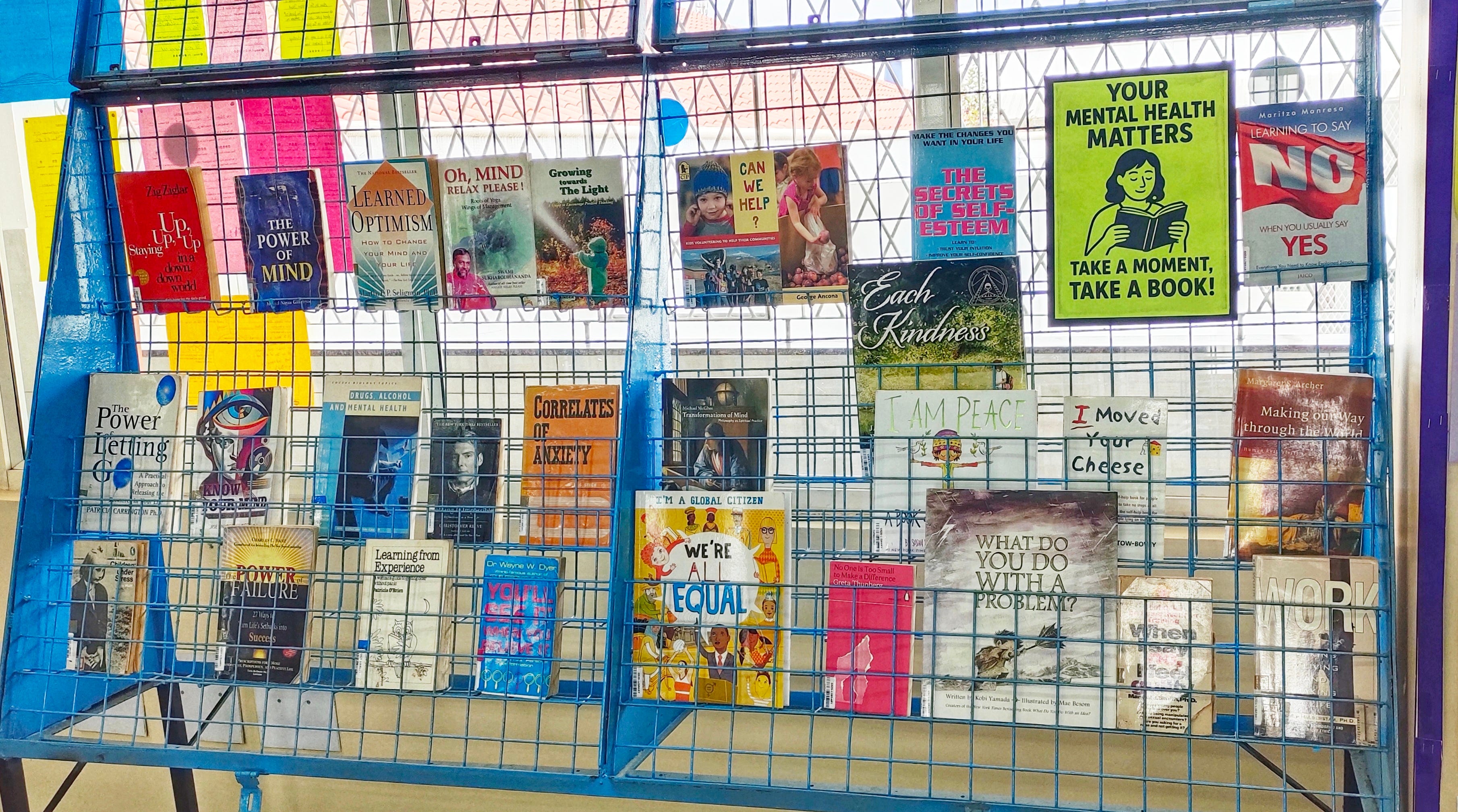
For me, collection development begins with observation—quietly understanding what readers are drawn to. Before turning to catalogues or book lists, I look at the shelves themselves. The worn-out spines, the frequently issued titles, the books that rarely return to their place—these tell their own stories. They reveal patterns of interest, favourite genres, and beloved authors.
This naturally led to careful weeding. Books that had served their purpose, especially those physically worn out, were replaced—not discarded thoughtlessly, but renewed thoughtfully. Familiar stories returned in fresh editions, keeping their charm alive.
The Book Wish Jar soon became central to this process. It transformed the collection into something more collaborative—built not just for students, but with them.
Taking it further, we introduced students to local book fairs. Watching them explore, choose, and engage with books in those spaces gave us deeper insights into their evolving tastes. Their excitement was contagious, and their choices were revealing.
With this understanding, the collection grew organically. Alongside popular fiction, we strengthened our non-fiction section—focusing on areas like PYP themes, ATL (Approaches to Learning) skills, mental health awareness, digital literacy, and learner profile development. This ensured the library supported both enjoyment and meaningful learning. Teacher recommendations also played a vital role. Their inputs helped us build a strong reference section, connecting classroom learning with wider reading opportunities. In the end, this journey has been less about selecting books and more about building connections—between readers and stories, curiosity and access, and learning and imagination.
Reading Race
Every month, we celebrate our Star Readers—students who read and review the most books. Their photos are displayed proudly on digital boards, creating a buzz across campus.
Some students read as many as 22 books in a month, while others read 18, 11, or even 7. The numbers vary, but the enthusiasm remains the same—and that’s what truly matters.
What made this even more special was how this culture began to influence teachers. Soon, they too joined the Star Reader board. And that’s when things got interesting—a friendly competition began. Students tried to outread their teachers, and teachers did their best to keep up. It became a joyful, motivating race that brought the whole community together.
Readers in the Spotlight
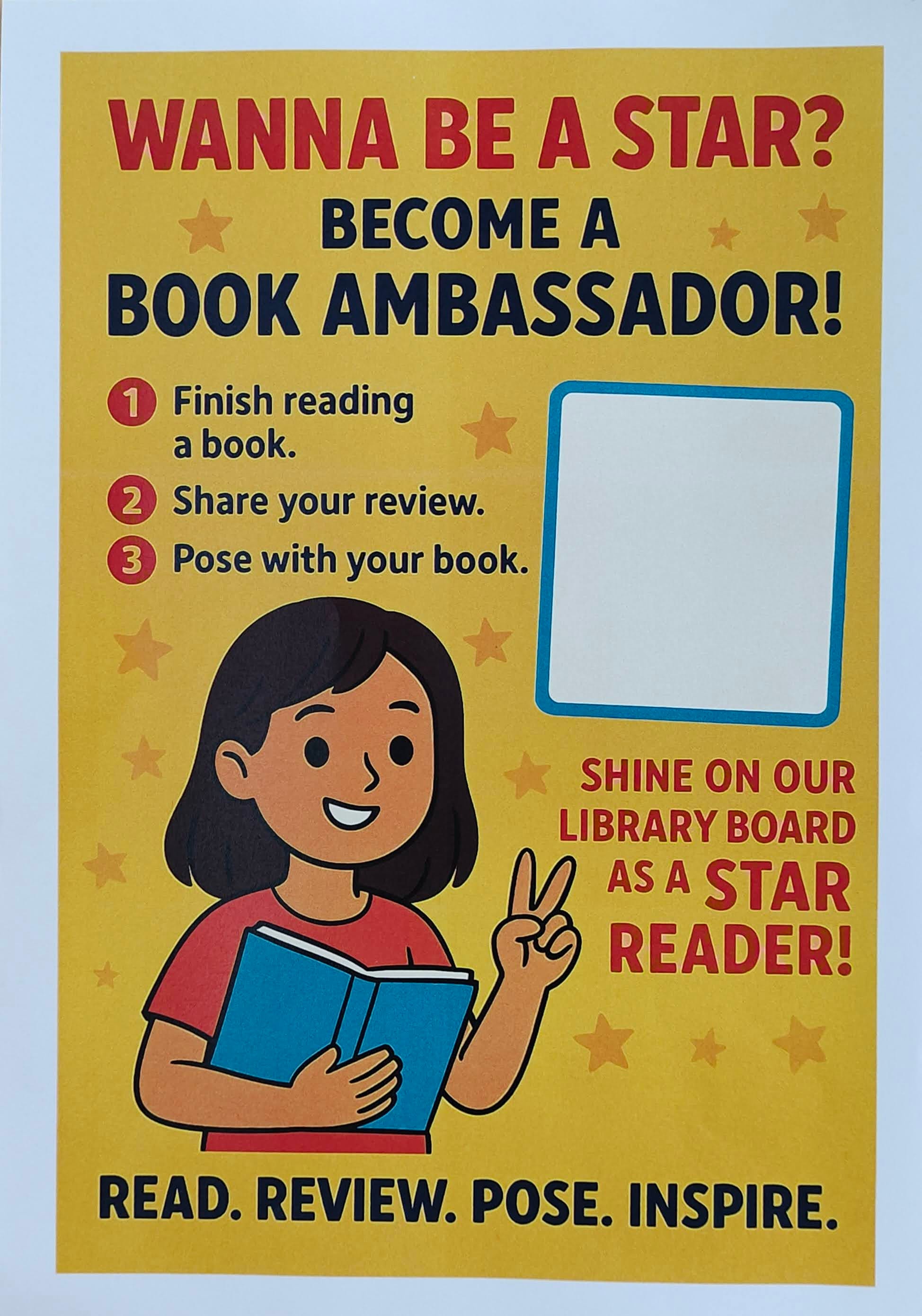
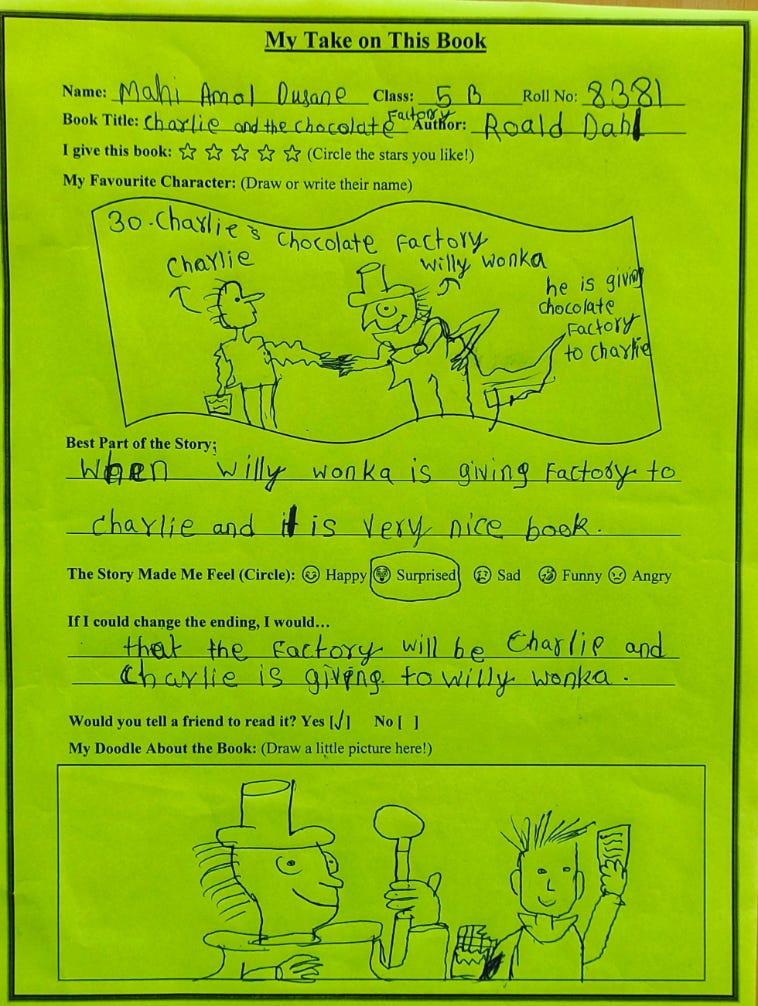
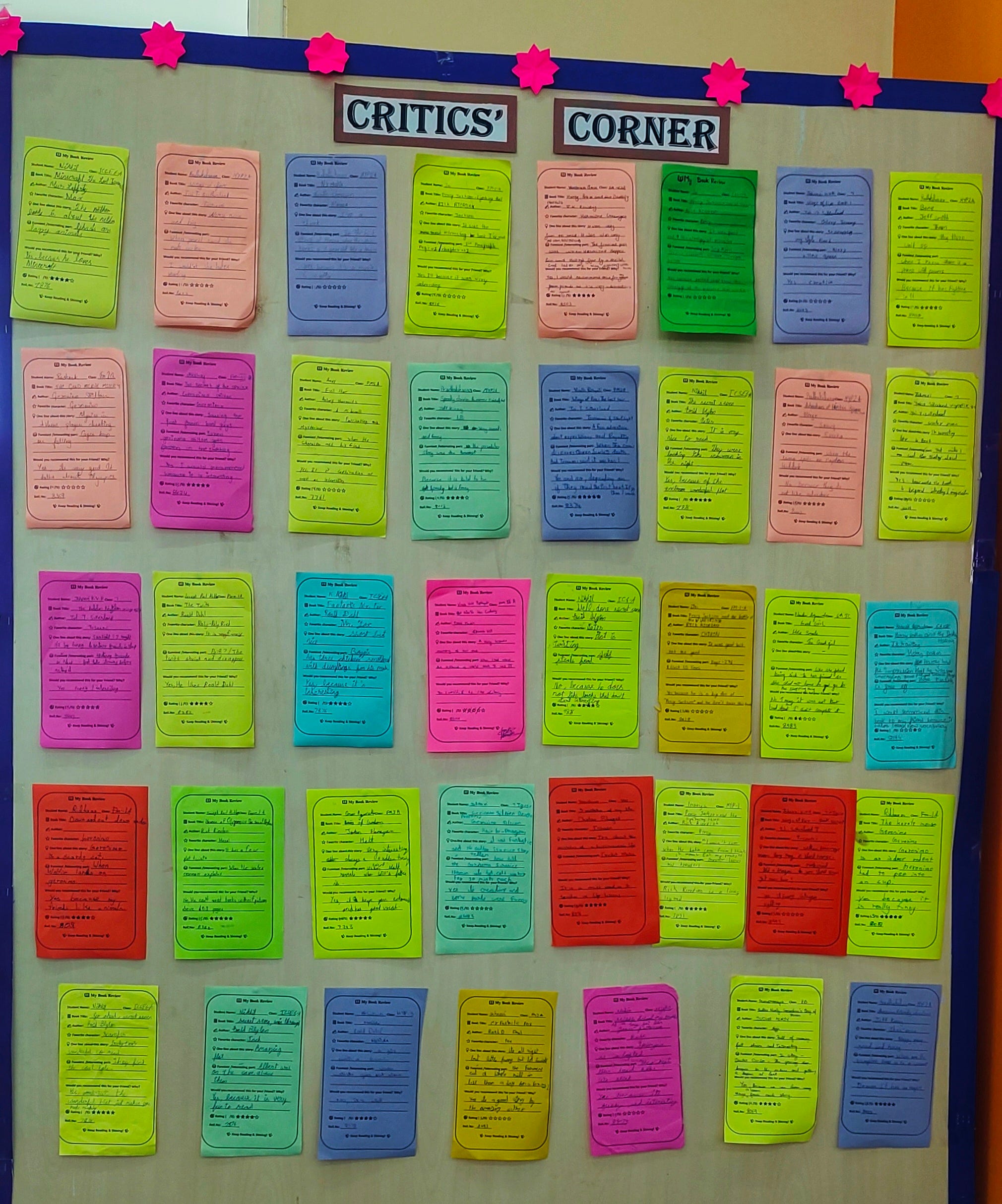
As a librarian, I constantly look for new ways to nurture this love for reading. One such initiative is Book Ambassadors, where students read a book, review it, and share a selfie with it.
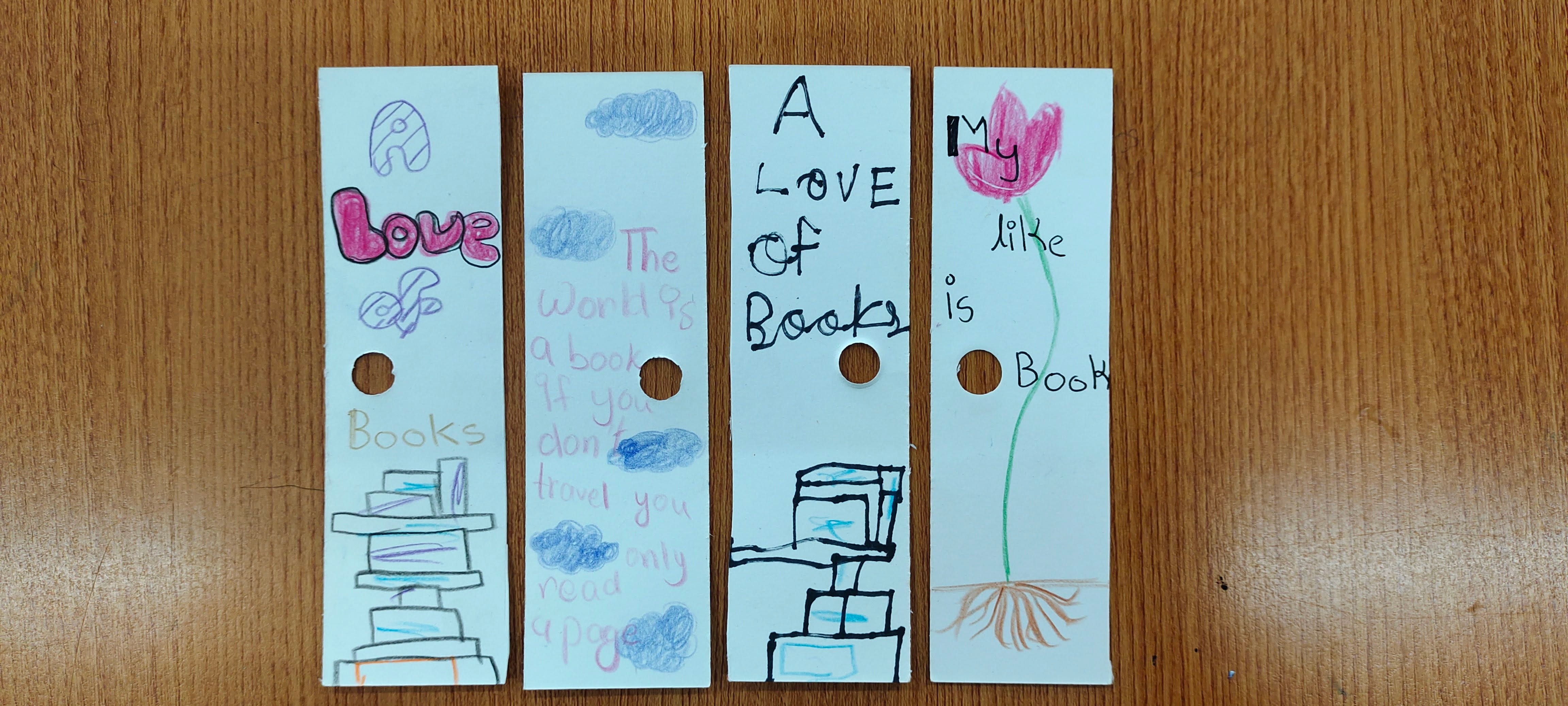
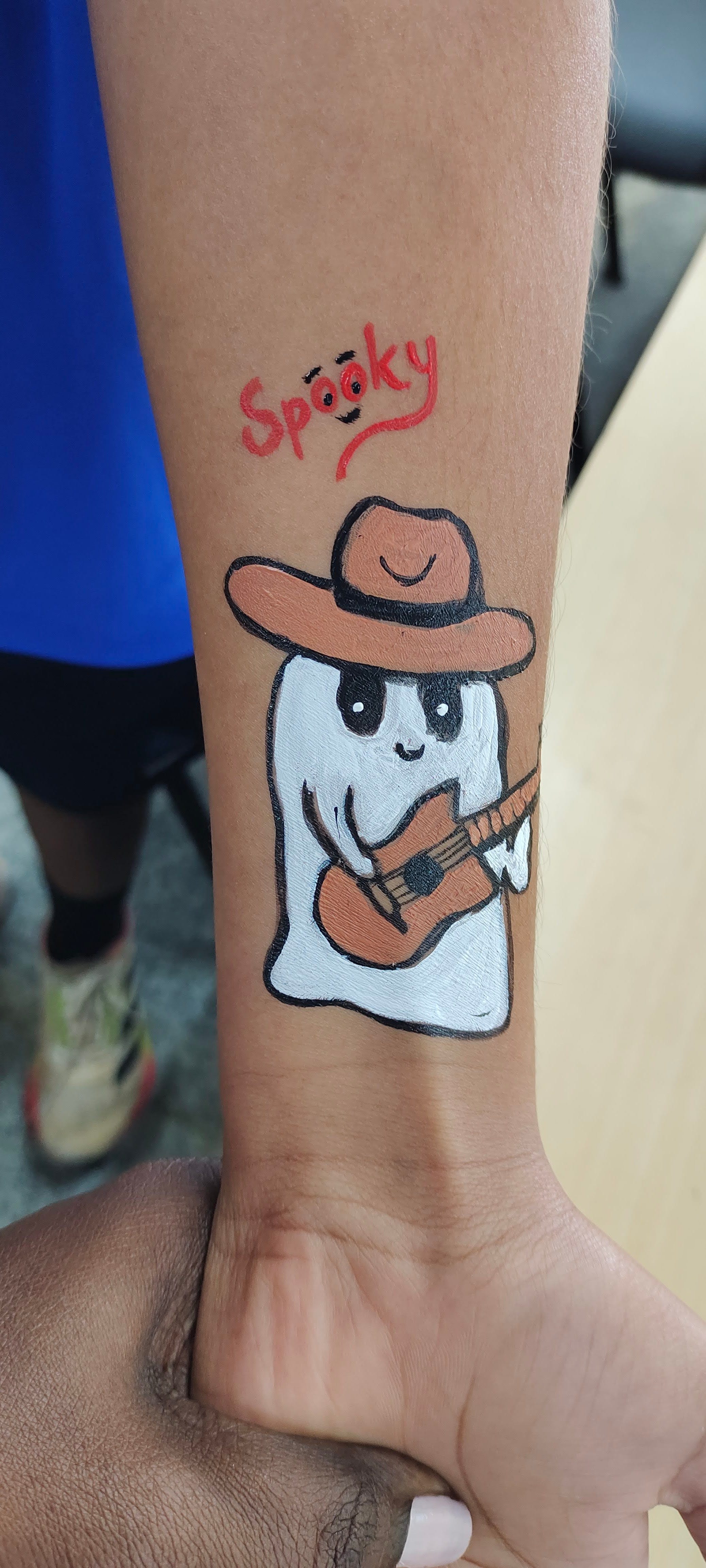
Sometimes, I reward them with handmade bookmarks; other times, with fun tattoos. These small gestures go a long way in making the library feel warm, welcoming, and personal.
We also introduced a house-based reading challenge, where house points are awarded monthly based on participation in the reading race. It adds an extra layer of excitement and teamwork.
Beyond the last page
At the heart of it all, this is not just about books sitting on shelves. It’s about creating a space where stories come alive, where imagination finds room to grow, and where reading becomes more than a habit—it becomes a part of who these students are. And in the middle of their busy schedules, that quiet relationship between a reader and a book continues to thrive.
No posts
Comments
Nothing yet. Say the first thing.
Sign in to join the conversation.