
Do you remember writing essays for school or university and having to reach a minimum word count (I am referring to the days before artificial intelligence existed)?
While in my head my thoughts are all interlinked long sentences and my inner dialogue reads like a theatrical play, when it comes to putting ideas on paper brevity rules supreme.
So, most of the time I need to bulk up my articles to get to some satisfying figure like 800 words or something like that.
It was only when I started entering writing competitions that I realised the power of editing down a text.
You see, I write non fiction for a living and my first attempt at writing fiction was an eye opener: I wrote too many words! The text was carrying some dead weight that did not contribute to the flow of the narration.
I learned that entering writing competitions require a lot of discipline, starting with the minimum and maximum word count.
The way I tend to write is in a stream of consciousness kind of way, trying to leave most of the text untouched to preserve a sense of spontaneity.
Storytelling is a completely different beast: editing is the key to telling a good story versus waffling incoherently and making readers lose track of what is going on.
I will share more about writing competitions in a future post so in the meantime please make sure you subscribe to this Substack: you really don’t want to miss out!
SUBSCRIBE
I recently watched ‘The Odyssey’ directed by Christopher Nolan. The lady sitting in front of me kept checking what time it was on her phone and, to be honest, I was kind of relieved she did that, as distracting as that was, because I was mentally spurring Nolan to “get a move on”.
Now, I understand IMAX film is expensive to develop and distribute and anything else that comes with it (including the elitist component of using this format which can only be shown in only about 40 cinemas worldwide).
Because celluloid film is so expensive, I guess a director may feel reluctant to leave too much footage on the cutting room floor. So, possibly, that’s how we got a movie that is three hours long instead of two.
If I were to use the same analogy for writing an article, I guess that us writers may feel a bit too precious about the words we put down on paper and we don’t want anything to go to waste. Can you imagine how many precious gems that came from our over-caffeinated brains may not see the light of day and delight a multitude of readers, only because we have exceeded an allocated word count?
I browsed a few websites from authors describing their editing process and how beneficial it can be, particularly when working on a novel, to cut out thousands of words. A tighter script can read so much better without the excess luggage of too many descriptive words, for example.
In other words: do we really need to know that a flower vase is made of crystal, that it’s 30cm long and that it contains three red tulips? How does this contribute to the overall story and, most importantly, to its pacing?
You see, related to that, I watched ‘Wicked Little Letters’ starring Olivia Colman and Jessie Buckley the other day. Colman starred in and produced the film. While the concept is original and the performances were top notch, I thought the pacing of the script was too slow. Maybe this could have been a short film rather than a 96 minute feature film. Maybe the text needed some padding during shooting, so the director decided to add some scenes where not much was happening. I am not saying that this film should have been an action movie, quite the opposite! But it made me realise how important pacing is.
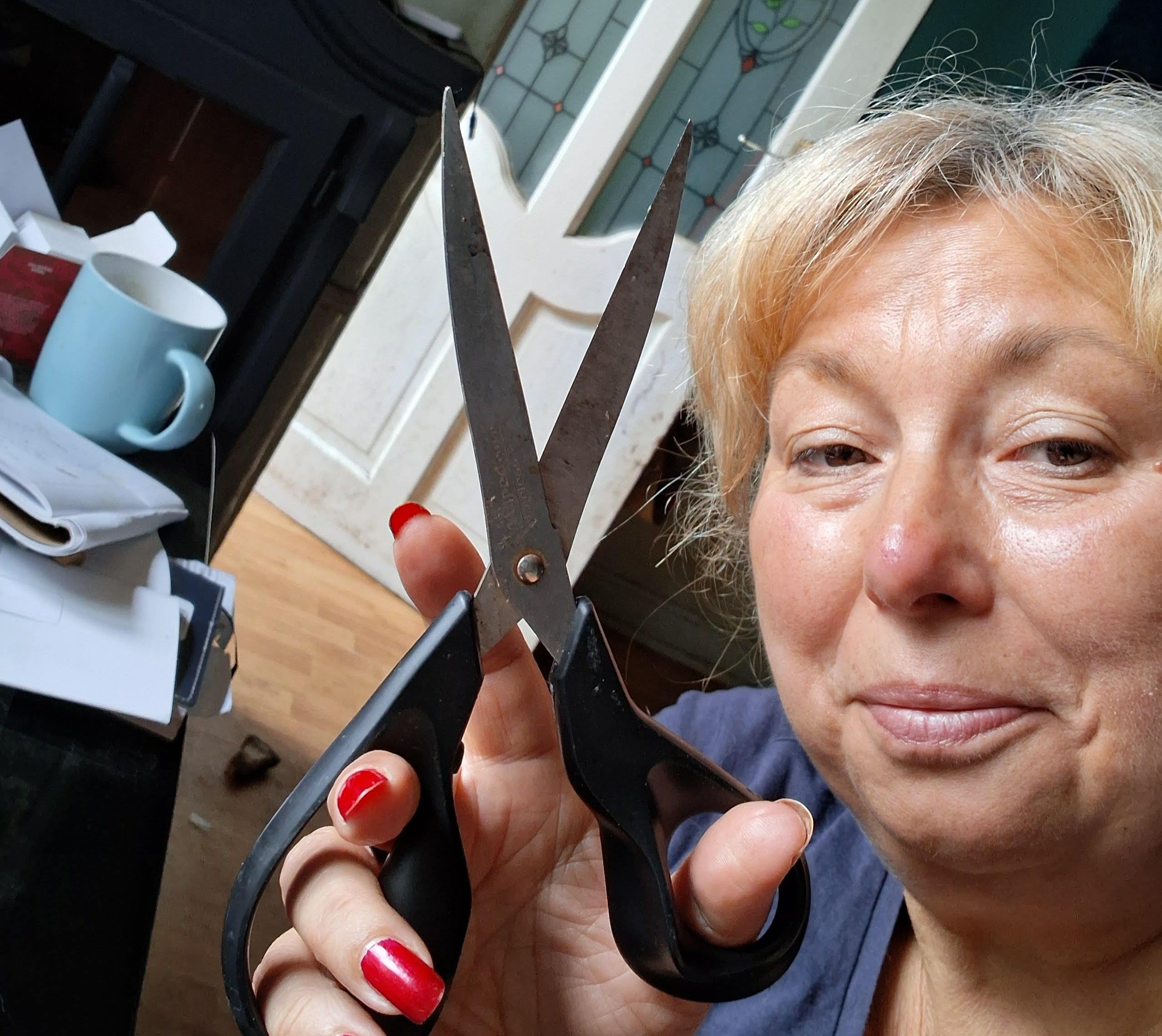
In the case of my Substack articles, I sometimes need to add some padding when I notice that I haven’t written enough. When I write longer pieces, I am reluctant to give them a “haircut” and chop some of the text.
I don’t have an answer to my own questions regarding when and how to cut down a piece of text, but I am curious to know what my fellow Substackers think about this topic: do you mostly need to cut down or expand your word count?
Comments
Nothing yet. Say the first thing.
Sign in to join the conversation.