
“Let’s get you boys some hot food”. — Rex Gamble, from the novel Georgia Fall.
There’s a family in my first thriller novel called the Gambles.
They live just off the interstate, where the occasional traveler still stops—usually after crossing paths with a young woman who seems to need a ride home. What waits at the end of that kindness is a warm meal, a grateful family… and death, served with a smile and a bowl of stew.
The Gambles weren’t pulled from thin air.
They were inspired by the Bloody Benders—a real-life family of serial killers who operated on the American frontier in the 1870s.
Back then, America was expanding westward. Pioneers, fortune-seekers, and the desperate pushed into untamed territory, and the Benders saw opportunity—not in gold or land, but in people. They built a small home along a well-traveled route, right at a natural bottleneck. Travelers came hungry, tired, and unguarded. The Benders welcomed them in. Offered a meal. Conversation. Then struck.
It wasn’t chaos. It was routine.
Calculated.
Systematic.
Efficient.
Some accounts say the Benders seated their victims in a special chair near a trapdoor and struck from behind. Whether myth or truth, the psychology holds: kindness as camouflage. Warmth as bait. Charm as the weapon.
And when you understand that, you begin to understand something unsettling—
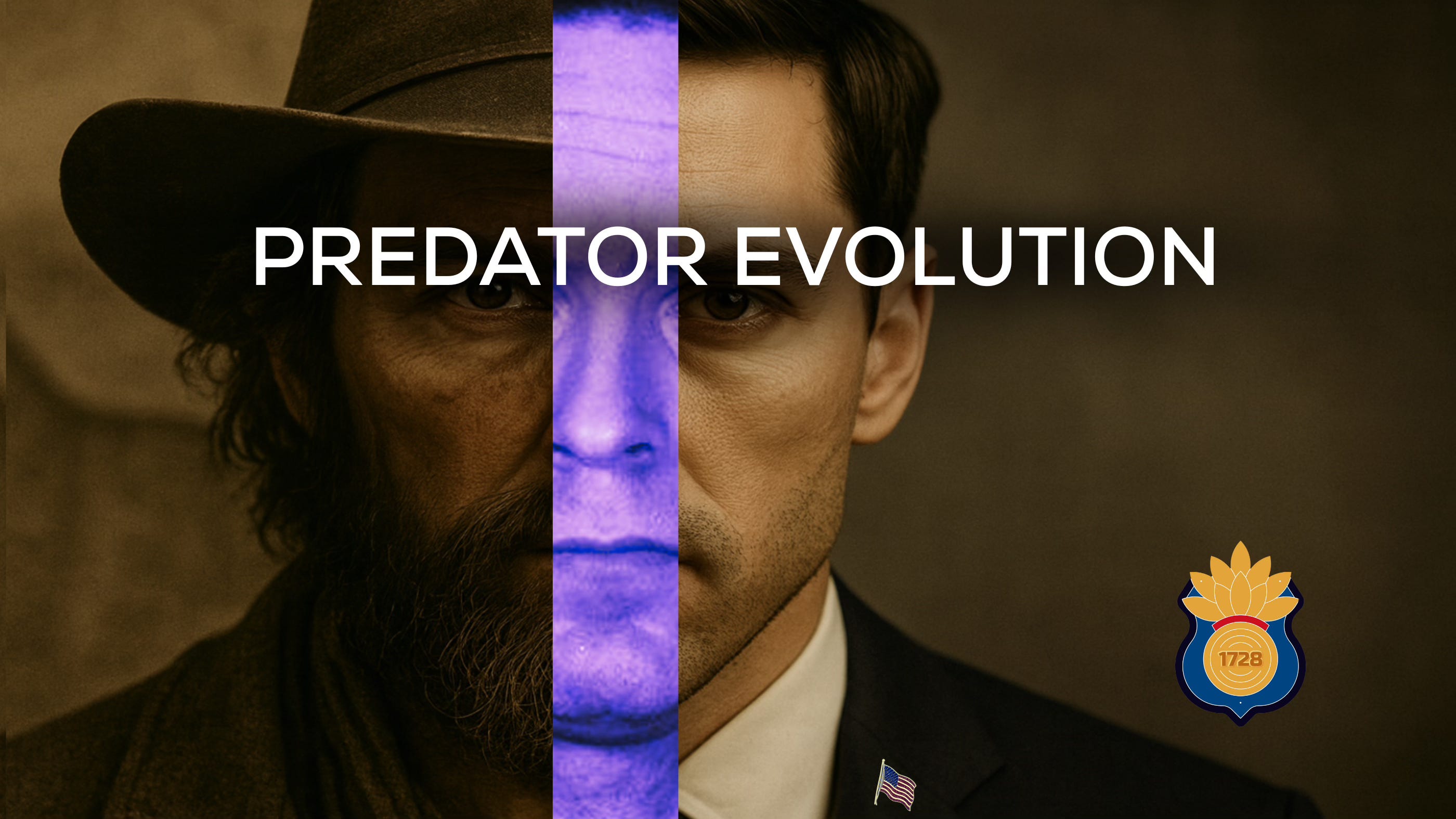
This kind of predator didn’t vanish. They just changed uniforms.

In my years working homicide, I learned quickly that evil rarely announces itself. It doesn’t stomp or scream. It whispers. Smiles. Waits. The predator knows when to blend, when to flatter, when to earn your trust just long enough to exploit it.
That hasn’t changed in over a century.
What has changed is the environment, and with it, the method.
In the late 20th century, we entered what many still call the golden age of serial killers. Not because evil peaked, but because awareness finally caught up. The country had become more mobile—people were hitchhiking, vanishing, wandering off with strangers and never coming back. Police departments didn’t talk to each other. Jurisdictional gaps created silence.
And in that silence, men like Bundy, Gacy, and Ridgway thrived.

They moved between cities. Changed names. Used charm and confidence the same way the Benders had used hospitality. The only difference was the setting: the interstate instead of the wagon trail, a van instead of a prairie home.
It was the same game, just played in a new arena.
Then, as technology caught up—DNA databases, surveillance footage, behavioral profiling, cell phone tracking—the old-school serial killer began to lose ground. They weren’t as free to move. They were caught sooner. Public fascination waned, and the headlines shifted.
But the predator didn’t disappear.
He just evolved again.
Some of them put down the knife and picked up a gun.
Instead of stalking for years, they turned to spectacle, mass shootings, public violence, suicide-by-fame. If the old serial killer craved repetition and control, today’s gunman often craves impact and legacy. One moment. One message. One explosion of rage.
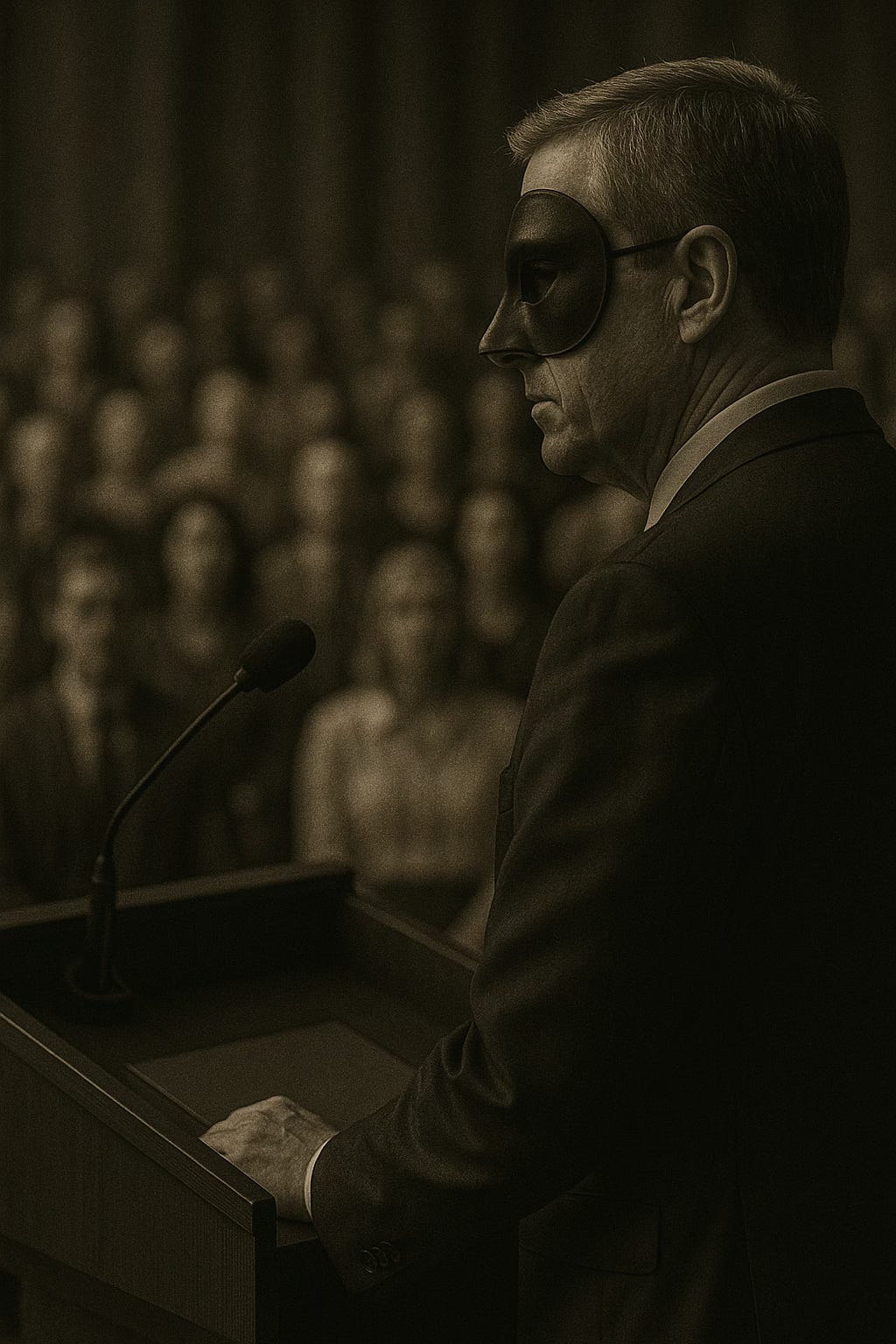
Others learned to operate even quieter—behind computer screens, in relationships, at podiums, inside systems. They kill slower, without blood. Emotional predators. Financial predators. Ideological ones. The kind who isolate you, gaslight you, drain you until you no longer recognize yourself.
They rarely hide in the woods or on the highway anymore. They hide in plain sight—on your feed, in your inbox, at the head of a boardroom… or speaking on behalf of constituents. And some of them have killed more—through policy, calculated neglect, or war—than any serial killer from the 1970s could have ever imagined.
As a writer, I’m drawn to these characters—not because they’re evil, but because they reveal so much about us. What we fall for. What we trust. What we ignore when someone tells us what we want to hear.
The gift of fiction is clarity. It allows us to stare into something dark without blinking, to name patterns we’d rather pretend don’t exist.
The predator has always adapted to the times.
The frontier gave him space. The golden age gave him names.
Today? We’ve given him bandwidth. Exposure. A global stage. Recognition.
The predator never goes away—he only evolves.
— C.K. Redlinger
If this resonated, you might also explore:
The Masquerade Of Power
·
June 3, 2025

“Power is not revealed in the roar—it’s hidden in the whisper that tells you who to fear.”
Comments
Nothing yet. Say the first thing.
Sign in to join the conversation.