
The Anahata, or Heart Chakra, is the fourth primary chakra in the yogic tradition, serving as the bridge between the lower chakras—rooted in physical and material existence—and the higher chakras, which govern intuition, wisdom, and spiritual connection. Located at the center of the chest, Anahata governs our capacity for love, compassion, empathy, and emotional balance. It is the seat of our deepest relationships, not only with others but also with ourselves.
In a world often divided by misalignment—where actions and intentions clash, and where truth is sometimes obscured by convenience—Anahata challenges us to ask: Are your head and your heart pushing in opposite directions? This chakra invites us to reconcile intellect and emotion, to embrace authenticity, and to foster connections rooted in sincerity.
This article explores the meaning, symbolism, and imbalances of Anahata, alongside practical solutions to cultivate a balanced and harmonious heart chakra.

Anahata, derived from Sanskrit, translates to “unstruck” or “unhurt.” This name reflects the chakra’s essence: an energy center that remains undamaged by life’s wounds when nurtured with awareness and self-compassion. It is associated with the element of air, symbolizing freedom, openness, and the intangible nature of love and emotions.
Color: Green (sometimes depicted as pink), representing growth, renewal, and emotional healing.
Element: Air, signifying the flow of prana (life force) and the breath of life.
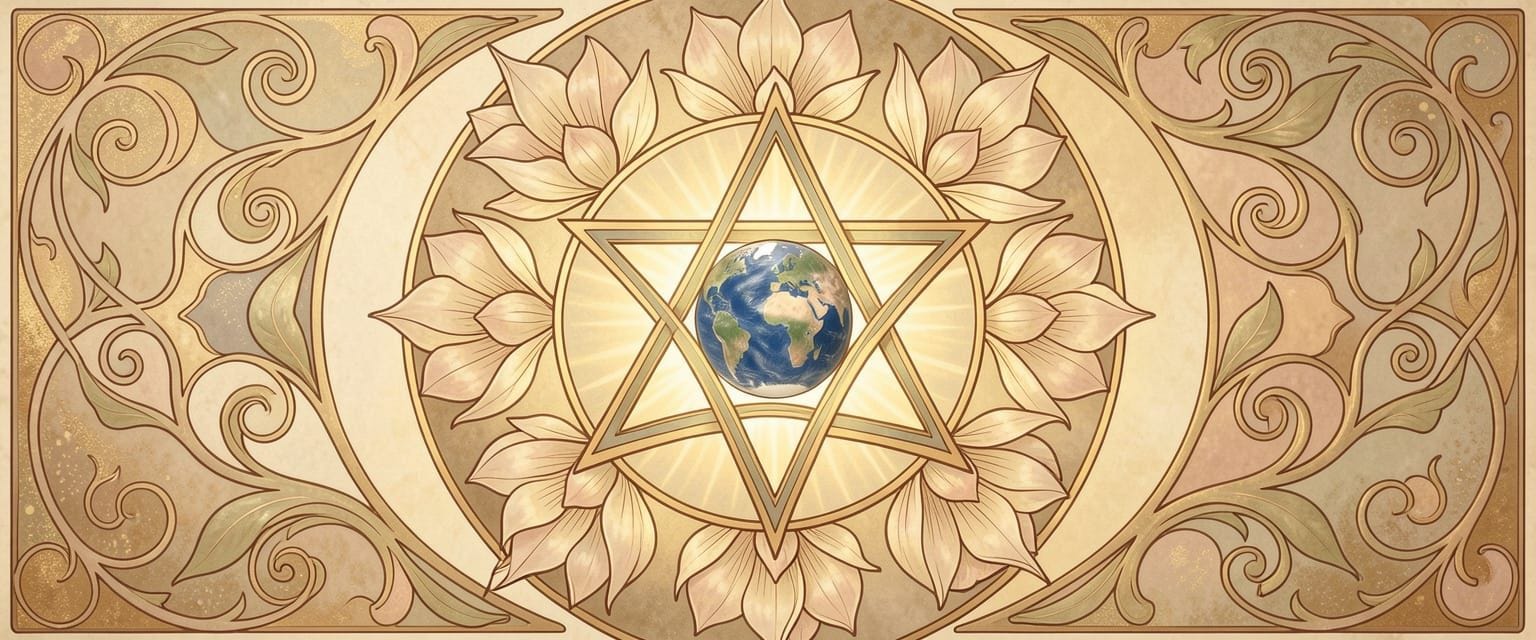
Symbol: A six-pointed star (two intersecting triangles) within a circle, surrounded by twelve petals. The star represents the union of earth and spirit, while the petals symbolize the twelve qualities of the heart, including joy, peace, and compassion.
Deities: In Hindu tradition, Anahata is linked to Vishnu (the preserver) and Shiva (the transformer), reflecting its role in sustaining love and facilitating transformation.
Anahata does not exist in isolation; it interacts dynamically with the other six primary chakras:
Vishuddha (Throat Chakra): The heart chakra’s energy flows upward to Vishuddha, enabling us to express our truth with kindness. A blocked Anahata may lead to difficulty communicating emotions or fear of vulnerability.
Manipura (Solar Plexus Chakra): Anahata and Manipura are closely linked. While Manipura governs personal power and will, Anahata softens this energy, allowing us to balance self-assertion with empathy.
Ajna (Third Eye Chakra): Anahata’s openness to love and intuition is enhanced by Ajna’s clarity. A balanced Anahata fosters compassionate discernment, while an imbalanced one may lead to emotional overwhelm or naivety.
Muladhara (Root Chakra): The foundation of security (Muladhara) supports Anahata’s ability to love without fear. A weak root chakra can manifest as clinginess or emotional dependency in relationships.
When Anahata is in harmony, it creates a flow of energy between these chakras, fostering wholeness and emotional resilience.
An imbalanced Anahata can manifest in emotional, physical, and relational challenges. Common signs include:
Heart-related issues (e.g., high blood pressure, chest tightness)
Respiratory problems (e.g., asthma, shallow breathing)
Fatigue or immune system weaknesses
Emotional numbness: Difficulty feeling joy, love, or empathy.
People-pleasing: Prioritizing others’ needs at the expense of one’s own well-being.
Jealousy and resentment: Holding onto grudges or feeling threatened by others’ success.
Isolation: Withdrawing from relationships due to fear of betrayal or vulnerability.
Codependency: Losing oneself in relationships or seeking validation externally.
“Are your head and your heart pushing in opposite directions?”
This question encapsulates the internal conflict that arises when logic and emotion are misaligned. For example:Overthinking love: Analyzing relationships to the point of draining their spontaneity.
Self-abandonment: Ignoring one’s needs to “keep the peace” or gain approval.
“Are you progressing over lies and deception?”
This metaphor highlights how dishonesty—with others or oneself—creates energetic blockages. Lies, whether big or small, erode trust in relationships and chip away at self-respect.
Several factors can disrupt the flow of Anahata’s energy:
Past Trauma: Rejection, betrayal, or abandonment in relationships can create emotional walls.
Cultural Conditioning: Societal messages that equate love with sacrifice or suppress emotions (e.g., “boys don’t cry”) can stifle Anahata’s expression.
Self-Criticism: Harsh inner dialogue erodes self-love and makes it difficult to extend compassion to others.
Toxic Relationships: Environments where manipulation, control, or emotional unavailability prevail.
Avoidance of Vulnerability: Protecting oneself by shutting down emotionally to avoid pain.

Healing Anahata requires gentle persistence and a commitment to self-awareness. Below are practical steps to restore harmony:
Small, consistent shifts in daily life can create profound changes in how Anahata energy flows.
Practice Gratitude: Start or end each day by listing three things you appreciate about yourself or your life. This redirects focus from lack to abundance.
Set Boundaries: Learn to say “no” without guilt. Boundaries are an act of self-respect and love.
Engage in Physical Touch: Hugs, hand-holding, or even self-massage release oxytocin, the “bonding hormone,” which nourishes the heart chakra.
Forgive (Yourself First): Holding onto resentment is like drinking poison and expecting the other person to suffer. Begin with self-forgiveness.
Mindfulness helps us defeat fears and embrace empathy by grounding us in the present moment. Try these practices:
Heart-Centered Breathing
Sit comfortably and place your hands over your heart.
Inhale deeply for 4 counts, imagining warmth and light filling your chest.
Exhale slowly for 6 counts, releasing tension or negativity.
Repeat for 5–10 minutes, focusing on the rhythm of your breath.
Loving-Kindness Meditation (Metta)
Silently repeat phrases like:
“May I be safe. May I be healthy. May I live with ease.”
Then extend these wishes to others: “May you be happy. May you be at peace.”This practice softens the heart and cultivates empathy.
Journaling Prompts
When have I felt most connected to myself or others?
What fears hold me back from giving or receiving love fully?
Where in my life do I need to speak my truth with kindness?

Ancient traditions use symbolic tools to anchor intentions and shift energy. Here’s how to incorporate them:
Crystals:
Rose Quartz: The stone of unconditional love. Carry it with you or place it under your pillow.
Green Aventurine: Promotes emotional healing and harmony.
Rhodonite: Encourages forgiveness and compassion.
Candles:
Light a green or pink candle during meditation or while setting intentions for emotional healing.
Visualize the flame dissolving emotional blockages as it burns.
Storytelling:
Share stories of resilience and love—whether from history, literature, or your own life. Stories bypass the analytical mind and speak directly to the heart.
Write a letter to your younger self about a moment you felt truly loved, or pen a letter to someone you’ve struggled to forgive (you don’t need to send it).
Sound vibration can resonate with Anahata’s energy and facilitate healing.
Chanting (Bija Mantra):
The seed sound for Anahata is “YAM.” Chant this aloud or silently during meditation to activate the chakra.How to practice: Sit comfortably, close your eyes, and chant “YAM” for 3–5 minutes, focusing on the vibration in your chest.
Custom Playlists:
Create a playlist of songs that evoke warmth, openness, and emotional release. Include:Classical pieces with flowing melodies (e.g., Debussy’s Clair de Lune).
Songs with themes of love and healing (e.g., “Hallelujah” by Leonard Cohen, “Skinny Love” by Bon Iver).
Nature sounds, like rustling leaves or ocean waves, to ground the energy.

Anahata thrives in connection. Co-regulation—being emotionally supported by others—can help restore balance, especially during times of stress.
Seek Supportive Relationships: Surround yourself with people who listen without judgment and encourage your emotional growth.
Practice Active Listening: When someone shares their feelings, focus fully on understanding rather than responding. This fosters mutual empathy.
Group Practices: Join a heart-opening yoga class, a book club focused on emotional intelligence, or a workshop on authentic communication.
If Anahata’s imbalances resonate with you, know that healing is a journey, not a destination. I offer one-on-one sessions where we explore:
Sophrology techniques to release emotional blockages.
Chakra balancing meditations tailored to your needs.
Mindfulness practices to cultivate self-love and authenticity.
Let’s work together to align your heart with your truth and create a life filled with deeper connections and inner peace.
📩 Contact me to schedule a session or learn more about upcoming workshops.

No posts
Comments
Nothing yet. Say the first thing.
Sign in to join the conversation.