
The transformative power of shadow work in Jungian psychology is fascinating —a journey into the unconscious parts of ourselves that shape our behaviors and emotions. This article explores Jung’s legacy, the role of archetypes, and practical methods to engage with your shadow safely. Learn how combining shadow work with mindfulness deepens self-awareness and fosters healing, guiding you toward greater authenticity and emotional balance.
Not to confuse with:
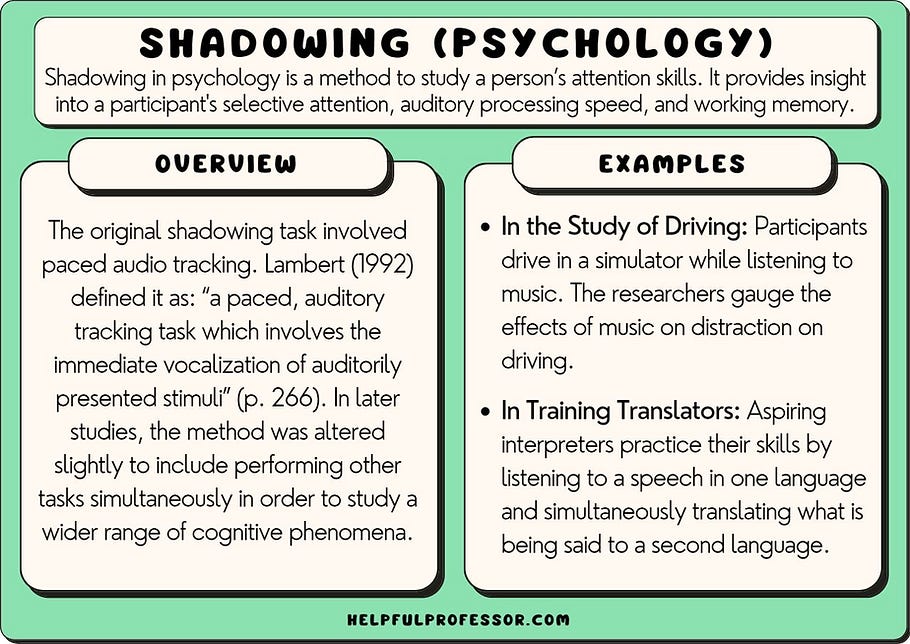
that’s another story.
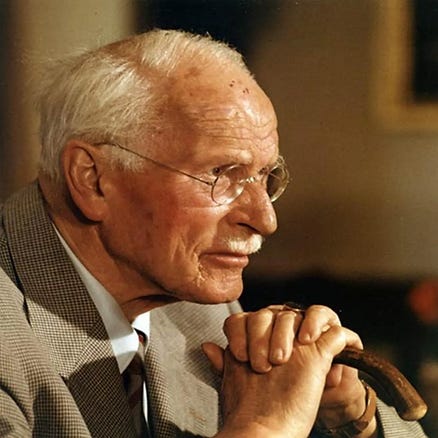
Carl Gustav Jung (1875–1961) was a Swiss psychiatrist and psychoanalyst whose pioneering work profoundly shaped modern psychotherapy.
A contemporary and initially a close collaborator of Sigmund Freud, Jung diverged to develop his own analytical psychology, emphasizing the exploration of the unconscious mind as a gateway to personal growth and healing.
Jung introduced revolutionary concepts such as the collective unconscious, archetypes, and psychological individuation. His work expanded the understanding of the psyche beyond Freud’s focus on sexuality and repression, incorporating spirituality, mythology, and symbolism. Today, Jung’s theories continue to influence various therapeutic practices, including depth psychology, art therapy, and dream analysis.
Jungian therapy, or analytical psychology, aims to facilitate individuation—a lifelong process of integrating conscious and unconscious aspects of the self to achieve wholeness. Unlike symptom-focused therapies, Jungian therapy explores the deeper layers of the psyche, including dreams, fantasies, myths, and personal symbols.
Central to this approach is the belief that the unconscious holds vital messages that, when recognized and integrated, foster psychological balance and resilience. The therapist and client work collaboratively to uncover hidden patterns and conflicts, often through techniques like dream interpretation, active imagination, and exploration of personal and cultural symbols.
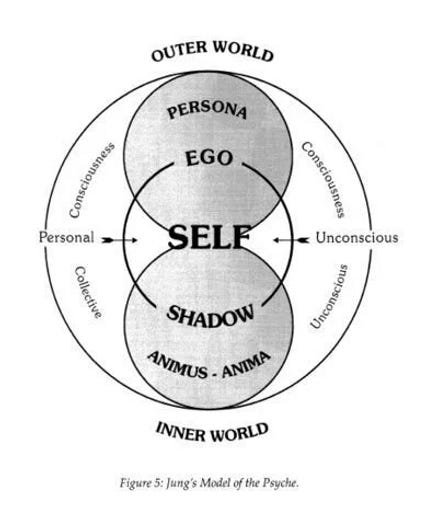
Archetypes are universal, primordial symbols and motifs residing in the collective unconscious—shared by all humans across cultures and history. They manifest in myths, stories, dreams, and behaviors, shaping how we perceive ourselves and the world.
Some key archetypes include:
The Self: The archetype of wholeness and integration.
The Shadow: The unconscious part of the personality containing repressed, denied, or hidden traits.
The Anima/Animus: The feminine side in men (Anima) and the masculine side in women (Animus).
The Persona: The social mask or role one presents to the world.
The Hero, The Wise Old Man/Woman, The Trickster, among others.
These archetypes provide a framework to understand inner conflicts and potentials within the psyche.

The Shadow represents the parts of ourselves we reject or deny—traits, desires, memories, or impulses deemed unacceptable by our conscious mind or society. Shadow work is the conscious process of exploring, confronting, and integrating these unconscious elements to heal psychological wounds and foster authenticity.
Engaging with the shadow allows people to reclaim disowned parts of themselves, reduce inner conflicts, and transform negative patterns. However, shadow work can be intense and challenging, as it involves facing uncomfortable truths and emotions.
To safely and effectively engage with shadow work, it is recommended to work with a trained therapist. Here are ten smart methods used in shadow work:
Comments
Nothing yet. Say the first thing.
Sign in to join the conversation.