
This morning, I got a marketing email from my favorite grocery retailer promoting a slew of specially-priced items that just dropped. I had a minute, so I scrolled through the email, when my eye was caught by a listing of “layering rugs.” I said to myself (not aloud), “What the hell is a layering rug?”
So, like any responsible user of the Interwebs, I asked DuckDuckGo “what the hell is a layering rug”. In seconds, I was presented with a long list of references and a handful of images all related to layering rugs. Apparently, this rug-layering is a thing, and a surprise to me. I thought I kept up-to-date on interior design trends. I guess I was wrong.
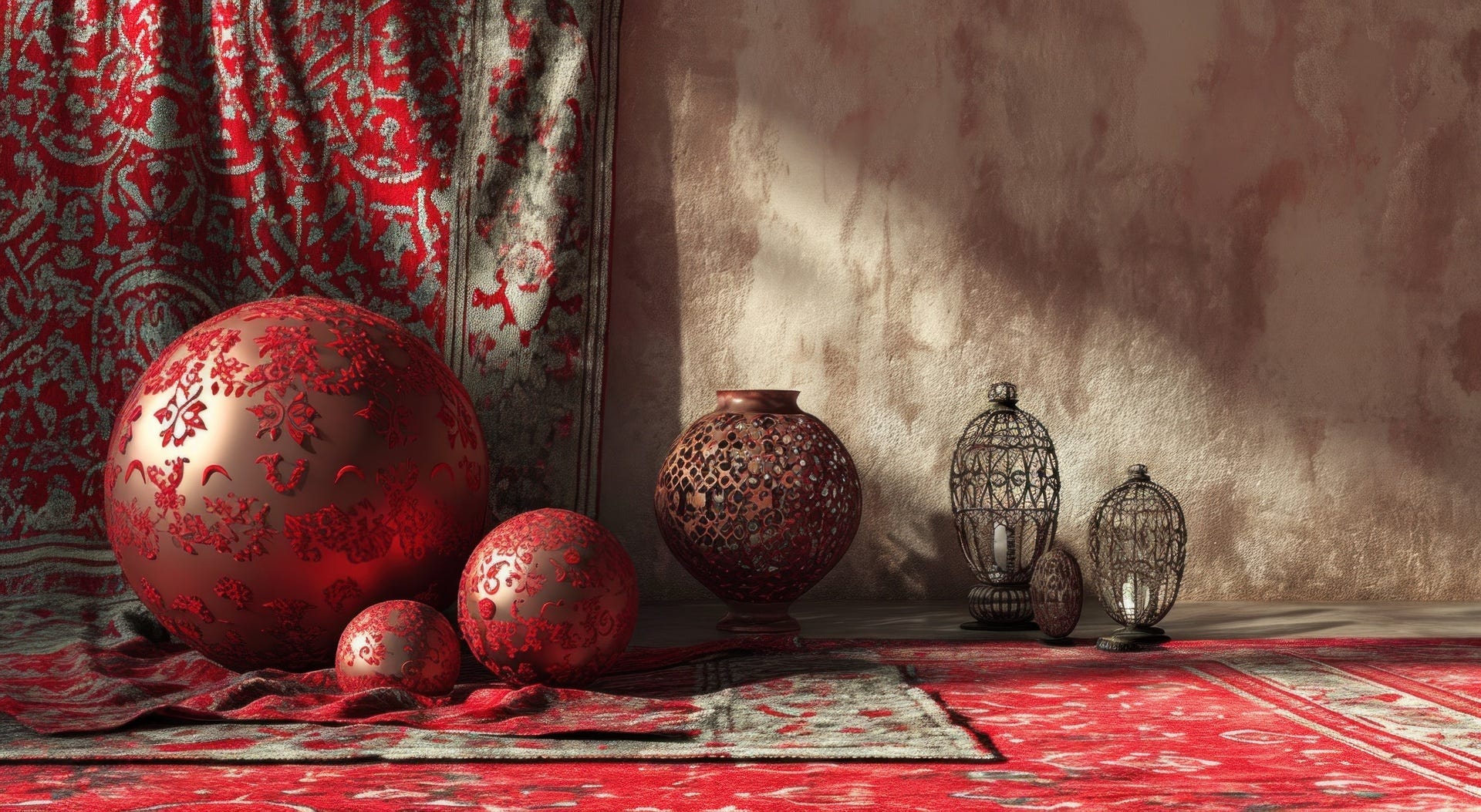
Not surprisingly, most of the articles were offered by rug retailers. One article in the list had an intriguing title. It didn’t explain what rug-layering is, but rather, purported to give me five good reasons why I should do it. Apparently, I am not doing something I should be doing. Not wanting to be an irresponsible occupant of a residential interior, I clicked on the link. (I’m not giving you the link here, and I’ll explain why in a minute.) The article was presented on the website of a major rug retailer, which immediately explains the imperative that I should be layering rugs. I’m sure even those of you in the back can figure it out.
The headline proposed five reasons why I should layer rugs, but the article included eight subheads, six of which I judged to be reasons why I should be layering rugs. That seemed odd to me. The remaining two subheads advised how to layer rugs “the right way” [not correctly] and when not to layer rugs at all.
I began reading the article. All the words were spelled accurately and the sentence structure was correct, but this text I was reading had a certain je ne sais quoi that was both strange and familiar. The first subhead read “Rug Layering For Aesthetics,” followed by a couple paragraphs of namby-pamby prose that could be summarized as “rug-layering looks nice.” Well, that was informative!
As I continued to read, I observed that the sentences were comprised of familiar phrases from the “decoratorese” lexicon, such as ”define a space,” “pulls the eye” and “pop of color.” For the record, hearing the phrase, “pop of color” makes me want to tear the ears off a kitten.
Then it dawned on me. This article is AI Slop.
I scrolled to the top, then the bottom of the article to discover who the author was. My suspicion was confirmed. The byline was “by admin,” one of the many pseudonyms employed by AI. I’m not linking to the article because AI Slop doesn’t deserve clicks.
One laughable reason that we should layer rugs is to “show off older rugs.” The premise is this: Say you have favorite rug with holes in it. Just buy a new rug and slap it down on top of the old rug. Now, you’re showing off your old rug. Wait … What?
The next absurd reason we should layer rugs is to “warm up the room.” Yes, I’ve read so many stories about rugs left on the cold floor in the wintertime, shivering and miserable, begging for a little human kindness. Where’s your heart? Warm up that cold, lonely rug in your living room by throwing another rug on top of it!
Note: This seems like an odd recommendation when the outdoor temperature is pushing one hundred degrees and we’re spending a fortune to cool our rooms. But what do I know? I’m not a rug.

Another reason we should layer rugs is to reduce noise. Well, I’m no acoustics engineer (and neither is AI), but I’m pretty sure that the mere presence of a second rug will not make the room quieter. A noisy room has to do with the geometry of the room and the location of soft furnishings. Flat walls and hard floors reflect sounds back into the room, while the “unflat” surface texture of fabrics and carpet and the irregular shapes of the objects they cover absorb sound waves. A second rug on top of an existing rug doesn’t alter the surface texture or the ability of a lone rug to absorb sound. I suppose that if you have a “stomper” in your household, an extra layer of rug might help to cushion and muffle his stomping by a decibel or two, but only while he is stomping on that particular double layer of rug.
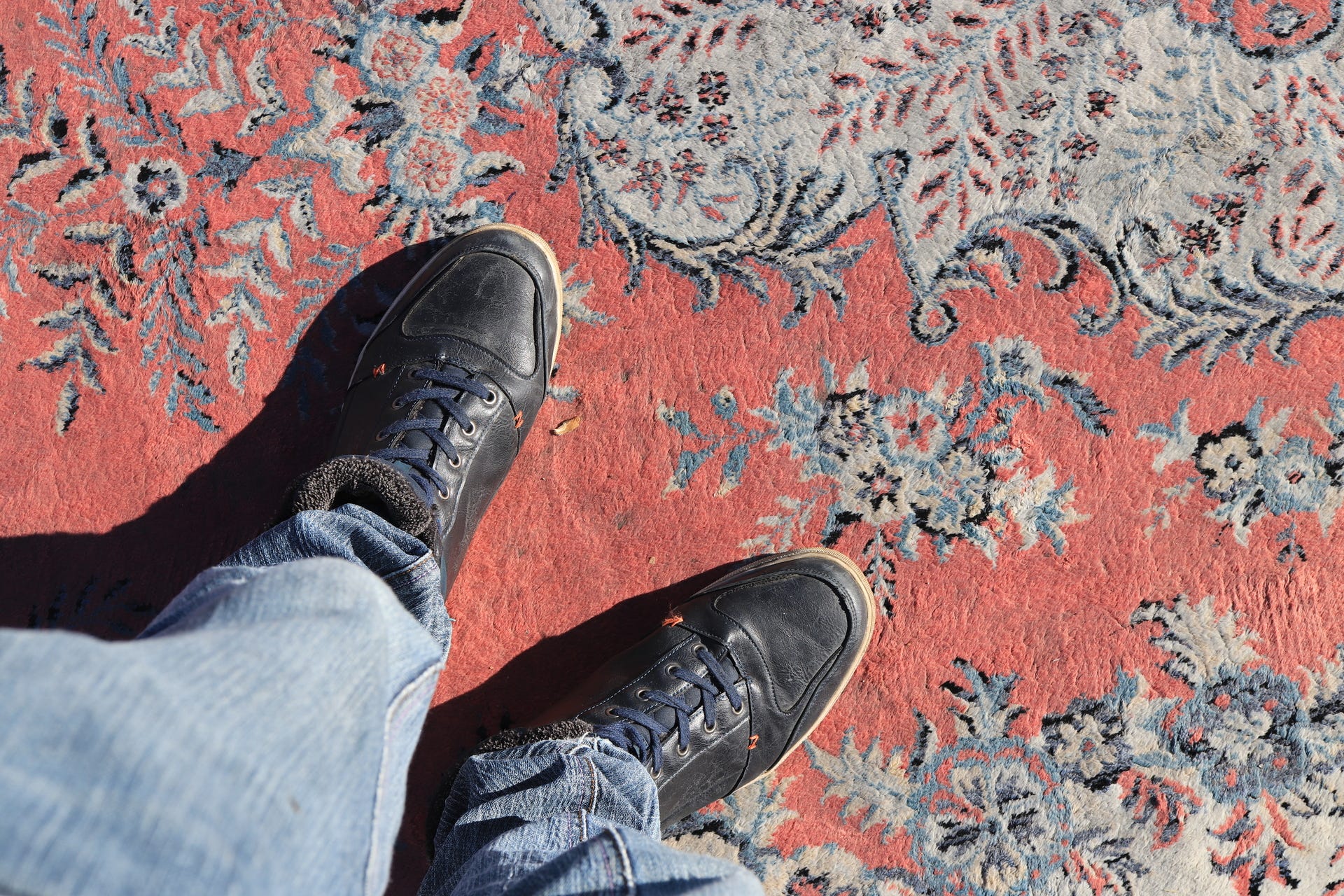
The sub-subhead under the subhead of “How to Layer Rugs the Right Way” tells us in five paragraphs that we can choose the perfect rugs by selecting rugs that match our color scheme in patterns that we like. That’s helpful. Without that editorial assistance, people might choose rugs that don’t match their room colors in patterns they hate. Thanks for the save, AI. Next, an additional three paragraphs tell us that we can center the top rug on the bottom rug, or we can just throw them around however we like. How could our smooth brains ever make these decisions without the sage advice of AI?
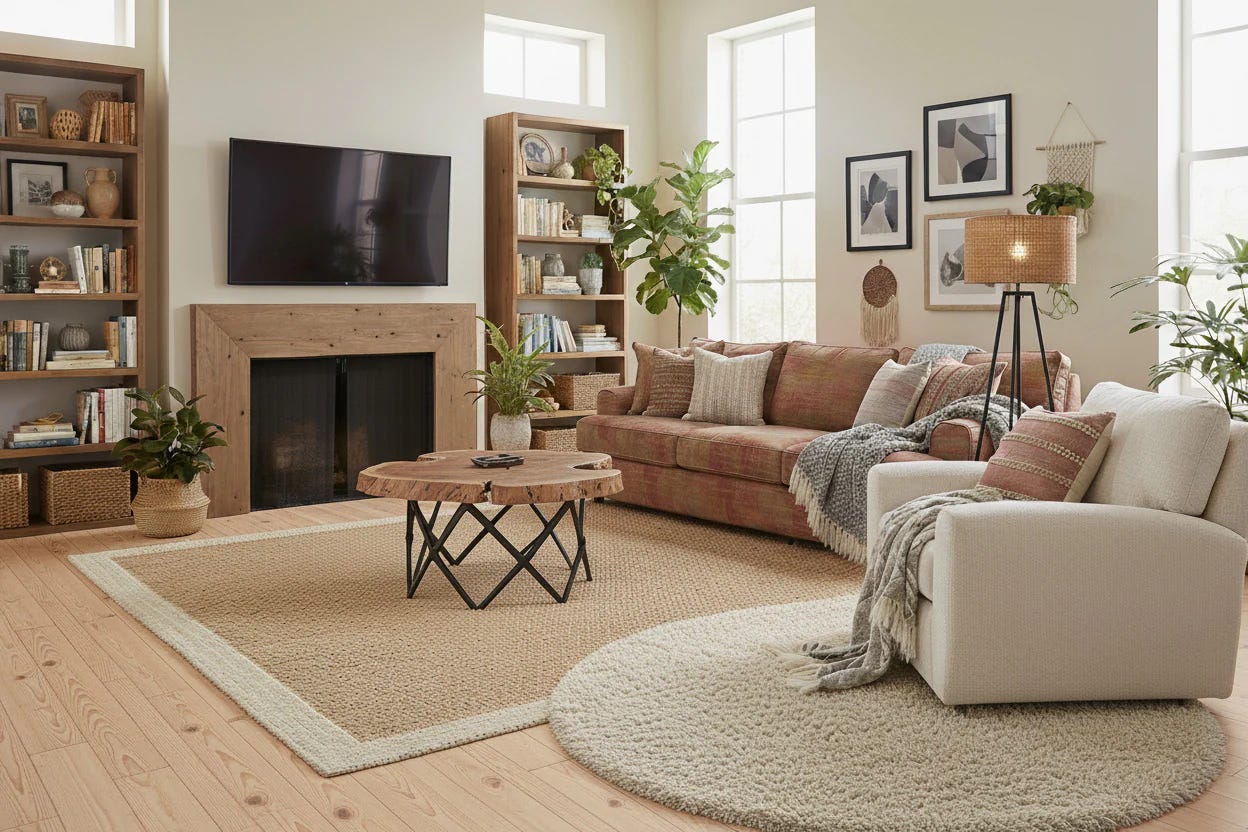
There was one subhead missing from this page of AI Slop, and it was the most important one. The real purpose – the only purpose – of rug-layering is to separate you from as many of your decorating dollars as possible and transfer those dollars to rug retailers. Thousands of consumers with more money than sense will fall for this marketing scheme and stumble around on squishy double-layers of rugs on their floors, secure in the knowledge that they’re living up to someone’s sense of style.
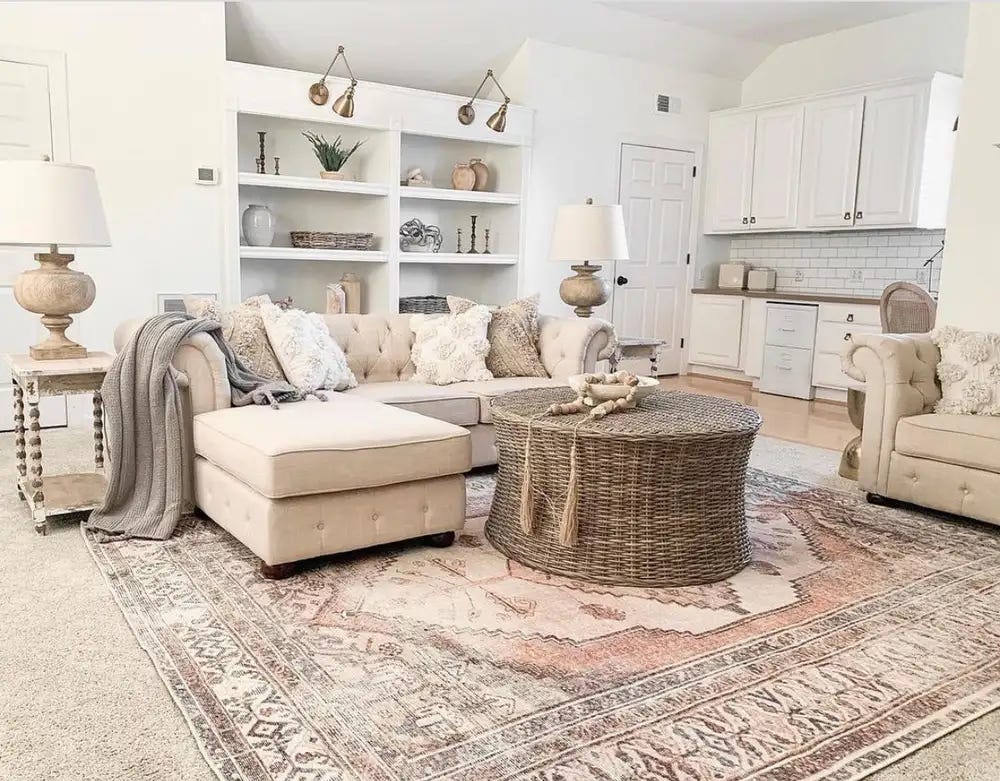
Now that I know what rug-layering is, I can divulge a little secret: I invented it! Many years ago, I moved into an apartment with floors covered in beige wall-to-wall carpet that had been stained, scrubbed and trodden on to the point that it looked more like concrete than carpeting. To cover the ghost-stains and wear, I laid area Oriental and Native American rugs in several rooms. I had no idea I was starting a trend, only thirty years too soon.
Comments
Nothing yet. Say the first thing.
Sign in to join the conversation.