
In the race to advance artificial intelligence, benchmarks have become the yardstick of progress. Beating a benchmark is often seen as a milestone worth celebrating, whether it’s dominating a leaderboard or outperforming humans on complex tasks. But are these benchmarks really the best way to measure meaningful advancements in AI?
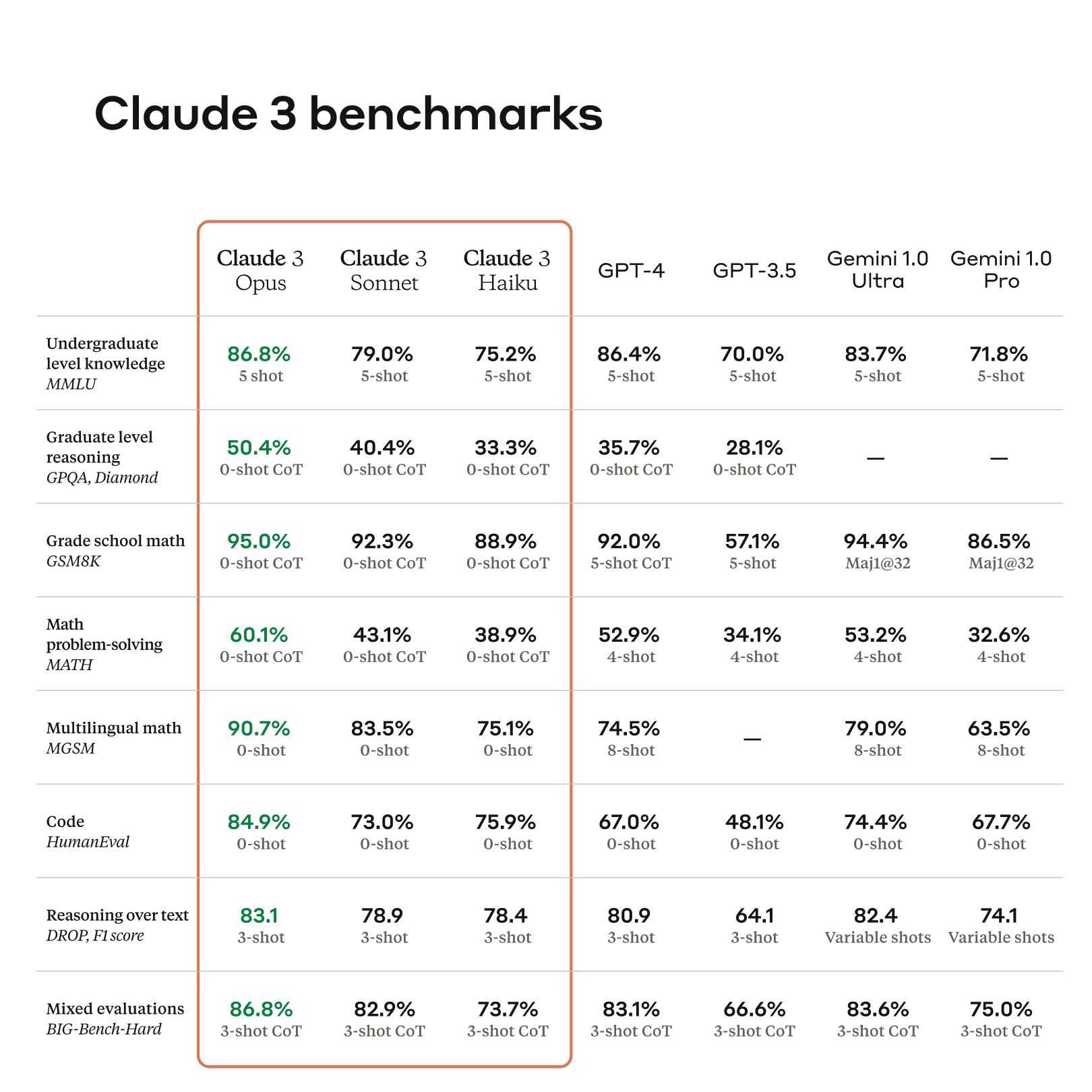
Too often, benchmarks test models on synthetic datasets or highly specific challenges, and while the results look impressive on paper, their real-world impact is questionable. Take few old school examples:
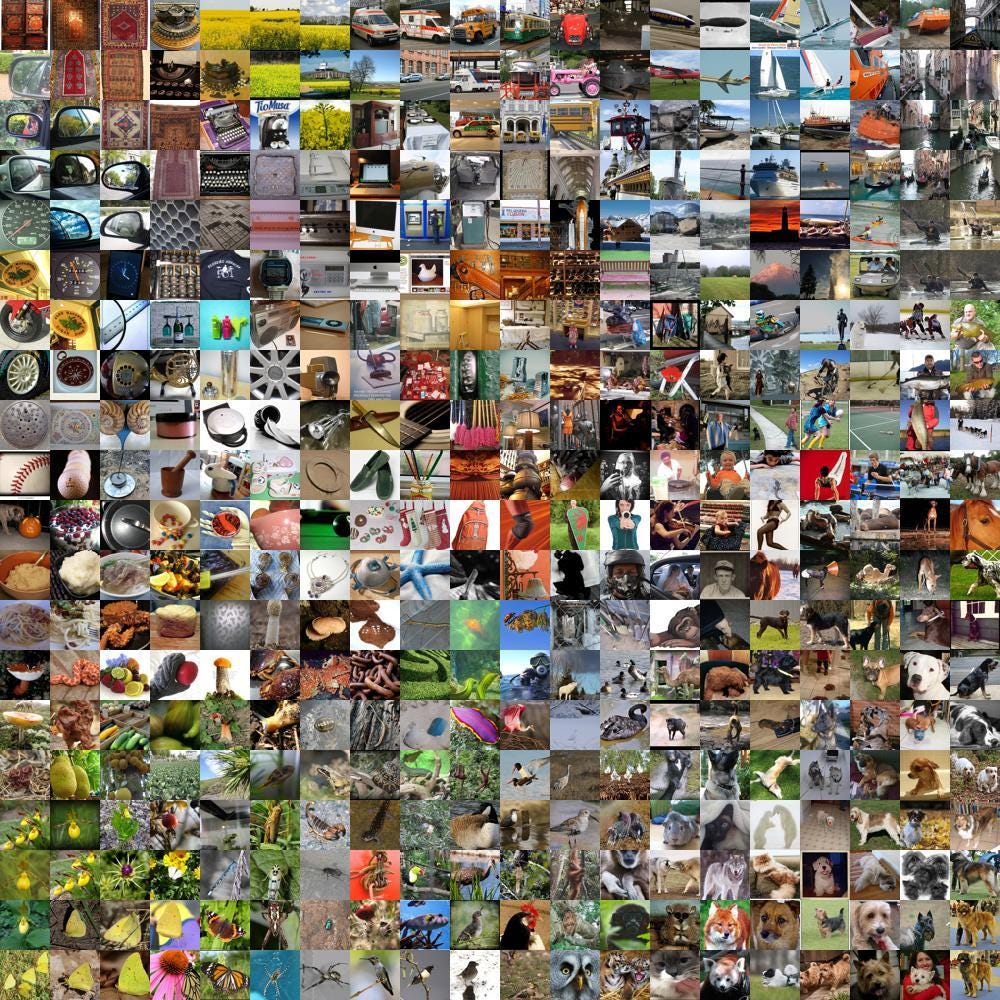
ImageNet: While it spurred groundbreaking advances in computer vision, it doesn’t necessarily measure a model’s ability to generalize to real-world applications like detecting rare medical conditions or improving autonomous driving.It focuses on object recognition in curated datasets with clean, centered images, which doesn’t represent real-world challenges like low lighting, occlusion, or rare edge cases.
SuperGLUE: It has been critical benchmark for natural language understanding, but does excelling at it mean the model can reliably assist with tasks like summarizing complex legal documents or supporting customer service at scale? Its tasks often represent narrow, static datasets and don’t assess real-world requirements like long-form document summarization, dynamic dialogue, or robustness against ambiguity.
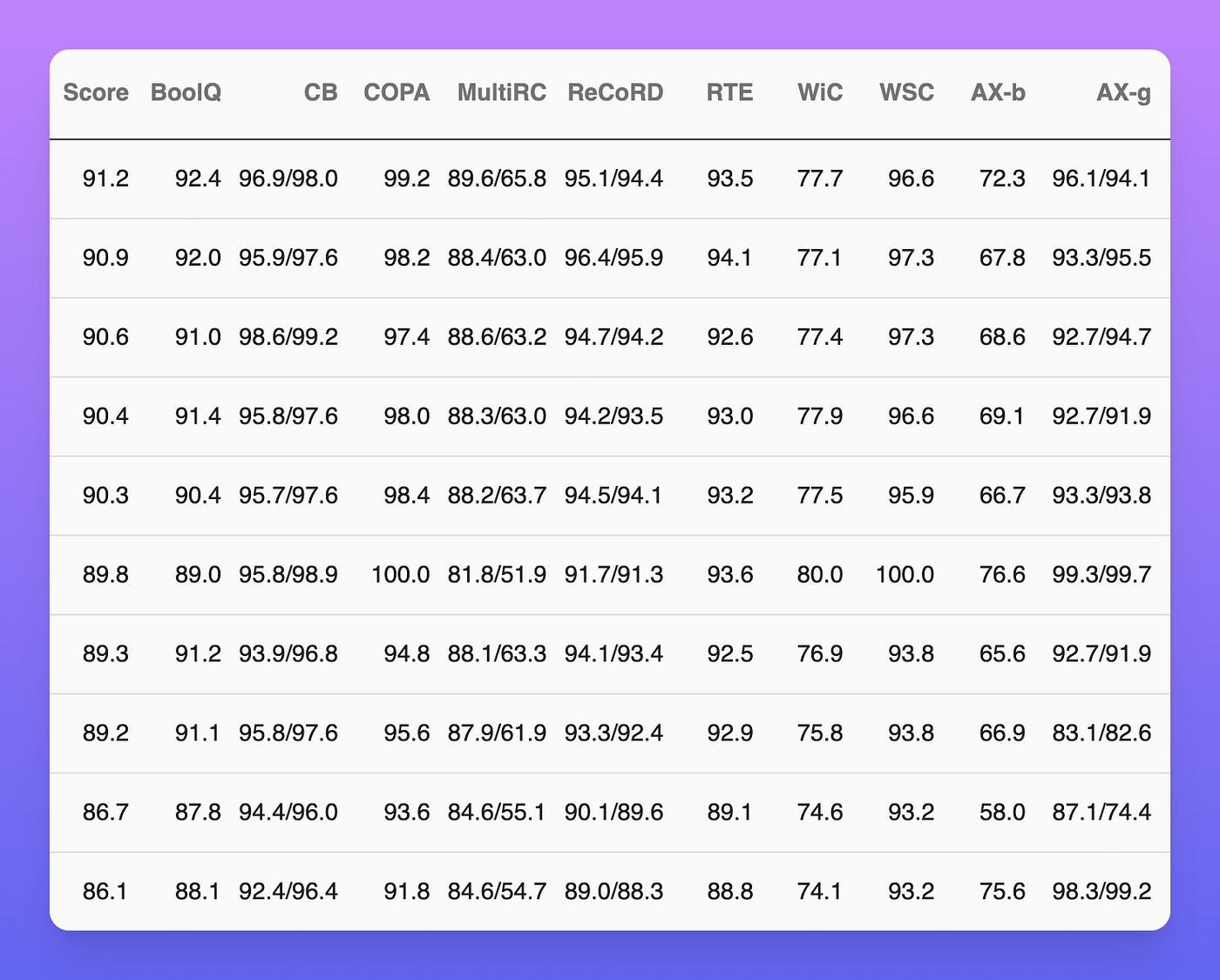
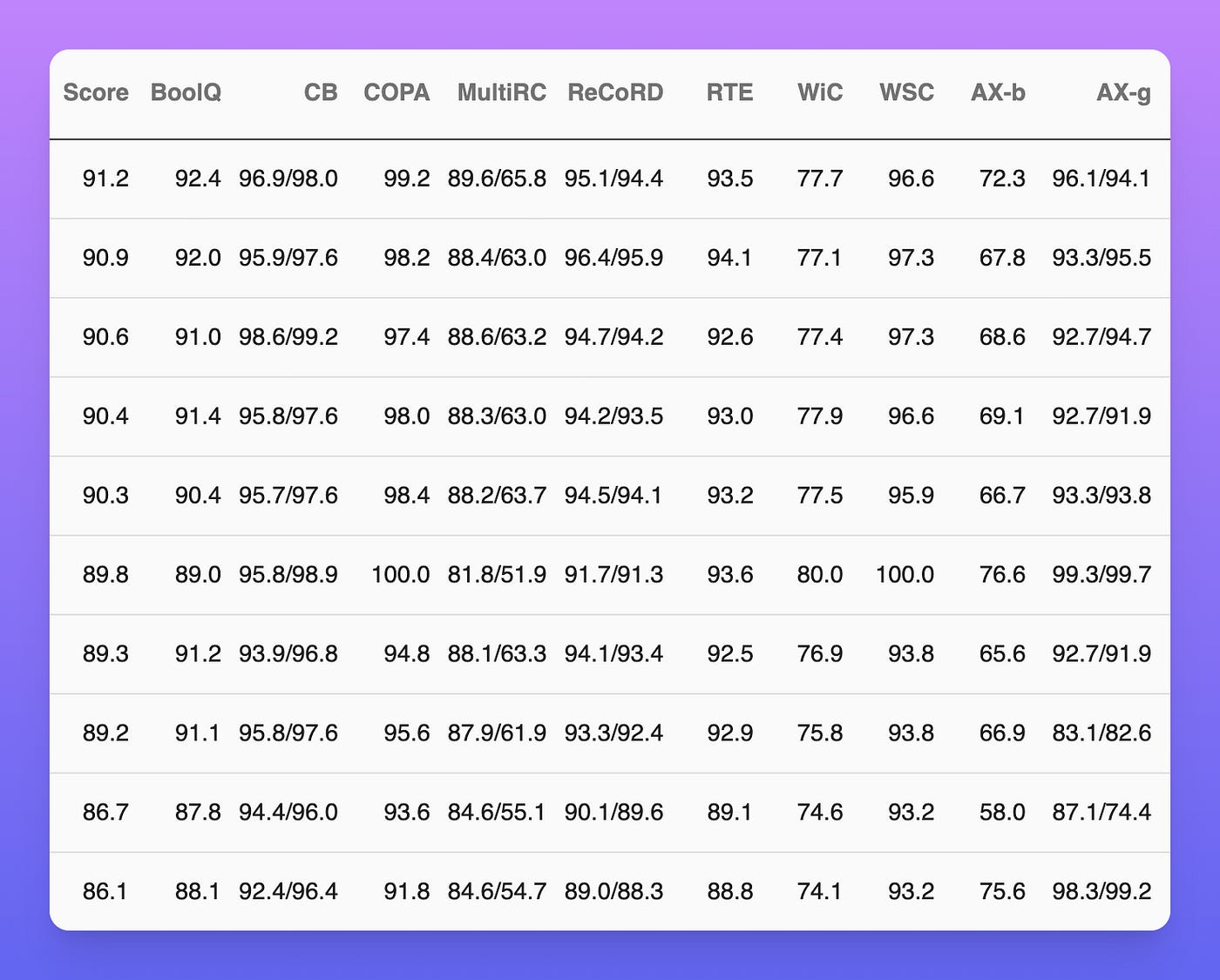
Benchmarks often become targets rather than tools. Once an AI model beats the test, it’s shelved or forgotten, with little lasting impact beyond academic bragging rights. Worse, models can overfit to the specific quirks of a benchmark, performing well in controlled conditions but failing in messy, real-world scenarios.
For instance:
OpenAI’s o1 Model

This model have shown significant improvement in reasoning tasks, dominating benchmarks like MATH and BBH (Big Bench Hard) for problem-solving.
Limitation: Despite strong performance, these models face challenges in scalability (Extremely high computational costs) and practical deployment in resource-limited settings.
Google’s Gemini 2.0
Achieved impressive results in advanced reasoning tasks with Flash Thinking, a capability designed to mimic human-like problem-solving.
Limitation: While the reasoning capabilities shine, the practical applications in business or daily use cases remain underexplored.
Anthropic’s Claude 3
Focused on safety and interpretability while excelling in benchmarks like HAR (Helpful, Harmless, and Honest).
Limitation: Benchmarks like these don’t necessarily evaluate how well the model performs in real-world, unsupervised environments.
DeepMind’s AlphaCode
Mastered competitive programming challenges, showcasing strong performance on coding benchmarks.
Limitation: Real-world coding often involves collaboration, debugging, and creativity areas that benchmarks fail to test.

Benchmarks should not be the ultimate goal, they should serve as tools to assess progress. The real question is: What value does the AI system deliver to the world?
Practical Impact
AI transforming content creation (e.g., ChatGPT, MidJourney) is a clear example of meaningful progress.
Generative AI tools are enabling businesses to scale operations, enhance creativity, and improve customer engagement.
Economic and Societal Value
Warehouse automation with vision-based AI systems has revolutionized supply chains, creating tangible business value.
In healthcare, AI models like DeepMind’s AlphaFold are saving lives by predicting protein structures, a breakthrough far beyond any benchmark.
Real-World Performance
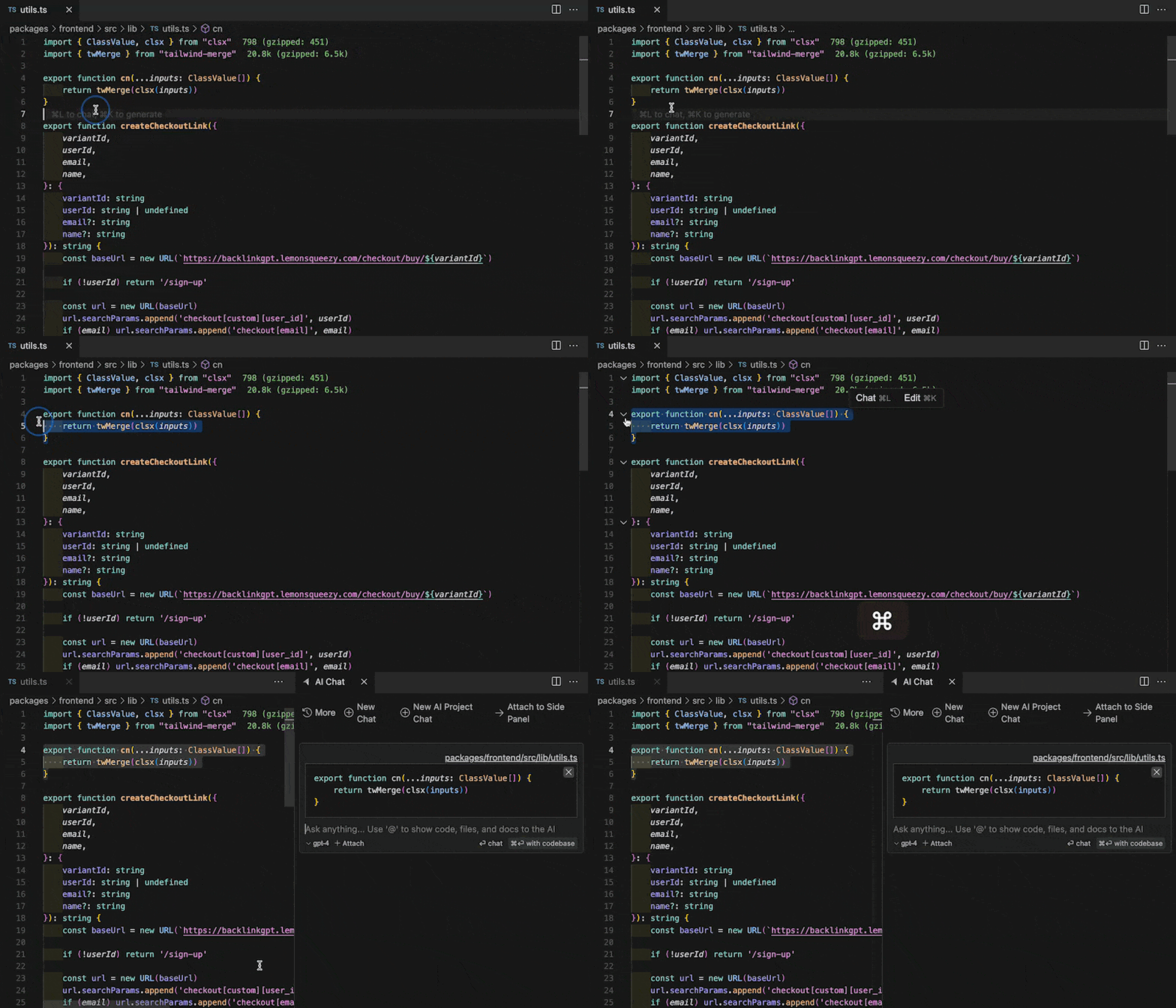
Take an example of Cursor and why it has been a Game-Changer?
Cursor demonstrates the real-world utility of AI systems built on benchmark foundations:
Productivity Gains: Developers can write and debug code faster with intelligent suggestions and automated refactoring.
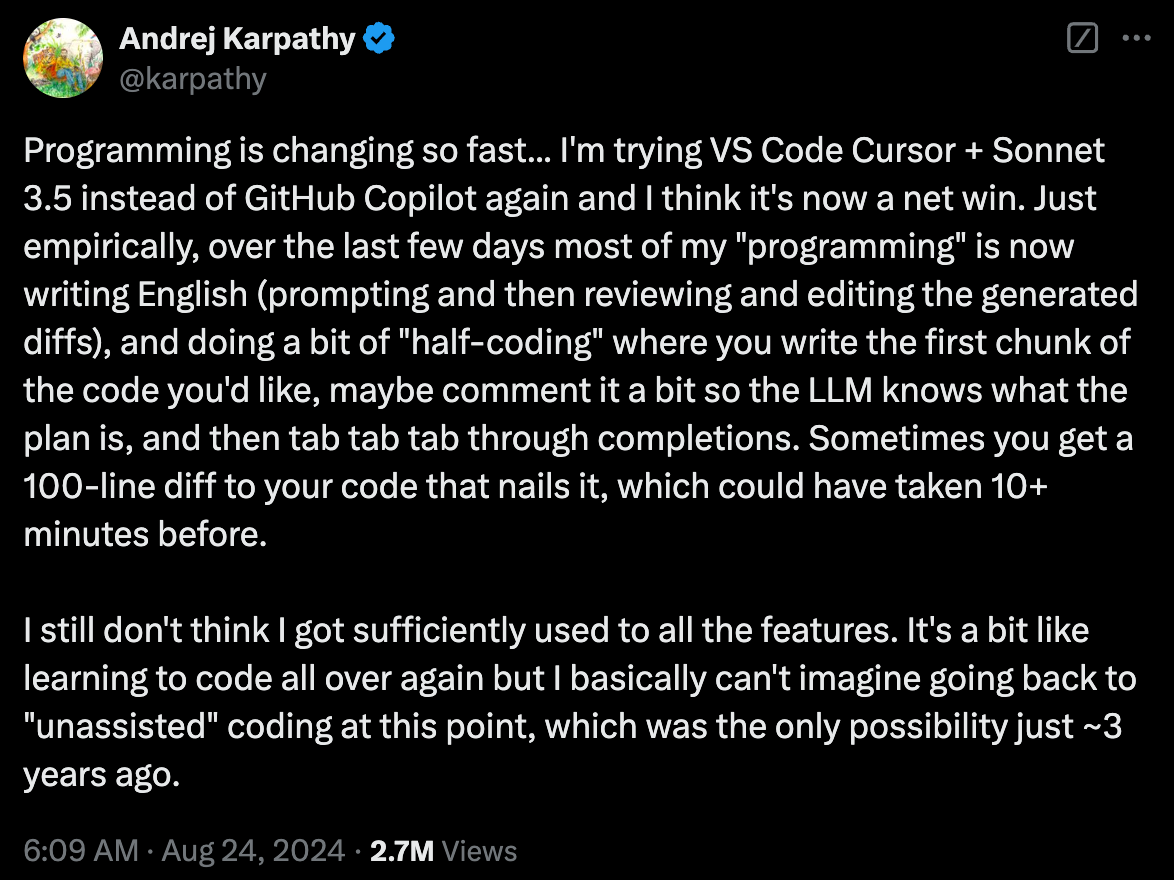
Adaptability: By understanding user intent through natural language, Cursor simplifies complex tasks, even for junior developers or those learning new frameworks.
Seamless Integration: Its integration with modern IDEs makes advanced AI tools accessible directly within workflows.
Benchmarks aren’t useless, they serve as sanity checks and diagnostics. They provide a controlled way to measure performance on specific tasks. But they must evolve to stay relevant:
Contextual Benchmarks: Evaluate models in real-world scenarios, like noisy data or adversarial conditions.
Impact Metrics: Assess economic or societal value created by AI systems.
Generalization Tests: Focus on how well a model adapts to tasks it hasn’t explicitly been trained for.
Imagine benchmarks that test how well AI adapts to real-world variability or metrics that measure the economic value created by AI deployments. These would push the field beyond academic curiosity and toward meaningful impact.
Imagine benchmarks that test:
Integration into Real-World Workflows:
Measure the reduction in manual effort or time saved when integrating an AI system into a workflow (e.g., a percentage decrease in operational downtime after adopting predictive maintenance AI).
Quantify user satisfaction or adoption rates in real-world scenarios through surveys or analytics.
Adaptation and Learning in Dynamic Environments:
Test the system’s performance across diverse datasets or environments, measuring the drop in accuracy or efficiency when faced with unseen data (e.g., a less than 10% drop in performance when transferring from one domain to another).
Track learning efficiency by measuring how quickly the model adapts to new tasks or conditions (e.g., achieving 95% of the original performance with 20% of the training data).
Value Creation:
Calculate tangible economic metrics, such as ROI (return on investment) from deploying AI systems, including cost savings or revenue growth (e.g., a 30% reduction in processing costs for automated document review).
Assess productivity boosts, such as tasks completed per hour or reductions in error rates (e.g., a 50% increase in task throughput with minimal errors).
Evaluate societal impact using KPIs like improved accessibility metrics (e.g., the number of people with disabilities benefitting from AI-based assistive tools) or improvements in health outcomes (e.g., earlier detection rates for diseases enabled by AI).
In the end, innovation isn’t about climbing leaderboards; it’s about changing lives and industries. The AI community must shift its focus to building systems that solve real problems, not just abstract puzzles.
🤔I am curious, what’s your take? Are benchmarks still a good measure of AI progress, or is it time to rethink how we evaluate success? feel free to drop your thoughts below in comments!
Comments
Nothing yet. Say the first thing.
Sign in to join the conversation.