
I’m pretty sure I was sitting at my kitchen table in Queens, staring out at the apartment buildings across the way, perseverating dreaming about what to do next over a cup of hastily measured Chemex when I realized I could just do things. Artistically.
I had been pounding the pavement or treading the boards for almost a decade and had spent most of my creative energy waiting for someone to give me a contract. Or, at the very least, ask for another 16 bars.
My creative process was effectively determined by someone saying “okay... NOW!”
But there, at my orange Ikea table one morning, it occurred to me I had no reason not to, you know, just do things. No contract necessary.
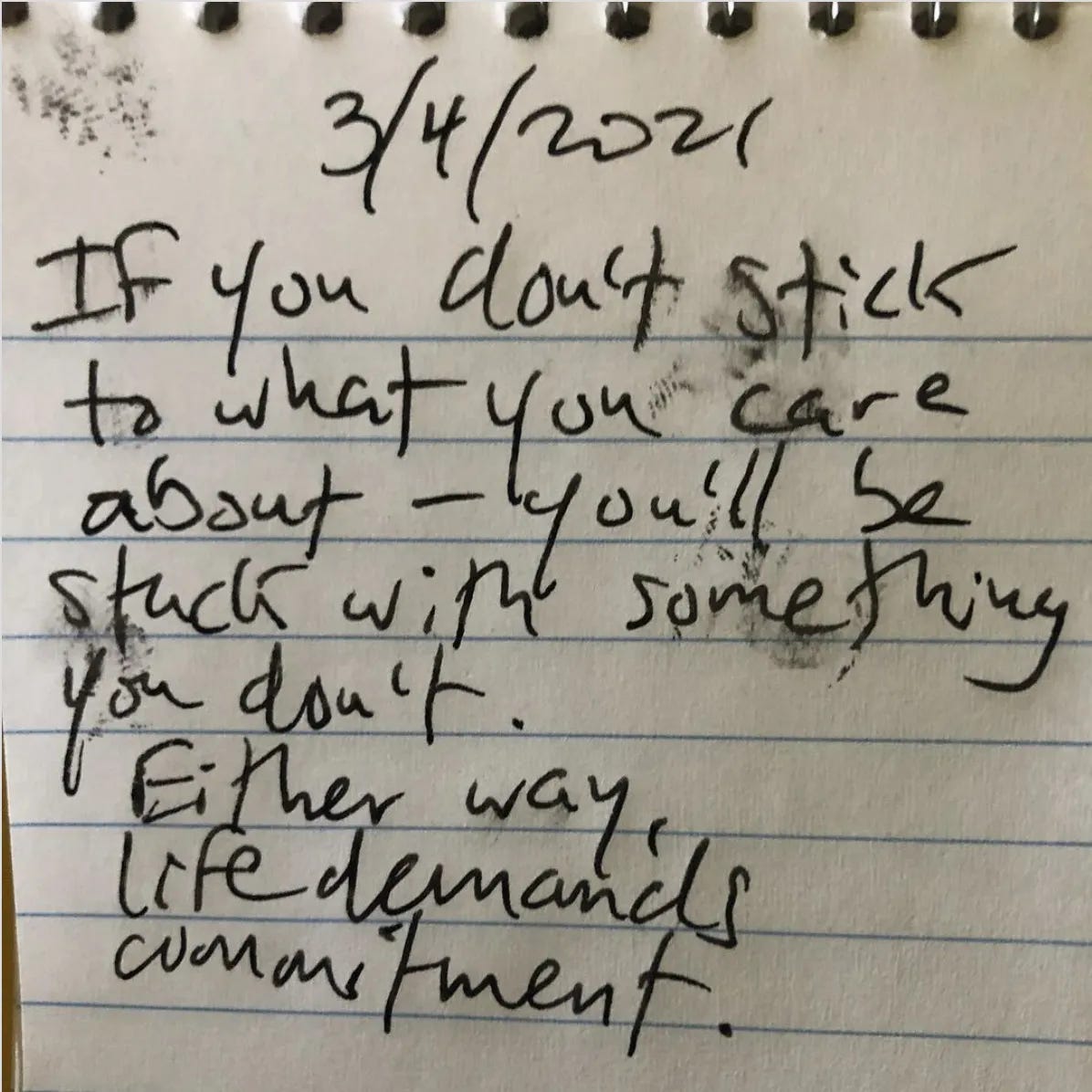
Perhaps this is obvious to you now, but around 2014 it was not so obvious to me. I’m a very good rule follower and I had learned the rules of the game very well. But as my colleagues were getting, what seemed to be, eternally booked and blessed, I was Homer Simpson-ing into the metaphorical shrub of my own creative journey. I was getting sucked into the thrilling and terrifying blackhole of making my own work.
And once that happened, I realized the next rule of Fight Club, blackholes, the Homer Simpson shrub, independent art: Thou shalt work with what thou has.
It’s from this frame that I want to tell you about what’s happening in the NonDē 50 Films Project.
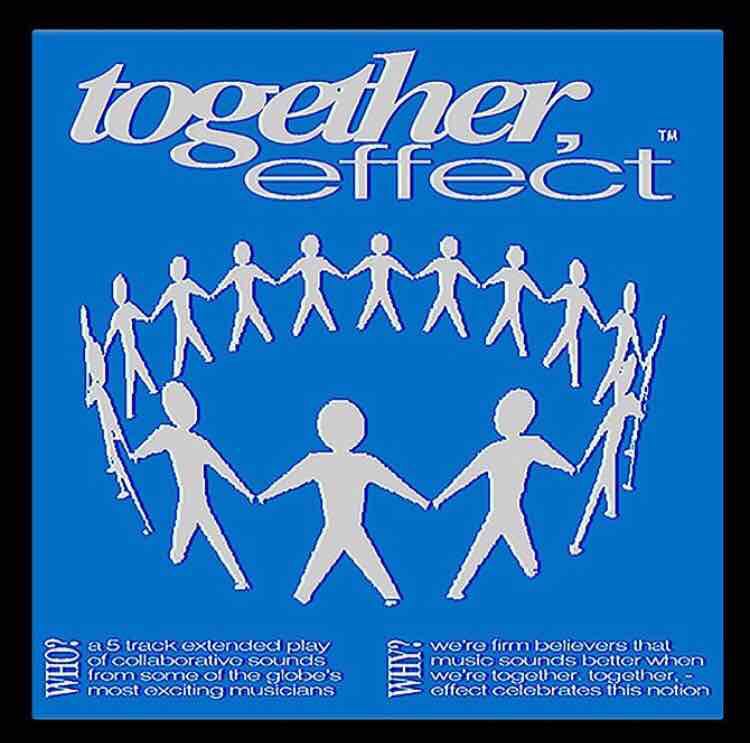
I was chatting with MJT last week and mentioned how the word “non-dependence” gets a side-eye from some filmmakers, but they are already doing non-dependence whether they call it that or not. He then said, “It’s the movement you didn’t know you were already a part of.” Which I thought had a truthy zing to it.
Then I was chatting with another filmmaker in my area, and she said, for many filmmakers making the film isn’t some unconquerable task. But this question seems to trip everyone up: “What are you gonna do with it once it’s made?”
Then I was chatting with Aaron Strand of Broke Sober and NonDē about his theatrical touring strategy and how ND50 Films Project could help, and as if I were in the last 23 minutes of some Christopher Nolan film, the pieces of all these conversations started fitting together with the recently released ND50 Films Project Real Time Report for Q2 in a way that was simultaneously surprising and predictable.
Remember the previous commandment? Thou shalt work with what thou has.
The headline is thus:
Here’s how: of our 122 committed filmmakers, we’re in 26 states plus Washington, D.C. and 14 non-US countries. If I’m mathing correctly, that’s 41 different locations.
Across the 30% of ND50 filmmakers who filled out our survey, our combined total follower reach on the internet (adjusted to account for repeat followers) is 230k.
As of this writing, almost 60% of our filmmakers are in production (meaning their films will be completed this year), which means we should expect about 66 new projects releasing in the next year.
But let’s circle back to two things:
The first takeaway from the Q2 report, we’re in 41 different locations.
The question: “What are you gonna do with your film once it’s made?”
It seems to me, if you read the ND50 report, the answer becomes almost embarrassingly obvious: we’re gonna take those 66 new projects to 41 new locations and build our audience from the ground up, location by location, together.
Remember? We can just do things?
But just so you know I’m not completely off my rocker: I know it’s simple, but that’s not the same as easy.
This kind of mass coordination involves all 66 projects to indeed get completed and, even though ND50 filmmakers have opted in to this kind of fresh, new method of filmmaking and distribution, they may still have their own aspirations apart from the group and not want to coordinate.
But for a sec, let’s imagine what could happen if we decided to just do things and coordinate a lil’ collective action:
In each location mentioned in the ND50 Films Project Q2 Report, the filmmaker who lives or works there begins building up a local network.
Perhaps they call every independent cinema in their neighborhood to tell them about ND50, informing the cinema that we’re building a “regular cadence of supply” (as per the NonDē University of Ted Hope) with a whole bunch of projects that want to come through to energize the cinema’s current audience and build up an entirely new segment of the cinema’s audience for them.
Then, they might use the NonDē Alternative Venue List (thank you Michael Lavine and crew) to start building out a local microcinema tour. They take it to libraries and trivia nights. They talk with jake S. weisman and Taylor Lewis about The Circuit. Maybe they hook up with their local movie clubs and ask which venues are most receptive to screening new films.
Perhaps these ND50 filmmakers then go to their local film support networks, their city or town’s Tourism Bureau to chat about this plan. Perhaps they seek out and find other local filmmakers who are just out of production who they might be able to enroll in this local project.
Does this sound like a lot? I know it might, but all of the above could be accomplished in two weeks. It’s just talking to people. And when you have the ND50 Report behind you with facts and figures, trust me, it’s a lot more fun to have those conversations.
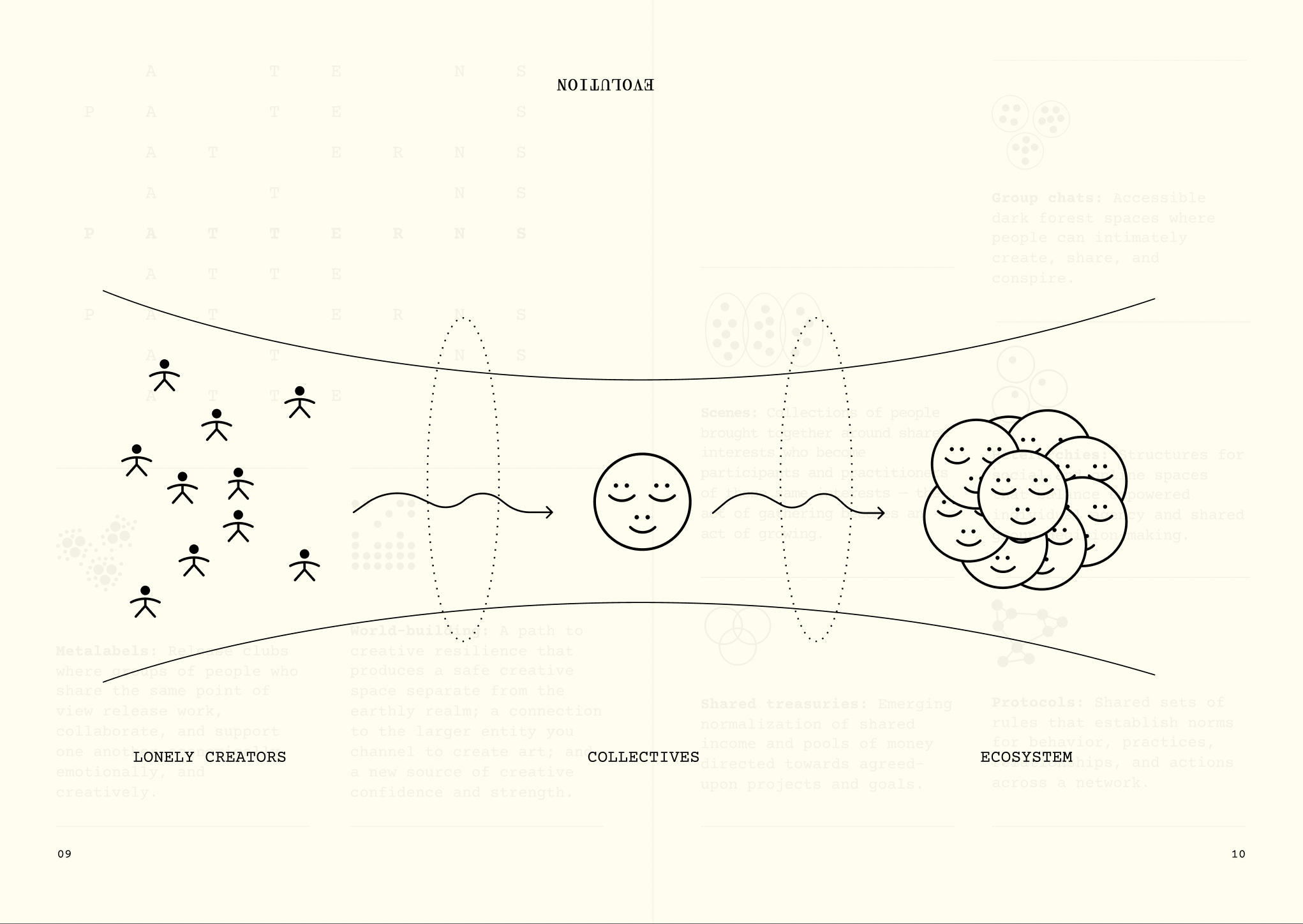
So, let’s continue imagining — the ND50 filmmaker is getting those conversations started. They are getting connected to everyone in their area. They’re spreading the good word about the non-dependent films to come.
And then? They share this link with their community.
In every one of these 41 locations, we start collecting the email addresses for the non-dependent audience we’re growing. (The filmmaker shares two links, actually: one for their own newsletter and one for audiences to opt-in to non-dependent films in general.)
We build the audience list in every single market our filmmakers touch.1
When people say, how can I support or get involved? When they ask, how can I see your work? When they wonder how can they know when a non-dependent film is coming through town? Or even just, what’s next?
Link ‘em once (to your newsletter).
Link ‘em twice (to the wider group).
So now, this imaginary filmmaker has got, oh I don’t know, 20, 50, 100 people interested in their work and the work of the movement at large.
Now, I assume most of the skeptics left during the Homer Simpsoning of it all, but let’s assume some are still here. Hi! Nice to have you in the bottom half of this essay!
Perhaps even if this filmmaker could get 100 people onto the non-dependent audience email list, that doesn’t translate directly into ticket sales right? At very best, maybe 20 extra people show up to a screening? But 20 extra people at a screening aren’t “butts in seats”, the reductive term to which Hollywood box office counters often refer. Twenty extra people at a non-dependent screening become a word-of-mouth flywheel — especially if that filmmaker who invited them attends the screening and (gasp) talks to them afterwards and (double gasp) creates some sort of takeaway experience be it with merch or a moderated Q&A or an AMA table.
Okay okay, but even that seems insufficient, right? Like, how is that going to compete with Brand New Day??
The answer is: it’s not. Because we’re not trying to compete with the multiverse. We’re going for critical mass.
For any sort of movement to take hold, you don’t need everyone to buy in. That’s, in fact, literally never how movements work.
What you need is 3.5%.
In our politics of non-dependence, we’re gathering everyone who loves cinema: the filmmakers, the exhibitioners, the audiences. When 3.5% of the people in each market buy into non-dependence, we will have achieved something utterly significant in our cinematic ecosystem.
When we repeat this process across 41 different locations, we’ll start to build toward critical mass.
Remember what I’m saying here: simple, not necessarily easy.
But made much much easier when we do it together.
And once we build up our individual markets, what is the next stunningly obvious conclusion? Well film friends, we’ve got ourselves a touring map.
Enter: Aaron Strand from Broke Sober and NonDē who is currently on a 25-city international theatrical tour ~he booked himself~.
Now, I have reflected to Aaron he has sacrificed himself to the gods of cinema for the rest of us because he’s doing all of this on his own. But. BUT! If you are part of the ND50 Films Project, last week you got his upcoming tour list and an invitation to help him out.
Because as we help Aaron fill out his tour with moderators, community leads, and hosts, who are also filmmakers themselves, we will strengthen each city and community, we will collect email addresses, and we can rinse and repeat ad nauseam with the 66 projects we expect to see released in the next year.
This is what we mean when we say collaboration > competition. What’s good for one of our films is good for all of our films.
Coordinated collaboration is one thing the big dogs can’t do. They must compete with each other to survive because they play a zero sum game. Competition is their strategy. It doesn’t have to be ours. And I’d go as far to say, it shouldn’t be.
At this point, I hope the uninterested have already departed, so it’s just you and me now. If you’re here still reading this, bless you. We’ve got work to do.
Here’s what comes next:
Read and share the ND50 Films Project Real Time Report for Q2.
If you’re a filmmaker, sign up to be a part of the ND50 Films Project HERE.
If you’re a film lover, sign up to watch non-dependent films HERE.
Come to the ND50 General Strategy Meeting next week. Register & details HERE.
Let’s spread the word! Share this post with anyone (filmmakers, film lovers, film-adjacent friends) who might want to get involved. It’s a group project (as most things tend to be). <3
Subscribe to FilmStack Daily Digest and start getting your analysis and breakdown from thinkers on this platform with independent voices.
Try non-dependence one of these 64 ways.
Read about the New Film Criticism and subscribe to a swath of amazing film critics who don’t just introduce us to new work, but also help us think and write about films in an altogether fresh, original, personal way. Check out Film Soup Zine run by KLA Media Group and C. C. Simmons who will be reviewing specifically-NonDē films.
Join the NonDē 50 Films Project by signing up here and checking out the dashboard here.
Start talking about it. Let’s bring these ideas into the conversation. At first people will say we can’t do it. That’s fine, let’s talk about it. Let’s bring these big ideas into the rooms with us.
Discuss with your team. Be the leader on your production team and bring non-FilmStack filmmakers into the fold. Share resources and posts with them about how to do things differently.
Share about the NonDē Film Movement far and wide. A better world is inevitable if we make it so.
Read the entire NonDē series:
Comments
Nothing yet. Say the first thing.
Sign in to join the conversation.