
October is marked by abundance, made all the more prescient as signs of hibernation push into the foreground. I woke to a dark, blustery morning—the first in months without a hint of sun. I pulled on my layers, tucked into the truck, and drove down the country road to the distillery to start transferring the tomato wine over to the still; time to pull the alcohol and those eager aromatics.
When I first heard there were late-September tomatoes hanging around, I was excited. I suppose because I’d never paid much attention to September tomatoes before. When they arrived, they looked perfect but tasted flat. Still, I crushed them, massaged in some sugars, sprinkled in yeast… and waited. Within a few short days, tomato flavor abounded. I love being surprised by the flavors fermentation can unlock—the way a fermenting tomato wine can smell and taste more like tomatoes than the tomatoes ever did themselves.
Fermentation is at once decay and preservation—a controlled rot that transforms perishability into endurance. In that strange alchemy, the raw material often becomes more itself: its scent deepens, its flavor sharpens, its essence revealed through the slow metabolism of microbes.
PS.. I picked up an award from VinePair, Distiller of the Year. Thanks to everyone who tunes in, picks up my bottles, shares them around. That is the only reason I get to do what I do so I truly couldn’t be more grateful to you. Thank you and cheers!!!
One of the perks of the job: blending the botanicals I work with into teas. Rare Tea Cellar and SF Herb keep me well stocked, and Kettl’s Sobacha has me hooked, currently working on a bulk order.
Botanicals are transformative and transportive. The good ones can shift my mood in an instant—ease a cold or flu, temper a headache, coax me to sleep. When we work with Rare Tea Cellar’s chamomile, I always wait until the end of the day. Simply opening the bag is enough to melt me into the couch.
It’s Halloween, and the weather is in on it. Cool air, grey skies casting a warm-hued glow on the trees. I’m always driven to make spirits, to cook, to drink wild teas and fortifying broths—but there’s an extra buzz in the air today making me extra productive, starting before first light and working well into the night. The botanicals I work with are the best I can find. They’re my choice for our spirits and my choice for my apothecary. For me, there’s no middle ground: give me calendula or mugwort, or give me the most aggressive form of modern medicine—you won’t find me in between. (If you see me taking DayQuil, run.)
At the distillery, I start the 600-gallon still, filled to the brim with fermenting flaked oats from Maine. A pot distillation followed by a column run, destined to meet hundreds of pounds of freshly browned New York butter from the Culinary Institute of America—our Maillard Liqueur. While I wait for it to heat, I hook up the peristaltic pump to the 100 gallon still, and start pulling yesterdays fir, spruce, and Douglas fir remnants from the tank. Yesterday I’d distilled a new collaboration with Bar Snack. Think: walking through a Christmas tree yard, that sharp chill carrying pine resin, wood chips, and a lace of white grapefruit.
I clean the still again to prep for a Green Cara Cara orange distillate—maybe the missing note in our juicy triple sec? I’ll know next week.
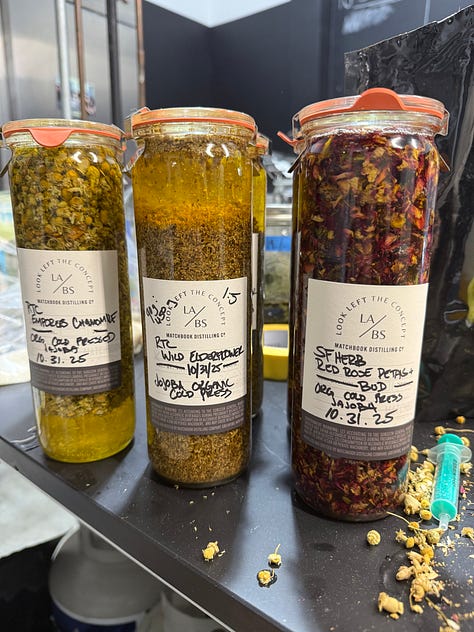
As the day wraps up, a package arrives—just in time. A gallon of cold-pressed organic jojoba oil. I gather chamomile, wild elderflower, local biodynamic nettle, and red rose petals and head to the lab. I aim for roughly 1:5, one gram of plant to 5 grams of oil. I fill the jars with botanicals, then top with oil—topping up, agitating, giving them mild warmth and darkness as they steep. Eventually, I’ll strain them through cloth and paper until the oils run clear. They’ll last about a year—ready to blend, or set with beeswax into a balm, as the season requires.


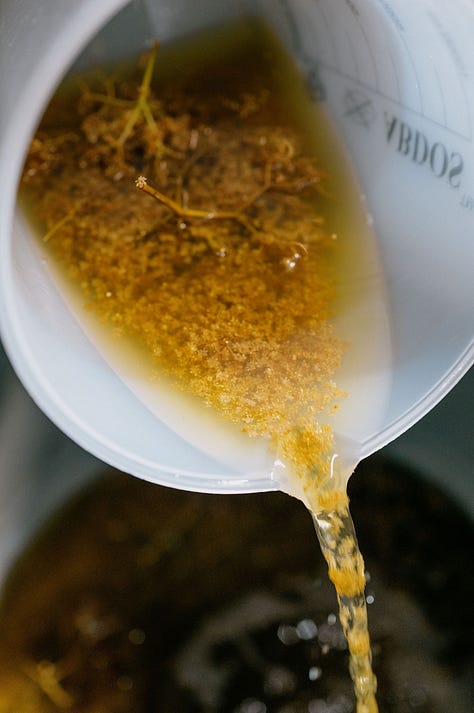
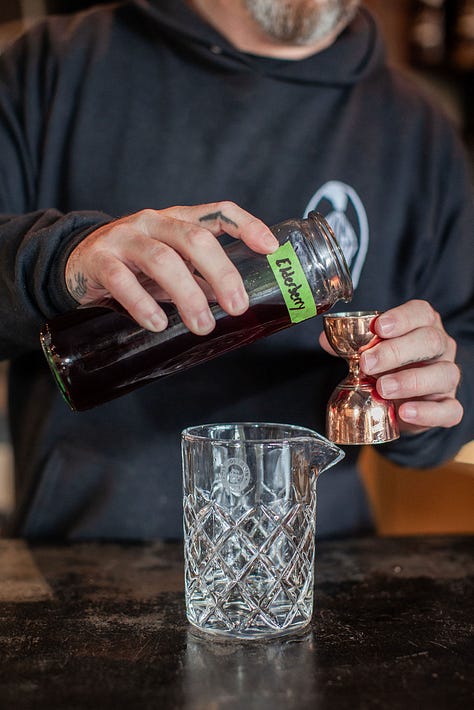
I’ve been sitting on an elderberry wine, fortified with distillates of Freak of Nature Milk Oolong and Yarrow. If you’re part of Matchbook’s Flask Club, you’ve tasted it: potent, creamy autumn fruit in a flask. I’m not sure what I’m waiting for to share it more widely—perhaps the right moment.
Naturally, I’m thinking of it now, on Halloween, because the elder tree is ripe with lore.
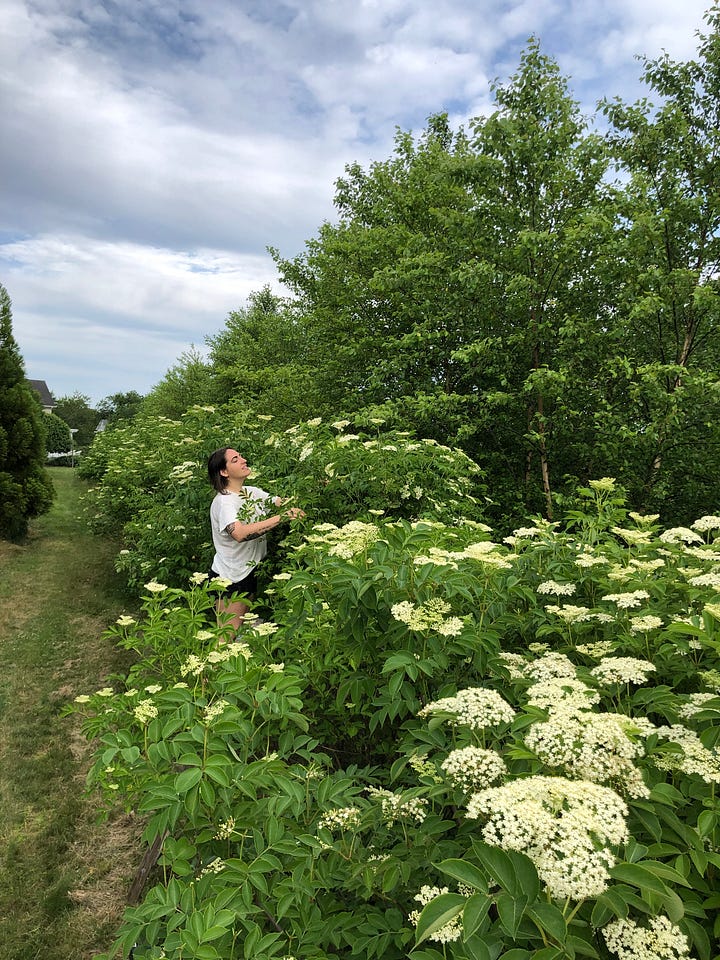
Fast-growing and generous, the elder blooms in summer and droops under black fruit by fall. Herbalists have prized it for centuries; science has started to catch up, revealing how elderberry flavonoids bind to H1N1 virions, keeping them from infecting host cells.
Known as both the tree of life and tree of death, elder has always carried duality. Some believed it could ward off a witch’s magic; others believed witches lived inside it. Cut one down, and the witch was loosed upon you. To harvest safely, you had to ask permission—often with rhyme or prayer. Its mythology, like its medicine, insists on respect.



Life at The Lin has been picturesque FALL AF. We uncrated a pair of old candelabra-style light fixtures and fixed them to either side of the fireplace in the solarium — very gothic beach, perfectly suited to this first cool stretch of fall.
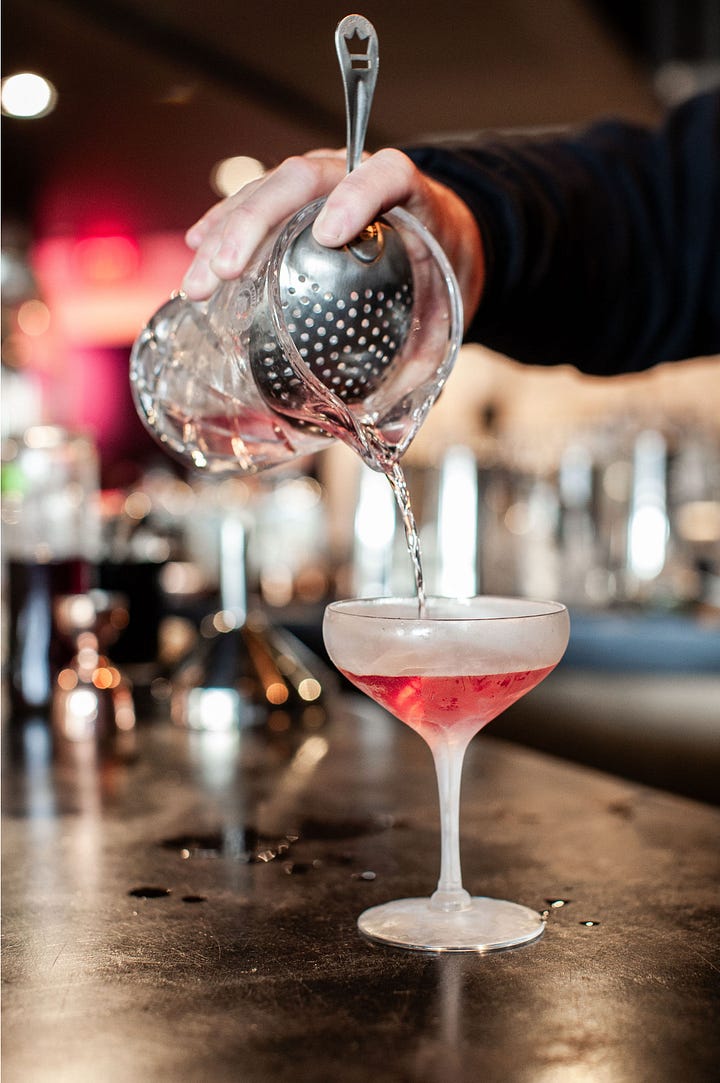
Guests this time of year know how to live. They’re blending toddy ready botanical spirits at Matchbook, picking up biscuits and jam at First and South before wandering to Burton’s Books, strolling through town before warming up with hot mugs of clam chowder from Little Creek. They wind the neighborhood roads to admire the saltboxes and visit the Whitney M. Hubbard exhibit, pausing before his expressionist paintings of the North Fork from a century and a half ago. Afternoons are topped off the way they should — aperitif cocktails and board games by the fire.
As for me, I’ve been happiest in the kitchen. One Instagram ad from Noma Projects was all it took for me to order their condiments: Wild Rose Vinegar, Aged Pumpkin Vinegar, Mushroom Garum, Cep Oil, Corn Yuzu Hot Sauce. Late last night, still charged with that Halloween buzz, I made a French oxtail stew using local oxtail and vegetables — a slow, collagen-rich braise under biscuit crust. I left it to cook overnight and woke to the kind of fragrance that makes you believe in alchemy. Below is the full recipe, straight from the Lin kitchen. Not grabbing those condiments? No problem, just swap them for apple cider vinegar, red wine, olive oil / butter and whatever hot sauce you have around, if you’re feeling spicy.
with Wild Rose Vinegar, Mushroom Garum & Cep Oil
Serves 6
Ingredients
(For the Stew)
3–4 lbs oxtail, well seasoned with salt and pepper
2 tbsp neutral oil or beef fat
2 medium onions, diced
2 carrots, diced
2 celery stalks, diced
4 cloves garlic, chopped
1 tbsp Wild Rose Vinegar
2 tbsp Mushroom Garum
1 tbsp Aged Pumpkin Vinegar
2 tbsp crushed tomato
3–4 cups beef stock or water, just enough to cover
3 sprigs thyme + 1 sprig rosemary
2 cups peeled cubed potato
2 cups cubed winter squash
Salt and black pepper to taste
1 tsp Cep Oil, for finishing
Optional: a few drops Corn Yuzu Hot Sauce for brightness
(For the Biscuit Crust)
2 cups all-purpose flour
1 tbsp baking powder
½ tsp baking soda
1 tsp kosher salt
1 tsp sugar (optional)
6 tbsp cold unsalted butter, cubed
¾ cup cold buttermilk (or milk + 1 tsp vinegar)
2 tbsp chopped herbs (thyme, rosemary, parsley)
2 tbsp grated Parmesan or cheddar (optional)
2 tbsp melted butter
A few drops Corn Yuzu Hot Sauce (for brushing)
Method
1. Brown the Oxtails
Turn Instant Pot to Sauté. Add oil and brown oxtails on all sides until deeply caramelized. Remove and set aside.
2. Build the Aromatic Base
Add onions, carrots, and celery. Cook until soft and golden, about 8–10 minutes.
Stir in garlic and cook for 30 seconds, just until fragrant.
Deglaze with Wild Rose Vinegar, scraping up the fond.
Add Mushroom Garum, Aged Pumpkin Vinegar, and crushed tomato. Stir well.
3. Braise
Return oxtails to the pot and add stock to just cover. Add thyme and rosemary.
Lock lid and pressure cook on High Pressure for 55 minutes. Allow natural release (20–25 minutes).
Switch to Slow Cook: Low and cook overnight (8–10 hours) with the lid vented.
4. Morning Finish
Skim fat from the surface. Remove bones and shred the oxtail back into the pot.
Add potatoes and squash; simmer on Sauté for 25–30 minutes, uncovered, until tender and thickened.
Season to taste — balance salt, add a drizzle of Cep Oil, and brighten with another splash of Wild Rose Vinegar or Corn Yuzu Hot Sauce.
Biscuit Crust
Whisk together flour, baking powder, baking soda, salt, and sugar.
Cut in butter until coarse crumbs form.
Stir in buttermilk, herbs, and cheese (if using).
Drop rough spoonfuls of dough over the hot stew.
Brush with melted butter mixed with a few drops of Corn Yuzu Hot Sauce.
Bake uncovered at 400°F for 20–25 minutes, until biscuits are golden and the stew bubbles through.
To Serve
Let rest for 10 minutes before serving. Drizzle with a touch more Cep Oil or crumble Pumpkin Seed Praline over top for nutty texture.
The overnight rest intensifies flavor and builds that lush, collagen-rich texture. The mushroom garum replaces traditional stock reduction with natural umami; the rose and pumpkin vinegars layer brightness and sweetness like wine and demi-glace in a restaurant sauce.
@thehistoricalherbologist ran a wonderful October series, 31 Days of Petrifying Plants—a perfect blend of myth, science, and herbalism. Highly recommend catching up.
The Herbal Academy has long been one of my favorite online resources. Their blog is a great free entry point if you’re building your own herbal apothecary.
I’m heading to the beach to forage rosehips for this Homemade Rose Hip Jam.
Also on my agenda: Sweet Sleep Gummies and these Herbal Immunity Shots for the season ahead.
Happy Harvest!!
x
Leslie
Comments
Nothing yet. Say the first thing.
Sign in to join the conversation.