When a Manager Agent Gets Nothing Back From a Child Agent
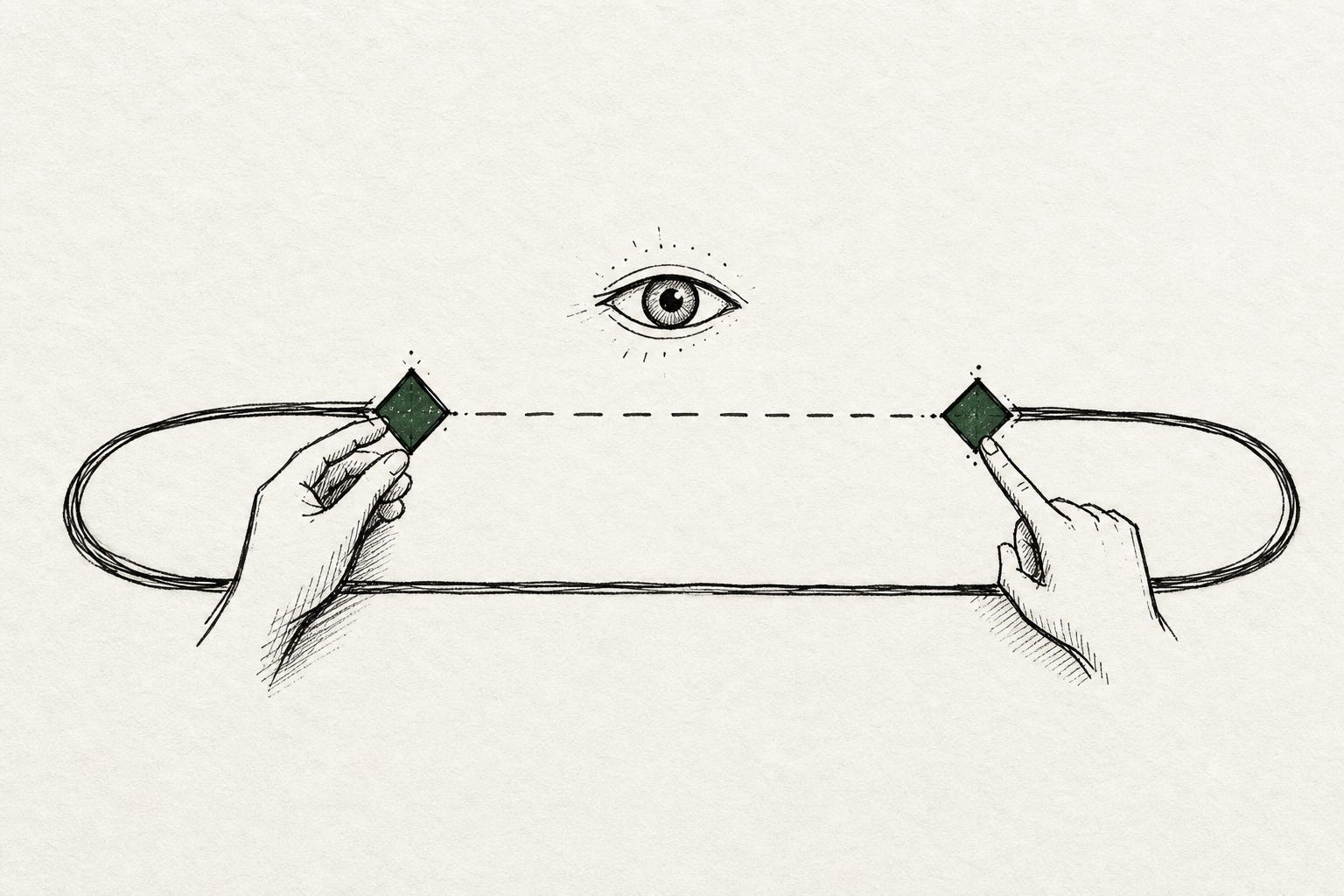
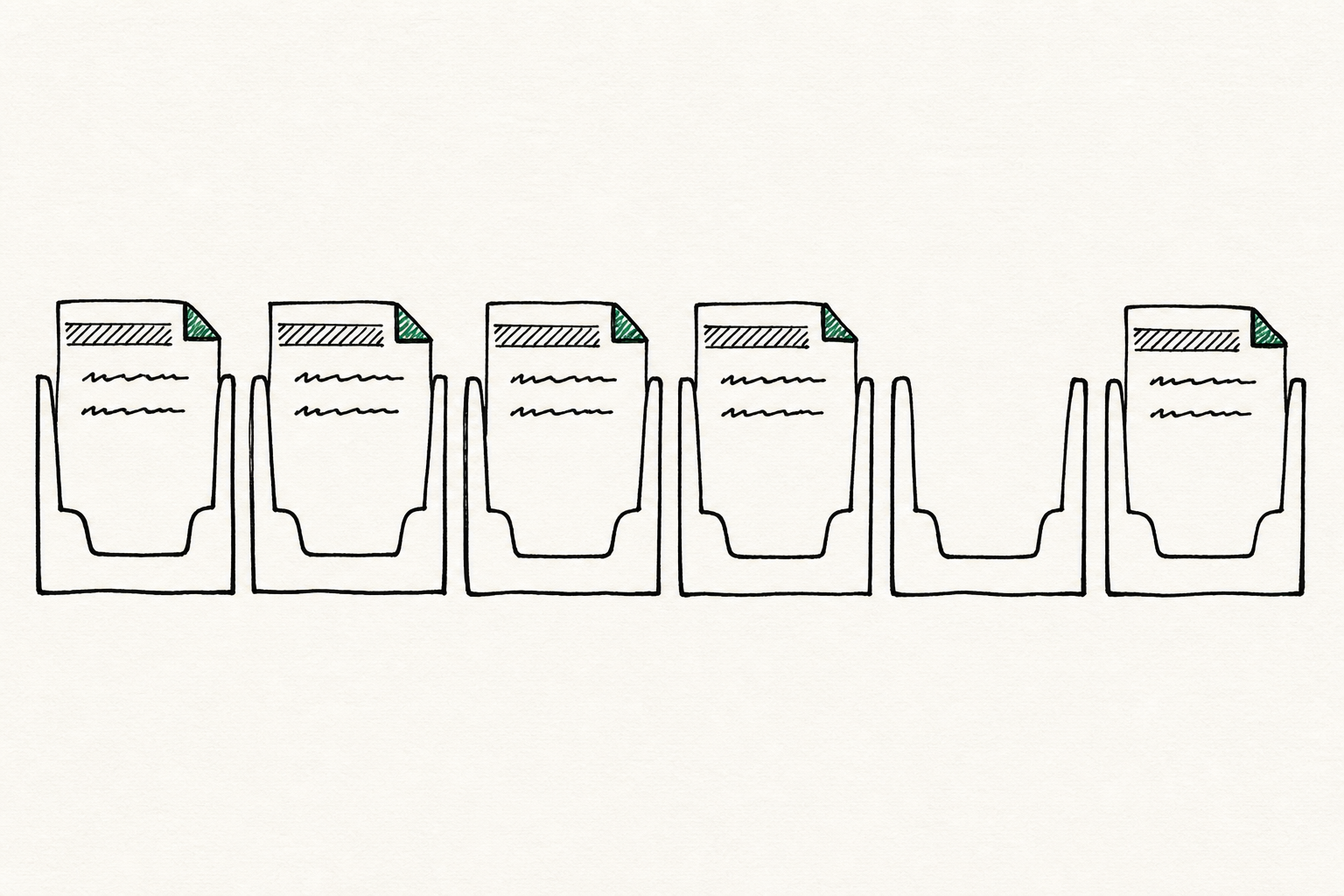
Every child agent should return one explicit outcome: complete or incomplete. If neither comes back, the manager should stop.

AI is creating a new shape of company. The new shape runs the operational cycle through agents, with humans on judgment. By Leon Ho, founder of LifeHack and creator of AgentUse.
Live Last read · last published · next check
Every child agent should return one explicit outcome: complete or incomplete. If neither comes back, the manager should stop.
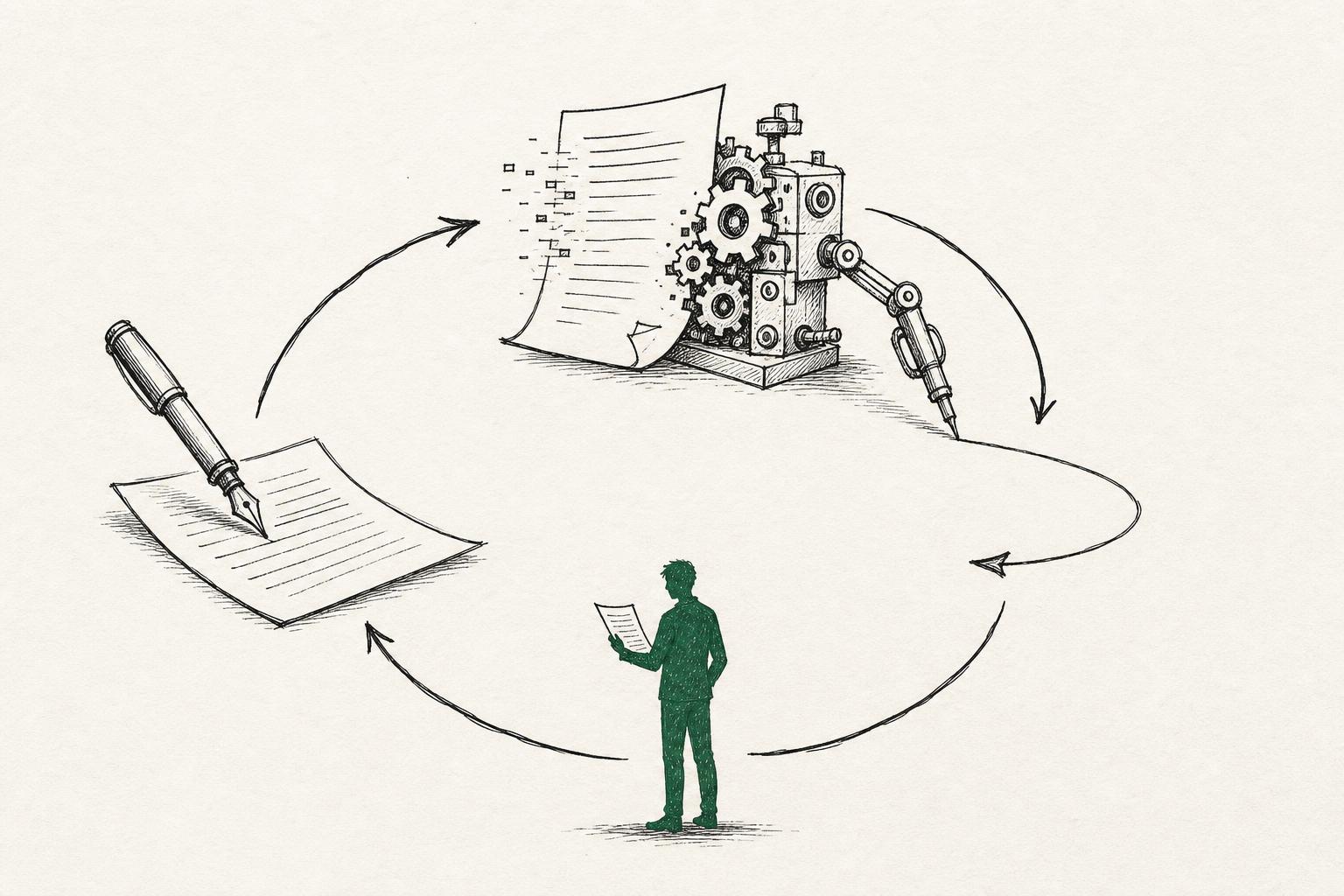
People delete the human gate so they can say fully automated. That throws away the only proof the agent is getting better. Feed it back instead, and the gate teaches itself out of a job.
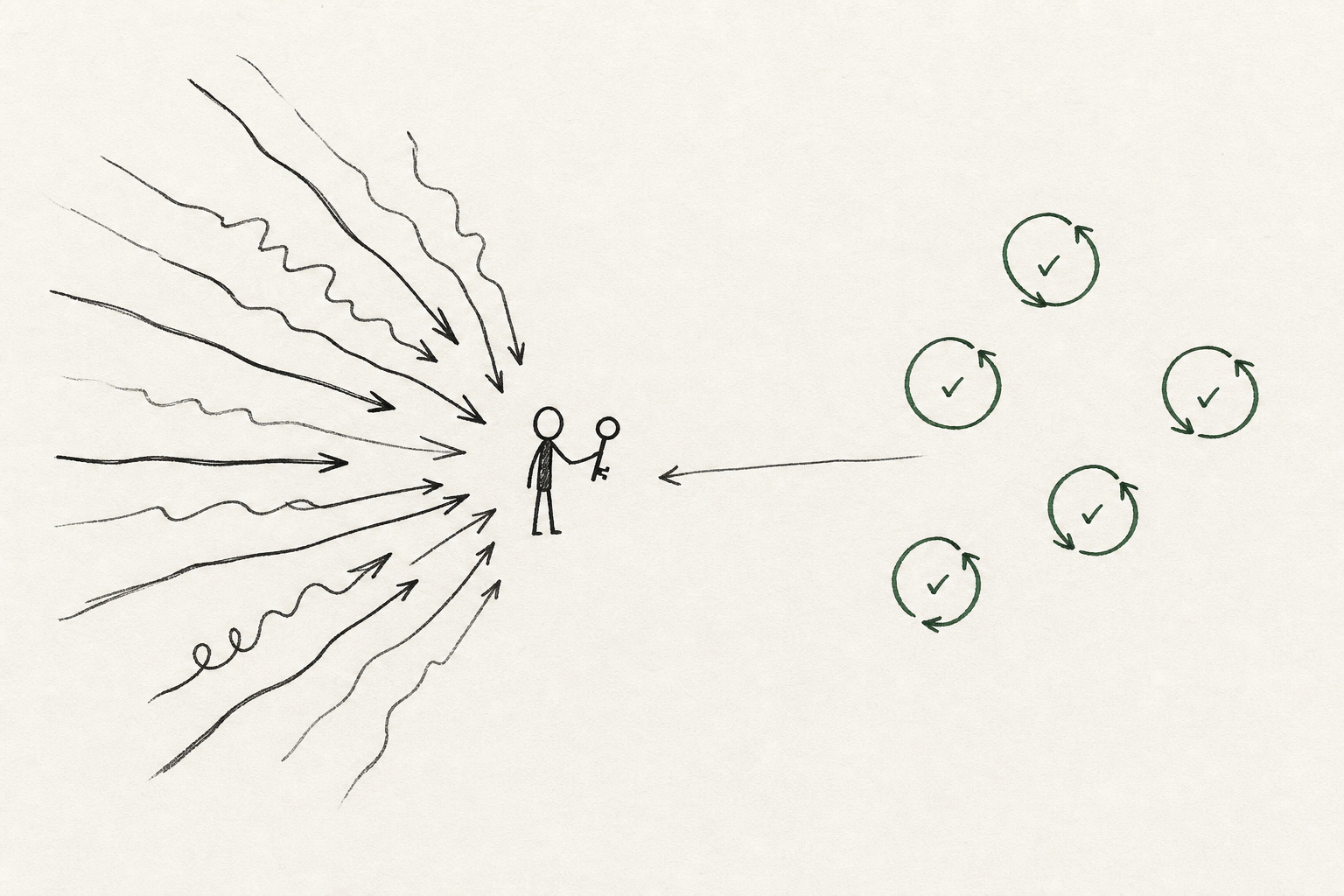
Anthropic already ships a warning about this in the system prompt. It loses to a note the model wrote about me last month, and the reason is not authority.
Claude Code writes them from the runtime's own live manual. The agents write back.
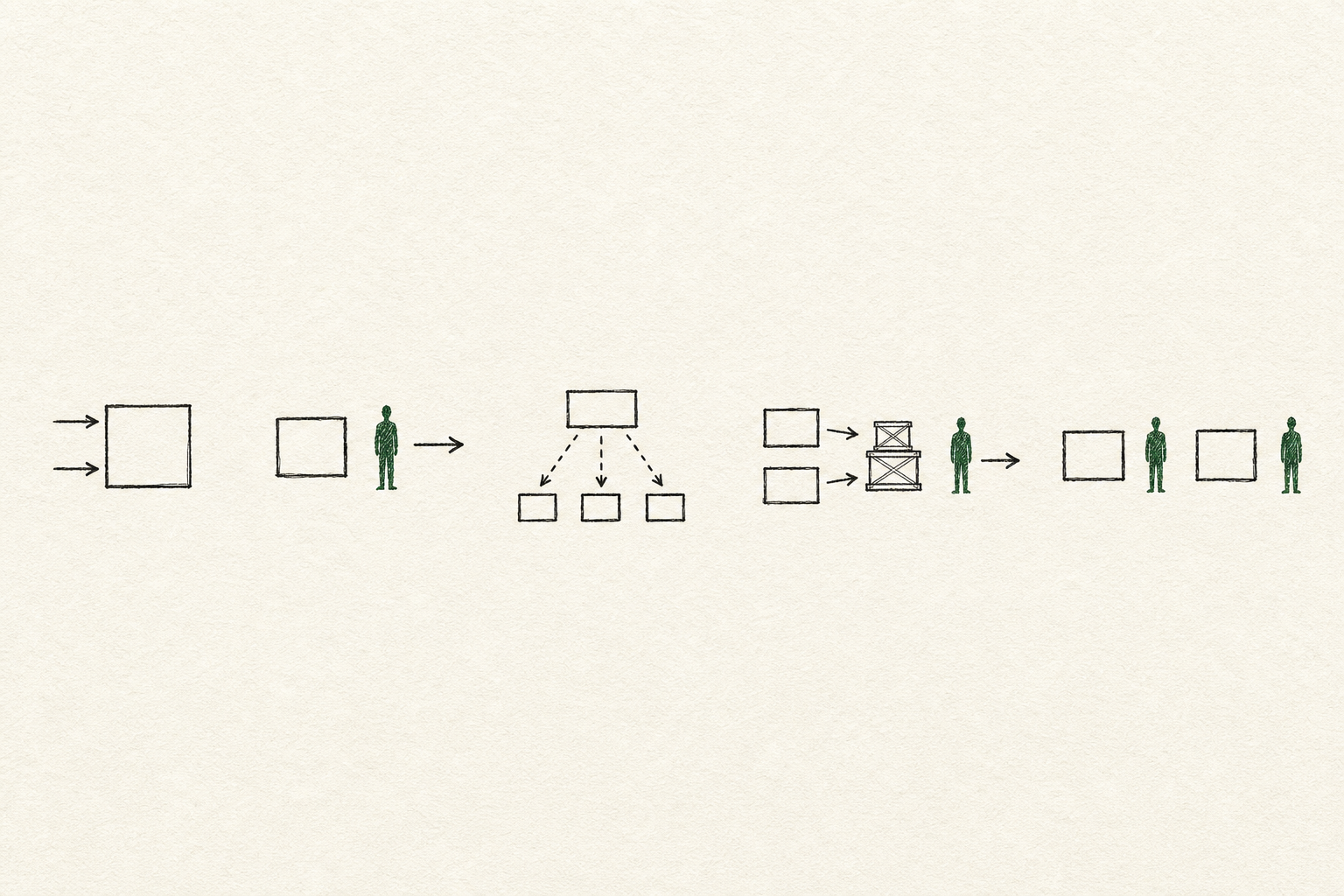
A team used to run LifeHack. Today 129 agents do, and every one of them takes one of five shapes.
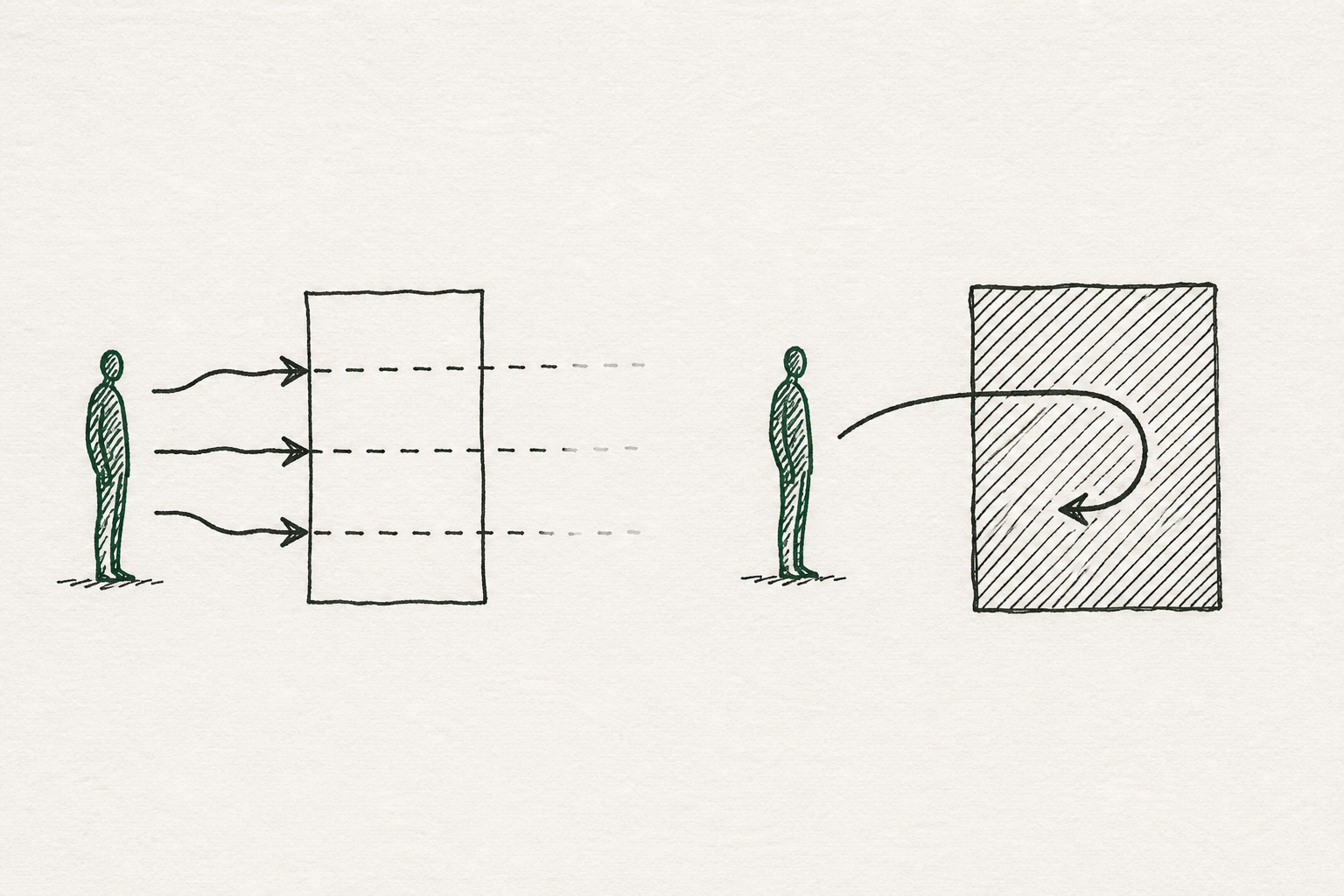
What to put your hand on while an agent runs, what to keep your hand off, and how the same line decides when it runs without you.
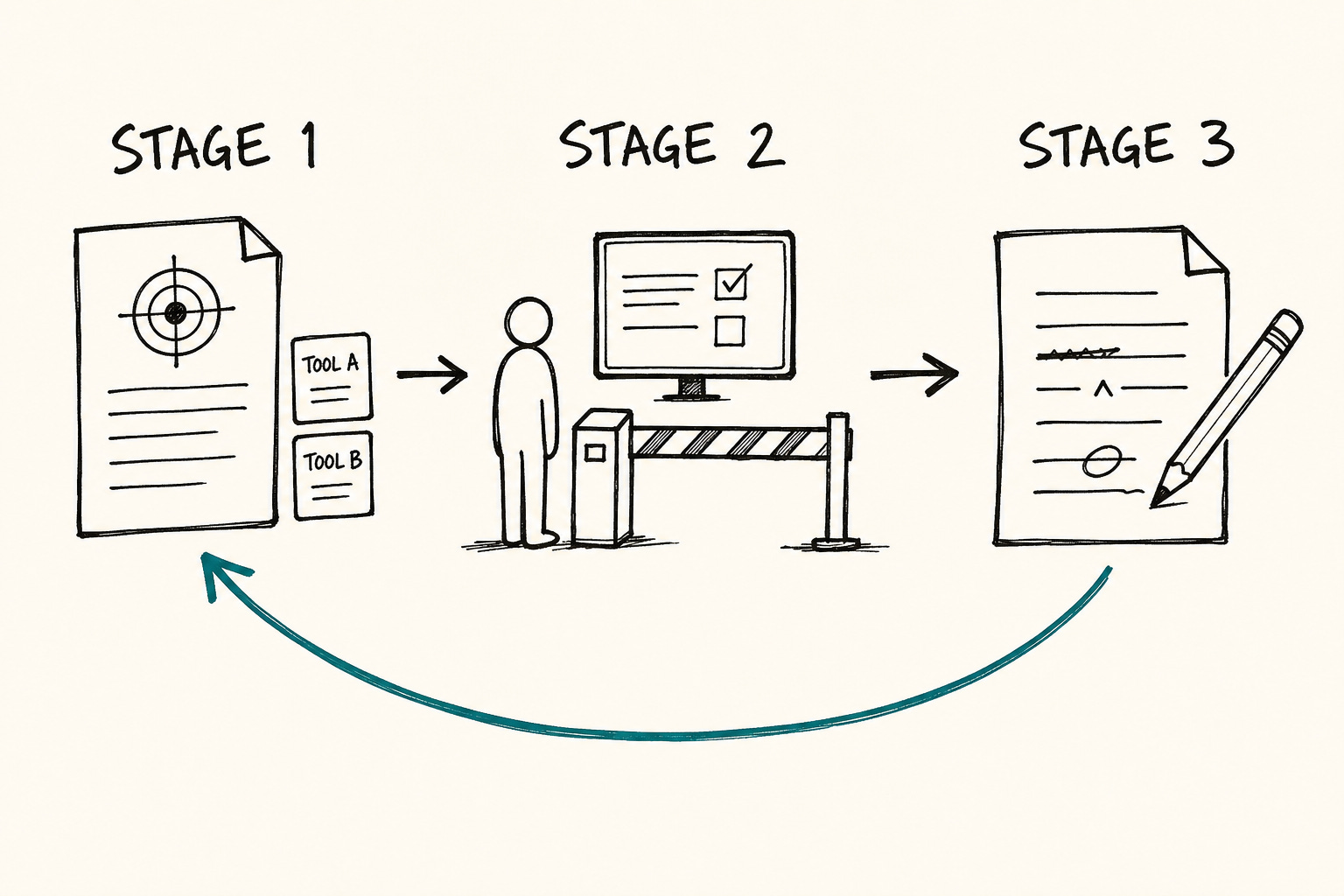
The three-stage loop I run to make an agent reliable enough to put near my customers
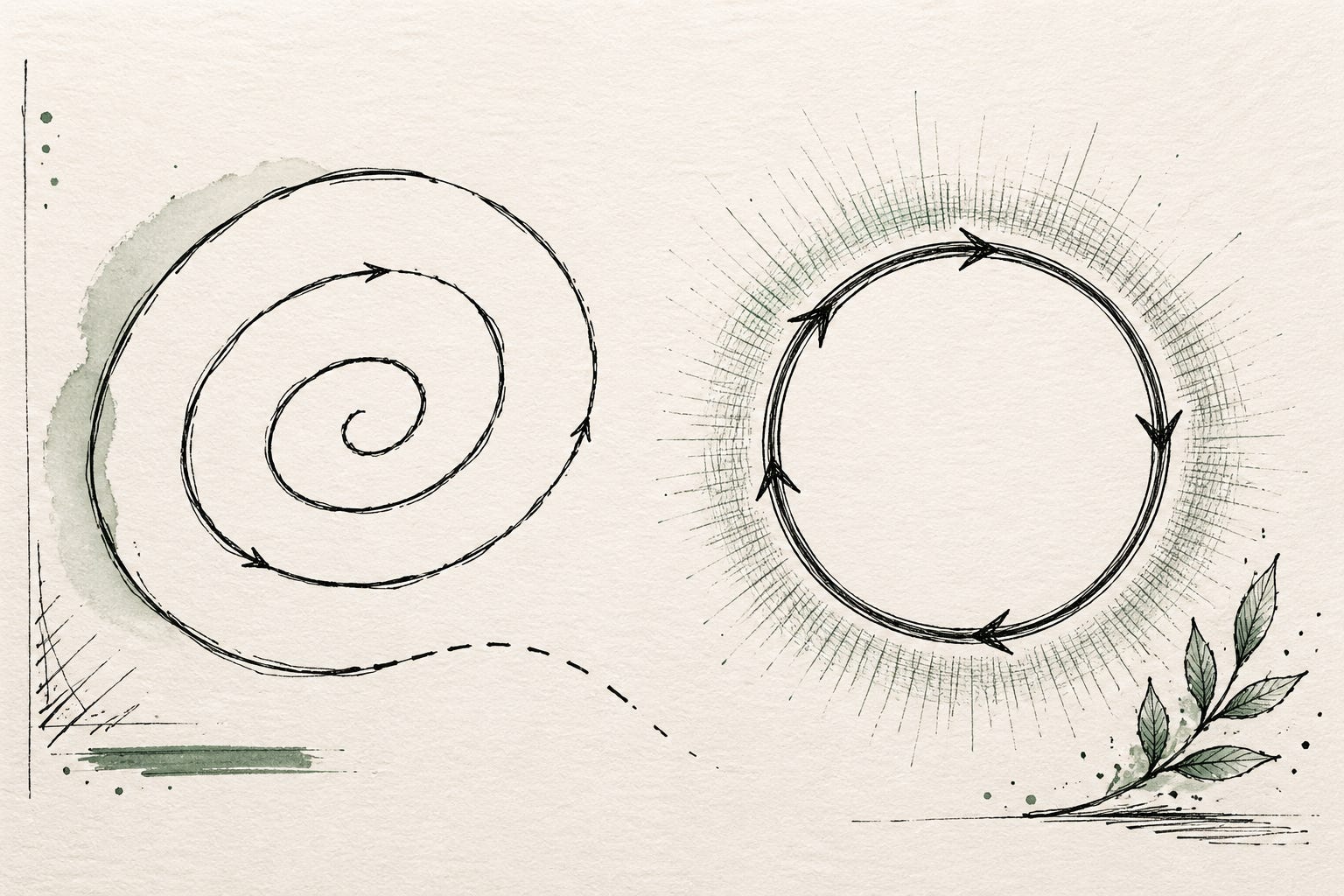
Addy Osmani named the orchestration tax. The fix isn't fewer agents. It's agents that close their own loop.
Most companies execute. Few learn from themselves. AI is what finally makes closing the loop cheap.
Most AI agents are pointed at the person, not the business. Steve Jobs warned us about this trap 34 years ago