
Dear all,
Now the stiller months are coming, I’m starting to take stock of the year and I wanted to write about a residency I did with the brilliant Safar Film Festival and the Arab British Centre in June this year. Held by Bahia Shehab, Dr Stefanie Van de Peer and Dr Kaya Davies Hayon, a group of eight of us spent five days exploring the topic of Transnational Arab Stardom. Inspired by Stefanie and Kaya’s new book, we delved into archives at the British Library, dug into the depths of the internet for found footage, and somehow by the end of the week we’d all made a film which we screened at The Garden Cinema in London.


When I originally saw the callout I instantly dismissed it, thinking I had nothing to say or offer on the topic. My interest lies outside of these kinds of frameworks, right, and what even is a ‘star’, and who gets to say who is/isn’t one? I had a picture in my mind of the typical ‘Arab star’ and lost interest immediately. But after speaking to the team at the festival, my heart lit up when I realised this could include people that lie outside of these conventional frameworks.
I thought of female Algerian Rai singers such as Cheikha Rabia, Cheikha Rimitti and Chaba Fadela. I’ve always been fascinated by their electrifying performances and mixed reception around the world - loved in particular by young working class North Africans and sometimes banned, threatened and vilified by others. They all challenge representations of cultural icons and more mainstream ‘Arab divas’ within and beyond the Arab world.
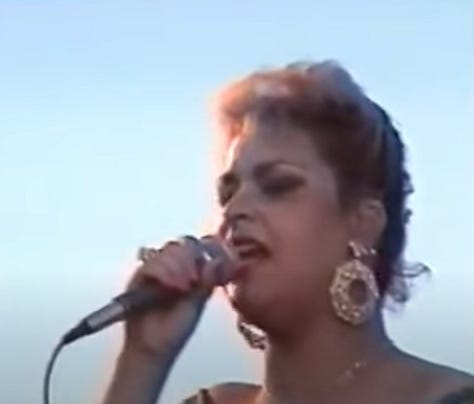
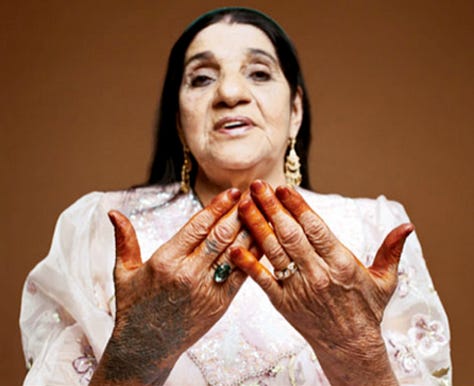

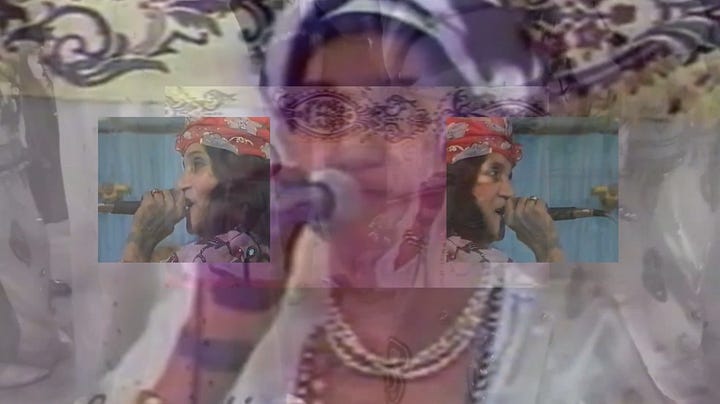
I ended up circling back to videos of Sheikha Rimitti. Orphaned from childhood, she began working as a labourer and at the age of 15 she joined a troupe of traditional Algerian musicians. She learnt to sing and dance, and quickly began writing her own songs about the joys and struggles of daily life - unapologetically honouring her roots. She was one of the first women in Algeria to sing publicly about topics which were considered crude and taboo.
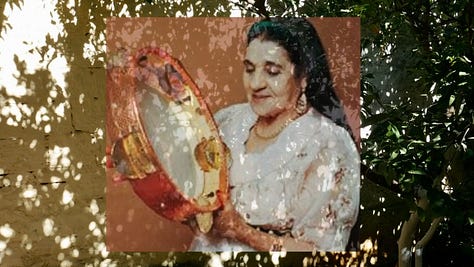
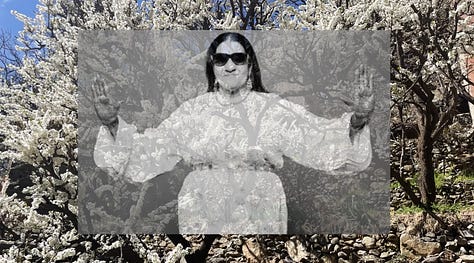
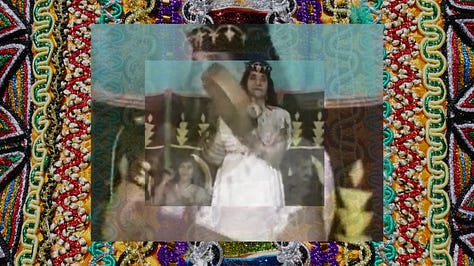
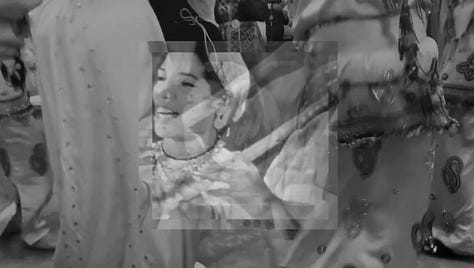
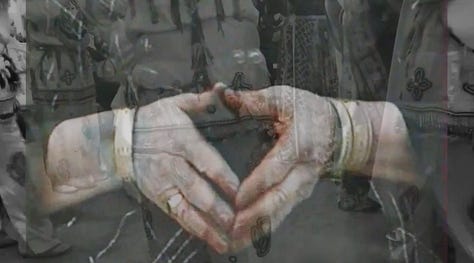
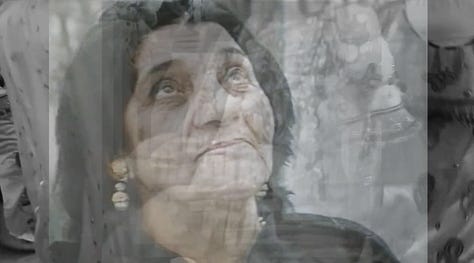
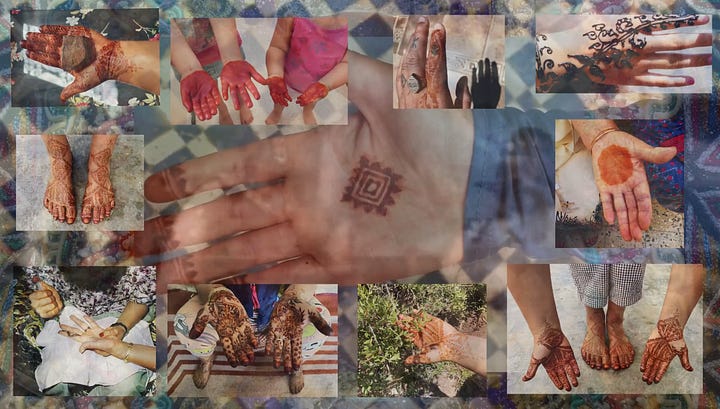
And this is what led me to making Gazelle - غزال. I was interested in Rimitti herself, but also moving beyond the individual to tell the story of the pooled dreams and culture in which someone like Rimitti is born. What do we hold in our collective memories of these late cultural icons and how are they immortalised through the haziness and fragmentation of memory? Something like this, perhaps.
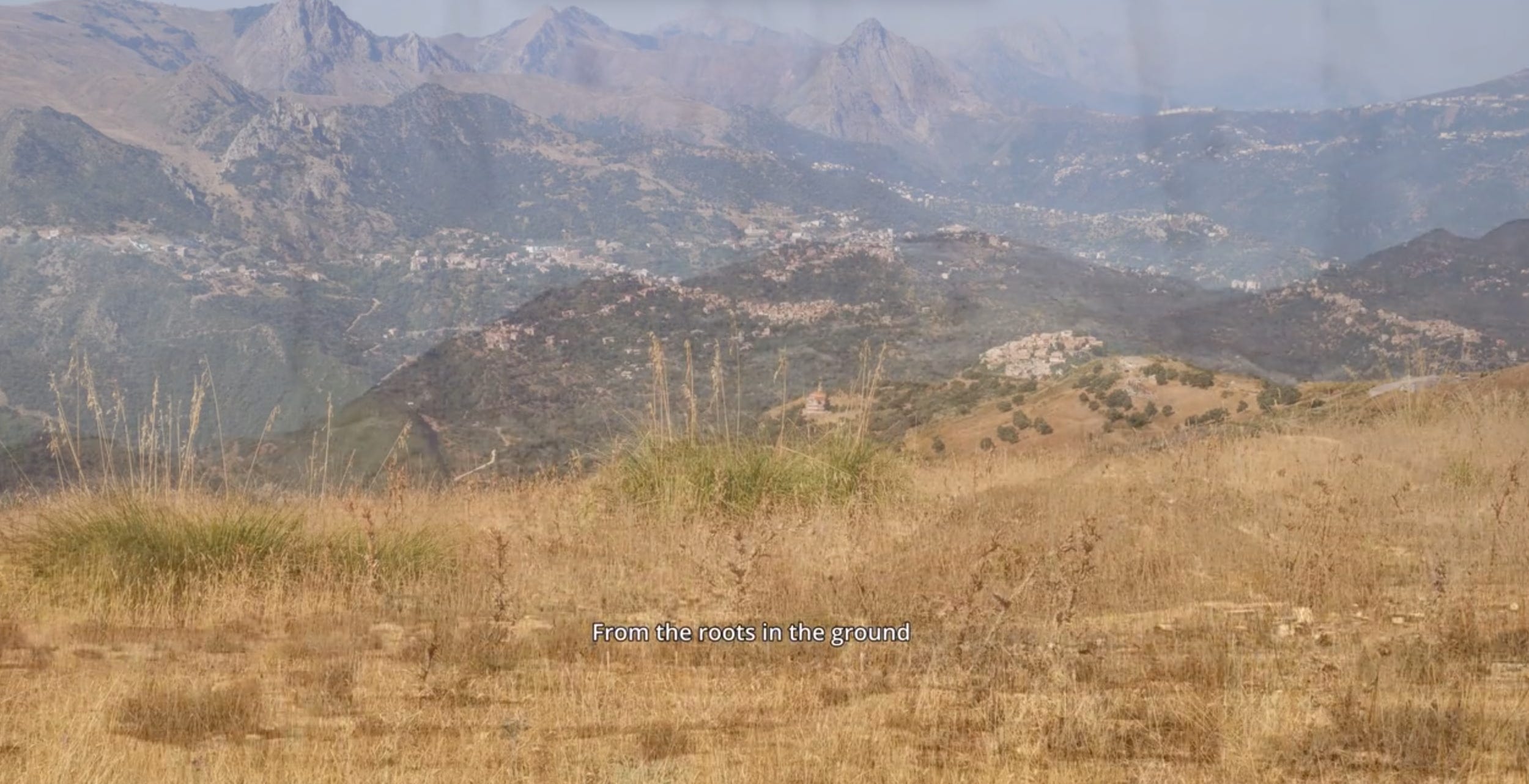
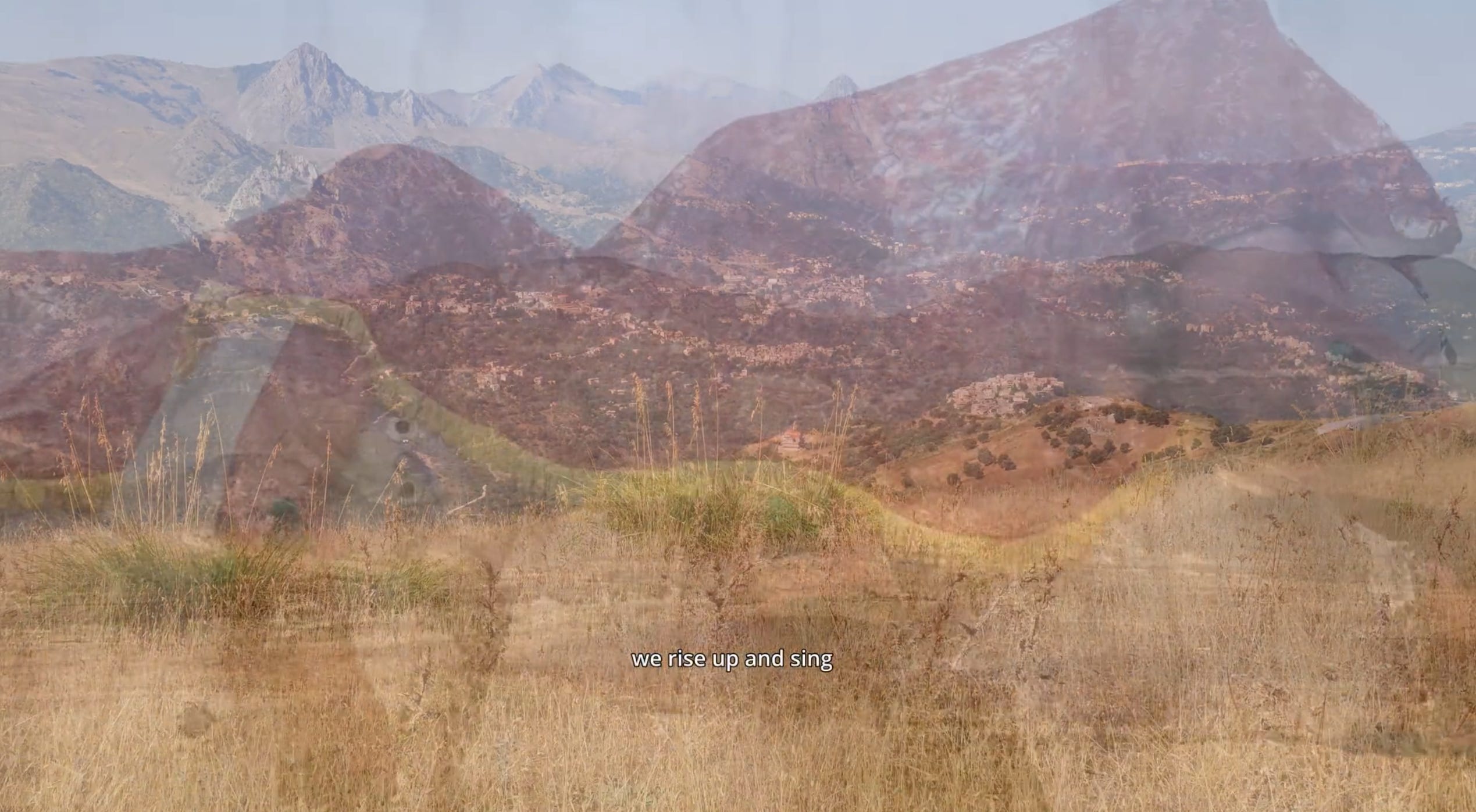
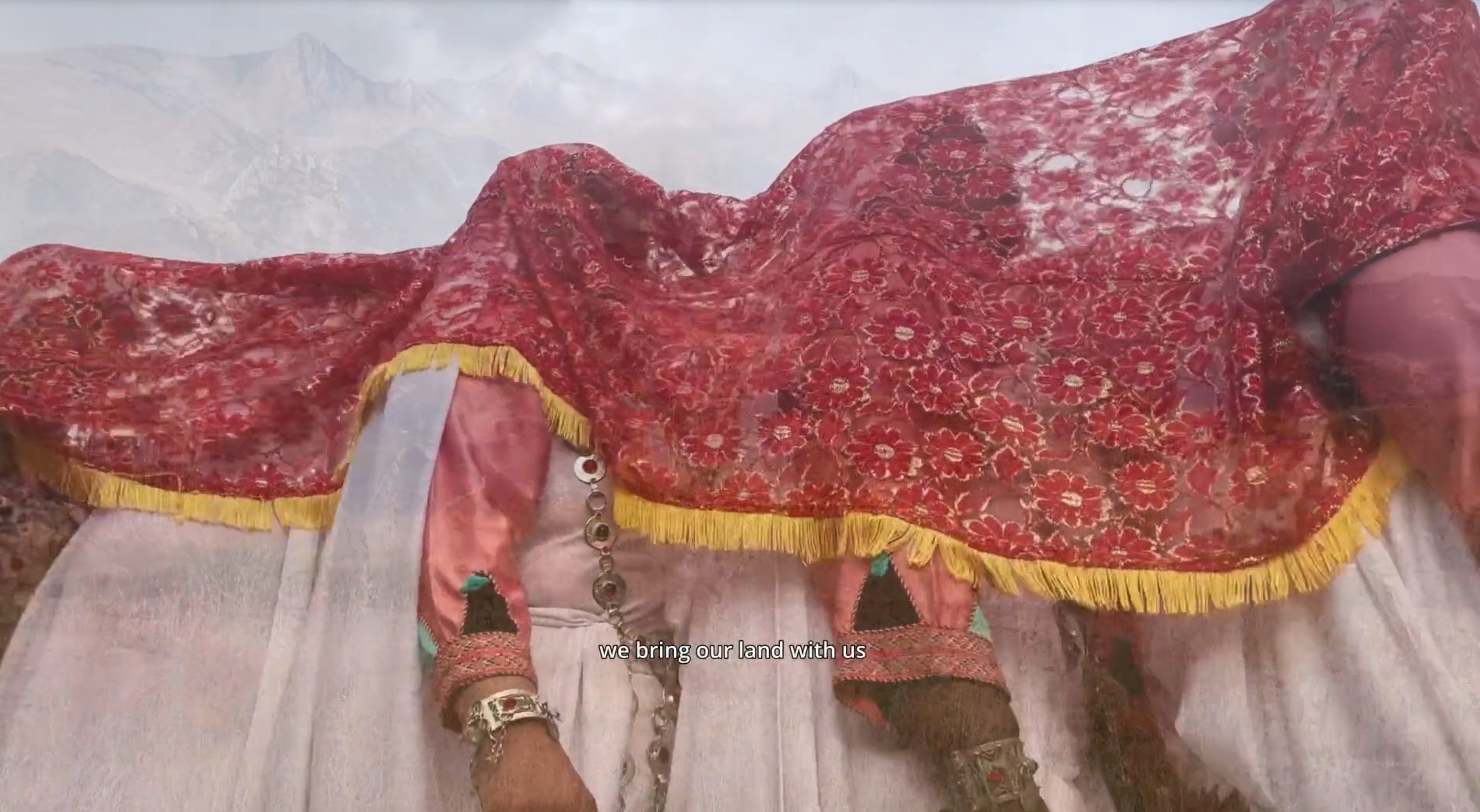
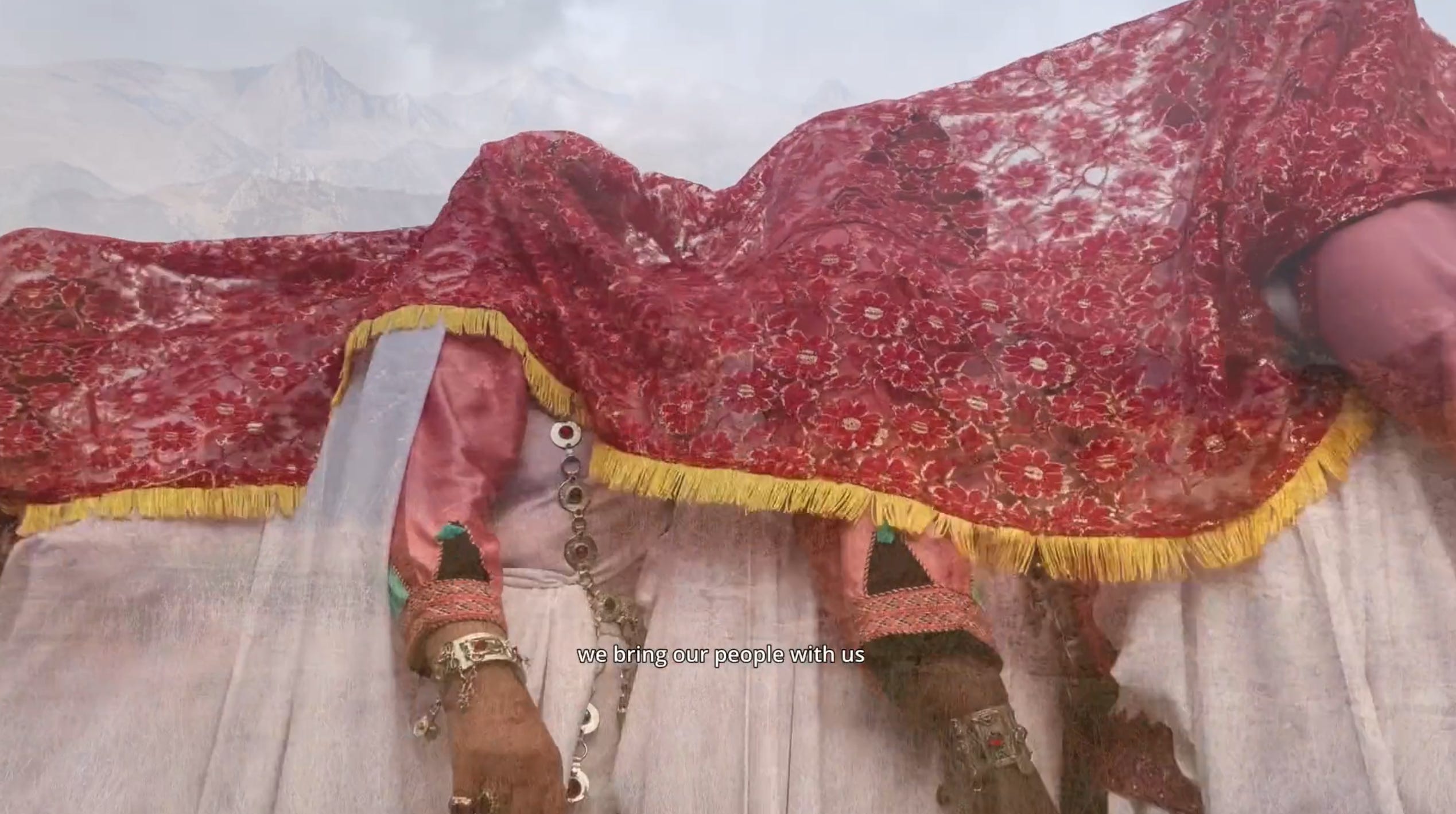
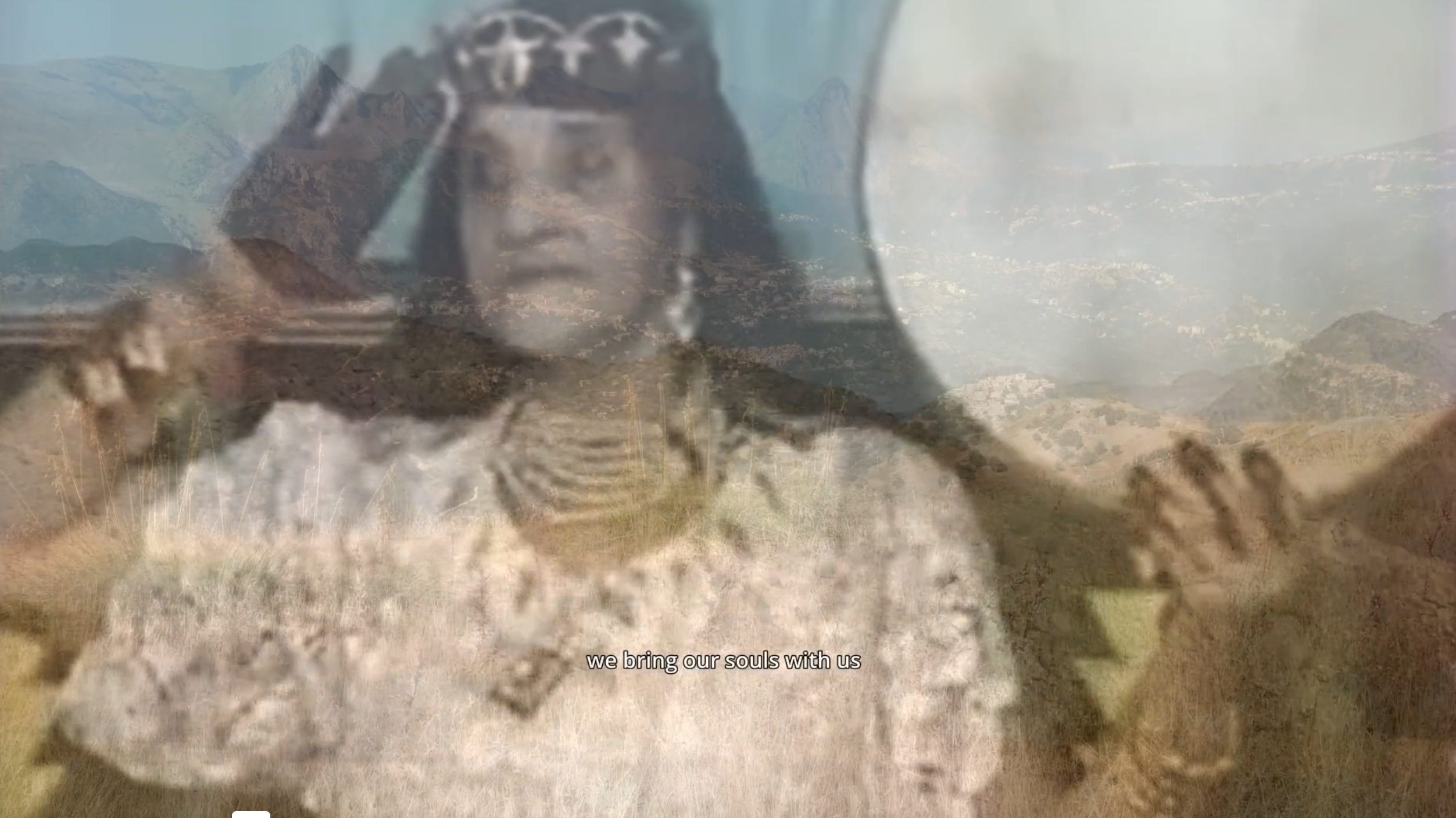
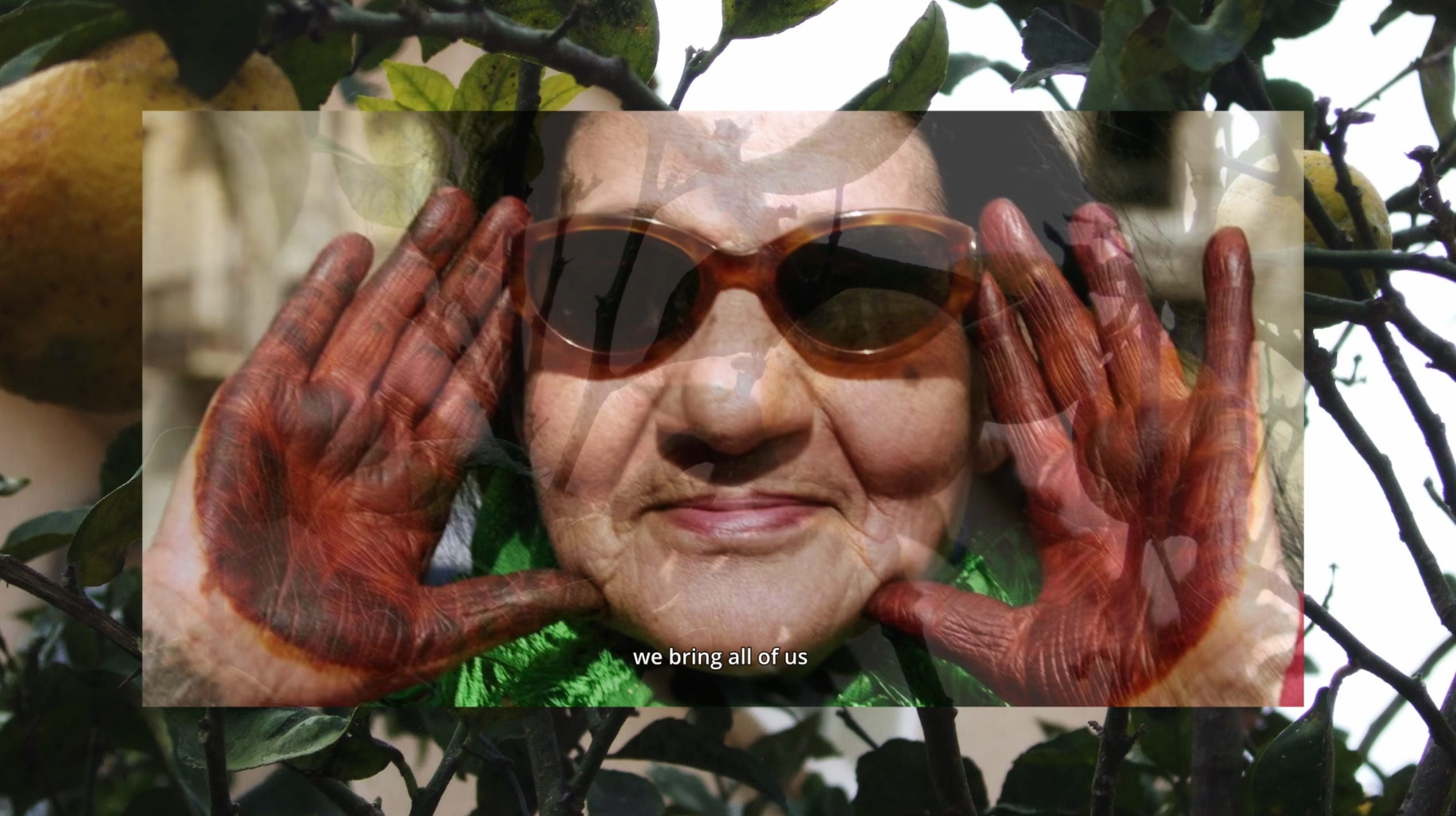
With each song that we sing
We go back
Back to the land we came from
Back to the people we came from
Back to the souls we came from
Back to everything
All images bar those mentioned are my own/stills from my film Gazelle - غزال. Drop me a line on leila1gamaz@gmail.com if you are interested in watching the film. In memory of Sheikha Rimitti, and all those who remembered our stories before her, and all those who remembered our stories after her. Ameen With thanks to The Arab British Centre, Safar Film Festival, Bahia Shehab, Dr Stefanie Van de Peer, Dr Kaya Davies Hayon, and all of the other seven resident film makers who really enriched the week. Hind Mezaina - of the residents - also wrote a blogpost about this journey here where she gives a beautiful breakdown of all of the films we made.
Comments
Nothing yet. Say the first thing.
Sign in to join the conversation.