
It has been about a month since Leo and I returned from 3daysofdesign in Copenhagen, the most enjoyable (and productive) of the international design weeks.
Danish design, through its thoughtful minimalism, noble materials, historical design, and respect for craftsmanship, has helped shape our ethos and much of our shop and editorial curation.
Styling is also another design discipline that Denmark does so well. In Copenhagen, styling has become its own profession, which we see more and more internationally - styling is hard even for the most talented interior designers!
One of the best examples of this was an exhibition we saw during 3daysofdesign called Composition by aarticles - a new platform that is “part gallery, part archive, and part marketplace, formed from the belief that “objects gain depth through company.”
On aarticles you can find contemporary craft in context with found objects, creating a lovely dialogue between the two. The exhibition was immersive and perfectly styled, conceptualized by Fred Aartun, FRAMA’s Head of Creative, and Kasia Sznajder, a brand and communications consultant.
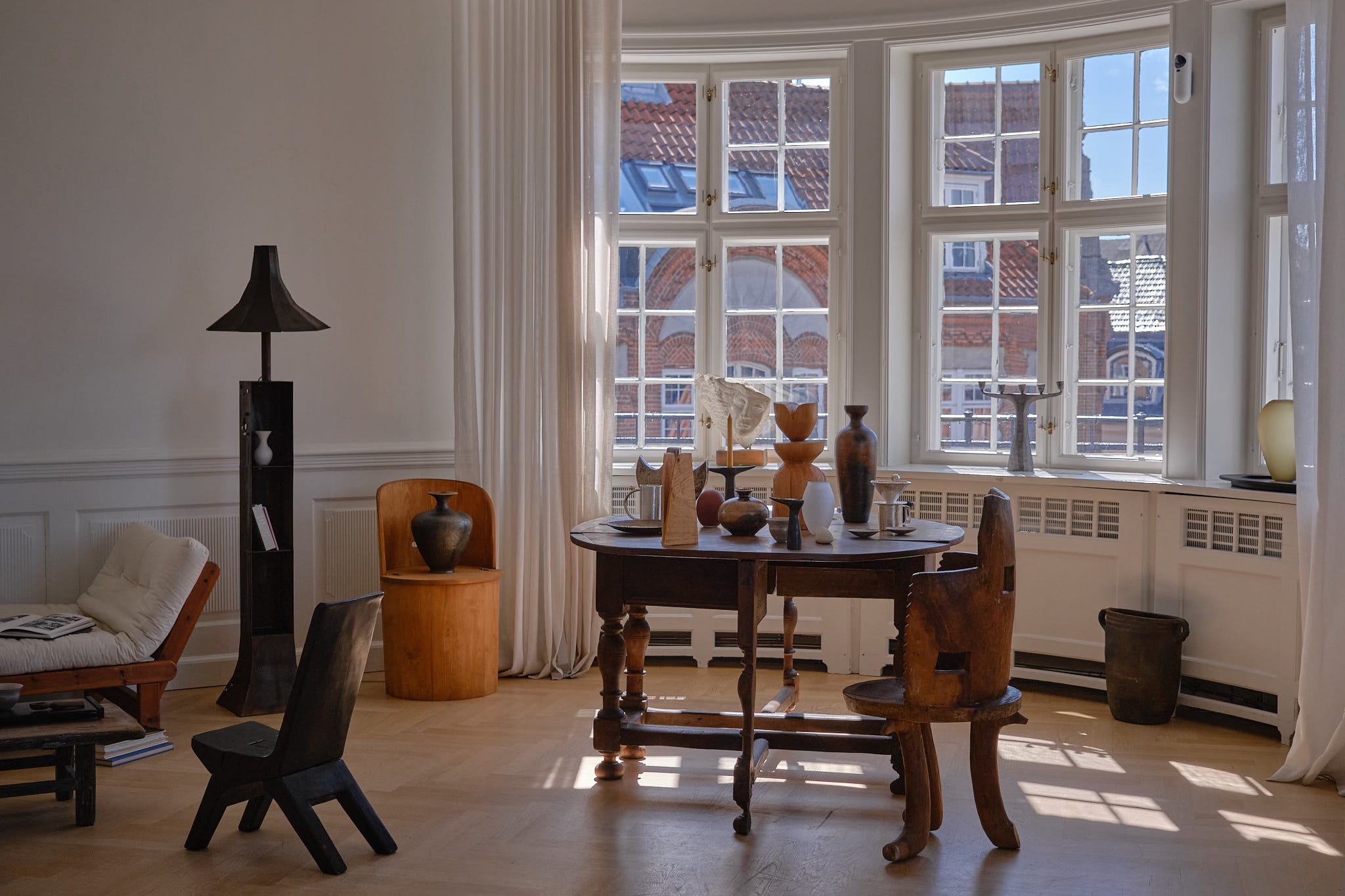
aarticles’ exhibition at Copenhagen’s 3daysofdesign
The connection to FRAMA sparked our interest. We have been working with the brand for many years and we loved the throughline we discovered through Fred and Kasia’s work.
What started as an “if you know you know” furniture brand has grown in popularity due to its warm minimalism and excellent quality. But what really separates FRAMA is the consistency of the atmosphere they create, in part due to Fred’s creative direction. We wanted to have a chat with him and find out more.
In Fred’s words below:
On FRAMA’s early start and creative direction…
When I joined FRAMA 11 years ago, we were about 5 people. It felt more like a friend group working together than a company, and since I’ve never been drawn to anything corporate, that felt special to me. We’re around 40 people today, but it still feels like a small company. People genuinely hang out outside of work, and the vibe has stayed casual. What hasn’t changed either is the organic direction: nothing is forced, we just do what makes sense to us at the time. That’s something I’ve always valued.
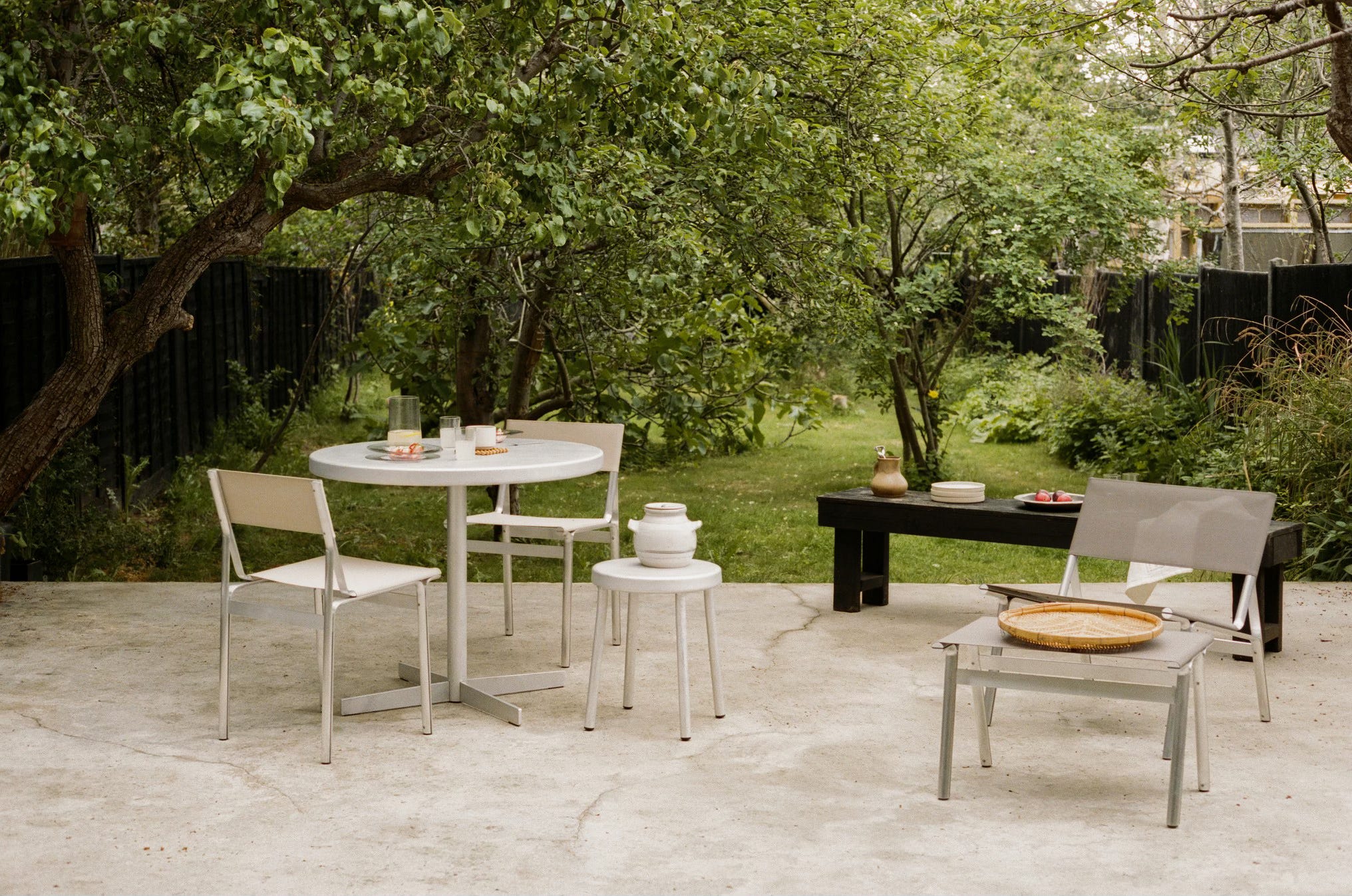
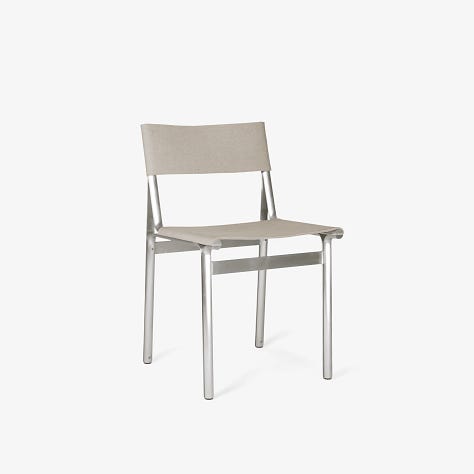
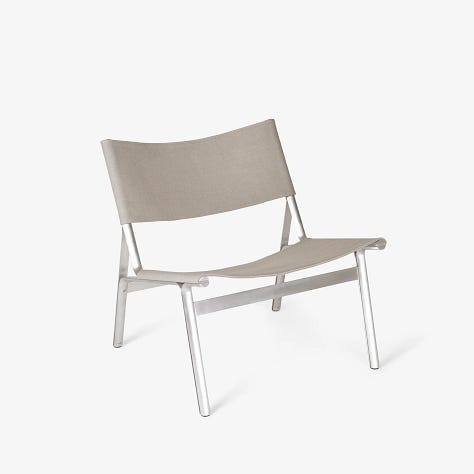
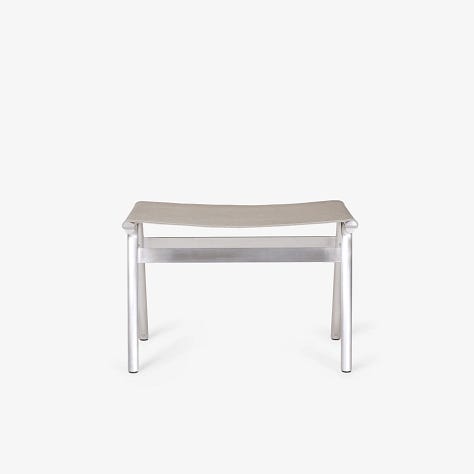
Frama’s new outdoor collection, available on Leibal.
Creative directing comes naturally, since it’s a direction I’ve helped shape over many years. FRAMA has a fairly distinct visual language, but we always try to push toward something we don’t already know.
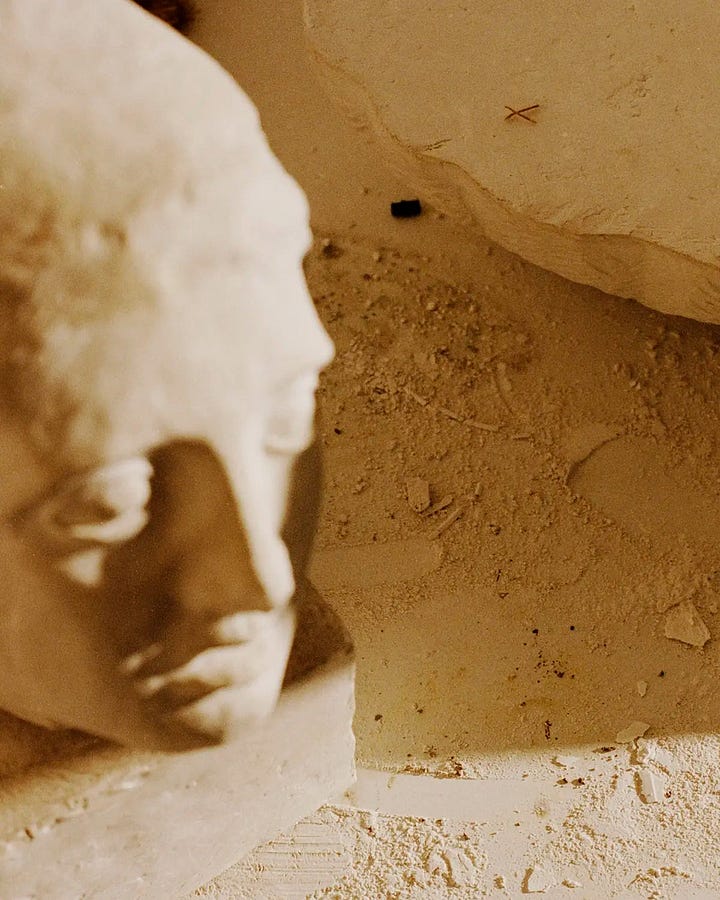
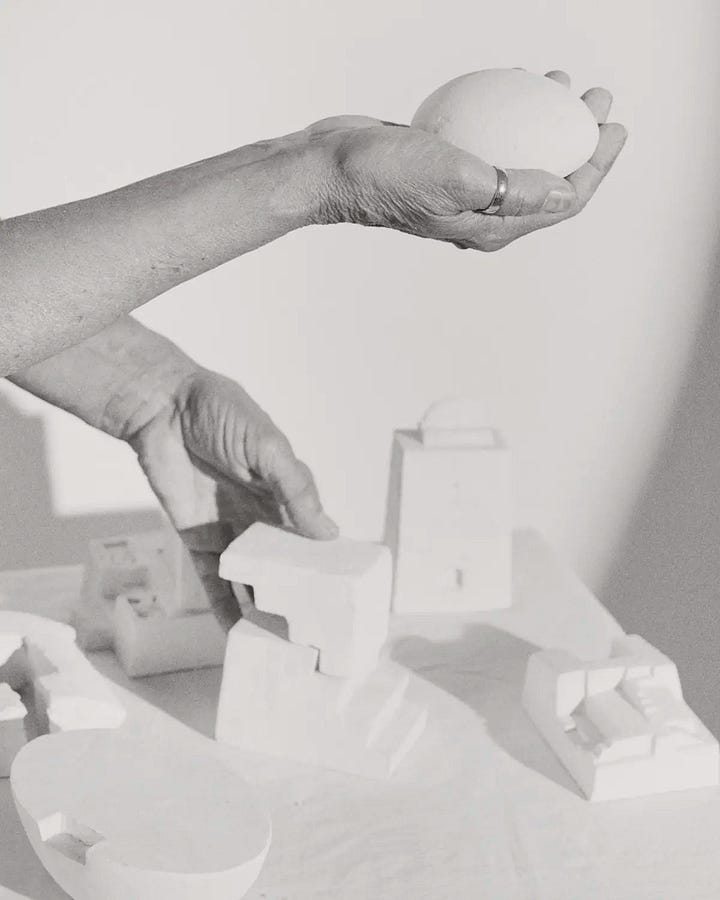
The creative direction usually starts with discovery, getting curious about a subject and following it. Our latest Care Collection, “Sculpture Garden,” began with a strong interest in sculptors like Gonzalo Fonseca, Barbara Hepworth, and Henry Moore. That interest eventually led us to work with the Danish sculptor Sys Svinding, whom I’d met a few years earlier, on the campaign.
On spaces and styling…
I don’t like it when it feels overly styled. Some shoots I style to feel messy, others very minimal, but I always want it to read as natural, not overly planned. For me, it’s mostly about the balance: the objects should speak together and not overpower each other. The objects can speak to each other in different ways: through material, through size, shape or colour. If it’s very minimal, it also helps to add some “funky” elements, to make it interesting.
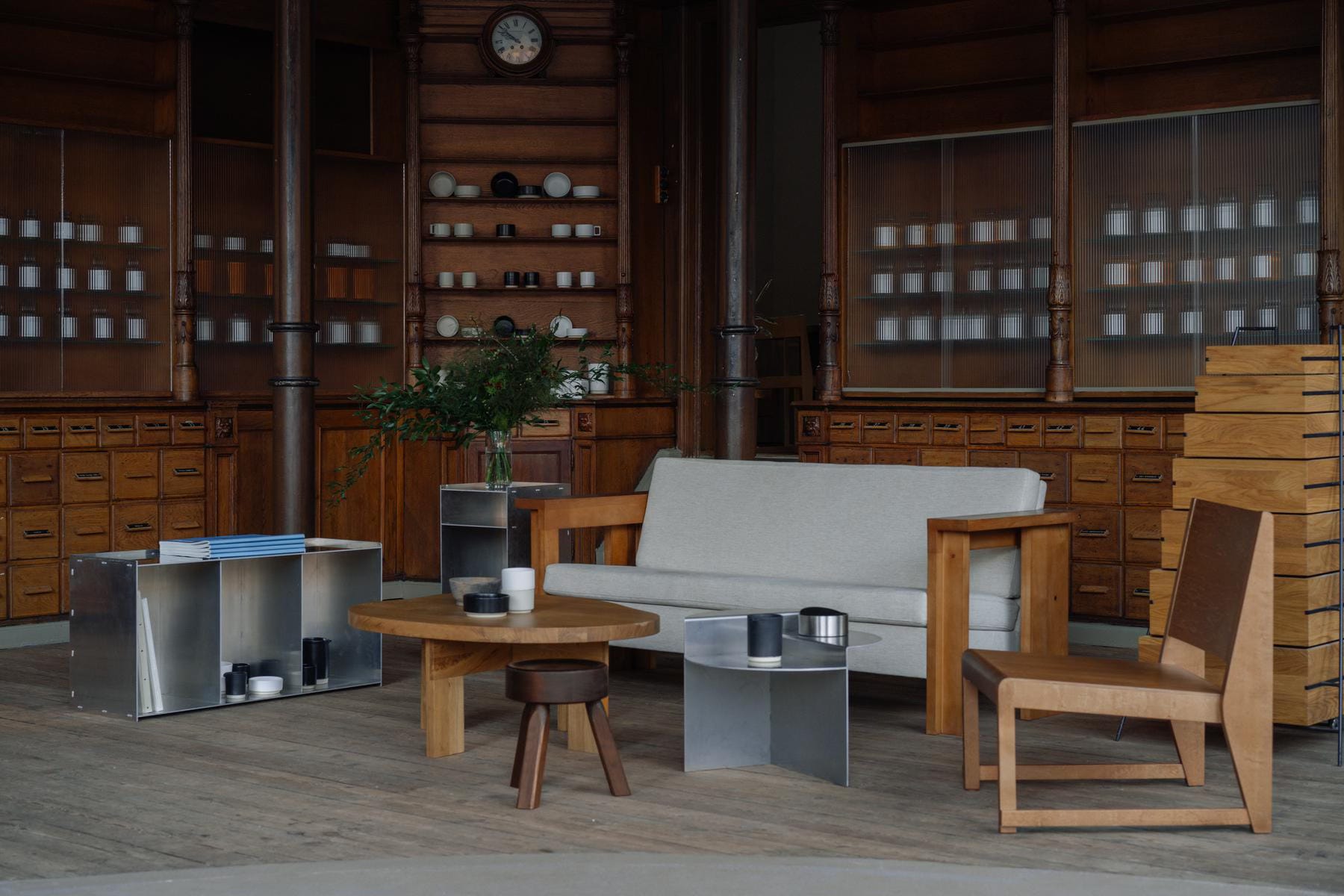
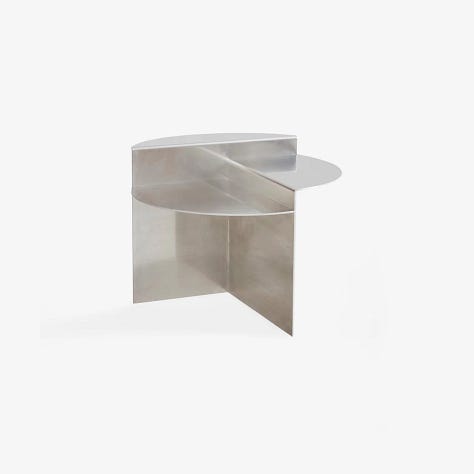
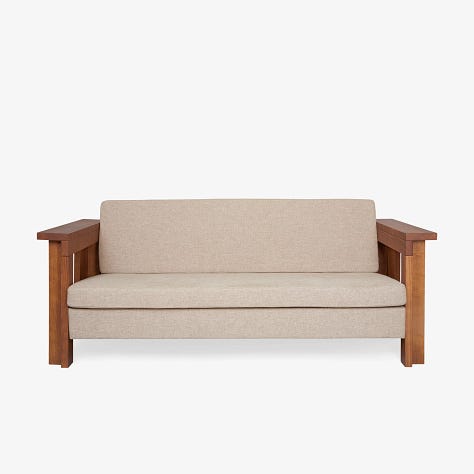
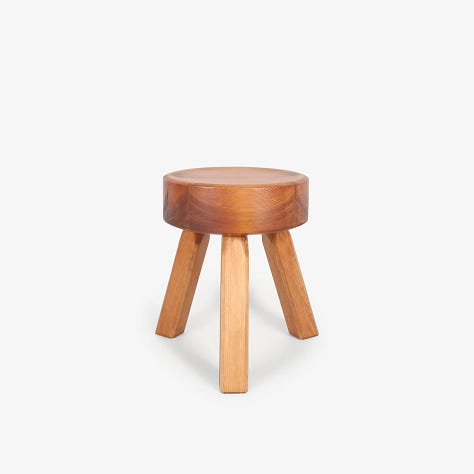
Some of our favorite FRAMA pieces photographed at their Copenhagen flagship in a former apothecary. The Rivet Table, Symmetry Couch, and AML Stool.
On collecting…
My taste keeps evolving, but the constant is an interest in craft and solid materials. Most of what I collect comes from my travels, a mix of vintage folk craft and contemporary pieces from makers I meet or admire. Lately, I’ve been collecting ex-voto pieces, folk-art offerings from Brazil.
[My favorite object at home] is a large ceramic vase by Juliette Pénélope Pépin. We recently started working with Juliette through aarticles, and my girlfriend Kasia gave me one of her pieces for my birthday. It’s Raku ceramic, with this incredible, almost metallic finish.
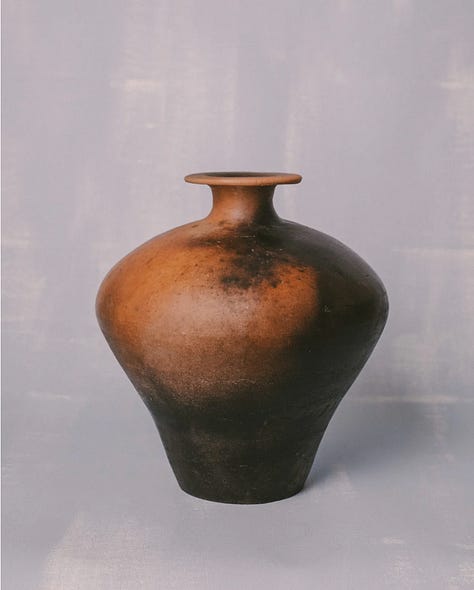
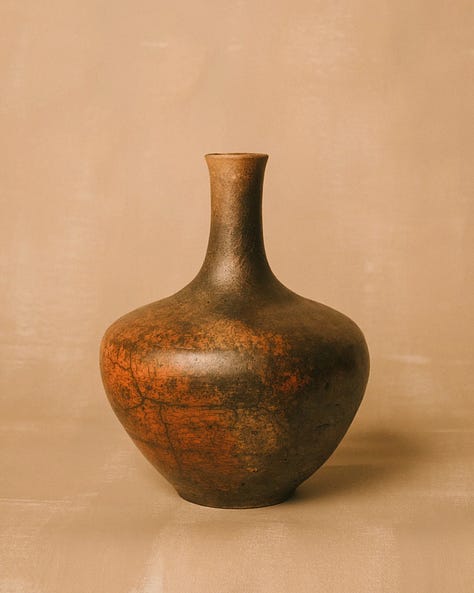
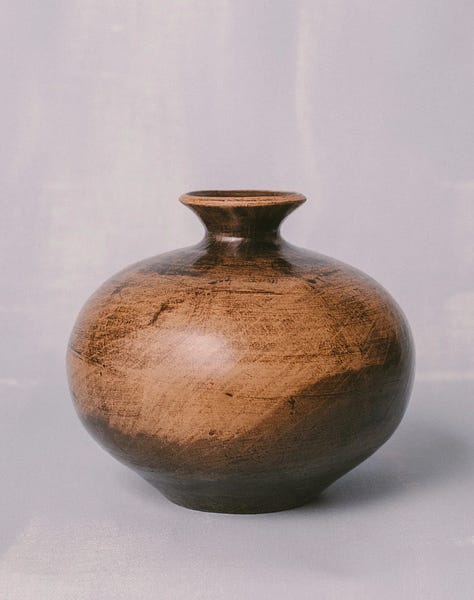
Ceramics by Juliette Pénélope Pépin via aarticles.co
I recently bought a sculpture by Herman Reijers. It’s a stone-carved sculpture of a woman’s face in the wind, so her hair is off to the side. It stands on this beautiful dark wooden base, and I’m obsessed with it.
On aarticles…
It quickly became a shared framework for Kasia and I to develop our ideas. We’ve always collected objects, exchanged references, and talked about the stories objects hold. From that habit, aarticles slowly took shape as a way to gather, connect, and give space to objects that sit somewhere between sculpture and function. Over the years, there were a few artists whose work we really admired and wanted to have but it’d usually mean messaging the artist, finding out how to buy. This resulted in a small collection of pieces and makers we like. We wanted to create a space where contemporary work and found objects could speak to each other, and where objects are understood not just as styling things, but as something that quietly shapes everyday life.
aarticles started as a loose idea of “a project”. I came up with the name aarticles, as a loose play on my last name Aartun. It references “articles” and the idea of archiving, echoing books, catalogues, and museum systems that frame objects as something to return to and keep.
aarticles was my way of pursuing a different approach than the one I take at FRAMA. There’s naturally overlap, but I try to push aarticles in its own direction. FRAMA has a strong, defined visual language that we’ve built over many years, and aarticles gives me a more open space to experiment alongside it.
Colour is a good example. FRAMA has developed a strong connection to toned-down, earthy tones over the years, while with aarticles we lean more colourful, taking cues from museum catalogues and installations. In the end, it also comes down to who you’re working with. At FRAMA, that’s an ongoing dialogue with Niels, our founder, and the rest of the creative team. aarticles is shaped much more by dialogue with my partner Kasia, and by our personal aesthetic together.
FRAMA favorites…
That’s changed many times over the years, but the AML Stool, designed by Andreas Martin Löf for FRAMA, has always stayed a favorite. It’s the perfect styling piece, I reach for it as the final touch in a lot of scenes. Chunky, solid, almost vintage in feel, and genuinely functional.
Whenever we launch a new design at FRAMA, I usually start by placing it in a space and building outward from there.
A natural choice would be the Farmhouse Dining Table. A few chairs, some props, and it’s good to go.
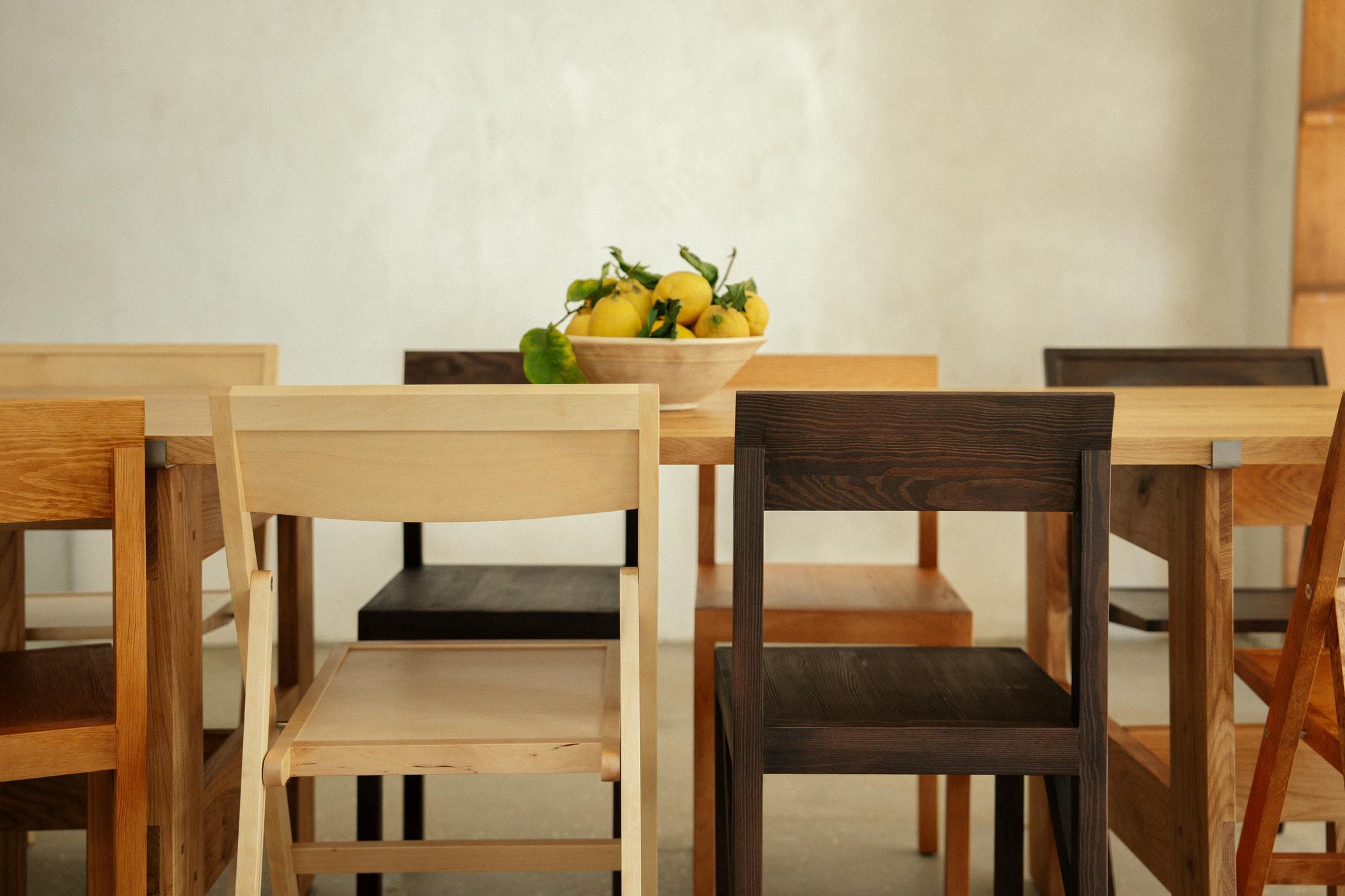
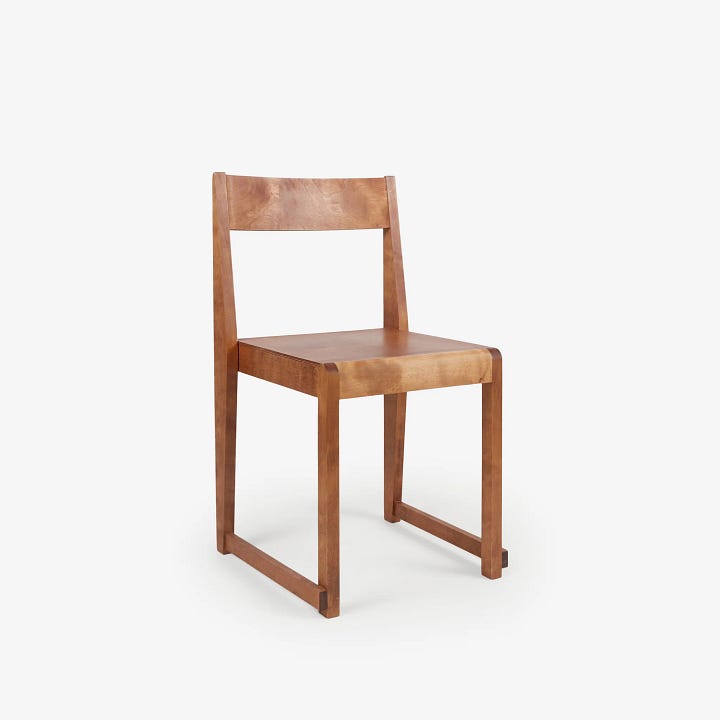
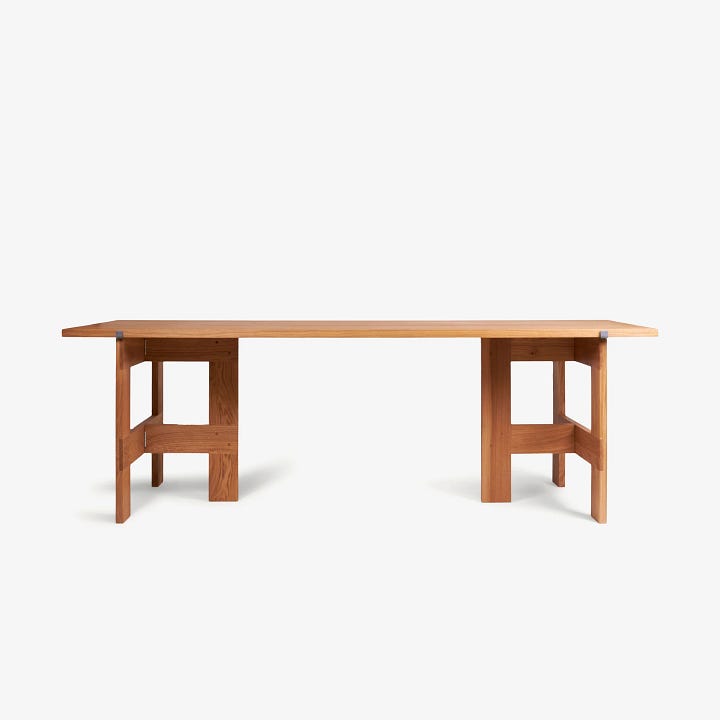
The Farmhouse Table and 01 Chair.
References and inspiration…
For inspiration, I revisit the Rudolph Schindler House in Los Angeles, anything by Donald Judd, and Luis Barragan.
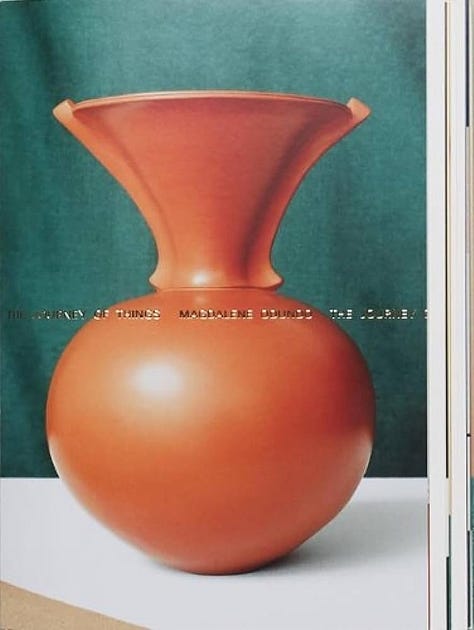
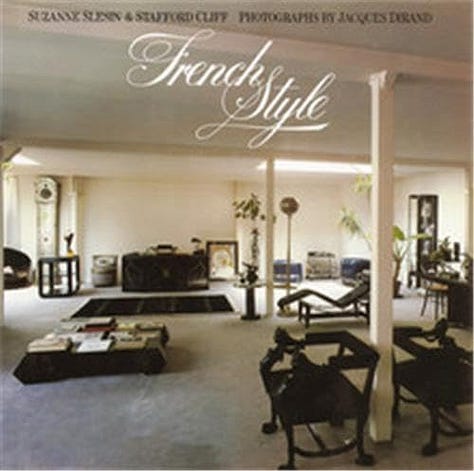
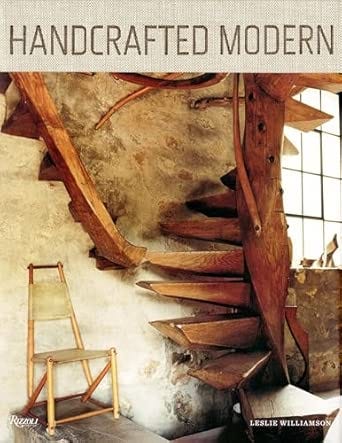
Fred’s reference books:
Handcrafted Modern by Leslie Williamson
French Style by Suzanne Slesin & Stafford Cliff
The Journey of Things by Magdalene Odundo
A big thank you to Fred for sharing his inspiration with us.
As always, reply or reach out if you are interested in any FRAMA pieces, or Leibal interior design or sourcing services.
Next month, we will present a Leibal project in collaboration with the architecture studio, Of Possible. It’s a gorgeous project that’s been in the works for months! We can’t wait to share it.
Julia and Leo.
No posts
Comments
Nothing yet. Say the first thing.
Sign in to join the conversation.