
The number of seniors living in various types of care facilities is currently around three million. By 2050, the number is expected to increase by tenfold, if there is no change in the treatment of the elderly.
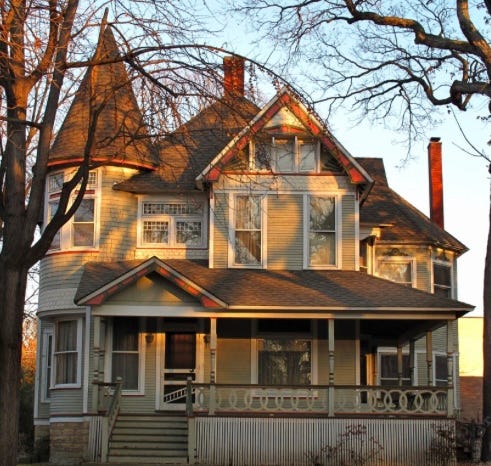
In addition to the mean streak, there is a structural problem. Around the time of World War II, a new wave of millions of new homes began to be built in new suburbs that encircle most U.S. cities. Unfortunately, these 20th Century structures, known as “single-family” homes had no place for grandma or grandpa, or any aunts or uncles. Perish the thought of unrelated friends living with you.
Prior to World War II, it was common for extended families, including lots of children, to live together. This was a vestige of agricultural life, where many hands could be useful in managing the farm and getting in the harvest.
As more people moved to cities, there was no economic need for lots of children or anyone but the parents and approximately 2.1 kids to live together. The new suburban houses and apartments usually consisted of a living room, a kitchen, a dining room, a bath room, and two bedrooms, one for the parents and one for the children.
People who needed another bedroom often converted the dining room, or if there was a garage, used it as an unisulated bedroom.
The Housing Acts, both this week’s federal legislation and the recently passed California Act, should take into account that the extended family is not a pariah, but simply the way – a better way – many family want to live. Some of the new housings should be set aside, at a reasonable price, for use by extended families.
The pressure of a crowded home often pushed young adults to seek their fortune in California or New York. When the stay-at-home children had their own children, they were often strangers to the geographically distant brother or sister and their children. Perhaps, all of them would gather on Thanksgiving, or perhaps not. In any case, the extended family ceased to exist.
With the growth of the job market in far away cities, the family became even more divided. Even if the children want to stay close to their parents and grandparents, it has become economically impossible not to migrate to where the jobs are.
Does the single-family housing syndrome make people more mean spirited? At least, it makes residents less caring about what happens to those who were spun off from the extended family home, which no longer exists in any sizable numbers.
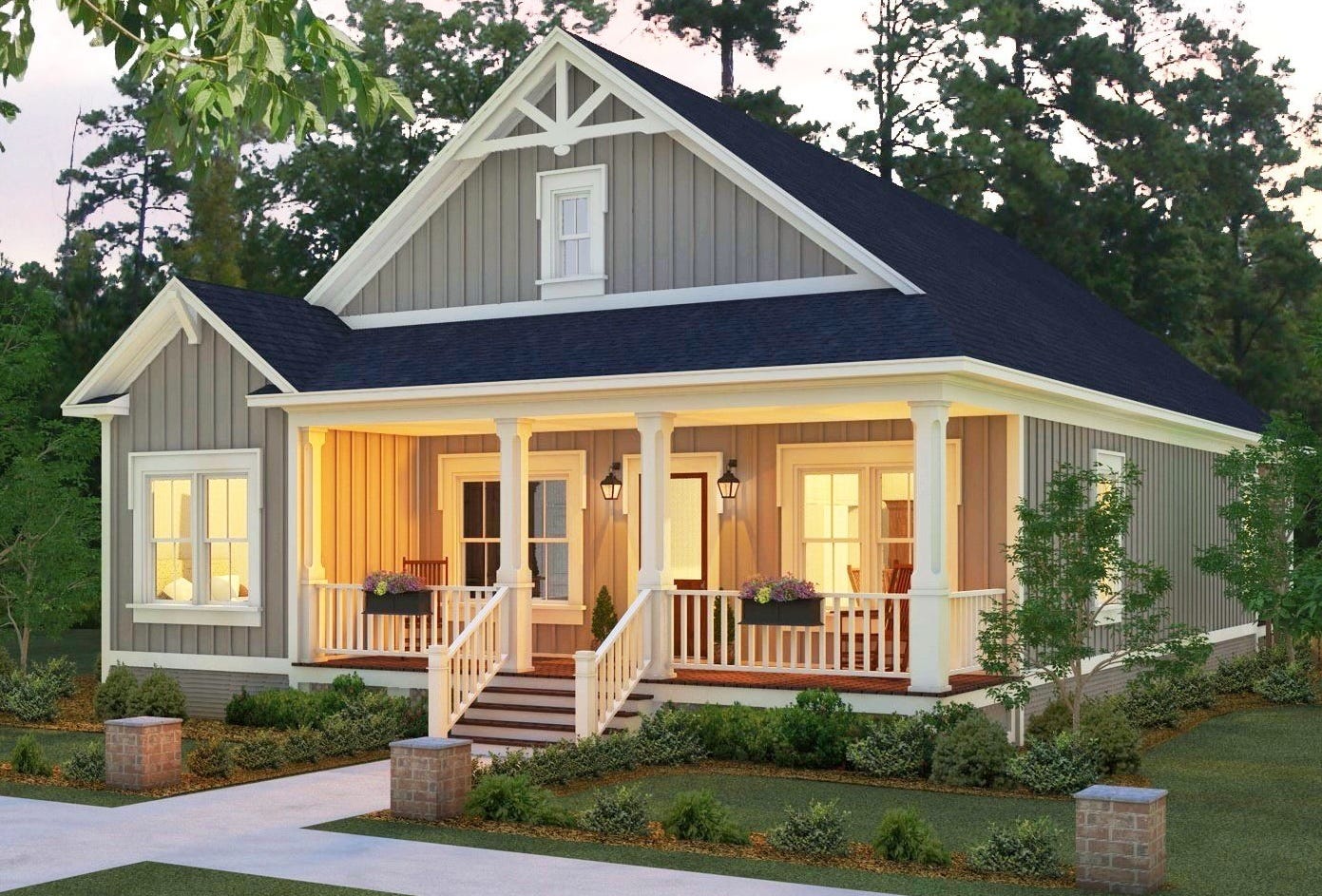
It’s not completely true that the extended family no longer exists. It can still be found in semi-rural venues, and in many small towns. Travelers often remark as to how friendly and pleasant residents of these towns are when they are encountered, and how they are willing to help strangers who are in some kind of trouble. That attitude may grow directly out of the extended family relationships. Being nice to a stranger is not unusual for someone who lives in an extended family home or an extended friendship town.
These are the traditional Americans who are always willing to extend a helping hand. This summer, take a trip off the freeways and along the roads that always seem to take one into the land of small towns. Spend some time in one of them, then compare the pleasant behavior of its residents with typical big city dwellers. You may have an epiphany about why millions of our friends, and even our relatives, end up homeless or thrust into retirement warehouses with the agreement of city dwellers and not be people in small towns.
•••••••••••••••••••••••••••••••••••••••••••
No posts
Comments
Nothing yet. Say the first thing.
Sign in to join the conversation.