
Welcome to Northeastern Gardening News. It’s nice to see you here! Enjoy monthly blog posts all in one place and delivered right into your mailbox. Please visit as often as you like, share this newsletter with friends, and I hope you enjoy your time here! If you find the information to be useful, please consider pledging a donation to support and allow me to continue my work.
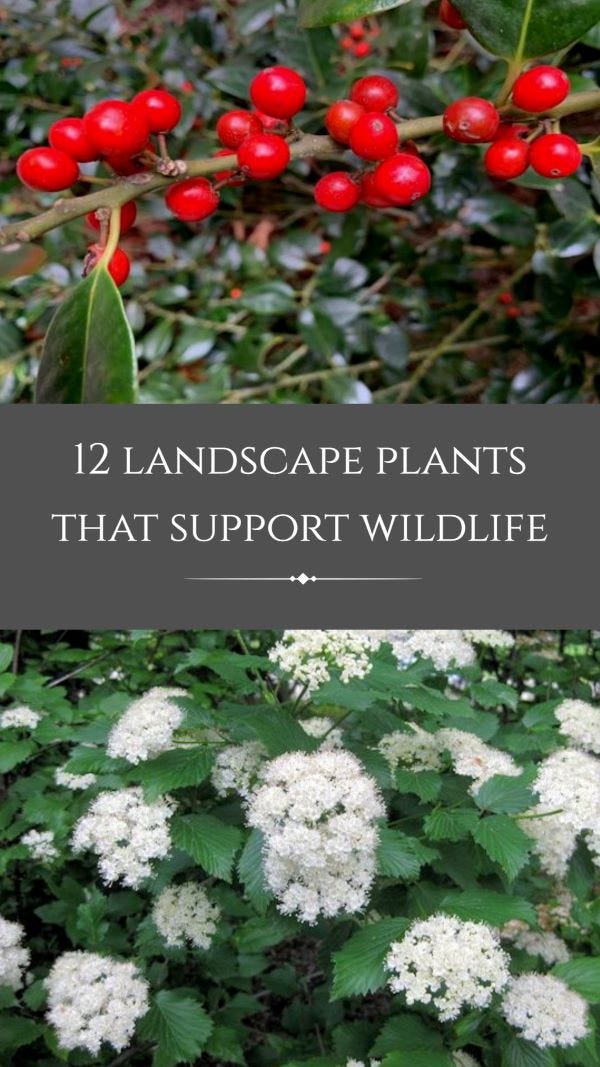
A thriving landscape can also be a vital source of food, shelter, and nesting space for local wildlife. By thoughtfully choosing the plants we grow, we can create a landscape that is not only beautiful, but also play an important role in sustaining the natural world around us. With autumn upon us and winter on the way, here are twelve landscape plants that can help to support our local wildlife.
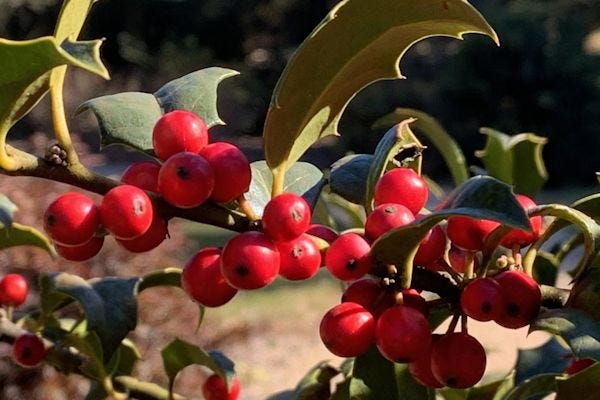
American Holly (Ilex opaca) American Holly: American Holly is an evergreen tree native to the eastern and southeastern regions of the United States and hardy in USDA zone 5-9. This species is found in moist woods, forest bottomlands, and swamp edges, and often serves as an understory tree. Female trees produce clusters of bright red berry-like fruits that are visually striking in winter and provide food for many bird species throughout winter. The flowers which appear in late spring to early summer are an important nectar source for bees and butterflies.
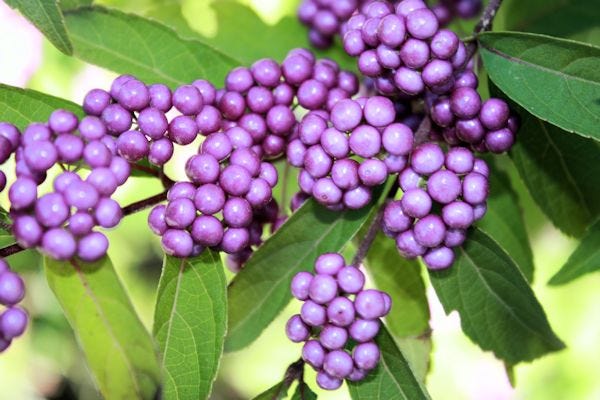
American beautyberry: The most widely known cultivar is American beautyberry (Callicarpa americana), which is native to the southeastern United States and thrives in woodlands, meadows, and along water margins. Hardy in USDA zones 5-8, the American species displays clusters of magenta to violet berries tightly encircling stems, a trait distinguishing it from many non-native varieties. The vibrant purple-pink berries can linger throughout fall and into winter, supplying food for birds and small mammals including armadillos, raccoons, opossums, squirrels.
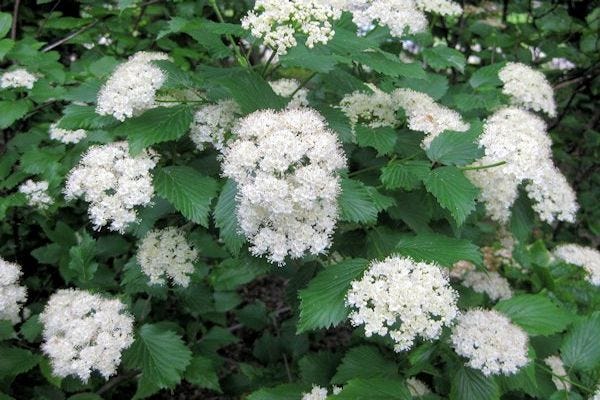
Arrowwood Viburnum: Hardy in USDA zones 3-8, Arrowwood Viburnum (Viburnum dentatum) is a native deciduous shrub to northeastern America which is valued for its wildlife support. White blooms lead to bluish-black fruits persisting into winter and providing food for a range of birds, including Northern cardinal, American Robin, Cedar Waxwing, and Mockingbird. The berries are also consumed by various mammals, such as Eastern gray squirrel, rabbits, and deer.
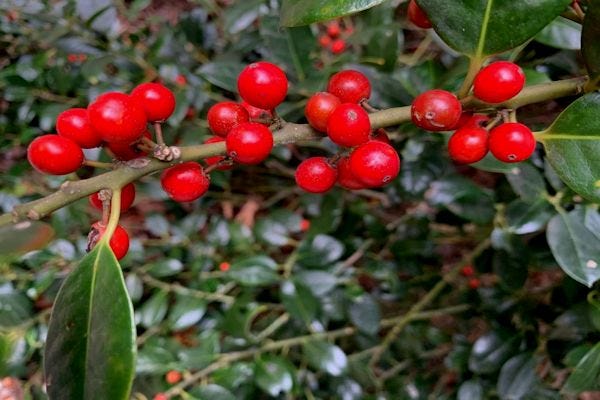
Winterberry: Winterberry Holly (Ilex verticillata) is a deciduous holly shrub hardyin USDA zones 3-9 and native to eastern North America, including the United States and southeast Canada. It typically grows 3 to 15 feet tall, and often forms dense thickets, especially in wetland habitats like swamps, pond edges, and moist woods. The shrub is known for its bright red berries that persist throughout the winter, providing a feast for robins and mockingbirds. Winterberry is dioecious, meaning it must have male and female plants nearby for fruit to form.
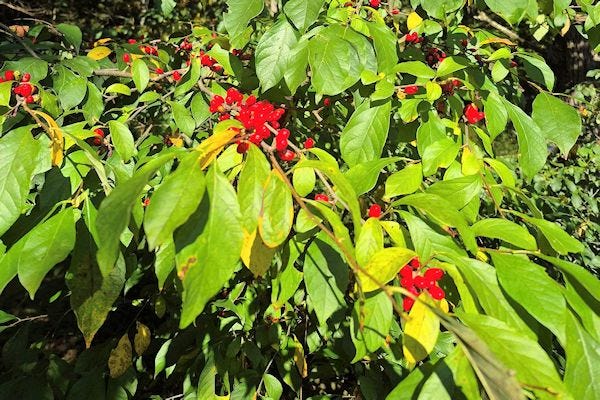
Spicebush: Spicebush (Lindera benzoin) is a deciduous shrub in the laurel family (Lauraceae) and is native to central and eastern United States. It is typically found in moist woodlands, bottomlands, ravines, valleys, swamps, and along streams. Hardy in USDA zones 4-9, Spicebush produces red berries which attract thrushes and cardinals in late fall and early winter and serve as a food source.
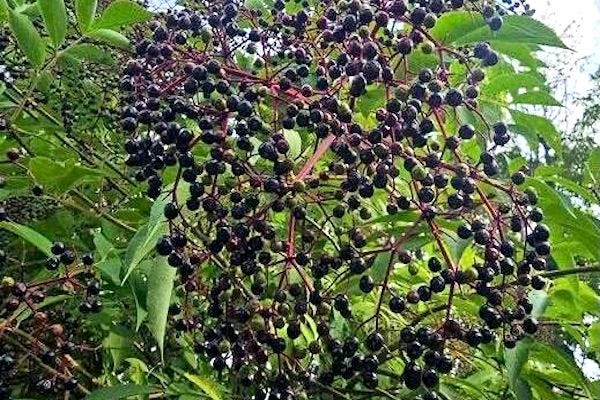
American Elderberry: Hardy in USDA zones 3-9, American Elderberry (Sambucus canadensis) provides ornamental value with its fragrant flowers and showy bluish-black fruits, while attracting butterflies, birds, and other pollinators. It grows fastest in rich soil but can spread aggressively by root suckers, so planting location and maintenance should be under consideration. Birds are particularly attracted not only to the berries but also to the dense foliage, which provides nesting opportunities and protection. The berries serve as a nutritious resource especially in late summer and early fall, benefiting migrating and resident birds alike.
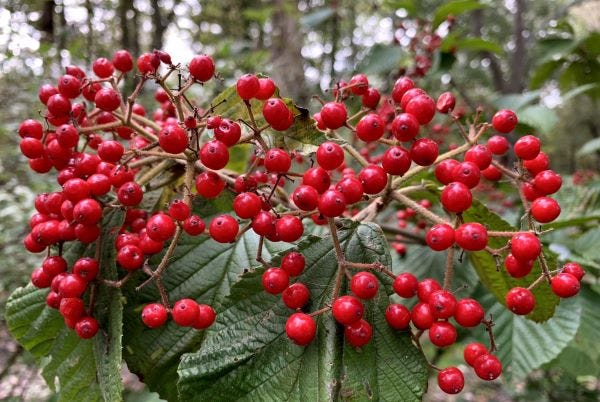
American Cranberry Bush: The American Cranberry Bush (Viburnum opulus var. americanum), also known as American Cranberry bush Viburnum or highbush cranberry, is a broadleaf deciduous shrub native to northern North America. Hardy in USDA zones 2-7, this shrub produces flat-topped clusters of white lacecap flowers in mid- spring, followed by bright red, cranberry-like edible berries in late summer to fall. The to be enjoyed by wildlife.
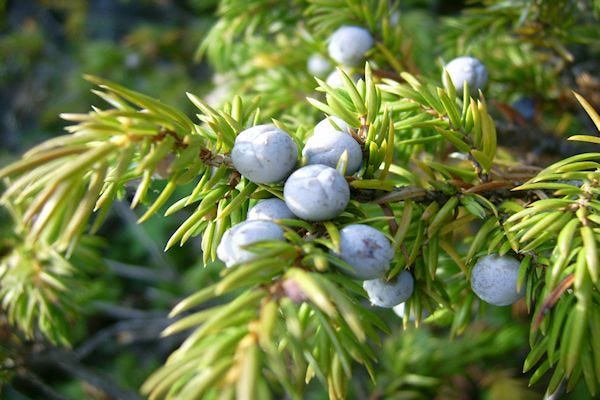
Juniper: Juniper (Juniperus spp.) is hardy in USDA zones 2-6 and is known to provide an important source of food and shelter for wildlife. The female juniper cones, commonly called berries, are a significant food source for many mammals and birds, especially during winter when other food is scarce. These berries contain carbohydrates and fats, making them valuable for energy. Birds such as American robins, cedar waxwings, and several jay species eat the berries, often consuming large quantities in harsh seasons. Small mammals like rabbits, rodents, and coyotes also feed on the berries, helping disperse the seeds. Junipers also provide shelter and nesting cover for birds and some mammals and the dense evergreen foliage offers protection from harsh weather conditions. The plant’s strong scent and sharp needles also tend to discourage deer from browsing.
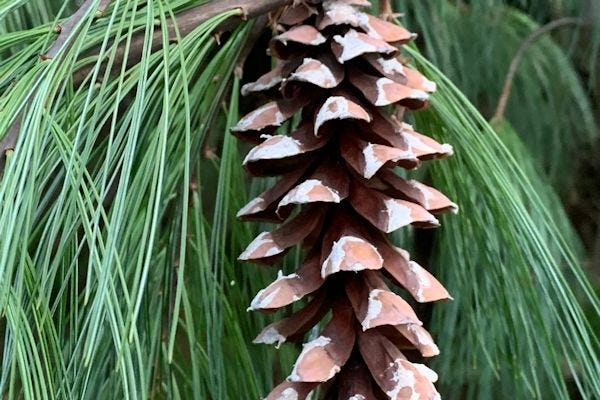
Eastern White Pine: Hardy in USDA zones 3-8, Pine offer both shelter and high-fat seeds for crossbills, chickadees, nuthatches, and squirrels, all through the coldest months. Its seeds, cones, foliage, buds, and bark are consumed by animals such as squirrels, rabbits, deer, beavers, black bears, and various small mammals. Many birds, including species like Red-breasted Nuthatches, woodpeckers, and grosbeaks, rely on the pine’s seeds and use it for nesting sites. Large Eastern White Pines also serve as important nesting trees for hawks, owls, and other cavity-nesting birds.
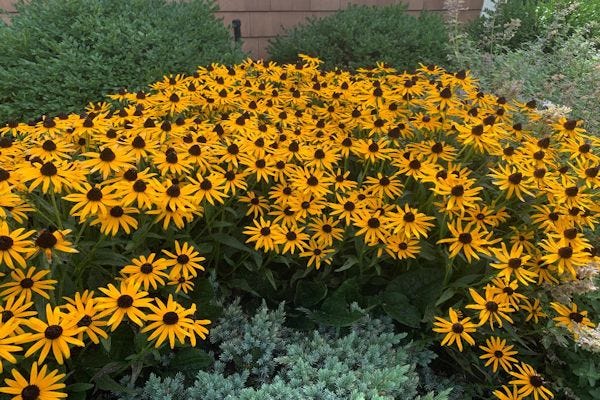
Black-eyed Susan: Black-eyed Susan (Rudbeckia hirta) is hardy in USDA zones 3-9 and serves as an excellent food source for American Goldfinches, Bobwhite Quail, and Wild Turkeys, once the flowers have matured and gone to seed. The nectar from the flowers is an important food source for pollinators, and a home for larval host for certain moths and butterflies.
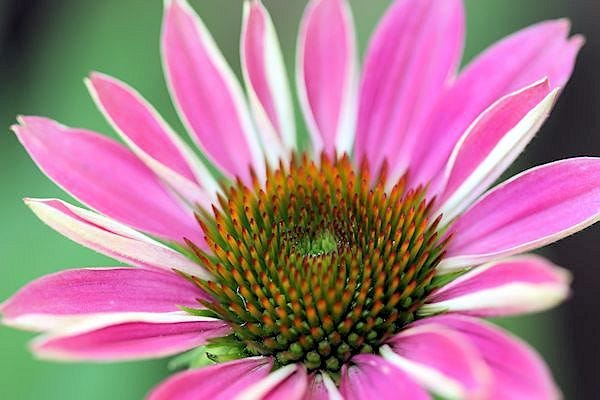
Echinacea: Echinacea, or coneflower are native to eastern and central North America and includes a vast selection of species, ranging in both size and color. Hardy in USDA zones 4-9, Echinacea prefers to be grown in full sun and in a well-drained soil. Flowers emerge from mid-summer to mid-fall which are a favorite feeding station for many butterflies. After blooming, seed heads are a huge attraction to a number of bird species, including Blue Jays, Cardinals and finches.
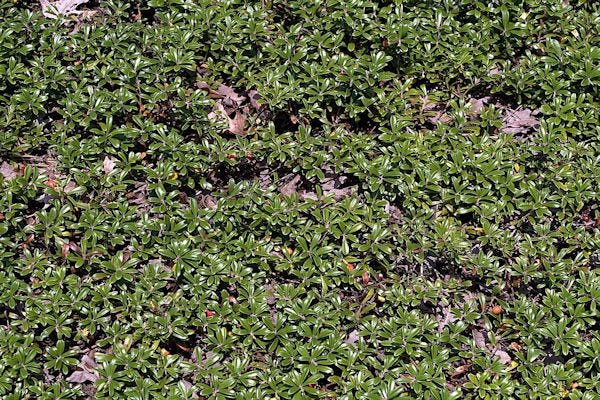
Bearberry: Bearberry (Arctostaphylos uva-ursi), hardy in USDA zones 2-6, is a low-growing, evergreen shrub native to northern North America, spreading horizontally to form a dense ground cover. The plant exhibits small, leathery, dark green leaves that turn reddish to bronze in fall and produce small, white to pink flowers in late spring. Bright red berries form that last into winter and are eaten by a variety of wildlife including birds, foxes, coyotes and bears. The plant’s common name, bearberry, references to bears, which particularly enjoy the fruit, but many bird species also rely on the berries as a food source into late fall and winter. Additionally, the berries serve as an important food source for some small mammals.
I hope you enjoyed This Month in the Garden and have found the information to be useful. Landscaping with wildlife in mind not only enhances the beauty of outdoor spaces but also strengthens local ecosystems. By incorporating certain plantings into your landscape you can play a major role in helping to support local wildlife, especially during the fall and winter months when food sources are scarce.
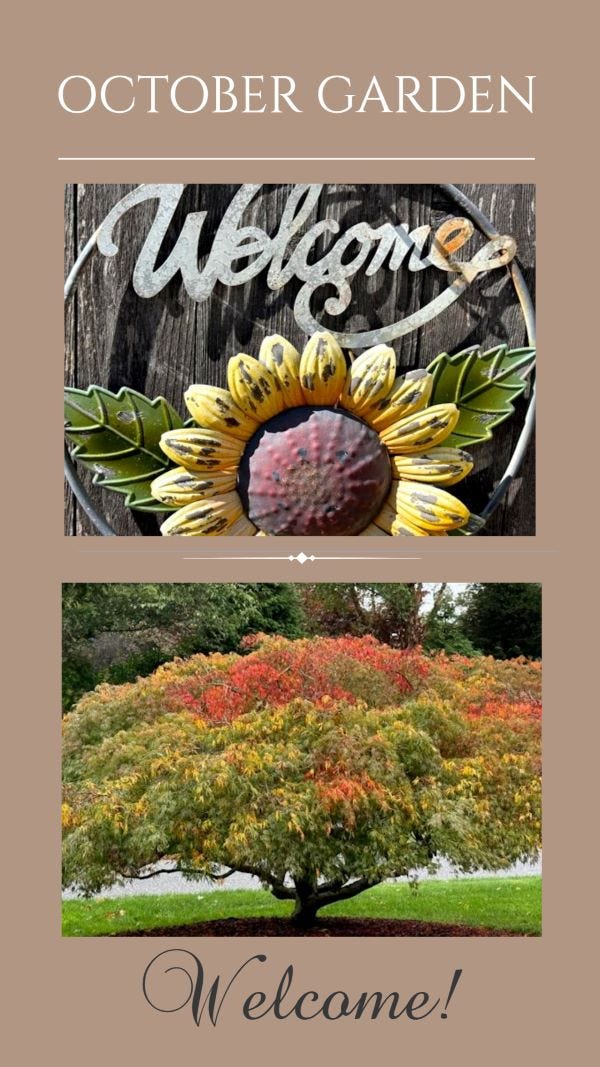
Welcome to my October Long Island garden! Here in the northeast zone 7b, a very warm start of the month with temperatures in the 70’s and 80’s has suddenly cooled with a dip in temperatures moderating into the lower to upper 60’s and our first nor’easter of the season bringing an abundance of rain and wind on the 12th through the 13th. The garden could use the rain though and is starting to show signs of autumn with its changing foliage. With the changing scenery and as many blooms continue, the garden is an inviting place to visit this time of year. Join me on the journey!
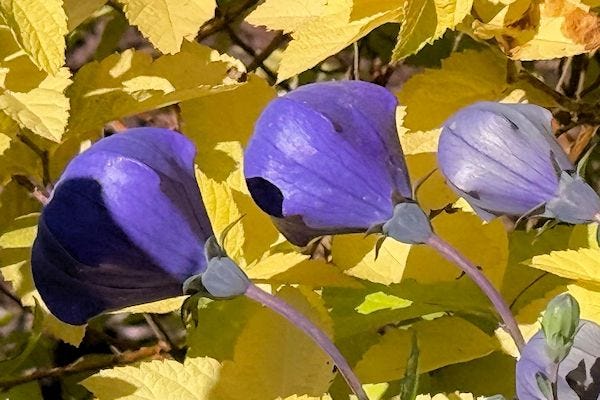
The first stop is along the patio border with Platycodon ‘Kamachi’ (Balloon Flower) still holding onto its blooms well in to fall. The golden colored foliage in the backdrop is that of ‘Candy Corn’ Spirea.
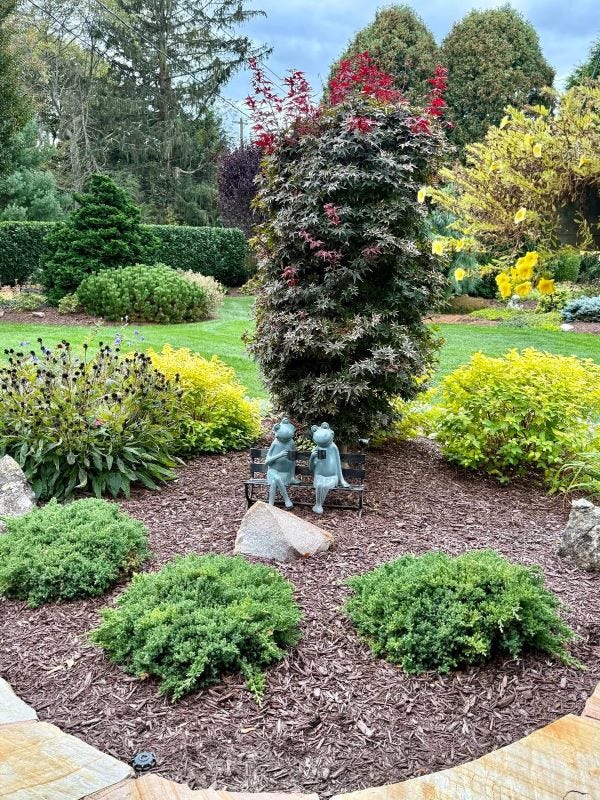
Along the patio border, Twombly’s ‘Red Sentinel’ Upright Japanese Maple is pushing out new growth after some warm days while the older foliage is going into “fall mode”, while the seed heads of Coneflower are a delight for the birds. Even the mini petunia hanging basket is trying to hang in there with its remaining bright yellow blooms!
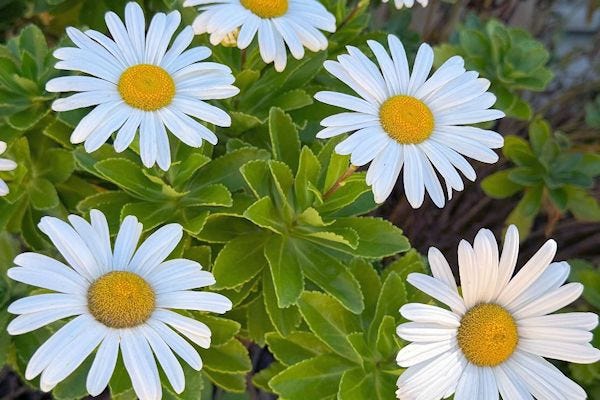
October is definitely Montauk Daisy season as these bloom alongside the patio. Montauk Daisy is also refereed to as Nippon or Japanese Chrysanthemum, but is recognized as Montauk Daisy in the northeast as it was first naturalized and gained popularity here in the Montauk area of New York. I do cut mine back in June to create a bushier, fuller plant and it really helps the health of the plant. After the blooms fade and foliage browns it will get cut back for fall.
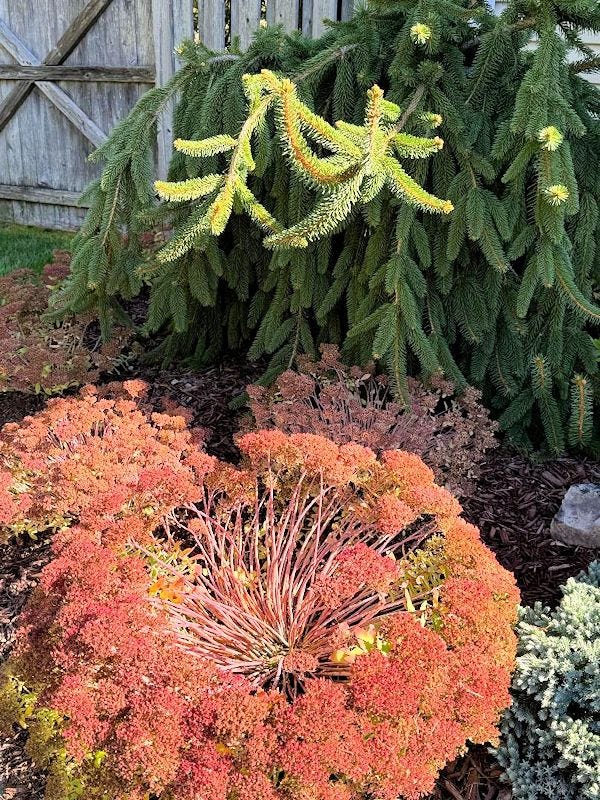
Another view along the patio border shows Weeping Norway Spruce and the fading blooms of Sedum ‘Pure Joy’, a more compact form of Stonecrop. The dried seed heads do add some interest to the fall garden.
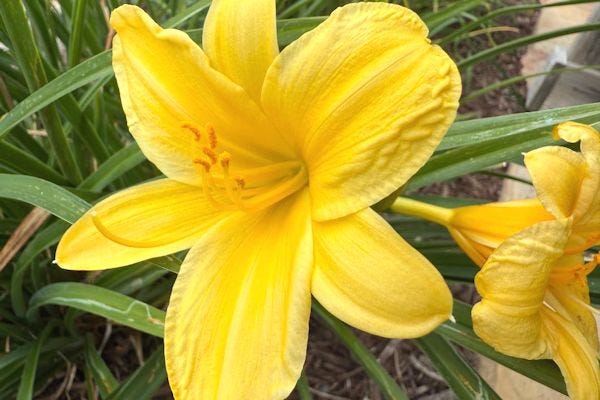
My reliable ‘Stella D Oro’ Daylily continues to push out new blooms. They normally finish blooming sometime around July, but I have a way of rejuvenating them!!! (By the way...I reveal the method in my first book, A Guide to Northeastern Gardening in Chapter 14 along with some other helpful tips!)
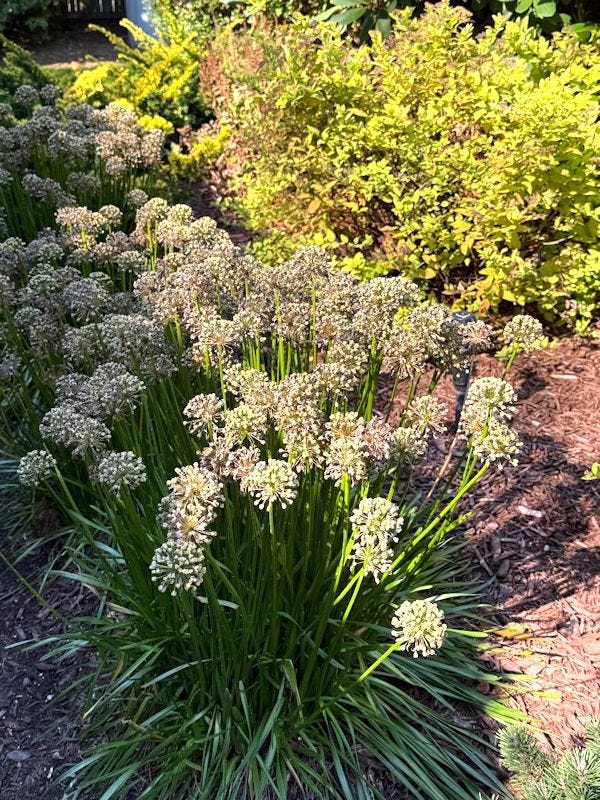
As we stroll around to the south side of the property, one of my new favorite perennials is along the pool border. These are the seed heads of the later blooming Allium ‘Millenium’, which start blooming in late summer (around July and August) and provide interest through fall. In the backdrop is Spirea ‘Goldflame’.
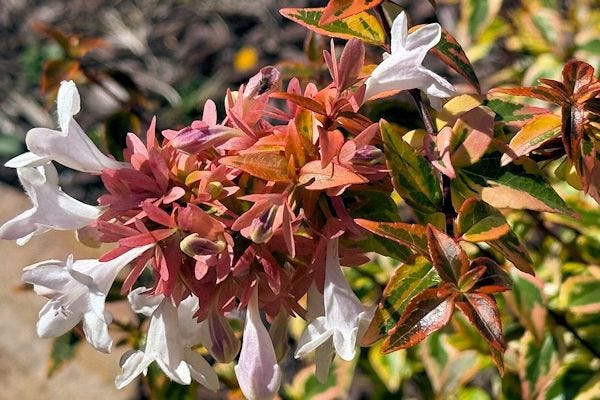
The Abelia ‘Kaleidoscope’ which I planted three years ago is blooming away with its white trumpet-shaped flowers that did attract some of the last migrating hummingbirds! I tried to get a picture but they are just too fast, unless they are making a pit stop at the feeder! The blooms seemed to have arrived a little later this year.
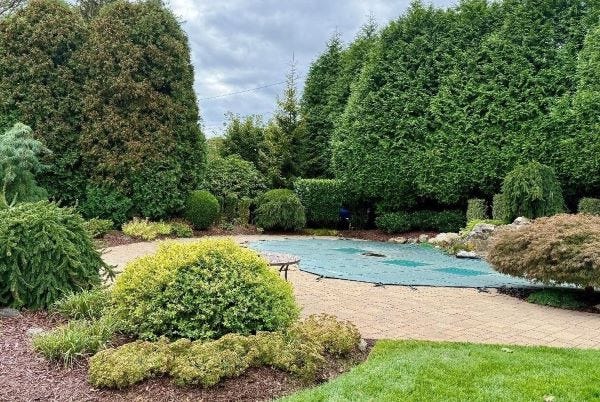
In the last Bloom Day post I had a request to see the whole pool perimeter. The pool cover is now on for the winter months, but here is a partial view of the left side. I will try to get some better views during the spring.
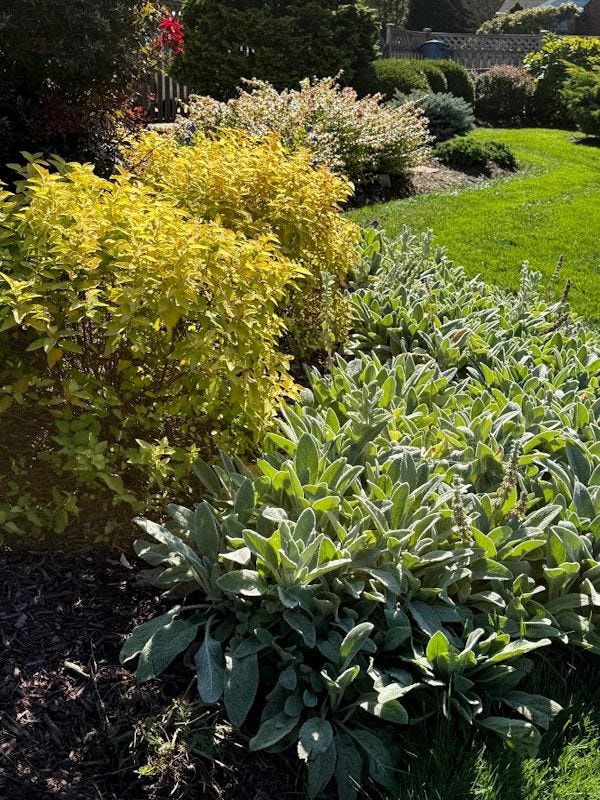
Here is a different perspective of the view along the patio border from the main yard. The Lamb’s Ear is still doing quite well for October! You can also see the Spirea ‘Candy Corn’ and Abelia in the backdrop.
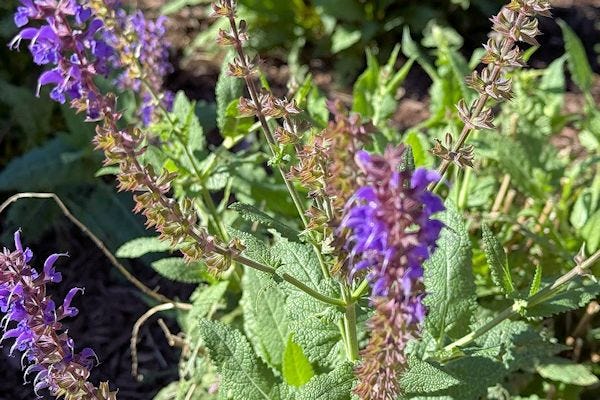
After some deadheading and removal of browned stalks in September, my Salvia ‘Blue By You’ continues to bloom and the bumblebees are loving it! I have found this cultivar of perennial Salvia to far surpass the others as far as length of bloom time.
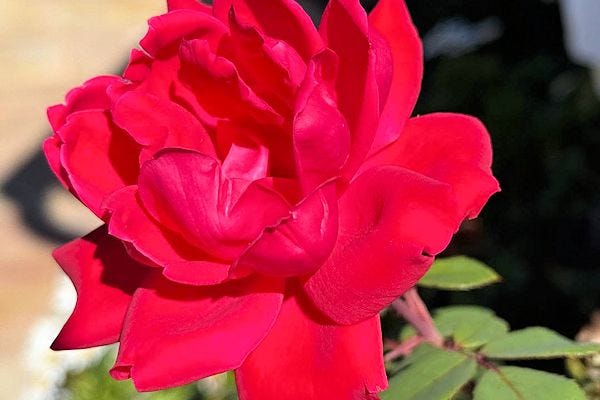
It is October and the Knock Out Roses are still blooming. I gave them a slight pruning around a month ago and they will continue blooming all the way through the first or second frost.
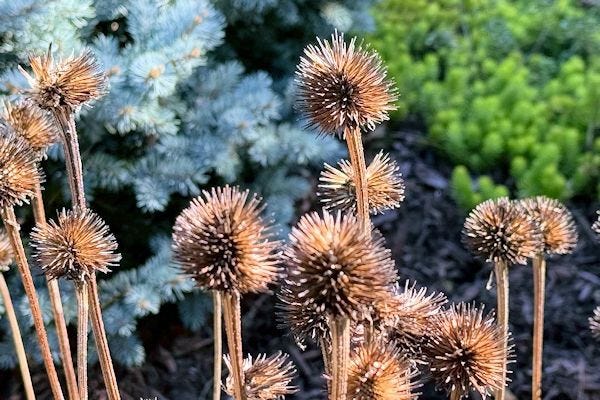
Here is a close up view of the dried seeds heads of Echinacea (Coneflower). I do enjoy how they look in the fall against the blue foliage of Blue Globe Spruce.
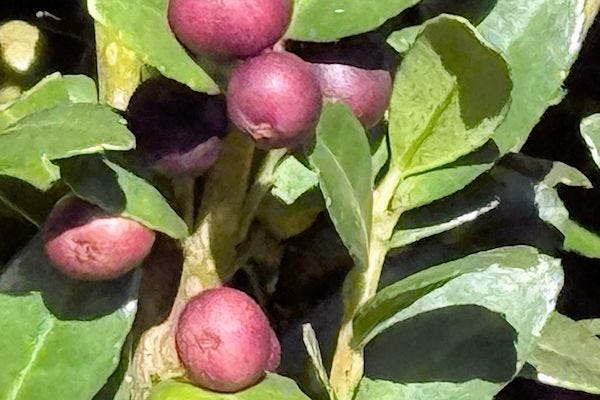
Another point of interest this time of year are the small inconspicuous burgundy colored berries that form on ‘Sky Pencil’ Holly. It is one of those things that you need to stop and take a closer look to see.
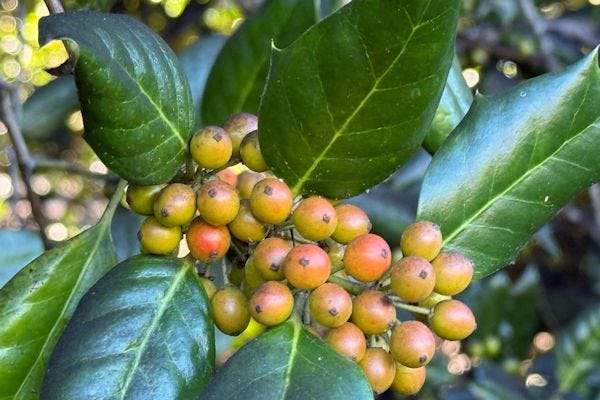
Also forming berries are Nellie Stevens Holly. The orange berries will mature to a bright red as the season progresses.
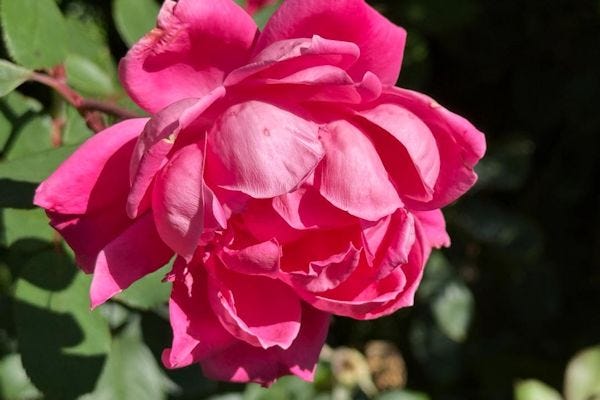
One cannot get enough Knock Out Roses blooms in October. Here is the pink variety!
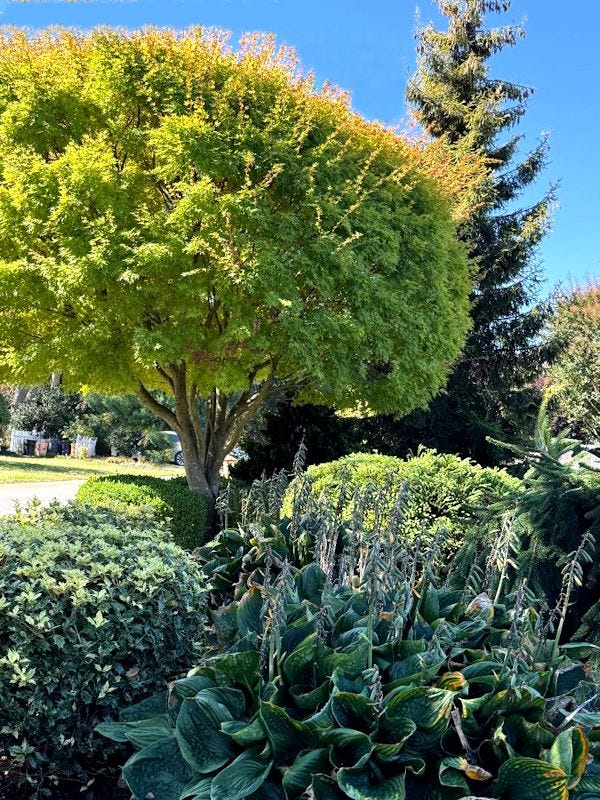
As we near the end of the tour, we must stop and take a look at the changing foliage of the Coral Bark Maple along the driveway. I love how the foliage changes on this tree from spring to summer to fall, followed by deep coral-red branches on the new growth of the season, which seem to glow in the wintertime, especially against the snow.
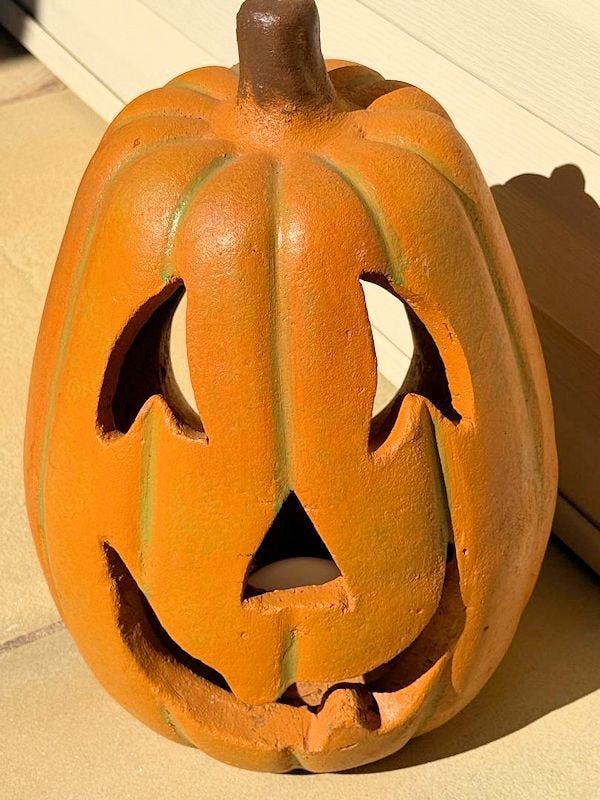
Last, but not least is a little holiday fun on the front porch! Autumn is one of my favorite times of year in the garden as it slowly transitions. As Alfred Camus put it, “Autumn is a second spring when every leaf is a flower.”
Other Places to Find Me 🌼
You can visit my Author Page 👈to learn about and purchase my books, each one focusing on different aspects of gardening, including landscape ideas, design principles, gardening by month for all-season interest, gardening tips and maintenance, shade gardening, gardening inspiration and more. And also be sure to check out my newest publication, The Houseplant Guide, to guide you on your houseplant journey! If you have read any of my books and have found them to be useful, reviews are very much appreciated!
Find me on Instagram at Northeastern Gardening and Facebook at A Guide to Northeastern Gardening Blog & Author Page.
Are you getting your garden ready in Fall for the Winter months? Here are some helpful tips that will ensure the vitality and health of your plants.
Comments
Nothing yet. Say the first thing.
Sign in to join the conversation.