
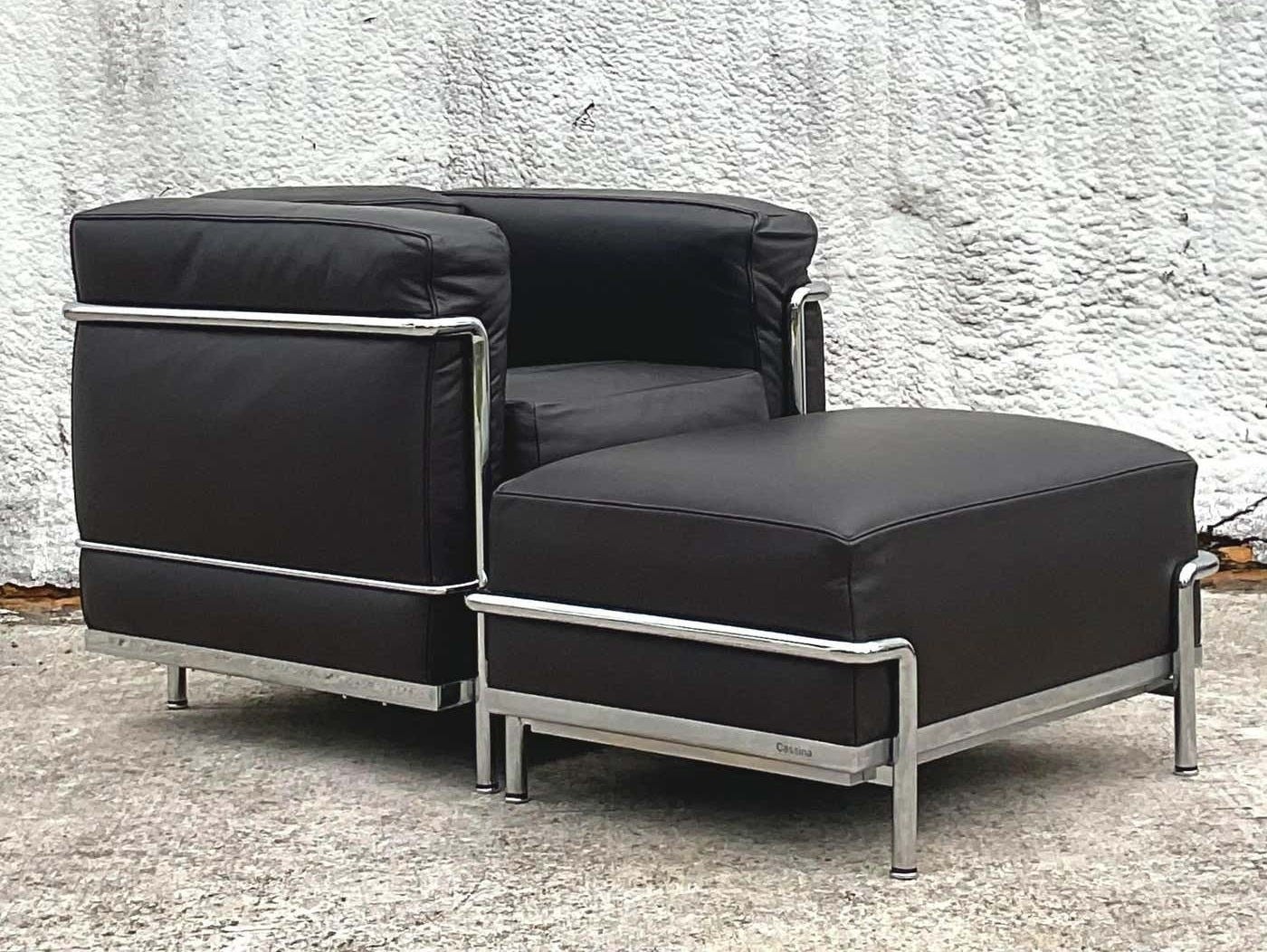
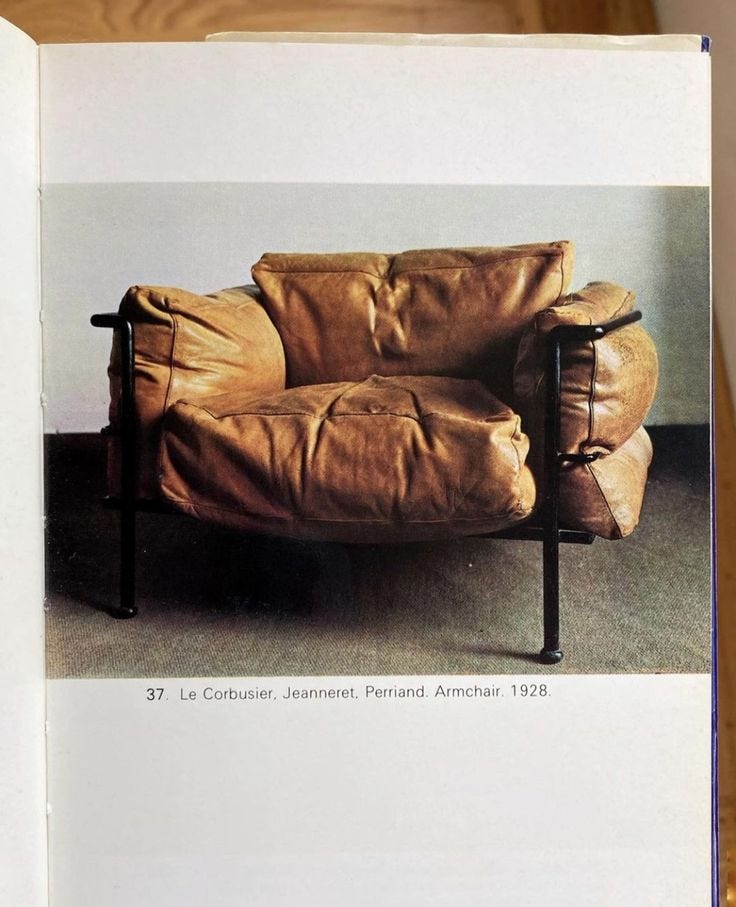
The LC furniture system, developed between 1928 and 1929 by Le Corbusier, Pierre Jeanneret, and Charlotte Perriand, represents one of the most influential collections in the history of modern furniture design. Conceived during a period of rapid industrialization and changing social attitudes toward domestic interiors, the collection redefined furniture as functional equipment rather than decorative ornament.
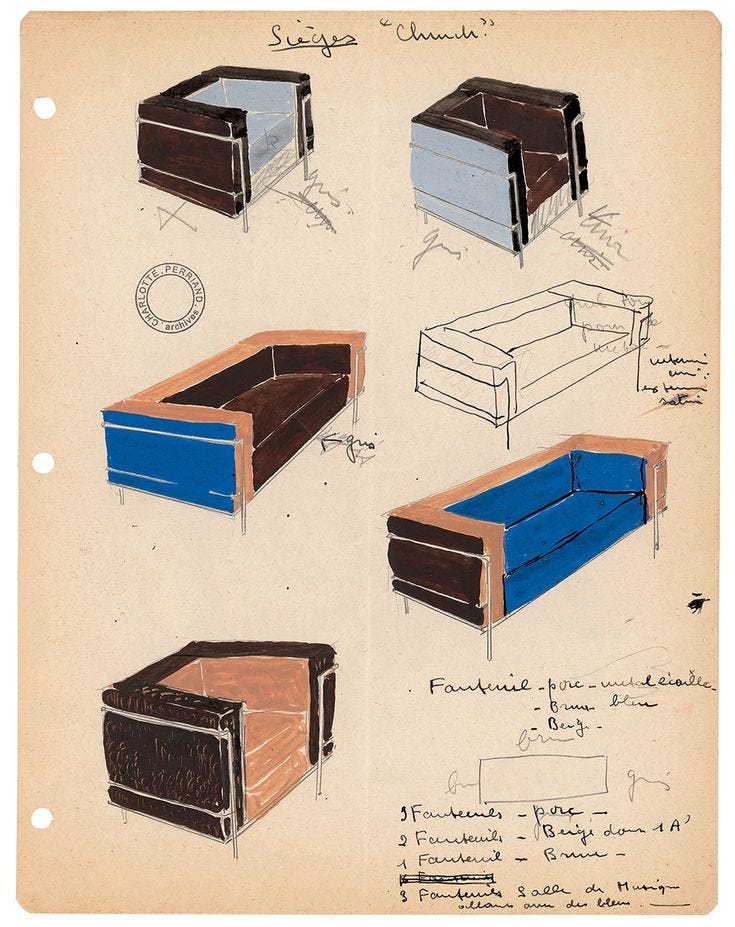
Characterized by exposed tubular steel frames, geometric forms, and carefully considered ergonomics, the LC series reflected Le Corbusier’s broader architectural philosophy of rationalism, standardisation, and modern living. This article examines the origins of the LC furniture system, the contributions of its collaborators, the design principles that underpin the collection, and its most significant pieces. It also considers Le Corbusier’s design philosophy, his relationship with contemporary modernist designers, and the lasting influence of the LC collection on twentieth- and twenty-first-century furniture design.
Comments
Nothing yet. Say the first thing.
Sign in to join the conversation.