
If you missed yesterday’s workshop, the replay is now available. Scroll to the bottom of this post to view the workshop slides.
If you’re a free subscriber, you can unlock the replay by upgrading below. Paid subscribers get access to the full workshop replay library (20+ workshops) and the private chat in the Substack app.
Parents and educators wondering how to increase the engagement of neurodivergent kids who struggle to try new things, figure out what they’re into, or join group activities.
The science behind how interests develop
How anxiety gets in the way of trying something new and what to do about it
How animals, movement, nature, music, and art heal the nervous system
The benefits of leaning into deep interests for autistic, ADHD, and twice-exceptional learners
Stories of how I’ve seen interests help neurodivergent kids and teens get outside their comfort zone and thrive
Become a paid subscriber to unlock the full workshop.
Or, unlock this workshop without subscribing.
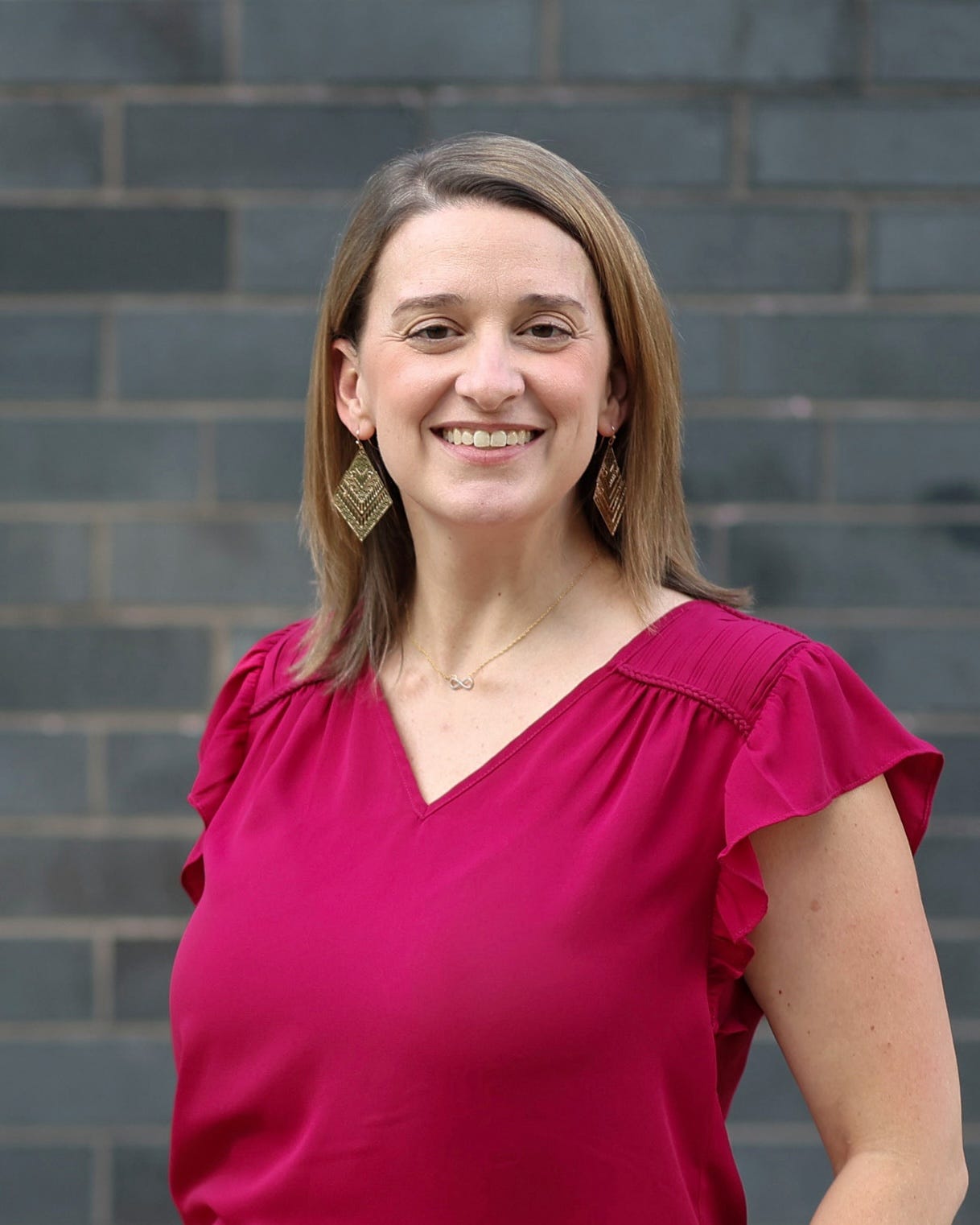
As a child psychologist, former school psychologist, and parent, I’ve spent the last two decades working with neurodivergent children and teens alongside their families and teachers.
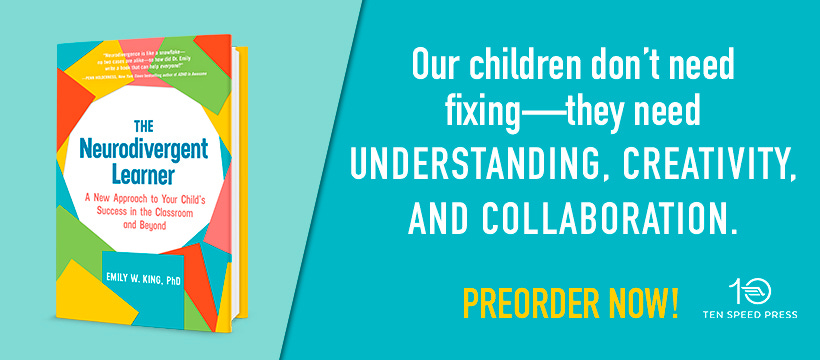
I host monthly workshops for parents and provide professional development for educators. My first book, The Neurodivergent Learner, is out August 25th!
If you’re ready to learn how to reduce the stress in your home, help others understand your kid, and find more joy, you are in the right place.
Let’s do this together,
~Dr. Emily
**All content provided is protected under applicable copyright, patent, trademark, and other proprietary rights. All content is provided for informational and education purposes only. No content is intended to be a substitute for professional medical or psychological diagnosis, advice or treatment. Information provided does not create an agreement for service between Dr. Emily W. King and the recipient. Consult your physician regarding the applicability of any opinions or recommendations with respect to you or your child’s symptoms or medical condition. Children or adults who show signs of dangerous behavior toward themselves and/or others, should be placed immediately under the care of a qualified professional.**
Comments
Nothing yet. Say the first thing.
Sign in to join the conversation.