
When I was growing up, school had a simple formula: work harder on the subjects you're not good at.
Struggling with math? More math.
Not a strong writer? More essays.
The assumption was that good education meant identifying weaknesses and fixing them.
It sounds reasonable. After all, we don't want children to have gaps in their knowledge.
But over the years, both as a parent and while working with families and tutors, I've started wondering whether we have it backwards.
Children don't fall in love with learning because someone tells them what they're bad at. They fall in love with learning when they discover something they're good at.
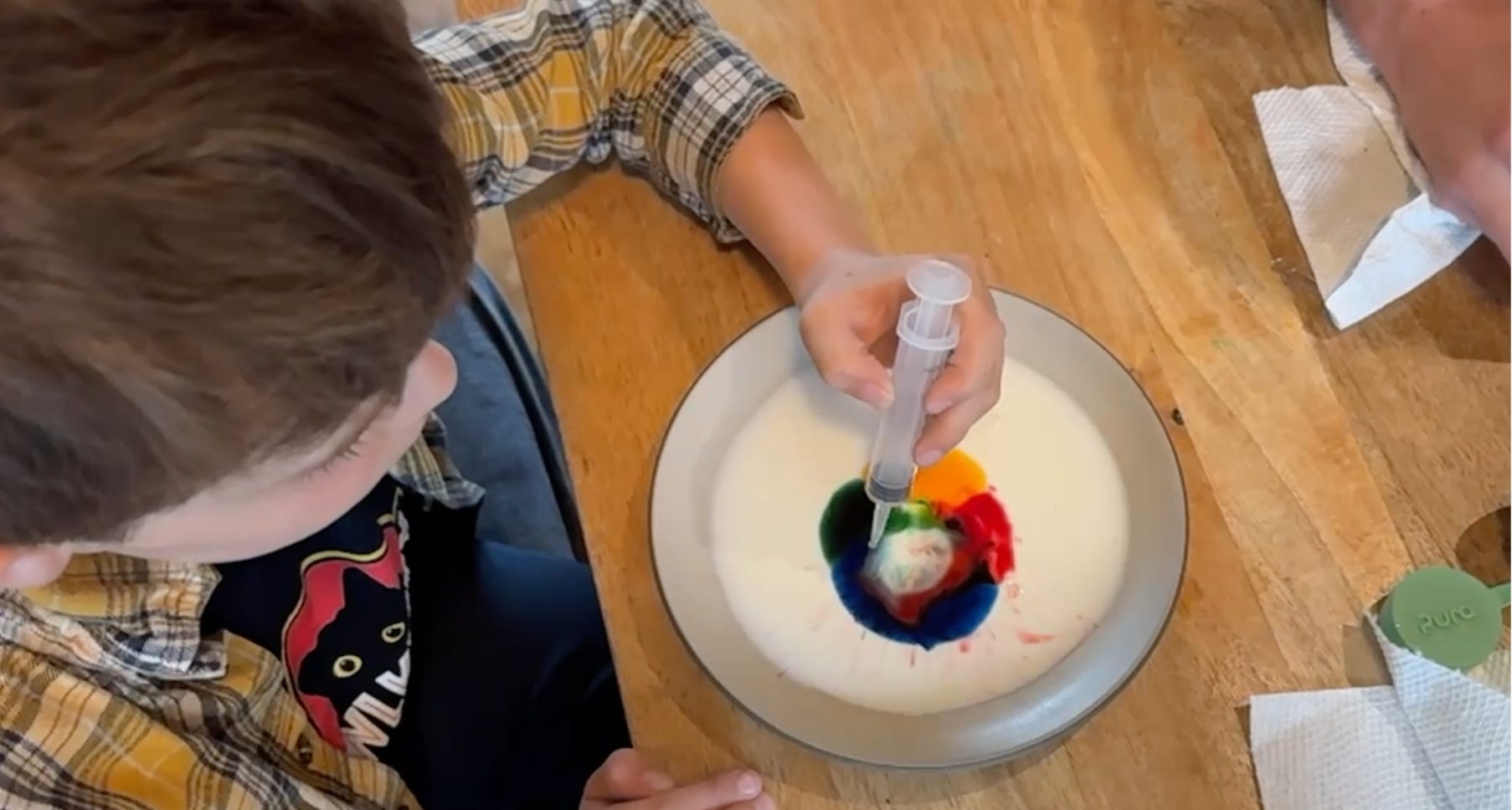
Think about the child who can't stop building with LEGO. The one who asks endless questions about sharks. The one who fills notebooks with stories or spends hours drawing imaginary worlds.
These interests often look like hobbies.
But they're also doorways.
A child who loves building isn't just learning engineering. They're learning problem-solving, persistence, spatial reasoning, and creativity.
A child obsessed with animals isn't just memorizing dinosaur names. They're practicing research, reading, observation, and asking better questions.
Strengths create momentum. And momentum is powerful.
Once children experience the satisfaction of mastering something they genuinely care about, they're much more willing to tackle harder things.
The research backs this up.
Martin Seligman, the psychologist who founded positive psychology, spent decades studying what makes people thrive. His conclusion, backed by study after study, is that people develop fastest when they build on their existing strengths, not when they focus on fixing their weaknesses.
This isn't just feel-good advice. It's neurological. When a child engages with something they're naturally good at, the brain releases dopamine. That dopamine not only feels good, it strengthens neural pathways, improves memory retention, and makes the child want to come back and do it again.
This doesn't mean we should ignore areas where they struggle.
But there's a difference between making weaknesses the center of education and helping children use their strengths as a foundation.
One builds confidence.
The other often chips away at it.
Researchers call this the "strengths-based approach." Instead of asking, "What's wrong with this child?" it asks, "What is already working, and how can we build on it?"
Imagine two tutoring sessions.
In one, a child who dislikes math spends an hour working through worksheets because they're behind.
In the other, that same child loves basketball. Together with their tutor, they calculate shooting percentages, analyze player statistics, and predict game outcomes.
They're still learning math. But now the learning has meaning.
I've seen this happen again and again.
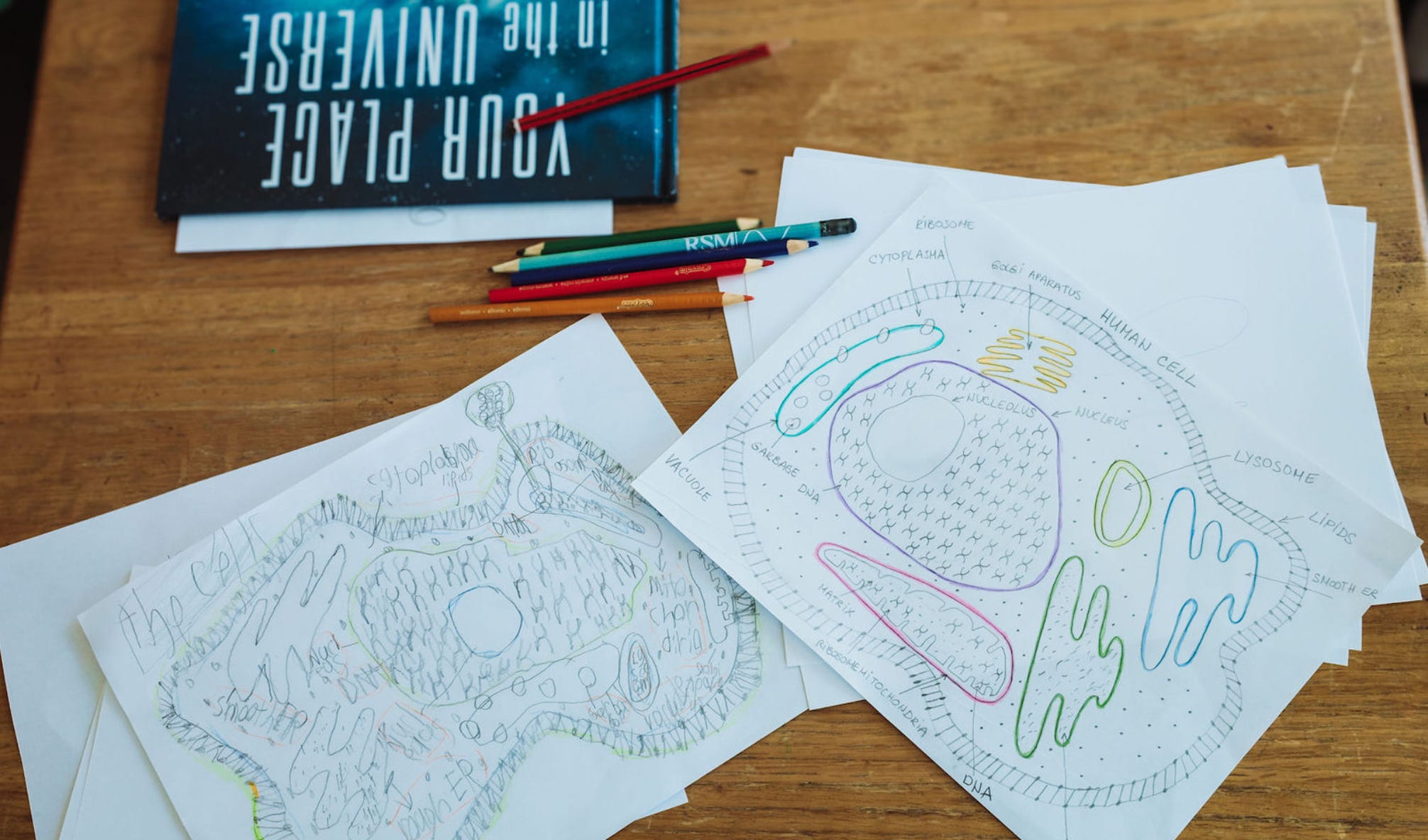
When learning connects with something children genuinely care about, they ask more questions. They stay with problems longer. They stop worrying about getting the "right answer" and become curious instead.
Curiosity is a much stronger engine than obligation.
Facts can be looked up.
The ability to think creatively, solve problems, and teach yourself something new - that's what will matter. And those skills grow most naturally when children care about what they're learning.
I don't think our goal should be to raise children who are equally average at everything.
I think our goal should be to help each child discover what they're uniquely excited by, and give them the confidence to build from there.
Because strengths aren't just what children are good at.
They're often the place where a lifelong love of learning begins.
This week, try asking a different question.
Instead of, “What should my child improve?”, ask: “When does my child lose track of time?”
Pay attention to the activities they return to on their own. Those moments often reveal interests that can become powerful starting points for learning.
One of the first questions I ask families is: “What does your child love?”
Not because I expect every interest to become a career, but because it’s the best place to begin.
Whether it’s math, animals, storytelling, coding, art, or building things, I’ve found that children learn best when someone starts with their curiosity instead of their report card.
VIA Character Strengths Survey: Martin Seligman’s organization offers a free strengths survey, including a version designed for children. A good place to start if you want to identify what your child’s natural strengths actually are.
The Strength Switch by Lea Waters: A practical book for parents on how to notice and build on children’s strengths in everyday life. Waters is a positive psychology researcher and parent. One of the most accessible books on this topic.
Flow: The Secret to Happiness - Mihaly Csikszentmihalyi (TED Talk): Csikszentmihalyi’s research on “flow states” explains why children perform and learn best when they’re doing something at the edge of their abilities, and why that almost always happens with things they care about.
Positive Psychology Center, University of Pennsylvania: Seligman’s research center, with accessible summaries of the science behind strengths-based approaches if you want to go deeper than the book.
No posts
Comments
Nothing yet. Say the first thing.
Sign in to join the conversation.