
Hello hello, how are you doing, lazy women out there in the world? Zsofi here – for those new here, I’m the founder of Lazy Women, a feminist media produced by young women from all over the world. I’m writing to you from a moody Parisian rainy afternoon, lounging on my boyfriend’s sofa, desperately trying not to catch the Sunday scaries, although I can feel it kicking in slowly. But what better cure is there than writing?
Today, I’m bringing you the very first Feminist Founder’s Diaries drop, a new bi-monthly series here on Substack focused on all the behind-the-scenes of running a feminist media platform.
The truth is, I’ve been struggling to get started with this column, not because I don’t have anything to say, but quite the opposite. It’s been 6 years since I started Lazy Women, and I kept the whole experience of it relatively private in my head. It’s not something I talk about a lot with my friends and family. When the usual over-lunch question of “Aaand…what’s up with Lazy Women these days?” comes up, I usually shrug and resort to mentioning only our recent small wins and successes with a cheery face. More often than not, I’m unsure of the extent to which people actually want to hear the often-confused, contradictory feelings I have about running this project.
And even if the shiny parts are just as true as the difficult moments, I want to be able to talk about what exists beyond the “it’s so cool, you must be so proud of yourself”s.
To kick things off, I sat down and reflected on some of the key unexpected lessons I’ve learned throughout the process. I also asked our Instagram followers what they’d like to know more about, and factored their questions into the writing.
Note: If you’re a fellow founder, or working in the non-profit/independent media space, I’d love for you to share your thoughts in the comments! 💌
A good name comes to you without brainstorming for hours. For Lazy Women, the inspiration for the name existed before anything else (and if you don’t know by now that yes, my ex called me lazy and that’s what started it all, where have you been?!) – and it continues to be the key to running this project, because it instantly creates a sense of belonging, and a grotesque political statement in the midst of a world that so heavily relies on women’s labour. Equally important is the visual identity of our logo, which conveys the cheekiness of our concept and our refusal to fit into a pre-moulded form.
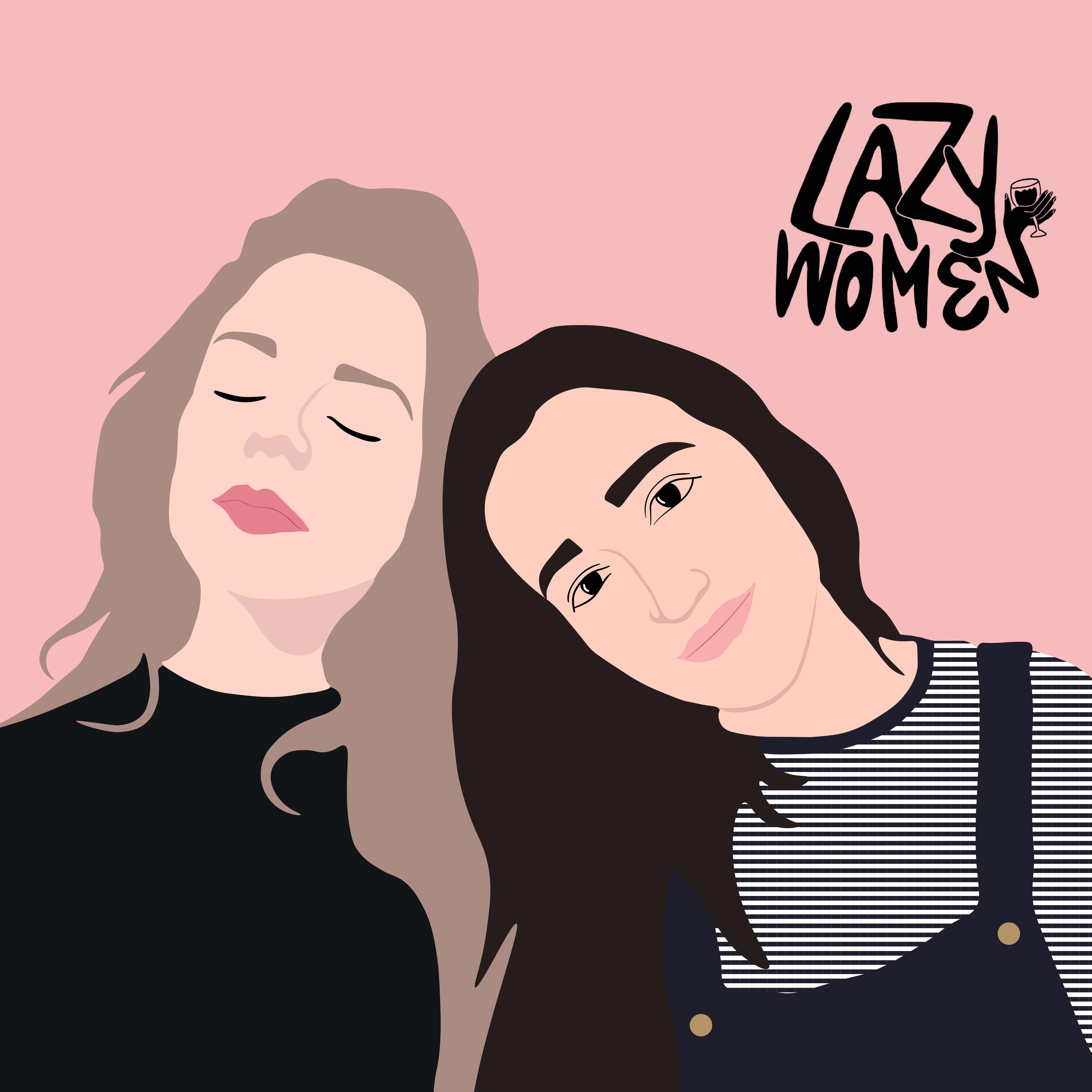
a poster from the early days, depicting Zsofi and Bori.
When starting out, I didn’t expect the extent to which our name would divide people. For many, it was so obvious and compelling - so how come others were confused by it? Especially women from an earlier generation, for whom the idea of taking time for yourself is so incredibly taboo that they refused to detect the playfulness in our name, swearing that “being lazy is nothing to be proud of” - something they have never, ever allowed themselves. And even when it was explained that this was exactly why we chose the name, they would still be reluctant to get it. Interestingly, the other end of the spectrum would be hardcore feminists who judged Lazy Women by its pink, girly cover and accessible language, claiming that promoting laziness represents a wellness-oriented, individualistic (and therefore capitalist) kind of empowerment. What I ultimately say in these discussions is: “You see, it’s working. It’s sparking discussion.” A good name brings up feelings in people, and this one certainly does. And it’s not one people easily forget.
a variation of our logo specifically created for a campaign
Through Lazy Women, I’ve met hundreds of young women stuck in the hyper-achiever, good-girl-good-student loop, working towards a “serious” career while ignoring their creative passions. For many of them, Lazy Women has offered a safe entry point because, as volunteers, they were less afraid of failure than if they had treated it as their profession. It’s sometimes been difficult to see just how much talent some people in the community have, and how much they still apologise for themselves; how afraid they are to use their skills beyond a certain boundary. The imposter syndrome of our generation of women, and the excessive respect for authority and rules, goes beyond geographical boundaries - but many just need one final push to dare to pursue their dreams, and I’m proud to know that Lazy Women has been integral to that process for many.
Opting out of the productivist logic of daily, algorithm-tailored content production requires the re-definition of your idea of success, too. Because if success in your head is still linked to the exponential growth rate of followers, paid subscribers, and donors, then the equation simply won’t work.
In the case of Lazy Women, not producing daily content has been not only a choice, but also the pragmatic reality of a volunteer-run project; something we have been, for at least the past two years, adamant about wanting to grow out of, while also finding it challenging to do so. Both on an individual level, given that most of our volunteers are immigrant women hustling non-stop to build a life for themselves alone in a brand new country, quitting a safe job is not as easy as it sounds. And on an institutional level, we have been confronted with the reality of the funding process for projects that are intentionally non-profit, independent, and at the same time large in scope, such as ours. I’m not saying it’s impossible - and in fact, we celebrated several wins last year, such as starting our brand new paid project, Making it in Eastern Europe. But that’s not the same as being financially secure and sustainable, and being able to offer salaries to the dedicated women running the project.
One piece of advice I’d give those starting out, which may seem obvious but really wasn’t when we were getting started, is to have your finances in mind from the beginning, and to consider the choices you’d make if this project were not just a hobby — even if, in your head, it still is. Because that consideration can evolve quickly, but the structure (and choice of platform) you set up from the start is much harder to change once people become attached to it. Be clear about the “boring stuff” from the beginning, even if it feels silly to take yourself so seriously.
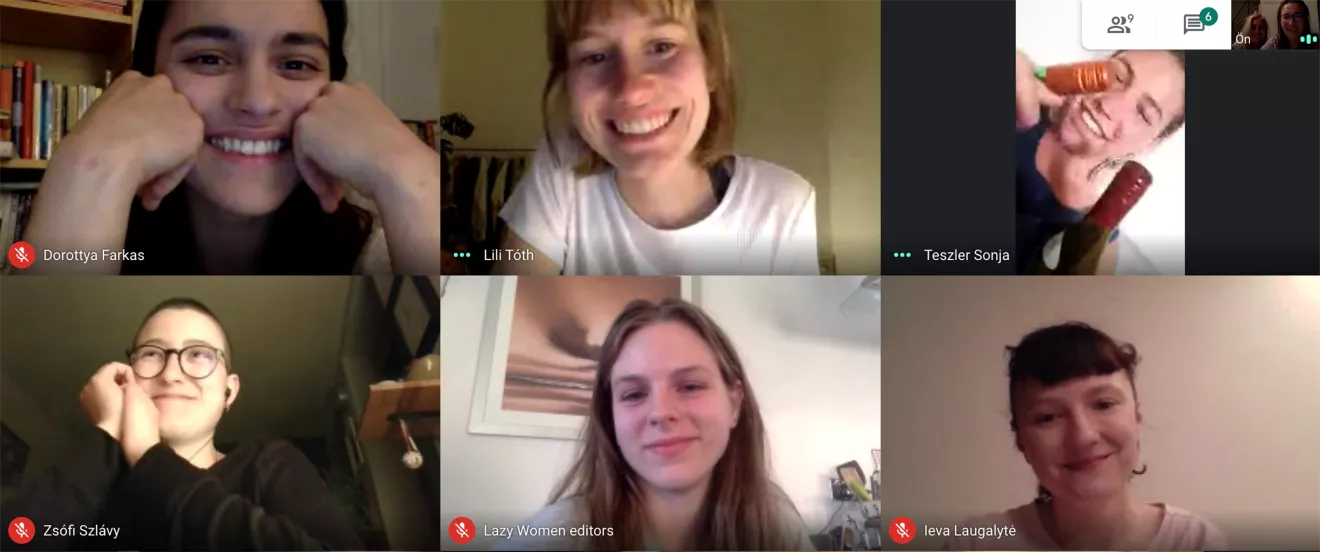
our very first meeting and photo. while many of the faces have changed since, many have stayed over the years, exploring their different skills in the project.
Over the 6 years of keeping Lazy constant, I have lived in 7 different flats across 2 cities, finished my master’s, had an internship, and then 3 different jobs since (!). This sounds like quite a lot, and it is (but to my defence, it’s the defining decade of my twenties, when it’s somewhat “normal” for so many things to happen). Despite it all, and despite many, many challenges, we kept Lazy Women going, and the emphasis here is on the we. While in today’s world it’s so tempting to start your own personal brand, one that bears only your own name, there has been something quietly fruitful and beautiful in opting out of that and running a collective instead. One where the Lazy Women brand exceeds each and every individual who is part of the project, but where you are also kept afloat by the collective’s ambition to move things forward.
If it had been only up to me, I would have stopped countless times - that initial motivation to keep things going can quickly fade when the big-boom success we all crave doesn’t come through immediately, egos bruise, and intention dwindles. Luckily, in Lazy Women, whenever someone needs space and moves into the background, it creates room for someone else to move forward. It’s an often tricky, fluctuating, and exhausting state of equilibrium - but one that keeps pushing itself forward, and consequently grants you the feeling of being part of something bigger than yourself.
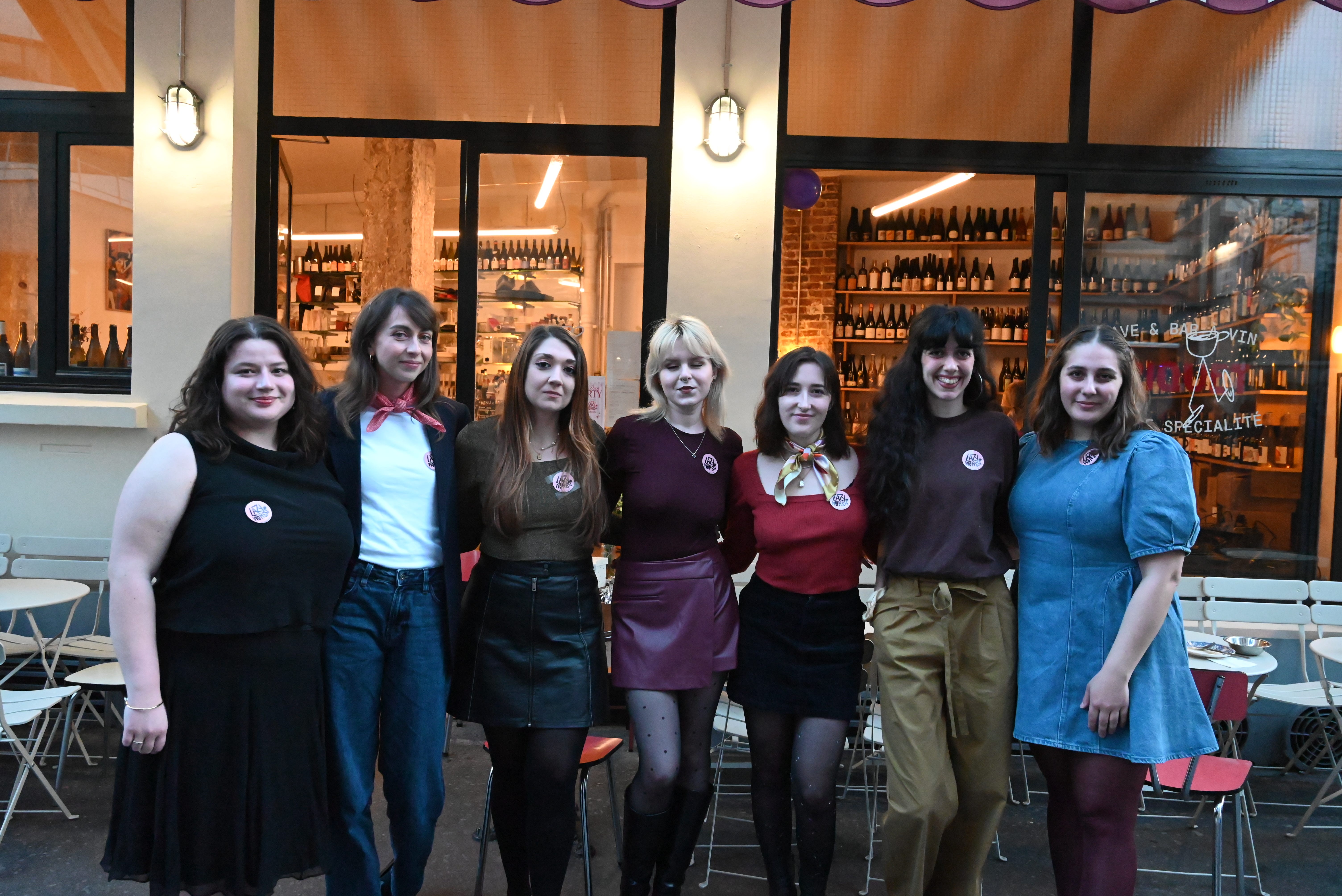
2026, women’s day, paris. slay.
Stay tuned for the next 5 tips in the next Founder’s Diaries drop ✨ In the meantime, if you’d like to support Lazy Women, becoming a paid subscriber would genuinely mean the world to us. Every subscription helps us move closer to a future where this project can become sustainable work for the women behind it — because we still have so many ideas, and truly believe there is so much more left to build.
Until next time,
Lazy Zsofi x
Comments
Nothing yet. Say the first thing.
Sign in to join the conversation.